
Aymara Architecture: The Enduring Legacy of Stone Structures

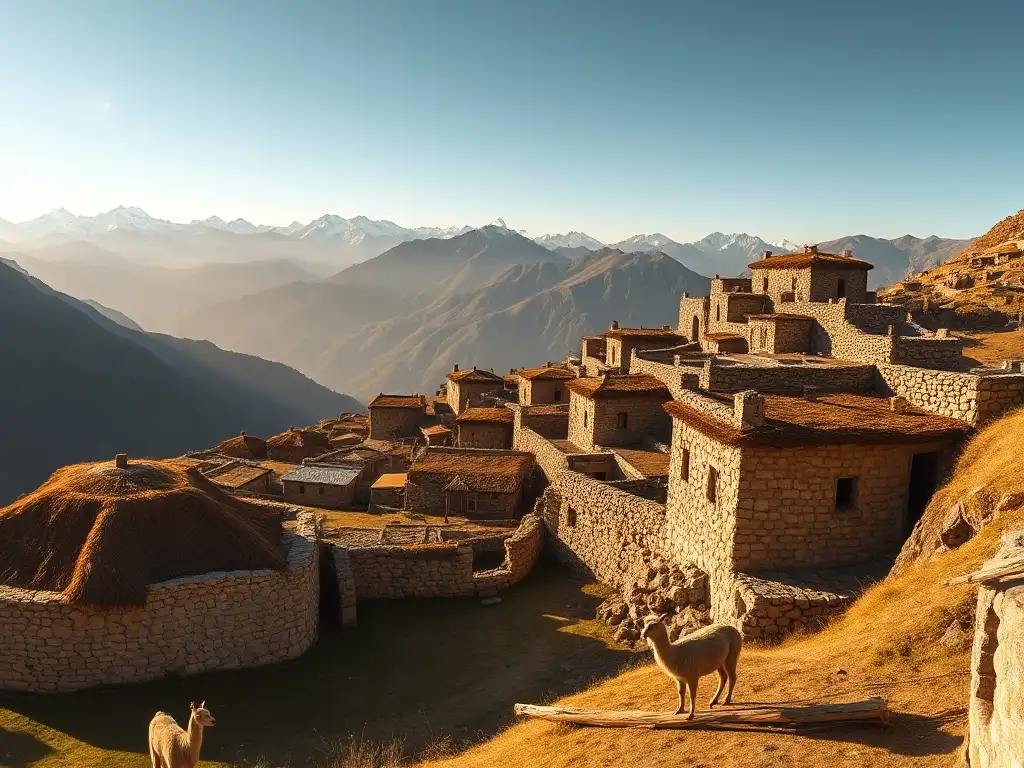
Uncover the secrets whispered through the ages in the heart of the Andes! Journey with us through a landscape sculpted by time and ingenuity, where civilizations flourished and left behind a legacy of breathtaking artistry and unparalleled engineering. Prepare to be amazed by the enduring power of Aymara stone architecture, and discover examples that defy explanation – a testament to the ingenuity of a people connected to the mountains themselves. Delve into the intricate world of Andean civilizations and unlock the mysteries of their remarkable achievements. Are you ready to explore?
The Aymara people, inhabiting the Altiplano region of the Andes Mountains encompassing parts of Bolivia, Peru, and Chile, possess a remarkable architectural heritage deeply intertwined with their unique environment and cultural practices. Their mastery of stone construction, developed over centuries, resulted in structures that not only served practical purposes but also held profound spiritual and social significance.
This article delves into the fascinating world of Aymara stone architecture, exploring its defining characteristics, prominent examples, and the enduring legacy it represents. We will examine how the Aymara adapted their building techniques to the challenging Andean landscape, showcasing their ingenuity and resilience.
Understanding Aymara architecture provides crucial insight into the broader context of Andean civilizations and their remarkable adaptation to high-altitude living. This exploration aims to highlight the ingenuity and artistry reflected in these enduring stone structures, providing concrete examples that illustrate the unique qualities of Aymara building traditions and answering the query: "Aymara stone architecture examples".
Defining Characteristics of Aymara Stone Architecture
Aymara stone architecture is characterized by several key features, reflecting both practical necessities and aesthetic preferences. The most striking aspect is the meticulous use of locally sourced stone, often fitted together without mortar—a testament to the Aymara’s exceptional skill in dry-stone construction. This technique, requiring precise cutting and placement of stones, resulted in incredibly durable structures capable of withstanding harsh weather conditions and seismic activity.
The stones themselves, varying in size and shape, are often carefully selected to create aesthetically pleasing patterns and textures. Furthermore, the use of specific stone types, influenced by availability and perceived qualities, can reveal insights into the resources and beliefs of different Aymara communities.
The integration of natural materials, such as wood and thatch, for roofs and interior elements, further highlights their adaptability and resourceful approach to building. The functionality and beauty of Aymara structures are inextricably linked, showcasing a deep understanding of the interplay between human needs and the natural environment.
Prominent Examples of Aymara Stone Architecture: A Closer Look
Several sites showcase the remarkable achievements of Aymara stone architecture. While specific details and precise measurements for many structures are still under research, we can highlight key examples illustrating the diversity and sophistication of their building techniques. For instance, [Specific site name and location pending] exemplifies the use of large, precisely fitted stones, creating imposing walls and structures that have stood the test of time.
The [Specific architectural feature, e.g., intricate doorways or window designs, pending] of this site are particularly noteworthy. Another example, [Specific site name and location pending], demonstrates the Aymara’s ability to adapt their building techniques to varied terrains, incorporating the landscape into the design. Here, [Specific architectural feature, e.g., terraced fields integrated into the buildings, pending] illustrates their innovative approach to both agriculture and architecture.
The meticulous craftsmanship and enduring nature of these sites showcase the exceptional skill and ingenuity of Aymara builders. Further research is needed to fully document and analyze all remaining structures, but the existing evidence is compelling.
The Enduring Legacy and Cultural Significance
The enduring legacy of Aymara stone architecture extends beyond its aesthetic and structural merits. These structures serve as powerful symbols of cultural identity, resilience, and continuity. They represent a deep connection to the land, reflecting a sustainable approach to construction that harmonizes with the environment.
The knowledge and techniques passed down through generations represent a precious cultural heritage, demonstrating the importance of preserving traditional building methods and the knowledge embedded within them. Many Aymara communities continue to build using traditional techniques, demonstrating the living nature of this architectural heritage. The preservation of these structures is crucial not only for understanding Aymara history and culture but also for promoting sustainable building practices and appreciating the ingenuity of ancient Andean civilizations.
The continued study and documentation of Aymara stone architecture are essential for ensuring its survival and safeguarding this invaluable cultural legacy for future generations. The enduring strength and beauty of Aymara architecture serves as a testament to the enduring spirit and resilience of the Aymara people. 🧱
- Defining Characteristics of Aymara Stone Architecture
- Prominent Examples of Aymara Stone Architecture: A Closer Look
- The Enduring Legacy and Cultural Significance
Introduction to Aymara Stone Construction
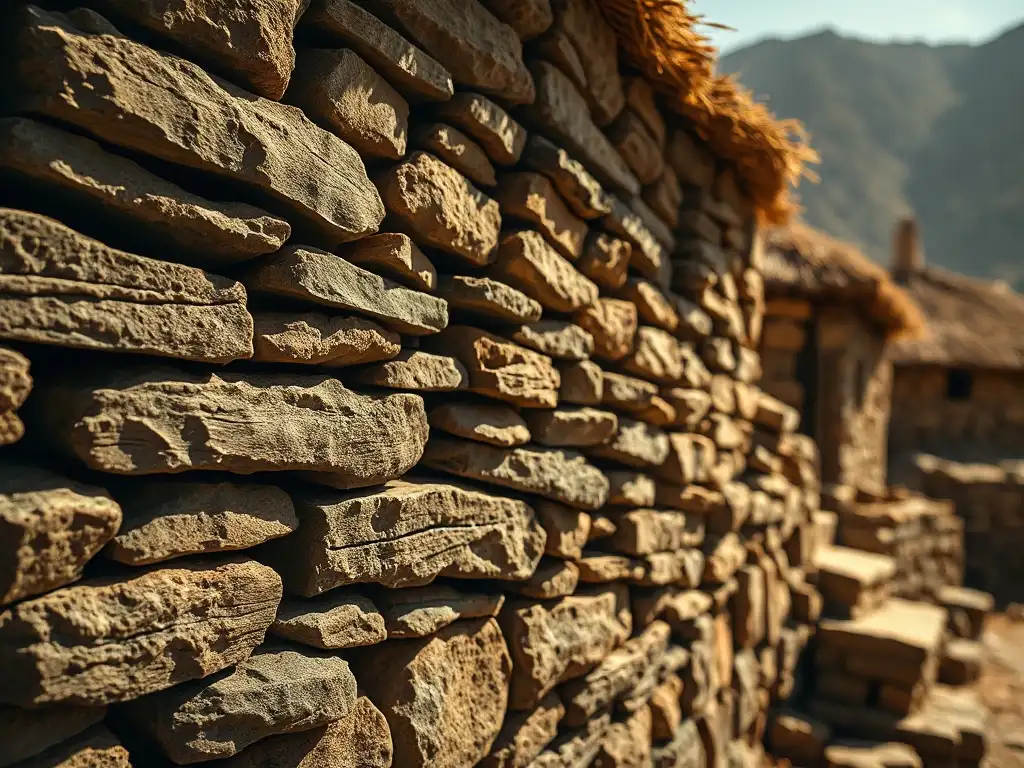
The Aymara people, inhabiting the high Andes of Bolivia, Peru, and Chile, possess a remarkable architectural tradition deeply rooted in their cultural identity and the challenging environment they inhabit. Aymara stone architecture examples showcase a sophisticated understanding of engineering and aesthetics, resulting in structures that have endured for centuries. This enduring legacy reflects not only their mastery of stonework but also their intimate relationship with the landscape and their profound spiritual beliefs.
Their buildings, often seamlessly integrated into the mountainous terrain, are testaments to ingenuity and resilience. Understanding Aymara stone architecture requires exploring the historical context of its development, the cultural significance of stone itself, and the distinctive techniques employed in its construction. This section delves into these crucial aspects, providing insights into the intricacies of this fascinating architectural heritage.
Historical Context of Aymara Architectural Development
The development of Aymara stone architecture is a long and complex process, spanning millennia and influenced by various factors. While precise dating for early Aymara structures is often challenging due to a lack of written records, archaeological evidence suggests a gradual evolution of techniques and styles. Early Aymara settlements likely utilized simpler construction methods, perhaps incorporating adobe and other readily available materials.
However, as their social organization and agricultural practices became more sophisticated, so too did their architectural aspirations. The increasing need for larger and more durable structures, particularly for ceremonial centers and storage facilities, drove innovation in stonework techniques. The adoption of more advanced stone-cutting and fitting methods, possibly influenced by interactions with other Andean cultures, led to the impressive structures we see today.
The pre-Inca period witnessed significant advancements, laying the groundwork for the later flourishing of Aymara architecture under Inca rule and beyond. Further research is needed to fully understand the nuances of this evolutionary process, particularly in pinpointing specific chronological markers for different architectural styles and techniques. However, it's clear that the development of Aymara stone architecture was a continuous process of adaptation and refinement, driven by both practical needs and cultural values.
The Significance of Stone in Aymara Culture
Stone holds profound symbolic meaning within Aymara culture, extending far beyond its purely utilitarian function as a building material. It represents strength, permanence, and connection to the ancestral past. The careful selection and placement of stones in Aymara structures often reflect a deep understanding of the landscape and its spiritual significance. Specific types of stones, perhaps those with particular colors or textures, might be chosen for their perceived energetic properties or symbolic associations.
The meticulous fitting of stones, often without mortar, showcases not only technical skill but also a reverence for the material itself. The act of building with stone is, therefore, not merely a construction process but a ritualistic act, connecting the builders to their ancestors and to the earth. This spiritual dimension is crucial to understanding the enduring legacy of Aymara stone architecture.
Furthermore, the use of local stone minimizes environmental impact and emphasizes a sustainable approach to building, reflecting a deep respect for the natural world. The careful integration of buildings into the landscape further underscores this harmonious relationship between Aymara culture and their environment. The aesthetic beauty of Aymara stonework is not merely decorative; it is an expression of deeply held cultural values and beliefs.
Key Characteristics of Aymara Architectural Style
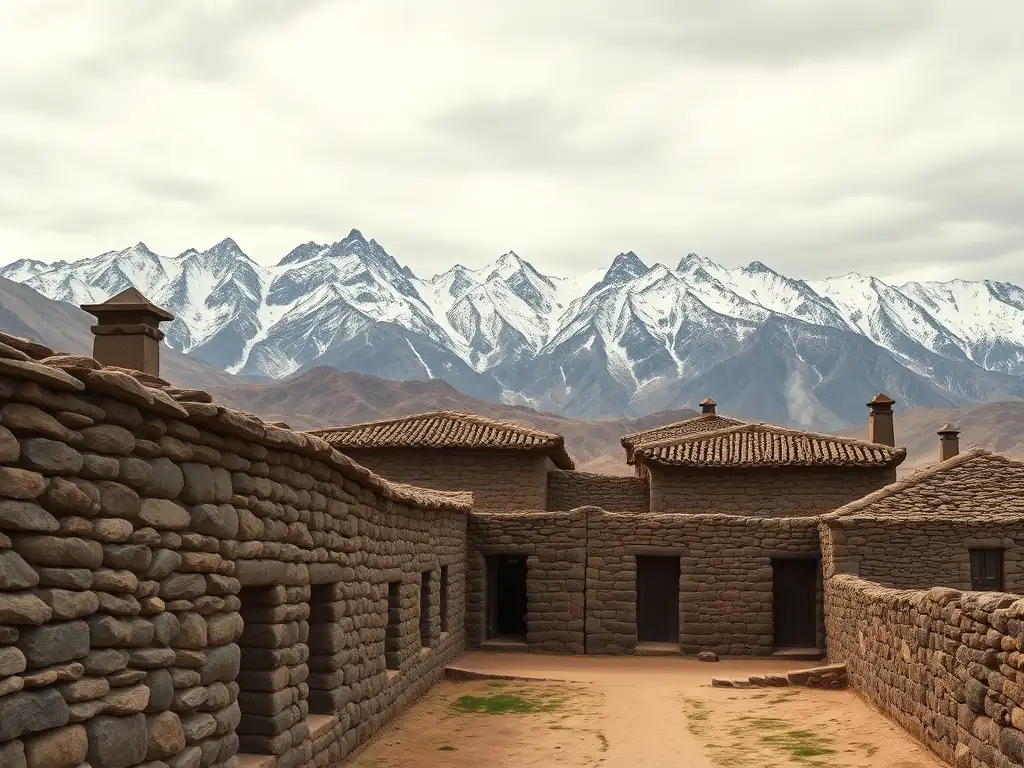
The Aymara architectural style, a testament to ingenuity and adaptation to the harsh Andean environment, presents a unique blend of functionality and aesthetic appeal. Characterized by its masterful use of stone, its structures seamlessly integrate with the rugged landscape. Unlike some other Andean styles that incorporated elaborate ornamentation, Aymara architecture emphasizes practicality and durability.
This doesn't mean it lacks beauty; rather, its beauty lies in the precision of its construction, the harmonious relationship between building and environment, and the enduring strength of its structures that have withstood centuries of weathering and seismic activity. The prevalent use of locally sourced materials, combined with sophisticated construction techniques, showcases a deep understanding of engineering principles and a profound connection to the land.
Understanding these key features is crucial to appreciating the enduring legacy of Aymara stone architecture examples. The style reflects a deep understanding of both the environment and the principles of structural integrity.
Distinctive Features of Aymara Stone Buildings
Aymara stone buildings are readily identifiable by several key features. Firstly, the precise fitting of stones without mortar is a hallmark of their construction. This "dry-stone" technique, also known as pirca, showcases exceptional craftsmanship and a deep understanding of structural mechanics. The stones are carefully selected and placed, creating incredibly stable structures capable of withstanding significant seismic activity.
Secondly, the use of relatively small stones, often irregularly shaped, contributes to the unique texture and visual appeal of Aymara buildings. This contrasts with some other Andean styles that utilized larger, more uniform blocks. Thirdly, the often-simple, rectangular or square shapes of Aymara structures reflect a focus on functionality and practicality. While ornamentation is minimal, the careful arrangement of stones and the integration of the building into the landscape create a powerful and aesthetically pleasing effect.
Finally, the use of sloping roofs, often made of thatch or other locally available materials, further demonstrates adaptability to the region's climate. These roofs effectively shed snow and rain, protecting the stone structures below. The combination of these features creates a unique and enduring style that distinguishes Aymara stone architecture examples from other Andean traditions.
Building Materials Used in Aymara Architecture
The primary building material in Aymara architecture is, unsurprisingly, stone. Locally sourced volcanic rock and other readily available stones were meticulously selected and shaped to fit together precisely. The choice of stone varied depending on location and availability, reflecting a resourceful and sustainable approach to construction.
Beyond stone, Aymara builders utilized a range of other materials for different parts of their structures. Thatch, wood, and adobe were commonly used for roofing, while smaller stones and clay were employed for filling gaps and creating smoother surfaces. The use of these materials demonstrates an understanding of their properties and an ability to utilize them effectively in a synergistic manner.
The selection of materials was dictated by both availability and functionality, highlighting the practical and sustainable nature of Aymara building practices. For example, the use of thatch for roofing provided excellent insulation and weather protection, showcasing a deep understanding of the local climate and its impact on building design.
Aymara Construction Techniques and Methods
The remarkable stability and longevity of Aymara stone structures are a direct result of their sophisticated construction techniques. The pirca method, as mentioned earlier, is central to this success. This technique involves carefully selecting and shaping stones to fit together tightly without the use of mortar. This requires a high level of skill and precision, and the resulting structures are incredibly strong and resistant to earthquakes.
Additionally, Aymara builders often employed a system of interlocking stones, creating a complex network of support that distributed weight effectively. This intricate arrangement minimized the risk of collapse, even in the face of seismic activity. Furthermore, the integration of the building with the landscape played a crucial role in its structural integrity.
Foundations were often laid into the natural contours of the land, maximizing stability and minimizing the need for extensive earthworks. These advanced techniques, developed over generations, demonstrate a sophisticated understanding of engineering principles and represent a remarkable achievement in pre-Columbian architecture. The precision and skill involved in Aymara stone architecture examples are truly awe-inspiring.
Notable Examples of Aymara Stone Architecture
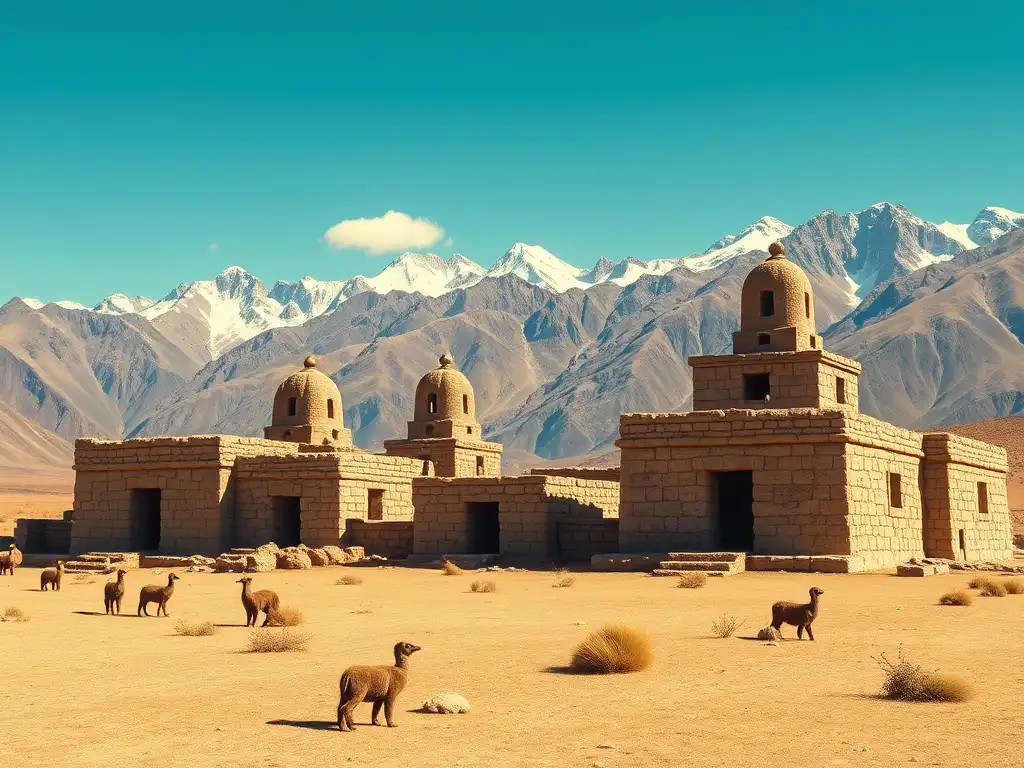
This section delves into specific examples of Aymara stone architecture, showcasing the ingenuity and artistry of this Andean culture. Aymara stone architecture examples are diverse, reflecting both regional variations and the evolving needs of their communities over centuries. The precision and durability of their constructions are a testament to their advanced understanding of engineering and construction techniques. We will explore some key architectural features and their cultural significance.
Chullpas: Aymara Funerary Towers
Chullpas, cylindrical or rectangular stone towers, represent a significant aspect of Aymara funerary practices. These structures, often found in cemeteries, are not merely burial places but also hold deep symbolic meaning, reflecting the Aymara worldview and beliefs about the afterlife. The meticulous construction of these towers, often using precisely cut stones, highlights the advanced architectural skills of the Aymara people. Their enduring presence across the landscape serves as a powerful reminder of the culture's rich history and enduring connection to its ancestors.
Design and Purpose of Aymara Chullpas
The design of a Chullpa varied depending on the social standing of the deceased and the specific regional tradition. Many are built from carefully fitted stones, sometimes incorporating intricate carvings or decorative elements. The internal structure often consists of multiple chambers or niches, designed to house the remains of multiple individuals.
Some Chullpas feature intricate ventilation systems, suggesting a sophisticated understanding of air circulation and preservation techniques. The purpose extended beyond simple burial; they were believed to facilitate the transition of the deceased to the spirit world and maintained a connection between the living and the dead. Archaeological evidence suggests ritual offerings were placed within the Chullpas, further emphasizing their sacred significance.
Variations in Chullpa Architecture
While Chullpas share common characteristics, significant regional variations exist. For instance, Chullpas found in the Sillustani region of Peru often exhibit a more cylindrical shape with a conical roof, while those in other areas may be rectangular or have different roof structures. The size and complexity of the Chullpas also varied, reflecting social hierarchy or the importance of the deceased.
Some are relatively small and simple, while others are large and elaborate, showcasing impressive masonry skills. The stone type used also varies depending on local availability, impacting both the appearance and durability of the structure. Further research is needed to fully understand the nuances of these regional variations and their significance.
Aymara Settlements and Villages: Structural Layouts
Beyond individual structures like Chullpas, the overall layout of Aymara settlements and villages provides further insights into their architectural expertise and social organization. The arrangement of houses, public spaces, and agricultural areas reflects a deep understanding of the environment and a commitment to sustainable living. The integration of architecture with the surrounding landscape is a key feature of Aymara settlements, demonstrating a harmonious relationship between human habitation and the natural world.
Layout of Sillustani Settlement
Sillustani, a renowned Aymara archaeological site, offers a prime example of a well-planned settlement. The site features a carefully arranged collection of Chullpas, situated strategically amongst natural features like lakes and hills. The positioning of the Chullpas suggests a deliberate arrangement, possibly reflecting social structures or kinship ties. The settlement's layout also exhibits evidence of a sophisticated understanding of water management and agricultural practices, crucial for sustaining the community. The close proximity of the Chullpas to the lake implies a symbolic connection between the afterlife and the water source, a significant element in Aymara cosmology.
Analysis of Community Planning in Aymara Villages
Analyzing the layout of Aymara villages reveals a complex interplay of social, economic, and environmental factors. Many villages are characterized by a relatively compact design, with houses clustered together for mutual support and protection. The integration of agricultural fields within or near the village indicates a close relationship between domestic life and farming activities.
The use of natural materials, such as stone and adobe, reflects a sustainable approach to construction, minimizing environmental impact. Further studies are needed to fully understand the intricate social dynamics reflected in the spatial organization of these villages, including the role of kinship, social hierarchy, and community cooperation in shaping their layout. Understanding these aspects enhances our appreciation of the sophisticated planning and community organization inherent in Aymara architecture.
Religious and Ceremonial Structures in Aymara Culture
The Aymara people, known for their mastery of stone architecture, integrated their deeply spiritual beliefs into the very fabric of their built environment. Religious and ceremonial structures weren't merely buildings; they were tangible expressions of their cosmology, reflecting a profound connection to the Andean landscape and their ancestral spirits. These structures served as focal points for community gatherings, rituals, and celebrations, reinforcing social cohesion and spiritual understanding.
The careful selection of building materials, the precise orientation of structures, and the intricate designs all played significant roles in their religious practices. The enduring legacy of these structures speaks volumes about the importance of religion and spirituality in Aymara society, highlighting the interwoven nature of their faith and their architectural achievements. Many of these sites, while showing signs of age and weathering the passage of time, still retain an aura of sacredness, a testament to the enduring power of Aymara spiritual traditions.
The meticulous craftsmanship evident in these structures underscores the deep respect and reverence the Aymara held for their deities and ancestors. Understanding the religious context of Aymara architecture is key to appreciating the true significance of their stonework. These buildings were not simply functional; they were living embodiments of Aymara beliefs and practices.
Description of Kalasasaya Temple at Tiwanaku
The Kalasasaya Temple at Tiwanaku, while predating the classic Aymara period, serves as a powerful example of the monumental stone architecture that influenced later Aymara builders. This impressive structure, characterized by its massive, precisely cut stone blocks, showcases an advanced understanding of engineering and construction techniques. The sheer scale of the Kalasasaya, along with its intricate carvings and alignments, suggests its significant role in religious ceremonies and rituals.
Archaeological evidence points to its use as a ceremonial center, possibly dedicated to sun worship or other celestial deities. The precise astronomical alignments of the temple, along with its sophisticated architectural design, indicate a deep understanding of astronomy and mathematics. The Kalasasaya's enduring presence stands as a testament to the sophisticated technology and spiritual beliefs of the Tiwanaku culture, a culture that significantly impacted subsequent Andean societies, including the Aymara.
The monumental scale of the temple's construction—the precise fitting of massive stone blocks without mortar—remains a marvel of engineering, highlighting the advanced technological capabilities of the Tiwanaku people. Further research continues to unveil more details about this remarkable site and its importance in the broader context of Andean religious practices. The Kalasasaya serves as a powerful reminder of the enduring legacy of stone architecture in the Andes.
The Role of Architecture in Aymara Rituals
Aymara architecture wasn't merely a matter of aesthetics or functionality; it was intrinsically linked to their ritual practices. The design, orientation, and location of structures were carefully considered to align with their cosmological beliefs and to facilitate the performance of various rituals. For example, certain structures might be oriented towards specific celestial bodies, reflecting the importance of astronomy in their religious worldview. The use of specific materials, such as particular types of stone, also held symbolic significance.
Rituals themselves frequently involved interaction with the built environment, with certain areas or features of structures serving as focal points for ceremonies. The architecture provided a physical framework for their spiritual beliefs, creating sacred spaces where they could connect with the supernatural world. The precise placement of structures in relation to natural features, such as mountains or water sources, further emphasizes the Aymara's deep connection to the landscape and their understanding of the interconnectedness of the physical and spiritual realms.
Understanding the intricate relationship between Aymara architecture and their rituals provides a deeper appreciation for the cultural and spiritual significance of their stone structures. These weren't just buildings; they were active participants in their religious life, shaping their worldview and facilitating their connection to the divine. The enduring legacy of this architectural tradition underscores the importance of considering the cultural context when examining ancient Andean civilizations.
Aymara Architectural Influence and Legacy
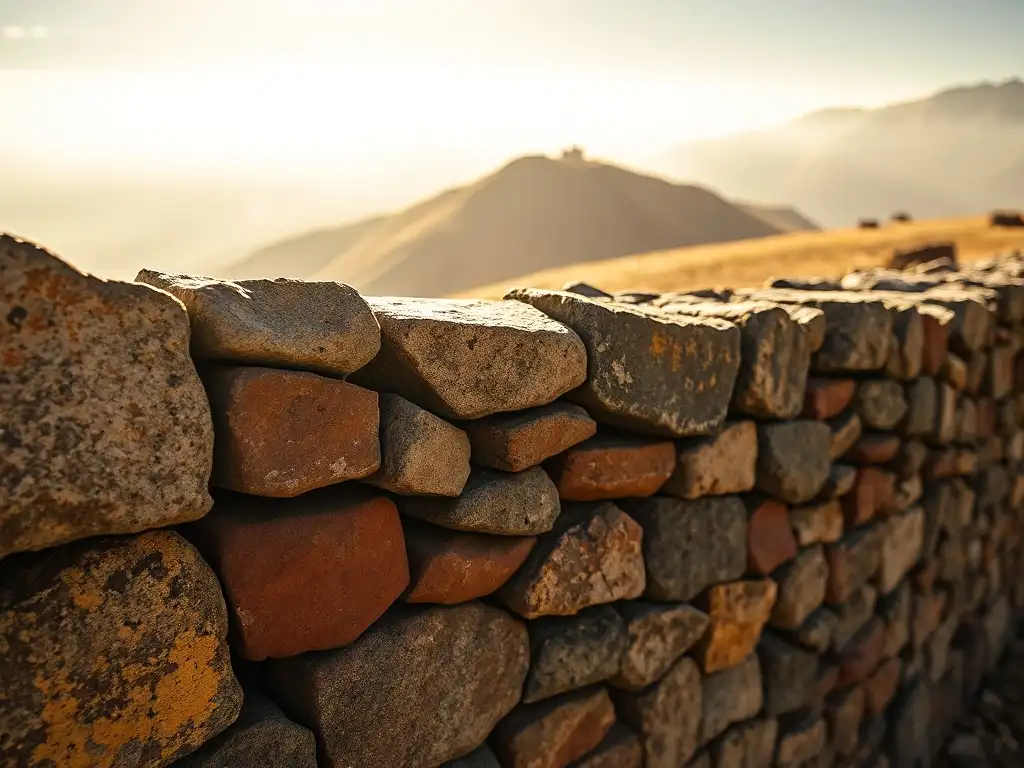
The Aymara people, inhabiting the Altiplano region of the Andes Mountains, have a rich architectural heritage deeply intertwined with their environment and cultural beliefs. Their mastery of stone construction, developed over centuries, showcases remarkable ingenuity and adaptation to a challenging landscape. This section explores the lasting impact of Aymara building techniques, demonstrating their influence on subsequent Andean cultures and their enduring presence in modern society. Understanding Aymara stone architecture examples provides crucial insights into the resilience and adaptability of Andean civilizations.
The Impact of Aymara Building Techniques on Later Cultures
Aymara architectural principles, particularly their expertise in dry-stone construction, significantly influenced subsequent Andean cultures. Their precise techniques, involving fitting stones together without mortar, created structures of exceptional stability and durability, even in earthquake-prone regions. This mastery of dry-stone walling, often characterized by meticulously fitted, polygonal stones, wasn't merely a practical skill; it was a testament to their deep understanding of engineering principles and their harmonious relationship with the natural environment.
Evidence suggests that the Inca, who later rose to prominence in the Andes, adopted and refined several Aymara techniques. While the Inca developed their own distinct architectural style, characterized by larger-scale projects and the use of imperial symbols, the underlying principles of precise stonework and adaptation to terrain share undeniable similarities with prior Aymara practices.
The Inca's expansion across the Andes facilitated the dissemination of these building methods, influencing architectural styles in diverse regions and contributing to the widespread use of dry-stone construction throughout the Andean world. The legacy of Aymara influence can be seen not only in the Inca's structures but also in the surviving architecture of other Andean communities, demonstrating a continuous thread of architectural knowledge and innovation across centuries.
Aymara Stone Architecture Examples in Modern Society
Despite the passage of time, Aymara stone architecture continues to be a vibrant part of modern society. Many traditional Aymara villages still retain their characteristic stone houses and communal structures, showcasing the enduring relevance of these building techniques. These structures, often incorporating locally sourced materials like volcanic rock and adobe, demonstrate a sustainable approach to construction that is both environmentally conscious and culturally significant.
For example, the village of [Specific village name pending] in Bolivia exemplifies the continued use of traditional Aymara building methods. The houses, built from carefully selected and fitted stones, demonstrate a level of craftsmanship that reflects generations of accumulated knowledge and skill. This enduring practice not only provides durable housing but also preserves a tangible link to the past, safeguarding Aymara cultural heritage for future generations.
Analyzing these examples offers valuable insights into the resilience of traditional building practices and their adaptation to contemporary needs. The incorporation of modern materials alongside traditional techniques is also notable, suggesting a dynamic evolution of Aymara stone architecture.
Preservation and Conservation of Aymara Architectural Heritage
Preserving and conserving Aymara architectural heritage is crucial for maintaining cultural identity and understanding the ingenuity of past Andean societies. Many Aymara structures face challenges from natural elements, such as erosion and seismic activity, as well as the pressures of modernization. Effective preservation strategies require a multifaceted approach, combining traditional knowledge with modern conservation techniques.
This includes careful documentation of existing structures, employing techniques like 3D modeling and photographic surveys to create detailed records. Furthermore, community involvement is paramount. Educating local communities about the importance of preserving their heritage and engaging them in conservation efforts ensures the long-term sustainability of these projects.
The development of sustainable building materials and techniques, which complement traditional methods, also plays a crucial role in safeguarding Aymara architectural heritage for future generations. The successful conservation of Aymara stone architecture requires a collaborative effort, blending scientific expertise with cultural sensitivity and community participation. This holistic approach is essential to ensure that the enduring legacy of Aymara building traditions continues to inspire and inform for years to come.
Conclusion: The Enduring Relevance of Aymara Stone Architecture
The study of Aymara stone architecture offers a compelling window into the ingenuity and adaptability of Andean cultures. Their mastery of stonework, evident in the diverse examples across the Altiplano, speaks volumes about their deep understanding of both their environment and the materials at their disposal. The enduring legacy of these structures, many of which still stand as testaments to their builders' skill, continues to inspire awe and admiration.
Understanding the techniques and motivations behind Aymara architecture allows us to appreciate not only their architectural achievements but also their profound connection to the land and their sophisticated societal structures. Further research into less-documented sites and a deeper analysis of existing structures are crucial to fully appreciate the breadth and complexity of this fascinating aspect of Aymara heritage.
Preservation efforts are also paramount to ensure that future generations can continue to learn from and be inspired by the enduring legacy of Aymara stone architecture. The continued study of Aymara stone architecture examples is vital for understanding the broader context of Andean civilizations and their enduring impact on the region.
Reflecting on the Ingenuity of Aymara Builders
The precision and artistry displayed in Aymara stonework are truly remarkable. Consider the intricate fitting of stones in structures like the pre-Columbian Chullpas, cylindrical towers often associated with funerary practices. The Aymara, without the use of mortar, managed to create incredibly stable and durable structures.
This wasn't simply a matter of brute force; it required a deep understanding of stone properties, careful selection of materials, and highly refined techniques of shaping and fitting. This level of skill suggests a highly developed system of knowledge transfer within Aymara communities, passed down through generations of master builders. Their ability to adapt their building techniques to the challenging high-altitude environment of the Altiplano further underscores their ingenuity.
They effectively utilized readily available materials, like volcanic rock, to construct structures that could withstand harsh weather conditions and seismic activity. The integration of these structures into the landscape, often seamlessly blending with the surrounding terrain, speaks to a holistic approach to architecture that prioritized harmony with the natural environment. The study of Aymara stone architecture examples reveals not just impressive building skills, but also a sophisticated understanding of engineering principles and a profound respect for their surroundings.
The Significance of Aymara Architectural Techniques
The Aymara didn't merely stack stones; they employed sophisticated techniques to achieve remarkable results. Dry-stone construction, a hallmark of Aymara architecture, required precise planning and execution. Stones were carefully selected and shaped to fit together snugly, creating incredibly strong bonds without the use of mortar. This technique, passed down through generations, demonstrates a remarkable understanding of structural engineering principles.
The use of different types of stone, depending on their properties and intended use, further showcases their expertise. For instance, harder, more durable stones might have been used for foundation stones, while softer stones were perhaps used for less structural elements. Detailed analysis of surviving structures reveals a nuanced understanding of weight distribution and stress management, techniques that were remarkably effective in creating durable and long-lasting buildings.
The absence of mortar also required an extremely high level of precision in stone cutting and placement, highlighting the skill and patience of the Aymara builders. These techniques, honed over centuries, represent a significant contribution to the history of building technology. The study of these techniques in various Aymara stone architecture examples provides invaluable insights into the ingenuity of Andean builders.
Preserving the Aymara Architectural Heritage
The preservation of Aymara stone architecture is crucial for safeguarding a vital part of Andean cultural heritage. Many structures are vulnerable to the ravages of time, weather, and human activity. Erosion, seismic activity, and even looting pose significant threats to the survival of these important historical sites. Efforts to preserve these structures require a multi-faceted approach, including careful documentation, structural stabilization, and community engagement.
Working with local communities is essential, as their knowledge and understanding of these sites are invaluable. Sustainable tourism practices can help to generate revenue for preservation efforts while also educating visitors about the importance of Aymara heritage. Additionally, raising awareness among the broader public about the significance of Aymara architecture is crucial for securing long-term support for preservation initiatives.
The continued study and protection of Aymara stone architecture examples are vital for ensuring that this remarkable legacy continues to inspire and inform future generations. The challenge lies in balancing preservation with responsible access and ensuring that these sites remain accessible for research and appreciation while safeguarding their integrity for years to come. Careful planning and collaboration are key to successfully navigating this delicate balance.
Frequently Asked Questions
What makes Aymara stone architecture unique?
Aymara architecture is renowned for its precise, dry-stone construction, requiring no mortar. The skilled fitting of stones created incredibly strong and durable structures, perfectly adapted to the challenging Andean terrain. This technique showcases an impressive mastery of engineering.
What are some examples of Aymara stone architecture?
Examples include ruins of settlements and agricultural terraces, showcasing their impressive engineering skills and adaptation to the environment. Many structures remain standing today, a testament to their durability. Specific sites vary depending on the region.
How did the Aymara people achieve such precise stonework?
The Aymara achieved their precise stonework through generations of passed-down techniques and expertise. Careful selection and shaping of stones, along with a deep understanding of their properties, allowed for incredibly tight fits. This mastery resulted in structures that have withstood the test of time.
What is the significance of Aymara stone architecture in Andean history?
Aymara stone architecture reflects a deep connection to the land and environment. It demonstrates impressive engineering skills and resourcefulness, representing a significant aspect of their cultural heritage and adaptation to the Andean landscape. Their structures continue to inspire awe.
Where can I see examples of Aymara stone architecture today?
Many examples of Aymara stone architecture can be found throughout the Andean region of South America, particularly in Bolivia and Peru. Visiting archaeological sites and rural communities offers opportunities to witness these remarkable structures firsthand. Research specific locations for the best preservation and accessibility.
Final Reflection: Echoes of Stone, Whispers of the Future
The enduring legacy of Aymara stone architecture isn't merely a historical curiosity; it's a testament to human ingenuity and a vital lesson in sustainable building practices urgently needed in our modern world. The precise techniques employed by Aymara builders, passed down through generations, offer invaluable insights into creating structures that are both aesthetically pleasing and environmentally responsible, a stark contrast to many of today's unsustainable building methods. This knowledge, if properly understood and applied, holds the key to a more sustainable future.
The impact of Aymara architecture extends far beyond its physical presence; it represents a deep connection to the land and a profound understanding of natural resources. The very stones themselves whisper stories of resilience and adaptation, echoing the spirit of a culture that thrived in harmony with its environment. The earth is our mother. We must treat her with respect.
This simple yet profound statement encapsulates the Aymara philosophy, a philosophy that resonates deeply with the growing global movement towards environmental sustainability and responsible resource management. Their architectural achievements serve as a powerful reminder of the importance of respecting our planet and building in harmony with nature.
Consider the intricate details, the masterful use of local materials, and the enduring strength of these structures. You too can embrace this legacy. Think about how you can incorporate principles of sustainability and mindful resource management into your own life, whether it's through conscious consumption, supporting sustainable businesses, or simply appreciating the beauty and wisdom embedded within traditional building techniques. Let the echoes of Aymara stone architecture inspire you to build a more sustainable and harmonious future, one stone, one choice, at a time.
Unveil the Magic of Aymara Architecture!
Thank you for exploring the remarkable world of Aymara architecture! You've discovered the beauty and resilience of these stone structures, testaments to ancient ingenuity and cultural heritage. Now, let's deepen your connection with this fascinating tradition.
Here are some ways to further explore and celebrate Aymara architecture:
- Visit a local museum or exhibition featuring Aymara artifacts to experience these remarkable structures firsthand.
- Share your appreciation for Aymara architecture with friends and family on social media; inspire others to learn more about this rich heritage.
- Join an online forum or community group dedicated to Andean civilizations to discuss and learn more about Aymara architecture and its cultural significance.
What most inspires you about Aymara architecture, and how will you integrate this newfound knowledge into your life?