
Quechua as a Source of Andean Identity: A Language of Belonging

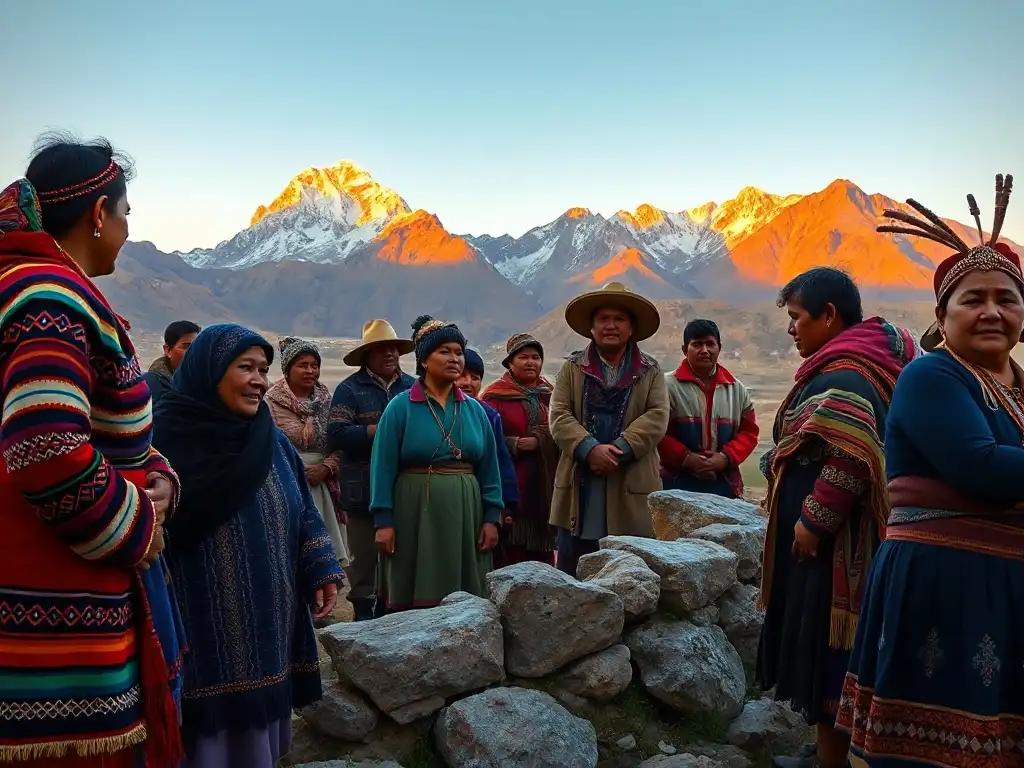
Dive into the captivating world of the Andean civilizations! From the towering heights of Machu Picchu to the intricate artistry of the Nazca Lines, a vibrant tapestry of history awaits. But what truly bound these magnificent cultures together? Uncover the fascinating story of the Quechua language and its profound role in shaping Andean identity—a legacy that continues to resonate today. Explore the enduring power of language and its impact on a rich cultural heritage; the answers might surprise you.
The Quechua language stands as a powerful symbol of Andean identity, weaving together the threads of history, culture, and community across a vast geographical region. For centuries, it has served not merely as a means of communication, but as a cornerstone of social cohesion, cultural transmission, and resistance against assimilation. This article delves into the intricate relationship between the Quechua language and Andean identity, exploring its historical significance, its role in modern society, and its enduring importance in shaping the cultural landscape of the Andes.
We will examine how Quechua's survival and revitalization efforts are intrinsically linked to the preservation of Andean traditions and the assertion of indigenous rights. Understanding this connection is crucial for appreciating the complexities of Andean societies and the ongoing struggle for cultural preservation in a globalized world.
The Historical Roots of Quechua and Andean Identity
The Quechua language, far from being a monolithic entity, comprises a family of dialects spoken across a diverse range of Andean communities. Its origins are deeply intertwined with the rise of the Inca Empire, which, at its zenith, stretched across a significant portion of South America. While Quechua wasn't the only language spoken within the empire – many local languages persisted – it became the lingua franca, facilitating communication and administration across vast distances.
This imperial association, while initially imposed, solidified Quechua's role in shaping Andean identity. The language became associated with power, administration, and a shared cultural experience, albeit one often superimposed upon pre-existing indigenous identities.
Even after the Spanish conquest, Quechua continued to be spoken, albeit often alongside Spanish, becoming a vital tool for maintaining cultural continuity and resisting colonial efforts to erase indigenous traditions. The enduring presence of Quechua, despite centuries of oppression, testifies to its deep-rooted connection to Andean peoples.
Quechua in Modern Andean Society: A Language of Resistance and Revitalization
Despite facing significant challenges – including the dominance of Spanish and other languages – Quechua remains a vibrant and evolving language in the 21st century. Its continued use is a testament to the resilience of Andean communities and their commitment to preserving their cultural heritage. However, the continued dominance of Spanish poses significant threats to Quechua's vitality. Many younger generations are increasingly fluent only in Spanish, leading to concerns about language loss and the erosion of traditional knowledge associated with Quechua.
This has spurred numerous initiatives aimed at Quechua language revitalization, ranging from community-based language programs to the incorporation of Quechua into formal education systems. These efforts are not simply about linguistic preservation; they are intrinsically linked to the preservation of Andean cultural practices, traditional knowledge systems, and indigenous worldviews. The fight to preserve Quechua is, therefore, a fight for the preservation of Andean identity itself.
The Future of Quechua and its Role in Shaping Andean Identity
The future of Quechua remains uncertain, but the ongoing efforts to revitalize and promote the language offer a glimmer of hope. The increasing recognition of indigenous rights and the growing global interest in linguistic diversity have created a more supportive environment for language preservation initiatives. However, sustained commitment and resources are essential to ensure the long-term survival of Quechua.
This requires not only formal language programs but also a broader societal shift that values linguistic diversity and recognizes the importance of indigenous languages in fostering social cohesion and cultural pride. The future of Quechua is inextricably linked to the future of Andean identity, and its continued existence is vital for preserving the rich tapestry of Andean cultures and traditions for generations to come.
The continued use and promotion of Quechua is not merely about preserving a language; it is about preserving a way of life, a cultural heritage, and a powerful sense of belonging. The survival of Quechua is, therefore, a crucial aspect of the ongoing struggle for Andean self-determination and cultural survival.
- The Historical Roots of Quechua and Andean Identity
- Quechua in Modern Andean Society: A Language of Resistance and Revitalization
- The Future of Quechua and its Role in Shaping Andean Identity
The Enduring Significance of Quechua in the Andes

Quechua, far from being a relic of the past, maintains a vibrant presence across the Andes Mountains, acting as a powerful symbol of Andean identity and cultural continuity. Its survival, despite centuries of colonial influence and attempts at linguistic suppression, speaks volumes about the resilience of Andean communities and their deep-rooted connection to their ancestral heritage. Understanding the significance of Quechua requires moving beyond its grammatical structure and vocabulary; it’s crucial to grasp its socio-cultural role in shaping the collective identity of millions.
This enduring significance is reflected in various aspects of Andean life, from daily conversations and traditional storytelling to formal education and political activism. The Quechua language, in its various dialects, continues to be a living testament to the enduring spirit of Andean civilization.
Its continued use fosters a sense of belonging and shared history, connecting generations and strengthening community bonds. The preservation and promotion of Quechua are not merely linguistic exercises; they are crucial components of the broader struggle for indigenous rights and cultural revitalization across the Andean region.
Quechua: More Than Just a Language
Quechua is more than just a means of communication; it's a repository of Andean knowledge, values, and worldview. The language itself embodies a rich tapestry of cultural expressions, reflecting the unique perspectives and experiences of Andean communities across diverse geographical landscapes. Consider, for example, the nuanced vocabulary related to Andean agriculture, reflecting centuries of intimate interaction with the environment.
Terms describing different potato varieties, intricate irrigation systems, or the unique properties of various Andean plants showcase the profound connection between language and ecological knowledge. Furthermore, Quechua oral traditions – encompassing myths, legends, and songs – transmit historical narratives, spiritual beliefs, and social norms across generations, reinforcing cultural identity and maintaining a collective memory. The intricate system of kinship terms in Quechua, for instance, highlights the importance of family and community in Andean societies.
These elements woven into the fabric of the Quechua language contribute significantly to the formation and preservation of Andean identity. The linguistic diversity within Quechua itself, with numerous dialects reflecting regional variations, further underscores the richness and complexity of Andean cultures. This linguistic diversity is a source of both pride and strength for Andean communities.
Andean Identity and the Role of Indigenous Languages
The relationship between Andean identity and indigenous languages like Quechua is inextricably linked. The revival and promotion of Quechua are integral to reclaiming and celebrating Andean cultural heritage in the face of historical marginalization and globalization pressures. The use of Quechua in education, media, and government demonstrates a conscious effort to strengthen indigenous identity and empower Andean communities. Studies have shown a strong correlation between Quechua fluency and a stronger sense of cultural belonging among Andean individuals.
This connection is not merely sentimental; it has tangible implications for social cohesion, economic empowerment, and political participation. The continued use of Quechua fosters a sense of shared history and collective purpose, empowering communities to advocate for their rights and participate more fully in shaping their future. This is particularly relevant in the context of ongoing efforts to achieve greater self-determination and cultural recognition for indigenous populations throughout the Andes.
The active promotion of Quechua and other Andean languages represents a powerful assertion of indigenous rights and a vital step towards decolonization and cultural revitalization. The preservation of these languages is not simply a matter of linguistic preservation; it's a fundamental aspect of safeguarding Andean identity for future generations. The fight to preserve and promote Quechua is inherently a fight for the future of Andean culture itself.
Historical Roots of Quechua and its Connection to Andean Culture
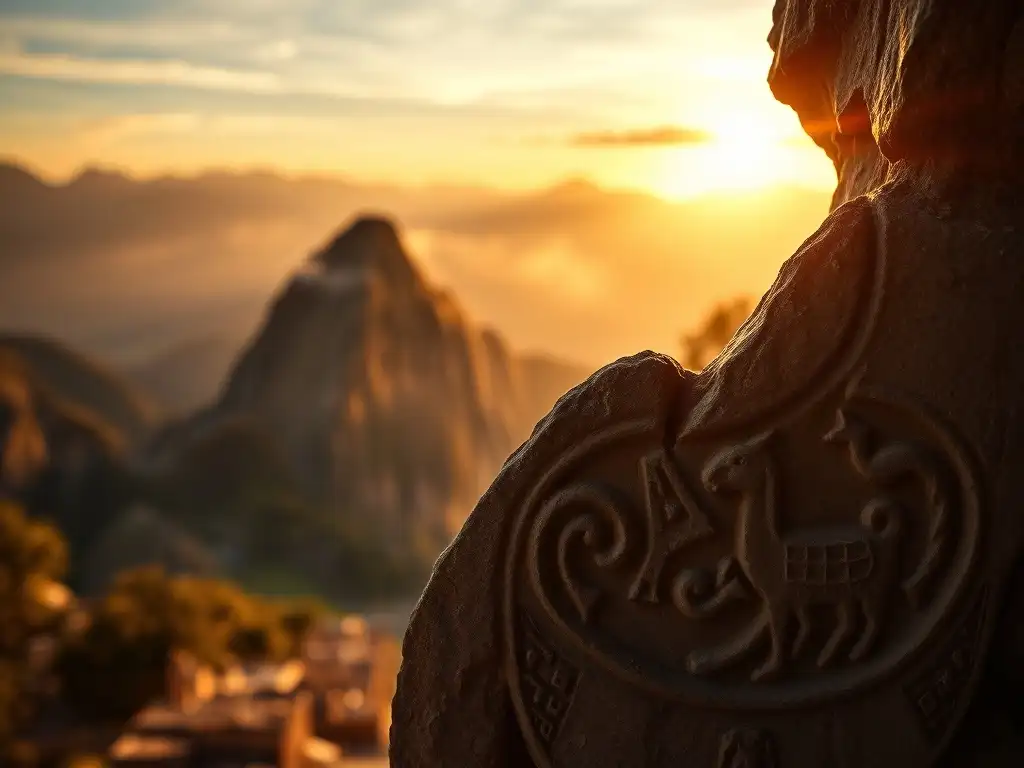
This section delves into the historical roots of the Quechua language and its profound connection to Andean identity. We'll explore its pre-Inca origins, its role as the lingua franca of the Inca Empire, and the lasting impact of colonization on both the language and the Andean peoples who speak it. Understanding this history is crucial to grasping the enduring significance of Quechua as a marker of cultural belonging in the Andes today. The Quechua language Andean identity is inextricably linked, a bond forged over centuries of cultural evolution and resilience.
The Pre-Inca Origins of the Quechua Language
While the Inca Empire significantly expanded Quechua's reach, its origins predate the Inca by several centuries. Archaeological and linguistic evidence suggests that Quechua, or proto-Quechua, emerged in the central Andes long before the rise of the Inca civilization. The exact location and timeframe remain subjects of ongoing scholarly debate, with various theories placing its development in different regions of the central Andes. 1 However, the consensus is that Quechua wasn't a language suddenly invented by the Inca, but rather a language already spoken and evolving within the complex social fabric of the pre-Inca Andean societies. This pre-Inca heritage is a crucial component of the Quechua language Andean identity. The diversity of Quechua dialects today reflects this long history and the diverse linguistic landscape of the pre-Columbian Andes. The evolution of Quechua showcases a continuous adaptation to the diverse geographical and cultural environments of the Andes.
Quechua as the Lingua Franca of the Inca Empire
The Inca Empire, at its zenith, controlled a vast territory stretching across much of the Andes. Efficient communication was vital for administrative control, trade, and cultural exchange across this diverse region. The Inca rulers strategically adopted Quechua as the official language of the empire, facilitating communication between different ethnic groups and regions. This standardization, however, didn't erase the pre-existing languages; many continued to be spoken alongside Quechua.
The implementation of Quechua as a lingua franca significantly contributed to its spread and influence, making it a powerful symbol of imperial power and unifying the diverse Andean populations under a single administrative and communicative framework. This administrative use cemented Quechua's role in the construction of Andean identity under Inca rule. The impact of this standardization on the Quechua language itself is an important area of ongoing linguistic research.
The Impact of Colonization on Quechua and Andean Peoples
The Spanish conquest of the Inca Empire in the 16th century had a devastating impact on Andean societies, including the Quechua language. Spanish, imposed as the language of the colonial administration, church, and education, actively suppressed Quechua. This linguistic suppression was part of a broader strategy to dismantle Andean cultural identity and impose Spanish colonial dominance. Despite these efforts, Quechua persisted.
Its continued use became a powerful symbol of resistance and cultural survival for Andean communities. The resilience of Quechua in the face of colonial oppression is a testament to the deep-rooted connection between the language and the Andean people's identity. Even today, the ongoing struggle for Quechua's recognition and revitalization reflects this enduring link between language and cultural survival. The fight for the preservation and promotion of Quechua is a crucial aspect of the Quechua language Andean identity in the modern era.
1 Further research is needed to pinpoint the exact origin and timeline of proto-Quechua. More detailed archaeological findings and linguistic analysis are required to refine our understanding of this crucial period in the language's history.
Quechua Language and the Construction of Modern Andean Identity
The Quechua language, far from being a relic of the past, plays a vital role in shaping modern Andean identity. For centuries, it has served as a powerful symbol of cultural continuity and resistance against colonial forces that sought to erase indigenous languages and cultures. Understanding its contemporary significance requires examining its multifaceted impact on social, political, and cultural landscapes across the Andes.
This section will delve into the ways in which Quechua contributes to the construction of a shared Andean identity, transcending national borders and fostering a sense of collective belonging among diverse Andean communities. The enduring strength of Quechua demonstrates the resilience of indigenous cultures and their capacity to adapt and thrive in the face of globalization and modernization. This enduring presence of Quechua is a testament to its deep roots and ongoing importance in the lives of millions.
Quechua as a Symbol of Cultural Resistance
The Spanish conquest of the Inca Empire in the 16th century marked a brutal period of cultural suppression. Efforts to impose Spanish as the dominant language were met with varying degrees of resistance. While Quechua speakers were often marginalized and faced discrimination, the language itself persisted, becoming a powerful symbol of cultural survival.
The continued use of Quechua in private spheres, despite official suppression, represented a silent act of defiance. This resistance manifested in various forms, including the preservation of oral traditions, songs, and storytelling in Quechua, which served to transmit cultural knowledge and values across generations. The language became a coded means of communication, allowing communities to maintain their cultural identity in the face of oppression.
Furthermore, the very act of speaking Quechua in a colonial context represented an assertion of identity and a rejection of imposed assimilation. This covert resistance laid the groundwork for the resurgence of Quechua in later centuries. The ongoing struggle for linguistic rights, often intertwined with broader struggles for indigenous land rights and political autonomy, continues to highlight the symbolic power of Quechua as a marker of Andean identity.
Reclaiming Quechua in Contemporary Andean Societies
The 20th and 21st centuries have witnessed a significant resurgence of Quechua in several Andean countries. This revival isn't merely a linguistic phenomenon; it's a socio-political movement reflecting a growing assertion of indigenous rights and cultural pride. Several factors contributed to this resurgence, including the rise of indigenous activism, increased access to education in Quechua, and the growing recognition of multilingualism as a societal asset.
Governments in some Andean nations have begun to implement policies promoting the use of Quechua in education and official contexts. This shift reflects a growing understanding of the importance of linguistic diversity and the value of preserving indigenous languages. Furthermore, the emergence of Quechua-language media, including radio stations, television programs, and online platforms, has played a crucial role in expanding the language's reach and fostering a sense of community among Quechua speakers.
The use of Quechua in artistic expressions, such as music, literature, and theater, further strengthens its presence in contemporary Andean society, showcasing its adaptability and relevance in modern contexts. This reclamation is not just about preserving a language; it's about reclaiming a cultural heritage and asserting a distinct Andean identity.
The Revitalization of the Quechua Language
The revitalization of the Quechua language is a complex and ongoing process that requires multifaceted strategies. Efforts to promote Quechua extend beyond simply teaching the language in schools; they involve creating a supportive linguistic environment where Quechua is valued and used in various social settings. This includes developing Quechua-language materials for different age groups and educational levels, training teachers proficient in Quechua, and integrating the language into community events and celebrations.
Crucially, revitalization efforts must address the socio-economic disparities that often affect Quechua-speaking communities. Empowering Quechua speakers through economic opportunities and access to resources is essential to ensuring the language's long-term survival. Furthermore, documenting and preserving Quechua dialects is crucial to prevent language loss and maintain linguistic diversity within the Quechua-speaking world.
The success of Quechua revitalization efforts will depend on the collaborative efforts of governments, educational institutions, community organizations, and Quechua speakers themselves. The continued investment in these initiatives is vital to ensuring the enduring presence of this rich and vibrant language, firmly anchoring it within the tapestry of Andean identity. The future of Quechua rests on the continued commitment to its preservation and promotion, a testament to the resilience and vitality of Andean cultures.
Quechua: A Living Language and a Key to Andean Heritage

Quechua, far from being a relic of the past, thrives as a vibrant and dynamic language spoken by millions across the Andes. Its persistence is a testament to the enduring strength of Andean identity and cultural resilience. Understanding Quechua's role in shaping Andean heritage requires recognizing its multifaceted presence in daily life, from intimate family conversations to large-scale cultural events.
This living language is not merely a means of communication; it's a repository of knowledge, a vehicle for cultural transmission, and a powerful symbol of collective belonging. The continued use of Quechua actively contributes to the preservation of unique Andean worldviews, traditions, and values, countering the homogenizing effects of globalization.
The vitality of the Quechua language is intrinsically linked to the preservation of Andean identity, making its study crucial for anyone seeking a deeper understanding of this rich and complex cultural landscape. The continued use of Quechua is a powerful statement of cultural pride and resistance, showcasing the enduring strength of Andean communities.
Quechua's Rich Oral Traditions and Cultural Expressions
Quechua's oral traditions are exceptionally rich and diverse, varying significantly across different regions and communities. These traditions aren't simply stories passed down through generations; they are living expressions of Andean values, beliefs, and historical experiences. From captivating myths and legends to practical knowledge about agriculture, medicine, and astronomy, Quechua oral narratives transmit essential cultural information.
For example, the intricate Quechua narratives surrounding the constellations reflect a deep understanding of the Andean cosmos and its relationship to human life. These stories, often accompanied by mesmerizing music and dance, serve as powerful tools for social cohesion and cultural transmission, reinforcing Andean identity across generations. The precise details of specific myths and legends vary widely depending on the specific Quechua dialect and community, highlighting the language's remarkable adaptability and regional variations.
Ethnolinguistic research continues to uncover new layers of complexity within this rich oral tradition, offering valuable insights into Andean cosmology, social structures, and historical processes. The preservation of these oral traditions is paramount for maintaining the integrity of Quechua and the cultural heritage it embodies.
Quechua Literature, Music, and Art: Preserving Andean Values
Quechua's influence extends far beyond oral traditions. A burgeoning body of Quechua literature, music, and art reflects and reinforces Andean identity in contemporary society. While colonial influences impacted the development of written Quechua, modern writers and artists are reclaiming the language and using it to express unique perspectives and experiences.
Quechua poetry, for instance, often employs traditional poetic forms while addressing contemporary social and political issues. Similarly, Quechua music, with its distinctive rhythms and instrumentation, continues to evolve, incorporating modern influences while retaining its strong connection to Andean roots. Visual arts, including textiles, ceramics, and painting, often feature Quechua-inspired imagery and symbolism, further enriching the cultural landscape.
The integration of Quechua into various art forms serves as a powerful tool for cultural revitalization and the assertion of Andean identity in a globalized world. The diversity of artistic expressions in Quechua highlights the language's capacity to adapt and evolve while retaining its core cultural values. [Specific examples of Quechua literature, music, and art pieces pending].
Learning Quechua: A Path to Understanding Andean Worldviews
Learning Quechua offers a unique pathway to understanding the intricacies of Andean worldviews. Beyond simply acquiring linguistic skills, immersing oneself in the Quechua language provides access to a rich cultural tapestry woven with distinct perspectives on time, space, and the relationship between humans and nature. The grammatical structures and vocabulary of Quechua often reflect a holistic and interconnected view of the world, contrasting sharply with Western linguistic frameworks.
For example, Quechua's emphasis on community and reciprocity is reflected in its grammatical structures. Studying Quechua, therefore, is not merely a linguistic endeavor; it's an enriching cultural journey that fosters a deeper appreciation for the Andean perspective and its unique contribution to global understanding. Furthermore, learning Quechua contributes directly to the preservation of the language and the cultural heritage it represents, empowering Andean communities and promoting intercultural dialogue.
Several resources are available for those interested in learning Quechua, ranging from formal language courses to online learning platforms and community-based initiatives. The rewards of learning Quechua extend far beyond the acquisition of a new language; it's a journey of self-discovery and cross-cultural understanding, offering a richer appreciation of Andean heritage and identity.
The Future of Quechua and its Role in Andean Cultural Preservation
The Quechua language, a vibrant thread woven through the tapestry of Andean history, faces a complex future. Its continued vitality is intrinsically linked to the preservation of Andean cultural identity. While globalization and the dominance of Spanish pose significant challenges, there are also burgeoning opportunities for revitalization and expansion.
The fate of Quechua rests not only on the shoulders of its speakers but also on the recognition of its inherent value by governments, educational institutions, and communities at large. Understanding the current state of the language and the forces acting upon it is crucial to charting a path toward its enduring presence in the Andes. This requires a multifaceted approach, combining grassroots initiatives with broader societal support.
The effective strategies will involve careful consideration of economic, social, and political factors that influence language choice and transmission. The survival of Quechua is not merely a linguistic issue; it's a crucial element in safeguarding the rich cultural heritage of the Andean region.
Challenges and Opportunities for Quechua Language Transmission
The transmission of Quechua across generations faces significant hurdles. In many areas, Spanish is the primary language of education, commerce, and government, leading to a decline in Quechua fluency, especially among younger generations. This linguistic shift often carries with it a loss of traditional knowledge, cultural practices, and a sense of collective identity deeply rooted in the language itself. However, the rise of indigenous rights movements and a growing global interest in linguistic diversity present opportunities for revitalization.
Community-based language nests, bilingual education programs, and the use of Quechua in media and the arts are all playing a crucial role in reversing the trend. The use of technology, such as mobile applications and online resources dedicated to Quechua language learning, offers exciting new avenues for language preservation and expansion. Moreover, a renewed emphasis on the economic benefits of bilingualism – increased employment opportunities, access to a wider range of information, and cultural tourism – could incentivize Quechua language learning and promote its wider use.
Quantitative data on Quechua speaker numbers is often unreliable, varying greatly depending on the definition of fluency and the region surveyed. Further research is needed to accurately assess the current state of Quechua in different Andean communities and to track the effectiveness of different revitalization strategies. This detailed data would allow for better-informed policy decisions and resource allocation.
Promoting Quechua in Education and Public Life
Integrating Quechua into formal education systems is paramount to its survival. Bilingual education programs, where Quechua and Spanish are taught side-by-side, are proving effective in fostering language maintenance and promoting linguistic pride among children. However, implementing such programs requires significant investment in teacher training, curriculum development, and the creation of educational materials in Quechua.
Furthermore, the use of Quechua in public spaces, such as government offices, healthcare facilities, and media outlets, can significantly enhance its visibility and social prestige. This can be achieved through the implementation of language policies that mandate the use of Quechua in official contexts and the promotion of Quechua-language media, including radio, television, and online platforms. The creation of Quechua-language versions of important documents, like legal texts and public announcements, can ensure that all citizens have equal access to information.
Successful implementation necessitates a collaborative effort between government agencies, educational institutions, and community leaders. The commitment to language revitalization must be reflected in concrete policies and resource allocation, reflecting a true recognition of the value of linguistic diversity.
The Importance of Quechua for the Future of Andean Identity
Quechua is more than just a language; it's a cornerstone of Andean identity. It embodies a rich cultural heritage, encapsulating traditional knowledge, values, and worldview. Its preservation is essential for maintaining the unique cultural tapestry of the Andes. The loss of Quechua would represent an irreplaceable loss of cultural heritage, diminishing the richness and diversity of the Andean region.
The continued use of Quechua strengthens community bonds, fostering a sense of collective identity and belonging among its speakers. It allows for the transmission of oral traditions, stories, songs, and knowledge that have been passed down through generations. Protecting Quechua is therefore not simply a matter of preserving a language but also of safeguarding a vital part of Andean cultural heritage.
By supporting the revitalization of Quechua, we are investing in the future of the Andean region, ensuring the continuity of its unique cultural identity for generations to come. The preservation of Quechua is a testament to the enduring strength and resilience of Andean culture and its people. 🌎
Frequently Asked Questions
What is the Quechua language's role in Andean identity?
The Quechua language plays a vital role in shaping Andean identity. It's a symbol of cultural heritage, connecting communities across vast geographical areas and generations. Its continued use strengthens cultural preservation and resistance.
How many people still speak Quechua today?
Millions of people across the Andes still speak Quechua, although exact numbers are difficult to determine. It remains a living language, vital to the daily lives of many communities, despite the influence of Spanish and other languages. Its linguistic diversity is also noteworthy, with various dialects.
How did the Inca Empire influence the spread of Quechua?
The Inca Empire significantly expanded Quechua's reach through its administrative and political dominance. The use of Quechua as a lingua franca facilitated communication and control across the vast empire, solidifying its importance. This legacy continues to impact its modern distribution.
Is Quechua only spoken in Peru?
While Quechua is strongly associated with Peru, it's spoken in other Andean countries like Bolivia, Ecuador, Colombia, and Argentina. Its presence highlights the trans-national nature of Andean cultures and the shared history of these regions. The dialectal variations across these nations are also significant.
How is the Quechua language being preserved in the modern era?
Efforts to preserve Quechua include language revitalization programs, educational initiatives, and the promotion of Quechua literature and media. Communities are actively working to maintain their linguistic heritage in the face of globalization and language dominance. Cultural centers and community initiatives play a key role.
Final Reflection: Weaving the Threads of Quechua Identity
The enduring power of the Quechua language is not merely a linguistic phenomenon; it is the vibrant heartbeat of Andean identity, a testament to resilience in the face of historical oppression and a beacon of cultural resurgence. Its continued existence, despite centuries of marginalization, speaks volumes about the deep-seated connection between language and belonging, a connection that resonates far beyond the Andes. The fight to preserve and revitalize Quechua is a fight for cultural survival, a fight that echoes globally in the struggles of countless indigenous communities.
The impact of Quechua on the Andean cultural landscape is profound and multifaceted. It's not just about words; it's about worldview, storytelling, and the transmission of ancestral knowledge. The language itself embodies a rich tapestry of traditions, beliefs, and social structures. Its survival is crucial for preserving this invaluable heritage. As the renowned Peruvian writer José María Arguedas eloquently stated, The language is the soul of a people.
This sentiment rings profoundly true for the Quechua-speaking communities, where the language acts as a powerful tool for maintaining their unique cultural identity in an increasingly globalized world.
Consider the role Quechua plays in your own understanding of identity and cultural preservation. What does it mean to belong? How can we, as individuals and as a global community, better support the revitalization of indigenous languages and cultures? Let the story of Quechua inspire you to explore your own cultural roots, to appreciate the diversity of human expression, and to actively participate in the preservation of linguistic and cultural heritage for generations to come. The future of Quechua, and countless other languages, depends on our collective commitment to understanding and celebrating their enduring significance.
Embrace Your Andean Heritage Today!
Thank you for exploring the rich tapestry of Quechua and its vital role in shaping Andean identity. We've explored how this beautiful language fosters a sense of belonging and connects communities across generations. Now, it's your turn to get involved!
Consider taking these empowering steps:
- Learn Quechua: Deepen your connection to Andean culture by taking a local class or using online resources.
- Share this article: Spark conversations about the importance of linguistic heritage in preserving identity by sharing this with friends and family.
- Join a community: Meet like-minded individuals and expand your understanding by participating in community events or online forums focused on Andean culture.
What aspects of Quechua culture resonate most with you, and how will you celebrate them in your life? Let's continue the conversation!