
The Secrets Held in Silence: Uncovering Hidden Meanings in Andean Oral Tradition

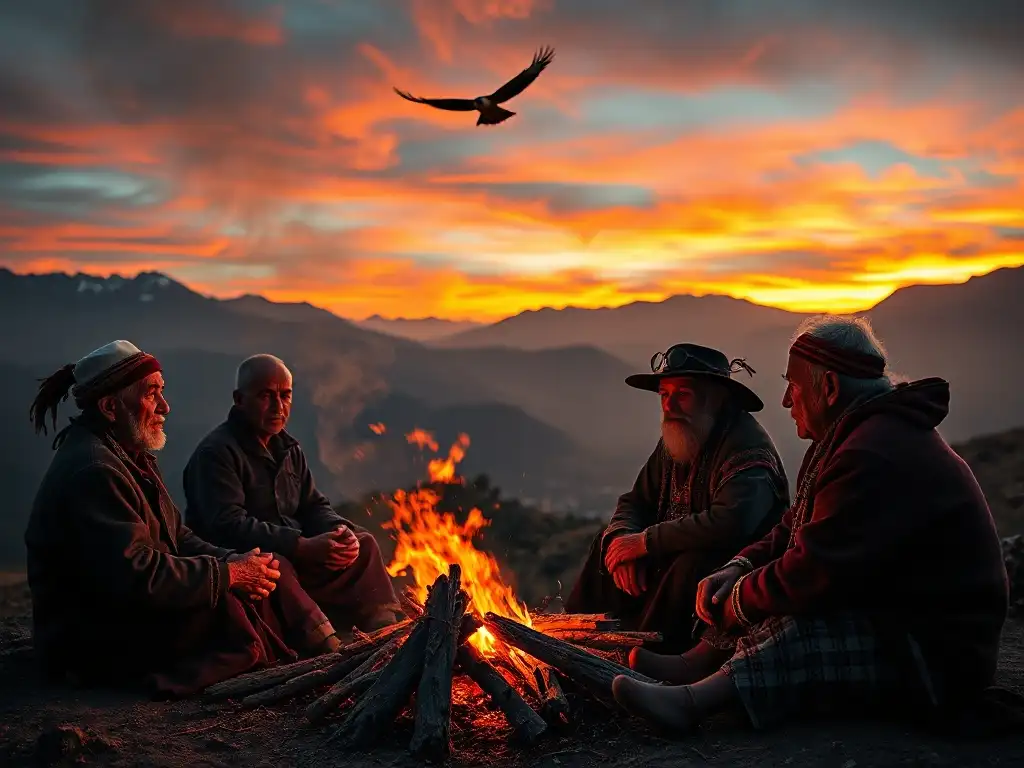
Step into a world lost to time, yet echoing with untold stories. For centuries, the Andean oral tradition has whispered secrets across the towering peaks and sprawling valleys of South America. Discover the hidden meanings woven into the fabric of Inca, Moche, Nazca, and Tiahuanaco cultures – a legacy waiting to be unveiled. Dare to uncover the mysteries held within the Andean oral tradition secrets and embark on a journey through the heart of these captivating civilizations.
- Unveiling Andean Oral Tradition Secrets: Hidden Meanings in Silence
- The Significance of Oral Tradition in the Andes
- Deciphering the Layers of Meaning in Andean Narratives
- Key Themes Found in Andean Oral Tradition
- The Impact of Colonization on Andean Oral Traditions
- Techniques for Uncovering Andean Oral Tradition Secrets
- Preserving and Promoting Andean Oral Heritage
- The Enduring Legacy of Andean Oral Tradition
-
Frequently Asked Questions
- What is the significance of oral tradition in Andean cultures?
- How did Andean oral traditions impact the development of Andean societies?
- What are some examples of secrets hidden within Andean oral traditions?
- How did the Spanish conquest affect Andean oral traditions?
- Where can I learn more about the secrets of Andean oral tradition?
- Final Reflection: Echoes of the Andes, Whispers of the Future
- Unveil the Richness of Andean Oral Traditions!
The Andes Mountains, a spine of towering peaks running down the western coast of South America, are not only a geographical marvel but also a repository of rich and complex cultures. For millennia, Andean civilizations—including the Incas, Moche, Nazca, and Tiahuanaco—flourished in this challenging landscape, developing intricate social structures, sophisticated technologies, and breathtaking artistic expressions. However, a significant portion of their knowledge and worldview remains elusive, hidden within the intricate tapestry of their oral traditions.
This article delves into the fascinating world of Andean oral tradition, exploring the secrets it holds and the hidden meanings embedded within its seemingly simple narratives. We will uncover how these stories, songs, and rituals served not just as entertainment but as vital mechanisms for preserving history, transmitting cultural values, and maintaining social order. Understanding Andean oral tradition is key to unlocking a deeper understanding of these remarkable civilizations and their enduring legacy.
This exploration will reveal how seemingly simple tales hold complex layers of meaning, reflecting the sophisticated understanding of the Andean world. We will examine specific examples, highlighting the power of these traditions to transmit vital knowledge across generations and to preserve a unique cultural identity in the face of adversity. The keyword, "Andean oral tradition secrets," will guide our journey through these captivating narratives.
The Power of Storytelling: Preserving History Through Narrative
Andean oral traditions relied heavily on storytelling. These weren't mere bedtime stories; they were meticulously crafted narratives designed to transmit historical events, genealogies, and crucial cultural information. Unlike written histories which can be altered or lost, oral traditions adapted and evolved, yet maintained a core of essential knowledge. Consider, for example, the intricate genealogies recounted by Andean storytellers, tracing lineage back through generations.
These weren't simply lists of names; they were living histories, connecting individuals to their ancestors and imbuing them with a sense of belonging and shared identity. The stories themselves were often imbued with symbolic meaning, using metaphors and allegories to convey complex concepts. For instance, the recurring motifs of animals, natural phenomena, and mythical figures often held deeper meanings related to social structures, cosmology, and the Andean worldview.
The vivid imagery and emotional resonance of these stories ensured their memorability and transmission across generations. The skill of the storyteller was paramount, their ability to engage their audience and convey the nuances of the narrative crucial to the preservation of this cultural heritage. These narratives weren't static; they were dynamic, adapting and changing to reflect the ongoing experiences and evolving understanding of the community.
Beyond Narrative: Songs, Rituals, and the Transmission of Knowledge
Oral tradition in the Andes wasn't limited to storytelling. Music and ritual played equally important roles in transmitting knowledge and cultural values. Songs, often accompanied by traditional instruments, were used to convey historical accounts, ethical principles, and practical knowledge related to agriculture, medicine, and other aspects of daily life.
These songs, passed down through generations, served as a living archive of cultural wisdom. Similarly, rituals, often incorporating elaborate costumes, dances, and symbolic actions, served to reinforce social structures, celebrate significant events, and ensure the continuity of cultural practices. These rituals were not simply performances; they were active engagements with the spiritual world, allowing for the transmission of religious beliefs and cosmological understandings.
The intricate choreography of these rituals, the carefully chosen words of the songs, and the symbolic significance of the objects used all contributed to the transmission of knowledge and the reinforcement of cultural identity. The precision and complexity of these performances underscore the profound significance of oral tradition in Andean societies. The details of these rituals, often passed down through specific lineages, represent a wealth of information waiting to be fully deciphered.
The challenge in understanding Andean oral tradition lies in deciphering its hidden meanings. The narratives, songs, and rituals often employ symbolism, allegory, and coded language, requiring careful interpretation and contextual understanding. Many stories contain layers of meaning, accessible only through a deep understanding of Andean cosmology, social structures, and historical context.
Researchers must not only listen to the words themselves but also consider the context in which they are spoken, the tone of voice, the accompanying gestures, and the overall cultural environment. This requires collaboration with indigenous communities, respecting their knowledge and traditions, and acknowledging their role as the primary custodians of their own cultural heritage. The process of deciphering these codes is an ongoing one, requiring patience, sensitivity, and a willingness to engage with the complexities of Andean culture.
It is a collaborative process, demanding respect for the knowledge and perspectives of the indigenous communities who hold the keys to unlocking these hidden meanings. Careful study of these traditions, combined with a collaborative approach, offers the promise of uncovering a wealth of knowledge about these fascinating civilizations.
Further Research Areas
Future research should focus on:
- Comparative analysis of oral traditions across different Andean cultures.
- The role of oral tradition in shaping Andean identities and social structures.
- The impact of colonization and globalization on Andean oral traditions.
- Developing effective methods for preserving and disseminating Andean oral traditions for future generations.
The Significance of Oral Tradition in the Andes
The Andes Mountains, a spine of towering peaks running down the western coast of South America, are not only a breathtaking geographical feature but also a repository of rich and complex cultural heritage. For centuries, before the advent of widespread literacy, Andean oral tradition served as the primary vehicle for transmitting knowledge, history, beliefs, and values across generations. This oral legacy, encompassing myths, legends, songs, proverbs, and rituals, holds profound significance in understanding the intricacies of Andean civilizations and their enduring impact on modern societies.
The meticulous preservation and study of this tradition are crucial for a comprehensive grasp of Andean history, societal structures, and spiritual beliefs. The keyword phrase "Andean oral tradition secrets" encapsulates the essence of this hidden knowledge waiting to be unveiled. Understanding the nuances of this oral heritage is key to unlocking the secrets of these fascinating civilizations.
The Role of Storytelling in Andean Cultures
Storytelling in Andean cultures wasn't merely entertainment; it was a vital tool for social cohesion, moral instruction, and historical record-keeping. Narratives were carefully crafted and passed down, often incorporating elements of myth, history, and practical knowledge. For instance, the stories of the Apu (mountain spirits) not only explained the natural world but also reinforced societal norms and expectations.
Disrespecting the Apu was not just a transgression against nature; it was a violation of the social order, a concept deeply ingrained in Andean worldview. These narratives weren't static; they evolved over time, reflecting changing social realities and adapting to new contexts. This dynamic nature of oral storytelling highlights its adaptability and resilience as a means of cultural transmission.
Moreover, the use of mnemonic devices, such as repetitive verses, alliteration, and symbolic imagery, aided in memorization and accurate transmission across generations. The intricate weaving of narratives, often involving multiple characters and interwoven plots, created a rich tapestry of cultural understanding, a testament to the power of oral tradition in shaping Andean identities. The complexity and artistry of these stories reveal layers of meaning, adding depth to our understanding of "Andean oral tradition secrets."
Why Oral Histories Are Crucial for Understanding Andean Civilizations
Oral histories provide invaluable insights into aspects of Andean civilizations often absent from written records left by the Spanish conquistadors. These accounts offer perspectives from indigenous voices, challenging Eurocentric narratives and providing a more nuanced understanding of the past. For example, oral traditions often reveal details about pre-Columbian social structures, economic systems, and political organization that are not adequately documented in colonial records. Furthermore, the preservation of indigenous languages through oral traditions is critical for linguistic diversity and cultural preservation.
Many Andean languages, rich in vocabulary and grammatical complexity, were threatened with extinction following the Spanish conquest. However, oral traditions continue to safeguard these languages, ensuring their survival and transmission to future generations. The detailed study of these oral histories is not only essential for academic research but also for promoting cultural revitalization and empowering indigenous communities. The recovery and analysis of these narratives are essential in unraveling the "Andean oral tradition secrets" and providing a more complete and accurate picture of Andean history.
The survival of these oral traditions is a testament to the enduring strength and resilience of Andean cultures. Without them, a significant part of Andean history would remain lost, hidden from view. This underscores the vital importance of ongoing efforts to document, preserve, and interpret these invaluable resources.
Deciphering the Layers of Meaning in Andean Narratives

Andean oral tradition, a rich tapestry woven from centuries of storytelling, holds secrets not readily apparent on the surface. Understanding these secrets requires moving beyond a literal interpretation of the narratives and delving into the complex layers of meaning embedded within them. This involves recognizing the intricate interplay of symbolism, metaphor, allegory, and social context that shapes the transmission and interpretation of these stories. The seemingly simple tales passed down through generations often conceal profound insights into Andean cosmology, social structures, and historical events.
Analyzing these narratives requires a multi-faceted approach, combining linguistic analysis with anthropological and historical perspectives. The preservation of these oral traditions is crucial, not only for understanding the past but also for appreciating the enduring cultural heritage of Andean communities. Their survival, often against the odds of colonization and globalization, is a testament to the power and resilience of oral storytelling.
Exploring the Symbolism within Andean Oral Accounts
Andean oral accounts are replete with symbolism, often using natural elements and animals to represent abstract concepts. For instance, the condor, a majestic bird soaring high above the Andes, frequently symbolizes power, freedom, and connection to the spiritual realm. Conversely, the serpent, often associated with the underworld and fertility, can represent both life-giving forces and dangerous, unpredictable powers. The careful observation of recurring motifs and their variations across different narratives reveals a complex system of symbolic representation.
The use of color also holds significant meaning; for example, red might represent blood, sacrifice, or the sun, while white could signify purity or the moon. Analyzing these symbolic systems provides a deeper understanding of the worldview and values held by Andean societies. The precise meanings, however, are not always fixed and can vary depending on the specific context and community. Further research is needed to fully map the nuances and regional variations in Andean symbolic systems.
This requires collaboration with indigenous communities to ensure accurate and respectful interpretation of their cultural heritage. Careful documentation and analysis of these symbolic systems are essential for preserving and understanding the rich cultural heritage of the Andes. The use of detailed ethnographic studies and cross-cultural comparisons can help to illuminate the deeper meanings embedded within these stories.
The Use of Metaphors and Allegories in Andean Storytelling
The effective communication of complex ideas and historical events often relies on the use of metaphors and allegories. In Andean oral tradition, these literary devices are not merely stylistic choices but crucial tools for transmitting knowledge and values across generations. Metaphors, comparing dissimilar things to highlight shared qualities, frequently appear in stories about nature, the cosmos, and human relationships. For example, the sun's journey across the sky might be used as a metaphor for the cyclical nature of life and death, while the flow of a river could represent the passage of time or the continuity of a lineage.
Allegories, extended metaphors that convey a deeper meaning through narrative, are often employed to teach moral lessons or to recount historical events in a veiled or symbolic manner. These narratives might appear simple at first glance, but a closer examination reveals a rich subtext that speaks to the community's values, beliefs, and experiences. The use of these literary devices demonstrates the sophistication of Andean storytelling techniques and the profound understanding of narrative structure and symbolic language that characterized these cultures.
Further research into the specific metaphors and allegories used in different Andean communities is needed to fully appreciate their richness and diversity. This research should involve collaboration with indigenous communities to ensure a respectful and accurate understanding of their traditions. The preservation and interpretation of these stories are crucial for understanding the intricacies of Andean thought and culture.
Key Themes Found in Andean Oral Tradition
This section delves into the recurring motifs and central themes prevalent within Andean oral traditions, highlighting their significance in understanding the worldview and societal structures of these ancient cultures. The enduring power of these narratives lies in their ability to transmit knowledge, values, and beliefs across generations, shaping cultural identity and providing a framework for interpreting the world. Analyzing these recurring themes reveals a rich tapestry of cosmological beliefs, ancestral reverence, and deeply ingrained moral codes. Understanding these themes is crucial to unlocking the secrets held within Andean oral tradition.
Creation Myths and Cosmological Beliefs in Andean Cultures
Andean creation myths are incredibly diverse, varying significantly between different ethnic groups and regions. However, several common threads weave through these narratives, revealing a shared understanding of the cosmos and humanity's place within it. Many stories feature a creator god, often associated with the sun or other celestial bodies, who shapes the landscape and brings forth life. These myths often explain the origins of mountains, rivers, and other natural features, imbuing them with spiritual significance.
For example, the Aymara people of the Andes possess elaborate creation narratives involving a powerful creator god who emerges from a primordial lake. This god then fashions the world, populating it with animals and humans. The narrative explains the landscape's features, attributing specific mountains and valleys to the creator's actions. Similarly, Quechua myths often involve a creator god who descends from the heavens to establish order and civilization.
These myths aren't just fanciful tales; they served as fundamental explanations of the world's origin and provided a framework for understanding natural phenomena. The detailed descriptions of the creation process in these oral traditions reveal a deep connection between the Andean people and their environment. These stories also often contain elements of cyclical time, with creation and destruction intertwined in an ongoing process of renewal.
The Importance of Ancestors and Lineage in Oral Narratives
Ancestor veneration is a cornerstone of Andean culture, and oral tradition plays a vital role in perpetuating this reverence. Stories recount the deeds and wisdom of ancestral figures, emphasizing their importance in shaping the community's identity and destiny. Lineage is deeply valued, with oral narratives tracing family histories and highlighting the contributions of past generations. These narratives aren't merely genealogical records; they serve as moral compasses, providing examples of virtuous behavior and cautionary tales against transgression.
The transmission of ancestral knowledge through storytelling ensured the continuity of cultural practices and beliefs. Specific rituals, agricultural techniques, and social customs were often embedded within these narratives, ensuring their preservation and transmission across generations. For instance, stories about legendary Inca rulers like Pachacuti often served as models of leadership and political strategy. These narratives helped to legitimize the ruling class and maintain social order.
The emphasis on ancestors also fostered a strong sense of community, uniting people through shared history and a collective identity. This explains the enduring power of these narratives in shaping Andean societies and cultures. The detailed accounts of ancestral exploits found in oral traditions are a treasure trove of information for modern anthropologists and historians.
Andean oral tradition is replete with stories that convey important moral lessons and social values. These narratives often involve allegorical characters and symbolic events, teaching crucial life lessons in an engaging and memorable way. Themes of reciprocity, community, and respect for nature are frequently emphasized. These stories served as a primary means of education and socialization, shaping individual behavior and maintaining social harmony.
For instance, many stories emphasize the importance of ayni, the principle of reciprocity and mutual support, which is central to Andean social organization. Failure to uphold ayni is often portrayed as having negative consequences. Similarly, narratives frequently highlight the importance of respecting Pachamama, Mother Earth, and the interconnectedness of all living things. These oral traditions didn't just entertain; they provided a moral framework that guided individual and collective behavior.
The detailed analysis of these narratives reveals a sophisticated ethical system deeply embedded within Andean culture. The preservation of these stories is crucial for understanding the complex social structures and values that underpinned Andean societies, offering valuable insights into their unique approach to social organization and ethics. The subtle nuances within these narratives reveal the richness and complexity of Andean moral philosophy.
The Impact of Colonization on Andean Oral Traditions
The arrival of the Spanish in the 16th century dramatically reshaped the landscape of Andean oral traditions. The conquest wasn't merely a military event; it was a systematic attempt to dismantle indigenous cultures, including their intricate systems of knowledge transmission. This process, often brutal and relentless, significantly altered, suppressed, and in some cases, nearly eradicated many aspects of Andean oral tradition.
Understanding this impact is crucial to appreciating the resilience and adaptability of these traditions in the face of immense pressure. The consequences are still felt today, shaping how we access and interpret the surviving fragments of this rich heritage. The keyword phrase "Andean oral tradition secrets" is directly impacted by this historical event, as many secrets were lost or deliberately obscured.
How Colonialism Shaped and Altered Traditional Stories
Spanish colonization instigated a profound shift in the narrative landscape of the Andes. Traditional stories, once passed down through generations, were often actively suppressed. Missionaries, intent on converting indigenous populations to Christianity, actively discouraged the telling of ancestral myths and legends, viewing them as pagan and heretical. Many stories were rewritten or adapted to incorporate Christian narratives, resulting in syncretic forms that blended indigenous beliefs with Christian theology.
This process of cultural assimilation often resulted in the loss of original meanings and nuances. For example, stories involving powerful Andean deities might be reinterpreted to fit within the framework of Christian saints, obscuring the original cosmology and worldview. The suppression wasn't always overt; sometimes it was a subtle process of marginalization, where indigenous languages and storytelling practices were gradually replaced by Spanish.
The impact of this linguistic shift was devastating, leading to the loss of countless stories and the erosion of rich cultural knowledge. This deliberate suppression of Andean oral tradition secrets created a void in the historical record, making the reconstruction of pre-colonial narratives a challenging task for modern researchers. The surviving stories often bear the scars of this cultural clash, reflecting both the resistance and adaptation of Andean communities.
The Resilience of Oral Tradition in Preserving Andean Heritage
Despite the immense challenges posed by colonization, Andean oral traditions demonstrated remarkable resilience. While many stories were lost or altered, a significant body of knowledge survived, often hidden in plain sight or subtly embedded within seemingly innocuous narratives. Indigenous communities employed various strategies to preserve their cultural heritage, including:
- Coded Language and Symbolism: Stories were often encoded with layers of meaning, accessible only to those initiated into the cultural traditions. This allowed communities to maintain their cultural identity while appearing to comply with colonial restrictions.
- Adaptation and Syncretism: As mentioned earlier, some stories were adapted to incorporate Christian elements, allowing them to persist in a modified form. This syncretism, while altering the original narratives, also allowed the preservation of core cultural values and beliefs in a disguised manner.
- Oral Transmission within Family Units: The transmission of stories shifted from large public gatherings to smaller, more intimate family settings, providing a degree of protection from colonial scrutiny.
- Resistance through Performance: Traditional storytelling continued, albeit often in covert ways, maintaining a vital connection to the past. Festivals and rituals, while often adapted to accommodate colonial authorities, still served as vehicles for the transmission of cultural knowledge.
The survival of these traditions underscores the profound importance of oral narratives in Andean cultures. They represent not just entertainment but a vital link to the past, embodying ancestral wisdom, spiritual beliefs, and social structures. The ongoing efforts to document and interpret these traditions are crucial in uncovering the secrets held within them and ensuring that the rich heritage of Andean oral traditions continues to thrive.
The resilience of these traditions, in the face of colonial oppression, highlights their enduring power and the deep-seated cultural values they represent. The recovery and analysis of these narratives continue to shed light on the intricate tapestry of Andean history and culture, revealing the "Andean oral tradition secrets" that survived the colonial era.
Techniques for Uncovering Andean Oral Tradition Secrets
This section delves into the practical methodologies employed in the challenging yet rewarding task of uncovering the secrets embedded within Andean oral traditions. Understanding these traditions requires a nuanced approach, respecting the cultural sensitivity of the source material while employing rigorous analytical techniques. The preservation and interpretation of these oral histories are paramount to a complete understanding of Andean civilizations, revealing insights into their social structures, beliefs, and daily lives often missing from written records.
The richness of Andean oral tradition, with its layered narratives and symbolic language, presents both opportunities and challenges for researchers. We will explore key techniques for navigating this complex landscape, focusing on ethical considerations, linguistic analysis, and cross-referencing with other historical sources.
Gathering Oral Histories: Ethical Considerations and Best Practices
Ethical considerations are paramount when engaging with Andean oral traditions. These are not simply stories; they are living expressions of cultural heritage, often deeply connected to spiritual beliefs and ancestral knowledge. Respect for the communities and individuals who are the keepers of this knowledge is absolutely crucial. This necessitates obtaining informed consent before recording any oral accounts. Furthermore, researchers must be mindful of potential power imbalances and ensure that the process is mutually beneficial, offering something of value back to the community. This could involve sharing research findings, providing educational resources, or participating in community projects.
The process of gathering oral histories requires patience, empathy, and a deep understanding of the local language and cultural context. It’s not simply a matter of asking questions and recording answers. Building trust and rapport is essential. This often involves spending considerable time within the community, participating in daily life, and demonstrating genuine respect for their customs and traditions. The use of trained local interviewers fluent in the relevant indigenous languages is highly recommended. This ensures accurate translation and avoids misinterpretations that could misrepresent the meaning or significance of the narratives.
Careful documentation is also crucial. Recordings should be meticulously labeled and archived, along with detailed field notes providing context for each interview. This information might include details about the speaker's age, gender, social status, and any relevant background information. Furthermore, the use of multiple recordings from different individuals can help to corroborate information and identify potential biases or inconsistencies. This multifaceted approach ensures the integrity and reliability of the data collected, building a robust foundation for subsequent analysis. The goal is not just to collect stories, but to understand their deeper significance within the broader cultural context.
Analyzing Linguistic Patterns and Narrative Structures in Andean Tales
Analyzing the linguistic patterns and narrative structures within Andean tales offers a wealth of information about the worldview, beliefs, and social structures of the Andean civilizations. The language itself, often rich in metaphor and symbolism, holds keys to understanding the underlying meanings. For example, the repetition of certain motifs, characters, or phrases can reveal underlying themes or archetypes that are central to Andean cosmology. The use of specific vocabulary related to nature, agriculture, or spirituality can provide insights into the importance of these elements in their daily lives and beliefs.
Detailed analysis of narrative structures, such as the use of cyclical time, or the presence of specific narrative devices like embedded stories or flashbacks, reveals more about the cultural values and thought processes of the storytellers. Identifying recurring themes and patterns across multiple narratives helps to identify core elements of Andean worldview. Consider, for example, the frequent appearance of mythical figures, animals, or natural elements. Understanding the symbolic meanings assigned to these elements provides crucial insights into the cultural significance of these tales.
This linguistic analysis, when combined with anthropological and archaeological evidence, provides a richer and more nuanced understanding of Andean oral traditions. The use of computational linguistics tools can assist in identifying patterns and connections that might be missed through traditional methods. However, it is crucial to remember that this is a tool to assist analysis, not replace the essential role of cultural understanding and linguistic expertise.
Cross-Referencing Oral Accounts with Archaeological and Historical Evidence
The power of Andean oral traditions is significantly enhanced when cross-referenced with archaeological and historical evidence. While oral traditions provide invaluable insights into cultural beliefs and practices, archaeological findings can offer physical corroboration or contextualization. For example, the discovery of artifacts depicting specific mythological figures mentioned in oral accounts can confirm their existence and importance within the culture. Similarly, the discovery of architectural features or settlement patterns can illuminate aspects of social organization or daily life described in oral histories.
Historical records, such as colonial chronicles or missionary accounts, though often biased, can also offer valuable comparative perspectives. By comparing and contrasting information from these different sources, researchers can construct a more comprehensive understanding of the Andean past. Identifying points of convergence and divergence between oral traditions, archaeological evidence, and historical accounts is crucial for building a reliable interpretation.
Inconsistencies, for example, might indicate changes in cultural practices or beliefs over time, or they might highlight the limitations or biases of particular sources. This careful comparison and analysis allows for a more robust and nuanced understanding of the complexities of Andean history and culture, revealing the interwoven layers of meaning held within their rich oral traditions. The meticulous integration of these diverse data sets is key to unlocking the deeper secrets contained within Andean oral tradition.
Preserving and Promoting Andean Oral Heritage
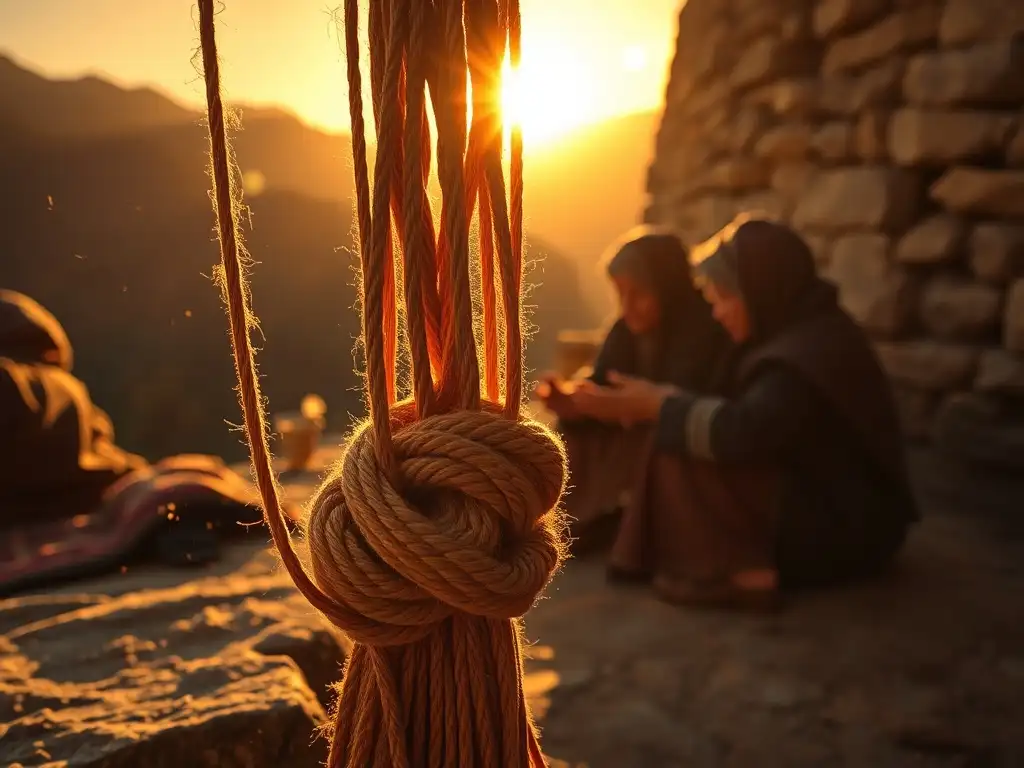
The preservation of Andean oral tradition is a complex undertaking, demanding a multifaceted approach that respects the cultural sensitivities and intellectual property rights inherent in these narratives. The challenge lies not only in documenting existing stories but also in fostering an environment where these traditions can thrive and continue to evolve organically within their communities. This involves a delicate balance between scholarly investigation and community engagement, ensuring that the process benefits the communities themselves and doesn't lead to exploitation or misrepresentation.
The inherent fragility of oral traditions, dependent on the memory and transmission of knowledge across generations, necessitates proactive measures to safeguard this invaluable cultural heritage. Loss of language, migration, and the pressures of globalization all contribute to the erosion of these ancient storytelling practices. Therefore, sustainable preservation strategies must be implemented to protect this irreplaceable legacy for future generations.
The importance of this work cannot be overstated; Andean oral tradition represents a unique window into the past, offering insights into societal structures, spiritual beliefs, and the complex relationship between humans and their environment. Understanding these narratives is crucial not only for academic understanding but also for fostering intercultural dialogue and appreciating the rich diversity of human experience.
Community Efforts to Document and Revitalize Oral Traditions
Many Andean communities are actively involved in documenting and revitalizing their oral traditions. These efforts often involve collaborative projects between community members, researchers, and cultural organizations. For example, in the Peruvian Andes, initiatives have been undertaken to record and transcribe traditional stories, songs, and rituals in their original Quechua dialects. These recordings are then archived and made accessible to the community, helping to ensure the continuity of these traditions.
Furthermore, workshops and educational programs are organized to teach younger generations the art of storytelling and traditional performance techniques. This intergenerational knowledge transfer is vital in ensuring the survival of oral traditions. The process isn't simply about preserving static texts; it's about empowering communities to reclaim, reinterpret, and re-imagine their heritage in the context of modern life. A key aspect of this approach is that it prioritizes community ownership and control over the dissemination of their cultural narratives.
This ensures the respect of cultural sensitivities and avoids the potential for misappropriation or commodification of these invaluable traditions. The success of such initiatives hinges on building trust and establishing collaborative partnerships based on mutual respect and shared goals. Effective strategies often involve community-based participatory research methods, empowering local knowledge keepers and ensuring that the process aligns with their values and priorities. The preservation of Andean oral tradition is not merely a matter of archiving; it’s about empowering communities to actively participate in safeguarding their own cultural legacy.
The Role of Technology in Sharing Andean Stories with the World
Technology plays a crucial role in expanding the reach of Andean oral traditions. Digital archiving and online platforms allow for broader access to these stories, fostering intercultural understanding and appreciation of Andean cultures worldwide. High-quality audio and video recordings, coupled with detailed transcriptions and translations, ensure that these narratives are accessible to a wider audience, transcending geographical limitations and language barriers. Moreover, the use of digital technologies enables the creation of interactive storytelling experiences, incorporating multimedia elements such as images, animations, and music to enhance engagement.
This approach can make these stories more accessible and appealing to younger generations, encouraging their interest in learning about their heritage. However, careful consideration must be given to the ethical implications of using technology in this context. Protecting intellectual property rights and ensuring community consent are crucial aspects of responsible digital archiving. The aim is not simply to digitize and disseminate these stories, but to do so in a way that respects the cultural integrity and ownership of these narratives.
Furthermore, strategies should focus on building digital literacy within communities, empowering them to participate in the creation and management of their online presence. The goal is to create a sustainable system that empowers communities to control the narrative and ensure that their stories are shared in an accurate and respectful manner. This involves fostering collaboration between technologists, cultural organizations, and community members to develop culturally appropriate and sustainable digital archiving and dissemination strategies for Andean oral traditions. The careful and ethical application of technology can be a powerful tool for preserving and promoting Andean oral tradition secrets for generations to come.
The Enduring Legacy of Andean Oral Tradition
The Andean oral tradition, a vibrant tapestry woven from centuries of storytelling, song, and ritual, continues to resonate deeply within Andean communities. Its enduring legacy isn't merely a historical artifact; it's a living, breathing force shaping cultural identity, social structures, and even contemporary perspectives. Understanding this legacy requires moving beyond a simple recitation of tales and delving into the intricate ways these narratives function within Andean societies.
This section explores the profound impact of oral tradition on the present, revealing how ancient wisdom continues to guide and inspire. The secrets held within these stories are not static; they evolve and adapt, reflecting the ever-changing realities of Andean life while retaining their core values and meanings. This dynamic interplay between past and present is a key component of the enduring power of Andean oral tradition secrets.
The Continuing Relevance of Andean Stories for Future Generations
Andean stories, passed down through generations, aren't just entertaining fables; they serve as vital repositories of knowledge, moral codes, and historical memory. Consider, for example, the achuy tales of the Quechua people. These stories, often involving animals and supernatural beings, impart crucial lessons about social behavior, environmental responsibility, and respect for ancestral traditions.
Their continuing relevance lies in their adaptability. Modern storytellers reinterpret and recontextualize these narratives, incorporating contemporary challenges and concerns while preserving the underlying ethical frameworks. This ensures that the wisdom embedded within the achuy remains pertinent to the lives of young people growing up in rapidly changing Andean societies today.
The ongoing transmission of these narratives guarantees that future generations will inherit a rich cultural heritage, fostering a strong sense of identity and continuity. The preservation of Andean oral tradition secrets is, therefore, not just a matter of historical preservation but also of ensuring cultural survival and resilience.
Understanding the Cultural Depth of the Andes Through its Oral Heritage
The depth and complexity of Andean cultures are profoundly reflected in their oral traditions. These aren't simply collections of isolated narratives; they represent a sophisticated system of knowledge transmission, encompassing cosmology, history, social structures, and spiritual beliefs. For instance, the intricate kinship systems of many Andean communities are often embedded within their oral genealogies, tracing lineage and establishing social hierarchies.
These genealogies, frequently recited during ceremonies and rituals, reinforce community bonds and maintain social order. Furthermore, Andean oral tradition frequently incorporates mnemonic devices, such as songs, poems, and riddles, to facilitate the memorization and transmission of complex information. This sophisticated approach underscores the importance placed on preserving cultural knowledge across generations.
By studying these oral traditions, we gain invaluable insights into the nuanced social structures, intricate belief systems, and rich history of Andean civilizations. Unraveling the secrets within these traditions offers a unique window into the cultural depth of the Andes, revealing a world far richer and more complex than many traditional historical accounts suggest. The study of Andean oral tradition secrets provides a crucial counterpoint to written histories, offering a more inclusive and nuanced understanding of Andean societies.
Frequently Asked Questions
What is the significance of oral tradition in Andean cultures?
Andean oral traditions were crucial for transmitting knowledge, history, and beliefs across generations. They served as the primary means of preserving cultural heritage before the arrival of writing systems. This included stories, songs, and rituals.
How did Andean oral traditions impact the development of Andean societies?
Oral traditions shaped social structures, religious practices, and political systems. They provided a framework for understanding the world and their place within it, influencing everything from agriculture to warfare. Stories instilled moral values and social norms.
Many stories contain coded messages about astronomy, agriculture, or historical events. These secrets, often passed down through specific lineages, provided practical knowledge or maintained social order. Some are still being deciphered today.
How did the Spanish conquest affect Andean oral traditions?
The Spanish conquest significantly disrupted Andean oral traditions through suppression and the imposition of Christianity. Many stories and practices were lost or altered during this period. However, elements persisted and continue to be revived today.
Where can I learn more about the secrets of Andean oral tradition?
Researching ethnohistory, anthropology, and archaeology is a good starting point. Look for academic publications and works by indigenous scholars who are actively working to preserve and interpret these traditions. Community engagement is also key.
Final Reflection: Echoes of the Andes, Whispers of the Future
The enduring power of Andean oral tradition resonates deeply in our modern world, a testament to the enduring strength of storytelling and its ability to transmit vital cultural knowledge across generations. While seemingly distant in time and geography, the secrets held within these narratives offer profound insights into human resilience, interconnectedness, and the enduring search for meaning. Understanding these traditions is not merely an academic exercise; it's a crucial step in appreciating the rich tapestry of human experience and fostering a more inclusive global perspective.
The impact of Andean oral tradition extends far beyond the Andes themselves. These stories, passed down through centuries of whispered conversations and vibrant performances, continue to shape identities, beliefs, and social structures. They offer a powerful counterpoint to the homogenizing forces of globalization, reminding us of the beauty and importance of diverse cultural expressions. The stories we tell ourselves shape the world we live in.
This simple truth underscores the vital role of preserving and understanding these ancient narratives, not just for historical accuracy, but for the ongoing well-being of communities and the planet as a whole.
Consider the echoes of these ancient narratives in your own life. How do the stories you've heard, the traditions you've inherited, shape your understanding of the world? I urge you to actively seek out and engage with diverse cultural expressions, to listen to the whispers of the past, and to find inspiration in the enduring power of storytelling. By embracing the richness of traditions like those found in the Andes, we can build a future that celebrates diversity, fosters understanding, and honors the wisdom of generations past.
Unveil the Richness of Andean Oral Traditions!
Thank you for exploring the fascinating world of Andean oral traditions with us! You've discovered the intricate layers of meaning within these powerful narratives, and now it's time to take the next step. Let's keep the journey alive!
Here are a few ways you can deepen your connection with Andean culture and share its richness with others:
- Join our community: Connect with fellow enthusiasts and engage in discussions by signing up for our newsletter. You'll find a vibrant online space for sharing your passion and learning from others.
- Discover local storytellers: Attend a live storytelling event, either in person or online, to experience these traditions firsthand. The energy and emotion of a live performance are truly unforgettable.
- Share your insights: Post your reflections or favorite stories on social media, tagging us to inspire others to explore Andean heritage. Your perspective can spark new interest and appreciation in this rich cultural tradition.
What specific story has resonated most deeply with you, and how will you continue to explore the rich tapestry of Andean oral traditions?