
Quechua and the Textile Arts: Weaving Language into Cultural Expression

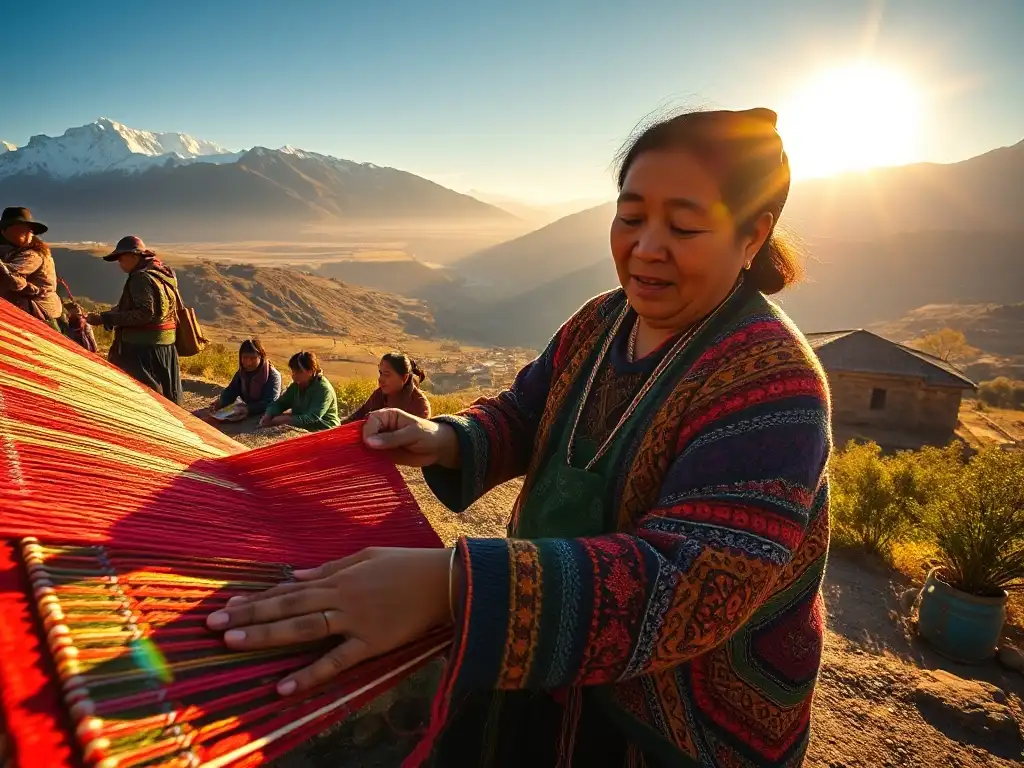
Unravel the mysteries of the Andes! Journey through millennia of breathtaking artistry and ingenuity as we delve into the vibrant tapestry of Andean civilizations. But this isn't just about shimmering gold and towering stone cities; it's about stories woven into fabric. Prepare to be captivated by the intricate history of Quechua textile art, where threads become narratives, and colors whisper tales of a profound and enduring culture. Discover how this ancient art form speaks volumes about the lives and beliefs of the Andean people – a legacy that continues to inspire awe today. Explore the rich threads of history...
The Quechua language, a vibrant thread in the rich tapestry of Andean culture, is inextricably linked to the region's renowned textile arts. For centuries, Quechua-speaking communities have employed textiles not merely as clothing or household items, but as powerful mediums for expressing cultural identity, narrating history, and transmitting knowledge across generations.
This article delves into the fascinating intersection of Quechua language and textile art, exploring how intricate weaving techniques, vibrant color palettes, and symbolic designs all contribute to a unique and enduring artistic tradition deeply rooted in the Quechua worldview. We will examine the historical context of Quechua textile art, analyze the techniques employed, and uncover the profound cultural significance embedded within these breathtaking creations.
This exploration promises to reveal how the threads of Quechua textile art history are woven into the very fabric of Andean identity, showcasing the enduring legacy of this remarkable civilization. Understanding this connection is key to appreciating the complexity and beauty of Quechua culture and its lasting impact on the Andean region.
A History Woven in Threads: Tracing Quechua Textile Traditions
The history of Quechua textile art is a long and complex one, stretching back millennia. Evidence suggests sophisticated textile production existed long before the Inca Empire, with earlier Andean cultures like the Nazca and Paracas already demonstrating mastery of intricate weaving techniques and symbolic designs. However, the Inca period (roughly 1438-1533 CE) witnessed a significant expansion and standardization of textile production, with the Quechua language playing a crucial role in the organization and transmission of weaving knowledge.
Royal workshops produced exquisite textiles for the Inca elite, using specialized techniques and rare materials like vicuña wool. These textiles weren't merely decorative; they served as markers of social status, religious significance, and political power. Even after the Spanish conquest, Quechua communities continued to produce textiles, adapting traditional techniques to incorporate new materials and designs while preserving the core cultural values embedded within their craft.
The continuity of these traditions demonstrates the remarkable resilience and adaptability of Quechua culture. Detailed records of pre-Columbian weaving techniques are unfortunately scarce, but archeological findings and surviving textiles provide invaluable insights into the evolution of this art form. Further research is needed to fully understand the pre-Inca contributions to Quechua textile traditions.
Techniques and Materials: The Art of Andean Weaving
Quechua textile art is characterized by a remarkable diversity of techniques and materials. The most commonly used fiber is alpaca and llama wool, prized for its softness, warmth, and durability. Vicuña wool, even finer and rarer, was reserved for elite garments. Cotton was also cultivated and used, particularly in warmer regions.
The weaving techniques employed are equally diverse, ranging from simple plain weave to complex tapestry, brocade, and embroidery. The backstrap loom, a portable and versatile tool, was and remains central to Quechua weaving, allowing for intricate patterns and designs. The use of natural dyes derived from plants, minerals, and insects adds another layer of complexity and artistry, creating a vibrant range of colors.
Specific dyeing techniques, often passed down through generations within families, were closely guarded secrets, contributing to the uniqueness of each community's textile style. The precise methods used for preparing and applying these dyes require further investigation. Furthermore, the intricate designs themselves reveal a deep understanding of geometry, symbolism, and storytelling.
Symbolism and Storytelling: Decoding the Language of Textiles
Quechua textiles are not merely beautiful objects; they are rich repositories of cultural knowledge. Designs often incorporate symbolic motifs that communicate stories, beliefs, and social structures. Geometric patterns, for example, can represent celestial bodies, agricultural cycles, or kinship relations. Zoomorphic and anthropomorphic figures often depict deities, mythical creatures, or important historical events.
The very act of weaving itself is a form of storytelling, with each thread and knot contributing to a larger narrative. The language used to describe these patterns and their meanings is often rooted in Quechua, further highlighting the deep connection between language and textile art. Unfortunately, a complete catalog of all symbolic motifs and their interpretations remains a work in progress, requiring further ethnographic research and collaboration with Quechua communities. The preservation of this knowledge is crucial for understanding the full cultural significance of these remarkable textiles.
Quechua Textile Art Today: Preservation and Revitalization
Despite facing challenges from globalization and the pressures of modern life, Quechua textile traditions continue to thrive. Many communities actively work to preserve and revitalize their textile arts, passing down traditional techniques and knowledge to younger generations. This preservation effort is not only about maintaining a cultural heritage but also about empowering communities economically and culturally. The sale of handcrafted textiles provides vital income for many families, while the continued practice of traditional weaving strengthens community bonds and cultural identity.
Efforts to document and promote Quechua textile art are essential, not only for scholars and researchers but also for a wider audience who can appreciate the beauty and cultural significance of these unique creations. Support for these initiatives is crucial to ensure the continued vitality of Quechua textile art for generations to come. The ongoing documentation and preservation efforts are critical for safeguarding this invaluable cultural heritage.
- A History Woven in Threads: Tracing Quechua Textile Traditions
- Techniques and Materials: The Art of Andean Weaving
- Symbolism and Storytelling: Decoding the Language of Textiles
- Quechua Textile Art Today: Preservation and Revitalization
The Deep Roots of Quechua Textile Art History
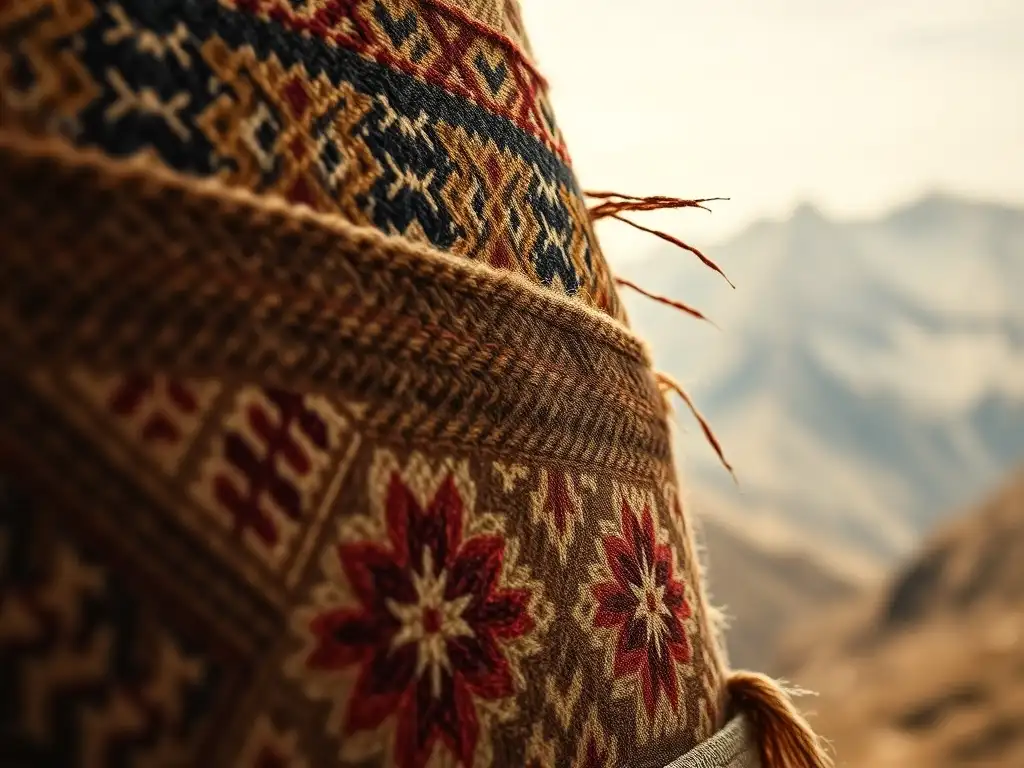
The vibrant tapestry of Quechua textile art history is deeply intertwined with the very fabric of Andean life. For millennia, Quechua-speaking communities have utilized textiles not merely as clothing or adornment, but as potent vehicles for storytelling, social status signaling, and the preservation of cultural memory. Understanding Quechua textile art requires appreciating its profound connection to the land, spirituality, and the intricate social structures of the Andes.
The enduring legacy of this art form is a testament to the resilience and ingenuity of Quechua people, and their ability to adapt and innovate while maintaining a strong connection to their ancestral heritage. This section delves into the rich history of Quechua textiles, exploring their ancient origins and their ongoing significance in contemporary Andean society. The artistry embedded within these textiles reflects not just technical skill but also a profound understanding of the cosmos, the environment, and the complex web of social relationships within Quechua communities.
Analyzing these textiles provides invaluable insights into the beliefs, practices, and worldview of the Quechua people across centuries. The intricate designs and symbolic representations woven into the cloth offer a glimpse into a rich and complex cultural landscape.
The Ancient Origins of Andean Weaving Traditions
Andean weaving traditions predate the Inca Empire by thousands of years. Archaeological evidence points to sophisticated textile production in the pre-Inca period, with discoveries of incredibly well-preserved textiles in sites like Paracas and Nazca, demonstrating mastery of techniques like tapestry weaving, brocade, and intricate embroidery. These early textiles often feature complex iconography, suggesting a sophisticated system of symbolic representation deeply rooted in Andean cosmology.
The use of natural dyes derived from plants and minerals further highlights the intricate connection between the Quechua people and their environment. The colors themselves held symbolic meaning, often representing specific deities, natural elements, or social status. For example, the vibrant reds derived from cochineal insects were often associated with power and divinity, while earthy tones like browns and greens reflected the landscape.
The enduring legacy of these pre-Inca techniques is evident in the continuing use of traditional dyes and weaving methods in contemporary Quechua communities. The meticulous craftsmanship and the symbolic richness of these early textiles lay the groundwork for the later development of Quechua textile art under the Inca Empire and beyond. The continuity of these techniques underscores the remarkable resilience and adaptation of Andean weaving traditions throughout history.
Quechua as a Medium for Cultural Narrative in Textiles
Quechua textile art isn't merely decorative; it's a form of visual storytelling. Designs are not haphazard; they convey complex narratives, social hierarchies, and spiritual beliefs. Specific motifs, colors, and weaving techniques communicate specific messages, often relating to mythology, agricultural cycles, or social events. For example, the representation of specific animals, such as the llama or condor, might symbolize particular deities or represent aspects of the Andean worldview.
Similarly, geometric patterns often have deep symbolic meanings, reflecting the Andean understanding of the cosmos and the interconnectedness of all things. Furthermore, the very act of weaving itself is often imbued with spiritual significance, with many Quechua communities believing that the creation of textiles connects the weaver to the spiritual realm. The intricate details woven into each piece are not simply aesthetic choices but are carefully considered elements that convey meaning and transmit knowledge across generations.
This rich tapestry of symbolic representation ensures that Quechua textile art functions as a dynamic and enduring repository of cultural knowledge and memory, a living testament to the enduring power of Quechua language and culture. The ongoing practice of Quechua weaving ensures that these stories continue to be told and reinterpreted, adapting to the changing times while retaining their deep cultural significance. The study of Quechua textile art offers a unique window into the rich and complex cultural heritage of the Andean region, providing invaluable insights into the worldview and social structures of Quechua-speaking communities.
The Significance of Textile Design in Quechua Culture
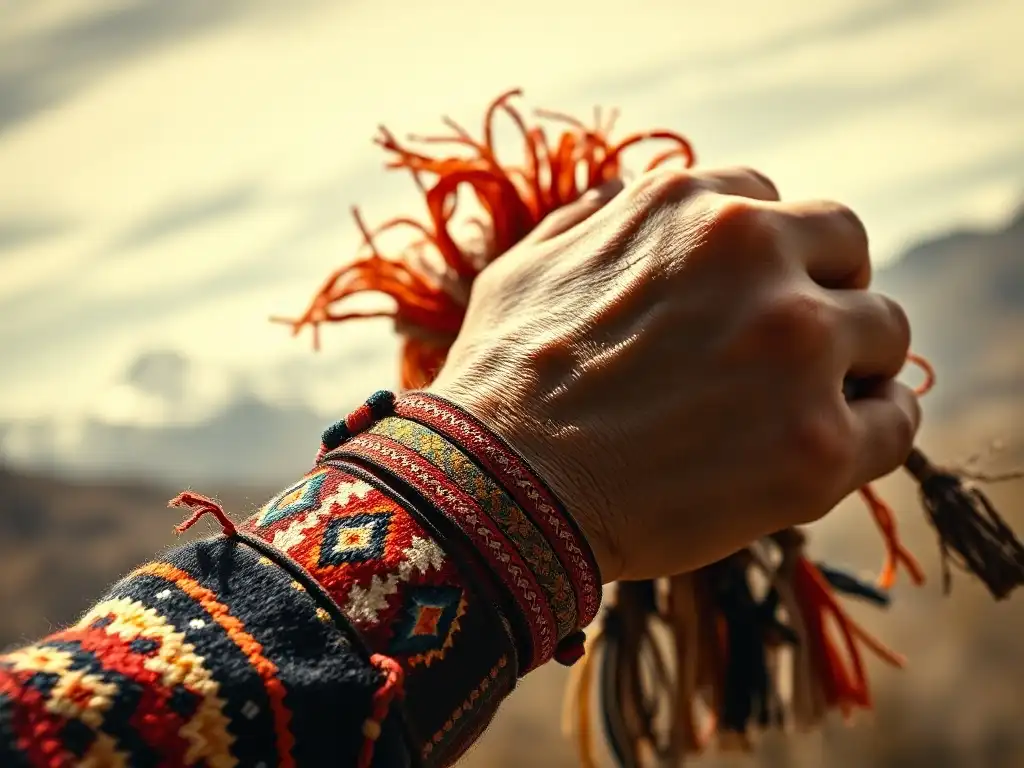
Quechua textile art history is deeply intertwined with the social, religious, and economic fabric of Andean life. For Quechua peoples, textiles are far more than mere clothing or decorative items; they are powerful carriers of cultural identity, historical memory, and spiritual beliefs. The intricate designs, vibrant colors, and skilled techniques employed in Quechua weaving reflect a sophisticated understanding of the natural world and a complex system of social hierarchies and symbolic representations.
From the simplest everyday garments to the most elaborate ceremonial textiles, every thread tells a story, transmitting knowledge and values across generations. The enduring legacy of Quechua textiles serves as a testament to the resilience and cultural richness of the Andean people, showcasing their remarkable ability to adapt and innovate while preserving their unique artistic traditions.
Understanding the significance of these textiles requires appreciating their multifaceted role within Quechua society, from their use in rituals and ceremonies to their function as markers of social status and personal identity. The artistry involved is not merely decorative; it's a powerful form of communication, preserving and conveying cultural narratives that continue to resonate today.
Symbolic Motifs in Quechua Weaving: Meaning and Interpretation
The symbolic motifs found in Quechua weaving are incredibly diverse and rich in meaning. Many designs represent animals, plants, and celestial bodies, reflecting the close relationship Quechua people have with their environment. For example, the depiction of a hummingbird often symbolizes speed, agility, and the connection between the earthly and spiritual realms. The condor, a powerful bird of prey, frequently appears in textiles, representing strength, leadership, and access to the upper world.
Geometric patterns, while seemingly abstract, also hold profound significance. Certain combinations of lines, zigzags, and spirals represent specific clans, family lineages, or even cosmological concepts. The interpretation of these motifs often requires a deep understanding of Quechua cosmology and mythology. Detailed studies of Quechua textile art have revealed a complex system of visual communication, where every element contributes to a larger narrative.
Scholars continue to decipher the intricate meanings embedded within these ancient designs, revealing insights into the beliefs, values, and social structures of Quechua communities. The precise meaning of a motif can also vary depending on its context within the overall design and the specific region where the textile was created. This complexity underscores the depth and sophistication of Quechua textile symbolism.
Color Palette and its Cultural Significance in Quechua Textiles
The vibrant color palette used in Quechua textiles is another crucial element in their cultural significance. Natural dyes derived from plants, minerals, and insects were traditionally employed, resulting in a range of earthy tones, deep reds, rich yellows, and striking blues. Each color carries its own symbolic weight, often associated with specific deities, natural elements, or social statuses.
For instance, red might symbolize blood, fertility, and power, while yellow could represent the sun and its life-giving energy. The careful selection and combination of colors in a textile reveal not only the weaver's artistic skill but also their understanding of the cultural significance of each hue. The use of specific color combinations might indicate the weaver's social standing, the occasion for which the textile was created, or even the spiritual intentions behind its creation.
Furthermore, the availability of certain dyes varied across different regions, leading to regional variations in color palettes, further adding to the complexity and diversity of Quechua textile art. Detailed studies of the dye materials and their symbolic associations are crucial for a complete understanding of the cultural context of Quechua textiles. This intricate relationship between color and meaning adds another layer of complexity to the rich tapestry of Quechua cultural expression.
Techniques and Materials in Traditional Quechua Weaving
Traditional Quechua weaving techniques are remarkable for their precision and sophistication. Using a backstrap loom, often a simple yet versatile device, Quechua weavers create textiles of extraordinary quality and detail. The backstrap loom allows for intricate designs and a wide variety of textures, reflecting the weaver's skill and mastery of the technique. The materials used, including alpaca, llama, and vicuña fibers, are also significant.
These Andean camelids provide exceptionally fine and warm wool, prized for its softness and durability. The process of preparing the fibers, spinning the yarn, and dyeing it with natural pigments is a labor-intensive process, underscoring the value and cultural significance of the finished product. Different techniques, such as supplementary weft, tapestry weaving, and brocade, are employed to create diverse textures and patterns.
These techniques, passed down through generations, represent a profound understanding of material properties and artistic expression. The intricate details and precision of Quechua textiles are a testament to the weavers' skill and the enduring legacy of their craft. The combination of materials and techniques showcases the deep connection between Quechua culture and its environment, highlighting the ingenuity and adaptability of Andean peoples.
Evolution of Quechua Textile Art Through Time
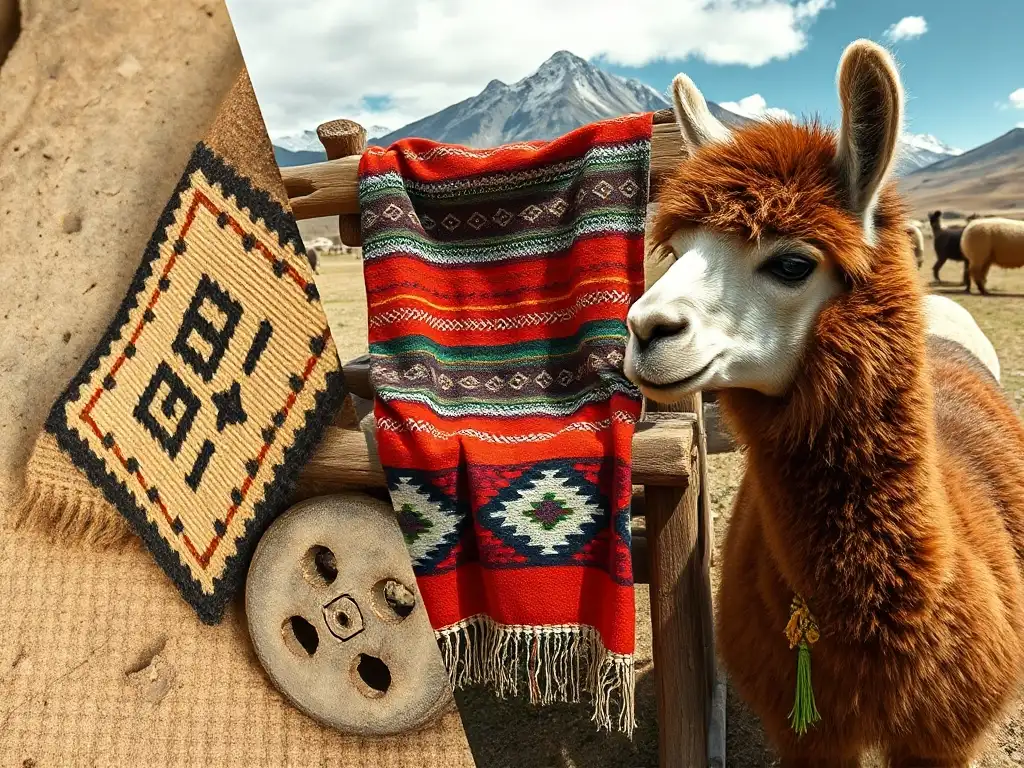
The vibrant tapestry of Quechua textile art history is a rich and complex narrative, interwoven with threads of pre-Inca traditions, Inca imperial influence, and the transformative impact of the colonial period. Understanding this evolution requires examining the distinct phases that shaped the unique aesthetic and techniques characteristic of Quechua weaving. The enduring legacy of these textiles reflects not only artistic skill but also a deep connection to Andean cosmology, social structures, and the very fabric of Quechua identity.
Analyzing the changes across time reveals the remarkable resilience and adaptability of this artistic tradition in the face of significant historical shifts. The keyword, "Quechua textile art history," encapsulates this very journey, from its ancient roots to its contemporary expressions.
Pre-Inca Textile Traditions and their Influence on Quechua Weaving
Long before the Inca Empire rose to prominence, the Andean highlands boasted a flourishing textile tradition. Cultures like the Nazca and Paracas, known for their intricate designs and mastery of techniques like tapestry weaving, laid the groundwork for subsequent developments. These pre-Inca societies utilized a diverse palette of natural dyes derived from plants, insects, and minerals, achieving vibrant and long-lasting colors.
Their textiles, often adorned with complex iconography reflecting their worldview and social structures, served both practical and ceremonial purposes. Evidence suggests sophisticated knowledge of spinning, dyeing, and weaving techniques, including the use of specialized tools and the incorporation of diverse fiber sources, such as llama, alpaca, and vicuña wool. This established a foundation upon which Quechua weaving would later build.
The continuity of certain motifs and techniques across different pre-Inca and Quechua textiles points to a direct lineage and enduring influence. For instance, the use of specific knotting techniques or the recurring representation of certain animals in textile designs suggests cultural transmission and adaptation over centuries. Further research into specific pre-Inca sites and their textile remnants is crucial to fully understand the depth of this influence.
Inca Influence on Quechua Textile Production and Techniques
The Inca Empire's expansion profoundly impacted Quechua textile production. While the Incas didn't invent new techniques per se, they standardized and centralized production, creating workshops ( qhapaq ñan ) that employed skilled artisans from across their vast empire. This led to a greater standardization of designs and techniques, although regional variations persisted. The Inca elite greatly valued textiles, using them for clothing, ceremonial objects, and even as a form of currency.
The iconic chumpi (a woven belt) became a symbol of status and authority, reflecting the Inca's ability to control and regulate textile production. The Inca's emphasis on intricate designs, often incorporating geometric patterns and representations of mythical beings, profoundly influenced Quechua aesthetics. They also introduced or refined certain techniques, such as the use of specific types of looms and the integration of metallic threads into their textiles.
The Inca's meticulous record-keeping system likely contributed to the preservation of textile-making knowledge and its transmission across generations. However, the exact extent of Inca standardization and its impact on the diversity of Quechua textile traditions remains a subject of ongoing scholarly debate. More research is needed to fully understand the nuances of Inca influence on regional variations within Quechua textile production.
Colonial Period and the Transformation of Quechua Textile Arts
The Spanish conquest brought about significant changes to Quechua textile arts. The introduction of new fibers (like cotton), dyes, and weaving techniques from Europe initially led to a fusion of styles, creating hybrid textiles that reflected the cultural exchange. However, the colonial regime also exerted control over textile production, often imposing new designs and patterns that served colonial interests. The demand for specific textiles for the Spanish market led to the specialization of certain communities in particular types of weaving, sometimes at the expense of traditional techniques.
Despite the challenges, Quechua weavers demonstrated remarkable resilience. They adapted and incorporated new elements while retaining core elements of their tradition. Indigenous designs often subtly incorporated Christian imagery or symbolic elements that allowed them to maintain their cultural identity within the constraints of colonial rule. The use of vibrant colors and intricate patterns continued, though sometimes with altered meanings.
The colonial period, therefore, represents a complex interplay between imposed changes and the enduring power of Quechua artistic expression. Analyzing the evolution of Quechua textile designs during this period sheds light on the strategies used by Quechua communities to navigate colonial power and preserve their cultural heritage. Further investigation into specific colonial-era textile archives can provide more detailed insights into this fascinating period of adaptation and resistance.
Contemporary Quechua Textile Art: Continuity and Innovation
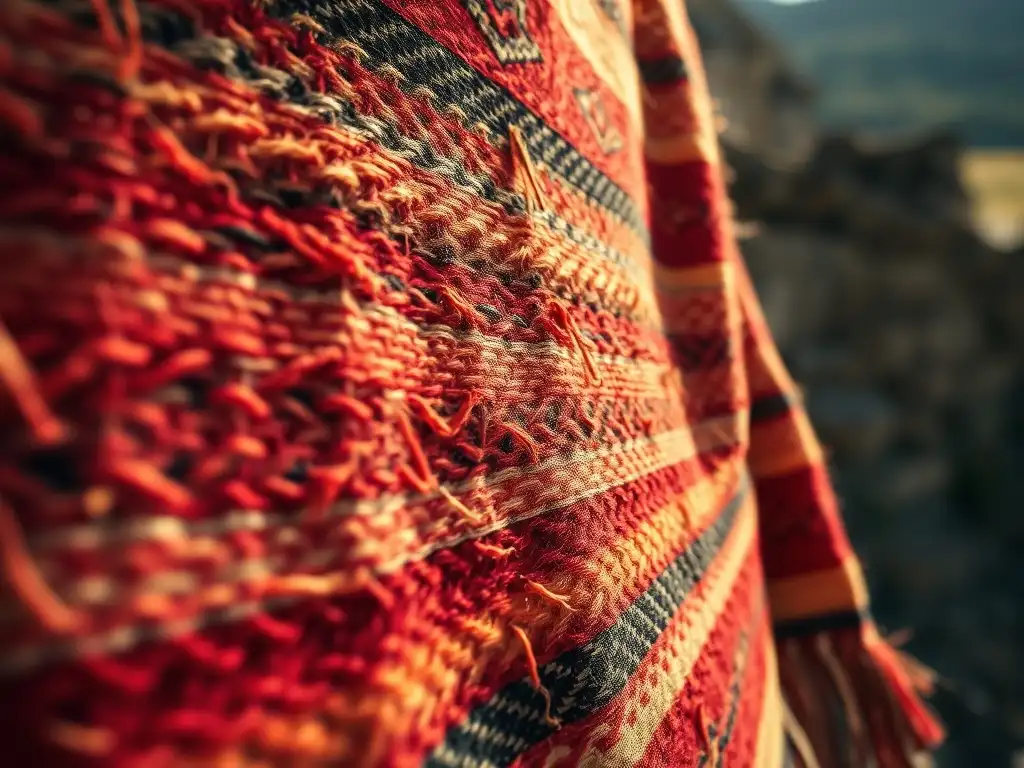
The vibrant tapestry of Quechua textile art continues to thrive in the 21st century, demonstrating a remarkable resilience and adaptability. While facing the pressures of globalization and modernization, Quechua communities have successfully integrated traditional techniques with contemporary influences, resulting in a dynamic and evolving art form.
This section will explore the role of weaving in modern Quechua communities, the challenges of preserving traditional methods, and the innovative ways in which Quechua artisans are adapting their designs to meet the demands of a changing world. The enduring legacy of Quechua textile art serves as a powerful testament to the cultural vitality and ingenuity of the Andean people, a key aspect of Quechua textile art history.
The Role of Weaving in Modern Quechua Communities
Weaving remains a cornerstone of many modern Quechua communities, transcending its purely artistic function. It's deeply interwoven with social, economic, and spiritual life. For many, it's a vital source of income, with textiles sold both locally and internationally. The intricate designs often tell stories, preserving ancestral knowledge and beliefs.
For example, the use of specific colors or patterns might signify a particular clan or event, passing down generational narratives through the threads. Moreover, participation in weaving activities strengthens community bonds, with women often gathering together to work collaboratively, sharing stories and knowledge. This communal aspect preserves not only the craft itself but also the social fabric of Quechua society. The ongoing practice underscores the significance of Quechua textile art history in modern contexts.
Preserving Traditional Techniques in the Face of Modernity
The preservation of traditional Quechua weaving techniques faces significant challenges in the modern era. The availability of synthetic dyes and modern looms presents a temptation to abandon time-consuming traditional methods. However, a growing awareness of the cultural value of these techniques has spurred initiatives to safeguard them.
Many communities are actively teaching younger generations the intricate processes involved, from shearing alpaca and llama fleece to spinning yarn using traditional spindles and creating complex designs on backstrap looms. Organizations and workshops are playing a crucial role in supporting these efforts, providing access to resources and promoting the sale of authentic Quechua textiles.
The struggle to maintain these techniques is a critical aspect of Quechua textile art history, highlighting the determination to preserve a cultural heritage. The challenge is not just about the preservation of how to weave, but also the preservation of why these specific techniques are employed, carrying deep cultural significance.
Innovation and Adaptation in Contemporary Quechua Textile Designs
Despite the emphasis on preserving tradition, Quechua textile art is not static. Contemporary artisans are creatively blending traditional designs with modern aesthetics, incorporating new colors, materials, and patterns. This innovation is driven by both economic necessity and artistic expression. Some artisans are adapting their designs to meet the demands of a global market, creating contemporary fashion items and home decor incorporating traditional Quechua motifs.
Others are experimenting with new materials, such as recycled fabrics, reflecting a growing environmental consciousness. This adaptability ensures the continued relevance and appeal of Quechua textiles, demonstrating a vibrant and evolving art form. The innovative spirit reflects a dynamic aspect of Quechua textile art history, showcasing the resilience and adaptability of the craft in a changing world. This fusion of old and new is a testament to the enduring power of Quechua artistic expression, enriching the narrative of Quechua textile art history with new chapters.
Quechua Weaving Cooperatives and Economic Empowerment
Quechua textile art, far from being a relic of the past, plays a vital role in the contemporary economic landscape of the Andes. The establishment of weaving cooperatives has proven to be a powerful tool for economic empowerment, particularly for women in rural communities. These cooperatives offer a structured framework for the production, marketing, and sale of handcrafted textiles, generating income and improving the overall standard of living. The collective bargaining power afforded by these cooperatives allows Quechua artisans to negotiate fairer prices for their work, combating exploitation often faced by individual sellers.
This collaborative approach ensures a more sustainable and equitable distribution of profits, fostering community development and strengthening local economies. The success of these initiatives hinges on effective organizational structures, access to training and resources, and sustainable market access strategies. Many cooperatives also focus on preserving traditional techniques while exploring innovative designs to cater to a wider market, creating a unique blend of heritage and modernity. The economic benefits extend beyond individual households; the increased income flows stimulate local businesses, creating a ripple effect that positively impacts the entire community.
Successful cooperatives often invest a portion of their earnings back into the community through infrastructure improvements, educational programs, or healthcare initiatives, demonstrating a strong commitment to social responsibility and long-term sustainability. The impact of these cooperatives on Quechua communities serves as a powerful example of how cultural heritage can be leveraged for economic growth and social progress. The vibrant colors and intricate designs of Quechua textiles not only reflect a rich cultural history but also contribute significantly to the economic well-being of the Andean region.
The Future of Quechua Textile Heritage
The vibrant tapestry of Quechua textile art, deeply interwoven with the history and identity of Andean communities, faces a complex future. While its enduring beauty and intricate techniques continue to captivate, several challenges threaten its longevity. Understanding these challenges and implementing effective strategies for preservation is crucial for safeguarding this invaluable cultural heritage for generations to come. The future of Quechua textile art hinges on a delicate balance between respecting tradition and adapting to the realities of a rapidly changing world.
This requires a multi-faceted approach, encompassing both grassroots initiatives and larger-scale governmental and institutional support. The continued existence of this art form is not merely a matter of aesthetics; it's a vital component of the Quechua cultural identity and a testament to their resilience and ingenuity. The successful preservation of this heritage will require a commitment from communities, scholars, and policymakers alike.
Efforts to Protect and Promote Quechua Textile Traditions
Numerous organizations and individuals are actively working to protect and promote Quechua textile traditions. These efforts range from establishing textile museums and workshops to supporting artisan cooperatives and promoting fair trade practices. Many initiatives focus on documenting traditional techniques and designs before they are lost, often through meticulous photographic records and detailed interviews with master weavers. These efforts are not only preserving the physical artifacts but also the invaluable knowledge and skills passed down through generations.
For instance, [specific organization name pending] has been instrumental in creating a comprehensive archive of Quechua textile designs, meticulously cataloging variations in patterns, colors, and weaving techniques across different Andean regions. This archive serves as an invaluable resource for researchers, educators, and artisans alike. Similarly, [specific cooperative name pending] provides a platform for Quechua weavers to sell their products directly to consumers, ensuring fair compensation and supporting the economic viability of their craft.
These efforts, while commendable, often face limitations due to funding constraints and the challenges of working within diverse and geographically dispersed communities. Further research is needed to quantify the impact of these initiatives and to identify best practices for scaling up successful models to benefit a wider range of communities. The success of these preservation efforts will depend on continued collaboration between local communities, national governments, and international organizations.
The Importance of Cultural Transmission and Education
The survival of Quechua textile art is inextricably linked to the transmission of knowledge and skills across generations. The passing down of traditional techniques, designs, and cultural significance is crucial for maintaining the authenticity and integrity of this art form. This necessitates a robust educational framework that integrates Quechua textile art into formal and informal learning environments. Schools and community centers play a vital role in providing opportunities for young people to learn from master weavers, ensuring the continuity of this important cultural heritage.
This educational process extends beyond simply teaching technical skills. It also encompasses the transmission of the cultural values and historical narratives embedded within the textiles themselves. Understanding the symbolism of colors, patterns, and materials is essential for fully appreciating the depth and complexity of Quechua textile art. The incorporation of Quechua textile art into educational curricula can foster a sense of pride and cultural identity among young people, encouraging them to embrace and perpetuate their heritage.
Furthermore, educational programs can help to counteract the pressures of globalization that threaten to homogenize cultural expressions. The preservation of Quechua textile art is not merely an aesthetic endeavor; it's a crucial element in maintaining cultural diversity and linguistic vitality. [Specific data on successful educational programs pending].
The Enduring Legacy of Quechua Textile Art in the Andes
Despite the challenges, the legacy of Quechua textile art continues to thrive in the Andes. The enduring appeal of its intricate designs, vibrant colors, and symbolic richness ensures its continued relevance in contemporary society. Quechua textiles are not merely functional objects; they are powerful expressions of cultural identity, historical memory, and artistic creativity.
Their enduring presence in Andean communities serves as a testament to the resilience and adaptability of the Quechua people. The intricate designs, often passed down through generations, tell stories of their history, beliefs, and connection to the land. These textiles are not just clothing or decorative items; they are living embodiments of a rich cultural heritage.
The continued production and appreciation of Quechua textiles contribute significantly to the economic vitality of Andean communities, providing livelihoods for countless artisans. Furthermore, the growing interest in Quechua textile art from both domestic and international markets has created new opportunities for these artisans to share their skills and traditions with a wider audience. This renewed interest underscores the global recognition of the artistic merit and cultural significance of Quechua textile art.
The future of Quechua textile art is not just about preservation; it's about ensuring its continued evolution and adaptation while upholding its core values and traditions. 🌎 The vibrant colors and intricate designs will hopefully continue to enrich the cultural landscape of the Andes for centuries to come.
The Role of Museums in Preserving and Exhibiting Quechua Textiles
Museums play a crucial role in safeguarding and showcasing the rich legacy of Quechua textile art. These institutions act as repositories, preserving fragile textiles from deterioration through careful curation and climate control. Many museums, particularly those in South America, house extensive collections of Quechua textiles, representing diverse regions, periods, and weaving techniques. These collections serve as invaluable resources for researchers, scholars, and the public alike, offering a tangible connection to the past.
The careful cataloging and documentation of these artifacts are essential for understanding the evolution of Quechua textile traditions and their cultural significance. Furthermore, museums actively work to prevent the illicit trade of these cultural treasures, protecting the heritage for future generations. Through exhibitions, museums educate the public about the artistry, symbolism, and social functions of Quechua textiles, fostering appreciation and understanding of this important cultural heritage. Effective museum exhibits often go beyond simply displaying the textiles; they incorporate interactive elements, multimedia presentations, and contextual information to provide a more immersive and engaging experience for visitors.
This not only entertains but also educates, fostering a deeper appreciation for the artistry and cultural significance of Quechua textile art. The future of Quechua textile heritage is inextricably linked to the continued commitment and innovation of museums in their preservation and exhibition efforts. The challenge lies in balancing the need for preservation with the desire to make these artifacts accessible to a wider audience.
The effective preservation of Quechua textiles within museum settings requires a multi-pronged approach. This includes not only maintaining stable environmental conditions to prevent damage from moisture, light, and pests, but also employing skilled textile conservators to address existing damage and deterioration. Regular inspections and preventative measures are critical.
Furthermore, digital documentation, including high-resolution photography and 3D scanning, allows for the creation of virtual representations of the textiles, enabling wider access and study while protecting the original artifacts. This digital archiving is particularly important for vulnerable textiles that may be too fragile for frequent handling or public display.
The integration of digital technology also offers opportunities for innovative museum exhibits, allowing visitors to explore the textiles in interactive ways and learn about the intricate weaving techniques and cultural contexts. By embracing these modern technologies, museums can play a pivotal role in ensuring that Quechua textile heritage is not only preserved but also celebrated and shared with the world.
Frequently Asked Questions
What is the significance of textiles in Quechua culture?
Textiles held immense spiritual and social significance for the Quechua. They were not merely clothing, but also served as symbols of identity, status, and storytelling. Weaving techniques passed down through generations preserved their history and beliefs.
How did Quechua textile art evolve over time?
Quechua textile art evolved through continuous innovation and adaptation. Early techniques and designs were refined and incorporated new influences, reflecting changes in social structures and interactions with other cultures. Natural dyes and unique weaving styles characterized various periods.
What are some key characteristics of Quechua textile designs?
Quechua textiles are known for their vibrant colors, intricate patterns, and symbolic imagery. Common motifs include geometric shapes, animals, and representations of nature. These designs often tell stories or reflect religious beliefs and rituals.
What materials were traditionally used in Quechua textile production?
Alpaca and llama wool were the primary materials, chosen for their softness, warmth, and durability. Cotton was also used, particularly in warmer regions. Natural dyes derived from plants and minerals produced a striking range of colors.
How is Quechua textile art preserved and celebrated today?
Quechua textile traditions are preserved through community workshops, museums, and cultural centers. Many contemporary artists continue to practice ancestral techniques, keeping the art form alive. Tourism also plays a role in promoting and showcasing these intricate textiles.
Final Reflection: Unraveling the Threads of Quechua Identity
The vibrant tapestry of Quechua textile art continues to resonate today, a powerful testament to the enduring strength of cultural heritage in the face of globalization. These intricate weavings are not merely decorative; they are living archives, preserving stories, beliefs, and social structures across generations. Their continued creation and appreciation are vital for understanding the complexities of Andean identity and the resilience of indigenous communities.
The profound impact of Quechua textile art extends far beyond its aesthetic beauty; it represents a dynamic interplay between tradition and innovation, a constant negotiation between the past and the present. The designs, colors, and techniques employed are imbued with deep symbolic meaning, reflecting a sophisticated cosmology and a rich social fabric. As the renowned anthropologist, Ella Deloria, once stated: The things we make and use are not merely things; they are expressions of our lives, our thoughts, our values, and our dreams.
This perfectly encapsulates the significance of Quechua textiles as powerful expressions of cultural identity and continuity.
Consider the intricate details, the vibrant hues, the stories woven into each thread. You, the reader, are now invited to reflect on the power of cultural expression and its role in shaping our understanding of the world. Seek out opportunities to engage with indigenous art forms, to learn from their rich histories, and to support the artists who continue to keep these traditions alive. Let the legacy of Quechua textile art inspire you to appreciate the beauty and resilience of cultural heritage, and to champion the voices of those who strive to preserve it for future generations.
Unveil the Art of Weaving: Take Action Today!
Thank you for exploring the vibrant world of Quechua textile arts! You've discovered the powerful connection between their language and culture, and now it's time to build on that understanding.
Here are some inspiring ways to engage more deeply with this rich heritage:
- Learn traditional weaving techniques by taking a local workshop or online class.
- Share the beauty of Quechua textiles with your friends and family—perhaps by hosting a small exhibition or giving a presentation.
- Connect with other enthusiasts by joining an online community dedicated to Andean textile arts.
What aspect of Quechua culture most captivates you, and how will you share your newfound appreciation?