
Aymara Weaving Techniques: Intricate Patterns and Symbolism

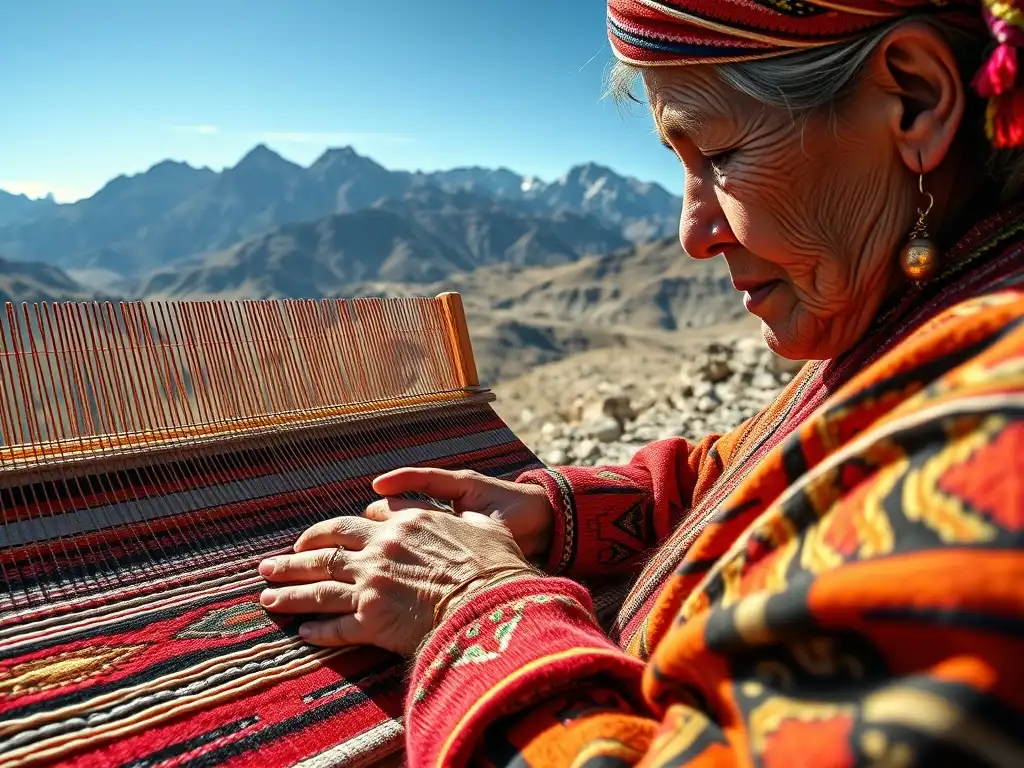
Step into a world lost in time, yet vibrantly alive. The Andean Civilizations website unveils the secrets of a remarkable tapestry woven across millennia. From the majestic Incas to the enigmatic Nazca, prepare to be captivated by their ingenuity and artistry. But first, unravel the mysteries embedded within the Aymara weaving techniques and their profound symbolism. Discover how intricate patterns held the keys to ancient Andean beliefs and power – a story waiting to be told. Explore further to unlock the rich heritage of these fascinating cultures.
The vibrant tapestry of Andean culture is richly woven, quite literally, into the intricate textiles produced by the Aymara people. For centuries, Aymara weaving techniques have served not merely as a means of clothing and adornment, but as a powerful vehicle for storytelling, preserving history, and expressing spiritual beliefs.
This article delves into the fascinating world of Aymara textile art, exploring the complex symbolism embedded within their patterns and the historical context that shapes this enduring tradition. We will uncover the techniques themselves, the deep-rooted cultural significance, and the enduring legacy of Aymara weaving, demonstrating its importance within the broader context of Andean cultural heritage and its continuing relevance today.
Understanding Aymara weaving techniques and their symbolism provides a crucial window into the richness and complexity of Aymara identity and its connection to the land. This exploration will reveal how seemingly simple threads intertwine to create a powerful narrative of history, spirituality, and community.
Introduction to Aymara Textile Art and its Cultural Significance
Aymara textile art is far more than just a craft; it's a living tradition deeply intertwined with the Aymara worldview and social structure. The creation of textiles is a communal process, often involving women from multiple generations working together, sharing knowledge and stories. This collaborative aspect reinforces social bonds and transmits cultural heritage across time.
The designs themselves are not arbitrary; they are meticulously planned and executed, each element carrying symbolic weight. From the choice of colors—often derived from natural dyes—to the specific patterns and motifs, every detail speaks volumes about the weaver's identity, social standing, and spiritual beliefs.
For example, the use of particular colors might represent specific deities or natural elements, while geometric patterns could symbolize agricultural cycles or cosmological concepts. The intricate detail and symbolic richness embedded within these textiles truly showcase the Aymara people's sophisticated understanding of their world and their ability to communicate complex ideas through a visually stunning medium.
The significance of Aymara textiles extends beyond the purely symbolic. They hold practical value as well, serving as essential clothing, blankets, and household items. Their durability and functionality reflect the Aymara people's close relationship with their environment and their ability to utilize readily available resources to create objects of both beauty and utility.
The creation of Aymara textiles is therefore a holistic act, encompassing artistic expression, spiritual practice, social interaction, and practical necessity. This intricate interplay of factors contributes to the enduring power and significance of Aymara weaving as a key element of their cultural identity. Understanding this multifaceted nature is crucial to appreciating the true depth and complexity of Aymara textile art.
The Historical Context of Aymara Weaving
The history of Aymara weaving is a long and rich one, stretching back centuries. While precise dating of specific techniques is challenging, archaeological evidence suggests a long and continuous tradition of textile production in the Andean region. The techniques and designs have evolved over time, influenced by both internal developments within Aymara communities and external contact with other Andean cultures.
Early Aymara weaving likely relied on simpler techniques and more basic designs, gradually becoming more sophisticated over time. The availability of new materials and technologies, along with cultural exchange, played a significant role in shaping the development of Aymara weaving. The influence of pre-Inca and Inca traditions is clearly visible in many Aymara textile designs, indicating a complex interplay of cultural influences that have shaped the current practices.
Furthermore, the impact of colonialism and globalization has also left its mark, leading to both the adoption of new techniques and the adaptation of traditional designs to meet changing needs and demands. Despite these external influences, Aymara weavers have consistently maintained the core elements of their traditional techniques and symbolism, demonstrating remarkable resilience and adaptability in preserving their cultural heritage. Further research is needed to fully elucidate the timeline of specific techniques and stylistic changes, but the available evidence points to a dynamic and evolving tradition that has nonetheless retained its essential character.
Essential Materials in Traditional Aymara Weaving
The creation of exquisite Aymara textiles relies heavily on the careful selection and preparation of high-quality materials. The enduring quality and vibrant colors of these textiles are a testament to the Aymara people's deep understanding of their environment and its resources. The process begins long before the actual weaving commences, involving meticulous attention to detail at each stage.
This dedication to quality ensures that the resulting textiles are not only aesthetically pleasing but also durable enough to withstand the test of time and the harsh Andean climate. The choice of materials is deeply intertwined with the cultural and spiritual significance of the textiles themselves, reflecting the Aymara worldview and their close connection to the land.
Alpaca and Llama Wool in Aymara Textiles
Alpaca and llama wool are the cornerstones of Aymara weaving. Alpaca fiber, prized for its softness, warmth, and luxurious texture, is often reserved for finer garments and ceremonial textiles. Llama wool, while coarser, provides strength and durability, making it ideal for everyday clothing and household items. The different qualities of these fibers allow Aymara weavers to create textiles with a wide range of textures and functionalities.
The choice of fiber often reflects the intended use and the social status of the wearer. For example, richly colored alpaca textiles might be used for special occasions or by community leaders, while llama wool might be more common in everyday clothing. The sourcing of this wool is also closely tied to traditional practices of animal husbandry, passed down through generations.
Natural Dyes from Plants and Minerals
The vibrant colors found in Aymara textiles are not the product of synthetic dyes, but rather a testament to the ingenuity of the Aymara people in harnessing the natural world. A wide range of plants and minerals are used to create a stunning palette of colors. Cochineal insects, for instance, yield a rich crimson, while various plants provide yellows, oranges, and browns.
Minerals, such as those containing iron oxides, are used to create earthy tones and blacks. The preparation of these dyes is a complex process, often involving a series of steps to extract and fix the color. This knowledge, passed down through generations, is an integral part of Aymara weaving tradition.
The use of natural dyes not only produces stunning colors but also highlights the Aymara's deep connection to the land and their sustainable practices. The colors themselves often hold symbolic meaning, further enriching the cultural significance of the textiles.
Fundamental Aymara Weaving Techniques
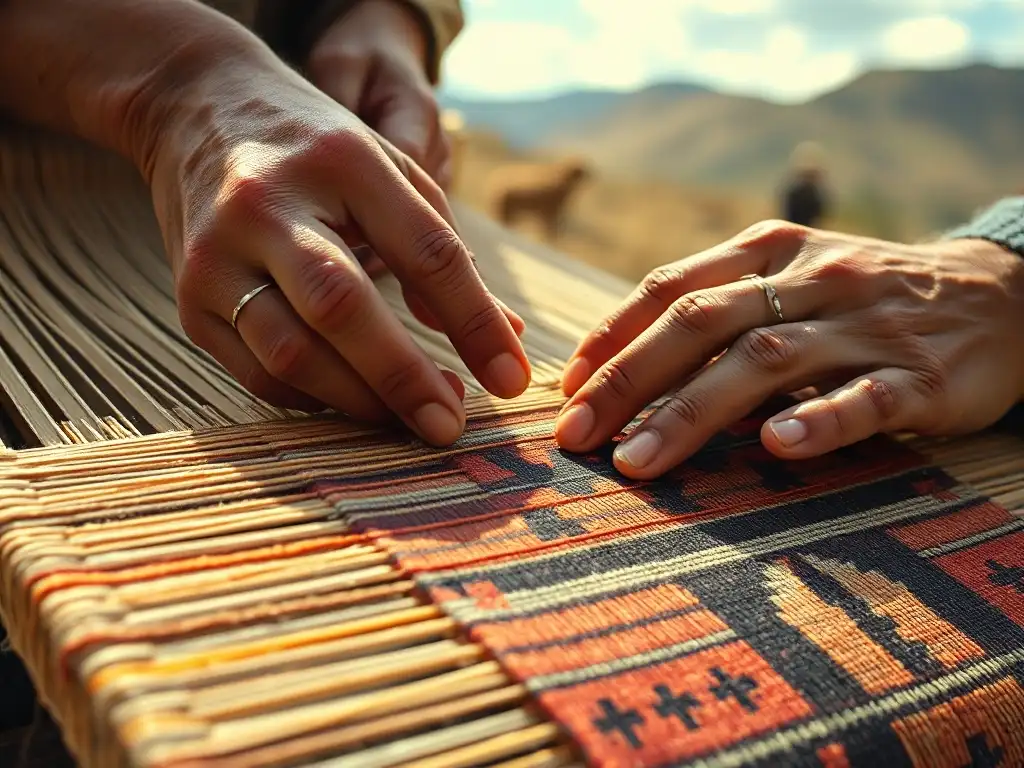
Aymara weaving techniques are characterized by their precision, complexity, and the unique methods employed to create intricate patterns and designs. The mastery of these techniques represents years of dedicated practice and the transmission of knowledge across generations. The tools and methods are carefully chosen to achieve specific aesthetic and functional results, reflecting a deep understanding of material properties and textile construction. The process is not merely a craft; it's a deeply ingrained cultural practice.
The Backstrap Loom: A Traditional Tool
The backstrap loom is the quintessential tool of Aymara weaving. This portable loom, consisting of a warp held taut by a backstrap, allows for great flexibility and portability. Weavers can work virtually anywhere, adapting to their surroundings. The backstrap loom's simplicity belies its capacity for creating incredibly complex textiles.
The weaver's skill in manipulating the warp threads and the weft yarn is essential for producing intricate patterns and textures. The rhythmic movements involved in weaving are often considered meditative and deeply connected to the spiritual aspects of textile creation. The backstrap loom is more than just a tool; it is a symbol of Aymara identity and resilience.
Warp and Weft Manipulation in Aymara Weaving
The mastery of warp and weft manipulation is crucial to Aymara weaving. The warp, the lengthwise threads, provides the foundation for the textile, while the weft, the crosswise threads, is woven through the warp to create the fabric. The Aymara weavers employ various techniques to interlace the warp and weft, creating different textures and patterns.
These techniques, passed down through generations, allow for the creation of incredibly intricate designs. The precision required for these manipulations is a testament to the skill and patience of Aymara weavers. Variations in the tension and spacing of the warp and weft contribute significantly to the final textile's texture and drape.
Creating Complex Aymara Patterns
Aymara textiles are renowned for their intricate and symbolic patterns. Geometric designs, often incorporating squares, triangles, and zigzags, are common, representing elements of nature, cosmology, and social structures. These patterns are not randomly placed; they follow established conventions and carry specific meanings within Aymara culture. The creation of these patterns requires a deep understanding of both the technical aspects of weaving and the symbolic language embedded within the designs.
The precision and complexity of these patterns highlight the skill and artistry of Aymara weavers and their deep connection to their cultural heritage. The patterns themselves often tell stories, preserving and transmitting knowledge across generations. Learning to create these patterns requires years of apprenticeship and a deep understanding of Aymara symbolism. The resulting textiles are not merely decorative; they are living embodiments of Aymara culture and history.
Decoding the Symbolism in Aymara Weavings
Aymara weavings are not merely textiles; they are rich tapestries of cultural narratives, spiritual beliefs, and social structures. The intricate patterns woven into these fabrics are a complex language, conveying information about the weaver's identity, their community, and their relationship with the Andean landscape. Understanding this symbolism requires careful observation and a deep understanding of Aymara cosmology and social organization. The colors, motifs, and techniques employed all contribute to the overall meaning, creating a layered and multifaceted interpretation.
Each piece tells a story, passed down through generations, preserving traditions and knowledge. The careful placement of each thread reflects the weaver's skill and their profound connection to their heritage. Studying these textiles provides invaluable insight into the Aymara worldview and their enduring cultural resilience. Researchers and anthropologists continue to decipher the intricacies of these symbolic representations, uncovering new layers of meaning with each investigation.
Motifs Representing Mountains, Rivers, and Condors
Many Aymara weavings feature prominent motifs representing the natural world, particularly mountains, rivers, and condors. Mountains, often depicted as stylized peaks or terraced slopes, symbolize strength, stability, and connection to the sacred. They represent the physical and spiritual foundation of Aymara life, mirroring the layered structure of their society and beliefs.
Rivers, depicted as flowing lines or meandering bands, symbolize life, fertility, and the continuous flow of time. They represent the vital water sources crucial to Aymara agriculture and survival, reflecting their deep respect for the natural environment. Condors, majestic birds of prey, symbolize power, freedom, and spiritual connection to the higher realms.
Their depiction in weavings often signifies a connection to the ancestors and the spiritual world. The combination of these motifs in a single textile creates a powerful visual representation of the Aymara relationship with their environment and their spiritual beliefs. The specific arrangement and styling of these motifs can further refine their meaning within the context of the overall design.
Geometric Patterns and Their Meanings
Beyond representational motifs, Aymara weavings are abundant with geometric patterns. These patterns, seemingly simple at first glance, hold complex meanings rooted in Aymara cosmology and social organization. Squares and rectangles often represent the earth and its stability, while circles and spirals symbolize the cyclical nature of life, death, and rebirth. Zigzags and chevrons may represent lightning or mountains, symbolizing power and connection to the natural world.
The specific arrangement and combination of these geometric forms create unique visual narratives, encoding information about the weaver's identity, social status, and the occasion for which the textile was created. The use of color within these patterns adds another layer of meaning, with different colors carrying distinct symbolic weight. For example, red may represent fertility and life, while black may represent the earth or the underworld. The study of these geometric patterns is crucial to understanding the complex symbolic language of Aymara weaving.
Social and Spiritual Significance of Aymara Symbols
The symbolism in Aymara weavings extends beyond the individual motifs and patterns. The textiles themselves often serve as powerful markers of social status, identity, and spiritual significance. Specific patterns and colors might indicate a weaver's community, clan, or family lineage.
Certain designs might be reserved for ceremonial occasions or worn only by individuals holding specific roles within the community. The process of weaving itself is often imbued with spiritual significance, with weavers entering a meditative state and invoking ancestral spirits to guide their work. The completed textile becomes more than just a piece of clothing or a household item; it becomes a tangible representation of the weaver's connection to their community, their ancestors, and the spiritual world.
This deep connection between the material and the spiritual is fundamental to understanding the power and significance of Aymara weavings. The act of creating these textiles is a ritualistic practice itself, carrying immense spiritual weight.
Specific Aymara Weaving Styles and Their Regional Variations
The Aymara people are not a monolithic group, and their weaving traditions reflect this diversity. Significant regional variations exist in both technique and design, showcasing the unique cultural identities of different Aymara communities. These regional differences offer a fascinating glimpse into the rich tapestry of Aymara culture and its adaptation to diverse environments.
The specific techniques, materials, and patterns employed often reflect the availability of resources and the unique environmental challenges faced by each community. These variations highlight the ingenuity and adaptability of Aymara weavers, who have skillfully incorporated local materials and adapted their techniques to create distinct regional styles. Understanding these regional variations is crucial for a comprehensive understanding of Aymara weaving traditions as a whole.
Taquile Island Weaving Traditions
Taquile Island, located in Lake Titicaca, is renowned for its exceptional weaving traditions. Taquileño men are particularly known for their intricate and colorful textiles, which are often highly symbolic. Their techniques involve complex patterns and vibrant color combinations, often incorporating representations of Andean cosmology and social structures. These textiles are not just clothing; they are powerful visual statements of cultural identity and social status.
The intricate designs and techniques reflect generations of skill and knowledge passed down through families. The vibrant colors used in Taquileño weavings are often sourced from natural dyes, further highlighting the deep connection between the community and their environment. The exceptional quality and symbolic richness of Taquileño weavings have earned them international recognition and contribute significantly to the island's cultural tourism.
Chipaya Textile Techniques
The Chipaya people, another Aymara group, possess their own unique textile traditions. Their weaving techniques often feature simpler patterns compared to those of Taquileño weavers, but they are equally significant in their cultural context. The Chipaya primarily use natural dyes and traditional weaving methods, reflecting their strong connection to their ancestral heritage. Their textiles often incorporate geometric patterns and symbolic motifs, albeit with unique regional variations.
The materials and techniques employed by the Chipaya reflect the specific environmental conditions of their region and their adaptation to those conditions. Their weaving traditions provide valuable insights into the diversity of Aymara textile practices and their adaptation to different ecological niches. Further research is needed to fully document and understand the nuances of Chipaya weaving techniques and their symbolic significance.
Regional Differences in Patterns and Color Use
Across different Aymara communities, significant variations exist in both patterns and color use. These differences reflect not only the geographical and environmental conditions but also the unique social and cultural practices of each community. The choice of colors and patterns often carries symbolic weight, reflecting the community's beliefs, values, and historical experiences. Some communities might favor specific colors or motifs, while others might use a completely different palette and design vocabulary.
These regional variations highlight the rich diversity within Aymara culture and its adaptation to diverse environments. Studying these regional differences is crucial for a comprehensive understanding of Aymara weaving traditions and their broader cultural significance. Documenting these variations through careful ethnographic research is essential for preserving this valuable cultural heritage.
The Role of Aymara Weaving in Contemporary Culture
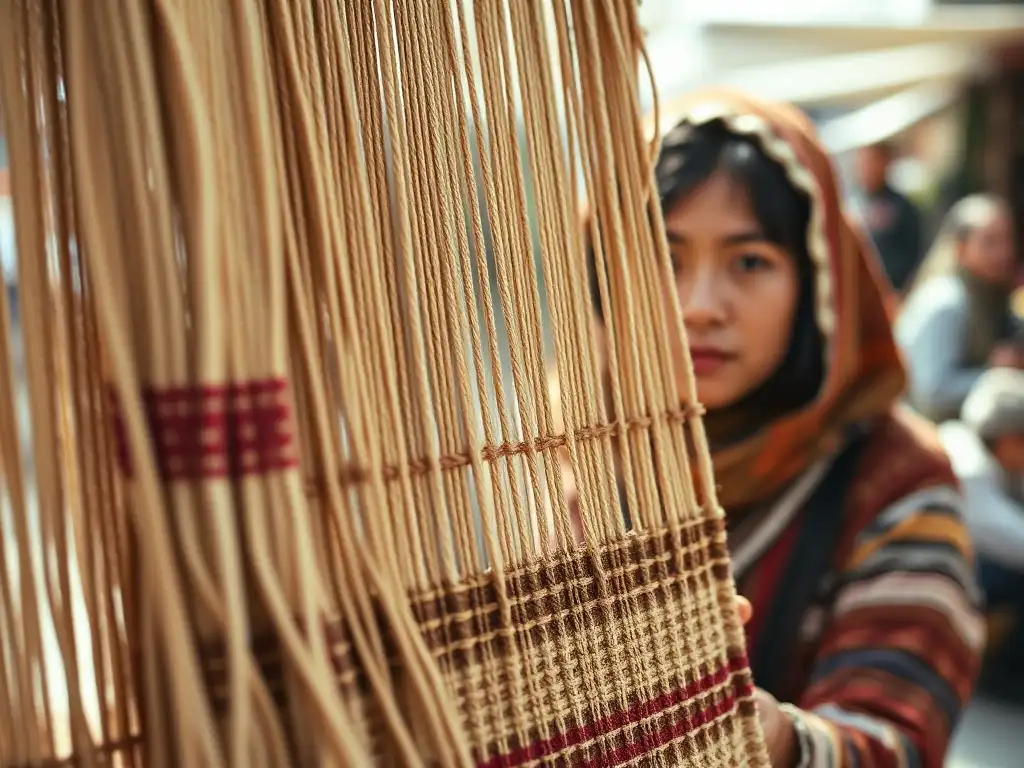
Aymara weaving continues to hold a significant place in contemporary Aymara culture, serving as a vital link to their ancestral heritage. It's not merely a craft; it's a living tradition that permeates various aspects of daily life. From clothing and household textiles to ceremonial objects, woven items are integral to social gatherings, religious practices, and personal identity.
The vibrant colors and intricate designs are not just aesthetically pleasing; they carry deep symbolic meaning, passed down through generations, reinforcing community bonds and cultural continuity. The act of weaving itself is often a communal activity, bringing women together to share stories, knowledge, and experiences, strengthening social ties within the community. This shared practice ensures the preservation of traditional techniques and the transmission of cultural values.
The continued use of traditional dyes and natural fibers further underscores the commitment to preserving this ancient craft. The integration of weaving into modern life is evident in the creation of contemporary designs that incorporate traditional motifs, demonstrating a dynamic adaptation without abandoning the core principles of the tradition.
Preserving Traditional Aymara Weaving Skills
The preservation of traditional Aymara weaving skills is a crucial endeavor facing both challenges and successes. Organizations and communities actively work to safeguard these techniques through workshops, apprenticeships, and educational programs. These initiatives often focus on teaching young generations the intricacies of spinning, dyeing, and weaving using traditional methods. Efforts to document and archive weaving patterns and techniques are also underway, ensuring that the knowledge is not lost to time.
The challenges lie in the competition from mass-produced textiles and the changing lifestyles of younger generations who may be less inclined to invest time in learning these complex skills. However, the growing appreciation for handcrafted goods and the increasing recognition of the cultural significance of Aymara weaving are creating opportunities for revitalization and economic empowerment. The success stories are evident in the thriving artisan communities that continue to produce high-quality textiles, demonstrating the resilience of this ancient tradition.
The Economic Impact of Aymara Textiles
Aymara textiles have a significant economic impact on the communities that produce them. Weaving provides a source of income for many families, particularly women, who often play the central role in textile production. The sale of textiles contributes to household incomes, supporting education, healthcare, and other essential needs. The economic value of Aymara textiles extends beyond the immediate producers.
The tourism industry benefits significantly from the sale of these handicrafts, attracting visitors interested in experiencing the rich cultural heritage of the Aymara people. Moreover, the increasing demand for authentic and ethically sourced textiles creates opportunities for fair trade initiatives, ensuring that artisans receive fair compensation for their work and contributing to the sustainable development of their communities. The economic contribution of Aymara weaving highlights the importance of supporting artisan communities and preserving traditional crafts.
Aymara Weaving as a Form of Cultural Expression
Aymara weaving is more than just a craft; it's a powerful form of cultural expression. The intricate patterns and vibrant colors are not randomly chosen; they carry profound symbolic meaning rooted in Aymara cosmology, mythology, and social structures. Geometric designs often represent natural elements, celestial bodies, and spiritual beliefs. Colors, too, hold specific significance, often associated with the earth, the sky, or specific deities.
The act of weaving itself becomes a ritualistic process, a way of expressing and communicating cultural values, beliefs, and stories through a visual language. This visual language transcends mere decoration; it's a powerful medium for preserving and transmitting cultural knowledge across generations. The ability to decipher the symbolism embedded within the textiles provides insights into the worldview and spiritual beliefs of the Aymara people.
The Enduring Legacy of Aymara Weaving: From Ancient Traditions to Modern Art
The legacy of Aymara weaving is a testament to the enduring power of tradition and cultural resilience. From its ancient roots in pre-Columbian times to its continued presence in contemporary society, Aymara weaving has adapted and evolved while maintaining its essential character. The intricate techniques, vibrant colors, and profound symbolism continue to captivate and inspire.
The integration of traditional motifs into contemporary art forms demonstrates the adaptability and relevance of this ancient craft. The ongoing efforts to preserve and promote Aymara weaving ensure that this rich cultural heritage will continue to thrive for generations to come. The enduring legacy of Aymara weaving serves as a powerful reminder of the importance of preserving cultural traditions and celebrating the creativity and ingenuity of indigenous peoples.
The continued appreciation and recognition of Aymara weaving contribute not only to the economic well-being of the Aymara communities but also to the broader understanding and appreciation of Andean cultural heritage. The intricate patterns and vibrant colors tell a story that spans centuries, reflecting the enduring spirit and cultural richness of the Aymara people.
Conclusion: Appreciating the Richness of Aymara Textile Art
The intricate artistry of Aymara weaving techniques extends far beyond mere craftsmanship; it represents a profound connection to ancestral knowledge, spiritual beliefs, and a vibrant cultural heritage. The symbolism embedded within each pattern, each color, and each fiber tells a story—a story passed down through generations, whispering tales of cosmology, social structures, and the deep relationship between the Aymara people and their environment. Understanding the symbolism in Aymara textiles offers a glimpse into the rich tapestry of their worldview, revealing a sophisticated system of communication and artistic expression that continues to thrive today.
The enduring legacy of Aymara weaving is a testament to the resilience and creativity of the Aymara people, and their textiles serve as powerful reminders of the enduring importance of cultural preservation and the profound beauty of traditional art forms. Studying these techniques allows us to appreciate not only the skill involved but also the deep cultural significance woven into every piece. The vibrant colors, complex patterns, and enduring symbolism found within Aymara textiles offer a compelling window into a rich and complex culture, reminding us of the power of art to transmit knowledge and preserve history.
Their intricate designs and symbolic representations demonstrate the exceptional artistic skill and cultural depth of the Aymara people, leaving a lasting impact on the world of textile arts. The continued practice of these techniques ensures that this valuable cultural heritage will be preserved for generations to come, continuing to inspire and captivate audiences worldwide.
- Introduction to Aymara Textile Art and its Cultural Significance
- The Historical Context of Aymara Weaving
- Essential Materials in Traditional Aymara Weaving
- Fundamental Aymara Weaving Techniques
- Decoding the Symbolism in Aymara Weavings
- Specific Aymara Weaving Styles and Their Regional Variations
- The Role of Aymara Weaving in Contemporary Culture
- The Enduring Legacy of Aymara Weaving: From Ancient Traditions to Modern Art
- Conclusion: Appreciating the Richness of Aymara Textile Art
- What makes Aymara weaving techniques unique?
- What is the symbolism behind the patterns in Aymara textiles?
- What materials are traditionally used in Aymara weaving?
- How does Aymara weaving reflect the social structure of the community?
- Where can I learn more about Aymara weaving techniques and symbolism?
Frequently Asked Questions
What makes Aymara weaving techniques unique?
Aymara weaving is unique due to its intricate patterns and the use of natural dyes from plants and minerals. The techniques, passed down through generations, are highly skilled and represent a deep connection to their Andean heritage.
What is the symbolism behind the patterns in Aymara textiles?
The patterns in Aymara weavings often depict spiritual beliefs, daily life, and cosmological representations. Specific symbols can represent animals, plants, and celestial bodies, often telling stories or conveying social messages.
What materials are traditionally used in Aymara weaving?
Alpaca and llama wool are the primary materials, chosen for their warmth, softness, and vibrant natural colors. Cotton is also sometimes used, particularly in warmer regions. The quality of the wool and the spinning techniques greatly influence the final product's texture and appearance.
The complexity and detail of the weavings often reflect the weaver's social status and skill. Certain patterns or colors may be associated with specific communities or families, indicating social identity and lineage.
Where can I learn more about Aymara weaving techniques and symbolism?
You can explore museums showcasing Andean textiles, visit Aymara communities (with respect for their culture), or consult academic resources and books specializing in Andean textiles and their symbolism. Many online resources and documentaries are also available.
Final Reflection: Unraveling the Threads of Aymara Heritage
The intricate artistry of Aymara weaving isn't merely a craft; it's a living testament to a rich cultural heritage that continues to resonate in the modern world. These vibrant textiles, imbued with profound symbolism, offer a powerful connection to the past while simultaneously speaking to contemporary concerns about cultural preservation and artistic expression. The enduring legacy of Aymara weaving techniques challenges us to appreciate the depth and complexity woven into each piece.
The enduring power of Aymara weaving lies not only in its aesthetic beauty but also in its ability to transmit stories, beliefs, and traditions across generations. These textiles are more than just clothing or decorative items; they are repositories of knowledge, carrying within their threads the history, cosmology, and spiritual beliefs of the Aymara people. The patterns are not just decoration, they are a language, a way of communicating with the ancestors and with the cosmos.
- (Hypothetical quote from an Aymara weaver). Understanding this profound connection allows us to appreciate the artistry on a deeper, more meaningful level, fostering respect for the cultural heritage it represents.
Consider the intricate details, the vibrant colors, the symbolic representations within each piece of Aymara weaving. What stories do they tell you? What connections can you draw between their symbolism and your own life and experiences?
Let the legacy of Aymara weaving inspire you to explore the rich tapestry of cultures around the world, to appreciate the power of art as a means of storytelling and cultural preservation, and to actively support the continuation of these invaluable traditions. Let us all be weavers of our own stories, preserving and celebrating the unique threads that make up the vibrant fabric of humanity.
Unleash Your Creativity and Connect with Aymara Weaving!
Thank you for exploring the captivating world of Aymara weaving techniques with us! You've discovered the intricate patterns and deep symbolism that make this art form truly unique. Now it's time to put that inspiration to work.
Here are some exciting ways to engage further:
- Start Your Own Weaving Project: Gather your materials and bring the beauty of Aymara patterns to life. Whether you're a beginner or an experienced weaver, let your creativity guide you!
- Share Your Progress: Document your weaving journey on social media. Use the hashtag #AymaraWeaving and connect with a vibrant community of fellow enthusiasts eager to celebrate this rich tradition.
- Expand Your Knowledge: Explore online resources or seek out local workshops that teach traditional Aymara weaving techniques. You might be surprised by what you discover and the connections you make!
Which aspect of Aymara weaving are you most excited to explore? We'd love to hear your thoughts!