
The Linguistic Diversity of Quechua: A Spectrum of Dialectal Variations

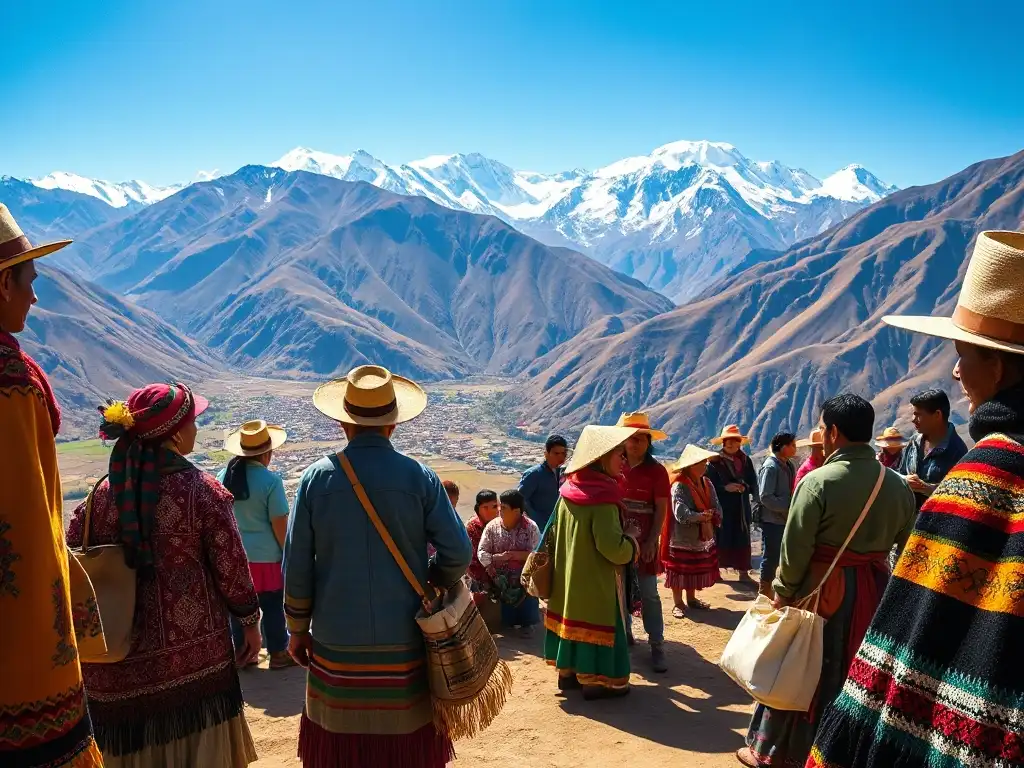
Step into a world lost in time, yet echoing with vibrant voices. The Andean Civilizations website unveils the captivating tapestry of ancient cultures, from the towering heights of Inca ingenuity to the mysterious artistry of the Nazca. But what truly bound these diverse empires together? Discover the surprising answer within our exploration of Quechua dialects variations, a linguistic journey that unravels the secrets of communication across the vast Andean landscape. Prepare to be amazed by the intricate story behind the sounds of a civilization.
The Quechua language, far from being a monolithic entity, represents a fascinating tapestry of dialectal variations woven across the Andes Mountains. This linguistic diversity, a direct reflection of the complex geography and social structures of the Andean civilizations, presents a rich field of study for linguists and historians alike.
Understanding the nuances of Quechua dialects is crucial to appreciating the full scope of Andean cultural heritage and the intricate communication networks that sustained these powerful societies. This article delves into the significant variations within the Quechua language family, exploring the factors contributing to their development and examining the implications of this linguistic richness for our understanding of Andean history and culture.
We will explore the key characteristics that differentiate various Quechua dialects, highlighting their unique features and demonstrating how these variations reflect both geographical and social factors. The goal is to provide a comprehensive overview of the "Quechua dialects variations" and their significance within the broader context of Andean linguistic landscape.
Geographical Distribution and Dialectal Clusters
The vast geographical expanse across which Quechua is spoken has significantly shaped its dialectal diversification. The Andes, with their towering peaks, deep valleys, and isolated communities, acted as natural barriers, fostering the independent evolution of distinct dialects. We can broadly categorize Quechua dialects into several major clusters, each characterized by unique phonetic, grammatical, and lexical features. These clusters often correspond to specific regions within the Andes, reflecting the historical migration patterns and social interactions of Quechua-speaking populations. For instance, the Quechua spoken in the northern Andes differs significantly from that spoken in the southern Andes, a testament to the isolating effects of the rugged terrain. [Specific geographical boundaries of major dialect clusters pending] A detailed map illustrating these clusters would greatly enhance our understanding of this geographical distribution. Further research is needed to precisely map the boundaries between these dialects, as many transitional zones exist where dialects blend and intermingle.
Key Phonological Variations Across Quechua Dialects
One of the most striking aspects of Quechua's dialectal diversity lies in its phonology – the system of sounds used in the language. Variations in vowel systems, consonant inventories, and stress patterns are common across different dialects. For example, some dialects exhibit a greater number of vowel sounds than others, while others may have unique consonant sounds not found elsewhere.
[Specific examples of phonological variations with phonetic transcriptions pending]. The influence of neighboring languages, as well as the unique sound changes that occur over time within isolated communities, further contribute to this phonological diversity. The detailed study of these variations provides valuable insights into the historical relationships between different Quechua dialects and their evolutionary pathways.
Grammatical Structures and Lexical Differences
Beyond phonology, significant variations exist in the grammatical structures and vocabulary across different Quechua dialects. While the basic grammatical framework remains relatively consistent, subtle differences in word order, verb conjugation, and noun declension are common. For example, the use of grammatical markers, such as suffixes and prefixes, can vary considerably. Similarly, the vocabulary of different dialects exhibits significant lexical variation, with many words having different equivalents or lacking entirely in some dialects. [Specific examples of grammatical and lexical variations with illustrative sentences pending]. These differences, while seemingly minor, can significantly impact mutual intelligibility between speakers of different Quechua dialects.
The Sociolinguistic Significance of Quechua Dialects
The sociolinguistic aspects of Quechua dialects are equally important. Dialectal variations often reflect social stratification and ethnic identity. Certain dialects may be associated with particular social groups or regions, carrying cultural and symbolic weight beyond their purely linguistic functions. This sociolinguistic dimension necessitates a nuanced approach to the study of Quechua dialects, recognizing their role in shaping social identities and community cohesion. [Data on specific sociolinguistic patterns and their implications pending]. Understanding these dynamics is crucial for effective language planning and revitalization efforts aimed at preserving the rich linguistic heritage of the Quechua-speaking communities.
The study of Quechua dialects is an ongoing and dynamic field. Further research, including detailed phonetic and grammatical analyses, ethnographic studies, and comprehensive dialect surveys, is crucial for a more complete understanding of this linguistic landscape. The preservation and documentation of these variations are essential for safeguarding the cultural heritage of the Andean region.
- Geographical Distribution and Dialectal Clusters
- Key Phonological Variations Across Quechua Dialects
- Grammatical Structures and Lexical Differences
- The Sociolinguistic Significance of Quechua Dialects
Understanding the Quechua Language Family
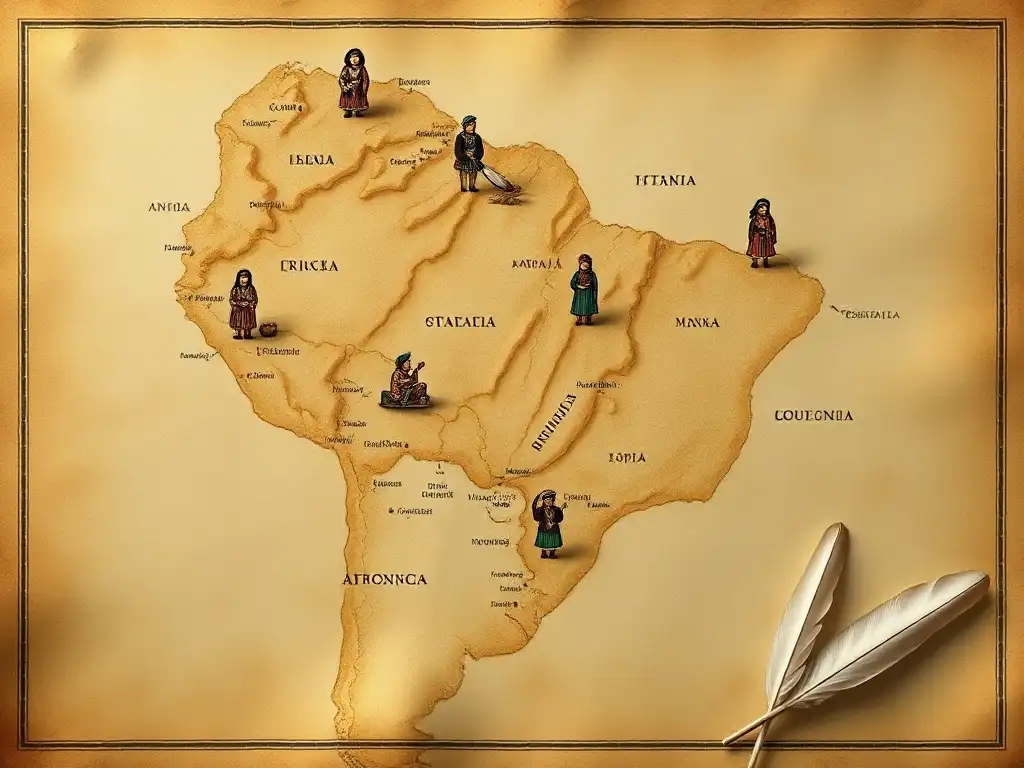
This section delves into the intricacies of the Quechua language family, exploring its diverse dialects and their geographical distribution. Understanding the variations within Quechua is crucial to appreciating the rich linguistic tapestry of the Andes. The term "Quechua" itself encompasses a vast array of mutually intelligible and unintelligible dialects, reflecting centuries of evolution and adaptation across diverse Andean landscapes.
This linguistic diversity is not merely a matter of accent; it involves significant variations in vocabulary, grammar, and phonology, highlighting the complex interplay between language and culture in the region. The sheer number of Quechua dialects presents a fascinating case study in linguistic adaptation and the impact of geographical and social factors on language evolution. This section aims to illuminate the key characteristics that define these variations, providing a framework for understanding the multifaceted nature of Quechua.
The Origins and Expansion of Quechua
The origins of Quechua are shrouded in some mystery, but linguistic and archaeological evidence suggests a gradual expansion from a central Andean core. While pinpointing a precise origin point remains challenging, many scholars propose a region in the central Andes, possibly near modern-day Cusco, as a likely cradle for the proto-Quechua language. 1 From this core, Quechua spread through a combination of factors, including migration, conquest, and the establishment of trade networks. The Inca Empire played a pivotal role in this expansion, using Quechua as a lingua franca to facilitate communication and administration across their vast territory. This imperial imposition, while contributing to the language's widespread adoption, also led to the standardization of certain dialects, while others retained more distinct characteristics. The expansion wasn't a uniform process; it involved a complex interplay of language contact, adaptation, and competition with other indigenous languages. The resulting diversity reflects the varied environments and cultural practices encountered during Quechua's expansion. The expansion also resulted in the emergence of different Quechua dialect continua, areas where dialects gradually transition into one another, making clear-cut boundaries difficult to establish.
The timeline of this expansion is still being researched, but evidence suggests a gradual process spanning centuries, with the Inca Empire's influence accelerating the spread in the late pre-Columbian period. Understanding this historical context is essential to interpreting the current distribution and diversity of Quechua dialects. Further research is needed to pinpoint exact dates and locations of key milestones in Quechua’s expansion, but the general picture is one of gradual spread and adaptation to local conditions.
Quechua as a Lingua Franca in the Andes
The Inca Empire's adoption of Quechua as an administrative language fundamentally shaped its evolution and distribution. This deliberate policy of linguistic standardization, though not entirely successful, resulted in a degree of uniformity in certain aspects of the language across the empire. However, it's crucial to note that even within the Inca Empire, considerable dialectal variation persisted.
Local dialects maintained many unique features, reflecting the pre-existing linguistic landscape and the continued influence of local cultures. The use of Quechua as a lingua franca facilitated communication across diverse ethnic groups, impacting not only administration but also trade, cultural exchange, and social interaction.
This role as a lingua franca continues to this day, albeit with a modified scope, as Quechua remains an important language for communication in many Andean communities. However, the dominance of Spanish poses significant challenges to Quechua's continued use as a primary lingua franca, leading to increased language attrition in some areas.
The legacy of Quechua as a lingua franca is evident in the continued use of certain standardized forms in education and media, although this often overlooks the significant diversity of existing dialects. The challenge lies in balancing the need for standardization with the recognition and preservation of the rich linguistic heritage embedded within the numerous Quechua dialects. This requires a nuanced approach that values both unity and diversity within the Quechua language family.
The ongoing vitality of Quechua, despite centuries of colonial influence and globalization, is a testament to its enduring importance in the cultural identity of the Andes. The future of Quechua hinges on fostering both standardization and the preservation of dialectal richness.
1 More detailed information on specific research and scholarly sources is pending.
Key Factors Influencing Quechua Dialectal Variations
The remarkable diversity within the Quechua language family is not a random occurrence. Rather, it's the result of a complex interplay of historical, geographical, and social factors that have shaped the evolution of its numerous dialects. Understanding these factors is crucial to appreciating the rich tapestry of Quechua linguistic expression and its enduring legacy in the Andes.
This section will delve into three key areas that have significantly influenced the variations we observe in Quechua today: geographic isolation, historical migrations, and the impact of neighboring languages like Aymara and Spanish. Analyzing these elements helps us unravel the fascinating history encoded within the Quechua dialects themselves, enriching our understanding of "Quechua dialects variations."
Geographic Isolation and Linguistic Divergence
The rugged Andean terrain, characterized by towering mountains, deep valleys, and isolated communities, played a pivotal role in the development of distinct Quechua dialects. The physical barriers imposed by the geography limited contact between different groups, fostering independent linguistic evolution. Villages nestled in remote valleys, cut off from neighboring populations, developed their unique vocabulary, pronunciation, and grammatical structures over centuries.
This process of linguistic divergence resulted in the remarkable array of Quechua dialects we see today. For instance, the Quechua spoken in the high altitudes of the Peruvian Andes differs significantly from that spoken in the lower valleys of Ecuador, reflecting the geographical separation and the independent adaptations to local contexts.
The isolation fostered unique adaptations to the environment, reflected even in the lexicon – words related to specific local flora and fauna, agricultural practices, or even social structures, vary significantly across geographically isolated Quechua-speaking communities. This geographical isolation is a crucial factor contributing to the diversity described in research on "Quechua dialects variations."
Historical Migrations and Population Movements
While geographic isolation contributed significantly, the history of population movements within the Andes also played a crucial role in shaping Quechua's dialectal landscape. Migratory patterns, both ancient and more recent, led to the spread of Quechua and the subsequent interaction and mixing of different dialects. These migrations weren't always peaceful; conquests and resettlement by Inca rulers, for example, resulted in the dissemination of a particular form of Quechua (often referred to as "standard" Quechua) across a wider geographical area.
However, this process didn't eliminate pre-existing dialects. Instead, it led to the creation of new hybrid forms, incorporating elements from both the dominant and the subordinate dialects. The resulting linguistic landscape is one of intricate layering and blending, a testament to the dynamic interplay between migration and linguistic change.
Understanding these historical migrations is key to deciphering the complexities of "Quechua dialects variations." Further research is needed to precisely map the routes and timing of these migrations and their precise linguistic consequences. [Specific data on migration patterns and their linguistic impact pending]
Influence of Aymara and Spanish on Quechua
The contact between Quechua and other languages, particularly Aymara and Spanish, has profoundly affected the evolution of Quechua dialects. Along the borders between Quechua and Aymara-speaking regions, significant linguistic borrowing and code-switching occurred. This resulted in the incorporation of Aymara words and grammatical structures into some Quechua dialects.
Similarly, the centuries-long influence of Spanish colonialism left an undeniable mark on Quechua. Many Quechua dialects now incorporate Spanish loanwords, particularly in domains like administration, technology, and commerce. This linguistic borrowing, while sometimes leading to simplification, has also enriched the Quechua lexicon, adding layers of complexity and reflecting the historical and sociocultural context of Quechua-speaking communities.
The extent of this influence varies significantly across different dialects, highlighting the uneven nature of language contact and its impact on the diversity observed in "Quechua dialects variations." A detailed comparative study of lexical borrowing across various Quechua dialects is needed to fully quantify the extent of Aymara and Spanish influence.
Exploring the Major Groups of Quechua Dialects
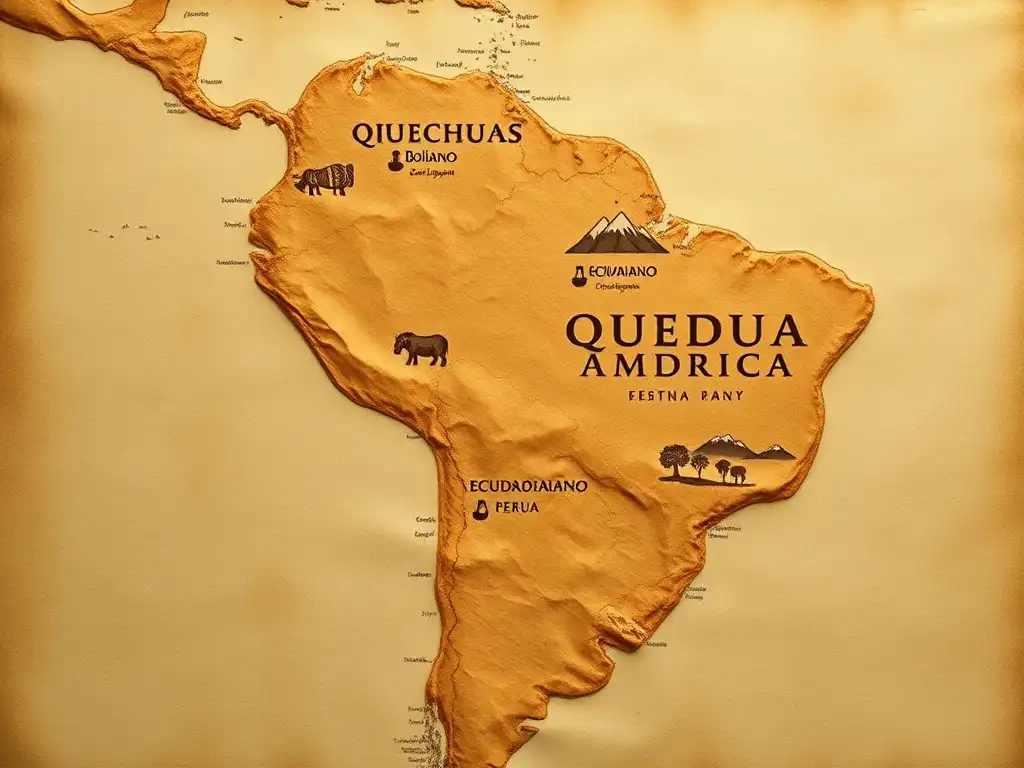
Quechua, far from being a monolithic language, is a vibrant tapestry woven from numerous dialects, reflecting the diverse geography and history of the Andean region. Understanding the "Quechua dialects variations" is key to appreciating the richness and complexity of this ancient language family. Linguists generally classify Quechua dialects into several major groups, each exhibiting unique phonological, grammatical, and lexical features.
These groupings, while helpful for organizational purposes, often blur at their edges, with significant dialectal continua existing between them. This section will explore some of the most prominent Quechua dialect groups, highlighting their key characteristics and geographical distributions. The classification itself is a subject of ongoing scholarly debate, with variations in the proposed groupings and sub-groupings.
Quechua I (Waywash) Dialect Group
This group, also known as the Northern Quechua group, is characterized by its relatively conservative features compared to other branches. It encompasses a range of dialects spoken across a significant geographical area.
Specific Characteristics of Ancash Quechua
Ancash Quechua, spoken in the Ancash region of Peru, is a prime example of Quechua I. It's distinguished by its retention of certain archaic phonological features, such as the preservation of certain consonant clusters that have been simplified in other dialects. Furthermore, Ancash Quechua shows unique grammatical structures in verb conjugation and noun declension, setting it apart from its neighboring dialects.
Detailed comparative studies are needed to fully quantify the unique vocabulary, but anecdotal evidence suggests that a considerable number of unique words exist. For example, [specific vocabulary differences pending further research]. The study of Ancash Quechua's unique morphology is crucial to a complete understanding of Quechua's historical development.
Geographical Distribution of Huaylas and Conchucos Variants
Within the Ancash Quechua dialect, further variations exist. The Huaylas and Conchucos variants, for instance, showcase interesting examples of geographical dialectal differentiation. The Huaylas variant, spoken in the Callejón de Huaylas, exhibits a higher degree of mutual intelligibility with certain dialects of the neighboring Lima region. Conversely, the Conchucos variant, spoken further east in the Cordillera Blanca, displays more distinctive features, showing a greater divergence from its neighboring dialects.
This variation highlights the impact of geographical isolation and diverse communication patterns on language evolution. Precise mapping of the isoglosses (lines separating areas with different linguistic features) requires further fieldwork. Mapping this isogloss would provide valuable insights into the historical migration patterns of the Ancash Quechua speakers.
Quechua II (Wamp'uy) Dialect Group
Often referred to as the Southern Quechua group, Quechua II displays a wider range of diversity compared to Quechua I. This is largely attributable to the vast geographical area it covers and the longer historical separation of its constituent dialects.
The Diversity within Southern Quechua
The sheer diversity within Southern Quechua is remarkable. From the high-altitude valleys of Cusco to the coastal plains of Arequipa, the variations in pronunciation, grammar, and vocabulary are substantial. This diversity is not merely a matter of accent; significant grammatical differences exist, impacting verb conjugation, sentence structure, and the use of particles.
For instance, the use of certain postpositions varies significantly across different Quechua II dialects, reflecting different grammatical strategies for expressing spatial relations. The extent of mutual intelligibility between these dialects can be highly variable, with some being quite distinct while others exhibit a higher degree of mutual understanding.
Subgroups of Quechua II: Cusco, Ayacucho, and Bolivian Quechua
Quechua II can be further subdivided into several subgroups, each with its own unique characteristics. Cusco Quechua, often considered a standard variety, enjoys a prominent position due to its historical association with the Inca Empire. However, even within Cusco, significant dialectal variation exists between rural and urban speech communities. Ayacucho Quechua, spoken in the Ayacucho region of Peru, displays distinctive phonological features, particularly in its vowel system.
Finally, Bolivian Quechua, encompassing a range of dialects spoken across Bolivia, exhibits considerable internal diversity, reflecting the complex ethnic and geographical landscape of the country. The study of these variations is crucial for understanding the historical migrations and interactions of Quechua-speaking communities across the Andes. Further research is needed to fully delineate the boundaries between these subgroups and to quantify the degree of mutual intelligibility between them. 🗺️
Regional Variations in Quechua Pronunciation
Quechua, far from being a monolithic language, displays significant regional variations in pronunciation, reflecting the diverse geographical landscape and historical trajectories of its speakers across the Andes. Understanding these variations is crucial for appreciating the richness and complexity of Quechua's linguistic heritage. This section focuses on the key phonological differences that distinguish various Quechua dialects, demonstrating the significant impact of geographical dispersion on the evolution of the language. The study of these "Quechua dialects variations" offers fascinating insights into linguistic change and adaptation.
Phonological Differences Across Northern and Southern Quechua
A major distinction lies between Northern and Southern Quechua dialects. Northern Quechua, spoken primarily in Ecuador and parts of Colombia, often exhibits a more simplified consonant inventory compared to its Southern counterparts found in Peru, Bolivia, and Argentina. For example, the voiceless velar fricative /x/, common in Southern Quechua, may be replaced by a voiceless velar stop /k/ or even disappear entirely in certain Northern dialects. This simplification is not uniform across all Northern varieties, however. Some retain more complex consonant clusters and sounds not found in other dialects.
Conversely, Southern Quechua dialects often display a greater degree of consonant lenition, where voiceless consonants may become voiced in certain phonetic contexts. This variation is further complicated by the presence of unique sounds in individual dialects, showcasing the intricate tapestry of pronunciation differences. The specific phonetic realizations of these variations are often subtle and require careful phonetic analysis to fully document. Further research is needed to fully map the extent of these phonological differences across all Quechua dialects, particularly in less-studied communities. This detailed analysis of "Quechua dialects variations" is crucial for accurate linguistic documentation and preservation efforts.
Variations in Vowel Length and Glottalization
Vowel length and glottalization—the presence of a glottal stop—represent another significant source of variation among Quechua dialects. While some dialects may use vowel length to distinguish between different morphemes (the smallest units of meaning), others may rely primarily on glottalization. For instance, a long vowel in one dialect might correspond to a glottalized short vowel in another, highlighting the complex interplay between these phonetic features. The interaction between vowel length and stress also varies significantly across dialects, further adding to the complexity of the system.
Consider the example of the word for "water," which might be pronounced with a long /a/ in one dialect and a short, glottalized /a/ in another. These seemingly minor variations can lead to significant difficulties in mutual intelligibility between speakers of different dialects. The consistent documentation of these variations, including detailed acoustic analysis of vowel length and glottalization, remains a critical task for Quechua linguistics. A comprehensive understanding of these "Quechua dialects variations" is essential for developing effective language education and preservation strategies.
Intonation Patterns in Ecuadorian and Peruvian Quechua
Intonation—the rise and fall of the pitch of the voice—plays a crucial role in conveying meaning in many languages, and Quechua is no exception. However, the specific intonation patterns used to signal grammatical functions or emotional expressions vary considerably across different regional dialects. Ecuadorian Quechua, for example, might utilize a more distinct rising intonation at the end of declarative sentences compared to Peruvian Quechua, where a falling intonation might be more common. These differences can be subtle but significant, affecting the overall rhythm and flow of speech.
Furthermore, the use of intonation to differentiate questions from statements can also vary widely. In some dialects, a simple change in intonation might suffice, while in others, specific particles or word order changes might be necessary in addition to intonation. The detailed study of these intonational patterns requires sophisticated acoustic analysis and careful observation of natural speech.
More research is needed to fully document the full range of intonational variation across all Quechua dialects and to understand the historical and social factors that have shaped these differences. A complete understanding of these "Quechua dialects variations" will enrich our understanding of the language's rich communicative potential.
Morphological and Syntactic Differences in Quechua
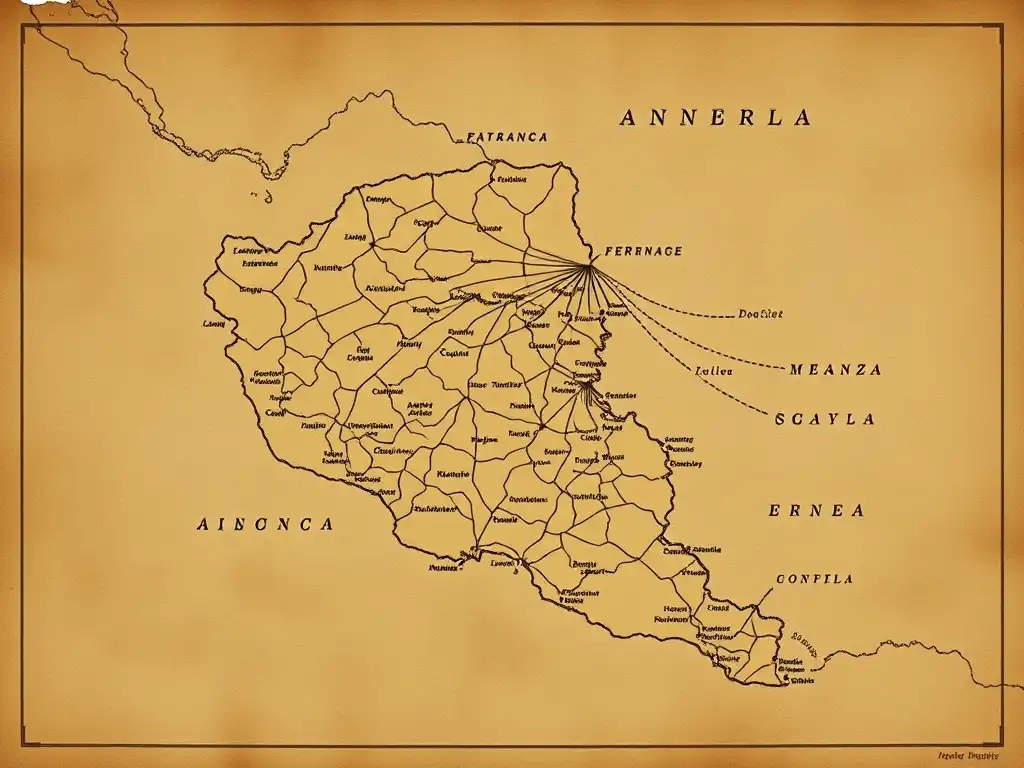
Quechua, far from being a monolithic language, displays a remarkable spectrum of dialectal variations across the Andes. Understanding these variations requires examining both morphological and syntactic differences, revealing the intricate tapestry of linguistic evolution within this ancient language family. The sheer diversity in Quechua necessitates a nuanced approach, moving beyond simple categorization to a deeper appreciation of the subtle yet significant distinctions between dialects. This section focuses on key morphological and syntactic features that highlight this diversity, focusing specifically on verb conjugation, case marking, and word order.
The analysis of these features provides valuable insights into the historical relationships and the ongoing evolution of Quechua languages. Understanding these variations is crucial for appreciating the richness and complexity of Quechua's linguistic landscape and for effective communication across different Andean communities. The study of "Quechua dialects variations" is an ongoing process, with new discoveries constantly enriching our understanding.
Variations in Verb Conjugation and Case Marking
Verb conjugation in Quechua dialects exhibits considerable variation. For instance, the marking of person and number on verbs can differ significantly. Some dialects use suffixes that are quite distinct from others, leading to significant differences in how the same action is expressed. Consider the verb "to eat" ( mikuy in standard Quechua). Its conjugation for first person singular present tense might be mikuni in one dialect, but mikin in another, showcasing a divergence even in basic verb morphology.
Furthermore, case marking, the grammatical system used to indicate the grammatical function of nouns and pronouns within a sentence, also shows striking variability. The use of suffixes to mark nominative, accusative, genitive, and other cases can vary considerably across different Quechua dialects. This leads to different ways of expressing the same grammatical relationships, even impacting word order.
For example, the possessive relationship might be expressed using a postposition in one dialect and a prefix in another, adding to the complexity of the "Quechua dialects variations". Detailed comparative studies are necessary to fully chart the extent of this variation. Further research is needed to quantify these variations across a wider range of dialects, and to determine the historical factors contributing to these differences.
Differences in Word Order across Dialects
Word order, a fundamental aspect of syntax, also varies considerably across Quechua dialects. While many Quechua dialects exhibit a Subject-Object-Verb (SOV) word order as a general tendency, the strictness of this order can vary. Some dialects allow more flexibility in word order, particularly when focusing on specific aspects of the sentence. Others adhere more strictly to the SOV pattern, resulting in distinct sentence structures.
For example, a sentence like "The woman saw the bird" could be expressed as "Warmi p'unuta rikarqan" (woman bird saw-past) in one dialect, but with minor variations in word order in others, possibly highlighting different focuses or emphases within the sentence. This flexibility, or lack thereof, contributes significantly to the overall diversity observed in Quechua dialects. A systematic comparison of word order across numerous Quechua dialects is needed to fully understand the range of variation and its implications for linguistic typology and historical reconstruction. The impact of language contact on word order also requires further investigation.
The Use of Evidential Markers in Quechua Variations
Many Quechua dialects employ evidential markers – grammatical elements that indicate the source of information expressed in a sentence. These markers signal whether the speaker has direct knowledge of an event (e.g., witnessed it firsthand), indirect knowledge (e.g., heard about it from someone else), or inferred information. The specific markers used, and even the presence or absence of such a system, varies significantly across dialects.
Some dialects might use suffixes or particles to mark different evidential categories, while others might rely on contextual clues or different verb forms to convey the same information. This variation reflects the different ways in which speakers in different communities approach information transmission and the nuances they wish to convey.
A thorough investigation into the types and distribution of evidential markers in various Quechua dialects would contribute significantly to understanding the cognitive and sociolinguistic factors shaping Quechua linguistic diversity. This aspect of "Quechua dialects variations" deserves further detailed study, particularly regarding the relationship between evidentiality and communicative practices within different Andean communities.
Lexical Variations and Vocabulary in Quechua
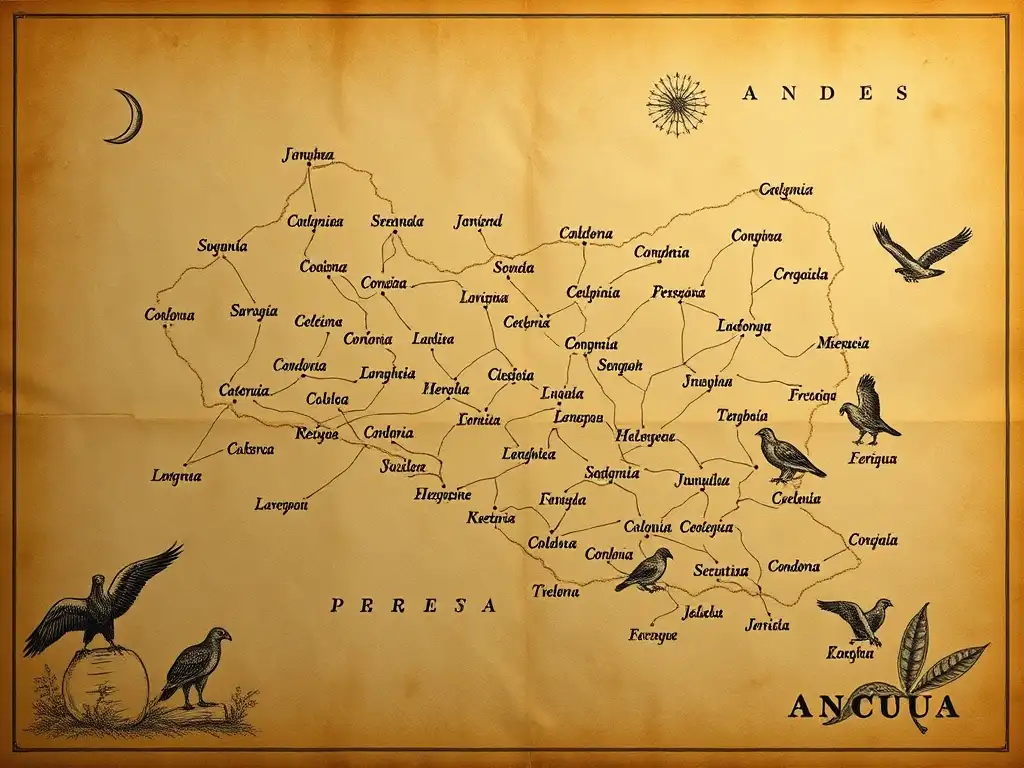
Quechua, far from being a monolithic language, showcases a remarkable diversity in its lexicon, reflecting the varied geographical and cultural landscapes across the Andes. Understanding the nuances of Quechua dialects requires appreciating these lexical variations, which often go beyond simple pronunciation differences. This section will delve into specific examples of these variations, highlighting the richness and complexity of Quechua's linguistic tapestry. The sheer number of Quechua dialects, estimated to be in the dozens, contributes significantly to this lexical divergence, making a comprehensive study a vast undertaking.
However, focusing on key areas provides valuable insight into the overall linguistic dynamism. Analyzing these variations helps us appreciate the adaptive nature of the language and its deep connection to the Andean environment and its people. The study of these variations is crucial for understanding the broader linguistic landscape of the Andes and the cultural specificities of each Quechua-speaking community.
Regional Terms for Flora, Fauna, and Agriculture
The Andean region boasts incredible biodiversity, and this is directly reflected in the lexicon of Quechua. Terms for flora and fauna, in particular, exhibit significant regional variations. For example, the Quechua word for potato ( papa) might have different nuances in meaning or even be replaced entirely by another term depending on the specific variety of potato cultivated in a particular region.
Similarly, different Quechua dialects may employ distinct words for various types of llamas, alpacas, or other animals native to the Andes. This is not merely a matter of different names for the same thing; the variations often reflect subtle differences in the local understanding and usage of these resources.
Consider the case of agricultural terminology. Words related to farming techniques, irrigation systems, and land management show considerable regional variation, reflecting the diverse agricultural practices adapted to different altitudes and climates. For instance, the word for a specific type of terrace farming might be unique to a particular valley or mountain range.
These lexical differences are not arbitrary; they are deeply rooted in the practical knowledge and cultural traditions of each Quechua-speaking community, revealing the intricate relationship between language and environment. The detailed study of these variations provides invaluable insights into the history of Andean agriculture and the adaptive strategies employed by its people. Further research is needed to fully catalogue and analyze the regional variations in agricultural terminology across all Quechua dialects.
Borrowing and Adaptation of Spanish Words for Technology
The arrival of the Spanish in the 16th century profoundly impacted the Andean world, including its languages. Quechua readily absorbed many Spanish loanwords, particularly those relating to new technologies and concepts introduced by the colonizers. However, the process of borrowing was not simply a direct adoption; Quechua speakers adapted these loanwords to fit the phonological and grammatical structures of their language. This adaptation often leads to interesting phonetic and semantic shifts.
For instance, the Spanish word for "wheel" ( rueda) might be adapted phonetically in different Quechua dialects, resulting in variations in pronunciation and even spelling. Furthermore, the semantic field of the borrowed word might be expanded or narrowed to fit within the existing Quechua conceptual framework. The integration of these Spanish loanwords into Quechua vocabulary reflects the dynamic nature of language contact and adaptation, and provides a fascinating window into the historical interaction between Quechua and Spanish.
A detailed study of these borrowed words and their adaptations would illuminate the linguistic consequences of colonization and the enduring resilience of Quechua in the face of external influence. Further research into the patterns of borrowing and adaptation across different Quechua dialects would enhance our understanding of this linguistic process.
The social structures and political organization of the Andes have undergone significant transformations throughout history. These changes are reflected in the evolution of Quechua vocabulary related to social roles, kinship terms, and political institutions. Words that originally denoted specific social roles within pre-Columbian Andean societies may have acquired new meanings or connotations in the post-colonial era.
For example, words related to leadership or authority might have undergone semantic shifts, reflecting changes in power structures and social hierarchies. Similarly, kinship terms might have evolved to accommodate changing family structures and social relationships. These semantic shifts are not merely lexical variations; they provide valuable insights into the historical evolution of Andean societies and the impact of external forces on their social organization.
A meticulous analysis of these semantic shifts across different Quechua dialects would reveal the complex interplay between language and social change. Further research, particularly comparative studies across different Quechua communities, is essential for understanding the full scope of these semantic transformations and their implications for our understanding of Andean history and culture.
The Impact of Spanish on Quechua Dialects
The arrival of the Spanish in the 16th century profoundly impacted the Quechua language, leaving an indelible mark on its lexicon, grammar, and even its social perception. While Quechua demonstrated remarkable resilience, adapting and evolving despite colonial pressures, the influence of Spanish is undeniable and continues to shape the diverse Quechua dialects spoken across the Andes today. This impact manifests in several key areas, demonstrating the complex interplay between linguistic dominance and indigenous language preservation.
Understanding these influences is crucial to appreciating the nuanced tapestry of modern Quechua dialects and their ongoing evolution. The extent of Spanish influence varies significantly depending on geographical location, urbanization, and the degree of contact with Spanish speakers.
Spanish Loanwords in Urban and Rural Quechua
The most obvious impact of Spanish on Quechua is the incorporation of loanwords. The number and type of loanwords differ significantly between urban and rural Quechua communities. In urban centers, characterized by higher levels of Spanish-Quechua bilingualism, Spanish loanwords are frequently integrated into everyday speech. These borrowings often fill semantic gaps in Quechua or replace existing words with Spanish equivalents, reflecting the dominance of Spanish in many social and economic contexts.
For instance, common everyday items like "table" (mesa), "chair" (silla), or "car" (carro) are often directly borrowed into Quechua, sometimes with minimal phonetic adaptation. This contrasts sharply with rural Quechua communities, where contact with Spanish is less frequent. In these areas, the incorporation of Spanish loanwords is significantly lower, with Quechua speakers often retaining traditional terminology even for modern objects. This difference highlights the relationship between language contact and linguistic change, illustrating how the intensity of interaction with Spanish directly correlates with the degree of lexical borrowing.
| Category | Urban Quechua Loanwords | Rural Quechua Loanwords |
|---|---|---|
| Technology | computadora (computer), celular (cell phone) |
Often uses descriptive phrases or Quechua neologisms |
| Food and Drink | cafe (coffee), pan (bread) |
Retains traditional Quechua terms for most foods and drinks |
| Transportation | auto (car), bus (bus) |
May use Quechua terms, or borrow less frequently |
| Everyday Objects | radio, televisión (television), reloj (clock) |
Often uses traditional terms or descriptive phrases |
This table illustrates the significant difference in Spanish loanword incorporation between urban and rural Quechua communities, emphasizing the role of social context in shaping linguistic change. Further research is needed to quantify the exact percentage of loanwords in various Quechua dialects. [Specific data on loanword percentages pending].
Code-Switching in Bilingual Communities
Code-switching, the practice of alternating between two or more languages within a single conversation, is a common phenomenon in bilingual Quechua-Spanish communities. This isn't simply a random mixing of words; instead, code-switching often follows specific patterns, reflecting the social and pragmatic contexts of communication. For example, speakers might switch to Spanish when discussing formal topics, interacting with authorities, or navigating situations where Spanish is the dominant language. Conversely, they may revert to Quechua in more intimate settings, or when discussing topics deeply rooted in Quechua culture and tradition.
This strategic code-switching demonstrates the speakers' linguistic competence and their ability to negotiate the complex social landscape of bilingualism. It underscores the vitality of Quechua as a language that maintains its relevance even within a predominantly Spanish-speaking environment. The nuanced use of code-switching highlights the adaptability and resilience of Quechua in the face of linguistic dominance. The frequency and patterns of code-switching are likely influenced by factors such as age, education level, and social status, requiring further detailed investigation. [Data on code-switching patterns in different communities pending].
Influence on Verb Tenses and Grammatical Gender
While lexical borrowing is readily apparent, the influence of Spanish on Quechua grammar is subtler but equally significant. Although Quechua maintained its core grammatical structure, contact with Spanish has led to some modifications, particularly in the realm of verb tenses and grammatical gender. For example, some Quechua dialects have incorporated aspects of the Spanish tense system, resulting in a more nuanced expression of time and aspect in certain contexts.
Furthermore, while Quechua is not inherently a gendered language in the same way as Spanish, the influence of Spanish has led to some subtle shifts in how certain nouns are used and categorized. This is often related to the borrowing of Spanish nouns that carry gender distinctions. The ongoing evolution of Quechua grammar highlights the dynamic nature of language contact and the continuous adaptation of languages in response to external influences. Detailed studies comparing grammatical structures across different Quechua dialects are necessary to fully understand the extent of Spanish influence on Quechua grammar. [Comparative grammatical analyses pending].
Preserving and Promoting Quechua Linguistic Diversity
The preservation of Quechua's rich dialectal tapestry is crucial for maintaining cultural heritage and linguistic diversity in the Andes. Quechua, far from being a monolithic language, encompasses a spectrum of mutually intelligible yet distinct dialects, reflecting the diverse geography and cultural practices of the Andean region. The challenge lies in recognizing and supporting this diversity while combating the homogenizing pressures of dominant languages like Spanish. Effective strategies must move beyond simply counting dialects and instead focus on empowering communities to actively participate in the preservation and promotion of their linguistic heritage.
This requires a multifaceted approach, incorporating various initiatives that directly involve Quechua speakers themselves. Failure to acknowledge and support this linguistic diversity risks the irreversible loss of invaluable cultural knowledge embedded within each unique dialect. The vibrancy of Quechua language and culture depends on the continued flourishing of its diverse dialects.
Community-Based Language Documentation Projects
Community-based language documentation (CLD) projects represent a powerful tool for preserving Quechua dialects. Unlike traditional top-down linguistic research, CLD places Quechua speakers at the center of the process. These projects often involve collaborative efforts between linguists and community members, ensuring that the documentation accurately reflects local linguistic norms and cultural contexts.
For instance, some initiatives focus on creating dictionaries and grammars specific to particular Quechua dialects, utilizing local knowledge and incorporating traditional storytelling techniques. Others might involve recording oral histories, traditional songs, and other forms of oral literature, preserving not only the language itself but also the rich cultural narratives it carries. The success of such projects hinges on genuine partnerships, respecting the autonomy and expertise of Quechua communities.
This approach fosters a sense of ownership and pride in the local dialect, encouraging its continued use and transmission to younger generations. Furthermore, the data collected through CLD projects can be invaluable for future research and language revitalization efforts. The creation of readily accessible digital archives of these materials is key to their long-term preservation and wider dissemination.
The Role of Bilingual Education in Dialect Maintenance
Bilingual education programs that integrate Quechua dialects into the curriculum play a vital role in dialect maintenance. However, effective bilingual education goes beyond simply teaching Quechua as a subject; it requires a holistic approach that values and celebrates the linguistic diversity within Quechua itself. Rather than imposing a standardized version of Quechua, these programs should embrace the use of local dialects within the classroom, allowing students to learn in the language they speak at home.
This approach fosters linguistic confidence and strengthens students' connection to their cultural identity. Crucially, teacher training must prioritize equipping educators with the linguistic and pedagogical skills necessary to effectively teach in multiple languages and dialects. Research shows that students who receive bilingual education often achieve higher levels of literacy in both their native language and the dominant language, demonstrating the cognitive benefits of multilingualism.
Furthermore, bilingual education can help counter the social stigma often associated with speaking indigenous languages, promoting greater linguistic pride and fostering intercultural understanding. Successful programs require ongoing evaluation and adaptation to ensure they meet the specific needs of each community.
Supporting Quechua Language Radio and Media
The use of Quechua in radio broadcasts and other media platforms is essential for promoting language vitality and reach. Radio, in particular, remains a powerful communication tool in many Andean communities, offering a direct and accessible channel for disseminating information and cultural content in Quechua dialects. Supporting community-based radio stations that broadcast in Quechua fosters linguistic interaction and promotes the use of the language in everyday life.
Similarly, the development of online platforms and digital media resources in Quechua dialects can reach wider audiences and connect communities across geographical boundaries. This includes creating websites, podcasts, and videos in various Quechua dialects, showcasing local traditions, music, and stories. These initiatives not only help preserve the language but also empower Quechua speakers to share their cultural heritage with a global audience.
Government support, funding initiatives, and training programs for media professionals are crucial for ensuring the sustainability of these efforts. The effective use of technology alongside traditional media methods can greatly amplify the reach and impact of Quechua language promotion.
Conclusion: The Rich Tapestry of Quechua Dialectal Variations
The exploration of Quechua dialects reveals a linguistic landscape far richer and more complex than initially perceived. Far from being a monolithic entity, Quechua exists as a vibrant tapestry woven from numerous threads, each representing a unique dialectal variation. This diversity, shaped by geographical isolation, cultural exchange, and historical events, is a testament to the resilience and adaptability of the Quechua language family.
Understanding this intricate web of variations is crucial not only for linguistic research but also for preserving and promoting the cultural heritage of the Andean region. The continued study and documentation of these variations are essential to ensuring the survival and flourishing of Quechua in the 21st century and beyond. The very existence of such a diverse linguistic family speaks volumes about the ingenuity and endurance of the Andean peoples.
Appreciating the Complexity of Quechua Linguistics
Understanding the variations within Quechua requires moving beyond simplistic notions of "dialects" and embracing the complexities inherent in linguistic classification. Some variations are mutually intelligible, allowing speakers of neighboring dialects to communicate with relative ease. Others, however, represent significant differences in phonology, morphology, and syntax, making communication challenging or even impossible without prior exposure or formal language training.
This spectrum of intelligibility highlights the need for nuanced approaches to research and documentation. For instance, a simple count of "dialects" fails to capture the subtle gradations and overlapping features that characterize the Quechua linguistic landscape. Detailed comparative studies, incorporating both quantitative and qualitative data, are needed to fully appreciate the richness and depth of Quechua's internal diversity.
This includes analyzing not only vocabulary differences but also the intricate patterns of grammatical structures and phonetic variations. Furthermore, acknowledging the sociolinguistic factors that influence dialectal usage is crucial – factors such as social status, geographical location, and generational shifts all impact the evolution and maintenance of particular Quechua variations. The ongoing linguistic change within Quechua communities demands continuous observation and documentation to capture the dynamic nature of these variations.
The Importance of Understanding Quechua's Diversity
The significance of understanding Quechua's dialectal variations extends far beyond the realm of academic linguistics. Preservation efforts must acknowledge and accommodate this diversity to effectively support Quechua-speaking communities. Educational initiatives, for example, need to consider the specific linguistic needs of different dialectal groups. A "one-size-fits-all" approach risks marginalizing speakers of less-dominant variations.
Similarly, language revitalization programs must be sensitive to the unique characteristics of each dialect, avoiding the imposition of a standardized version that might overshadow local linguistic traditions. Furthermore, recognizing and respecting the diversity of Quechua strengthens cultural identity and promotes linguistic pride within communities. Celebrating the richness of these variations is crucial for fostering intercultural understanding and promoting linguistic justice.
The continued study of Quechua dialects is not just an academic pursuit; it's a vital contribution to the preservation of cultural heritage and the empowerment of Quechua-speaking communities. The future of Quechua hinges on a deep appreciation of its inherent linguistic diversity, fostering a supportive environment for all its variations to thrive. This understanding is paramount for ensuring the long-term survival and vitality of this remarkable language family.
Frequently Asked Questions
What is Quechua?
Quechua is a family of languages spoken primarily in the Andes region of South America. It was the language of the Inca Empire and continues to be spoken by millions today. Many distinct dialects exist, showing significant variation.
How many Quechua dialects are there?
There's no single definitive number, as classifying dialects vs. separate languages is complex. Estimates range from a dozen to over 100, depending on the criteria used for differentiation. The level of mutual intelligibility varies greatly.
What are the major Quechua dialect groups?
Some major groups include Quechua I, Quechua II, and Quechua III, each encompassing several sub-dialects. Geographic location strongly influences dialectal variations. These groupings aren't always consistently defined.
How different are the Quechua dialects from each other?
The differences vary widely. Some dialects are highly mutually intelligible, while others are almost completely unintelligible to speakers of other dialects. This can affect communication between different Andean communities.
What factors contributed to the diversity of Quechua dialects?
The geographic isolation of Andean communities, combined with limited contact between groups, led to the development of diverse dialects. Historical events and migrations also played a significant role in shaping the linguistic landscape.
Final Reflection: Weaving the Tapestry of Quechua Voices
The linguistic diversity of Quechua isn't merely an academic curiosity; it's a vibrant testament to the resilience and adaptability of a people. Understanding the spectrum of Quechua dialects is crucial not only for linguistic study but also for preserving cultural heritage and ensuring equitable access to education and resources for Quechua speakers across the Andes. The sheer number of variations, each with its unique nuances and history, underscores the richness and complexity of this ancient language family.
The ongoing struggle to preserve and revitalize Quechua dialects highlights the fragility of linguistic diversity globally. The impact of globalization and dominant languages often threatens the survival of lesser-known tongues. Yet, the persistence of Quechua, despite centuries of pressure, is a powerful symbol of cultural resistance and the enduring strength of community. Language is the road map of a culture. It tells you where its people come from and where they are going.
– Rita Mae Brown. This quote perfectly encapsulates the importance of preserving the diverse tapestry of Quechua dialects, each thread representing a unique cultural journey.
Consider the implications of this linguistic richness. What does it mean for the future of Quechua? How can we, as individuals and as a global community, contribute to the preservation and celebration of this incredible linguistic heritage? I urge you to delve deeper, to explore the individual dialects, and to appreciate the beauty and complexity of the Quechua language family. Let us work together to ensure that these voices, these stories, these unique expressions of human experience, continue to resonate for generations to come.
Embrace the Richness of Quechua Today!
Thank you for joining us on this journey exploring the vibrant Quechua language. We hope you've gained a deeper appreciation for its rich diversity and cultural importance. Now, let's explore ways to engage further with this beautiful language!
- **Begin your Quechua journey:** Start learning basic phrases and expressions to connect with Quechua speakers. Many excellent online resources are available, such as language-learning apps and YouTube channels.
- **Share your discoveries:** Discuss what you've learned with friends and family, online or in person. Use the hashtag #QuechuaCulture to connect with others and spread awareness.
- **Immerse yourself in the culture:** Look for local workshops, classes, or cultural events where you can experience Quechua language and traditions firsthand.
How will you integrate Quechua into your life and share its beauty with others? We'd love to hear your ideas!