
Aymara Ancestor Veneration: Honoring the Past

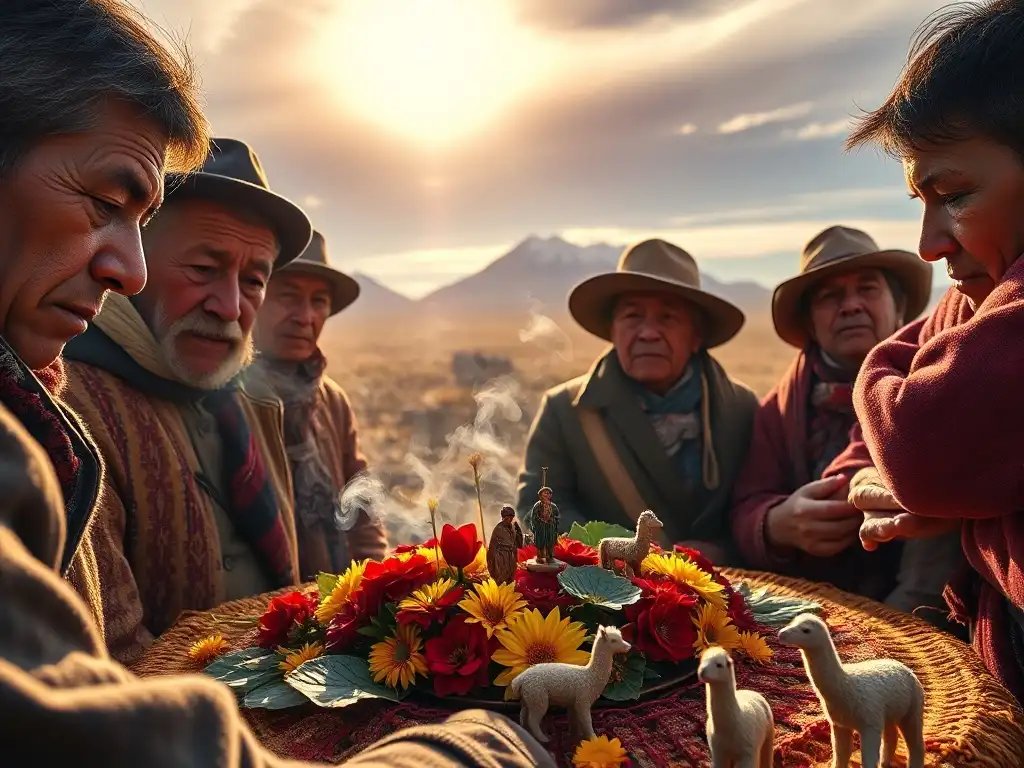
Step into a world lost to time, yet echoing with vibrant life. The Andean Civilizations website unveils the mysteries and marvels of ancient empires, from the towering heights of Inca ingenuity to the intricate artistry of the Nazca. But what secrets do the mountains hold? This journey begins with a captivating exploration of Aymara ancestor veneration practices, a tradition that speaks volumes about the enduring connection between the living and the departed. Dare to uncover the profound spiritual beliefs shaping Andean culture—your exploration starts now.
The Aymara people, indigenous to the Andes region encompassing parts of Bolivia, Peru, and Chile, possess a deeply ingrained spiritual connection to their ancestors. This reverence, far from being a mere historical practice, forms a vibrant and integral part of their contemporary lives, shaping their worldview, social structures, and daily routines.
Understanding Aymara ancestor veneration practices offers a profound insight into their rich cultural tapestry and enduring spiritual beliefs, revealing a complex system of rituals, traditions, and beliefs that continue to thrive in the face of modernization. This article explores the multifaceted ways in which the Aymara honor their ancestors, examining the significance of these practices within their broader cultural context and highlighting the enduring power of their ancestral legacy.
We will delve into the specific roles played by key ancestral figures and the profound impact of this veneration on Aymara identity and community cohesion. This exploration aims to provide a comprehensive understanding of "Aymara ancestor veneration practices," shedding light on a fascinating and often overlooked aspect of Andean culture.
Introduction to Aymara Ancestral Reverence
Aymara ancestor veneration isn't a passive remembrance; it's an active, ongoing relationship. Unlike many Western traditions where ancestors are remembered on specific occasions, the Aymara maintain a constant connection, believing their ancestors remain present and influential in their lives. This connection manifests in various ways, from daily rituals and offerings to significant ceremonies that mark life cycle events and agricultural cycles.
The belief is not simply that ancestors exist in a spiritual realm, but that they actively participate in the lives of the living, offering guidance, protection, and even intervention in times of need. This deeply personal and communal relationship ensures the continuity of Aymara traditions and strengthens the bonds within their communities.
The practice is woven into the fabric of their society, impacting everything from land ownership and resource management to social hierarchies and decision-making processes. The strength of this connection is visually represented in the numerous offerings left at sacred sites, a testament to the ongoing dialogue between the living and the departed.
Significance of Ancestors in Aymara Culture
The significance of ancestors in Aymara culture cannot be overstated. They are seen not merely as predecessors but as integral members of the community, continuing to shape the present through their influence and guidance. Their wisdom, accumulated over generations, is considered invaluable, providing a crucial link to the past and informing present-day decisions. This deep-seated respect translates into a profound responsibility to honor and remember them, ensuring their continued presence and influence.
This respect extends beyond simple remembrance; it involves active participation in rituals and ceremonies designed to maintain a harmonious relationship with the ancestral realm. Failure to honor one's ancestors is believed to bring misfortune, highlighting the crucial role they play in Aymara well-being and prosperity. The strength of this belief system is a testament to the enduring power of tradition within Aymara society.
The Role of the Achachilas
The Achachilas represent powerful ancestral spirits, often associated with specific mountains or geographical features. They are considered protectors and guardians of the Aymara people, their influence extending to the land, the weather, and the prosperity of the community. The Achachilas are not simply venerated; they are actively engaged with through offerings, prayers, and rituals.
These offerings often include coca leaves, alcohol, and other symbolic items, demonstrating a desire to maintain a reciprocal relationship. The Achachilas are believed to intervene in the affairs of the living, providing assistance and protection when called upon. Their presence is felt throughout Aymara society, acting as a powerful reminder of the enduring connection between the living and the ancestral world.
The reverence shown to the Achachilas underscores the importance of respecting the natural world and acknowledging the spiritual forces that shape Aymara life. Specific rituals and offerings vary according to regional traditions and individual families, showcasing the nuanced and localized nature of this ancestral veneration.
The Importance of the Awicha
The Awicha, representing deceased family members, hold a particularly significant place in Aymara ancestor veneration. Unlike the more generalized Achachilas, the Awicha are directly connected to individual families and lineages. They are seen as powerful intermediaries between the living and the spiritual world, offering guidance and protection to their descendants.
The Awicha are often remembered and honored through storytelling, maintaining a living connection to family history and tradition. Family members may leave offerings at their graves or in designated spaces within the home, demonstrating a continued relationship even after death. The importance of the Awicha emphasizes the strong family bonds within Aymara society and the enduring influence of ancestors on their descendants' lives.
The stories and memories associated with the Awicha serve not only as a historical record but also as a source of strength and guidance, connecting each generation to the rich heritage of their family. This personal connection to the Awicha adds a unique dimension to the broader Aymara ancestral veneration practices.
Core Practices of Aymara Ancestor Veneration
Aymara ancestor veneration, a cornerstone of their spiritual life, isn't a passive remembrance but an active engagement with the deceased. It's a vibrant, ongoing dialogue across the veil between the living and the departed, deeply intertwined with their daily lives and cosmological beliefs. This practice isn't solely about remembering; it's about maintaining a continuous relationship, seeking guidance, and ensuring the well-being of both the living and the ancestors. The Aymara believe that their ancestors remain present and influential in the world, capable of offering protection, providing wisdom, and influencing their descendants' lives.
This belief system fosters a strong sense of community and continuity across generations. The practices are deeply rooted in their worldview, emphasizing reciprocity, respect, and the interconnectedness of all things. Understanding these practices requires an appreciation for the holistic nature of Aymara spirituality, where the physical and spiritual worlds are inextricably linked.
Rituals and Ceremonies for the Deceased
Death in Aymara culture is not an ending but a transformation. Funerary rites are elaborate and significant, involving a complex series of rituals designed to ensure the deceased's smooth transition to the afterlife and to maintain their connection with the living. These rituals often include the preparation of the body, which may involve washing and dressing the deceased in specific attire.
A wake, often lasting several days, provides a time for mourning, sharing memories, and offering support to the bereaved family. The burial itself is a carefully orchestrated event, often accompanied by offerings of food, drink, and coca leaves. The location of the burial site is also significant, frequently chosen based on its proximity to sacred sites or ancestral lands.
The details vary across different Aymara communities, reflecting the diversity of their traditions, yet the core principle of ensuring a respectful and appropriate transition remains consistent. The continued remembrance and honoring of the deceased through subsequent ceremonies further solidifies this ongoing relationship.
Offerings and Libations to the Spirits
Offerings play a crucial role in Aymara ancestor veneration. These aren't merely symbolic gestures; they're acts of reciprocity, acknowledging the ancestors' continued influence and seeking their blessings and protection. Common offerings include food, such as chicha (a fermented corn beverage), cuy (guinea pig), and other local delicacies.
These are not simply discarded but are often shared amongst the participants, symbolizing the communion between the living and the dead. Incense, particularly those made from native plants, is frequently burned to purify the space and to attract the attention of the ancestral spirits. Libations of chicha or other liquids are poured onto the ground or onto ancestral shrines, a symbolic gesture of offering and appeasement.
The careful selection and preparation of these offerings reflect the respect and reverence held for the ancestors and their continued importance in the Aymara worldview. The act of offering itself is seen as a sacred act that strengthens the bond between the living and the departed.
The Use of Sacred Spaces and Shrines
Many Aymara communities maintain sacred spaces or shrines dedicated to their ancestors. These sites, often located in significant geographical locations or near natural features, serve as focal points for veneration and ritual. These might be simple rock piles, specially constructed altars, or even designated areas within the home.
These spaces are treated with the utmost respect, and rituals are performed to maintain their sanctity. The placement of offerings, the burning of incense, and the performance of prayers all take place within these designated areas, reinforcing their sacredness. The physical space itself is imbued with spiritual significance, acting as a conduit between the living and the ancestral realm.
The condition and maintenance of these spaces are seen as vital to maintaining the connection with the ancestors and ensuring their continued blessings. The use of these spaces highlights the importance of place in Aymara spirituality and its role in their ancestor veneration practices.
The Meaning of Coca Leaves in Veneration
Coca leaves hold immense cultural and spiritual significance in Aymara society, and their use extends deeply into their ancestor veneration practices. More than simply a stimulant, coca leaves are considered sacred, representing a connection to the earth, the ancestors, and the spiritual world. During rituals, coca leaves are chewed, offered to the spirits, or placed on ancestral shrines. The act of sharing coca leaves during these ceremonies symbolizes communion and reciprocity.
The leaves themselves are believed to carry spiritual energy, acting as a medium for communication with the ancestral realm. The specific ways in which coca leaves are used vary depending on the specific ritual or occasion, but their consistent presence underscores their central role in Aymara spirituality and their ancestor veneration practices. The careful handling and respectful use of coca leaves reflect the profound reverence held for both the leaves and the ancestors they connect to.
The Aymara Concept of Life, Death, and the Afterlife
The Aymara worldview doesn't perceive death as an absolute end but as a transition, a continuation of existence in a different form. Life, death, and the afterlife are not seen as separate entities but as interconnected phases within a larger cosmological cycle. The soul, or ayllu, is believed to continue its existence after death, retaining a strong connection to the living.
This connection is maintained through various practices, including ancestor veneration, ensuring a continuous flow of energy and influence between the living and the dead. This interconnectedness is not limited to the family but extends to the entire community, fostering a deep sense of collective identity and shared responsibility across generations. The Aymara belief system reinforces the importance of maintaining harmonious relationships, both among the living and between the living and the dead.
The Journey of the Soul in Aymara Belief
In Aymara belief, the soul's journey after death isn't a simple transition to a singular afterlife. It's a complex process, often depicted as a journey to the ancestral realm, a place of both challenges and opportunities. The soul's path is influenced by the deceased's life and actions, with virtuous individuals experiencing a smoother transition than those who lived less upright lives. This journey isn't always straightforward; it may involve various trials or obstacles that the soul must overcome.
The support of living relatives through continued veneration plays a crucial role in aiding the soul's journey and ensuring its safe arrival in the ancestral realm. This complex understanding of the soul's journey reflects the nuanced and layered nature of Aymara spirituality. The concept emphasizes the importance of living a good life, not only for personal benefit but also for the well-being of one's soul in the afterlife.
Connecting with the Ancestral Realm
The Aymara believe that the ancestral realm isn't a distant or inaccessible place; rather, it's a dimension intertwined with the living world. They believe that communication with the ancestors is possible, and they actively seek guidance and support from them. This connection is fostered through various practices, including rituals, offerings, and the use of sacred spaces. Dreams, visions, and intuitive insights are often seen as messages from the ancestors, providing guidance and warnings.
Shamans or spiritual leaders may also play a role in facilitating communication with the ancestral realm, interpreting messages and offering guidance. This ongoing communication highlights the dynamic and active nature of Aymara ancestor veneration, emphasizing the continuous interaction between the living and the dead. The ability to connect with the ancestral realm is viewed as a vital aspect of Aymara spiritual life, providing a source of wisdom, protection, and support.
The Cycle of Life and Rebirth in Aymara Cosmology
The Aymara concept of life, death, and the afterlife is cyclical, not linear. Death is not an ending but a transformation, a transition to a different state of being within a continuous cycle of life and rebirth. This cyclical understanding is reflected in their agricultural practices and their cosmological beliefs. The earth's fertility, the seasons, and the life cycles of plants and animals all mirror this cyclical view of existence.
The ancestors, having transitioned to the ancestral realm, are not forgotten but remain active participants in this ongoing cycle. Their influence continues to shape the lives of the living, reinforcing the interconnectedness of all things and the importance of respecting the past to ensure the well-being of the future. This cyclical perspective provides a sense of continuity and meaning, highlighting the enduring connection between the living and the dead within the larger cosmological framework of the Aymara worldview.
Maintaining the Connection with Ancestors
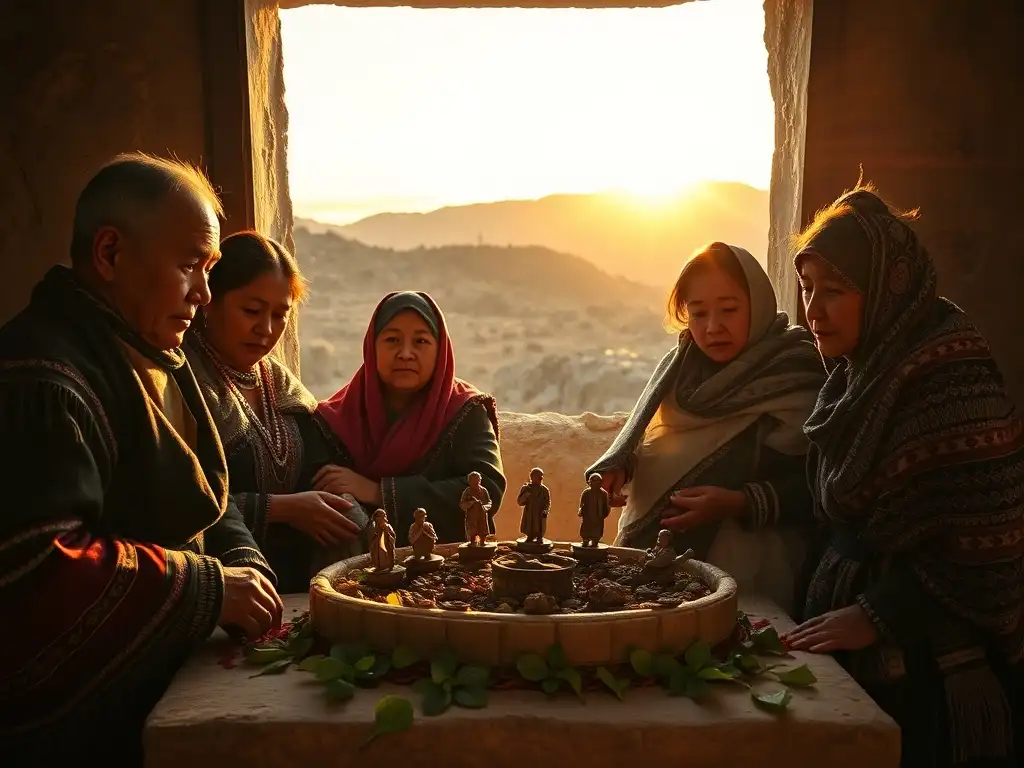
Maintaining a vibrant connection with ancestors is central to Aymara identity and worldview. This connection isn't viewed as a mere historical remembrance but as a living, ongoing relationship impacting daily life. Ancestor veneration isn't a singular event but a continuous process woven into the fabric of Aymara society. It's a way of understanding their place in the world, drawing strength from past generations, and ensuring the continuity of their cultural heritage.
The belief that ancestors continue to influence the living world, offering guidance and protection, is deeply ingrained in Aymara spirituality. This influence manifests in various ways, from seeking ancestral advice in times of difficulty to attributing success or misfortune to their intervention. The strength of this bond is evident in the numerous rituals and practices dedicated to honoring and remembering their ancestors.
Oral Traditions and Storytelling
Oral traditions play a crucial role in maintaining the connection with ancestors. Stories passed down through generations preserve the memory of ancestors, their accomplishments, and their struggles. These narratives aren't just historical accounts; they are living vessels of cultural knowledge, values, and beliefs. Through storytelling, Aymara people learn about their lineage, their history, and their responsibilities to future generations.
The act of sharing these stories strengthens family bonds and reinforces the sense of belonging to a wider community bound by shared ancestry. Each story carries the weight of generations, transmitting not just information but also the emotional resonance and spiritual significance of ancestral experiences. The vibrant and detailed nature of these oral histories ensures that the memory of ancestors remains vivid and impactful. These tales are not static; they adapt and evolve with each generation, reflecting the dynamism of Aymara culture and its ongoing relationship with its past.
The Role of Family and Community in Remembrance
Family and community play an integral role in Aymara ancestor veneration. Remembering ancestors is not solely an individual responsibility; it is a collective endeavor that strengthens social bonds and reinforces community identity. Families meticulously maintain genealogical records, often through oral traditions and shared memories. These records aren't mere lists of names but living histories, each name associated with stories, memories, and legacies.
Community gatherings and celebrations provide opportunities to honor ancestors collectively. These events often involve sharing food, stories, and rituals, creating a shared experience that strengthens community ties and reinforces the sense of shared heritage. The community's collective memory ensures that the legacy of ancestors is preserved and celebrated across generations, fostering a sense of continuity and belonging. This shared responsibility underscores the importance of kinship and the interconnectedness of the living and the departed within the Aymara community.
The Celebration of All Saints' Day
All Saints' Day (Día de Todos los Santos) holds a significant place in Aymara ancestor veneration practices. Although influenced by Catholic traditions, the Aymara have integrated it seamlessly into their own ancestral rites. This day is not merely a commemoration; it’s a time of active engagement with the departed. Families visit ancestral gravesites, offering food, drink, and coca leaves – a sacred plant in Andean cultures – as offerings.
The atmosphere is one of reverence and remembrance, a time to reconnect with ancestors and reaffirm family bonds. The day blends traditional Aymara practices with Catholic elements, showcasing the unique syncretism found in many Andean societies. This blend highlights the adaptability and resilience of Aymara culture, demonstrating its ability to assimilate external influences while preserving its core values and traditions. The celebrations on All Saints' Day provide a powerful illustration of the enduring significance of ancestor veneration in Aymara life.
Challenges and Changes in Modern Aymara Ancestor Veneration
Modernity presents significant challenges to traditional Aymara ancestor veneration practices. Rapid societal changes, urbanization, and migration patterns have disrupted established social structures and family networks. These changes impact the transmission of oral traditions and the collective remembrance of ancestors. The increased exposure to external cultures and beliefs also affects the ways in which ancestors are honored and remembered. The preservation of ancestral traditions in the face of these challenges requires conscious effort and adaptation.
Influence of Western Culture and Religion
The influence of Western culture and religion, particularly Catholicism, has significantly impacted Aymara ancestor veneration. While syncretism has allowed for the integration of certain Catholic elements into existing practices, it has also led to the erosion of some traditional beliefs and rituals. The introduction of new religious frameworks sometimes overshadows indigenous practices, leading to a diminished emphasis on traditional ancestor veneration. However, it's important to note that Aymara communities have shown remarkable resilience, adapting and reinterpreting external influences within their own cultural context. This process of adaptation is ongoing and reflects the dynamic nature of Aymara culture.
Adapting Ancient Practices to Contemporary Life
Adapting ancient practices to contemporary life is crucial for the survival of Aymara ancestor veneration. This involves finding ways to maintain the spiritual significance of ancestral remembrance while adapting to the realities of modern life. This may involve using new technologies to document oral traditions or adapting traditional rituals to suit changing social contexts.
The challenge lies in balancing the preservation of authenticity with the need for accessibility and relevance in a rapidly changing world. Finding creative solutions that allow younger generations to connect with their ancestral heritage is paramount. This might include incorporating digital storytelling techniques or adapting traditional ceremonies to fit modern schedules and lifestyles.
Preservation Efforts and Revitalization of Traditions
Efforts to preserve and revitalize Aymara ancestor veneration traditions are underway. These initiatives often involve community-based projects aimed at documenting oral histories, preserving sacred sites, and promoting cultural education. These efforts seek to empower Aymara communities to reclaim and reinterpret their ancestral heritage in a meaningful way.
The active participation of younger generations is crucial to the success of these initiatives. By engaging young people in the preservation and transmission of Aymara traditions, a bridge is built between the past and the future, ensuring the continuity of this vital cultural practice. These efforts are crucial in safeguarding the rich cultural heritage of the Aymara people and ensuring that their connection with their ancestors remains strong for generations to come.
The Importance of Understanding Aymara Ancestor Veneration
Understanding Aymara ancestor veneration practices is crucial for appreciating the depth and complexity of Aymara culture and worldview. It's not simply a historical practice; it's a living tradition that shapes contemporary Aymara life, influencing social structures, decision-making processes, and even their relationship with the natural world. By studying these practices, we gain insights into their spiritual beliefs, social organization, and their enduring connection to their land and ancestors.
This understanding fosters greater respect for Aymara culture and helps combat misinterpretations or stereotypes that often arise from a lack of knowledge. Furthermore, appreciating the significance of ancestor veneration provides a valuable perspective on how different cultures approach the concepts of death, remembrance, and the continuity of life across generations.
It challenges Western-centric views of death and the afterlife, offering a richer, more nuanced understanding of human spirituality. The preservation and study of these practices are essential for maintaining cultural heritage and promoting intercultural dialogue.
Insights into Aymara Worldview and Spirituality
Aymara ancestor veneration reflects a profound interconnectedness between the living and the deceased. The Aymara believe that ancestors continue to exert influence on the living world, offering protection, guidance, and even intervening in daily life. This belief system underscores a cyclical view of time, where the past, present, and future are not linear but rather interwoven.
Ancestor veneration rituals, therefore, are not just acts of remembrance but active engagements with the spiritual realm. They demonstrate the Aymara's deep respect for their lineage and the belief in the enduring power of family bonds that extend beyond the physical realm. These practices highlight the importance of community and collective identity, where individual well-being is intrinsically linked to the well-being of the ancestral lineage.
Understanding these spiritual underpinnings is crucial to comprehending the significance of specific rituals and offerings involved in Aymara ancestor veneration. For example, the offering of coca leaves, food, and drink is not simply a symbolic gesture; it's a way of nourishing and maintaining a connection with the ancestors.
Learning from Aymara Wisdom and Respect for the Past
The Aymara's deep respect for their ancestors and their traditions offers valuable lessons for contemporary society. Their emphasis on community, collective responsibility, and the importance of respecting the past can serve as a powerful counterpoint to the often individualistic and consumer-driven values of modern Western culture. By studying their practices, we can learn about sustainable living, resource management, and the importance of maintaining a harmonious relationship with the natural environment.
The Aymara's understanding of the interconnectedness of all living things, including their ancestors, provides a valuable framework for approaching ecological challenges and promoting environmental stewardship. Moreover, the Aymara's resilience in the face of historical oppression and cultural challenges serves as a testament to the enduring strength of their traditions and their ability to adapt while preserving their cultural identity. Their wisdom offers valuable insights into community building, cultural preservation, and the importance of honoring one's heritage.
The Cultural Significance of Aymara Ancestral Practices
Aymara ancestral practices are deeply embedded in their social fabric. These practices are not merely confined to religious or spiritual contexts; they are integral to daily life, shaping social interactions, family structures, and community organization. Specific rituals and ceremonies, often involving offerings and prayers, are performed at various life stages and during important community events.
These rituals serve to reinforce social bonds, reaffirm shared identity, and transmit cultural knowledge across generations. The role of elders, who often act as custodians of ancestral knowledge and traditions, is particularly important in perpetuating these practices. Furthermore, the geographical locations associated with ancestral sites and burial grounds hold immense cultural significance, providing physical manifestations of the enduring connection between the living and the deceased.
The preservation of these sites is crucial for maintaining Aymara cultural heritage and identity. The specific items used in the rituals, such as coca leaves, specific textiles, and unique ceremonial objects, also carry symbolic weight, further enriching the cultural tapestry of Aymara ancestor veneration.
Conclusion: The Enduring Legacy of Aymara Ancestral Veneration
Aymara ancestor veneration is more than just a historical practice; it's a vibrant and dynamic tradition that continues to shape Aymara identity and culture. Its enduring legacy lies in its ability to connect the past, present, and future, fostering a strong sense of community, resilience, and respect for both their ancestors and the natural world. Understanding and appreciating these practices provides valuable insights into a rich and complex culture, offering lessons in sustainability, community building, and the importance of honoring one's heritage.
The continued study and preservation of Aymara ancestor veneration practices are essential for safeguarding this invaluable cultural heritage and promoting intercultural understanding and respect. The practice itself continues to evolve, adapting to modern challenges while retaining its core values and beliefs, a testament to its enduring power and relevance.
- Introduction to Aymara Ancestral Reverence
- Significance of Ancestors in Aymara Culture
- Core Practices of Aymara Ancestor Veneration
- The Aymara Concept of Life, Death, and the Afterlife
- Maintaining the Connection with Ancestors
- Challenges and Changes in Modern Aymara Ancestor Veneration
- The Importance of Understanding Aymara Ancestor Veneration
- Conclusion: The Enduring Legacy of Aymara Ancestral Veneration
Frequently Asked Questions
What is ancestor veneration in Aymara culture?
Ancestor veneration in Aymara culture is a deeply rooted spiritual practice involving rituals and offerings to honor deceased relatives. It's believed that ancestors continue to influence the living, offering protection and guidance. This connection strengthens community bonds.
How do the Aymara honor their ancestors?
The Aymara honor their ancestors through various ceremonies and ritual offerings including food, drink, coca leaves, and ch'alla (libations). They also maintain family pachamancas (earth ovens) and visit ancestral sites. These practices are vital to their worldview.
What is the significance of ch'alla in Aymara ancestor veneration?
Ch'alla is a crucial ritual offering of liquids, typically alcohol, poured onto the earth as a sacred act of respect and appeasement. It's believed to appease both ancestors and Pachamama (Mother Earth), ensuring continued well-being.
How does Aymara ancestor veneration relate to their cosmology?
Aymara cosmology views the world as interconnected, with ancestors forming a vital link between the living and the spiritual realm. Ancestor veneration reinforces this cosmic balance and strengthens the community's connection to the land and its history.
Are Aymara ancestor veneration practices still practiced today?
Yes, Aymara ancestor veneration practices are still very much alive and continue to be an integral part of their cultural identity and spiritual life. These traditions are passed down through generations and adapt to modern contexts.
Final Reflection: The Enduring Legacy of Aymara Ancestor Veneration
The intricate practices of Aymara ancestor veneration are not merely historical relics; they are vibrant threads woven into the fabric of contemporary Aymara life, offering a powerful model for understanding community, identity, and the enduring connection between generations. This enduring connection speaks to a profound understanding of time and lineage, a perspective that challenges the often linear and individualistic views prevalent in many modern societies.
The profound respect shown to ancestors within Aymara culture is a testament to the strength and resilience of their traditions. It highlights the importance of collective memory and the ongoing influence of the past on the present. This continuous dialogue with ancestors shapes not only individual lives but also the social and cultural landscape of Aymara communities. The past is never dead. It's not even past.
- William Faulkner. This quote, while not directly about Aymara culture, perfectly encapsulates the enduring presence of ancestors within their living traditions and the way their legacy continues to inform the present.
Consider the wisdom embedded in these practices. How might we, in our own lives, cultivate a deeper appreciation for our ancestors and the legacies they have left us? How can we build stronger connections with our own communities, fostering a sense of belonging and shared history? I invite you to reflect on these questions, to explore the ways in which we can honor our past and build a more meaningful future, drawing inspiration from the rich tapestry of Aymara ancestor veneration.
Embrace Your Heritage and Honor Your Ancestors!
Thank you for exploring the rich world of Aymara ancestor veneration with us! We've discovered the profound significance of honoring our ancestors and how it shapes our identities. Now, let's deepen your connection to this meaningful tradition.
Here are a few ways to begin:
- Create a personal ancestor altar. Gather meaningful objects representing your heritage and the ancestors you wish to honor. Include photographs, cherished possessions, and natural elements to personalize it.
- Participate in a local cultural event or ceremony. Connect with your community and share stories celebrating the wisdom of past generations.
- Share your knowledge! Discuss Aymara traditions with family and friends, or share your experiences on social media using #AymaraHeritage. Inspire others to explore their own roots!
Which ancestor's story will you honor today, and how will you ensure their legacy lives on?