
Andean Echoes: The Living Legacy of Spoken History

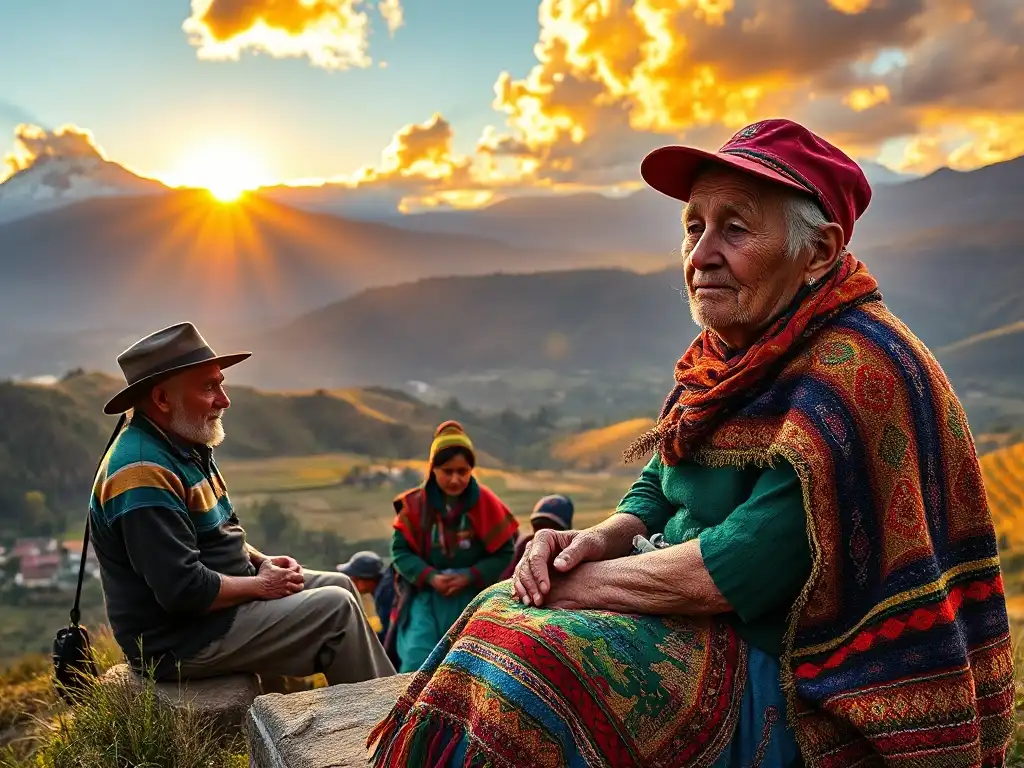
Uncover the whispers of a lost world. For centuries, the towering peaks of the Andes have guarded secrets – secrets now echoing in the vibrant threads of Andean civilizations spoken history. Journey with us through the captivating legacies of the Incas, Moche, Nazca, and Tiahuanaco, and discover how their voices still resonate today. Prepare to be amazed by the enduring power of their spoken word. Explore the fascinating story of Andean languages and the rich tapestry of their cultural heritage.
The Andes Mountains, a spine of towering peaks running down the western coast of South America, have witnessed the rise and fall of countless civilizations. While impressive ruins and intricate artifacts offer a glimpse into the past, the true heart of Andean history beats in the rhythm of spoken words – a legacy of oral traditions that continues to resonate today.
This article delves into the importance of spoken history in understanding the rich tapestry of Andean cultures, exploring how oral traditions preserved knowledge, shaped societal structures, and continue to influence the lives of Andean communities. We will examine the challenges faced in preserving these invaluable narratives and discuss the vital role they play in maintaining cultural identity and heritage in the face of globalization and modernization.
Understanding Andean civilizations' spoken history is crucial to appreciating the full scope of their ingenuity, resilience, and enduring cultural legacy. This exploration will focus on the unique ways oral traditions functioned among different Andean groups, highlighting the diversity within this ancient and vibrant region.
The Power of Storytelling: Preserving Knowledge Across Generations
For centuries, before the advent of writing systems widely adopted in the Andes, knowledge, history, and cultural values were meticulously passed down through generations via oral traditions. Storytelling was not merely entertainment; it was a sacred duty, a vital mechanism for transmitting essential information about agriculture, astronomy, social customs, and ancestral beliefs. These narratives, often imbued with mythological elements and poetic language, served as a living archive, ensuring the continuity of cultural identity and practices.
The intricate details of Inca road systems, for example, were likely passed down orally, alongside knowledge of medicinal plants and agricultural techniques vital for survival in the challenging Andean terrain. These stories, recited and re-enacted, fostered a strong sense of community and shared identity, binding people together across vast distances and diverse landscapes.
The effectiveness of this system is evident in the longevity and complexity of Andean cultures, demonstrating the power of spoken word to sustain a civilization for centuries. [Specific examples of Inca oral traditions regarding road systems and agriculture pending]
Linguistic Diversity and Oral Traditions: A Tapestry of Voices
The Andes are not a monolith; they are a region of remarkable linguistic diversity. Numerous indigenous languages, each with its own unique oral traditions, flourished before and during the Inca Empire and continue to exist, albeit with varying degrees of vitality, today. Each language holds a unique treasure trove of stories, songs, and proverbs that reflect the specific cultural nuances and historical experiences of its speakers.
The Quechua language, for instance, boasts a rich repertoire of oral literature, including epic poems and mythological narratives. Similarly, Aymara, another prominent Andean language, has its own distinct oral traditions, reflecting the cultural values and historical perspectives of its speakers.
The diversity of these oral traditions underscores the richness and complexity of Andean cultural heritage and highlights the importance of preserving these linguistic and cultural resources. [Specific examples of oral traditions in Quechua and Aymara languages pending – including types of stories and their social function].
Challenges to Preservation: Modernity and the Fight for Cultural Survival
The 20th and 21st centuries have presented significant challenges to the preservation of Andean oral traditions. Globalization, urbanization, and the dominance of Spanish have led to a decline in the use of many indigenous languages, threatening the survival of the rich oral histories they carry. Furthermore, the rapid pace of societal change has disrupted traditional forms of knowledge transmission, making it increasingly difficult to pass down these invaluable cultural legacies to younger generations.
However, there are ongoing efforts to revitalize and document these oral traditions, including community-based initiatives, language revitalization programs, and academic research projects dedicated to recording and analyzing these precious narratives. The fight to preserve Andean spoken history is a fight for cultural survival, a testament to the enduring power of community and the importance of valuing cultural diversity. [Specific examples of initiatives aimed at preserving Andean oral traditions pending].
The Enduring Legacy: Oral Traditions in Contemporary Andean Life
Despite the challenges, Andean oral traditions continue to play a vital role in contemporary Andean life. Many communities actively maintain their storytelling traditions, using them to educate younger generations, reinforce cultural identity, and celebrate their heritage. These narratives are not relics of the past; they are living, breathing components of present-day Andean society, shaping values, influencing social interactions, and providing a sense of continuity and belonging.
The continued practice of these oral traditions demonstrates the resilience of Andean cultures and their ability to adapt while preserving their unique identities. [Specific examples of how oral traditions are used in contemporary Andean life pending].
- The Power of Storytelling: Preserving Knowledge Across Generations
- Linguistic Diversity and Oral Traditions: A Tapestry of Voices
- Challenges to Preservation: Modernity and the Fight for Cultural Survival
- The Enduring Legacy: Oral Traditions in Contemporary Andean Life
- What is the significance of spoken history in understanding Andean civilizations?
- How did Andean civilizations transmit their history orally?
- Are there any examples of surviving oral traditions from Andean civilizations?
- How does the study of spoken history challenge traditional historical narratives?
- Where can I learn more about the spoken history of Andean civilizations?
The Enduring Power of Oral Tradition in Andean Civilizations
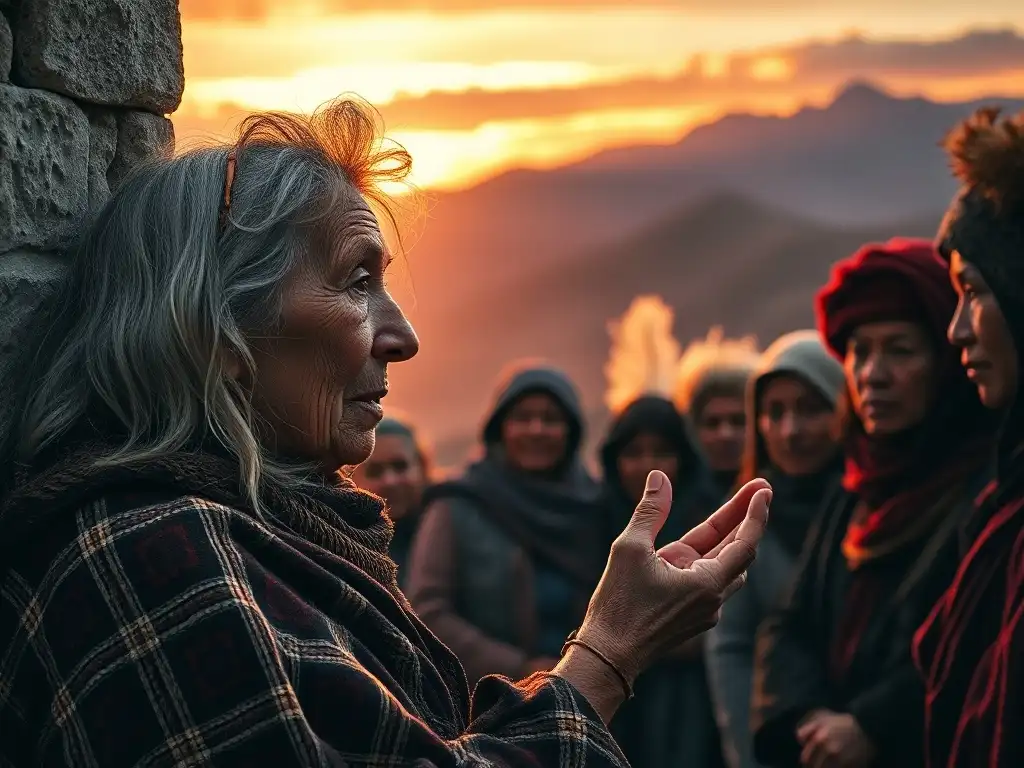
The Andes Mountains, a spine of towering peaks stretching along the western coast of South America, have witnessed the rise and fall of numerous sophisticated civilizations. While written records exist for some periods, notably the Inca Empire's quipus (knotted-string record-keeping system), the vast majority of Andean history and cultural knowledge was – and in many ways, still is – transmitted through oral tradition.
This section explores the enduring power and significance of this spoken history, demonstrating its crucial role in preserving Andean cultural heritage and understanding the complexities of these fascinating societies. The impact of oral traditions on shaping the identity and worldview of Andean communities continues to resonate even today, making the study of spoken history paramount for comprehending Andean civilizations.
This rich tapestry of storytelling, songs, myths, and rituals provides invaluable insights into the social structures, beliefs, and daily lives of these ancient peoples. Understanding this oral legacy allows us to appreciate the vibrant diversity and resilience of Andean cultures.
Understanding the Significance of Spoken History in the Andes
The significance of spoken history in the Andes cannot be overstated. For centuries, before the arrival of the Spanish and the introduction of widespread literacy, oral tradition served as the primary vehicle for transmitting knowledge, values, and cultural practices across generations. This wasn't simply a matter of storytelling; it was a carefully constructed system involving specialized roles and techniques to ensure accuracy and continuity.
Consider, for example, the role of yachaq (shamans or wise ones) in Inca society. These individuals were not only spiritual leaders but also keepers of vast stores of historical and cosmological knowledge, entrusted with the responsibility of passing down this information through meticulously structured oral narratives. These narratives weren't merely entertaining tales; they provided crucial context for understanding the world, navigating social relationships, and maintaining cultural identity.
The complexity of Andean oral traditions is further highlighted by the existence of diverse linguistic groups, each with its own unique storytelling styles and traditions. The sheer variety of languages spoken across the Andes reflects the rich cultural diversity of the region and the intricate ways in which oral history shaped the distinct identities of each community.
While many languages have been lost or marginalized, the surviving oral traditions continue to offer valuable clues to the linguistic landscape of the past and the connections between different Andean communities. The ongoing efforts to document and preserve these spoken histories are crucial for understanding the full scope of Andean linguistic diversity and its profound impact on cultural development.
Why Oral Accounts Matter: Preserving Andean Culture
The preservation of Andean oral traditions is not merely an academic exercise; it's a vital component of maintaining cultural identity and fostering community cohesion. Oral histories provide a living connection to the past, allowing contemporary Andean communities to trace their lineage and understand their place within a larger historical narrative. These accounts offer insights into ancestral knowledge systems, including traditional medicine, agricultural practices, and environmental stewardship – all crucial elements of Andean sustainability and resilience. The continued practice of oral traditions strengthens social bonds and transmits cultural values, ensuring the transmission of vital skills and knowledge to future generations.
Furthermore, the study of Andean oral traditions offers valuable perspectives on broader historical and anthropological questions. By analyzing the themes, structures, and variations in oral narratives, scholars can gain a deeper understanding of Andean social structures, religious beliefs, and interactions with their environment. For instance, the recurring motifs of reciprocity, ancestor veneration, and the relationship between humans and nature in Andean oral narratives provide crucial insights into the core values and worldview of these societies.
These narratives are not simply historical accounts; they are living expressions of cultural identity, offering a powerful lens through which to understand the enduring legacy of Andean civilizations. The continued documentation and analysis of these oral histories are essential for a more complete and nuanced understanding of Andean civilizations and their lasting impact on the world.
Key Aspects of Andean Spoken History
This section delves into the crucial role of spoken history in shaping the understanding of Andean civilizations. While written records exist, the vibrant tapestry of Andean history is profoundly interwoven with oral traditions, passed down through generations via intricate systems of storytelling, ritual, and social structures. Understanding these methods is key to unlocking a deeper comprehension of Andean societies and their enduring legacy.
The preservation of this spoken history is not merely a historical curiosity; it represents a living connection to the past and a powerful force shaping Andean identity today. The following sections will explore key aspects of this rich oral heritage, focusing on the "Andean civilizations spoken history".
The Role of Yachaq in Andean Societies
The yachaq, often translated as "wise one" or "knowledgeable person," played a pivotal role in Andean societies. These individuals were not simply storytellers; they were keepers of knowledge, spiritual guides, and interpreters of the world. Their expertise encompassed a wide range of domains, including:
- Cosmology and Astronomy: Yachaqs possessed deep understanding of the celestial movements, using this knowledge to predict agricultural cycles, plan ceremonies, and maintain a harmonious relationship with the natural world. Their interpretations of constellations and celestial events shaped Andean worldview and calendar systems.
- Medicine and Healing: Proficient in herbal remedies and traditional healing practices, yachaqs treated illnesses, injuries, and spiritual ailments. Their knowledge was often intertwined with their understanding of the spirit world and the balance of nature.
- Social and Political Order: Yachaqs often served as advisors to leaders, providing guidance on matters of governance, conflict resolution, and community well-being. Their influence extended to all aspects of social life.
The transmission of knowledge from yachaq to apprentice involved a rigorous process of apprenticeship, often spanning years. This involved not only memorization of vast amounts of information but also the development of a deep understanding of the underlying principles and ethical frameworks. This system ensured the continuity of cultural practices and the preservation of Andean traditions across generations. Their role highlights the deeply intertwined nature of spiritual, social, and practical knowledge within Andean societies, emphasizing the importance of oral transmission in maintaining cultural integrity.
Transmission of Knowledge Through Ayllu Narratives
The ayllu, a kinship-based community structure, served as a crucial vehicle for the transmission of Andean history and cultural values. Narratives, songs, and rituals were passed down through generations within the ayllu, creating a strong sense of collective identity and shared history. These narratives weren't merely entertaining stories; they served practical functions:
- Maintaining Social Cohesion: Ayllu narratives reinforced social norms, values, and responsibilities, fostering cooperation and solidarity within the community. Stories of ancestors, heroes, and community events strengthened social bonds and established a shared sense of belonging.
- Land Management and Resource Allocation: Oral histories often included details about land ownership, water rights, and resource management practices. These narratives played a crucial role in regulating access to vital resources and resolving potential conflicts.
- Historical Record-Keeping: Ayllu narratives served as a living archive of community history, preserving memories of significant events, migrations, and social changes. These stories were not static; they adapted and evolved over time, reflecting the changing circumstances of the community.
The use of mnemonic devices, such as repetitive patterns, songs, and symbolic imagery, facilitated the accurate transmission of complex information across generations. This intricate system ensured the preservation of historical knowledge and cultural practices, even in the absence of a written language. The ayllu, therefore, wasn't just a social unit; it was a living repository of Andean history and cultural memory. The strength of these oral traditions is a testament to the effectiveness of community-based knowledge transmission.
Memory and the Preservation of Andean History
The preservation of Andean spoken history relies heavily on collective memory. This is not simply a matter of individual recall; it's a dynamic process involving the active participation of the entire community. The following factors contribute significantly to this preservation:
- Ritual and Ceremony: Rituals and ceremonies played a crucial role in reinforcing historical narratives and cultural values. These events provided opportunities for the recitation of ancestral stories, the enactment of historical events, and the reaffirmation of community identity.
- Intergenerational Transmission: Elderly members of the community played a vital role in transmitting knowledge to younger generations. This process often involved storytelling, apprenticeship, and participation in community events. This intergenerational dialogue is essential for the ongoing preservation of Andean oral traditions.
- Adaptation and Evolution: Andean oral traditions are not static; they adapt and evolve over time, reflecting the changing circumstances of the communities that preserve them. This dynamic nature allows for the incorporation of new experiences and perspectives while maintaining the core elements of the cultural heritage.
The continued vitality of Andean spoken history is a testament to the resilience and adaptability of Andean cultures. Despite the challenges of colonization and globalization, these traditions have persisted, demonstrating their enduring importance in shaping Andean identity and cultural continuity. The study of Andean civilizations spoken history thus offers a unique perspective on the complex interplay between memory, community, and cultural preservation. It emphasizes the living, breathing nature of history, a history that continues to shape the present and future of Andean communities.
Examples of Andean Oral Traditions
This section delves into specific examples of how oral traditions have preserved and transmitted the history and cultural heritage of Andean civilizations. These narratives, songs, and genealogies offer invaluable insights into the worldview, social structures, and historical events of these fascinating societies. Understanding these oral traditions is crucial to comprehending the richness and complexity of Andean civilizations spoken history. The enduring power of these stories highlights the importance of oral transmission in shaping cultural identity and historical memory across generations.
The Legend of Tunupa and the Creation of Lake Titicaca
The legend of Tunupa and the creation of Lake Titicaca is a powerful example of Andean cosmology and oral storytelling. This myth, passed down through generations in various Quechua and Aymara dialects, explains the origin of the lake, considered sacred by many Andean communities. The story typically features Tunupa, a powerful female deity, and her husband, who, due to various betrayals and misfortunes, ultimately shape the landscape of the Altiplano.
The tale often involves themes of fertility, betrayal, and the enduring power of nature. Different versions of the legend exist across various communities, showcasing the dynamic and evolving nature of oral traditions. These variations, while distinct, share common thematic elements, highlighting the core beliefs and values of the Andean worldview.
The legend's enduring popularity underscores its significance in shaping cultural identity and transmitting knowledge about the environment and the spiritual world. Analyzing the various versions reveals a complex interplay of geographical context, cultural beliefs, and historical influences. Indeed, the tale of Tunupa and Lake Titicaca exemplifies the richness and complexity of Andean civilizations spoken history, offering a glimpse into a deeply spiritual and interconnected understanding of the world.
The Importance of Quechua Songs in Andean Cultures
Quechua songs, or harawi, played a vital role in preserving Andean history and cultural values. These songs were not merely forms of entertainment; they served as powerful vehicles for transmitting historical narratives, social commentary, and spiritual beliefs. Many harawi recount historical events, recounting the exploits of legendary figures or commemorating significant moments in community history. Others convey social messages, addressing issues of justice, inequality, or community cohesion.
The musicality of the harawi enhances their memorability and ensures the transmission of information across generations. The melodies, rhythms, and poetic structures contribute to the emotional impact of the songs, reinforcing their role in shaping cultural identity and transmitting knowledge. Different styles of harawi exist, reflecting regional variations and diverse cultural expressions.
The study of Quechua songs provides invaluable insights into the social, political, and spiritual life of Andean communities, revealing a complex tapestry of cultural practices and beliefs. The sustained presence of harawi in contemporary Andean cultures demonstrates the enduring power of oral tradition in shaping collective memory and cultural continuity. The study of these songs offers a unique window into Andean civilizations spoken history, enriching our understanding of their rich cultural heritage.
Historical Narratives and Genealogies: Tracing the Lineage of the Inca
Oral traditions played a crucial role in maintaining the Inca's complex social hierarchy and political legitimacy. Genealogies, meticulously remembered and recited by amautas (wise men), traced the lineage of the Sapa Inca, the emperor, back to the mythical origins of the Inca civilization. These genealogies were not merely lists of names; they were carefully constructed narratives that legitimized the Inca's rule and their claim to power.
The genealogies interwoven with historical narratives, recounted the achievements of past Incas, emphasizing their divine connection and their success in expanding the empire. These stories served as powerful tools for social control, reinforcing the authority of the ruling elite and maintaining social order. The details embedded within these oral traditions provide valuable historical information, offering insights into the Inca's political structure, religious beliefs, and administrative practices.
While much of the Inca’s written record was destroyed during the Spanish conquest, the survival of these oral traditions allowed for the partial reconstruction of their history. The meticulous preservation of these genealogies and narratives highlights the sophistication of the Inca’s oral culture and the importance of spoken history in maintaining their power and cultural identity. This aspect of Andean civilizations spoken history provides an essential lens through which to understand the intricacies of Inca society and its lasting impact on the Andean region.
The Challenges and Resilience of Andean Oral Traditions
The preservation of Andean civilizations' spoken history presents unique challenges, stemming from both historical events and the inherent nature of oral transmission. Unlike written records, oral traditions are vulnerable to changes over time, influenced by individual memory, retellings, and cultural shifts. This dynamism, while a characteristic of living cultures, also makes accurate reconstruction and preservation a complex endeavor. The sheer diversity of languages across the Andes further complicates the task; each language carries its own unique vocabulary, grammar, and narrative styles, requiring specialized expertise for accurate documentation and interpretation.
This linguistic diversity, however, is also a testament to the richness and resilience of Andean cultures. The very existence of numerous indigenous languages, despite centuries of pressure to adopt Spanish, represents a remarkable feat of cultural preservation. Understanding the difficulties inherent in preserving oral traditions is crucial to appreciating the significant efforts undertaken to safeguard this invaluable heritage.
The Impact of Spanish Colonization on Spoken History
The Spanish conquest profoundly impacted Andean spoken history. The systematic suppression of indigenous languages, coupled with the imposition of Spanish as the dominant language, led to a significant loss of oral traditions. Many stories, songs, and historical accounts were lost or significantly altered during this period.
The forced conversion to Catholicism also played a role, as indigenous belief systems and associated oral narratives were often actively discouraged or even persecuted. The colonial administration's deliberate efforts to erase indigenous cultures left a lasting scar on the preservation of Andean spoken history. Consider, for example, the destruction of countless pre-Columbian texts and the suppression of indigenous religious practices which were deeply intertwined with oral traditions.
This deliberate cultural erasure resulted in a significant gap in our understanding of pre-colonial Andean societies, making the task of reconstructing a complete picture incredibly challenging. The echoes of this colonial impact are still felt today, highlighting the need for ongoing efforts to recover and revitalize indigenous languages and their associated oral histories.
Modern Efforts to Preserve and Revitalize Indigenous Languages
Despite the historical challenges, significant efforts are underway to preserve and revitalize Andean indigenous languages and their associated oral traditions. Linguists and anthropologists work collaboratively with indigenous communities to document existing oral narratives, songs, and rituals. These efforts often involve recording spoken narratives, translating them into other languages, and archiving them for future generations.
Furthermore, educational initiatives focus on teaching indigenous languages in schools and communities, aiming to instill a sense of pride and ownership in these linguistic heritages. Community-based projects play a vital role in this process, empowering indigenous peoples to actively participate in the preservation of their own cultural heritage. These initiatives range from language immersion programs to the creation of dictionaries and grammars for lesser-known Andean languages.
The use of technology, such as digital recording and online archives, also plays a crucial role in expanding access to and facilitating the dissemination of these invaluable oral histories. The success of these efforts hinges on the active participation of indigenous communities, ensuring that the preservation process respects cultural sensitivities and promotes linguistic revitalization.
The Future of Andean Spoken History
The future of Andean spoken history depends on continued collaboration between researchers, educators, and indigenous communities. Sustained funding for language documentation projects, coupled with the integration of indigenous languages into educational curricula, are crucial for long-term preservation.
The incorporation of technology offers exciting possibilities for wider access to and dissemination of oral histories, utilizing digital platforms to reach broader audiences and connect communities. However, it is essential to ensure the ethical and responsible use of technology, respecting the intellectual property rights of indigenous communities and avoiding the potential for cultural appropriation.
The focus must remain on empowering indigenous peoples to control and manage their own cultural heritage, ensuring that their voices are heard and their stories are preserved for generations to come. The ongoing commitment to documenting and revitalizing Andean languages is not merely an academic exercise; it is a vital act of cultural preservation, ensuring the vibrant legacy of Andean civilizations continues to resonate through the spoken word.
The Interconnection Between Andean Languages and Oral History

The vibrant tapestry of Andean civilizations is inextricably woven with the threads of oral tradition. For centuries, before the advent of widespread writing systems, the transmission of knowledge, history, beliefs, and cultural practices relied heavily on spoken word. This oral history, deeply embedded within the structure of Andean languages like Quechua and Aymara, continues to resonate today, shaping identities and influencing modern cultural expressions.
Understanding this interconnection is crucial to appreciating the enduring legacy of these ancient societies and the profound impact of their linguistic heritage on their descendants. The survival and continued use of these languages are directly linked to the preservation of their rich oral history, making the study of Andean languages and oral history intrinsically intertwined. The vitality of Andean civilizations spoken history is a testament to the power of oral transmission and the resilience of indigenous cultures.
How Quechua and Aymara Shaped Oral Storytelling
Quechua and Aymara, two of the most prominent Andean languages, played a pivotal role in shaping the unique forms of oral storytelling prevalent in the region. Quechua, for instance, boasts a rich poetic tradition, with complex narrative structures and stylistic devices employed to enhance memorability and emotional impact. Epics, myths, and historical accounts were passed down through generations, often employing mnemonic devices such as repetitive phrases, rhythmic patterns, and symbolic imagery.
These techniques ensured the accurate and engaging transmission of information, even across vast distances and significant time spans. Similarly, Aymara oral traditions often incorporated elements of music and dance, transforming storytelling into a vibrant, communal experience. The use of specific musical instruments and dance movements served as visual and auditory cues, further strengthening memory retention and enhancing the narrative's emotional resonance.
The interplay between language, music, and movement created a powerful and enduring form of cultural expression. Analyzing these linguistic structures reveals insights into the cognitive processes involved in oral transmission and the sophisticated techniques employed to preserve cultural knowledge.
Linguistic Diversity and the Richness of Oral Traditions
The Andean region wasn't monolingual; a diverse array of languages contributed to the richness and complexity of its oral traditions. While Quechua and Aymara stand out for their widespread use, numerous other indigenous languages, each with its unique linguistic features and storytelling styles, flourished in different regions. This linguistic diversity fostered a remarkable variety of oral narratives, reflecting the distinct cultural identities and experiences of various Andean communities.
For example, the oral histories of the Aymara people in Bolivia differ significantly from those of the Quechua speakers in Peru, reflecting unique historical trajectories and cultural adaptations. This linguistic heterogeneity is a powerful reminder of the importance of preserving all Andean languages, as each holds a unique and invaluable piece of the region's rich oral heritage.
The loss of any one language represents an irreplaceable loss of cultural knowledge and historical perspective. Further research is needed to fully document and analyze the oral traditions associated with less-studied Andean languages, ensuring that this vital aspect of their cultural heritage is not lost.
The Role of Indigenous Languages in Preserving Cultural Memory
The preservation of indigenous Andean languages is paramount for safeguarding their cultural memory. Oral traditions, passed down through generations in these languages, serve as repositories of invaluable knowledge concerning history, cosmology, social structures, and traditional practices. These narratives are not merely stories; they are living records that shape cultural identity, inform social behavior, and transmit essential skills and knowledge.
The decline of indigenous languages poses a significant threat to this cultural memory. When a language disappears, so too does a unique perspective on the world, a specific set of cultural values, and a wealth of accumulated knowledge. Therefore, efforts to revitalize and promote the use of indigenous Andean languages are not merely linguistic initiatives; they are crucial steps in preserving a vital part of humanity's cultural heritage.
The continued use and study of these languages are essential for understanding the complex history and cultural achievements of Andean civilizations and for ensuring the survival of their rich oral legacy. Active participation in language preservation programs is crucial for the future of Andean civilizations spoken history.
The Value of Studying Andean Spoken History

The study of Andean civilizations' spoken history offers a unique and invaluable lens through which to understand these fascinating cultures. While written records exist for some periods and groups, the oral tradition—passed down through generations—holds a wealth of information unavailable elsewhere. This section explores the profound insights gleaned from analyzing this rich tapestry of spoken narratives, songs, and rituals, focusing on its contribution to our understanding of Andean worldviews, social structures, and the enduring connection to the past.
Understanding the nuances of Andean spoken history allows us to move beyond simplistic narratives and engage with the complexities of these societies on their own terms. The preservation and study of these oral traditions are crucial not only for academic research but also for fostering cultural preservation and empowering indigenous communities. This is vital in understanding the development of the Andean civilizations spoken history.
Insights Into Andean Worldviews and Beliefs
Andean worldviews are deeply intertwined with their environment and spiritual beliefs. Oral traditions reveal a cosmology profoundly different from Western perspectives. For example, stories about the apus (mountain spirits) and pachamama (Mother Earth) illustrate the deep reverence for nature and the interconnectedness of all living things.
These narratives aren't merely myths; they are living expressions of a worldview that shaped Andean societies' social structures, agricultural practices, and even their political systems. Analysis of these narratives reveals a complex understanding of the cosmos, including the interplay between the earthly and spiritual realms, and the importance of maintaining balance within the pacha. Further research into the specific vocabulary used in these narratives could reveal subtle shifts in Andean worldviews over time, reflecting adaptation to environmental changes or societal transformations.
The detailed descriptions of rituals and ceremonies within oral accounts offer valuable insights into Andean religious practices and their significance in daily life. The study of Andean civilizations spoken history, therefore, provides a powerful tool for understanding the complex relationship between humans and the natural world in the Andes.
Oral histories provide critical insights into the social structures of Andean communities. Unlike written records that often focus on elites, oral traditions frequently preserve the perspectives and experiences of common people. These narratives illuminate the intricacies of kinship systems, social hierarchies, and power dynamics within Andean societies.
For instance, stories about ayllus (kinship groups) reveal the importance of communal living and reciprocal obligations. Detailed analysis of these stories can help us understand the complexities of Andean social organization, including the roles of different social groups and the mechanisms for conflict resolution. By analyzing the language used in these oral accounts, including terms of address and kinship terminology, researchers can gain a deeper understanding of social relationships and hierarchies.
Further research is needed to explore how different Andean communities structured their societies, particularly regarding gender roles and the participation of women in community leadership. The subtle variations in oral traditions across different regions also highlight the diversity of Andean social structures and the importance of local contexts.
Connecting with the Past Through Living Oral Traditions
The preservation and study of Andean oral traditions are not merely academic exercises; they are vital for connecting with the past and fostering cultural continuity. Many indigenous communities actively maintain their oral traditions, passing down stories, songs, and rituals to new generations. This living legacy demonstrates the enduring power of oral history and its importance in shaping cultural identity.
By working collaboratively with indigenous communities, researchers can ensure the responsible and ethical documentation and preservation of these invaluable cultural resources. This collaborative approach not only respects the cultural heritage of Andean communities but also enhances the accuracy and richness of research findings. Furthermore, supporting initiatives that promote the revitalization and transmission of Andean languages is crucial for safeguarding the oral traditions they carry.
The preservation of these traditions is not just about historical accuracy; it's about empowering indigenous communities to maintain their cultural heritage and contribute to a more inclusive understanding of Andean history. The continuing study of Andean civilizations spoken history, therefore, is a crucial aspect of cultural preservation and community empowerment.
Conclusion: Celebrating the Enduring Legacy of Andean Spoken History
This exploration of Andean civilizations' spoken history reveals a vibrant tapestry woven from threads of storytelling, song, and ritual. Far from a static relic of the past, this oral tradition remains a dynamic force, shaping contemporary Andean identities and offering invaluable insights into the complexities of these ancient societies. The survival and continued relevance of these oral histories are a testament to the resilience and cultural richness of Andean communities. Understanding their significance is crucial not only for historical accuracy but also for appreciating the living cultural heritage of the Andes. The preservation and promotion of these traditions are vital for ensuring that the voices of the past continue to resonate in the present and into the future. The echoes of Andean spoken history are not merely whispers from the past; they are powerful voices shaping the present and informing the future. We must actively listen and learn from them.
The Importance of Protecting and Promoting Oral Traditions
The fragility of oral traditions necessitates proactive measures for their preservation. The passing of knowledge relies on the continued engagement of communities, the dedication of storytellers, and the support of institutions. Several key strategies are vital:
- Documentation and Archiving: Systematic recording of oral narratives, songs, and rituals, using modern technologies, is crucial. This includes careful transcriptions, translations, and contextual information. This process needs to be done with the full participation and consent of the communities involved, respecting their intellectual property rights and cultural sensitivities. The digital age offers unprecedented opportunities for the preservation and dissemination of these valuable resources, but careful consideration must be given to issues of access and control.
- Community-Based Initiatives: Empowering local communities to lead the preservation efforts is paramount. This involves providing resources, training, and support for community-based archiving projects, language revitalization programs, and initiatives that promote intergenerational knowledge transfer. The active involvement of elders and younger generations is essential for ensuring the continuity of these traditions.
- Educational Programs: Integrating Andean oral traditions into educational curricula at all levels can foster appreciation and understanding among future generations. This includes developing culturally sensitive teaching materials and training educators to effectively engage with these rich narratives. The inclusion of oral histories in schools and universities helps ensure that these traditions are not only preserved but also actively celebrated.
- International Collaboration: International cooperation among researchers, institutions, and governments is essential to support preservation efforts and promote cross-cultural understanding. Sharing best practices, resources, and expertise can significantly enhance the effectiveness of preservation initiatives. The Andean region is incredibly diverse, and collaboration is key to protecting the variety of oral traditions within it.
The Enduring Power of Andean Voices
The continued relevance of Andean spoken history is undeniable. These narratives offer profound insights into:
- Social Structures: Oral traditions reveal intricate details about social hierarchies, kinship systems, and governance structures, often providing a nuanced perspective that complements archaeological findings. The stories passed down through generations often hold clues about aspects of social life that are not readily apparent through other sources.
- Cosmological Beliefs: Myths and legends illuminate the complex cosmological beliefs and worldview of Andean civilizations, providing a window into their understanding of the natural world and their place within it. These stories often contain intricate details about Andean spirituality and their relationship with the cosmos.
- Environmental Knowledge: Traditional ecological knowledge embedded in oral histories offers valuable insights into sustainable practices and resource management. These stories often contain practical wisdom about agriculture, animal husbandry, and environmental stewardship. Understanding these traditions can be crucial for addressing contemporary environmental challenges.
- Resilience and Adaptation: Andean oral histories demonstrate the remarkable resilience and adaptability of Andean communities in the face of environmental changes, social upheavals, and colonial encounters. These narratives showcase the ability of Andean people to overcome adversity and maintain their cultural identity.
The study of Andean civilizations spoken history is not merely an academic pursuit; it is a journey into the heart of a living culture. By actively preserving and promoting these invaluable traditions, we honor the legacy of past generations and ensure that the voices of the Andes continue to inspire and enrich our world. The continued study and understanding of these traditions are vital for a complete appreciation of the Andean civilizations and their enduring impact. 🌎
Frequently Asked Questions
What is the significance of spoken history in understanding Andean civilizations?
Spoken history, passed down through generations, offers invaluable insights into Andean cultures that are often missing from written records. It preserves oral traditions, beliefs, and social structures, providing a richer, more nuanced understanding. This is crucial for understanding their worldview.
How did Andean civilizations transmit their history orally?
Andean peoples used various methods including storytelling, songs, poetry, and rituals. These were often accompanied by memorization techniques and symbolic objects to aid recall and transmission across generations. This ensured cultural continuity.
Are there any examples of surviving oral traditions from Andean civilizations?
Yes, many contemporary Andean communities still maintain oral traditions that connect them to their ancestral past. These include myths, legends, and practical knowledge related to agriculture, medicine, and social organization. These traditions are actively being preserved and studied.
How does the study of spoken history challenge traditional historical narratives?
The study of oral traditions often reveals alternative perspectives and challenges the Eurocentric bias present in many written historical accounts. It provides a more inclusive and accurate representation of Andean history. It highlights the limitations of written records alone.
Where can I learn more about the spoken history of Andean civilizations?
You can explore academic journals, ethnographic studies, and documentaries focusing on Andean cultures. Engaging with indigenous communities and their cultural centers directly is also a powerful way to learn more. Many museums and universities also offer resources.
Final Reflection: Echoes of the Past, Voices of the Future
The preservation of Andean oral traditions is not merely an academic pursuit; it is a vital lifeline connecting us to a rich tapestry of human experience and a powerful testament to the enduring strength of indigenous cultures. The vibrant narratives, songs, and rituals passed down through generations offer invaluable insights into a world often overlooked by conventional historical accounts, reminding us that history is not solely found in written texts but also in the living memory of communities.
The impact of colonization and globalization on Andean oral traditions has been profound, threatening the very existence of these invaluable cultural treasures. Yet, the resilience of Andean communities in maintaining and revitalizing their spoken histories is truly inspiring. The stories we tell are not just stories; they are the very foundation upon which our identity is built.
This sentiment rings true for the Andean peoples, whose oral histories are not simply narratives of the past, but active forces shaping their present and future. Their continued efforts to preserve and share their stories are a powerful act of resistance and a beacon of hope for the preservation of cultural diversity worldwide.
Consider the echoes of these ancient voices. What resonates with you? How can you, in your own life, contribute to the preservation of diverse cultural narratives and the celebration of untold stories? Let the Andean echoes inspire you to listen more deeply, to learn from the past, and to actively participate in building a future where all voices are heard and valued. The legacy of the Andes awaits your engagement.
Unveil the Power of Andean Stories!
Thank you for exploring the fascinating world of Andean history with us! By delving into the vibrant narratives and traditions that shape this rich culture, you've gained a deeper understanding of the profound impact of oral history. Now, let's put that knowledge to work!
Here are some ways you can further engage with this living legacy:
- **Attend** local Andean community events or cultural festivals to immerse yourself in the stories shared by oral historians.
- **Share** this article with friends and family to spark conversations about preserving oral histories.
- **Enroll in** workshops or online courses focused on Andean culture to learn from experts and connect with others who share your interest.
What stories or traditions from your own cultural heritage would you like to preserve for future generations?