
The Political Significance of Quechua: A Language of Empowerment

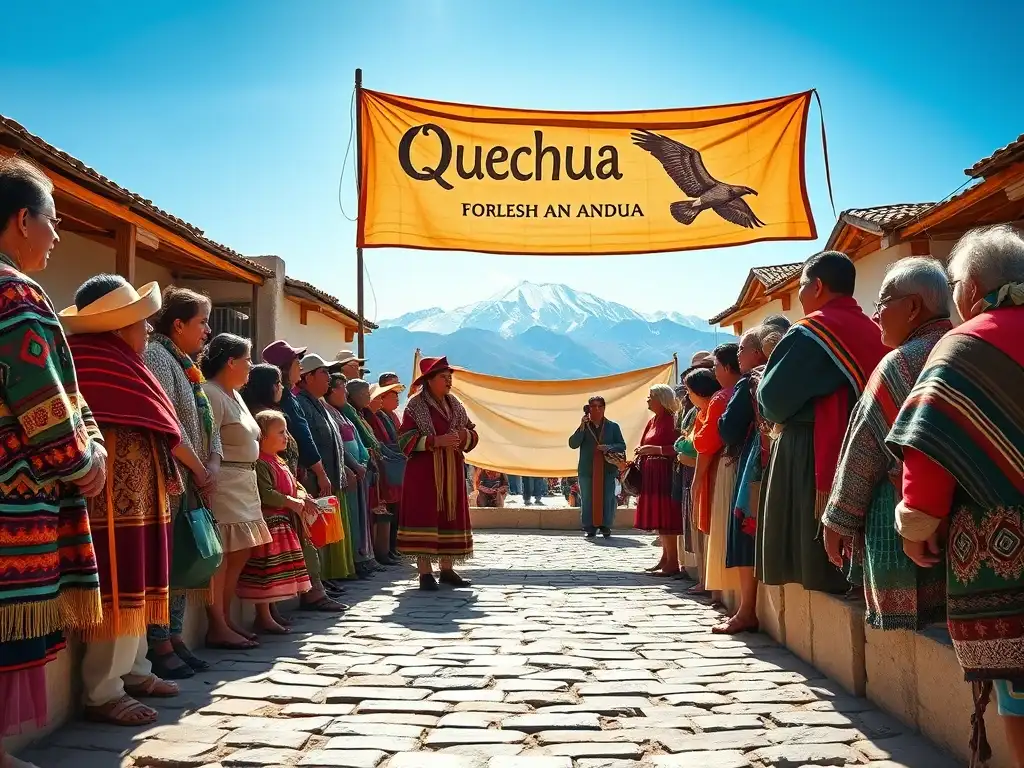
Dive into the captivating world of Andean Civilizations! From the intricate artistry of the Nazca Lines to the sophisticated engineering of Machu Picchu, we unravel the mysteries of these remarkable societies. But what truly shaped their power and longevity? Discover the surprising political significance of the Quechua language, and how it became a tool of both empowerment and control. Uncover the untold stories behind its influence – your journey into the heart of Andean history begins now.
Quechua, far from being merely a linguistic artifact of the Andes, played – and continues to play – a pivotal role in the political landscape of its speakers. This article delves into the multifaceted political significance of Quechua, exploring its historical influence on the Inca Empire and its enduring relevance in contemporary Andean societies.
We will examine how Quechua served as a tool for unification, control, and ultimately, resistance, highlighting its powerful role in shaping the political identities and movements of the Andean region. Understanding the political influence of Quechua is crucial to comprehending the complex history and ongoing struggles for self-determination within the Andean world.
We will analyze specific examples of how Quechua's use has been instrumental in political processes, from the Inca's administrative system to modern-day indigenous activism. The enduring legacy of Quechua as a language of empowerment is a testament to its deep connection to Andean identity and political agency.
Quechua in the Inca Empire: A Tool for Unification and Control
The Inca Empire's remarkable expansion across the diverse Andean landscape was facilitated significantly by the strategic implementation of Quechua as the official language of administration. While the empire encompassed numerous indigenous groups speaking various languages, the imposition of Quechua as a lingua franca allowed for effective communication and the efficient management of resources and populations across vast distances. This standardization, however, was not simply a neutral act of administrative convenience.
The widespread adoption of Quechua served as a powerful tool for consolidating Inca power and subtly asserting cultural dominance. The use of Quechua in official documents, administrative decrees, and religious ceremonies cemented its status as the language of the ruling elite, reinforcing the empire's authority and centralizing control.
The strategic placement of Quechua-speaking officials throughout the empire further solidified this control, ensuring that the emperor's directives were effectively disseminated and implemented. This linguistic unification, while promoting administrative efficiency, also effectively marginalized other Andean languages, contributing to a complex legacy of linguistic and cultural dominance.
Quechua as a Symbol of Resistance and Identity
Despite its use as a tool of imperial control, Quechua also served as a powerful symbol of resistance and cultural identity for Andean populations. Following the Spanish conquest and the subsequent suppression of Inca institutions, Quechua endured as a crucial element of indigenous cultural preservation. The continued use of Quechua in private spheres and within communities became a subtle act of defiance against colonial rule.
The language itself became a repository of cultural memory, transmitting oral traditions, historical accounts, and indigenous knowledge across generations. Furthermore, the resurgence of Quechua in recent decades as a language of political mobilization underscores its enduring importance as a marker of indigenous identity and a vehicle for political action. Many indigenous movements utilize Quechua as a means of expressing their collective identity, reclaiming their cultural heritage, and advocating for their rights within a broader political context.
Quechua in Contemporary Andean Politics: A Language of Empowerment
Today, Quechua continues to play a significant role in the political landscape of the Andes. Its resurgence is evident in several key areas: the increasing use of Quechua in education, government, and media; the growth of indigenous political organizations that actively promote the use of Quechua; and the ongoing efforts to revitalize and standardize the language in the face of linguistic globalization.
The fight for official recognition and the implementation of bilingual education programs demonstrates the enduring political importance of Quechua as a symbol of cultural pride and self-determination. The increasing visibility of Quechua in political discourse, including the use of Quechua in legislative proceedings and public forums, reflects a growing recognition of the importance of linguistic diversity and the rights of indigenous communities.
The ongoing struggles for land rights, environmental protection, and cultural preservation are often framed and expressed through the lens of Quechua, highlighting its enduring power as a language of political mobilization and empowerment. Moreover, the documentation and preservation of Quechua dialects, often undertaken by community members themselves, represent a powerful act of self-determination and a commitment to safeguarding the linguistic heritage of the Andes.
The Future of Quechua and its Political Influence
The future of Quechua's political influence remains intertwined with the broader social and political landscape of the Andes. Ongoing efforts to promote language revitalization, bilingual education, and the official recognition of Quechua in various governmental contexts will be instrumental in ensuring its continued relevance and influence.
The strength and resilience of Quechua-speaking communities, their active participation in political processes, and their commitment to preserving their cultural heritage will undoubtedly shape the trajectory of Quechua's political role in the years to come. The continued use of Quechua as a language of resistance, empowerment, and cultural pride is a testament to its enduring significance in the political landscape of the Andean region.
Its future influence will depend on the ongoing support for language revitalization initiatives, the active participation of Quechua speakers in political processes, and the broader recognition of the vital role of indigenous languages in fostering social justice and cultural preservation. The story of Quechua is far from over; it remains a powerful symbol of cultural resilience and political agency in the Andes.
- Quechua in the Inca Empire: A Tool for Unification and Control
- Quechua as a Symbol of Resistance and Identity
- Quechua in Contemporary Andean Politics: A Language of Empowerment
- The Future of Quechua and its Political Influence
- What role did the Quechua language play in Inca political power?
- How did Quechua's use impact the conquered populations?
- Did Quechua's political influence extend beyond the Inca Empire?
- In what ways did the Quechua language contribute to Inca administration?
- How did the Spanish conquest affect the political influence of the Quechua language?
Quechua's Historical Political Role in the Andes
Quechua's political significance in the Andes is deeply intertwined with its history. It wasn't merely a means of communication; it served as a powerful tool for shaping political landscapes, fostering unity, and even facilitating resistance against oppression. Understanding its role requires examining its trajectory from the Inca Empire to the present day, noting the fluctuating levels of its political influence. The language's enduring presence, despite centuries of suppression, is a testament to its inherent strength and the deep cultural connection it represents for Andean peoples.
The enduring presence of Quechua demonstrates the profound connection between language and identity, a factor that has significantly shaped political dynamics in the region. Analyzing its evolution reveals a complex interplay between imperial power, colonial subjugation, and ongoing indigenous revitalization efforts. The keyword "Quechua language political influence" accurately reflects this multifaceted history.
Quechua as a Language of Inca Imperial Power
The Inca Empire, spanning vast territories across the Andes, achieved remarkable political integration largely due to its effective administrative strategies. One crucial element of this success was the strategic use of Quechua, which became the lingua franca of the empire. While various other languages were spoken throughout the diverse regions under Inca rule, Quechua's adoption as the official administrative language facilitated communication between different ethnic groups and regions. This helped consolidate power, enabling efficient governance and the smooth flow of information throughout the sprawling empire.
The Inca's meticulous quipus (knotted-string record-keeping system) further aided this process, storing crucial administrative data in ways easily accessible to those fluent in Quechua. This standardization fostered a sense of unity, albeit one imposed from the top down. The Inca rulers skillfully used the language to consolidate their power and legitimize their rule, solidifying their image as divinely appointed leaders.
Quechua's Role in Resistance During the Colonial Era
Despite the Spanish conquest and the subsequent imposition of Spanish as the dominant language, Quechua persisted as a powerful symbol of resistance. Far from fading into oblivion, Quechua became a crucial element in maintaining indigenous identities and organizing resistance against colonial rule. Secret meetings, coded messages, and the preservation of oral traditions in Quechua enabled communities to maintain their cultural heritage and coordinate efforts to challenge Spanish authority.
The continued use of Quechua in clandestine activities demonstrated the language's potent symbolic value and its role in preserving cultural and political autonomy. This resistance was not always overt; it often manifested in subtle ways, like the preservation of traditional knowledge and practices through Quechua-language storytelling and songs. The language served as a powerful tool for maintaining cultural identity in the face of systematic oppression.
The Suppression of Quechua and its Political Implications
The Spanish colonial regime actively sought to suppress Quechua, viewing it as a barrier to complete cultural and political control. This suppression took various forms, including the prohibition of Quechua in official settings, the promotion of Spanish education, and the punishment of those who used Quechua publicly. This systematic suppression aimed to erase indigenous identities and facilitate the assimilation of Andean populations into the Spanish colonial system.
The long-term implications of this suppression are still felt today. While Quechua has survived and even experienced a resurgence in recent decades, the legacy of colonial suppression continues to influence its social and political standing. The struggle for Quechua's recognition as an official language in many areas is a direct consequence of this historical oppression.
This ongoing struggle highlights the persistent political significance of Quechua and the enduring fight for indigenous rights and cultural preservation in the Andes. The fight for linguistic rights is intrinsically linked to the broader struggle for political empowerment and self-determination.
The Resurgence of Quechua and its Political Power
The Quechua language, far from being a relic of the past, is experiencing a significant resurgence across the Andes, wielding considerable political power in the 21st century. This revival isn't merely a linguistic phenomenon; it's a powerful assertion of indigenous identity and a vital tool in the ongoing struggle for political and social equity. Its influence is demonstrably impacting governance, education, and cultural preservation throughout the region.
The growing political influence of Quechua is a direct result of concerted efforts by activists, organizations, and governments to promote and protect this vital part of Andean heritage. Understanding this resurgence requires examining the multifaceted ways Quechua is being used to shape the political landscape.
Quechua Language Revitalization Movements
Numerous grassroots movements are actively working to revitalize the Quechua language. These initiatives range from community-based language nests ( wasis) for children to adult education programs and the creation of Quechua-language media. These efforts are not simply about teaching grammar and vocabulary; they are about fostering a sense of cultural pride and reclaiming a language suppressed for centuries under colonial rule.
The success of these movements can be measured in several ways: increased Quechua speakers, particularly among younger generations; the development of new Quechua-language resources; and the growing acceptance of Quechua in public life. For example, the rise of Quechua-language radio stations and television programs has significantly broadened the language's reach and visibility, countering the dominance of Spanish. The number of Quechua speakers is steadily increasing, although precise figures are difficult to obtain due to the decentralized nature of many communities and the variation within Quechua dialects.
However, anecdotal evidence and reports from various organizations strongly suggest a positive trend. Furthermore, the increased availability of Quechua-language materials, including literature, educational resources, and online dictionaries, further contributes to the language's revitalization.
The Use of Quechua in Contemporary Andean Politics
The use of Quechua in contemporary Andean politics is a powerful symbol of indigenous empowerment. In several Andean nations, Quechua is officially recognized as a national language, granting it official status in government proceedings and education. This recognition, however, varies significantly between countries.
While some nations have implemented comprehensive language policies promoting bilingualism (Spanish and Quechua), others struggle with uneven implementation and a lack of resources. The presence of Quechua in political discourse – from parliamentary debates to public announcements – signifies a shift towards greater inclusivity and recognition of indigenous rights.
While Spanish remains the dominant language of government, the increasing use of Quechua in official contexts reflects a growing awareness of the importance of linguistic diversity and the need to address the historical marginalization of indigenous communities. This is further evidenced by the increasing number of indigenous representatives in national parliaments who actively utilize Quechua in their political work.
Quechua as a Symbol of Indigenous Identity and Self-Determination
The Quechua language serves as a powerful symbol of indigenous identity and self-determination. Speaking Quechua is often seen as an act of resistance against historical oppression and a reaffirmation of cultural heritage. This is particularly relevant in contexts where indigenous communities have faced discrimination and marginalization.
For many Quechua speakers, the language is not just a means of communication; it is an embodiment of their cultural values, traditions, and worldview. The revitalization of the Quechua language is therefore intrinsically linked to broader struggles for indigenous rights, land rights, and political representation. The use of Quechua in art, music, literature, and other cultural expressions further reinforces its significance as a symbol of indigenous pride and resilience.
The language acts as a unifying force, connecting communities across geographical boundaries and fostering a sense of shared identity and purpose amongst Quechua speakers. The ongoing struggle for the recognition and preservation of Quechua is, therefore, a vital component of the broader movement for indigenous self-determination in the Andes. The increasing visibility of Quechua in various spheres of public life demonstrates the growing strength and influence of indigenous communities in the region.
Quechua Language Political Influence in Modern Society
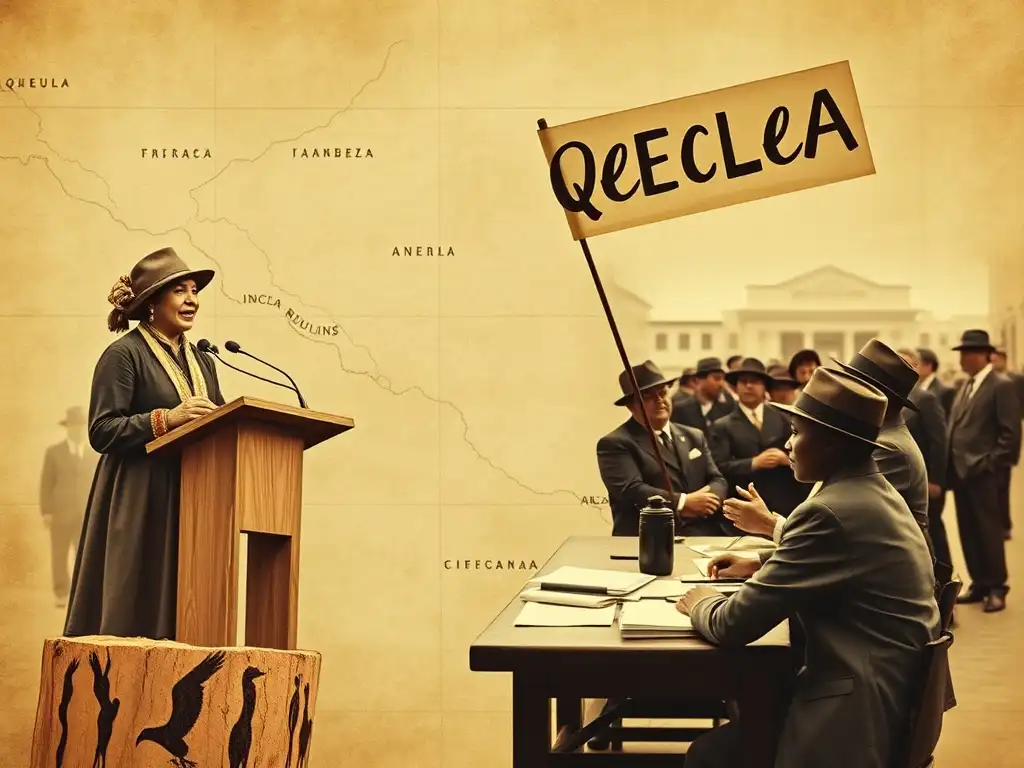
The Quechua language, far from being a relic of the past, holds significant political influence in modern Andean society. Its resurgence and deliberate use are powerful tools for reclaiming cultural identity and challenging historical power structures. This influence manifests in various spheres, from formal education and media representation to the very language of political discourse. The enduring legacy of the Inca Empire, where Quechua served as a lingua franca, continues to resonate, albeit in a transformed context of nation-building and indigenous rights movements. Understanding the political significance of Quechua requires examining its role in education, media, and political representation.
Quechua in Education: A Tool for Empowerment
The implementation of Quechua language education programs throughout the Andes represents a crucial step towards linguistic revitalization and empowerment. These programs aim not only to preserve the language but also to instill pride in indigenous heritage. By teaching Quechua in schools, governments acknowledge its cultural value and promote linguistic diversity.
This approach fosters a sense of belonging and self-worth among Quechua-speaking communities, countering centuries of marginalization and linguistic suppression. The success of these programs varies considerably depending on factors such as government funding, teacher training, and community support. Some regions boast thriving bilingual education systems, integrating Quechua seamlessly into the curriculum, while others lag behind due to limited resources and persistent resistance to indigenous languages.
The impact on literacy rates and overall educational attainment within Quechua communities provides a strong indicator of the program's success, offering valuable data on the language's role in social mobility. For example, studies in [specific region pending] show a clear correlation between Quechua language proficiency and higher rates of secondary school completion. This demonstrates how access to Quechua-language education directly impacts social and economic prospects, giving a powerful political edge to Quechua speakers.
Quechua in Media: Amplifying Indigenous Voices
The rise of Quechua-language media—radio stations, television programs, newspapers, and online platforms—has significantly amplified indigenous voices and perspectives. These media outlets provide a platform for discussing issues relevant to Quechua-speaking communities, fostering a sense of shared identity and collective action. The content often addresses political, economic, and social concerns specific to these communities, giving a voice to perspectives often marginalized in mainstream media.
This representation in media is not merely symbolic; it actively contributes to the political landscape. By broadcasting in Quechua, these outlets challenge the dominance of Spanish and create spaces for political mobilization and advocacy. The use of Quechua in media also serves as a powerful tool for countering negative stereotypes and promoting cultural pride.
For instance, the increasing number of Quechua-language films and documentaries showcasing indigenous perspectives allows for a more nuanced and accurate representation of Andean culture, challenging dominant narratives that often portray indigenous communities in stereotypical or romanticized ways. This shift in media representation has clear political ramifications, contributing to a more inclusive and equitable public sphere.
Quechua and Political Representation: Evo Morales' Use of Quechua
The presidency of Evo Morales in Bolivia serves as a powerful example of the political influence of Quechua. Morales, a member of the Aymara people, frequently used Quechua (alongside Aymara and Spanish) in his speeches and public appearances. This deliberate multilingualism symbolized his commitment to indigenous rights and cultural revitalization. His use of Quechua wasn't merely symbolic; it directly impacted political discourse and participation.
It allowed him to connect directly with a significant portion of the Bolivian population who historically felt excluded from mainstream politics. This inclusive approach resonated with many voters and contributed to his electoral success. However, it's crucial to note that while Morales' use of Quechua was a powerful symbol, the actual political empowerment of Quechua speakers extended beyond his individual actions.
The broader movement for indigenous rights and linguistic recognition, of which Morales was a part, played a significant role in achieving greater political inclusion for Quechua-speaking communities. The lasting impact of Morales' presidency on the political standing of the Quechua language in Bolivia, and indeed across the Andes, remains a subject of ongoing scholarly debate and analysis. Further research is needed to fully understand the long-term effects of his linguistic choices on political participation and representation within Quechua communities.
The Role of Quechua in Bolivian Political Discourse
The Quechua language, spoken by a significant portion of Bolivia's population, plays a multifaceted role in the country's political landscape. Its presence is not merely a demographic fact; it's a potent symbol of cultural identity and a crucial element in shaping political discourse. For decades, the suppression of Indigenous languages, including Quechua, was a common practice, reflecting a broader pattern of marginalization of Indigenous communities. This linguistic suppression was directly linked to political power structures that favored Spanish, the language of the colonizers and the dominant elite.
However, the late 20th and early 21st centuries witnessed a significant shift. The rise of Indigenous movements and a growing awareness of linguistic rights led to a gradual but noticeable incorporation of Quechua into official political spheres. This wasn't a simple, linear process. It involved considerable struggle, advocacy, and a persistent challenge to the established norms. The movement for linguistic rights was intrinsically linked to broader struggles for social justice, land rights, and political representation for Indigenous communities.
The official recognition of Quechua in certain government functions, such as education and local governance, represents a concrete achievement. While implementation remains uneven across different regions and institutions, the symbolic importance of this recognition cannot be overstated. It signals a departure from the historical marginalization and represents a step towards a more inclusive and representative political system. The ability to participate in political processes using one's native tongue is fundamental to meaningful democratic participation.
Furthermore, the use of Quechua in political campaigns and public speeches by certain political figures has further amplified its presence in the political arena. This strategy, often employed by politicians seeking to connect with Indigenous voters, highlights the potent political symbolism of the language. However, it's important to note that the use of Quechua in political discourse is not without its complexities.
It can be strategically employed for political gain, sometimes without genuine commitment to broader Indigenous rights. Therefore, critical analysis of this usage is essential to understand its true implications. The effectiveness of this strategy varies depending on factors such as the specific context, the authenticity of the speaker's commitment to Indigenous issues, and the overall political climate.
The ongoing struggle for full linguistic equality in Bolivia underscores the continuous negotiation of power dynamics. While progress has been made, challenges remain in ensuring genuine inclusivity and equitable access to political participation for Quechua speakers. The continued use and promotion of the language remain crucial to the ongoing struggle for social justice and political empowerment within the Bolivian context. The future of Quechua's role in Bolivian political discourse hinges on sustained efforts to address linguistic inequality and foster genuine respect for cultural diversity.
Challenges and Opportunities for Quechua's Political Future
The Quechua language, despite its rich history and cultural significance, faces significant challenges in the 21st century. Its continued existence and influence are intertwined with broader socio-political factors affecting indigenous communities across the Andes. While opportunities for revitalization and empowerment exist, understanding these challenges is crucial for charting a path towards a future where Quechua plays a meaningful role in the political landscape.
The ongoing struggle for Quechua's recognition and acceptance is a microcosm of the larger fight for indigenous rights and self-determination. The political influence of the Quechua language is directly linked to the success of these broader movements.
Overcoming Linguistic Discrimination and Prejudice
One of the most significant hurdles Quechua faces is overcoming deeply ingrained linguistic discrimination and prejudice. For centuries, Spanish has been the dominant language of power and prestige in many Andean nations, leading to the marginalization of Quechua and other indigenous languages. This marginalization manifests in various ways: limited access to education and government services in Quechua, underrepresentation in media and public life, and societal biases that undervalue Quechua speakers. This prejudice is not merely a linguistic issue; it's a manifestation of broader systemic inequalities and historical injustices. Overcoming this requires a multi-pronged approach, including:
- Promoting bilingual education: Implementing effective bilingual education programs that value both Quechua and Spanish is crucial for ensuring linguistic equity and empowering future generations of Quechua speakers.
- Increasing Quechua representation in media: Greater visibility of Quechua in television, radio, and other media platforms helps normalize the language and counter negative stereotypes.
- Legal recognition and protection: Strong legal frameworks that protect Quechua speakers' rights and promote the use of the language in official contexts are essential.
- Combating discriminatory practices: Active measures to address discrimination and prejudice against Quechua speakers in all sectors of society are necessary.
The fight against linguistic discrimination is not just about language; it's about social justice and the recognition of cultural diversity. Success hinges on a collective effort involving governments, educational institutions, media outlets, and civil society organizations.
The Importance of Quechua Language Documentation and Preservation
The preservation of the Quechua language is paramount for its future political influence. This encompasses various efforts, including:
- Comprehensive linguistic documentation: Detailed documentation of Quechua dialects, including their grammar, vocabulary, and pronunciation, is crucial for understanding the language's diversity and ensuring its accurate transmission to future generations. This includes archiving oral traditions and creating digital resources.
- Development of standardized orthography: A consistent writing system is essential for literacy and the creation of educational materials. While standardization efforts exist, ongoing work is necessary to address the variations across different Quechua dialects.
- Creation of Quechua language resources: Developing dictionaries, grammars, and other linguistic resources in Quechua makes the language more accessible and aids in its revitalization. This includes creating resources suitable for different age groups and levels of proficiency.
- Supporting Quechua language communities: Providing resources and support to Quechua-speaking communities empowers them to maintain and promote their language. This includes funding for language preservation initiatives and community-based language learning programs.
The survival of Quechua depends on a commitment to its documentation and preservation. Without these efforts, the language risks losing valuable cultural knowledge and its potential for future political influence. The loss of a language is not just the loss of words; it is the loss of a way of life, a history, and a cultural identity.
The future of Quechua's political influence hinges on its continued revitalization and the empowerment of its speakers. Several factors will shape its trajectory:
- Increased political participation of Quechua speakers: Greater participation of Quechua speakers in political processes, from local to national levels, is essential for ensuring their voices are heard and their interests are represented. This requires addressing barriers to political participation, such as limited access to information and resources.
- Integration of Quechua in governance: The incorporation of Quechua into official government processes, such as legislation and public services, demonstrates a commitment to linguistic diversity and strengthens the language's political standing.
- Quechua as a vehicle for social change: Quechua can be a powerful tool for social mobilization and advocacy, allowing indigenous communities to articulate their needs and demands effectively. This requires empowering Quechua speakers to use their language as a means of self-expression and political action.
- Technological advancements: Utilizing technology to promote Quechua, such as creating online resources, developing language learning apps, and using social media to connect Quechua speakers, can significantly expand the language's reach and impact.
The future of the Quechua language is not predetermined. Its success depends on the ongoing efforts of its speakers, advocates, and policymakers. The struggle for Quechua's political influence is a testament to the enduring strength and resilience of Andean cultures. The potential for Quechua to serve as a catalyst for social change is immense, and its future is inextricably linked to the broader fight for indigenous rights and self-determination. The continued growth and influence of the Quechua language is vital for the preservation of cultural heritage and the promotion of linguistic diversity.
Frequently Asked Questions
What role did the Quechua language play in Inca political power?
The Quechua language was instrumental in Inca expansion and control. It served as a lingua franca, facilitating communication and administration across a vast empire, strengthening political unity.
How did Quechua's use impact the conquered populations?
Imposing Quechua on conquered peoples was a deliberate strategy to assert dominance and integrate them into the Inca system. It facilitated control and assimilation, although resistance also existed.
Did Quechua's political influence extend beyond the Inca Empire?
Yes, Quechua's influence persisted even after the Spanish conquest. It remained a significant language in many Andean communities, demonstrating its enduring cultural and social power.
In what ways did the Quechua language contribute to Inca administration?
Quechua was crucial for record-keeping, tax collection, and legal proceedings. Its widespread use streamlined the empire's complex administrative systems.
How did the Spanish conquest affect the political influence of the Quechua language?
The Spanish conquest significantly reduced Quechua's political dominance. Spanish was imposed as the official language, though Quechua continued to be spoken and held cultural significance.
Final Reflection: Quechua's Enduring Voice in a Changing World
The revitalization of the Quechua language is not merely a linguistic endeavor; it is a powerful act of reclaiming cultural identity and challenging historical power structures. The fight for Quechua's survival mirrors broader struggles for indigenous rights and self-determination across the globe, highlighting the deep connection between language and political agency. This fight continues to resonate today, demonstrating the enduring power of language as a tool for social and political change.
The impact of Quechua's resurgence on the cultural landscape is profound and multifaceted. It represents a reclaiming of a rich history often suppressed or marginalized. The language, once viewed as a marker of inferiority, is now increasingly recognized as a source of strength and pride. This shift reflects a broader global movement towards linguistic diversity and the recognition of indigenous knowledge systems. Language is the road map of a culture. It tells you where its people come from and where they are going.
– Rita Mae Brown. This quote perfectly encapsulates the journey of Quechua, from a language under threat to a symbol of resilience and cultural resurgence.
Consider the implications of this journey for your own life. What languages and cultures surround you? How can you contribute to the preservation and celebration of linguistic diversity in your community? Let the story of Quechua inspire you to champion the voices often unheard, to recognize the power inherent in language, and to actively participate in building a more inclusive and equitable world where all languages and cultures thrive. The future of Quechua, and indeed the future of linguistic diversity globally, depends on our collective commitment to understanding and celebrating the richness of human expression.
Empower Yourself: Celebrate the Quechua Language Today!
Thank you for exploring the rich tapestry of the Quechua language and its profound political significance. Learning about this vital language provides valuable insights into how language empowers communities and shapes identities. Now, let's put that knowledge into action!
Here are some ways you can further engage with the Quechua language and culture:
- Take a Quechua language course to deepen your understanding and appreciation of this powerful communication tool.
- Share your knowledge with friends and family to raise awareness of its cultural heritage and political importance.
- Support local Quechua-speaking communities by volunteering, donating, or participating in their cultural events.
What is the role of language in shaping political identities and empowering communities? Share your thoughts below!