
Aymara Environmental Knowledge: Sustainable Practices and Resource Management

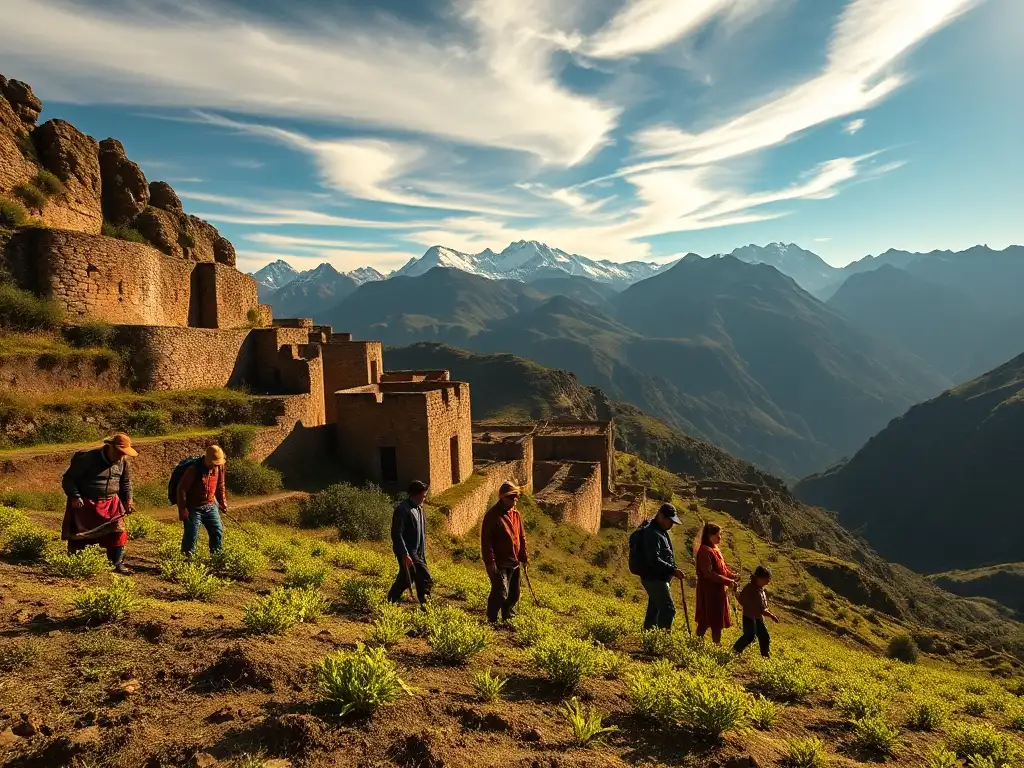
Step into a world lost to time, yet echoing with wisdom. For centuries, the Andes Mountains have witnessed the rise and fall of magnificent civilizations. But what secrets did they leave behind? Here at Andean Civilizations, we delve into the fascinating tapestry of their history, culture, and ingenuity. This journey begins with an exploration of Aymara traditional environmental knowledge, a legacy of sustainable practices and resource management that continues to inspire awe. Uncover the hidden threads of this ancient wisdom—and discover how it still shapes our world today.
The Aymara people, inhabiting the Andes region of South America, possess a rich and deeply intertwined relationship with their environment. For centuries, their survival and cultural flourishing have been inextricably linked to a sophisticated understanding of the natural world, resulting in sustainable practices and resource management strategies that remain relevant today.
This article delves into the fascinating world of Aymara traditional ecological knowledge (TEK), exploring their worldview, cosmovision, and the practical applications of their environmental ethics. Understanding Aymara TEK offers valuable insights into sustainable living, particularly in the face of modern environmental challenges.
We will examine how their intimate knowledge of the Andean ecosystem has allowed them to thrive for generations, offering a compelling case study in the power of indigenous knowledge systems and their potential contribution to global sustainability efforts. This exploration will focus on the practical applications of this knowledge, demonstrating its enduring relevance in contemporary contexts and highlighting the importance of preserving and respecting this invaluable cultural heritage.
Introduction to Aymara Traditional Ecological Knowledge
Aymara Traditional Ecological Knowledge (TEK) encompasses a vast body of accumulated knowledge, practices, and beliefs related to the environment. This knowledge is not simply a collection of facts, but a holistic system deeply embedded in their cultural identity and spiritual beliefs. It encompasses detailed understanding of:
- Local flora and fauna: The Aymara possess an extensive knowledge of the plants and animals found in their environment, including their uses for food, medicine, construction, and other purposes. They understand intricate ecological relationships and the impact of human activities on the delicate balance of the ecosystem.
- Water management: Given the arid and semi-arid conditions of the Andes, water management is crucial. The Aymara have developed sophisticated techniques for water harvesting, irrigation, and distribution, ensuring equitable access and sustainable use of this precious resource. These techniques, often passed down through generations, reflect a deep understanding of hydrology and the seasonal variations in water availability.
- Agricultural practices: Aymara agriculture is characterized by its adaptability and sustainability. They employ diverse techniques such as terracing, crop rotation, and intercropping to maximize yields while minimizing environmental impact. Their knowledge of soil types, microclimates, and plant interactions allows them to optimize agricultural production within the constraints of the Andean environment.
- Sustainable resource use: The Aymara demonstrate a deep understanding of resource sustainability. Their practices prioritize responsible harvesting of resources, ensuring their long-term availability for future generations. This includes sustainable forestry practices and careful management of grazing lands.
The Aymara Worldview and its Connection to Nature
The Aymara worldview is deeply interconnected with the natural world. They do not view themselves as separate from nature, but rather as an integral part of it. This holistic perspective shapes their relationship with the environment and informs their sustainable practices. The concept of Pachamama (Mother Earth) is central to their cosmology, representing the interconnectedness of all living things and the importance of respecting and caring for the environment.
This reverence for nature is not merely a philosophical concept but a practical guide to their daily lives. Their actions are guided by a deep understanding of their place within the larger ecological system, promoting a harmonious relationship between humans and the environment. The Aymara worldview emphasizes reciprocity and balance, understanding that human actions have consequences and that sustainable living requires mindful interaction with the natural world. This intimate connection fosters a sense of responsibility and stewardship towards the environment.
Understanding Aymara Cosmovision and Environmental Ethics
The Aymara cosmovision, or worldview, profoundly influences their environmental ethics. Their understanding of the interconnectedness of all living things fosters a sense of responsibility towards the environment. This is not simply a matter of conservation, but a deep-seated spiritual belief. The concept of ayni (reciprocity) is fundamental to their ethics, emphasizing the need for balanced exchange between humans and nature.
They believe that taking from the environment requires giving back, ensuring the continued health and productivity of the ecosystem. This ethic is reflected in their sustainable practices, which prioritize long-term sustainability over short-term gains. Furthermore, the Aymara worldview emphasizes the importance of respecting the spirits of nature, viewing mountains, rivers, and other natural features as sacred entities deserving of reverence.
This spiritual dimension reinforces their commitment to environmental stewardship, ensuring the preservation of their cultural heritage and the sustainability of their way of life. The Aymara's environmental ethics offer a powerful example of how spiritual beliefs can be integrated with practical actions to promote environmental sustainability. Their enduring legacy underscores the importance of understanding indigenous knowledge systems in addressing contemporary environmental challenges.
Key Principles of Aymara Resource Management
The Aymara people's relationship with their environment is deeply intertwined with their worldview and social structure, resulting in sophisticated resource management practices honed over millennia. Their approach isn't solely about maximizing yield; it's about maintaining a harmonious balance between human needs and ecological integrity. This balance is reflected in several key principles:
- Reciprocity (Ayni): Ayni, a fundamental concept in Aymara culture, emphasizes the reciprocal exchange between humans and nature. It's not simply a transactional relationship; it's a continuous cycle of giving and receiving. Farmers offer respect and care to the land through meticulous cultivation, and in return, the land provides sustenance. This principle extends beyond the human-nature relationship, encompassing social interactions as well. A community's success relies on cooperation and mutual support, mirroring the interconnectedness observed in the natural world. The concept of Ayni is vital for understanding the sustainability of Aymara practices; it's not about exploiting resources but about nurturing a mutually beneficial relationship.
- Community-Based Management: Aymara resource management is rarely individualistic. Instead, it's deeply rooted in communal decision-making and collective responsibility. Water rights, land use, and pasture management are often governed by traditional community structures, ensuring equitable access and preventing overexploitation. This collective approach fosters a sense of shared stewardship, promoting long-term sustainability. For example, the allocation of irrigation water is often determined through consensus, balancing the needs of individual farmers with the overall well-being of the community and the ecosystem.
- Adaptation and Flexibility: The Andean highlands are characterized by unpredictable weather patterns and challenging environmental conditions. The Aymara have demonstrated remarkable adaptability in their farming techniques and resource management strategies. They have developed diverse crop varieties suited to different altitudes and microclimates, employing techniques like terracing and crop rotation to mitigate risks and maximize yields. This adaptability is crucial for their resilience in the face of climate change and environmental variability. Their methods are not static; they evolve based on observed changes in the environment.
- Respect for the Sacred: Many aspects of the Aymara environment are imbued with spiritual significance. Mountains, lakes, and other natural features are often considered sacred, commanding respect and protection. This reverence for the natural world translates into practices that prioritize conservation and minimize environmental impact. Rituals and ceremonies are often performed to honor the land and ensure its continued bounty. This spiritual dimension reinforces the importance of sustainable practices and underscores the intrinsic value placed upon the environment. The integration of spiritual beliefs with practical resource management demonstrates a holistic approach to living in harmony with nature.
- Introduction to Aymara Traditional Ecological Knowledge
- The Aymara Worldview and its Connection to Nature
- Understanding Aymara Cosmovision and Environmental Ethics
- Key Principles of Aymara Resource Management
Aymara Sustainable Agricultural Practices
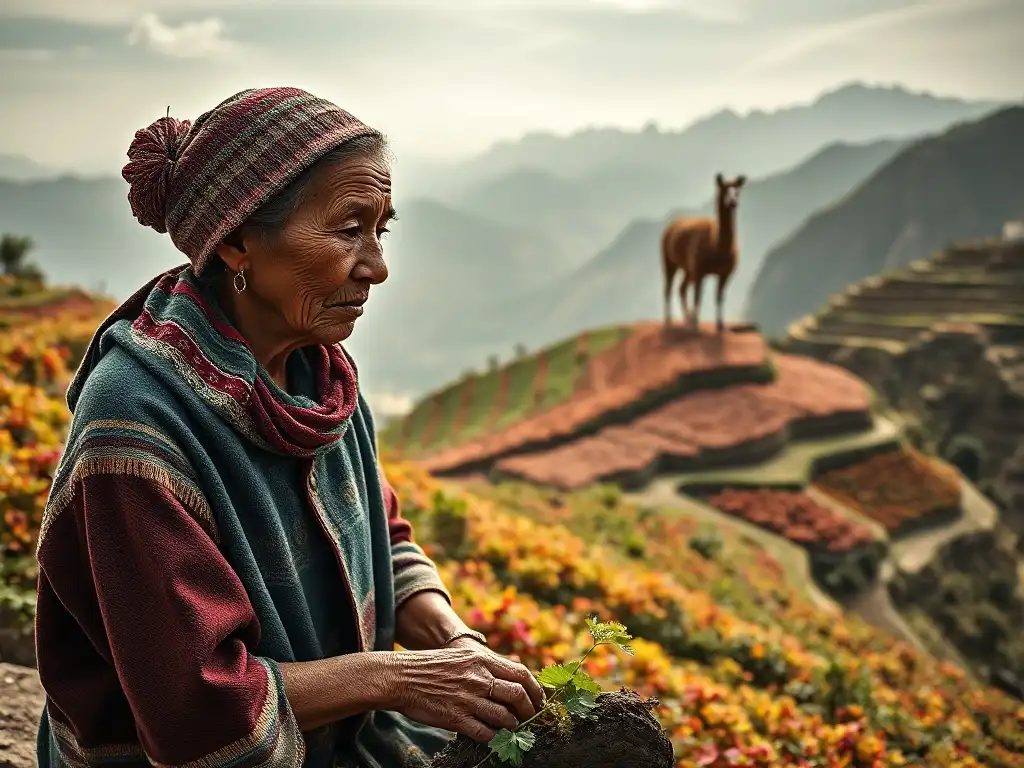
The Aymara people, inhabiting the high Andes of Bolivia, Peru, and Chile, developed sophisticated and sustainable agricultural practices over centuries, demonstrating remarkable adaptability to challenging environmental conditions. Their traditional environmental knowledge, passed down through generations, offers valuable insights into resource management and ecological balance, crucial for understanding and addressing contemporary environmental issues. This section explores key elements of Aymara sustainable agriculture, highlighting the ingenuity and resilience of their farming techniques. The preservation and study of this Aymara traditional environmental knowledge is vital not only for appreciating their cultural heritage but also for informing modern sustainable agriculture practices.
Ancient Aymara Farming Techniques
Ancient Aymara farming techniques were meticulously adapted to the high-altitude environment, characterized by steep slopes, thin soils, and unpredictable weather patterns. Instead of relying on large-scale monoculture, Aymara farmers employed a diverse range of crops, including potatoes, quinoa, maize, and beans. This diversification minimized risk, ensuring food security even in the face of crop failure.
Their understanding of microclimates allowed them to cultivate different crops at varying altitudes and aspects, maximizing yields. For example, they strategically planted frost-sensitive crops in warmer, sheltered areas, while cold-hardy varieties were cultivated at higher elevations. This intricate knowledge of their environment allowed for optimal resource utilization and minimized environmental impact.
Furthermore, the use of organic fertilizers, primarily animal manure and compost, enriched the soil and promoted its fertility, demonstrating a deep understanding of soil health and nutrient cycling. The meticulous observation of natural cycles and the careful selection of planting times, based on astronomical events and indigenous calendars, played a crucial role in optimizing agricultural production.
The Importance of Terracing in Aymara Agriculture
Terracing is a cornerstone of Aymara agricultural sustainability. This practice involves transforming steep slopes into a series of level platforms, effectively increasing the cultivatable land area and reducing soil erosion. Aymara terraces are not simply flat platforms; they are carefully engineered structures, often incorporating drainage systems to prevent waterlogging and retaining walls to support the soil. The construction of these terraces was a communal effort, reflecting the strong social fabric of Aymara society.
The precision and artistry involved in their creation are remarkable. The effectiveness of terracing in preventing soil erosion is undeniable; it significantly reduces the loss of topsoil, preserving soil fertility and ensuring long-term agricultural productivity. This sustainable practice has been crucial in maintaining the agricultural viability of the Andean highlands for centuries. The enduring legacy of Aymara terracing serves as a powerful example of environmentally conscious land management.
Crop Rotation and Soil Conservation in Aymara Farming
Crop rotation is another essential component of Aymara sustainable agriculture. By rotating different crops, Aymara farmers maintained soil fertility and prevented the depletion of specific nutrients. Leguminous crops, such as beans and lupines, were strategically incorporated into the rotation, as they fix nitrogen in the soil, enriching it and reducing the need for external fertilizers.
This practice not only improved soil health but also contributed to biodiversity and pest control. Furthermore, the careful selection of crops based on their nutrient requirements and their impact on soil structure further enhanced the sustainability of the system. The integration of fallow periods, allowing the land to rest and recover, was another key aspect of Aymara soil conservation.
This holistic approach to agriculture demonstrates a profound understanding of ecological principles and a commitment to long-term environmental stewardship. The Aymara’s ingenious methods of crop rotation and soil conservation provide valuable lessons for contemporary agriculture, particularly in the context of sustainable intensification and climate change adaptation. This demonstrates the enduring relevance of Aymara traditional environmental knowledge in the face of modern challenges.
Aymara Water Management Systems
The Aymara people, inhabiting the high Andes for centuries, developed sophisticated water management systems crucial for their survival and agricultural success in a challenging environment. Their understanding of Aymara traditional environmental knowledge is deeply intertwined with their water practices, reflecting a profound respect for this precious resource. These systems weren't simply about irrigation; they were integral to their social structures, spiritual beliefs, and overall worldview.
The effectiveness of these systems is a testament to their deep understanding of hydrology, ecology, and the delicate balance of the Andean ecosystem. Their ingenuity in adapting to the varied terrains and climatic conditions of the Altiplano is particularly noteworthy. The Aymara weren't passive recipients of their environment; they actively shaped it to meet their needs while demonstrating remarkable environmental stewardship.
This sustainable approach to water management offers valuable lessons for contemporary water resource management strategies, particularly in arid and semi-arid regions facing water scarcity. Their practices serve as a compelling example of traditional ecological knowledge applied to a crucial resource. The resilience of their systems in the face of climate change and population growth also highlights the importance of understanding and preserving this invaluable cultural heritage.
Traditional Irrigation Methods in the Andes
Traditional Aymara irrigation methods showcase a remarkable understanding of Andean topography and water flow. They employed a variety of techniques adapted to the specific conditions of each location. These methods often involved intricate networks of canals, ditches, and terraces carved into the landscape, channeling water from rivers, springs, and glacial meltwater to agricultural fields.
The construction of these systems required significant communal effort, reflecting the importance of cooperation and shared resources within Aymara communities. Examples include the use of acequias, open channels carefully graded to ensure a steady flow of water, and the construction of andenes or terraced fields, which slowed water runoff and reduced soil erosion. The design of these systems was not arbitrary; they were carefully planned to optimize water distribution and minimize water loss through evaporation and seepage.
Moreover, the integration of these systems with other agricultural practices, such as crop rotation and intercropping, further enhanced their efficiency and sustainability. The intricate knowledge passed down through generations allowed the Aymara to maximize their agricultural yields even in challenging conditions, providing a compelling example of sustainable water management in a high-altitude environment. Detailed studies of these systems could provide valuable insights for modern irrigation design and management in similar environments.
Water Harvesting Techniques used by the Aymara
Beyond irrigation, the Aymara employed sophisticated water harvesting techniques to capture and store water for use during dry periods. This involved the construction of reservoirs, qochas, and other water storage structures, often integrated into the landscape. These structures played a crucial role in ensuring water security for both agricultural and domestic purposes. The size and design of these reservoirs varied depending on the local conditions and the needs of the community.
Some were small, localized structures, while others were larger, communal projects requiring significant labor and coordination. The selection of appropriate locations for these reservoirs involved a deep understanding of hydrology and the seasonal patterns of water availability. The construction techniques used were often ingenious, employing locally available materials and traditional building methods. These water harvesting strategies, combined with their irrigation systems, allowed the Aymara to maintain agricultural production even during periods of drought, ensuring food security and community resilience.
The effectiveness of these traditional water harvesting techniques, adapted to the unique conditions of the Andes, is a testament to the Aymara's deep ecological knowledge and their sustainable approach to resource management. The preservation of these techniques is essential for ensuring water security in the face of climate change and increasing water scarcity in the region. Furthermore, understanding their traditional methods can inform contemporary water management strategies and contribute to sustainable development in the Andes.
Aymara Knowledge of Biodiversity and Conservation
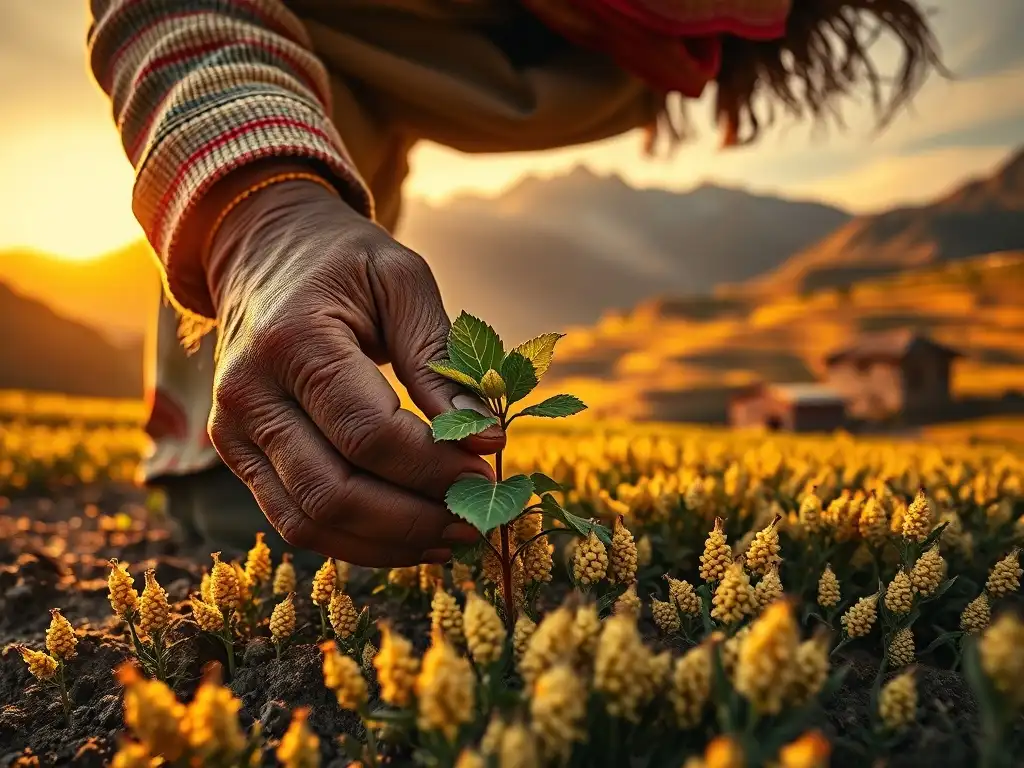
The Aymara people, inhabiting the Andes for millennia, possess a profound and nuanced understanding of their environment, a legacy reflected in their sophisticated systems of biodiversity conservation and resource management. This traditional ecological knowledge (TEK), often referred to as Aymara traditional environmental knowledge, is not merely a collection of facts about plants and animals; it's a deeply integrated worldview that shapes their relationship with the natural world.
Their survival and cultural continuity are inextricably linked to this intimate understanding and responsible stewardship of their surroundings. This knowledge system, passed down through generations via oral traditions, practical experience, and ritual practices, offers valuable insights into sustainable living and environmental protection, particularly relevant in the face of modern environmental challenges.
Understanding their practices provides a unique perspective on how indigenous communities have successfully managed resources for centuries, achieving a level of sustainability that modern societies strive to emulate. The depth of their knowledge is evident in their intricate classification systems, their sustainable agricultural practices, and their profound respect for the interconnectedness of all living things.
Aymara Classification of Plants and Animals
Aymara taxonomy differs significantly from Western scientific classifications. Instead of relying solely on morphological characteristics, the Aymara system incorporates factors such as medicinal properties, edibility, spiritual significance, and ecological roles. Plants and animals are not simply categorized; they are placed within a complex web of relationships reflecting their perceived functionality within the ecosystem.
For example, [specific examples of Aymara plant classifications pending], demonstrating the nuanced understanding of plant relationships and their importance within the Aymara worldview. Similarly, animal classifications often reflect their behavioral patterns, habitat preferences, and their role in the broader ecosystem. [Specific examples of Aymara animal classifications and their associated meanings pending].
This intricate system allows for a deep understanding of biodiversity and its interconnectedness, promoting effective conservation strategies. The lack of readily available detailed information on these specific classifications highlights a critical need for further research and documentation of this valuable knowledge. The preservation of this knowledge is crucial, not only for the Aymara community but also for the broader scientific community seeking sustainable solutions to environmental challenges.
Traditional Aymara Uses of Native Flora
The Aymara have developed an extensive knowledge of the medicinal and practical uses of native flora. Their intimate understanding of plant properties extends beyond simple identification to encompass a detailed knowledge of harvesting techniques, preparation methods, and appropriate dosages. Many plants are utilized for medicinal purposes, treating a wide range of ailments.
For instance, [specific examples of Aymara medicinal plants and their uses pending], illustrating the sophisticated understanding of plant-based remedies. Beyond medicinal applications, Aymara communities utilize native plants for food, construction materials, textiles, and fuel. This sustainable use of plant resources demonstrates a long-standing commitment to resource management and a deep understanding of the ecological balance.
The diversity of uses underscores the economic and cultural significance of native flora within Aymara society. Furthermore, the careful harvesting practices employed minimize environmental impact, ensuring the continued availability of these vital resources for future generations. This approach highlights the importance of integrating traditional ecological knowledge into modern conservation strategies.
Aymara Understanding of Animal Behavior and Ecology
The Aymara understanding of animal behavior and ecology is equally impressive, demonstrating a deep appreciation for the interconnectedness of life. Their knowledge extends beyond simple observation to encompass a nuanced understanding of animal migration patterns, breeding cycles, and predator-prey relationships. This knowledge is crucial for sustainable hunting and fishing practices, ensuring the long-term health of animal populations.
For example, [specific examples of Aymara knowledge of animal behavior and its impact on resource management pending]. This intimate knowledge of animal ecology is not just a practical skill; it is also deeply intertwined with Aymara spirituality and cosmology. Many animals hold symbolic significance, playing important roles in their myths and rituals.
This holistic perspective underscores the profound respect the Aymara hold for the natural world, viewing it not as a resource to be exploited, but as a sacred entity deserving of reverence and protection. This profound connection to the environment is a cornerstone of their sustainable practices and a key factor in their ability to maintain a harmonious relationship with their surroundings for centuries. The preservation of this knowledge is vital for understanding sustainable resource management practices and for informing contemporary conservation efforts.
Conservation Strategies Based on Aymara Wisdom
The Aymara people, inhabiting the high Andes for millennia, developed sophisticated conservation strategies deeply intertwined with their worldview and relationship with the Pachamama (Mother Earth). Their practices weren't simply about resource extraction; they were about maintaining a harmonious balance within the ecosystem, ensuring its continued productivity for future generations. This holistic approach is reflected in various aspects of their traditional environmental knowledge.
For example, their agricultural practices, far from being haphazard, were meticulously planned to minimize environmental impact and maximize yields. They employed techniques like crop rotation, terracing, and water management systems that were remarkably sustainable, particularly considering the challenging Andean environment. These systems, honed over centuries, show a deep understanding of the delicate interplay of climate, soil, and water.
One crucial aspect of Aymara conservation is the concept of ayni, a reciprocal exchange between humans and nature. This principle emphasizes the responsibility humans have to care for the environment, not as passive recipients of its bounty, but as active participants in its well-being. The idea of reciprocation extends beyond the human-nature relationship; it also governs interactions within the community, fostering cooperation and collective responsibility for resource management.
This collaborative approach was essential for successful conservation efforts in the harsh conditions of the Andes. Violating ayni was not only seen as morally wrong but also believed to bring about negative consequences, further reinforcing the importance of sustainable practices.
Furthermore, Aymara traditional environmental knowledge incorporated a profound respect for biodiversity. They recognized the interconnectedness of different species and the vital role each played in the ecosystem. This understanding is reflected in their diverse agricultural practices, which involved cultivating a wide variety of crops adapted to different altitudes and microclimates. This diversification minimized the risk of crop failure and ensured food security, even in the face of environmental challenges like droughts or frost.
Their knowledge extended beyond agriculture; they also possessed detailed understanding of medicinal plants and their properties, utilizing them sustainably to treat illnesses. This demonstrates a deep respect for the natural pharmacy provided by the Andean ecosystem. The preservation of this biodiversity was essential for the Aymara's survival and cultural continuity. Their practices serve as a powerful example of how respect for nature can lead to long-term sustainability.
Aymara Practices for Climate Adaptation
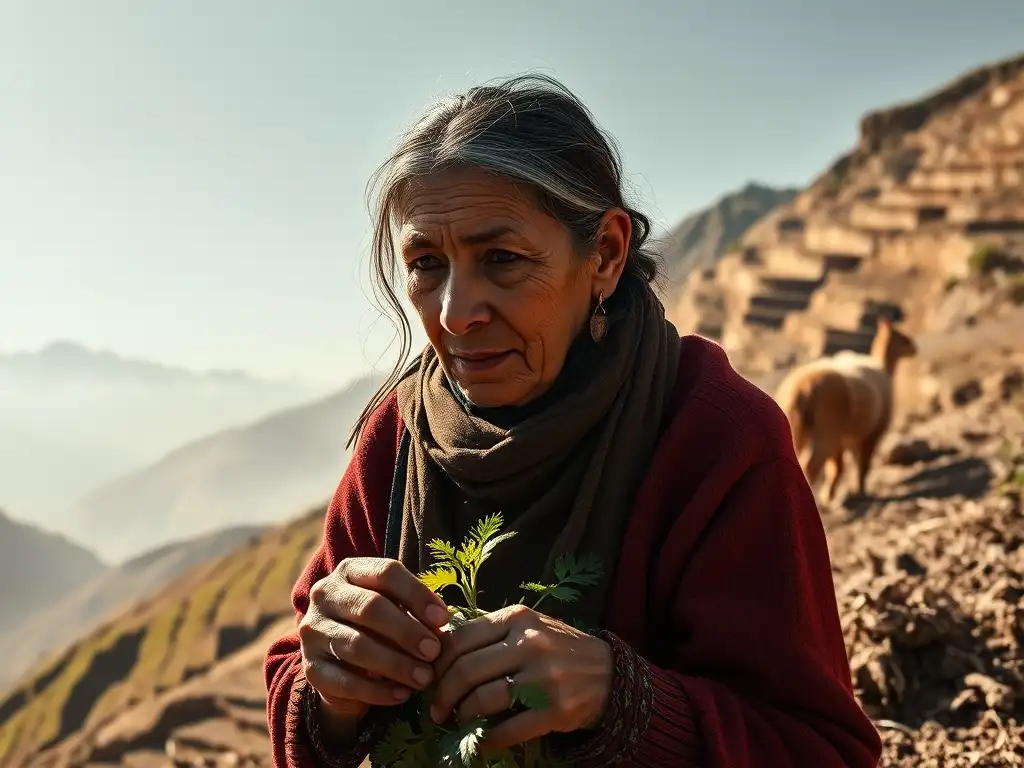
The Aymara people, inhabiting the high Andes for centuries, have developed sophisticated traditional environmental knowledge (TEK) deeply intertwined with their cultural practices and survival. Their understanding of the environment, honed over generations, reflects a profound connection to the land and a remarkable capacity to adapt to the harsh and variable conditions of the Altiplano. This intricate relationship with their surroundings is evident in their sustainable practices and resource management strategies, passed down through oral traditions and embodied in their daily lives.
The resilience of the Aymara in the face of climate change is a testament to the effectiveness of their TEK, offering valuable lessons for contemporary sustainable development. Understanding their methods offers insights into climate change adaptation strategies that are both effective and culturally appropriate.
Aymara Strategies for Coping with Climate Variability
Climate variability in the Andean highlands is extreme, characterized by unpredictable rainfall, frost, and droughts. The Aymara have developed a range of strategies to mitigate these risks, demonstrating a deep understanding of microclimates and ecological processes. These strategies include:
- Crop diversification: Instead of relying on a single crop, Aymara farmers cultivate a variety of crops adapted to different altitudes and microclimates. This reduces the risk of total crop failure due to adverse weather conditions. For example, they might plant potatoes at different elevations, ensuring at least some yield even if one area experiences frost.
- Water management techniques: Ingenious irrigation systems, such as acequias (canals), are meticulously managed to optimize water use. These systems are often community-based, reflecting the Aymara’s strong sense of collective responsibility for resource management. Water harvesting techniques are also employed to capture and store rainwater for later use.
- Traditional farming practices: Techniques such as terracing and crop rotation are used to conserve soil fertility and reduce erosion in the steep Andean slopes. These practices enhance the land's productivity and resilience to environmental stress. The use of organic fertilizers, derived from animal manure and other natural sources, further contributes to soil health.
- Livestock management: The Aymara carefully manage their livestock, adapting their grazing practices to the availability of pasture. This prevents overgrazing and ensures the long-term sustainability of their livestock resources. Alpacas and llamas, particularly well-adapted to high-altitude environments, play a crucial role in their economy and livelihoods.
The effectiveness of these combined strategies is crucial for the Aymara's food security and overall well-being in the face of climate variability. Quantifying the impact of these practices on yields and resilience requires further research, but anecdotal evidence and long-term observation strongly suggest their effectiveness.
Traditional Weather Forecasting among the Aymara
A key element of Aymara adaptation is their sophisticated system of traditional weather forecasting. This knowledge, passed down through generations, relies on careful observation of natural phenomena, including:
- Animal behavior: Changes in animal behavior, such as the migration patterns of birds or the unusual behavior of llamas, can indicate upcoming weather changes.
- Plant indicators: The flowering and fruiting times of certain plants serve as indicators of seasonal changes and potential weather events.
- Celestial observations: The Aymara observe the positions of the sun, moon, and stars to predict weather patterns. This knowledge is deeply integrated with their cosmological beliefs and worldview.
- Wind patterns and cloud formations: Local wind patterns and cloud formations provide valuable clues about approaching storms or changes in temperature.
This system of observation allows Aymara communities to anticipate weather events and adjust their agricultural practices accordingly. For example, the observation of specific cloud formations might signal the need for immediate irrigation or the preparation for potential frost. The accuracy of this traditional forecasting system, while difficult to quantify scientifically, is highly valued within Aymara communities and contributes significantly to their resilience. Further studies could quantitatively assess the accuracy of these methods compared to modern meteorological forecasts.
Aymara Resilience to Environmental Challenges
The Aymara's long-term success in inhabiting the challenging Andean environment demonstrates a remarkable capacity for adaptation and resilience. Their TEK, encompassing sustainable agricultural practices, sophisticated water management, and accurate traditional weather forecasting, has allowed them to thrive in the face of significant environmental challenges. This resilience is not merely a matter of survival; it reflects a deep cultural and spiritual connection to the land.
The Aymara worldview emphasizes a harmonious relationship with nature, underpinning their sustainable practices and their commitment to preserving the environment for future generations. This holistic approach to resource management provides a valuable model for sustainable development initiatives in other regions facing similar environmental pressures. Documenting and understanding these practices is crucial for promoting sustainable development strategies that respect local knowledge and cultural values.
The ongoing challenges of climate change necessitate a deeper exploration of Aymara TEK and its potential to inform global adaptation strategies. Preserving and promoting this knowledge is essential not only for the Aymara people but also for the broader global community.
The Role of Aymara Environmental Knowledge in Modern Sustainability
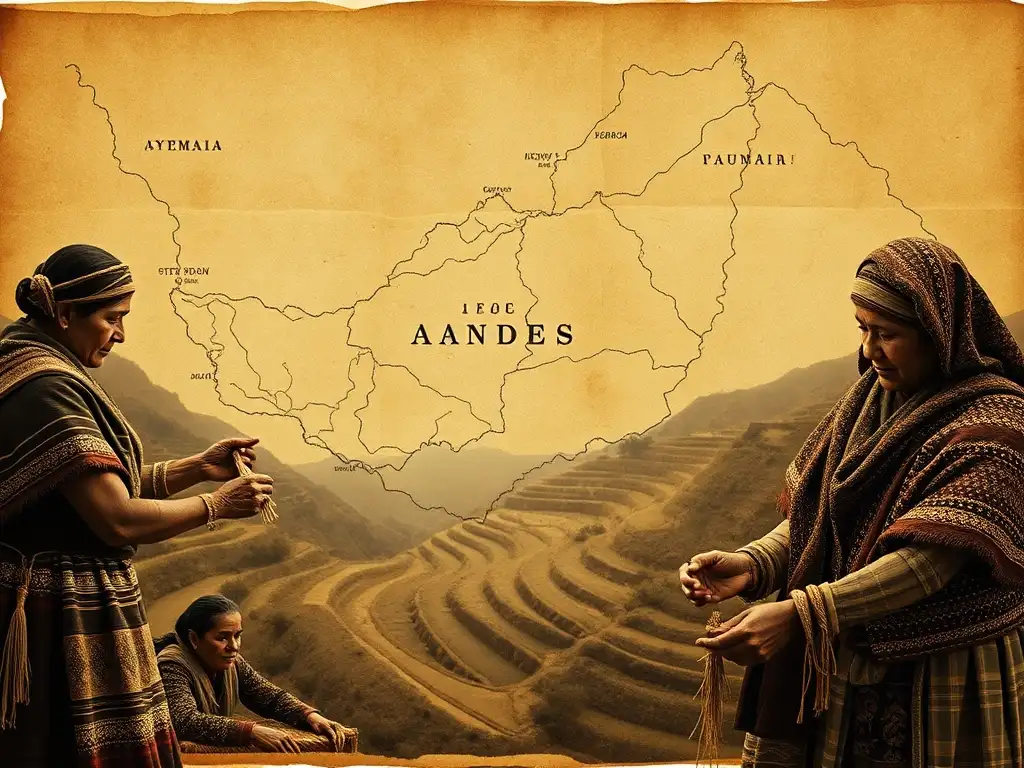
The Aymara people, inhabiting the Andes for millennia, possess a deep and intricate understanding of their environment, a form of Aymara traditional environmental knowledge honed over generations of close interaction with the altiplano's unique ecosystems. This knowledge system, far from being a relic of the past, offers invaluable insights for addressing contemporary environmental challenges and promoting sustainable development. Their sophisticated understanding of water management, agricultural techniques, and resource allocation provides a powerful counterpoint to modern, often unsustainable, practices.
Understanding this traditional knowledge is crucial not only for appreciating Aymara culture but also for informing global sustainability initiatives. The interconnectedness between the Aymara worldview and their environmental practices demonstrates a holistic approach to resource management that modern societies could greatly benefit from adopting. This deep understanding is reflected in their intricate social structures, which are intrinsically linked to the sustainable use of their natural resources.
Integrating Aymara Wisdom into Contemporary Conservation Efforts
Contemporary conservation efforts can significantly benefit from incorporating Aymara traditional environmental knowledge. For instance, their sophisticated understanding of water management, including the construction of aqüeducts and intricate irrigation systems, provides practical solutions for managing water scarcity in arid and semi-arid regions. These systems, often built with minimal technological input, demonstrate remarkable efficiency in water distribution and conservation.
Furthermore, their agricultural practices, such as the use of terraces and crop rotation, minimize soil erosion and maximize yields in challenging terrains. By collaborating with Aymara communities, conservationists can gain access to this invaluable knowledge base, leading to more effective and culturally sensitive conservation strategies. This collaboration is vital, ensuring that conservation efforts do not disrupt or undermine traditional practices.
Examples of successful integration include projects focusing on the sustainable management of ichu grasslands, vital to both Aymara livelihoods and Andean biodiversity. These initiatives demonstrate the potential for synergistic partnerships between traditional and modern approaches to environmental conservation. Such partnerships are crucial for achieving long-term sustainability.
Lessons from Aymara Practices for Sustainable Development
Aymara traditional environmental knowledge offers numerous lessons for sustainable development on a global scale. Their emphasis on community-based resource management, characterized by shared responsibility and collective decision-making, contrasts sharply with individualistic approaches that often lead to resource depletion. Their deep respect for the Pachamama (Mother Earth) fosters a sense of stewardship and responsibility towards the environment, promoting long-term sustainability over short-term gains.
The concept of ayni, reciprocal exchange and mutual support, is central to their social and economic systems and extends to their relationship with the environment. This reciprocal relationship ensures that resources are used responsibly and sustainably, contributing to the long-term health of both the community and the ecosystem. Analyzing these practices allows us to re-evaluate our own consumption patterns and resource management strategies.
Their sustainable practices, developed over centuries, offer a compelling model for achieving ecological balance and social equity. The Aymara experience underscores the importance of integrating cultural values and traditional ecological knowledge into modern development frameworks.
Challenges and Opportunities for Preserving Aymara Environmental Knowledge
Preserving Aymara traditional environmental knowledge presents significant challenges. The increasing influence of globalization and modernization threatens to erode traditional practices and knowledge systems. Migration to urban centers, the adoption of Western agricultural techniques, and the loss of language are all contributing factors to this erosion. However, there are also significant opportunities for preserving and revitalizing this knowledge.
Documenting traditional practices through oral histories, ethnographic studies, and collaborative research projects is crucial. Supporting community-based initiatives that promote the transmission of traditional knowledge to younger generations is equally important. This includes educational programs that integrate Aymara perspectives on environmental sustainability into school curricula. Furthermore, promoting policies that recognize and value traditional ecological knowledge within national and international frameworks is essential.
Such recognition would empower Aymara communities and ensure the long-term preservation of their invaluable heritage. The preservation of this knowledge is not merely a matter of cultural preservation; it is crucial for global sustainability. The Aymara story demonstrates the vital role of indigenous knowledge in addressing contemporary environmental challenges. Investing in the preservation of this knowledge is an investment in a more sustainable future for all.
Case Studies of Aymara Environmental Management
This section delves into specific examples showcasing the ingenuity and effectiveness of Aymara traditional environmental knowledge in resource management. These case studies highlight the deep connection between the Aymara people and their environment, demonstrating sustainable practices that have endured for centuries. Understanding these methods offers valuable insights into both ecological resilience and cultural preservation, contributing significantly to our understanding of "Aymara traditional environmental knowledge".
The Use of Waru Waru Agriculture in the Lake Titicaca Region
Waru waru, a sophisticated raised-bed agricultural system, is a cornerstone of Aymara agricultural practices in the Lake Titicaca region. This ancient technique demonstrates remarkable adaptation to the challenging high-altitude environment. Instead of conventional plowing, which can lead to soil erosion in this fragile ecosystem, Waru Waru creates elevated planting beds separated by irrigation canals.
This system offers several key advantages: Improved drainage prevents waterlogging, a critical issue in the often waterlogged soils of the Altiplano. The raised beds receive more sunlight, accelerating plant growth. The canals, filled with water, moderate temperature fluctuations, protecting crops from frost. Furthermore, the canals act as microclimates, fostering biodiversity and providing habitat for beneficial insects and organisms. The system effectively utilizes water resources, minimizing water waste.
The effectiveness of Waru Waru is evident in its continued use by Aymara communities. Studies have shown that Waru Waru systems yield higher crop productivity compared to conventional farming methods in the region, even during periods of drought. This sustainable system exemplifies the Aymara understanding of water management and soil conservation, contributing to food security and environmental stability. The resilience of this system underscores the value of "Aymara traditional environmental knowledge" in addressing modern agricultural challenges.
Aymara Community-Based Forest Management in the Altiplano
The Altiplano, with its sparse vegetation, presents unique challenges for forest management. However, Aymara communities have developed sophisticated methods for sustainably utilizing and protecting their limited forest resources. These methods go beyond simple resource extraction; they involve a deep understanding of ecological processes and a strong sense of community responsibility.
Aymara forest management often involves carefully planned rotational harvesting, ensuring that sufficient trees remain for regeneration. Traditional practices include selecting specific trees for felling, prioritizing older or less healthy specimens. This selective harvesting minimizes disruption to the ecosystem and maintains biodiversity. Furthermore, Aymara communities often implement controlled burning techniques to clear undergrowth and promote the growth of desirable species. This practice, when conducted carefully, can help prevent larger, more destructive wildfires.
The success of Aymara community-based forest management is rooted in strong social structures and traditional governance systems. Community members share a collective responsibility for the sustainability of their forests, ensuring that resources are used responsibly and equitably. This collective stewardship model offers a valuable lesson in sustainable resource management, demonstrating the power of community involvement in environmental protection. The intricate balance between resource use and conservation showcases the depth of "Aymara traditional environmental knowledge".
Aymara Practices in Managing High-Altitude Pastures
High-altitude pastures, crucial for livestock grazing, are a vital part of the Aymara economy and way of life. Effective pasture management is crucial for maintaining the health of these delicate ecosystems and ensuring the long-term viability of livestock production. Aymara herding practices demonstrate a profound understanding of the carrying capacity of their pastures and the importance of rotational grazing.
Traditional Aymara pastoralists employ a system of transhumance, moving their herds seasonally between different pastures at different altitudes. This migratory pattern allows pastures to recover and prevents overgrazing, a common problem in high-altitude ecosystems. Furthermore, Aymara herders carefully monitor the health of their pastures, adapting their grazing strategies based on the availability of forage and the condition of the land. They often employ techniques such as controlled burning to manage vegetation and improve pasture quality.
The integration of traditional knowledge with practical observation allows Aymara herders to adapt to changing environmental conditions. Their practices demonstrate a deep understanding of ecological balance and the importance of sustainable resource use. This holistic approach to pasture management highlights the crucial role of "Aymara traditional environmental knowledge" in ensuring the long-term sustainability of their pastoral livelihoods. The success of these methods speaks volumes about the wisdom embedded within their traditional practices.
Conclusion: The Enduring Legacy of Aymara Environmental Wisdom
The Aymara people's deep understanding of their environment, honed over millennia, stands as a testament to the power of traditional ecological knowledge (TEK). Their sustainable practices, passed down through generations, offer valuable lessons for modern societies grappling with environmental challenges. This intricate web of knowledge, encompassing agricultural techniques, water management, and resource conservation, represents a powerful counterpoint to exploitative models of resource use.
The Aymara case highlights the critical need to recognize and integrate indigenous knowledge systems into contemporary environmental management strategies. Their success in adapting to a challenging environment and maintaining ecological balance provides a compelling model for sustainable development. The resilience of Aymara communities demonstrates the vital link between cultural identity and environmental stewardship.
Understanding their approach to resource management is not merely an academic exercise; it's a crucial step towards building a more sustainable future for all. The wisdom embedded within Aymara traditional environmental knowledge offers practical solutions and ethical frameworks for navigating the complex environmental issues of our time.
The Importance of Recognizing Aymara Contributions
Recognizing Aymara contributions to environmental sustainability isn't just about acknowledging a historical fact; it's about actively incorporating their knowledge into modern practices. Ignoring this vast reservoir of experience would be a significant oversight, limiting our ability to address contemporary ecological problems effectively. For instance, the Aymara's sophisticated water management systems, adapted to the high-altitude Andean environment, could inform the design of more efficient and resilient irrigation systems in similar climates globally.
Their intricate understanding of soil fertility and crop rotation techniques provides valuable insights for sustainable agriculture, potentially mitigating the negative impacts of intensive farming. Furthermore, their respect for the interconnectedness of all living things offers a valuable ethical framework for environmental decision-making, emphasizing the importance of ecological balance and long-term sustainability over short-term gains.
The integration of Aymara traditional environmental knowledge into policy and practice is not simply a matter of cultural sensitivity; it's a practical necessity for achieving genuine environmental sustainability. Failing to do so represents a significant loss of potential solutions to pressing global challenges.
The Future of Aymara Traditional Environmental Knowledge
The future of Aymara traditional environmental knowledge hinges on several key factors. Firstly, the preservation and transmission of this knowledge within Aymara communities is paramount. This requires supporting initiatives that document, archive, and teach these practices to younger generations. Secondly, fostering collaboration between Aymara communities and researchers is crucial to ensure that this knowledge is understood and applied effectively in contemporary contexts.
This collaborative approach must be respectful and equitable, ensuring that the Aymara retain control over their intellectual property and that any benefits derived from their knowledge are shared fairly. Thirdly, integrating Aymara traditional environmental knowledge into educational curricula and policy-making processes is essential for wider societal recognition and application. This requires a shift in perspective, moving away from a Western-centric view of environmental management towards a more inclusive and holistic approach that values indigenous knowledge systems. Finally, supporting the economic and social well-being of Aymara communities is essential for ensuring the long-term sustainability of their traditional practices.
Economic empowerment and social justice are inextricably linked to the preservation of Aymara cultural heritage, including their invaluable environmental knowledge. The continued viability of Aymara traditional environmental knowledge is not only crucial for the Aymara people themselves, but also for the global community striving for a more sustainable future. The challenges are significant, but the potential rewards – both for the Aymara and the world – are immense.
Frequently Asked Questions
What is Aymara traditional environmental knowledge (TEK)?
Aymara TEK encompasses the accumulated knowledge, beliefs, and practices of the Aymara people regarding their environment. This knowledge, passed down through generations, guides their sustainable resource management strategies. It's deeply intertwined with their worldview and cultural identity.
How did Aymara TEK influence their agricultural practices?
Aymara TEK led to innovative agricultural techniques like terracing, irrigation systems, and crop diversification adapted to the challenging Andean environment. This ensured food security and resilience against climate variability.
What role did Aymara TEK play in resource management?
Aymara TEK promoted sustainable use of water, land, and other resources. Their practices emphasized conservation, avoiding overexploitation, and respecting the interconnectedness of ecological systems.
How is Aymara TEK relevant today?
In the face of climate change and environmental degradation, Aymara TEK offers valuable insights and lessons for sustainable development. Their traditional practices provide models for ecologically sound resource management.
Where can I learn more about Aymara traditional environmental knowledge?
You can explore academic publications, ethnographic studies, and community-based initiatives focused on Aymara culture and sustainable practices. Many organizations work to document and preserve this valuable knowledge.
Final Reflection: Weaving the Threads of Aymara Wisdom
The intricate relationship between the Aymara people and their environment offers a powerful counterpoint to modern unsustainable practices. Their deep understanding of ecological balance, honed over millennia, provides a vital lesson for a world grappling with climate change and resource depletion. This knowledge, far from being a relic of the past, holds the key to a more sustainable future for all.
The enduring legacy of Aymara traditional environmental knowledge is not merely academic; it's a living testament to the power of interconnectedness. Their sustainable practices, rooted in respect for the Pachamama (Mother Earth), offer a profound critique of anthropocentric worldviews. We are not separate from nature; we are part of it,
a sentiment echoed across generations of Aymara communities, highlights the urgency of re-evaluating our relationship with the planet. This resonates deeply with me, prompting a reconsideration of my own consumption habits and environmental impact.
Consider the wisdom embedded in Aymara resource management. Imagine the possibilities if we, too, embraced a holistic approach, prioritizing long-term sustainability over short-term gains. You have the power to integrate these principles into your daily life. Start by questioning your consumption patterns, supporting sustainable businesses, and advocating for policies that protect our shared environment. Let the enduring legacy of Aymara environmental knowledge inspire you to become a steward of the Earth, weaving together ancient wisdom with modern action for a brighter future.
Embrace Aymara Wisdom for a Sustainable Future!
Thank you for exploring the rich tapestry of Aymara environmental knowledge! You've discovered invaluable sustainable practices that demonstrate how ancient wisdom can guide us towards a more sustainable future. Now, let's put that knowledge into action!
Here's how you can apply what you've learned:
- Integrate environmentally friendly practices into your daily routine. Start composting, reduce your waste, and conserve water using Aymara-inspired techniques.
- Engage your community by organizing a workshop or discussion group focused on sustainable resource management. Sharing this knowledge can inspire collective action.
- Share your experiences on social media using #AymaraSustainability and inspire others to join the movement for a more sustainable world.
What steps are you most excited to take to incorporate Aymara principles into your life?