
The Use of Quechua in Andean Agriculture: A Language Rooted in the Land

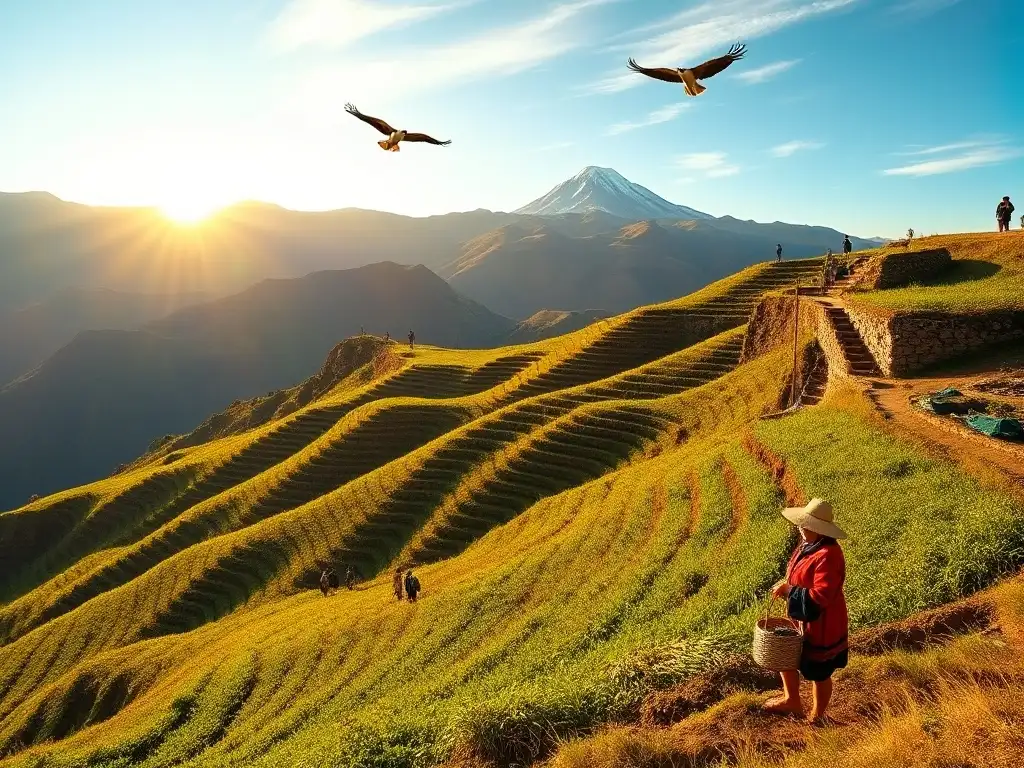
Step into a world lost to time, yet echoing with vibrant life. Imagine the towering heights of the Andes, a landscape shaped not only by nature but by the ingenuity of ancient civilizations. Here at Andean Civilizations, we delve into the fascinating story of their achievements, from breathtaking artistry to groundbreaking technologies. But what secrets does the Quechua language, intrinsically linked to Inca Empire agriculture, hold? Uncover the surprising connection between language and the sustenance of a mighty empire—explore the intricate relationship between Quechua agriculture and the Inca Empire's enduring legacy. Begin your journey now.
Quechua, the language of the Inca Empire, wasn't merely a means of communication; it was deeply interwoven with the fabric of Andean life, particularly agriculture. This article delves into the significant role Quechua played—and continues to play—in shaping agricultural practices, knowledge transmission, and the overall relationship between the Andean people and their environment. We will explore how this language facilitated the sophisticated agricultural techniques of the Inca Empire and other preceding Andean civilizations, demonstrating the profound connection between language, culture, and the sustainable management of resources in the challenging Andean landscape.
Understanding this relationship sheds light on the ingenuity and resilience of Andean civilizations, providing valuable insights into their remarkable achievements in agriculture and its enduring legacy. The keyword "Quechua agriculture Inca Empire" will be explored throughout, revealing the intricate connections between language, culture, and agricultural practices.
Quechua Terminology for Andean Crops and Techniques
The Quechua language boasts a rich vocabulary specifically dedicated to agriculture. Hundreds of words describe various crops, tools, techniques, and even the different stages of plant growth. This detailed lexicon reflects the deep understanding and respect Andean communities held for their agricultural practices.
For example, specific Quechua terms exist to differentiate various potato varieties ( papa), each adapted to specific altitudes and microclimates. Similarly, detailed terminology exists for different irrigation techniques (e.g., aqwa for water channels), terracing (e.g., andenes), and agricultural tools. The precision of this terminology highlights the importance of agricultural knowledge within the Quechua-speaking communities, passed down through generations via oral traditions and embedded within the language itself.
The sheer number of terms related to agricultural practices demonstrates the centrality of farming to Andean life and the sophisticated understanding of agriculture cultivated by these cultures. This linguistic richness is a testament to the long history of agricultural innovation and adaptation within the Andean region.
The Role of Quechua in Knowledge Transmission
The oral tradition played a crucial role in transmitting agricultural knowledge across generations within the Inca Empire and preceding Andean societies. Quechua served as the primary vehicle for this transmission, ensuring the continuity of crucial agricultural practices. Elders, often considered keepers of traditional knowledge, used Quechua to teach younger generations about soil management, crop rotation, water management techniques, and the intricacies of Andean agriculture.
This oral transmission, reinforced by practical demonstrations and participation in agricultural activities, fostered a deep understanding of the land and its resources. The rich vocabulary and nuanced descriptions within the Quechua language facilitated a precise and effective transmission of complex agricultural knowledge, contributing to the sustainability and resilience of Andean agricultural systems. The absence of a written language in many periods only strengthened the importance of oral tradition and the role of Quechua in preserving this vital knowledge.
Quechua and the Sustainability of Andean Agriculture
The Inca Empire's agricultural success wasn't merely a matter of technological innovation; it was also deeply rooted in a sustainable approach to land management. Quechua played a significant role in reinforcing these sustainable practices. The language embedded cultural values and beliefs that emphasized respect for the land and its resources. Terms related to reciprocity and balance reflect the Andean worldview, which saw agriculture not as exploitation but as a harmonious partnership between humans and nature.
This perspective, conveyed and reinforced through Quechua, promoted sustainable practices such as terracing, irrigation systems, and crop diversification, all contributing to the long-term productivity and resilience of Andean agriculture. The enduring legacy of these sustainable practices, deeply intertwined with the Quechua language, offers valuable lessons for modern agriculture. Understanding the cultural and linguistic underpinnings of these practices is crucial for promoting sustainable agricultural models today.
Quechua Agriculture Beyond the Inca Empire: A Continuing Legacy
The influence of Quechua on Andean agriculture extends far beyond the Inca Empire. Even today, Quechua continues to be spoken by millions across the Andes, and its agricultural terminology remains vital in many farming communities. While modern technologies and practices have been adopted, traditional knowledge passed down through Quechua continues to inform and shape contemporary farming methods.
The ongoing use of Quechua in agricultural contexts demonstrates the enduring relevance of this language and its profound connection to the land. The preservation of Quechua is not only crucial for linguistic diversity but also for safeguarding valuable traditional agricultural knowledge that holds significant potential for sustainable development in the Andes and beyond.
The continued use of Quechua in agriculture underscores the language's crucial role in maintaining cultural identity and ensuring the sustainability of Andean farming practices for generations to come. This enduring legacy highlights the inseparable link between language, culture, and the long-term success of Andean agriculture.
- Quechua Terminology for Andean Crops and Techniques
- The Role of Quechua in Knowledge Transmission
- Quechua and the Sustainability of Andean Agriculture
- Quechua Agriculture Beyond the Inca Empire: A Continuing Legacy
- What role did the Quechua language play in Inca agriculture?
- How did Quechua influence agricultural practices in the Andes?
- What were some of the key agricultural innovations facilitated by Quechua communication?
- Beyond the Incas, did other Andean cultures use Quechua for agriculture?
- How did the Quechua language contribute to the success of Inca agriculture?
Quechua Language and its Connection to Andean Farming Practices
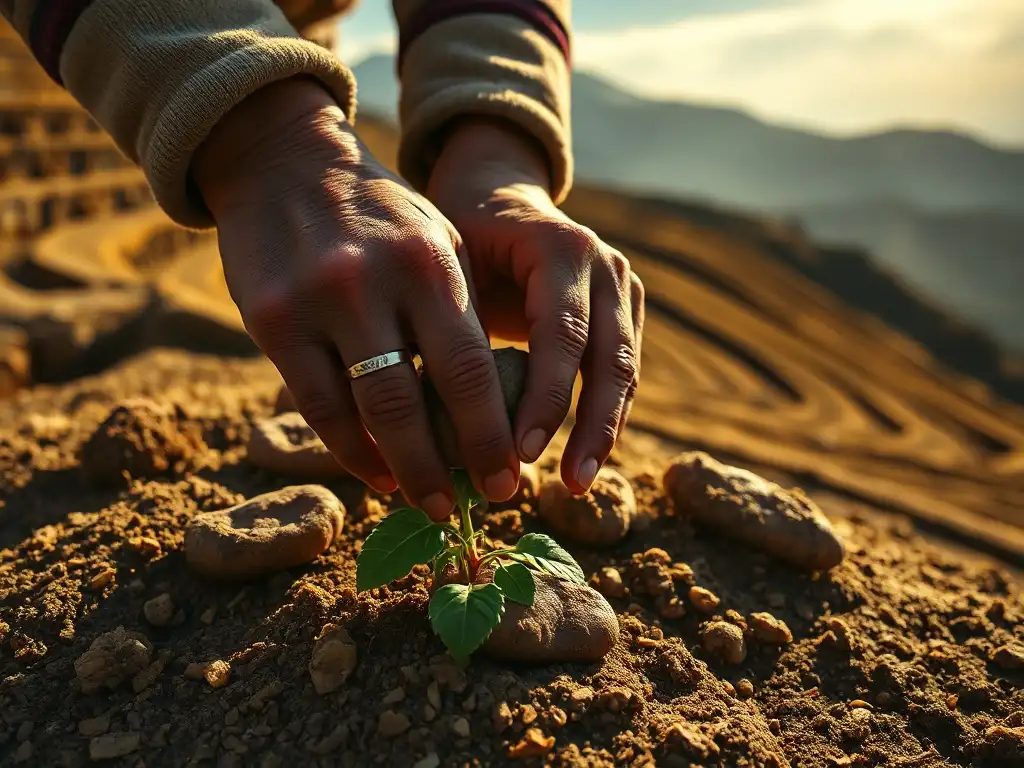
This section delves into the intricate relationship between the Quechua language and the agricultural practices of the Andean civilizations, particularly focusing on the Inca Empire's sophisticated agricultural systems. We will explore how Quechua wasn't merely a means of communication, but a vital tool for the transmission and preservation of agricultural knowledge, shaping the very fabric of Andean life. The enduring legacy of this connection is still visible today in the vocabulary and cultural practices surrounding agriculture in the Andes.
Understanding this link provides crucial insight into the ingenuity and sustainability of Andean farming techniques, showcasing the deep-rooted connection between language and livelihood. The term "Quechua agriculture Inca Empire" encapsulates this precise relationship.
The Deep Roots of Quechua in the Agricultural Landscape
The Quechua language is intrinsically tied to the Andean agricultural landscape. Its vocabulary is rich with terms describing various crops, farming techniques, and the natural environment. For instance, the Quechua language boasts a vast array of words for different potato varieties – a staple crop in the Andes – reflecting the diverse microclimates and agricultural practices developed over centuries.
This linguistic diversity mirrors the biological diversity of potato species cultivated in the region. Beyond potatoes, the lexicon encompasses specific terms for maize, quinoa, beans, and other crucial Andean crops, demonstrating a deep understanding and classification of the agricultural resources available. The precise terminology for different irrigation systems, terracing methods, and soil types further illustrates the language's integral role in shaping agricultural practices.
This detailed vocabulary wasn't just a descriptive tool; it was a crucial element in the transmission of agricultural knowledge across generations. The precise naming of tools, techniques, and even specific pests and diseases reflects the sophisticated knowledge embedded within the language itself.
Furthermore, many Quechua place names directly relate to agricultural activities or features of the landscape. For example, names incorporating words for water sources (e.g., qocha - lake, mayu - river) often indicate areas of fertile land suitable for agriculture. This connection between language and geography highlights the importance of understanding the environment for successful farming.
The very names of villages and fields often reflect the predominant crops cultivated in the area, providing a linguistic map of the agricultural practices across the Andean region. This intricate relationship between language, land, and livelihood underscores the profound impact of Quechua on the development and sustainability of Andean agriculture within the Inca Empire and beyond.
Quechua's Role in Transmitting Agricultural Knowledge
The Quechua language played a crucial role in transmitting agricultural knowledge across generations within the Inca Empire. Oral traditions, songs, and stories preserved vital information about farming techniques, crop rotation, pest control, and water management. These narratives weren't simply entertaining tales; they were practical guides that ensured the continuity of agricultural practices, knowledge that was passed down through families and communities.
The use of proverbs and metaphors related to agriculture further embedded this knowledge into the cultural fabric of Andean society. For example, proverbs about the importance of patience in farming or the consequences of neglecting the land served as practical lessons embedded within the everyday language.
Moreover, the Inca Empire's sophisticated system of mit'a (labor service) relied heavily on Quechua for communication and organization. Foremen and supervisors used Quechua to instruct workers on various agricultural tasks, ensuring that knowledge was disseminated effectively across different regions and communities. The standardization of agricultural practices across the vast Inca Empire was facilitated by the widespread use of Quechua, enabling the efficient management of resources and the sharing of best practices.
The Empire’s success in managing such a diverse agricultural system can be partially attributed to the unifying role of Quechua in facilitating communication and knowledge transfer. Even today, many agricultural practices and terms in Quechua continue to be used, demonstrating the enduring legacy of this language in shaping Andean farming traditions.
The continued use of Quechua in rural communities across the Andes highlights its ongoing importance in preserving traditional agricultural knowledge and practices. This enduring connection between Quechua and Andean agriculture showcases the language's vital role in shaping the cultural and economic landscape of the region, a testament to its power and resilience.
Traditional Quechua Agricultural Techniques and Terminology
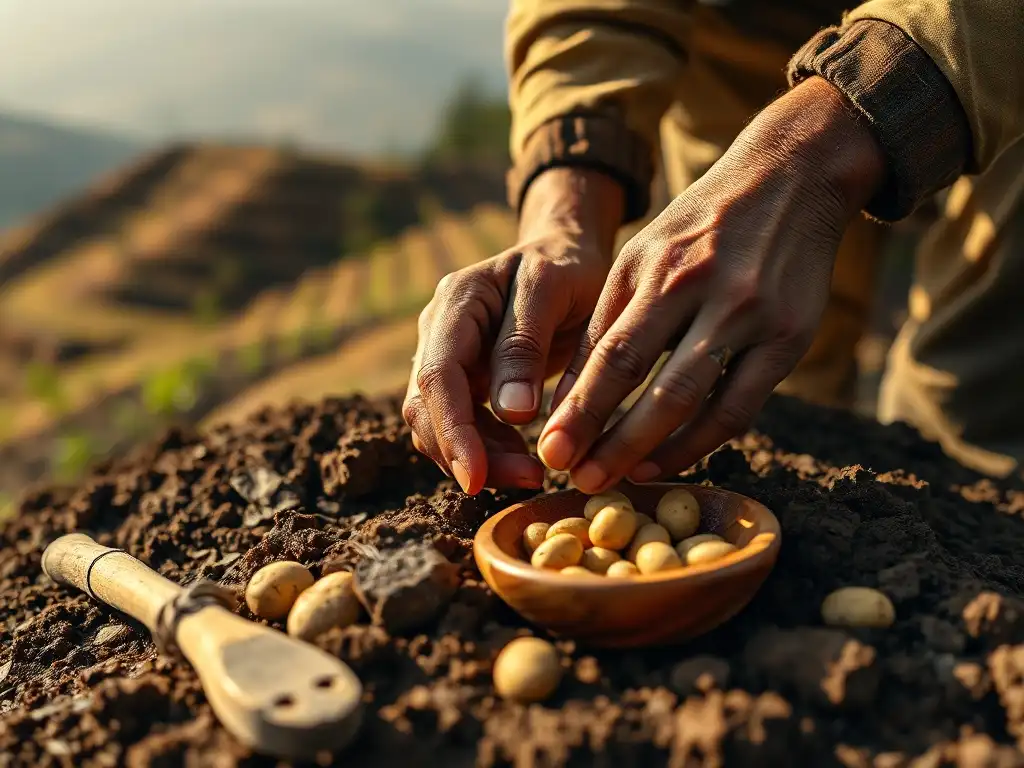
The Quechua language, far from being a mere vehicle for communication, was deeply intertwined with the agricultural practices of the Inca Empire and preceding Andean civilizations. Its vocabulary reflects a sophisticated understanding of the environment and a nuanced approach to farming techniques honed over millennia. Understanding Quechua agricultural terminology provides crucial insight into the ingenuity and knowledge of Andean farmers.
The close relationship between language and practice is evident in the rich lexicon surrounding crops, tools, and land management. This section explores the fascinating connection between Quechua and the agricultural heart of the Andes, illuminating the "Quechua agriculture Inca Empire" relationship.
Quechua Vocabulary for Andean Crops: Potatoes, Quinoa, Corn, Oca, and Mashua
The Andean highlands boast an incredible diversity of crops, many uniquely adapted to the challenging terrain and climate. Quechua possesses a rich vocabulary reflecting this biodiversity. For example, potatoes, a staple crop, aren't simply referred to by a single word. Different varieties—each with unique characteristics and growing requirements—have distinct Quechua names. This linguistic precision underscores the Andean farmers' deep understanding of their crops.
Similarly, quinoa ( kinwa), a nutritious grain, and corn ( sara), a vital source of carbohydrates, have specific Quechua terms. The tubers oca ( uka) and mashua ( mashwa), less common outside the Andes but crucial to the region's diet, also possess unique names in Quechua. This detailed naming system, essential for understanding "Quechua agriculture Inca Empire," illustrates the sophisticated agricultural knowledge embedded within the language.
| Crop | Quechua Name | English Translation | Notes |
|---|---|---|---|
| Potato | papa | Potato | Numerous varieties have specific names; e.g., papa waka, papa ch'ullu |
| Quinoa | kinwa | Quinoa | A highly nutritious grain. |
| Corn | sara | Corn | A staple crop in various forms. |
| Oca | uka | Oca | A tuber with a slightly sour taste. |
| Mashua | mashwa | Mashua | Another Andean tuber, often used for its nutritional and medicinal value. |
Quechua Names for Agricultural Tools and Implements
The tools used in Andean agriculture were, and in many cases still are, meticulously crafted and adapted to the specific needs of the environment. Quechua vocabulary reflects this precision. Terms describe not only the function of each tool but often also its material and construction. For instance, the specific type of wood used to make a plow might be indicated in its Quechua name. This level of detail highlights the intimate relationship between language and practical knowledge. Understanding these terms is crucial for appreciating the technological sophistication of Andean agriculture and its connection to "Quechua agriculture Inca Empire."
Detailed descriptions of specific tools and their Quechua names are currently pending. Further research is needed to compile a comprehensive list, including variations across different Quechua dialects. This would significantly enrich our understanding of the technological aspects of Andean agriculture.
Andean agriculture relied heavily on sophisticated techniques for managing land and water resources. Terracing, for example, transformed steep slopes into productive farmland. Quechua possessed a rich vocabulary describing different types of terraces, their construction, and their maintenance. Similarly, irrigation systems, essential in the arid and semi-arid regions of the Andes, were carefully planned and managed.
Quechua terms described various aspects of these systems, from canals and ditches to reservoirs and water management techniques. This detailed vocabulary reflects the ingenuity and expertise of Andean farmers in harnessing their environment for agricultural production. The careful management of water resources, as reflected in the Quechua lexicon, is a key aspect of understanding "Quechua agriculture Inca Empire."
Further research is necessary to fully document the Quechua vocabulary related to land management practices. This would involve fieldwork in Andean communities, analysis of historical texts, and collaboration with Quechua speakers. The resulting data would provide invaluable insights into the sustainable and innovative agricultural techniques employed by Andean civilizations. This information is crucial for understanding the historical context and ecological awareness embedded in "Quechua agriculture Inca Empire".
The Inca Empire and the Quechua-Based Agricultural System

The Inca Empire, at its zenith, controlled a vast and diverse agricultural landscape spanning the Andes Mountains. Their success wasn't solely due to ingenious engineering solutions like terrace farming; it was intrinsically linked to their sophisticated use of Quechua, the language of the empire. Quechua wasn't merely a means of communication; it was a vital tool for organizing, managing, and transmitting agricultural knowledge across generations and diverse ecological zones. This deep integration of language and agriculture ensured the empire's food security and sustained its impressive growth.
The vocabulary itself reflects this close relationship, with numerous specific terms for different crops, farming techniques, and even the various microclimates within the Andean region. Understanding this linguistic element is key to truly appreciating the Inca's agricultural achievements. This wasn't simply a matter of labeling; the language itself structured their understanding and practice of agriculture.
The Importance of Quechua in the Inca Agricultural Economy
Quechua served as the backbone of the Inca agricultural economy in several key ways. First, it facilitated the transmission of crucial agricultural knowledge. Detailed instructions on planting cycles, irrigation techniques, pest control, and crop rotation were passed down orally through generations, preserved and refined within the Quechua lexicon. This oral tradition, bolstered by mnemonic devices embedded within the language itself, ensured the continuity of farming practices across vast distances and varying environmental conditions.
Secondly, Quechua played a crucial role in the organization of labor. The mit'a system, a form of mandatory labor service, relied heavily on clear communication to coordinate large-scale projects like irrigation canals and terrace construction. Specific Quechua terms designated different roles and responsibilities, ensuring efficiency and minimizing confusion.
Finally, Quechua allowed for the standardization of agricultural practices and the sharing of best practices across different regions. This standardization contributed significantly to the empire's impressive agricultural output and resilience. The precise terminology ensured that everyone, from the emperor to the common farmer, understood the agricultural directives and procedures.
Inca Agricultural Innovations and Quechua Naming Conventions
The Inca's agricultural innovations are directly reflected in their Quechua vocabulary. For example, the intricate system of waru waru raised-field agriculture, particularly effective in managing water resources in swampy areas, likely had specific Quechua terms to describe its various components and techniques. Similarly, the ingenious andenes (terraces) carved into the steep mountain slopes would have had a rich vocabulary associated with their construction, maintenance, and associated agricultural practices.
While specific etymologies remain a subject of ongoing research, the sheer number of Quechua words related to agriculture—covering diverse crops, tools, techniques, and even pests—highlights the language's importance in shaping Inca agricultural practices. The existence of distinct terms for different varieties of potatoes, maize, and other staple crops, for example, demonstrates a level of agricultural sophistication directly reflected in the linguistic diversity. [Specific examples of Quechua terms for Inca agricultural innovations pending].
Quechua's Influence on the Terrace Farming System
The andenes, or terraced farming systems, represent a pinnacle of Inca engineering and agricultural ingenuity. Quechua played a crucial role in the design, construction, and maintenance of these remarkable feats of engineering. The construction of andenes required highly coordinated labor, precise measurements, and a shared understanding of the terrain and its microclimates.
Quechua facilitated this coordination, providing the vocabulary to describe the different aspects of the terraces: their orientation, slope, size, and the types of crops best suited to each specific location. Furthermore, the maintenance of these terraces, which required ongoing attention and repairs, relied on a clear and consistent system of communication, again facilitated by Quechua. The language ensured that knowledge about soil management, irrigation techniques, and pest control was shared effectively amongst those responsible for the terraces' upkeep.
The success of the andenes system, therefore, was directly dependent on the precise and nuanced terminology offered by the Quechua language. The longevity of the andenes as a testament to Inca agricultural prowess is also a testament to the enduring power of Quechua in shaping Andean agricultural practices. The language itself became an integral part of the agricultural landscape, embedding itself within the very fabric of the andenes.
Quechua Agriculture Today: Continuity and Change
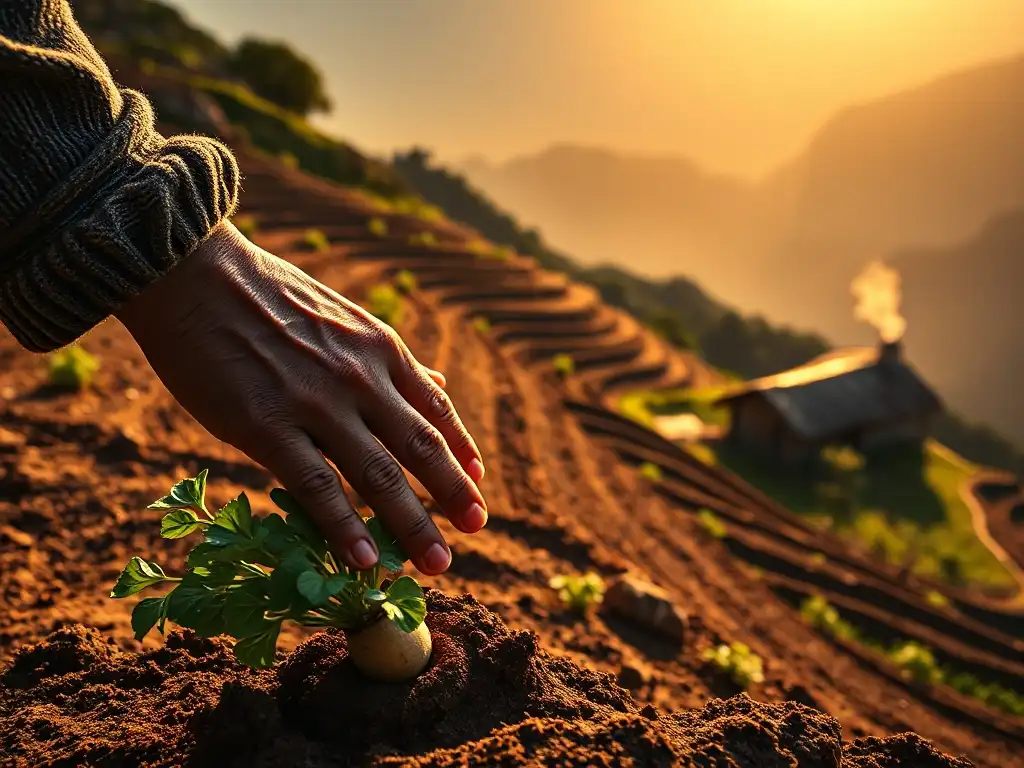
The Quechua language, deeply interwoven with the agricultural practices of the Andes for centuries, continues to thrive alongside modern farming techniques. While industrialization and globalization have impacted agricultural practices across the region, the influence of Quechua remains palpable, shaping how communities interact with their land and resources. Understanding the present-day relationship between Quechua and Andean agriculture requires examining the unique ways in which traditional knowledge is preserved and adapted in modern contexts.
This section will explore the resilience of Quechua agricultural traditions and the challenges and opportunities facing Quechua farmers in the 21st century. The enduring legacy of the Inca Empire's sophisticated agricultural systems is clearly visible in many aspects of contemporary Quechua farming.
Modern Quechua Farming Communities and Their Practices
Modern Quechua farming communities exhibit a fascinating blend of traditional and contemporary methods. Many communities continue to utilize ancient techniques like waru waru (raised-field agriculture), a system developed by pre-Inca cultures and refined during the Inca Empire. This ingenious method, which involves creating raised beds separated by canals, allows for efficient water management, particularly crucial in the arid Andean highlands.
The Quechua language itself reflects this deep-rooted connection, with a rich vocabulary describing various crops, farming tools, and agricultural practices. For example, the precise terms for different potato varieties, reflecting the incredible biodiversity cultivated in the Andes, are a testament to the linguistic and agricultural knowledge passed down through generations. Specific terms for irrigation techniques, soil types, and planting seasons further highlight the intricate relationship between language and agricultural practice.
This linguistic precision ensures the accurate transmission of vital agricultural knowledge, crucial for successful farming in challenging Andean environments. The continued use of Quechua in these contexts underscores its importance as a living language, actively shaping agricultural practices. The survival of waru waru and other traditional techniques in some areas demonstrates the adaptability of Quechua agricultural systems in the face of modern challenges.
The Resilience of Quechua Agricultural Traditions
The survival of Quechua agricultural traditions is a testament to their effectiveness and adaptability. Despite the pressures of modernization, many communities maintain traditional crop varieties, often better suited to local conditions than commercially produced seeds. This preservation of biodiversity is vital for food security and resilience to climate change.
Furthermore, the collective nature of traditional Andean agriculture, often involving cooperative labor and shared resources, remains a cornerstone of many Quechua communities. The ayni system, a reciprocal labor exchange, continues to be practiced, fostering social cohesion and ensuring the completion of labor-intensive agricultural tasks. This system, deeply embedded in Quechua social structures, demonstrates the enduring importance of community in shaping agricultural practices.
Furthermore, traditional knowledge related to crop rotation, pest control, and soil management, all conveyed through the Quechua language, contributes significantly to the sustainability of these farming systems. The transmission of this knowledge, often through oral traditions and storytelling, ensures its continuity across generations. This remarkable resilience underscores the importance of supporting and preserving Quechua agricultural practices, not only for their cultural significance but also for their contribution to sustainable food production in the Andes.
Challenges and Opportunities for Quechua Agriculture in the 21st Century
While Quechua agricultural traditions demonstrate impressive resilience, modern challenges pose significant threats. Climate change, including unpredictable rainfall patterns and increased frequency of extreme weather events, poses a major threat to Andean agriculture. The increasing scarcity of water resources further exacerbates these challenges. Market forces and the pressure to adopt commercial farming practices can also lead to the abandonment of traditional techniques and the loss of biodiversity.
However, these challenges also present opportunities. The integration of traditional knowledge with modern agricultural technologies, such as improved irrigation systems and sustainable farming practices, can enhance productivity and resilience. Promoting fair trade practices and supporting local markets can provide economic incentives for Quechua farmers to maintain their traditional methods. Investing in research and development focused on climate-resilient crops and farming techniques adapted to the unique conditions of the Andean region is crucial.
Supporting education and training programs that combine traditional Quechua agricultural knowledge with modern scientific approaches will be vital for the future of Quechua agriculture. The preservation and promotion of the Quechua language itself is also essential, as it serves as the repository of invaluable traditional knowledge. By addressing these challenges and capitalizing on the opportunities, we can ensure the continued vibrancy of Quechua agriculture and its contribution to the sustainable development of the Andean region for generations to come. The future of “Quechua agriculture Inca Empire” traditions hinges on this careful balance of preservation and adaptation.
Preserving Quechua Agricultural Knowledge for Future Generations
The Quechua language, deeply intertwined with the agricultural practices of the Inca Empire and its successor cultures, holds a wealth of knowledge crucial for sustainable farming techniques and food security in the Andes. However, the rapid spread of Spanish and other languages threatens the transmission of this invaluable linguistic and agricultural heritage. Preserving Quechua agricultural knowledge is not merely a linguistic endeavor; it's a vital step towards safeguarding biodiversity, promoting food sovereignty, and ensuring the cultural continuity of Andean communities.
The loss of Quechua agricultural terms represents a loss of nuanced understanding of specific crops, soil types, and farming methods developed over millennia. This loss impacts not only cultural identity but also practical agricultural skills, potentially leading to decreased yields and environmental degradation.
Therefore, concerted efforts are needed to actively document and revitalize this knowledge, ensuring its transmission to future generations. This preservation requires a multi-pronged approach involving community engagement, technological advancements, and educational reforms.
Documenting and Revitalizing Quechua Agricultural Terminology
One critical aspect of preserving Quechua agricultural knowledge involves systematically documenting and revitalizing its rich agricultural terminology. This necessitates engaging directly with Quechua-speaking farmers and elders, who are the living repositories of this knowledge. Ethnobotanical studies, meticulously recording the Quechua names for various crops, farming tools, and agricultural practices, are essential. These studies must go beyond simple lexical lists; they should capture the intricate knowledge embedded within the language, including traditional methods of seed saving, pest control, and water management.
For example, the Quechua term for a specific potato variety might encompass not only its botanical characteristics but also its ideal planting conditions, culinary uses, and cultural significance within the community. Furthermore, creating accessible dictionaries and glossaries of Quechua agricultural terminology, both in print and digital formats, can facilitate the dissemination of this knowledge to a broader audience. This process should also actively involve younger generations, encouraging them to learn and use the Quechua agricultural vocabulary, thus ensuring the language's continued vitality.
Digital archiving and the creation of online resources are particularly important for accessibility and wider dissemination. The development of multimedia resources, such as videos and audio recordings of Quechua speakers discussing traditional farming practices, can significantly enhance the learning experience and cultural immersion. This approach ensures that the knowledge is not just preserved but also dynamically shared and understood.
The Role of Education in Promoting Quechua Farming Practices
Integrating Quechua agricultural knowledge into formal and informal education systems is paramount. Schools in Andean communities should incorporate Quechua language instruction alongside practical agricultural training, allowing students to learn about traditional farming practices while simultaneously strengthening their linguistic skills. This integrated approach fosters cultural pride and empowers students with valuable skills for sustainable livelihoods.
Curriculum development should prioritize the inclusion of traditional knowledge alongside modern agricultural techniques, emphasizing the complementarity of both approaches. For instance, lessons could compare traditional methods of soil fertilization with modern practices, highlighting the strengths and limitations of each. Furthermore, educational programs could focus on developing agro-ecological practices that integrate traditional knowledge with modern science, leading to more sustainable and resilient agricultural systems.
The inclusion of elders and experienced Quechua-speaking farmers as guest lecturers and mentors in schools can provide invaluable insights and firsthand experience, bridging the gap between generations and ensuring authentic transmission of knowledge. The goal is not to replace modern agricultural techniques but to integrate and enhance them using the wisdom embedded within Quechua agricultural practices. This approach fosters resilience, sustainability, and cultural preservation.
The Importance of Indigenous Knowledge in Sustainable Agriculture
Quechua agricultural knowledge offers invaluable insights for sustainable agriculture in the face of climate change and environmental challenges. Traditional farming practices, often developed over centuries, demonstrate remarkable adaptability and resilience to environmental variations. These practices frequently incorporate techniques such as terracing, crop rotation, and intercropping, which enhance soil fertility, conserve water, and promote biodiversity. For example, the Inca's sophisticated terracing systems not only increased arable land but also minimized soil erosion and water runoff.
Understanding and implementing these traditional methods can contribute significantly to mitigating the impacts of climate change on Andean agriculture. Moreover, traditional knowledge holds valuable information about the management of local biodiversity, including the use of native crop varieties adapted to specific environmental conditions. This indigenous knowledge is vital for developing climate-resilient agricultural systems and preserving genetic diversity.
The integration of traditional knowledge with modern scientific research can lead to innovative and sustainable agricultural practices that benefit both the environment and local communities. By recognizing and valuing the importance of Quechua agricultural knowledge, we can foster more sustainable and resilient agricultural systems in the Andes, ensuring food security and cultural preservation for future generations. This integrated approach combines the wisdom of the past with the tools of the present to build a more sustainable future.
Frequently Asked Questions
What role did the Quechua language play in Inca agriculture?
Quechua served as the administrative language of the Inca Empire, facilitating communication and organization across vast agricultural projects. It was crucial for transmitting knowledge about farming techniques and crop management. This ensured efficient cultivation and distribution of resources.
How did Quechua influence agricultural practices in the Andes?
The language embedded detailed knowledge of Andean agricultural practices, including specific terms for different crops, terrains, and farming methods. This oral tradition, passed down through generations, shaped agricultural techniques and ensured their continuity.
What were some of the key agricultural innovations facilitated by Quechua communication?
Quechua enabled the effective dissemination of innovative techniques like terracing, irrigation, and crop rotation. The precise terminology allowed for the clear and efficient instruction of these complex systems.
Beyond the Incas, did other Andean cultures use Quechua for agriculture?
While Quechua became dominant under the Inca Empire, other Andean cultures had their own languages for agricultural purposes. However, the Inca expansion led to the spread of Quechua and its agricultural terminology across a wider area.
How did the Quechua language contribute to the success of Inca agriculture?
The precise and nuanced vocabulary of Quechua, combined with its widespread use, ensured efficient organization and knowledge transfer within the vast Inca agricultural system. This facilitated the empire's remarkable agricultural productivity and sustained its growth.
Final Reflection: A Legacy Planted Deep: Quechua and the Andean Earth
The enduring connection between the Quechua language and Andean agricultural practices remains profoundly relevant today, a testament to the ingenuity and resilience of a culture deeply intertwined with its environment. The survival and revitalization of Quechua are not merely linguistic concerns; they are crucial for preserving invaluable traditional ecological knowledge and ensuring sustainable agricultural practices for future generations. The loss of Quechua represents a loss of irreplaceable wisdom.
The influence of Quechua on Andean agriculture extends far beyond the Inca Empire, shaping the cultural landscape and agricultural techniques for centuries. Its intricate vocabulary, rich in nuanced descriptions of plants, soils, and weather patterns, reflects a deep understanding of the Andean ecosystem. This intimate relationship between language and land is beautifully captured in the saying: The language is the land, and the land is the language.
This profound connection underscores the importance of preserving Quechua not just as a historical artifact, but as a living, breathing repository of knowledge essential for navigating the challenges of modern agriculture and climate change.
Consider the implications of this for your own life. How can we, as individuals, contribute to the preservation of linguistic and cultural diversity? What steps can we take to appreciate and support the efforts of communities working to revitalize their ancestral languages and traditional practices? Let the legacy of Quechua inspire you to explore the rich tapestry of human knowledge and the vital connection between language, culture, and the environment. Let us work together to ensure that the wisdom embedded within Quechua continues to flourish, enriching our world for generations to come.
Embrace the Language of the Andes!
Thank you for joining us on this journey exploring the rich heritage of the Quechua language and its vital role in Andean agriculture. We hope you gained valuable insights into the deep connection between language, cultural practices, and sustainable farming methods. Let's now explore ways to further connect with this vibrant tradition.
Here are some suggestions for active engagement:
- **Immerse yourself in the Quechua language** by enrolling in a local language class. This will provide you with the agricultural vocabulary and a deeper connection to the community.
- Share this article with friends and family to help **raise awareness** of the importance of preserving Quechua and its rich cultural significance.
- Engage directly with Quechua culture by visiting Andean marketplaces and cultural events to experience its customs firsthand.
Which aspects of Andean agriculture most intrigue you, and how do you believe learning Quechua can enhance our understanding of these traditional practices?