
Aymara Migration Patterns: Movement and Settlement in the Andes

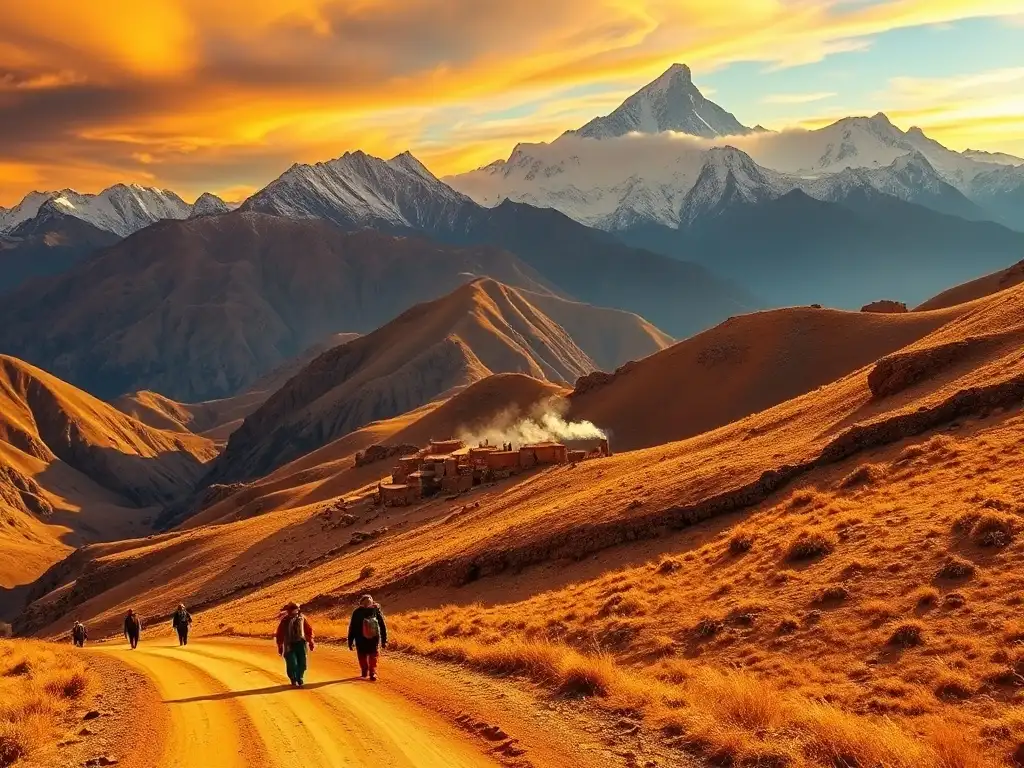
Uncover the secrets whispered on the wind across the Andes! For centuries, the majestic peaks have witnessed the rise and fall of incredible civilizations. But what truly shaped their destinies? Delve into the fascinating world of Andean history and discover the intricate Aymara migration patterns that defined their settlements and shaped their cultures. Their journeys across the towering mountains hold the key to understanding these enigmatic societies – are you ready to unlock their mysteries?
The Aymara people, renowned for their resilience and rich cultural heritage, have a history deeply intertwined with the complex geography of the Andes Mountains. Understanding their migration patterns is crucial to grasping the development of their unique societal structures, agricultural practices, and enduring cultural traditions.
This exploration delves into the fascinating journey of the Aymara, tracing their movements and settlement across the Andean region from pre-Columbian times to the present day. We will examine the factors driving these migrations, the challenges faced by the Aymara in adapting to diverse environments, and the lasting impact of these movements on their cultural identity.
This analysis will shed light on the intricate relationship between the Aymara and their environment, highlighting the ingenuity and adaptability that allowed them to thrive in one of the world's most challenging terrains. The study of Aymara migration patterns offers invaluable insights into the broader history of Andean civilizations and the enduring legacy of this remarkable people.
Understanding Aymara Population Movements in the Andean Region
Understanding Aymara population movements requires a multifaceted approach, considering both environmental pressures and socio-political factors. The rugged terrain of the Andes, characterized by high altitudes, steep slopes, and varied climates, significantly influenced where Aymara communities settled. Access to water resources, fertile land for agriculture (particularly for cultivating potatoes and quinoa), and defensible locations played crucial roles in determining settlement patterns.
Furthermore, historical events, such as warfare, political upheaval, and economic shifts, profoundly impacted Aymara migration. For example, [specific information pending] detailing the impact of Inca expansion on Aymara settlements. The Spanish conquest brought about further significant population displacement and resettlement, altering traditional patterns drastically. Analyzing colonial records and archaeological evidence can provide valuable data on these forced migrations and their consequences.
The following table summarizes some key factors influencing Aymara migration:
| Factor | Description | Impact on Migration |
|---|---|---|
| Environmental | Availability of water, fertile land, suitable climate | Determined settlement locations, influenced agricultural practices |
| Socio-political | Warfare, political instability, economic opportunities, colonial policies | Caused displacement, resettlement, and changes in social structures |
| Economic | Access to resources, trade routes, labor demands | Influenced movement towards areas with greater economic opportunities |
| Demographic | Population growth, disease outbreaks | Led to expansion into new territories or internal migrations |
Analyzing these factors allows for a more complete understanding of the complex interplay between environmental constraints and human agency in shaping Aymara migration patterns. Further research, particularly into [specific data needed on oral histories and genetic studies], could significantly enhance our understanding.
Early Aymara Migrations: Pre-Columbian Settlement Patterns
Pre-Columbian Aymara migration patterns are difficult to fully reconstruct due to limited written records. However, archaeological evidence, such as the distribution of characteristic pottery styles and architectural remains, provides valuable clues. Early settlements were likely concentrated in areas offering suitable agricultural conditions and access to resources. These areas would have been strategically chosen for their defensibility and proximity to water sources.
Evidence suggests a gradual expansion from core areas, likely driven by population growth and the search for new resources. The development of sophisticated agricultural techniques, such as terracing and irrigation, allowed the Aymara to adapt to the challenging Andean environment and expand their settlements into higher altitudes and steeper slopes. The intricate network of pathways and communication systems that developed throughout the Andes facilitated trade and interaction between different Aymara communities, further shaping their migration patterns.
The discovery of [specific archaeological sites and their significance pending] offers further insights into early Aymara settlement patterns and their adaptation to the diverse environments of the Andes. Further research into these sites, combined with detailed analysis of linguistic and genetic data, will allow for a more comprehensive understanding of the early Aymara migrations and their impact on the cultural landscape of the Andes. The study of pre-Columbian Aymara migration is an ongoing process, with new discoveries constantly refining our understanding of this fascinating chapter in Andean history.
The Impact of Tiahuanaco on Aymara Dispersal
The rise and fall of the Tiahuanaco civilization profoundly impacted Aymara migration patterns. While the exact nature of the relationship between the Tiahuanaco and the early Aymara is still debated by scholars, it's clear that Tiahuanaco's influence extended far beyond its immediate territorial reach. The sophisticated administrative and agricultural systems implemented by Tiahuanaco likely facilitated population growth and encouraged the movement of people across the Altiplano.
The distribution of Tiahuanaco-style pottery and other artifacts across a wide geographic area suggests a significant level of interaction and possibly even migration driven by economic opportunities or political influence. Evidence suggests that the Aymara, or their ancestors, were incorporated into this wider network, experiencing both the benefits of increased trade and agricultural productivity, and the potential disruption caused by a powerful centralized state. The Tiahuanaco state's control over vital resources and trade routes likely played a significant role in shaping the distribution of Aymara communities.
The exact mechanisms of this influence, however, remain a subject of ongoing research and archaeological investigation. Further research is needed to fully elucidate the complex interplay between Tiahuanaco's expansion and the early Aymara population movements. We need more detailed isotopic studies of human remains from this period to help trace migration patterns more accurately.
Tiahuanaco's Influence on Aymara Territorial Expansion
Tiahuanaco's expansionist policies likely facilitated the spread of Aymara-speaking populations or their linguistic ancestors. The empire's extensive road network and administrative organization may have encouraged settlement in new areas, creating opportunities for Aymara communities to expand their territory. The standardization of agricultural practices introduced by Tiahuanaco could have also contributed to increased food production, supporting larger populations and enabling further territorial expansion.
Archaeological evidence of Tiahuanaco influence, including the widespread distribution of its characteristic pottery and building styles, supports this hypothesis. However, it is crucial to note that the relationship between Tiahuanaco and the Aymara might not have been solely one of expansion and control. It's possible that Aymara groups actively participated in the growth and development of the Tiahuanaco state, and that their migration patterns were influenced by a complex interaction of factors, including both cooperation and coercion.
Further research is necessary to determine the precise extent of Tiahuanaco's influence on Aymara territorial expansion. More detailed analysis of settlement patterns across the Altiplano is needed to better understand the dynamic between Tiahuanaco's expansion and Aymara migration.
Aymara Population Shifts Following Tiahuanaco's Decline
The collapse of the Tiahuanaco state in the late 11th or early 12th century CE led to significant population shifts among Aymara communities. The disintegration of the centralized political and economic system caused widespread instability, prompting migrations driven by factors such as resource scarcity, conflict, and the search for new opportunities. Some Aymara communities might have relocated to areas previously outside Tiahuanaco's control, while others may have experienced internal displacement.
Archaeological studies examining changes in settlement patterns and material culture following the Tiahuanaco collapse will help clarify these population movements. The exact scale and nature of these migrations remain subjects of ongoing debate among researchers.
However, the evidence suggests that the decline of Tiahuanaco was a turning point in Aymara history, leading to new social and political structures, and profoundly reshaping their settlement patterns across the Andes. Further research, particularly detailed analysis of radiocarbon dating of settlements and detailed ceramic analysis across different regions, is needed to understand the intricate details of Aymara migration following Tiahuanaco's decline.
Colonial Era Aymara Migrations: Reshaping Andean Communities
The Spanish conquest of the Andes in the 16th century dramatically altered Aymara migration patterns. The colonial period witnessed significant population movements driven by Spanish policies and the resulting socio-economic changes. These migrations were often involuntary, shaped by forced labor systems and the reorganization of Andean society under Spanish rule. The disruption of traditional social structures and economic systems forced many Aymara to relocate, either to work in mines or on large agricultural estates (haciendas).
The imposition of new administrative boundaries and the establishment of colonial towns also influenced Aymara settlement patterns. The colonial period saw a drastic shift away from the pre-Columbian patterns, leading to a more fragmented and dispersed distribution of Aymara communities. The impact of this period on Aymara culture and identity cannot be overstated.
Forced Relocations and Aymara Labor Migration Under Spanish Rule
The Spanish encomienda and mita systems, which forced indigenous populations to work in mines and on agricultural estates, resulted in massive population movements among the Aymara. These systems often involved the relocation of entire communities to areas rich in mineral resources or suitable for large-scale agriculture. Many Aymara were forced to migrate far from their ancestral lands, leading to the disruption of traditional social networks and cultural practices.
The harsh conditions of these forced migrations resulted in significant population decline due to disease, malnutrition, and overwork. The Spanish colonial administration actively managed these population movements, using various strategies to ensure a steady supply of labor for their economic enterprises. Historical records, such as colonial censuses and administrative documents, provide valuable insights into these forced migrations, although they often lack detailed information on the experiences of individual Aymara communities.
The Impact of Mining on Aymara Settlement and Movement
The Spanish colonial mining industry played a pivotal role in shaping Aymara migration patterns. The discovery of vast silver deposits in the Andes led to the establishment of numerous mines, attracting a large influx of Aymara laborers who were either forced or incentivized to migrate to these mining centers. The growth of mining towns created new settlement patterns, often concentrated around mining sites, and often far removed from traditional Aymara agricultural lands.
The demand for labor in the mines resulted in a significant increase in Aymara mobility, as people moved between mines and agricultural areas in response to changing economic opportunities or forced labor demands. The environmental impact of mining activities also contributed to the displacement of Aymara communities, as mining operations often polluted water sources and damaged agricultural lands.
The long-term consequences of colonial mining on Aymara communities are still felt today, with many communities still struggling with the environmental and social legacy of this period. Detailed studies of mining records and oral histories from affected communities are needed to fully understand the impact of mining on Aymara migration and settlement.
20th and 21st Century Aymara Migration Trends
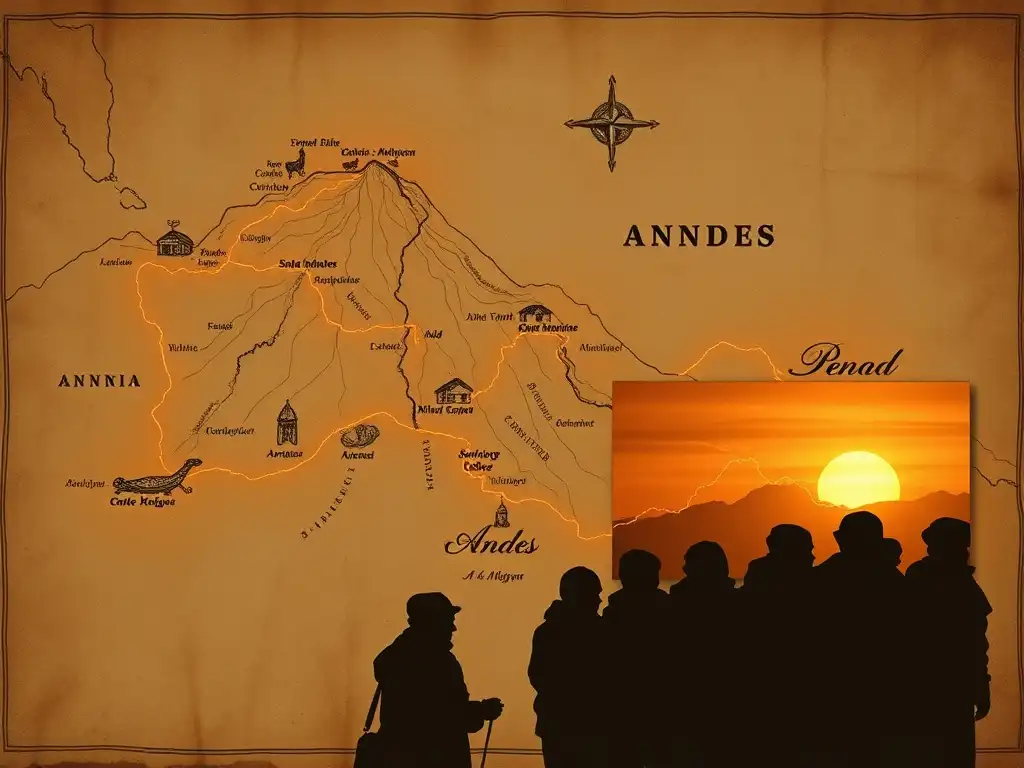
The 20th and 21st centuries have witnessed significant shifts in Aymara migration patterns, driven by a complex interplay of economic, social, and environmental factors. Early 20th-century movements were often localized, responding to agricultural cycles and resource availability within the Andes region. However, the latter half of the century saw a dramatic increase in both internal and international migration.
The construction of roads and increased accessibility to urban centers facilitated greater mobility, while globalization and economic liberalization opened new opportunities—and challenges—for Aymara communities. This period also saw a rise in displacement due to conflict and environmental degradation, forcing many Aymara to seek refuge in other regions or countries. The impact of these migrations has been profound, shaping the demographic landscape of both rural and urban areas across the Andes and beyond.
The increasing interconnectedness of the world has also led to more complex migratory flows, with Aymara people moving between multiple destinations and maintaining transnational connections with their home communities. Understanding these trends is crucial to comprehending the contemporary Aymara experience and the challenges they face in maintaining their cultural identity in an increasingly globalized world.
Rural-Urban Migration of Aymara People: Seeking Economic Opportunities
Rural-urban migration has been a defining characteristic of Aymara movement in recent decades. Driven primarily by the search for better economic opportunities, many Aymara individuals and families have left their traditional rural communities in search of employment in urban centers.
These urban areas often offer higher wages, more diverse job prospects, and access to education and healthcare, although they also present challenges such as overcrowding, competition for resources, and cultural adjustment. The influx of Aymara migrants into urban areas has contributed to the growth of these cities and has also led to the formation of distinct Aymara communities within them, preserving aspects of their cultural heritage while adapting to urban life.
Specific examples include the growth of Aymara populations in cities like La Paz, Bolivia, and Arequipa, Peru, where they have established businesses, formed social networks, and contributed to the cultural richness of the urban landscape. This migration, while providing economic benefits for many, also raises concerns about the potential loss of traditional knowledge and practices in rural communities.
Transnational Aymara Migrations: Movement Across Borders
Transnational migration represents a significant aspect of contemporary Aymara movement. Driven by factors such as economic hardship, political instability, and the search for better living conditions, many Aymara individuals have migrated to countries beyond their national borders. Destinations for these migrants have included neighboring countries in South America, as well as countries further afield such as Spain, the United States, and even further afield.
These migrations often create complex transnational networks, with Aymara communities maintaining close ties to their homelands while simultaneously navigating the challenges of living and working in a new cultural context. Remittances sent by Aymara migrants back to their families and communities play a vital role in supporting their livelihoods and fostering economic development in their places of origin. The experiences of transnational Aymara migrants illuminate the challenges and opportunities presented by globalization and the increasing interconnectedness of the world.
Aymara migration decisions are shaped by a complex interplay of economic, social, and environmental factors. These factors often act in concert, creating powerful push and pull forces that influence individuals and families to relocate. Understanding these drivers is crucial for developing effective policies to address the challenges faced by Aymara communities and to support their well-being and cultural preservation. The interplay of these forces is dynamic and varies depending on specific contexts, highlighting the need for nuanced approaches to understanding Aymara migration.
Economic Push and Pull Factors: Land, Labor, and Resources
Economic factors are among the most significant drivers of Aymara migration. In many cases, limited access to land, scarce employment opportunities, and low wages in rural areas act as “push” factors, compelling Aymara people to seek better economic prospects elsewhere. Conversely, the promise of higher wages, better job opportunities, and access to resources in urban centers or other countries acts as “pull” factors, attracting migrants to new destinations.
The scarcity of arable land due to factors like land grabbing and climate change has significantly contributed to the economic pressures driving Aymara to migrate. The lack of diversification in rural economies also plays a crucial role, leaving many Aymara communities overly reliant on agriculture, making them vulnerable to economic shocks such as droughts or fluctuations in commodity prices.
Social and Cultural Influences on Aymara Migration Decisions
Social and cultural factors also play a significant role in shaping Aymara migration patterns. Family ties, community networks, and cultural traditions often influence migration decisions. For example, the desire to reunite with family members who have already migrated to urban centers or other countries can be a strong motivator.
Furthermore, the search for better educational opportunities for children or access to healthcare services can also push families to relocate. Conversely, concerns about cultural assimilation or the loss of traditional ways of life in new environments can act as deterrents to migration. The strength of social networks within Aymara communities often facilitates migration, as existing ties provide support and assistance to newcomers in new locations.
Environmental Changes and Aymara Displacement in the Andes
Environmental changes, particularly those related to climate change, are increasingly driving Aymara displacement and migration. The Andes region is highly vulnerable to the impacts of climate change, including changes in precipitation patterns, glacier retreat, and increased frequency of extreme weather events. These changes have significant consequences for Aymara communities, which are heavily reliant on agriculture and natural resources for their livelihoods.
Droughts, floods, and land degradation can lead to crop failures, livestock losses, and reduced access to water, forcing Aymara families to abandon their homes and seek refuge in more stable areas. The impact of environmental changes on Aymara communities highlights the need for adaptation strategies and mitigation measures to help them cope with the effects of climate change and ensure their long-term sustainability. This displacement often exacerbates existing economic and social vulnerabilities, leading to increased migration and further challenges for Aymara communities.
Aymara Migration and the Preservation of Cultural Identity
Aymara migration, both internal within the Andes and external to other regions, presents a complex interplay between geographical mobility and the tenacious preservation of cultural identity. The Aymara people, renowned for their resilience and deep-rooted traditions, have demonstrated a remarkable capacity to adapt to new environments while steadfastly holding onto their language, customs, and worldview. This ability to maintain cultural continuity amidst significant social and geographical shifts is a testament to the strength of Aymara community structures and their commitment to intergenerational knowledge transmission.
The strength of family and community ties often act as a crucial buffer against assimilation, providing support networks and opportunities for the continued practice of Aymara traditions, even in geographically dispersed communities. This cultural preservation is not static; it's a dynamic process involving negotiation, adaptation, and innovation.
Elements of Aymara culture evolve and integrate with new influences, yet the core identity remains remarkably intact. This adaptability underscores the enduring nature of Aymara culture and its capacity to thrive in diverse contexts.
Maintaining Traditions and Language in Aymara Diaspora Communities
The success of Aymara diaspora communities in maintaining their cultural heritage is largely attributable to conscious efforts to preserve their language and traditions. Many communities establish cultural centers and schools that teach the Aymara language and offer instruction in traditional arts, music, and storytelling. These initiatives serve not only as educational resources but also as vital spaces for community building and the transmission of cultural knowledge across generations.
Religious practices, often deeply intertwined with Aymara cosmology and spirituality, also play a significant role in reinforcing cultural identity. Celebrations and rituals provide opportunities for community members to reaffirm their shared heritage and strengthen social bonds.
Furthermore, the use of Aymara language in everyday life, within families and community gatherings, is a powerful factor in ensuring its survival and transmission. While challenges exist, the dedication of Aymara communities to active cultural preservation is crucial to their continued success in maintaining a strong sense of identity.
Challenges and Adaptations of Aymara Migrants in New Environments
Despite their resilience, Aymara migrants face significant challenges in adapting to new environments. Economic hardship, often a primary driver of migration, can lead to precarious living conditions and limited access to resources. Language barriers can also create significant obstacles to integration and access to essential services. In many cases, Aymara migrants experience discrimination and prejudice, further compounding the difficulties they face.
However, Aymara communities have historically demonstrated remarkable adaptability and resourcefulness. They often create supportive networks within their new communities, providing mutual assistance and a sense of belonging. They adapt their traditional practices to fit their new circumstances, finding ways to incorporate elements of their culture into their daily lives while also engaging with the broader society. This process of adaptation is not without its tensions, but it reflects the Aymara people's capacity for innovation and resilience in the face of adversity.
Case Studies of Aymara Migration: The Case of La Paz, Bolivia
La Paz, Bolivia, serves as a compelling case study of Aymara migration and settlement. The city's growth and development have been significantly shaped by the influx of Aymara populations from rural areas throughout the Andes. This migration reflects broader patterns of rural-urban movement driven by economic opportunities and social changes. Understanding the historical context of this migration is crucial for analyzing current Aymara settlement patterns within the city.
Historical Context of Migration to La Paz
The migration of Aymara people to La Paz has been an ongoing process spanning several centuries, accelerating significantly in the 20th and 21st centuries. Early migration was often driven by factors such as land scarcity, economic hardship, and the search for better educational opportunities. The expansion of mining and other industries in La Paz also attracted Aymara workers, contributing to the city's growth.
However, this migration was not always smooth; Aymara migrants often faced discrimination and marginalization in urban settings, struggling to access adequate housing, healthcare, and education. The historical context reveals a complex interplay of push and pull factors that have shaped the Aymara presence in La Paz.
Current Aymara Settlement Patterns in La Paz
Currently, Aymara communities in La Paz exhibit diverse settlement patterns. While some have integrated into the city's broader urban fabric, others maintain distinct Aymara neighborhoods and communities, preserving their cultural identity and traditions. These communities often serve as important social and economic support networks for newer migrants.
The presence of Aymara markets, religious centers, and cultural organizations reflects the ongoing vitality of Aymara culture within the city. However, the challenges of urban life, including poverty, inequality, and competition for resources, continue to affect Aymara communities in La Paz. Understanding these complex settlement patterns and the challenges faced by Aymara communities in La Paz is essential for developing effective policies aimed at promoting social inclusion and cultural preservation.
Case Studies of Aymara Migration: The Case of Northern Chile
Historical Context of Migration in Northern Chile
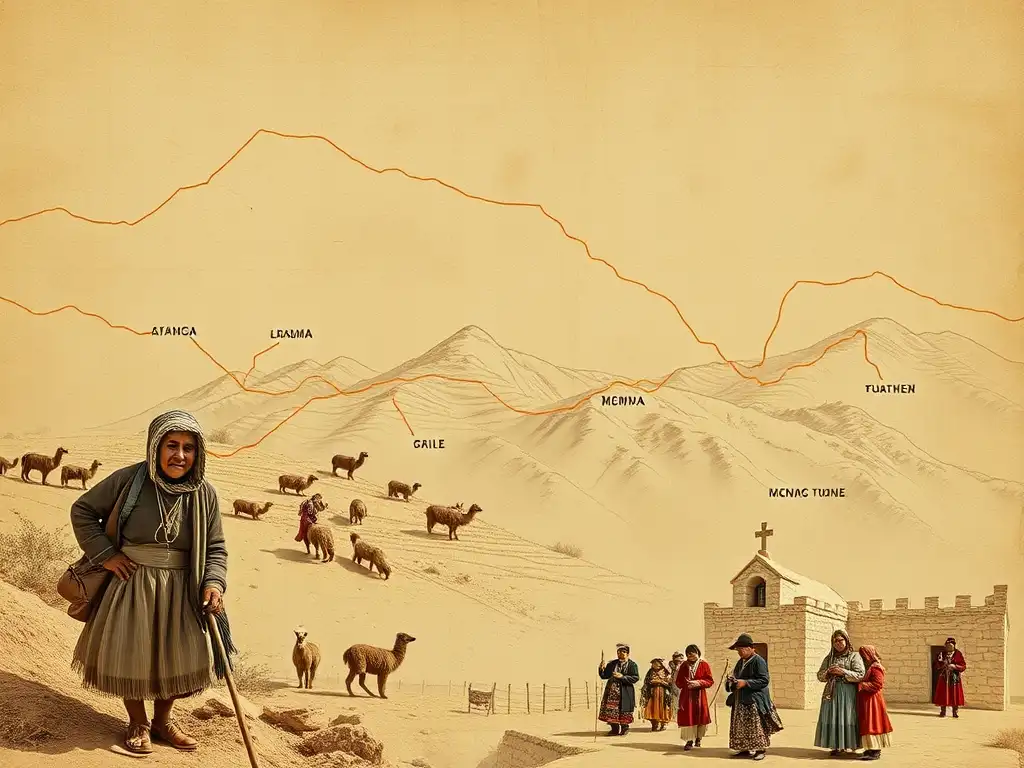
The Aymara presence in northern Chile is a complex tapestry woven from centuries of movement and adaptation. Pre-Columbian migrations saw Aymara groups, alongside other Andean communities, gradually expanding their reach into the arid northern regions. These movements were often driven by resource availability – access to water sources, fertile land suitable for agriculture (even if limited), and pastoral resources like llama herds played a crucial role.
The Inca expansion further influenced these patterns, with the incorporation of northern Chilean territories into the vast Inca empire leading to both forced and voluntary population shifts. Following the Spanish conquest, the colonial period witnessed significant disruptions to established Aymara settlement patterns. Forced labor in mines and agricultural estates, combined with disease and land dispossession, significantly impacted Aymara populations and their mobility.
Many were displaced from their traditional territories, contributing to a scattering of Aymara communities across the region. The impact of the colonial era on Aymara migration patterns in northern Chile continues to shape the present-day landscape. Understanding this historical context is key to interpreting contemporary Aymara settlement patterns.
Current Aymara Settlement Patterns in Northern Chile
Today, Aymara communities in northern Chile are largely concentrated in specific oases and valleys where water resources are relatively abundant. These settlements often exhibit a mix of rural and peri-urban characteristics, reflecting the ongoing interplay between traditional subsistence practices and the increasing influence of urban centers. Many Aymara individuals maintain close ties to their agricultural lands, even while participating in the broader economy of nearby towns and cities.
This dual engagement reflects a pragmatic adaptation to changing economic realities, allowing them to preserve their cultural heritage while navigating the challenges of modern life. However, significant disparities exist within these communities, with some experiencing greater economic opportunities than others.
Access to education, healthcare, and infrastructure remains unevenly distributed, highlighting the ongoing need for targeted social and economic development initiatives aimed at supporting Aymara communities in northern Chile. The persistence of traditional social structures, coupled with the challenges of modern integration, creates a dynamic and evolving landscape of Aymara settlement.
The Future of Aymara Migration: Challenges and Opportunities
The future of Aymara migration in the Andes, particularly in northern Chile, is fraught with both challenges and opportunities. Climate change poses a significant threat, with increasing desertification and water scarcity potentially forcing further displacement and migration. Competition for scarce resources, including land and water, between Aymara communities and other groups could exacerbate existing inequalities. Furthermore, the ongoing pressure of globalization and urbanization can lead to the erosion of traditional Aymara culture and livelihoods.
However, there are also opportunities for positive change. Strengthening local governance structures, promoting sustainable development initiatives, and investing in education and healthcare could empower Aymara communities to adapt to changing circumstances and build more resilient futures. The preservation and revitalization of Aymara language and cultural practices are also crucial for sustaining their identity and heritage.
By addressing the challenges proactively and harnessing existing opportunities, it is possible to support the continued flourishing of Aymara communities in the Andes while promoting a more equitable and sustainable future for all. The interplay of historical legacies, contemporary pressures, and potential avenues for positive change paints a nuanced picture of Aymara migration's future trajectory. Careful consideration of these factors is crucial for shaping effective policies and interventions.
Conclusion: Aymara Mobility and the Andean Landscape
The Aymara people, throughout their history, have demonstrated a remarkable adaptability and resilience in the face of environmental challenges and socio-political shifts. Their migration patterns, far from being random movements, reflect a sophisticated understanding of the Andean landscape and its resources. The intricate relationship between Aymara mobility and the environment is evident in their settlement choices, which prioritized access to water sources, fertile land, and defensible locations. This strategic approach to settlement is reflected in the dispersed yet interconnected nature of Aymara communities throughout the Andes, a pattern that facilitated both resource management and social cohesion.
The cyclical nature of Aymara migration, influenced by factors like agricultural cycles and seasonal variations in pastureland availability, highlights the importance of flexible strategies for survival. This adaptability has allowed the Aymara to maintain their cultural identity and traditions even amidst periods of significant upheaval, including colonial conquest and subsequent modernization. Understanding these intricate migration patterns provides crucial insights into the Aymara's enduring connection to their ancestral lands and their remarkable ability to thrive in one of the world's most challenging environments.
Future research should focus on integrating oral histories and archaeological findings to gain a more comprehensive understanding of the long-term impacts of these migratory movements on Aymara social structures and cultural practices. The ongoing study of Aymara migration patterns is not just an academic exercise; it is essential for preserving and understanding a rich cultural heritage and promoting sustainable development in the Andean region.
The Aymara's story is one of enduring resilience, a testament to the power of human adaptation in the face of adversity, and a valuable lesson for understanding human-environment interactions in dynamic landscapes. Their legacy serves as a reminder of the importance of recognizing and respecting the diverse strategies employed by indigenous communities for survival and cultural continuity.
- Understanding Aymara Population Movements in the Andean Region
- Early Aymara Migrations: Pre-Columbian Settlement Patterns
- The Impact of Tiahuanaco on Aymara Dispersal
- Colonial Era Aymara Migrations: Reshaping Andean Communities
- 20th and 21st Century Aymara Migration Trends
- Factors Influencing Aymara Migration: Economic, Social, and Environmental Drivers
- Aymara Migration and the Preservation of Cultural Identity
- Case Studies of Aymara Migration: The Case of La Paz, Bolivia
- Case Studies of Aymara Migration: The Case of Northern Chile
- The Future of Aymara Migration: Challenges and Opportunities
- Conclusion: Aymara Mobility and the Andean Landscape
- What were the main factors driving Aymara migration patterns in the Andes?
- How did the Aymara adapt their lifestyles to different Andean environments?
- What evidence exists to document Aymara migration patterns?
- Did the Inca Empire influence Aymara migration patterns?
- How did Aymara migration contribute to the cultural diversity of the Andes?
Frequently Asked Questions
What were the main factors driving Aymara migration patterns in the Andes?
Aymara migration was driven by a complex interplay of factors, including environmental changes, political instability, and the search for better agricultural land. Economic opportunities also played a significant role.
How did the Aymara adapt their lifestyles to different Andean environments?
The Aymara demonstrated remarkable adaptability, modifying their agricultural techniques and settlement patterns to suit the diverse ecological zones of the Andes. Their social organization also adapted to these varying conditions.
What evidence exists to document Aymara migration patterns?
Archaeological evidence, including settlement remains and ceramic styles, provides insights into Aymara movements. Oral histories and ethnographic studies also offer valuable information.
Did the Inca Empire influence Aymara migration patterns?
The Inca expansion significantly impacted Aymara communities. Inca control led to both forced resettlement and voluntary migration in response to Inca policies and infrastructure projects.
How did Aymara migration contribute to the cultural diversity of the Andes?
Aymara migrations facilitated the exchange of ideas, technologies, and cultural practices across the Andes. This led to a rich tapestry of Andean cultures, influenced by the Aymara presence and interaction with other groups.
Final Reflection: Echoes of the Andes: Aymara Resilience and the Future of Migration
The enduring legacy of Aymara migration patterns continues to shape the social and economic fabric of the Andes, a testament to the resilience and adaptability of this remarkable culture. Understanding these movements, from historical forced displacements to contemporary internal and international migrations, is crucial for addressing the challenges and opportunities facing Aymara communities today. The complex interplay of factors driving these migrations – from climate change and economic hardship to political instability and the search for better opportunities – remains a vital area of study and action.
The impact of Aymara migration on the cultural landscape is profound and far-reaching. The diaspora carries with it a rich tapestry of traditions, languages, and knowledge systems, enriching the societies they join while simultaneously facing the challenges of maintaining their cultural identity in new environments. As one Aymara elder eloquently stated, Our movements are not just about finding a place to live, but about carrying the spirit of the Andes with us, wherever we go.
This sentiment encapsulates the enduring strength and determination of the Aymara people in the face of adversity.
Consider the stories shared within this article. Reflect on the challenges and triumphs of Aymara communities navigating the complexities of migration. What can we learn from their resilience? How can we, as individuals and as a global community, better support the preservation of Aymara culture and the well-being of its people? Let the echoes of the Andes inspire us to build a more just and equitable world, one where the rights and aspirations of all migrating communities are respected and upheld.
Unveil the Rich Tapestry of Aymara Heritage!
Thank you for exploring the fascinating migration patterns of the Aymara people in the Andes. You've gained valuable insights into the strategies that shaped this resilient community. Now, let's consider how you can deepen your engagement and take meaningful action.
- Connect with Aymara Communities: Seek out local organizations or cultural events to experience Aymara traditions firsthand. Participating directly offers a powerful connection to their heritage.
- Share Your Discoveries: Use social media to share what you've learned about Aymara migration and its impact. Spark conversations and encourage others to learn more.
- Continue Your Exploration: Explore documentaries, books, and academic articles to further enrich your understanding of Aymara history and culture. Many resources offer deeper dives into this rich subject.
What aspect of Aymara migration most captivates you, and how do you see its influence shaping modern societies?