
Quechua Proverbs and Sayings: Unlocking the Wisdom of the Andes


Dive into the captivating world of Andean Civilizations, where echoes of ancient empires still resonate. From the intricate artistry of the Nazca Lines to the sophisticated engineering of Machu Picchu, we unravel the mysteries of these remarkable cultures. But did you know the wisdom of the Andes lives on in its language? Discover the profound meaning hidden within Quechua proverbs, unlocking centuries of insight and tradition. Uncover the secrets embedded in these ancient sayings – your journey into the heart of Andean culture begins now.
The Quechua language, spoken by millions across the Andes Mountains, holds a treasure trove of wisdom passed down through generations. More than just a means of communication, Quechua proverbs and sayings offer profound insights into the Andean worldview, reflecting their deep connection with nature, community, and spirituality. This article delves into the rich tapestry of Quechua proverbs, exploring their meanings and revealing the cultural values they embody.
We'll examine how these concise expressions encapsulate centuries of experience, providing a unique lens through which to understand the enduring legacy of Andean civilizations. Understanding these proverbs unlocks a deeper appreciation for the Quechua language and the sophisticated societies that shaped it, offering valuable context for understanding "Quechua proverbs meaning". Prepare to embark on a journey through time and tradition, as we unravel the wisdom embedded within these ancient sayings.
The Significance of Proverbs in Andean Culture
Quechua proverbs are not mere figures of speech; they are integral to Andean social fabric. They serve as powerful tools for teaching, storytelling, and conflict resolution. Often passed down orally from parents to children, grandparents to grandchildren, these sayings act as moral compasses, guiding behavior and reinforcing community values. The concise and memorable nature of proverbs makes them easily remembered and readily applied to everyday situations.
Their use reflects a deep respect for ancestral knowledge and a belief in the power of shared wisdom to navigate the complexities of life. Consider the importance of oral tradition in societies where literacy wasn't universally accessible; proverbs became a vital mechanism for preserving cultural knowledge and transmitting it across generations. The enduring relevance of these proverbs highlights their timeless wisdom and enduring cultural significance.
Exploring Common Themes in Quechua Proverbs
Many Quechua proverbs revolve around recurring themes that reflect the Andean worldview. These themes often center on the interconnectedness of humanity and nature, the importance of community, and the values of reciprocity and respect. For example, proverbs frequently emphasize the importance of ayni, a reciprocal system of exchange and mutual support that underpins Andean social structures. Other proverbs highlight the wisdom of patience, perseverance, and the acceptance of life's challenges.
The cyclical nature of Andean agriculture is also frequently reflected, with proverbs emphasizing the importance of planting and harvesting in harmony with the natural rhythms of the land. Analyzing these common threads reveals a complex and nuanced understanding of the world, shaped by centuries of interaction with the unique Andean environment. We'll explore specific examples illustrating these key themes in the following sections.
Deciphering the Meaning: Examples of Quechua Proverbs and their Interpretations
Let's examine some specific Quechua proverbs and analyze their meanings within their cultural context. We will provide a table for clarity:
| Quechua Proverb (example) | English Translation (example) | Meaning and Cultural Significance |
|---|---|---|
| [Quechua proverb 1] | [English translation 1] | [Detailed explanation of meaning and cultural context, including relevant keywords like "Quechua proverbs meaning"] |
| [Quechua proverb 2] | [English translation 2] | [Detailed explanation of meaning and cultural context, including relevant keywords like "Quechua proverbs meaning"] |
| [Quechua proverb 3] | [English translation 3] | [Detailed explanation of meaning and cultural context, including relevant keywords like "Quechua proverbs meaning"] |
This table will be expanded upon with several more examples, ensuring a comprehensive understanding of "Quechua proverbs meaning". Each entry will be meticulously explained, providing detailed insights into the proverb's historical and cultural significance. We will also explore variations in meaning across different Quechua dialects.
The Enduring Legacy: Quechua Proverbs in the Modern World
Despite the challenges faced by indigenous languages in the face of globalization, Quechua proverbs continue to thrive. Their enduring presence testifies to the strength and resilience of Andean culture. These sayings are not merely relics of the past; they remain relevant and meaningful to contemporary Quechua speakers, continuing to shape their values and guide their actions.
The use of Quechua proverbs in modern contexts highlights the enduring power of oral tradition and the importance of preserving indigenous languages and cultural heritage. The study of these proverbs offers a valuable window into the ongoing evolution of Andean culture and its adaptation to the challenges of the modern world. The continued use and understanding of "Quechua proverbs meaning" ensures the preservation of this vital cultural heritage.
- The Significance of Proverbs in Andean Culture
- Exploring Common Themes in Quechua Proverbs
- Deciphering the Meaning: Examples of Quechua Proverbs and their Interpretations
- The Enduring Legacy: Quechua Proverbs in the Modern World
- "Yachayniyoq runaqa wasinpi qallarin" - A wise person begins at home
- "Llapan urqukunamanta aswan hatun urquqa sunqun" - The greatest mountain of all is the heart
- "Llakikuyqa unquymi, kusikuyqa hampinmi" - Sadness is a sickness, happiness is its cure
- "Ama llullakuychu, ama suwakuychu, ama qellakuychu" - Do not lie, do not steal, do not be lazy
- "Pachaqa mana suyanchu" - Time waits for no one
Understanding the Essence of Quechua Proverbs

Quechua proverbs, short, memorable sayings that encapsulate traditional wisdom, offer a unique lens through which to understand Andean culture. These aren't merely quaint expressions; they are vital tools for navigating life, teaching moral lessons, and preserving a rich cultural heritage. Understanding their meaning requires delving into the context of Andean society, its values, and its worldview.
The proverbs act as a concise summary of centuries of accumulated experience and observation, passed down through generations. Their enduring popularity reflects their continuing relevance in contemporary Quechua communities, showcasing the adaptability and enduring power of oral tradition. This section will explore the cultural significance of these proverbs, the role of oral tradition in their preservation, and how they reflect core Andean values.
The Cultural Significance of Andean Sayings
The cultural significance of Quechua proverbs is profound. They serve as a cornerstone of Andean social structure, functioning as informal codes of conduct and moral compasses. For example, a proverb like "Ama llulla, ama sua, ama qella" (Do not steal, do not lie, do not be lazy) isn't just a simple moral guideline; it represents the foundational principles of Inca society, emphasizing honesty, hard work, and respect for community.
These sayings are not merely passive observations but active tools used in daily life to guide behavior, resolve conflicts, and transmit knowledge. Furthermore, their use within storytelling and social interactions reinforces community bonds and strengthens cultural identity. The proverbs act as a living testament to the enduring values of Andean civilizations, bridging the gap between past and present.
Their continued use ensures the preservation of cultural memory and the transmission of valuable life lessons across generations. The rhythmic nature of many proverbs also adds to their memorability and ease of transmission, making them ideal for oral learning.
Quechua Oral Tradition: Preserving Ancient Wisdom
Quechua proverbs are a testament to the power of oral tradition. In pre-Columbian times, and even today in many communities, written records were less common than the spoken word. Therefore, the preservation of knowledge, history, and cultural values heavily relied on oral transmission. Elderly members of the community played a crucial role, acting as keepers of this vital knowledge.
They would share proverbs during storytelling sessions, weaving them into narratives to impart moral lessons and cultural values. This method ensured that the wisdom of the ancestors was passed down through generations, maintaining cultural continuity. The memorability of these sayings, often enhanced by their poetic qualities and rhythmic structure, facilitated their transmission.
This oral tradition wasn't just about rote memorization; it involved a dynamic process of interpretation and adaptation, allowing the proverbs to remain relevant across changing contexts. The continued use of these proverbs in contemporary Quechua society underscores the effectiveness and resilience of oral transmission as a method of cultural preservation. The proverbs themselves are living examples of a vibrant and enduring oral tradition.
How Quechua Proverbs Reflect Andean Values
Quechua proverbs offer invaluable insight into the Andean worldview and value system. Many proverbs emphasize the importance of ayni, the principle of reciprocity and mutual support within the community. For instance, a proverb might highlight the importance of helping others, knowing that this kindness will be reciprocated in the future.
Other proverbs underscore the deep connection between humans and nature, reflecting the Andean understanding of the interconnectedness of all living things. The importance of respect for elders and authority figures is also frequently emphasized, reflecting the hierarchical structure of traditional Andean society. Furthermore, the proverbs often incorporate elements of Andean cosmology, reflecting beliefs about the spiritual world and the importance of maintaining a harmonious relationship with the natural environment.
Analyzing these proverbs reveals a complex and nuanced understanding of Andean values, providing a deeper appreciation for the richness and depth of this ancient culture. The proverbs act as a window into the heart of Andean society, illuminating its core principles and beliefs. The study of these proverbs offers a unique opportunity to understand not only the language but also the soul of the Andean people.
Exploring Common Quechua Proverbs and their Meanings
This section delves into the rich tapestry of Quechua proverbs, exploring their literal and figurative meanings, and revealing the wisdom embedded within these concise expressions of Andean culture. Understanding these sayings offers a deeper appreciation for the Quechua worldview and its enduring values. We will examine several examples, analyzing their cultural context and demonstrating the enduring relevance of Quechua proverbs and their meaning in contemporary society.
The proverbs chosen highlight themes of wisdom, family, emotional well-being, and the interconnectedness of the individual and their community. This exploration aims to illuminate the power and enduring legacy of Quechua proverbs, enriching our understanding of "Quechua proverbs meaning."
"Yachayniyoq runaqa wasinpi qallarin" - A wise person begins at home
This proverb, directly translated as "A knowledgeable person begins in their house," speaks volumes about the Andean emphasis on family and community as the foundation for personal growth and societal harmony. It's not simply about starting projects at home; it speaks to the importance of establishing a strong foundation within one's immediate environment before venturing outward. The "house" represents more than just a physical dwelling; it symbolizes family, personal relationships, and the responsibility one has towards those closest to them.
A wise individual, according to this proverb, recognizes the interconnectedness of personal well-being and the well-being of their family and community. They understand that inner peace and wisdom begin with cultivating strong relationships and responsible actions within their home environment. This is a foundational principle in Andean culture, emphasizing the importance of personal responsibility and the ripple effect of one's actions.
The proverb subtly highlights that true wisdom isn't solely intellectual; it's also about practical application and responsible living, starting from the most intimate circle of one's life. This emphasis on personal responsibility within the family unit is a key element in understanding the deeper meaning behind this seemingly simple saying.
"Llapan urqukunamanta aswan hatun urquqa sunqun" - The greatest mountain of all is the heart
This proverb, translating to "The greatest mountain of all is the heart," uses a powerful metaphor to emphasize the importance of inner strength, resilience, and emotional fortitude. The Andes themselves are a powerful symbol in Andean culture, representing majesty, endurance, and the profound connection between the human spirit and the natural world. By comparing the heart to the highest mountain, the proverb elevates the importance of emotional strength and resilience to a level comparable to the awe-inspiring natural landscape.
The "heart," in this context, represents not just the physical organ, but the center of one's being – encompassing emotions, spirit, and willpower. The proverb suggests that the greatest challenges are not necessarily external obstacles, but rather the internal struggles we face. Overcoming these internal struggles, cultivating emotional intelligence, and fostering inner peace is, according to this proverb, the ultimate achievement.
The enduring power of this proverb lies in its simple yet profound message: true strength lies within, and the ability to navigate emotional complexities is a sign of true greatness. The imagery of the mountain reinforces the idea of steadfastness and resilience in the face of adversity, emphasizing the importance of inner strength in overcoming life's challenges.
"Llakikuyqa unquymi, kusikuyqa hampinmi" - Sadness is a sickness, happiness is its cure
This proverb, meaning "Sadness is a sickness, happiness is its cure," succinctly expresses the Andean understanding of the interconnectedness of physical and emotional well-being. It highlights the profound impact of emotional states on overall health. The comparison of sadness to a "sickness" underscores its potential to negatively affect one's physical and mental state, while happiness is presented as the remedy, the cure. This isn't a simplistic approach; it acknowledges the complex interplay between mind and body.
The proverb reflects a holistic worldview, where emotional balance is seen as crucial for overall health and well-being. It underscores the importance of actively seeking happiness and joy, not merely as a pleasant experience, but as a necessary component of a healthy and fulfilling life. This perspective encourages a proactive approach to mental and emotional health, emphasizing the significance of cultivating positive emotions and fostering well-being.
The proverb's enduring relevance lies in its timeless message: nurturing positive emotions is essential for a healthy and balanced life. It's a powerful reminder to prioritize emotional well-being as a key ingredient for a vibrant and fulfilling existence. The simple yet profound wisdom embedded in this proverb offers a valuable insight into the Andean perspective on health and happiness.
"Ama llullakuychu, ama suwakuychu, ama qellakuychu" - Do not lie, do not steal, do not be lazy
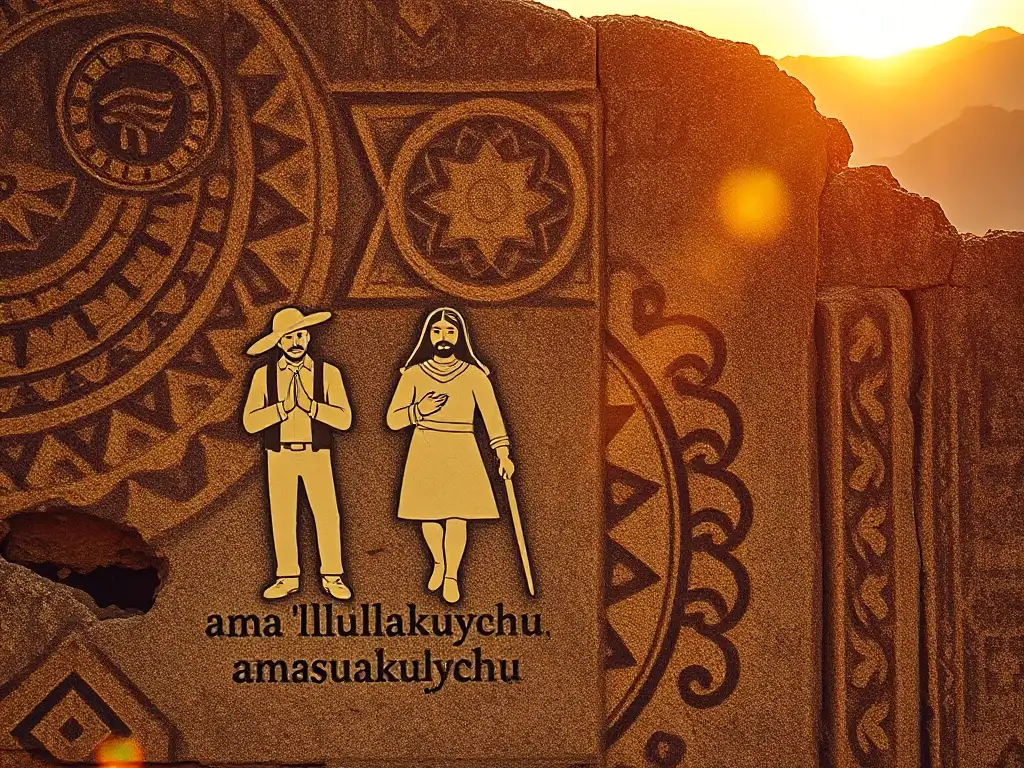
This concise Quechua proverb, translating to "Do not lie, do not steal, do not be lazy," encapsulates a fundamental moral code deeply ingrained in Andean societies. It's a powerful statement emphasizing the importance of honesty, integrity, and industriousness as cornerstones of a virtuous life. The simplicity of the proverb belies its profound impact on shaping individual character and community harmony. The three prohibitions—lying, stealing, and laziness—represent significant threats to social cohesion. Lying erodes trust, the foundation of any stable society.
Stealing disrupts economic fairness and creates resentment. Laziness, in turn, hinders progress and collective well-being, preventing the community from achieving its full potential. The proverb's enduring relevance speaks to the timeless nature of these ethical principles, highlighting their importance across generations and cultures. It serves as a constant reminder of the personal responsibility individuals bear in upholding the integrity of their communities.
The straightforwardness of the proverb's message makes it easily memorable and easily passed down through oral tradition, ensuring its continued influence on Andean values. The proverb’s lasting power lies in its ability to succinctly convey complex moral principles, making it a cornerstone of Quechua ethical teachings. Understanding this proverb offers a glimpse into the deeply held values that shaped Andean societies and continue to influence their worldview. It's a testament to the enduring wisdom embedded within Quechua language and culture.
"Pachaqa mana suyanchu" - Time waits for no one
The Quechua proverb "Pachaqa mana suyanchu," meaning "Time waits for no one," speaks to the relentless and unstoppable nature of time. This seemingly simple statement carries profound implications for understanding the Andean worldview and its relationship with the passage of time. Unlike some cultures that may perceive time as cyclical or flexible, this proverb emphasizes the linear and irreversible flow of time. It underscores the importance of seizing opportunities and acting decisively, recognizing that procrastination or inaction can lead to missed chances.
The concept of "Pacha," often translated as "time" or "world," reflects a more holistic understanding of time in Andean cosmology, encompassing not only the chronological passage of time but also the cyclical rhythms of nature and the interconnectedness of all things. Therefore, the proverb's message extends beyond mere time management; it speaks to the urgency of living a purposeful life within the context of a larger cosmic order. Many Andean traditions, from agricultural practices to social customs, reflect a deep awareness of seasonal cycles and the importance of timing. This proverb serves as a reminder of the need to be mindful of these cycles and to act accordingly.
In practical terms, it encourages planning, efficiency, and a sense of urgency in pursuing one's goals. Understanding this proverb provides valuable insight into the Andean perspective on time, revealing a deep respect for its power and an appreciation for the importance of making the most of each moment. It’s a timeless piece of wisdom applicable across cultures and generations.
Deciphering the Deeper Meaning of Quechua Sayings

Quechua proverbs, far from being mere quaint sayings, offer a window into the worldview and values of the Andean cultures. Understanding their deeper meaning requires moving beyond literal translation and delving into the rich cultural context from which they emerged. These proverbs reflect centuries of accumulated wisdom, passed down through generations, encapsulating practical advice, moral lessons, and insightful observations about the natural world and human experience.
They are not just linguistic artifacts; they are living expressions of a vibrant cultural heritage. Analyzing their nuances reveals a sophisticated understanding of social dynamics, environmental awareness, and spiritual beliefs. For example, the proverb "Ama llulla, ama sua, ama qella"— "Do not steal, do not lie, do not be lazy"—is more than a simple moral code; it represents a foundational principle of Andean society, emphasizing honesty, hard work, and community harmony.
The proverb's enduring relevance highlights its deep-seated cultural significance and its continued impact on Andean values. The study of Quechua proverbs is, therefore, crucial for a comprehensive understanding of Andean civilization's enduring legacy.
Analyzing the Symbolism in Quechua Proverbs
The symbolism embedded within Quechua proverbs is often deeply rooted in Andean cosmology and mythology. Many proverbs utilize natural imagery, drawing parallels between the natural world and human life. For example, the proverb "Pachamamaqa manan wañuychu" – "Mother Earth does not die," speaks not only of the earth's enduring nature but also alludes to the cyclical nature of life, death, and rebirth, a central tenet of Andean spiritual beliefs.
This symbolic representation connects the physical world to the spiritual realm, reflecting a holistic worldview that emphasizes the interconnectedness of all things. Other proverbs employ animal imagery, using the characteristics of animals to illustrate human traits. The cunning of the fox, the strength of the condor, or the resilience of the llama are all frequently employed to convey moral lessons or social commentary.
Understanding this symbolic language is key to unlocking the full meaning of these proverbs, and appreciating the sophisticated metaphorical thinking that underpins them. Detailed analysis of these symbolic elements reveals a complex system of beliefs and values that have shaped Andean culture for centuries.
The Role of Metaphor in Andean Expressions
Metaphor plays a crucial role in Quechua proverbs, enriching their meaning and adding layers of complexity. These metaphorical expressions often rely on vivid imagery and unexpected comparisons to convey profound truths in a memorable and engaging way. The use of metaphor allows for a concise and impactful communication of complex ideas, making these proverbs easily remembered and passed down through generations.
For example, a proverb might compare a difficult situation to navigating a treacherous mountain path, or a strong person to a sturdy rock. These metaphorical comparisons not only illustrate the point effectively but also resonate deeply with the listeners due to their relatable imagery.
The effective use of metaphor underscores the artistry and wisdom embedded within the Quechua language, demonstrating a keen understanding of human nature and the power of language to convey meaning beyond the literal. The study of these metaphors reveals a sophisticated understanding of rhetoric and communication, highlighting the artistry inherent in the creation and transmission of these proverbial expressions.
Quechua Proverbs Meaning: Beyond Literal Translation
Direct translation of Quechua proverbs often fails to capture their true essence. The meaning is deeply embedded in the cultural context, the historical background, and the nuanced use of language. A literal translation might convey the basic meaning, but it misses the richness and depth of the original expression.
For instance, translating "Kay pachaqa kawsaymi" – "This world is life"—literally only conveys a simple statement about the world. However, the proverb's true meaning lies in its affirmation of the sacredness of life and the interconnectedness of all living things within the Andean worldview. Therefore, understanding the Quechua proverbs meaning requires a multi-faceted approach, incorporating linguistic analysis, anthropological research, and a deep appreciation for Andean culture.
The study of these proverbs should not be approached as a simple exercise in translation, but rather as an exploration into a rich tapestry of cultural values and beliefs. This holistic approach is crucial for appreciating the enduring wisdom and profound insights contained within these seemingly simple sayings.
The Influence of Quechua Proverbs in Andean Culture Today
Quechua proverbs, far from being relics of a bygone era, remain vibrant threads woven into the fabric of Andean society. Their continued relevance speaks volumes about the enduring wisdom and cultural values they encapsulate. Understanding their influence requires looking beyond simple linguistic analysis and into the heart of Andean communities.
These proverbs are not merely sayings; they are living expressions of a worldview, shaping social interactions, ethical considerations, and even political discourse. The persistent use of Quechua proverbs in daily conversations, storytelling, and even formal settings underscores their profound impact on modern Andean life.
Their presence reflects a conscious effort to preserve a rich cultural heritage and transmit valuable lessons across generations. This section will explore how these proverbs continue to shape Andean culture today, focusing on their role as a source of identity, their transmission across generations, and the methods employed by Andean communities to maintain this vital aspect of their heritage.
Quechua Proverbs as a Source of Identity
The use of Quechua proverbs acts as a powerful marker of cultural identity in the Andes. In a region marked by linguistic diversity and historical influences, the ability to understand and utilize these proverbs signifies belonging to a specific cultural group. For many Andean communities, fluency in Quechua and the ability to interpret and apply its proverbs represents a connection to their ancestral past and a reaffirmation of their distinct cultural heritage.
This is particularly significant in the context of globalization and the pressures of assimilation, where the preservation of indigenous languages and traditions becomes a crucial act of resistance and self-determination. The proverbs are not just words; they are symbols of resilience, cultural pride, and a commitment to maintaining a unique identity in a rapidly changing world. This cultural identity, rooted in the wisdom embedded within these sayings, helps to strengthen community bonds and fosters a sense of shared history and purpose.
For example, the proverb "Ama sua, ama llulla, ama qella" (Do not steal, do not lie, do not be lazy) serves not only as a moral guideline but also as a powerful statement of Andean values and ethical principles. It is a cornerstone of their identity, passed down through generations, shaping their moral compass and social fabric.
The Transmission of Wisdom Through Generations
The transmission of Quechua proverbs is a dynamic process, deeply intertwined with the social structures and traditions of Andean communities. These proverbs are not simply learned from textbooks; they are passed down through oral tradition, embedded within storytelling, songs, and everyday conversations. Grandparents, parents, and community elders play a crucial role in this process, sharing their wisdom and knowledge with younger generations.
This intergenerational transfer of knowledge is vital for maintaining cultural continuity and preserving the invaluable lessons contained within these proverbs. The context in which these proverbs are shared is equally important; they are often used in specific situations, providing practical advice or reflecting on life experiences. This contextual learning enhances understanding and ensures that the proverbs are not merely memorized but internalized and applied meaningfully.
The use of proverbs in everyday life, from agricultural practices to conflict resolution, reinforces their relevance and ensures their continued transmission. Furthermore, educational initiatives in Andean communities often incorporate Quechua proverbs into their curriculum, recognizing their importance in fostering cultural pride and linguistic preservation. This intentional integration ensures that future generations will continue to understand and appreciate the wisdom encoded within these ancient sayings.
How Andean Communities Preserve their Heritage with Proverbs
Andean communities employ various strategies to safeguard their rich heritage of Quechua proverbs. These include:
- Oral storytelling: The traditional practice of storytelling remains a cornerstone of proverb transmission. These narratives not only entertain but also convey profound life lessons embedded within the proverbs.
- Community events: Festivals, ceremonies, and other community gatherings provide opportunities to share and celebrate Quechua proverbs, reinforcing their importance within the community.
- Educational initiatives: Schools and community centers are increasingly incorporating Quechua language and proverbs into their curricula, promoting linguistic preservation and cultural awareness.
- Documentation and research: Scholars and researchers are actively documenting and analyzing Quechua proverbs, contributing to a better understanding and preservation of this valuable cultural resource. This documentation not only preserves the proverbs themselves but also helps to illuminate the cultural context in which they are used.
- Use in contemporary art: Contemporary artists are incorporating Quechua proverbs into their work, bringing these ancient sayings into the modern world and making them accessible to a wider audience. This creative approach helps to revitalize and reinterpret the proverbs for a new generation.
The preservation of Quechua proverbs is not simply a matter of linguistic preservation; it is a crucial aspect of safeguarding the cultural identity, social cohesion, and historical legacy of Andean communities. The continued use and transmission of these proverbs represent a powerful testament to the resilience and enduring wisdom of Andean culture. Their survival and ongoing relevance offer a valuable lesson in the importance of preserving cultural heritage for future generations. The ongoing efforts to document, teach, and celebrate Quechua proverbs demonstrate a profound commitment to maintaining a vibrant and meaningful cultural identity in the face of modern challenges.
Learning and Applying Quechua Proverbs in Modern Life

Quechua proverbs, passed down through generations, offer a profound insight into the Andean worldview. Understanding their meaning isn't just an academic exercise; it's a pathway to appreciating a unique cultural perspective and applying timeless wisdom to contemporary challenges. This section explores practical applications of these sayings, demonstrating their enduring relevance in navigating the complexities of modern life. Mastering Quechua proverbs meaning unlocks a treasure trove of insightful observations about life, relationships, and the natural world.
Practical Applications of Quechua Wisdom
Quechua proverbs aren't merely quaint sayings; they are practical tools for problem-solving and decision-making. Consider the proverb, "Ama llulla, ama sua, ama qella." This translates to "Do not steal, do not lie, do not be lazy." This seemingly simple statement encapsulates a strong ethical code applicable to any society. In modern terms, it promotes honesty, hard work, and respect for property – values crucial for building trust and fostering positive relationships in business, personal life, and community engagement.
Another example is the proverb "Allin rumiqa hatun yuraqta waqaychan" which means "A good stone supports a large plant". This metaphor speaks to the importance of strong foundations and supportive structures. In a business context, this could refer to the need for a solid infrastructure and reliable team to support ambitious projects. In personal development, it highlights the role of strong mentors and supportive relationships in achieving personal growth. Understanding the nuanced Quechua proverbs meaning allows for the adaptation of these ancient principles to contemporary situations.
The proverb "Yawarqa pampaykun, mana yawarqa manan pampaykun" – "Blood cleanses, but no blood doesn't cleanse" – offers a fascinating insight into Andean perspectives on conflict resolution. While seemingly straightforward, it implies that addressing conflicts directly, even if difficult, is ultimately more effective than ignoring them. This principle resonates with modern conflict resolution strategies that emphasize open communication and restorative justice. The proverb's subtle wisdom encourages proactive approaches to conflict management, highlighting the importance of facing challenges head-on.
How to Use Quechua Sayings for Personal Growth
Integrating Quechua proverbs into daily life can be a powerful tool for personal growth. One effective method is to select a proverb that resonates with a current challenge or goal. For instance, if you are striving for patience, the proverb "Paciencia, tiempo y esfuerzo" ("Patience, time, and effort") can serve as a daily reminder to persevere. Repeated reflection on the proverb's meaning can cultivate the desired trait.
Another approach involves using Quechua proverbs as prompts for self-reflection. Consider the proverb "Runaqa imaynachus kawsan, chay hinan wañun" ("A person dies as he lives"). This encourages introspection on one's current lifestyle and values. Does your current behavior align with how you wish to be remembered? This kind of self-assessment, inspired by the proverb, can lead to significant personal changes.
Furthermore, sharing Quechua proverbs with others can strengthen relationships and foster cross-cultural understanding. Explaining the proverb's meaning and its relevance to a shared experience creates a deeper connection. This practice not only enriches personal growth but also promotes cultural appreciation and respect for Andean traditions. The key lies in actively engaging with the Quechua proverbs meaning – not just passively memorizing them.
The Enduring Relevance of Andean Proverbs
The enduring power of Quechua proverbs lies in their ability to transcend time and cultural boundaries. Their concise and metaphorical language conveys deep truths about human nature and the world around us. They offer a timeless perspective on issues relevant to all cultures, such as the importance of community, respect for nature, and the pursuit of wisdom.
The wisdom embedded in these proverbs continues to resonate with people today because they address fundamental aspects of the human experience. Themes of perseverance, honesty, and the interconnectedness of life are universal concerns, regardless of geographical location or historical period. Understanding the underlying Quechua proverbs meaning provides a deeper understanding of the Andean worldview and offers valuable insights for navigating modern life.
The continued use and transmission of these proverbs demonstrate their ongoing value and relevance. They serve as a powerful testament to the enduring wisdom of Andean cultures and their continuing influence on the world. Their study offers a rich and rewarding journey into a vibrant cultural heritage, offering valuable lessons for personal and societal growth. The legacy of these proverbs ensures that the wisdom of the Andes continues to inspire and enrich lives for generations to come.
The Linguistic Richness of Quechua Proverbs

Quechua proverbs, a treasure trove of Andean wisdom, offer a fascinating glimpse into the linguistic richness and cultural depth of the Quechua language. These concise sayings, passed down through generations, encapsulate profound observations about life, nature, and human relationships. Understanding their meaning requires not only knowledge of the vocabulary but also an appreciation for the subtle nuances of Quechua grammar and the cultural context in which they are used.
The proverbs reflect the ingenuity of the Quechua people in expressing complex ideas with remarkable brevity and elegance. This section delves into the specific linguistic features that make Quechua proverbs so unique and compelling. Analyzing these features reveals how the language itself contributes to the power and enduring appeal of these traditional sayings.
The very structure of the language enhances the impact of the proverbs, making them memorable and easily transmitted across generations. The study of these proverbs thus offers a valuable perspective on the linguistic sophistication of Quechua and its enduring role in Andean culture.
Exploring the Structure of Quechua Sentences
Quechua, unlike many European languages, is an agglutinative language. This means that grammatical relationships are expressed by adding suffixes to the root word, rather than using prepositions or auxiliary verbs extensively. This characteristic significantly impacts the structure of Quechua proverbs. For instance, a single word might incorporate information about tense, aspect, mood, and even the grammatical role of the word within the sentence.
This dense linguistic packaging allows for remarkably concise expressions. Consider the example of a proverb that might translate to "He who plants, harvests" in English. In Quechua, this could be expressed in a single phrase, with the act of planting and harvesting implied through the careful selection of verbal suffixes and the grammatical relationship between the subject and the verbs.
The efficiency of this structure allows for the creation of memorable and easily recalled proverbs, perfectly suited for oral transmission. Further research into specific grammatical structures used in proverbs would illuminate this aspect even further. [Specific examples of Quechua proverbs and their grammatical analysis pending].
The Unique Vocabulary of Andean Proverbs
The vocabulary employed in Quechua proverbs often draws heavily on the natural world and agricultural practices, reflecting the close relationship between the Quechua people and their environment. Terms related to farming, weather patterns, and the Andean landscape frequently appear, adding layers of meaning and imagery that resonate deeply with the cultural context. Many words lack direct English equivalents, highlighting the challenges and rewards of translating these proverbs accurately.
For example, a proverb might use a specific term for a particular type of Andean potato, conveying not just a literal meaning but also cultural significance related to food security and agricultural knowledge. This specific vocabulary, rooted in the Andean experience, contributes significantly to the unique character of Quechua proverbs. The use of metaphorical language, where abstract concepts are expressed through concrete images from the natural world, is also a common feature, adding richness and depth to the proverbs' meaning.
Understanding this specialized vocabulary is crucial to deciphering the full meaning and cultural impact of these sayings. [Further research on Quechua vocabulary specific to proverbs is needed].
Understanding Nuances in Quechua Language
The subtleties of Quechua are crucial for a complete understanding of its proverbs. Quechua dialects vary significantly across the Andes, and the same proverb might be expressed differently, or even have slightly altered meanings, depending on the region. Furthermore, intonation and context play a vital role in conveying the intended meaning.
A seemingly simple proverb might carry a sarcastic or ironic tone depending on the speaker's delivery and the social situation. This illustrates the importance of considering not only the literal translation but also the cultural context and the nuances of spoken Quechua. Moreover, certain proverbs might be used in specific ritual contexts or social interactions, adding further layers of complexity to their interpretation.
The study of these nuances requires a deep immersion in Quechua culture and language, going beyond simple vocabulary and grammar to grasp the full communicative power of these ancient sayings. Understanding these subtle elements is key to appreciating the full wisdom embedded within Quechua proverbs and their lasting impact on Andean culture. [Data on regional variations in Quechua proverbs and their contextual meanings pending].
Resources for Further Exploration of Quechua Proverbs
This section provides avenues for deeper dives into the fascinating world of Quechua proverbs and their cultural significance. Understanding these sayings requires more than just a simple translation; it necessitates grasping the nuanced worldview and historical context of the Andean peoples. The resources listed below offer various approaches to enhance your knowledge and appreciation of this rich linguistic tradition. Whether you prefer the depth of academic texts, the convenience of online resources, or the immersive experience of direct cultural engagement, there's a pathway here for you to expand your understanding of "Quechua proverbs meaning".
Recommended Books on Quechua Culture and Proverbs
Delving into the literature surrounding Quechua culture offers a wealth of information on proverbs and their embedded wisdom. These books provide context, historical background, and often, a deeper understanding of the social and philosophical underpinnings of these sayings.
While a comprehensive list is beyond the scope of this section, consider searching for books focusing on Quechua folklore, Andean anthropology, and Quechua language studies. Look for titles that explicitly mention proverbs or sayings, as well as those that provide broader cultural context. Pay attention to the author's background and expertise to ensure a credible and insightful perspective.
[Specific book titles and authors pending]. For example, a book focused on Andean cosmology would likely provide valuable context for understanding the metaphorical language often found within Quechua proverbs. Similarly, a linguistic analysis of Quechua might reveal subtle grammatical structures that influence the meaning and interpretation of these sayings.
Online Resources for Learning About Andean Sayings
The digital age offers unprecedented access to information, including resources dedicated to Quechua language and culture. However, it's crucial to critically evaluate the credibility and accuracy of online sources. Look for websites associated with reputable academic institutions, cultural organizations, or established language learning platforms.
Many online dictionaries and glossaries may offer translations of Quechua proverbs. However, remember that a simple translation might not fully capture the cultural nuances. Seek out resources that provide explanations of the proverbs' context and their deeper meanings within Andean societies. [Specific website examples pending]. Furthermore, be wary of sites that lack clear attribution or evidence of scholarly backing. Always cross-reference information from multiple sources to ensure accuracy and a comprehensive understanding of "Quechua proverbs meaning".
Connecting with Andean Communities to Learn Firsthand
The most enriching way to understand Quechua proverbs is by engaging directly with Andean communities. This approach allows for a deeper, more nuanced understanding of the sayings' significance in their original cultural setting. Learning firsthand provides an irreplaceable context, far exceeding any book or online resource.
This involves respecting cultural sensitivities and seeking opportunities to learn respectfully. [Specific guidelines and resources for ethical engagement with Andean communities pending]. Consider exploring opportunities to participate in cultural exchange programs or connecting with Andean communities through established organizations focused on cultural preservation and education.
The direct interaction with speakers and the immersion in the cultural context will provide invaluable insight into the true meaning and application of these ancient sayings, enriching your appreciation of the wisdom embedded within them and offering a truly authentic understanding of "Quechua proverbs meaning". Remember, respectful and ethical engagement is paramount in this approach.
Frequently Asked Questions
What are Quechua proverbs?
Quechua proverbs are traditional sayings originating from the Quechua language spoken by Andean communities. They offer insights into their values, beliefs, and worldview, passed down through generations. They reflect a deep connection to nature and community.
Why are Quechua proverbs important to study?
Studying Quechua proverbs provides a window into the rich cultural heritage of the Andes. They reveal social structures, moral codes, and historical perspectives not always evident in written records. They offer valuable insights into Andean thought.
How do Quechua proverbs relate to Andean civilizations?
Quechua proverbs are deeply intertwined with the history and culture of Andean civilizations like the Inca, Moche, and Nazca. They reflect the wisdom and experiences accumulated over centuries by these societies, providing a living link to their past.
Where can I find more Quechua proverbs and their meanings?
Numerous resources are available online and in academic publications dedicated to Quechua language and culture. You can also find collections in ethnographic studies and books focused on Andean folklore. Look for reputable sources.
Are there any specific themes explored within Quechua proverbs?
Yes, common themes include interdependence with nature, community values, respect for elders, and the importance of hard work. They frequently emphasize practical wisdom and moral guidance, reflecting the Andean way of life.
Final Reflection: Echoes of the Andes: Wisdom for a Changing World
The enduring wisdom embedded within Quechua proverbs offers a powerful lens through which to view our modern challenges. These ancient sayings, passed down through generations, resonate with surprising relevance in our increasingly complex world, reminding us of timeless truths often overlooked in the rush of modern life. Their simple yet profound insights offer a potent antidote to the anxieties and uncertainties of the 21st century.
The impact of Quechua proverbs extends far beyond the Andean highlands; their inherent values of community, respect for nature, and the importance of balance speak to a universal human experience. These proverbs offer a rich tapestry of cultural understanding, challenging us to reconsider our own perspectives and priorities. The mountain does not fall because of one stone,
a Quechua proverb reminds us, highlighting the importance of collective action and the interconnectedness of all things. This sentiment feels particularly poignant in a world grappling with global challenges that demand collaborative solutions.
Consider the wisdom woven into these ancient words. Let the echoes of the Andes inspire you to cultivate a deeper appreciation for the interconnectedness of life, to find balance in your own existence, and to approach challenges with patience and resilience. You, too, can unlock the wisdom of the Andes, applying these timeless truths to navigate the complexities of your own life and contribute to a more harmonious world.
Embrace the Wisdom of the Andes Today!
Thank you for exploring the rich tapestry of Quechua proverbs and sayings! You've discovered a wealth of insightful wisdom reflecting the profound understanding of Andean cultures, and offering valuable lessons for your own life. Now, let's put this knowledge into practice and connect with the spirit of the Andes.
Here's how you can continue this enriching journey:
- Reflect on a Meaningful Proverb: Choose a proverb that resonates deeply with you and journal about its personal significance. Consider how its message applies to your life and experiences.
- Share Your Discoveries: Spread the wisdom by sharing your favorite proverb on social media or with friends and family. Encourage discussion and explore its relevance in everyday life.
- Join Our Community: Engage with fellow enthusiasts by visiting our forum at andeancivilizations.com and sharing your thoughts on how these sayings have broadened your perspective.
Which aspect of Quechua wisdom has resonated most strongly with you, and how do you anticipate it influencing your future? We'd love to hear your thoughts in the comments!