
Aymara Burial Practices: Rituals and Beliefs about Death

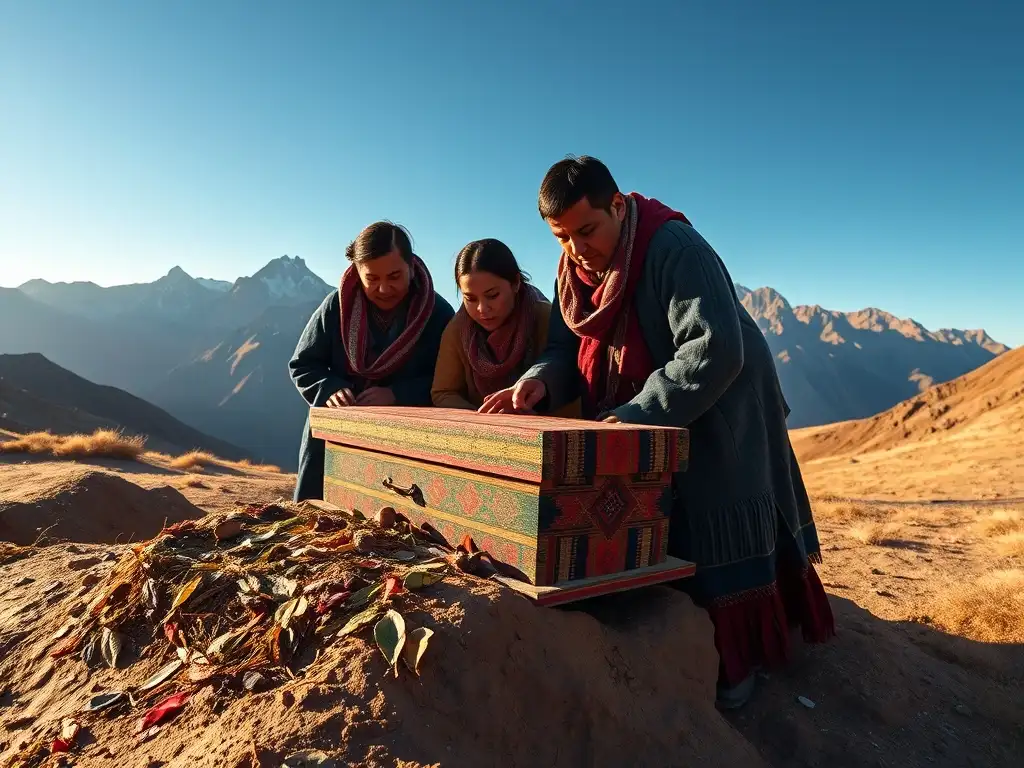
Step into a world lost to time, yet echoing with the whispers of ancient spirits. The Andean Civilizations website unveils the mysteries of a remarkable past, from the breathtaking artistry of the Nazca lines to the sophisticated engineering of the Incas. But what truly shaped their worldview? Prepare to be captivated by the intriguing details of Aymara burial rituals and beliefs, a glimpse into a culture where death was not an end, but a passage to the afterlife. Discover the secrets hidden within these sacred practices – explore the afterlife beliefs and customs of the Aymara people now.
The Aymara people, inhabiting the high Andes of Bolivia, Peru, and Chile, possess a rich and complex cultural heritage deeply intertwined with their unique understanding of life, death, and the afterlife. This article delves into the fascinating world of Aymara burial practices, exploring the rituals, beliefs, and symbolism surrounding death, offering a glimpse into the profound spiritual connection they maintain with their ancestors and the sacred landscape they inhabit.
Understanding Aymara funerary traditions provides crucial insight into their worldview, social structures, and enduring connection to their land. We will examine the specific rituals, the significance of offerings, and the evolving nature of these practices in the face of modernization, highlighting the enduring power of Aymara beliefs about death and the continuity of their cultural heritage.
This exploration aims to illuminate the intricate relationship between the Aymara and their deceased, revealing a vibrant tapestry of spiritual beliefs woven into the fabric of their daily lives. The rich symbolism embedded within their burial practices provides a powerful testament to the resilience and enduring spirit of the Aymara culture.
Introduction to Aymara Funerary Traditions
Aymara burial rituals are not simply a process of disposing of the deceased; they are elaborate ceremonies steeped in symbolism and spiritual significance. Traditionally, the Aymara did not bury their dead in cemeteries as is common in Western cultures. Instead, burial locations varied depending on factors like family traditions, geographic accessibility, and the individual's social standing within the community.
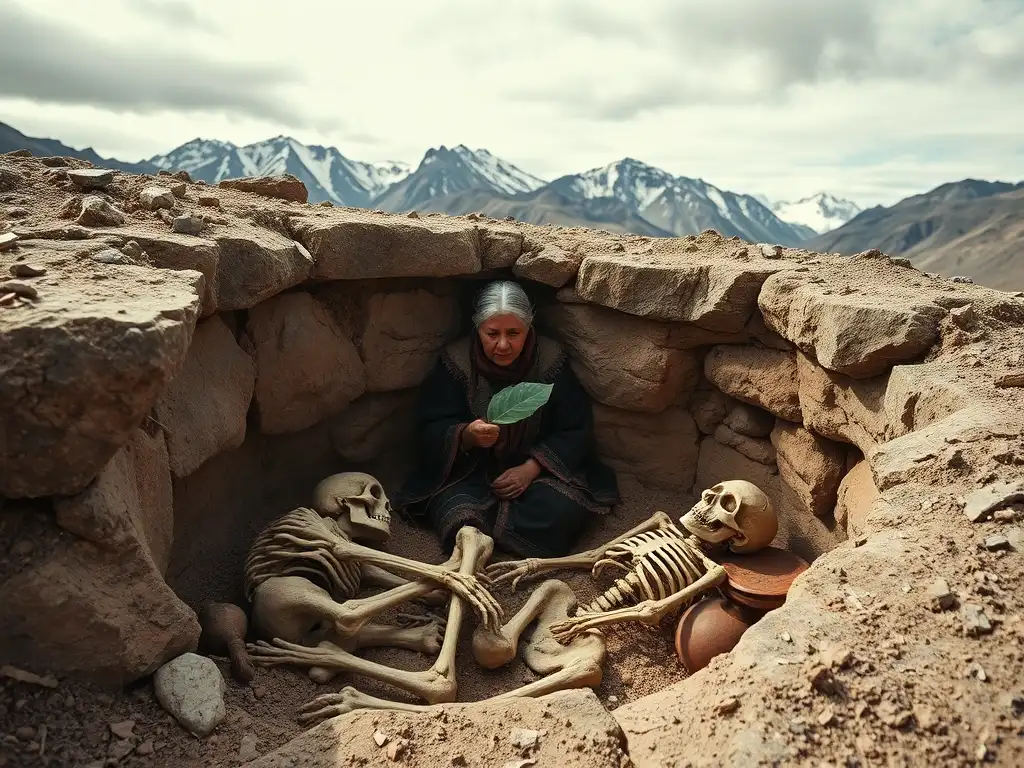
Many Aymara communities practiced secondary burial, meaning that the body was initially interred temporarily, often in a simple grave, before being exhumed later for a more formal reburial. This process often involved a significant ritual, including the cleansing and preparation of the remains. The location itself held symbolic importance; mountaintops or caves, considered sacred spaces, were frequently chosen for final burial.
The deceased were often adorned with personal belongings, reflecting their status in life and providing them with necessities for their journey into the afterlife. This could include clothing, tools, food, and other cherished possessions. The ritual preparation of the body, including washing and dressing, was carried out by family members, emphasizing the importance of community involvement in the mourning process.
These actions underscored the belief in the continuity of life and the ongoing relationship between the living and the departed. The entire process, from the initial death to the final burial, involved a series of carefully orchestrated steps, each imbued with deep spiritual meaning. The specific rituals could vary slightly between different Aymara communities, but the core beliefs and principles remained consistent.
The Aymara Concept of Death and the Afterlife
The Aymara worldview encompasses a complex understanding of death and the afterlife, significantly influencing their burial practices. Death is not viewed as an absolute end but rather as a transition to another realm of existence. The Aymara believe in a spiritual world that coexists with the physical world, populated by spirits of ancestors and other supernatural beings.
This belief system profoundly impacts their approach to death and burial. The deceased are not simply forgotten; they are believed to continue to interact with the living, influencing events and offering protection. This belief is reflected in the offerings made at burial sites, which serve to maintain a connection and ensure the well-being of both the living and the deceased.
Furthermore, the Aymara concept of the afterlife is closely tied to the natural world, particularly the mountains and the earth itself. Mountains are considered sacred spaces, often serving as dwelling places for spirits and ancestors. The choice of burial locations in mountainous areas reflects the Aymara belief that the deceased return to the earth, becoming part of the natural cycle of life and death.
This intimate connection with the natural world is a defining feature of Aymara spirituality and is deeply embedded within their funerary traditions. The offerings left at the burial sites, such as coca leaves, food, and other items, are not merely symbolic gestures; they are seen as providing sustenance and comfort for the deceased in their journey to the afterlife. The continuity of these practices underscores the enduring significance of the Aymara belief system and its profound influence on their daily lives.
Preparing the Deceased: Aymara Mortuary Rites
The preparation of the deceased is a profoundly significant aspect of Aymara burial practices, reflecting their deep-seated beliefs about the afterlife and the continued connection between the living and the dead. This process is not simply a matter of preparing a body for burial; it's a ritualistic cleansing and honoring of the individual, ensuring a peaceful transition to the next world. Family members, often guided by community elders or yatiris (shamans), play a crucial role in these mortuary rites.
The entire process is imbued with reverence and respect, emphasizing the importance of proper farewells and ensuring the spirit's safe passage. The meticulous care taken during this phase underscores the Aymara's belief in the soul's continued existence and its ongoing influence on the community.
Cleansing and Dressing the Deceased
The cleansing of the deceased is a vital first step, symbolizing the purification of the soul before its journey into the spirit world. Family members carefully wash the body, using water and, in some cases, traditional herbal infusions believed to possess cleansing properties. This act is not merely hygienic; it's a symbolic removal of earthly impurities, preparing the spirit for its transition. Following the cleansing, the deceased is dressed in their finest clothing.
The choice of clothing is often significant, reflecting the person's social status and representing their identity in the afterlife. Traditional Aymara garments, often brightly colored and intricately woven, are commonly used, signifying a continuation of their cultural identity beyond death. The careful dressing of the body is a testament to the respect and honor afforded to the deceased, ensuring they enter the afterlife with dignity and grace.
The Significance of Personal Belongings for the Deceased
The inclusion of personal belongings with the deceased is a central element of Aymara burial traditions. These objects are not merely grave goods; they represent the individual's life, personality, and connection to the community. Tools, clothing, jewelry, and other cherished possessions are often placed in the grave, providing the deceased with familiar comforts and necessities in the afterlife. The selection of these items is a deeply personal and meaningful process, reflecting the individual's life and work.
For example, a farmer might be buried with his tools, while a weaver might be interred with her loom and materials. This practice reinforces the belief that life continues beyond death and that the individual's identity and connection to the world remain intact. The personal belongings serve as tangible links between the living and the dead, maintaining a continued bond across the veil.
Aymara Funeral Rituals and Ceremonies
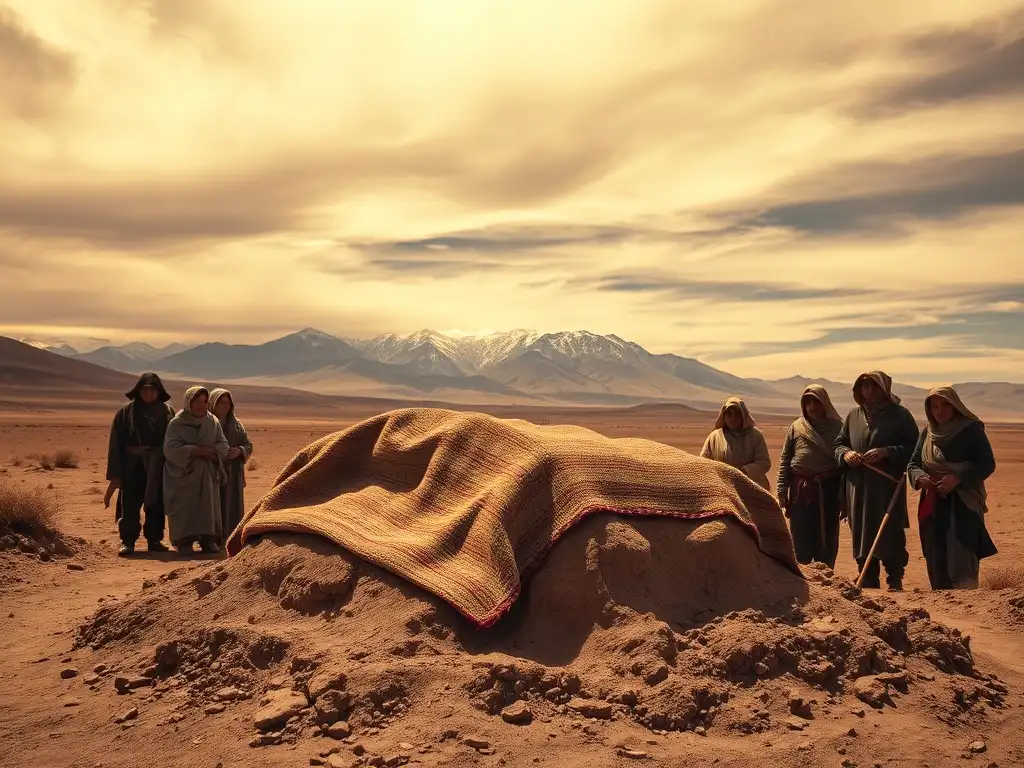
Aymara funeral rituals are elaborate affairs, involving the entire community in a collective mourning and farewell. These ceremonies are deeply rooted in their spiritual beliefs and reflect their close-knit social structures. The rituals often span several days, allowing ample time for mourning, remembrance, and the performance of essential rites. The intensity and duration of these ceremonies highlight the significance of death within Aymara culture and the profound impact it has on the community. The rituals are not simply somber occasions; they also incorporate elements of celebration, acknowledging the deceased's life and contributions to the community.
Wakes and Mourning Practices
Wakes are an integral part of Aymara funeral rituals, providing a space for the community to gather, mourn, and offer support to the bereaved family. These gatherings often involve storytelling, sharing memories of the deceased, and expressing condolences. The atmosphere is typically one of solemn reflection, punctuated by moments of shared grief and remembrance.
Mourning practices can vary depending on the specific community and family traditions, but they often involve wearing somber clothing, abstaining from certain activities, and engaging in rituals of mourning. The extended nature of these wakes underscores the importance of collective grief and the social support provided within the Aymara community.
The Role of Traditional Music and Dance
Traditional Aymara music and dance play a vital role in funeral ceremonies, serving as both expressions of grief and celebrations of life. Music often accompanies the procession to the burial site, providing a somber yet dignified backdrop to the event. Specific songs and melodies, often passed down through generations, are used to express sorrow and honor the deceased.
Dance, too, plays a significant role, with certain dances performed to honor the spirit and guide it on its journey to the afterlife. These performances are not merely entertainment; they are integral parts of the ritual, reflecting the deeply spiritual nature of Aymara culture and their intricate connection to the ancestral world. The vibrant yet mournful sounds and movements of these traditions reflect the complexity of Aymara feelings about death and the afterlife.
Offerings of Food and Coca Leaves
Offerings of food and coca leaves are essential components of Aymara funeral rituals. Food is provided to mourners and participants in the ceremony, representing nourishment and sustenance for the living as they navigate their grief. The coca leaves, a sacred plant in Andean cultures, are offered as a sign of respect and appeasement to the spirits.
These leaves are often chewed or burned as part of the ceremony, representing a communication and offering to the deceased and the spiritual realm. The offerings of food and coca leaves are not simply gestures of hospitality; they are integral parts of the ritual, reflecting the Aymara belief in the continued connection between the living and the dead and the importance of maintaining harmony between the worlds. The careful preparation and presentation of these offerings underscore the deep reverence held for the deceased and the spiritual significance of the occasion.
Aymara Burial Sites: Types and Locations
Traditional Burial Grounds in the Andes
Traditional Aymara burial grounds were, and in some remote areas still are, often located in elevated areas overlooking villages or agricultural lands. This placement wasn't arbitrary; the high-altitude locations were believed to bring the deceased closer to the celestial realm and their ancestors. The choice of location also considered proximity to water sources, reflecting the importance of water in Aymara cosmology.
Many sites were carefully selected for their natural features, perhaps incorporating existing rock formations or caves into the burial arrangements. These locations were considered sacred and held a significant spiritual importance for the community. The careful selection of burial sites underscores the Aymara deep respect for their deceased and the afterlife.
The Significance of Chullpas as Ancestral Tombs
Chullpas, the iconic tower-shaped funerary structures of the Andes, are particularly significant in Aymara burial practices. While not exclusively Aymara, their use highlights the importance placed on ancestor veneration. These stone towers, varying in size and complexity, served as above-ground tombs, often containing multiple interments. The construction of a chullpa was a significant community undertaking, reflecting the social standing of the deceased and the importance of maintaining family lineage.
The meticulous craftsmanship and decorative elements found on some chullpas suggest a belief that the deceased continued to exist in a spiritual realm, connected to the living through these structures. The enduring presence of chullpas across the landscape serves as a powerful testament to the Aymara reverence for their ancestors. Detailed studies of chullpa construction and contents offer valuable insights into Aymara social organization and beliefs about death and the afterlife.
Regional Variations in Burial Practices
While core beliefs about death and the afterlife remained consistent across Aymara communities, regional variations in burial practices existed and continue to exist. Factors such as altitude, access to resources, and specific local traditions influenced the types of burial sites used and the rituals performed. For example, some communities might favor simpler ground burials, while others might continue the tradition of chullpa construction. The specific offerings placed with the deceased also varied regionally, reflecting local customs and beliefs.
These regional nuances, while not contradicting the fundamental Aymara worldview, illustrate the rich tapestry of cultural expressions within the broader Aymara identity. Further research into these regional variations is crucial for a complete understanding of Aymara burial customs. This research requires careful documentation of current practices, alongside the study of archaeological evidence.
Aymara Beliefs about the Soul's Journey After Death
The Concept of Ajayu and its Transition
Central to Aymara beliefs is the concept of ajayu, often translated as "soul" or "life force." The ajayu is not merely a spiritual entity; it is intimately connected to the physical body and the individual's identity. Upon death, the ajayu does not simply cease to exist but undertakes a journey.
This journey is not necessarily a linear progression to a heaven or hell, but rather a complex transition involving a return to the ancestral world and a continued connection to the living. The details of this journey are not always explicitly defined, varying across different Aymara communities and interpretations. However, the concept of the ajayu's continued existence and influence is fundamental to Aymara understanding of death and the afterlife.
The Living-Dead Relationship in Aymara Belief
Aymara beliefs emphasize a continuous relationship between the living and the dead. The deceased are not viewed as entirely separate entities but remain integral to the community's well-being. Ancestors are believed to offer protection, guidance, and even influence events in the lives of their descendants. This close connection necessitates respectful treatment of the deceased and the maintenance of ancestral sites.
Rituals and offerings serve to maintain this vital link, ensuring the continued support and blessings of the ancestors. The living actively seek guidance and support from their ancestors, demonstrating a profound belief in the power and influence of the deceased. This living-dead relationship is a defining feature of Aymara cosmology, shaping their social structures and daily practices.
Aymara Ancestor Veneration
Ancestor veneration is a cornerstone of Aymara culture and deeply intertwined with burial practices. The ancestors are not merely remembered; they are actively involved in the lives of the living. Rituals, offerings of food and coca leaves, and the maintenance of ancestral burial sites are all expressions of this deep-seated respect and ongoing relationship. The belief that ancestors can intervene in the affairs of the living fosters a sense of community and continuity across generations.
This veneration is not simply a passive remembrance but an active engagement with the spiritual world, reinforcing the interconnectedness of the living and the dead within the Aymara worldview. The continuity of these traditions underscores the enduring importance of ancestor veneration in Aymara identity and spirituality. The continued practice of these rituals reflects the living's dependence on and respect for their ancestors.
Aymara Burial Practices: A Reflection of Cultural Values
The Aymara Understanding of Life, Death, and Rebirth
The Aymara worldview profoundly influences their burial practices. Death isn't viewed as an absolute end but rather a transition, a passage to another realm connected to the living world. Their cosmology emphasizes a cyclical view of life, death, and rebirth, mirroring the Andean agricultural cycles of planting, harvest, and fallow periods.
The deceased aren't simply gone; they continue to exist in a different plane, capable of influencing the lives of the living. This belief fosters a deep respect for ancestors and their continued presence within the community. The rituals surrounding death aim to ensure a smooth transition for the departed and to maintain a harmonious relationship between the living and the dead.
Specific rituals vary across different Aymara communities, reflecting the diversity within this rich culture. However, the core belief in the cyclical nature of life remains a unifying thread. Understanding this fundamental belief is crucial to interpreting the complexities of Aymara burial practices.
Community Values Reflected in Funeral Customs
Aymara funeral customs highlight the strong community bonds central to their social structure. Death is not an individual experience but a collective one, with the entire community participating in the mourning process and funeral rites. The preparation of the body, the procession to the burial site, and the post-funeral ceremonies all involve extensive community participation. This collaborative effort underscores the importance of social solidarity and mutual support during times of grief.
The collective nature of these rituals reinforces social cohesion and strengthens kinship ties, highlighting the importance of family and community within Aymara society. The sharing of food, drink, and stories during the wake serves not only to comfort the bereaved but also to reaffirm community bonds and shared identity. This communal aspect of Aymara burial practices is a testament to their deeply ingrained social values.
Modern Day Aymara Burial Practices and Adaptations
Syncretism with Catholic Funeral Rites
The arrival of Catholicism in the Andean region significantly impacted Aymara culture, including their burial practices. A notable feature of contemporary Aymara funerals is the syncretism between traditional indigenous beliefs and Catholic rituals. While many traditional elements persist, Catholic prayers and ceremonies are often incorporated into the funeral proceedings. This blending of traditions reflects the complex historical interactions between Aymara and Catholic cultures.
For example, a traditional Aymara wake might incorporate Catholic prayers alongside traditional offerings and libations to the ancestors. This syncretism is not a simple overlay; rather, it's a dynamic process where elements of both traditions are reinterpreted and integrated to create a unique blend of religious practices. The extent of this syncretism varies across different communities and families, reflecting the diverse ways in which Aymara people negotiate their cultural heritage with the dominant religious influence.
Continuities and Changes in Contemporary Burials
Despite the influence of Catholicism and modernization, many traditional Aymara burial practices persist. The emphasis on community involvement, the importance of proper preparation of the body, and the belief in the continued presence of the deceased remain central to contemporary funeral rites. However, there are also notable changes.
For example, while traditional burial sites might still be used, the accessibility of modern cemeteries has led to some shifts in burial locations. Similarly, while traditional clothing and offerings might still be used, the availability of modern goods has introduced some variations. The use of photographs and other modern materials in funeral arrangements reflects the adaptation of traditional customs to the changing circumstances of modern life.
Nonetheless, the core values underpinning Aymara burial practices—respect for ancestors, community solidarity, and the belief in the cyclical nature of life—continue to shape their approach to death and mourning. The careful balance between tradition and adaptation showcases the resilience and adaptability of Aymara culture in the face of external influences.
Conclusion: Understanding Aymara Burial Rituals and Beliefs
The Aymara worldview, deeply intertwined with the Andean landscape and its cyclical nature, profoundly shapes their understanding of death and the afterlife. Their burial rituals, far from being mere funerary practices, are vibrant expressions of this cosmology. These rituals reaffirm the interconnectedness of the living and the dead, highlighting the continued presence of ancestors in the community. The meticulous preparation of the body, the offerings placed within the tomb, and the specific locations chosen for burial all speak to a complex system of beliefs centered around maintaining a harmonious relationship between the earthly and spiritual realms.
Understanding Aymara burial practices provides invaluable insight into their rich spiritual heritage and offers a glimpse into a worldview that emphasizes continuity, reciprocity, and respect for the natural world. Further research, particularly focused on less accessible archaeological sites and incorporating oral histories from contemporary Aymara communities, would undoubtedly enrich our understanding of these intricate and fascinating burial rituals and beliefs. The preservation of these traditions is crucial, not only for understanding the Aymara people's past but also for appreciating the enduring strength of their cultural identity in the face of modernization. The careful study of these practices offers a powerful lens through which to examine the enduring resilience of Andean cultural traditions and their profound connection to the land.
The meticulous attention to detail in Aymara burial rites underscores the importance placed on honoring the deceased and ensuring their peaceful transition to the afterlife, a testament to the enduring strength of their cultural heritage. This detailed examination of Aymara burial practices and beliefs showcases a complex and nuanced understanding of death, significantly different from Western perspectives, emphasizing the importance of community, respect for ancestors, and the sacredness of the Andean landscape. The continued study and preservation of these practices are essential for ensuring the continuation of this vital aspect of Aymara cultural heritage.
- Introduction to Aymara Funerary Traditions
- The Aymara Concept of Death and the Afterlife
- Preparing the Deceased: Aymara Mortuary Rites
- Aymara Funeral Rituals and Ceremonies
- Aymara Burial Sites: Types and Locations
- Aymara Beliefs about the Soul's Journey After Death
- Aymara Burial Practices: A Reflection of Cultural Values
- Modern Day Aymara Burial Practices and Adaptations
- Conclusion: Understanding Aymara Burial Rituals and Beliefs
- What were the Aymara people's beliefs about the afterlife?
- How did Aymara burial rituals reflect their beliefs?
- What role did family play in Aymara burial practices?
- What types of grave goods were commonly included in Aymara burials?
- How did Aymara burial practices differ from those of other Andean cultures?
Frequently Asked Questions
What were the Aymara people's beliefs about the afterlife?
The Aymara believed in a complex afterlife, with a spiritual world connected to the physical one. They believed the souls of the deceased continued to exist and could influence the living. Ancestor veneration was a significant aspect of their culture.
How did Aymara burial rituals reflect their beliefs?
Aymara burial rituals were elaborate and reflected their deep respect for ancestors and the spiritual world. These rituals often involved offerings, specific burial locations, and ceremonies designed to ensure a smooth transition for the deceased.
What role did family play in Aymara burial practices?
Family played a central role, with relatives actively involved in all aspects of the burial process, from preparing the body to performing the rituals and maintaining the burial site. The deceased's family would continue to honor their memory through offerings and visits.
What types of grave goods were commonly included in Aymara burials?
Grave goods varied depending on the social status of the deceased but often included food, clothing, tools, and personal items. These items were intended to provide for the deceased in the afterlife and reflect their life on Earth.
How did Aymara burial practices differ from those of other Andean cultures?
While sharing some similarities with other Andean cultures, Aymara burial practices possessed unique features related to their specific beliefs and customs. Their emphasis on ancestor veneration and specific ritual practices set them apart.
Final Reflection: Echoes of the Ancestors: Aymara Perspectives on Life and Death
The enduring legacy of Aymara burial practices offers a powerful counterpoint to modern Western views on death and the afterlife. Understanding these rituals isn't merely an academic exercise; it's a vital step towards appreciating the rich diversity of human experience and confronting our own mortality with greater nuance and respect.
The intricate connection between the living and the dead, so central to Aymara culture, continues to shape their communities and worldview. Their beliefs, passed down through generations, remind us that death is not an ending but a transition, a continuation of the life cycle deeply intertwined with the land and their ancestors. Death is not an end, but a transformation. The soul continues its journey, connected to the earth and its people.
This sentiment, though paraphrased, encapsulates the profound spiritual significance woven into every aspect of Aymara burial rituals. It challenges our own often-clinical approach to death and encourages a more holistic understanding of life's cyclical nature.
Consider the implications of this perspective in your own life. How might embracing a more cyclical view of life and death, one that acknowledges the interconnectedness of generations, enrich your own understanding of existence? Take a moment to reflect on your own relationship with mortality and the legacy you wish to leave behind. Let the echoes of the Aymara ancestors inspire you to live a life that honors the past, embraces the present, and anticipates the future with a deeper sense of purpose and connection to the world around you.
Embrace the Wisdom of Aymara Rituals Today!
Thank you for exploring the profound insights into Aymara burial practices and their rich beliefs surrounding death. Understanding these cultural rituals fosters a deeper appreciation for the interconnectedness of life, death, and the afterlife in the Andean region.
Now, let's take action and honor these traditions:
- **Engage with the community:** Share your thoughts on Aymara practices in the comments below or connect with other enthusiasts on our forums!
- Explore related articles on Andean civilizations to further your understanding of their cultural rituals and their significance.
- **Participate in a local cultural event:** Check for gatherings or exhibitions celebrating Andean traditions in your area for a firsthand experience.
How might understanding Aymara beliefs reshape our perspectives on life and death? Let's discuss!