
Aymara Agriculture: Ingenious Farming Techniques of the High Plateau

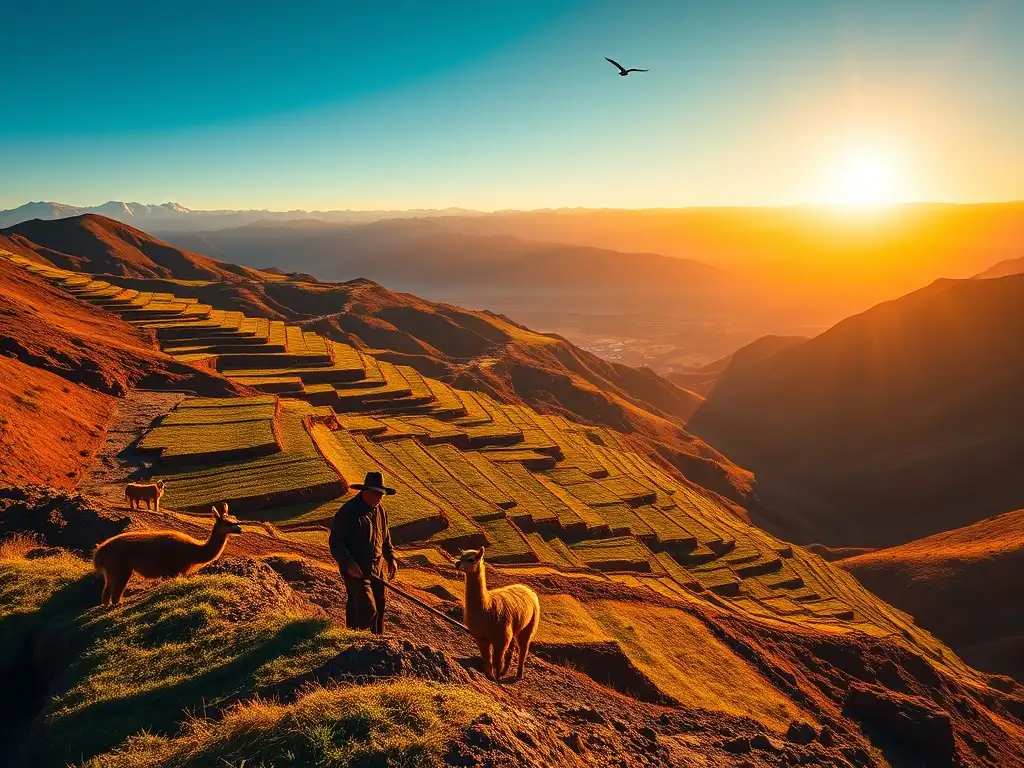
Step into a world lost in time, yet echoing with innovation. Imagine a civilization thriving at altitudes defying belief, mastering agriculture on the harsh Andean plateau. The Aymara people's ingenious farming techniques are only a glimpse into the remarkable ingenuity of the Andean civilizations. Discover how they harnessed the power of their environment and built enduring societies in this exploration of Andean culture, from the Incas to the Nazca. Uncover the secrets of their success – and prepare to be amazed.
The harsh, high-altitude environment of the Andean Altiplano presented significant challenges to its inhabitants. Yet, the Aymara people, amongst others, developed remarkably sophisticated agricultural techniques to thrive in this seemingly inhospitable landscape. This article delves into the ingenuity of Aymara farming practices, showcasing their remarkable adaptation to the unique conditions of the plateau and their lasting legacy.
We will explore the specific methods they employed to cultivate crops in thin, rocky soils, battling the challenges of altitude, scarce water resources, and unpredictable weather patterns. Understanding Aymara farming techniques provides crucial insight into their resilience, resourcefulness, and profound connection to their environment – a testament to their ability to not only survive but flourish in one of the world's most challenging agricultural settings. This exploration will highlight the key elements that contributed to their success, demonstrating the enduring relevance of their practices even today.
Terracing: Conquering the Slopes
Aymara farmers masterfully carved terraces into the steep slopes of the Andes, creating a series of level platforms for cultivation. This ingenious method served multiple crucial purposes. First, it dramatically increased the amount of arable land available, maximizing the use of otherwise unusable terrain.
Second, terracing significantly reduced soil erosion caused by wind and water runoff, preserving precious topsoil. The precise construction of these terraces, often using stone retaining walls, reflects a deep understanding of both engineering principles and the local topography. The size and orientation of each terrace were carefully considered to optimize sunlight exposure and water management.
Evidence suggests that the Aymara likely employed sophisticated surveying techniques to achieve this level of precision, indicating a high level of technological and organizational skill. Furthermore, the construction of these terraces was a community effort, underscoring the importance of social cooperation in their agricultural success. The legacy of these terraces remains visible across the Altiplano, a testament to the enduring impact of Aymara agricultural innovation.
Water Management: Harnessing Scarce Resources
Water scarcity is a defining characteristic of the Altiplano. The Aymara developed intricate systems to capture, store, and distribute the limited water resources available. This involved constructing complex networks of canals, ditches, and reservoirs, often diverting water from melting snow and infrequent rainfall.
These systems were highly localized and adapted to the specific microclimates and water availability of each region. The construction and maintenance of these water management systems required considerable labor and coordination, further highlighting the importance of community involvement in Aymara agriculture. Innovative techniques such as suq'us (small, stone-lined channels) channeled water efficiently to fields, minimizing water loss.
The Aymara also developed sophisticated methods for storing water, utilizing reservoirs and underground cisterns to ensure a steady supply throughout the year. These practices demonstrate a remarkable understanding of hydrology and a commitment to sustainable water management. The ingenuity displayed in their water management systems is a crucial element in their agricultural success and a valuable lesson for modern-day sustainable agriculture.
Crop Selection and Adaptation: Thriving in Harsh Conditions
The Aymara didn't simply adapt their farming techniques; they also carefully selected crops suited to the harsh conditions of the Altiplano. Potatoes, quinoa, and other Andean grains were cultivated extensively, demonstrating a deep knowledge of plant genetics and adaptation. These crops possess remarkable resilience to cold temperatures, drought, and poor soil conditions, making them ideal for the challenging environment.
The Aymara developed diverse varieties of these crops, further increasing their resilience to environmental variability. This diversification was crucial for food security, ensuring a reliable harvest even in years of adverse weather. Furthermore, the Aymara developed sophisticated techniques for seed selection and storage, ensuring the continued viability of their crops.
Their understanding of plant breeding and adaptation is a testament to their deep knowledge of the natural world and their ability to harness its resources effectively. The selection of these resilient crops was fundamental to their survival and prosperity in the high Andes.
Sustainable Practices: A Legacy for the Future
The Aymara farming techniques were not only effective but also remarkably sustainable. Their emphasis on terracing, water conservation, and crop diversification minimized environmental impact and ensured long-term productivity. Unlike many modern agricultural practices, Aymara methods avoided the depletion of natural resources and maintained the ecological integrity of the Altiplano. This commitment to sustainability is particularly noteworthy in light of the growing global concern over climate change and environmental degradation.
The principles underlying Aymara agriculture offer valuable lessons for contemporary agricultural practices, emphasizing the importance of holistic approaches that integrate ecological considerations with economic productivity. Their legacy serves as a powerful example of how sustainable practices can ensure long-term food security and environmental stewardship. The Aymara's farming techniques offer valuable insights for building more resilient and sustainable agricultural systems in challenging environments worldwide.
- Terracing: Conquering the Slopes
- Water Management: Harnessing Scarce Resources
- Crop Selection and Adaptation: Thriving in Harsh Conditions
- Sustainable Practices: A Legacy for the Future
- What unique challenges did Aymara farmers face on the Altiplano?
- What are some of the key Aymara farming techniques?
- How did terracing help Aymara farmers?
- What role did the suka kollus (raised fields) play in Aymara agriculture?
- How did Aymara farming techniques contribute to the success of their civilization?
The High Altitude Challenge: Understanding Aymara Farming Environment
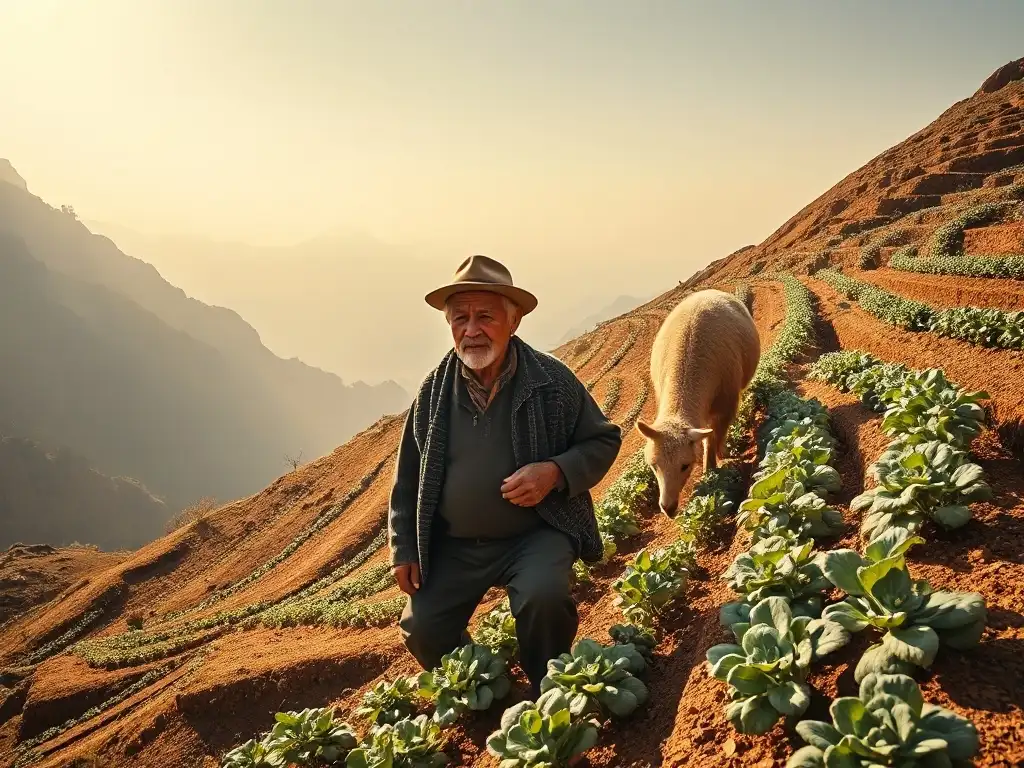
The Aymara people, renowned for their resilience and ingenuity, have developed sophisticated farming techniques to thrive in the challenging environment of the Andean Altiplano. This high-altitude plateau, characterized by its harsh climate and limited arable land, presents significant obstacles to agriculture. Understanding these environmental constraints is crucial to appreciating the remarkable achievements of Aymara farmers.
Their agricultural practices are not merely methods of food production; they represent a deep-seated connection to the land, a sophisticated understanding of ecological balance, and an impressive adaptation to a demanding ecosystem. The keyword "Aymara farming techniques plateau" encapsulates this unique interplay between human ingenuity and environmental resilience.
The Harsh Climate of the Andean Plateau
The Andean Altiplano, where much of the Aymara population resides, experiences extreme climatic variability. High altitude translates to intense solar radiation during the day and significant temperature drops at night, leading to large diurnal temperature swings. This creates a challenging environment for plant growth, demanding crops that can withstand these fluctuations. Furthermore, the region is characterized by low precipitation, resulting in arid conditions and frequent droughts.
Frost is a constant threat, particularly during the growing season, potentially damaging or destroying crops entirely. The thin atmosphere at high altitudes also reduces the amount of oxygen available to plants, further hindering their growth. These harsh conditions necessitate the development of resilient crops and farming methods capable of withstanding these extreme environmental pressures.
Farmers meticulously monitor weather patterns and utilize traditional knowledge passed down through generations to mitigate the risks associated with this unpredictable climate. The success of Aymara agriculture is a testament to their profound understanding and adaptation to the unique challenges posed by the Altiplano's climate. The impact of climate change on these already fragile ecosystems is a significant concern, threatening the long-term sustainability of Aymara farming practices.
Limited Arable Land and its Impact on Aymara Agriculture
Another major constraint on Aymara agriculture is the limited availability of arable land. The Altiplano's terrain is characterized by steep slopes, rocky outcrops, and extensive areas unsuitable for cultivation. This scarcity of fertile land necessitates efficient land-use strategies and intensive farming practices. Aymara farmers have employed ingenious techniques to maximize crop yields from the limited available land.
Terracing, for instance, is a prominent feature of their agricultural landscape, allowing them to cultivate even the steepest slopes. This technique not only increases the amount of cultivable land but also helps to conserve water and soil. Furthermore, the careful selection of drought-resistant and frost-tolerant crops, combined with sophisticated irrigation systems, plays a vital role in optimizing resource utilization. The Aymara understanding of soil fertility and the implementation of crop rotation and intercropping techniques further contribute to sustainable land management.
These strategies ensure that the limited arable land is used efficiently and sustainably, guaranteeing food security for the community while preserving the long-term productivity of the land. The limited arable land combined with the harsh climate necessitates a holistic and integrated approach to farming, highlighting the ingenuity and resourcefulness of Aymara agricultural practices. The careful balance between land use, crop selection, and water management is crucial for the survival and prosperity of the Aymara communities.
Ancient Aymara Agricultural Practices: Adapting to the Land
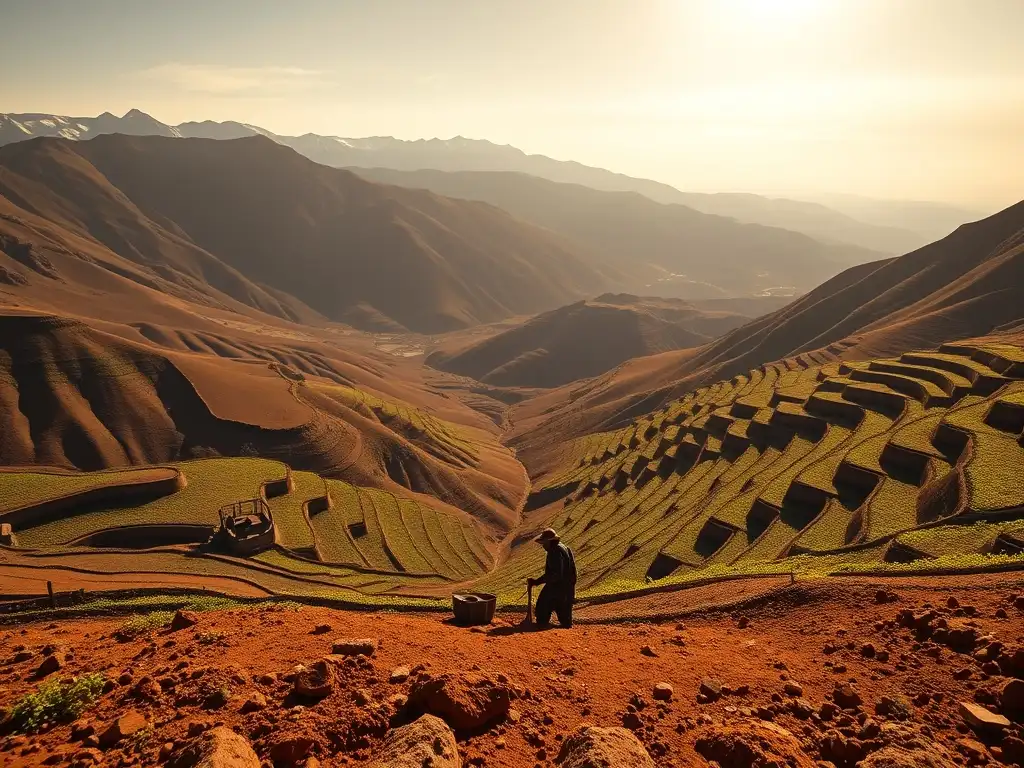
The Aymara people, inhabiting the high Andes for millennia, developed sophisticated agricultural techniques to thrive in a challenging environment. Their ingenuity in adapting to the harsh realities of the Altiplano—the high plateau—is a testament to their deep understanding of their ecosystem and a remarkable example of sustainable agriculture. This section delves into some of their most significant farming practices, showcasing the remarkable resilience and resourcefulness of the Aymara.
Understanding these Aymara farming techniques plateau provides valuable insights into their cultural heritage and their enduring connection to the land. The techniques discussed below highlight not only their agricultural prowess but also their profound respect for the delicate balance of the Andean ecosystem.
Raised Fields (Suka Kollus): Maximizing Soil Use
Suka Kollus, also known as raised fields, represent a cornerstone of Aymara agricultural innovation. These elevated platforms, constructed from soil and organic matter, provided several key advantages in the challenging altiplano environment. The raised fields were strategically built to improve drainage, mitigating the risks of waterlogging, a significant problem in areas with fluctuating water levels. Furthermore, the elevated position allowed for better soil aeration, promoting healthier plant growth.
The construction of Suka Kollus was a labor-intensive process, requiring careful planning and execution. The Aymara carefully selected locations with access to water sources and suitable soil conditions. They then meticulously built the raised platforms, often incorporating layers of organic materials to enhance soil fertility. This process not only increased the arable land area but also created a microclimate more conducive to agriculture.
Archaeological evidence suggests that these intricate systems were remarkably effective, allowing for sustained agricultural production even in periods of drought. The precise dimensions and spacing of the Suka Kollus varied depending on the local topography and water availability, demonstrating a nuanced understanding of the environment. Analysis of ancient Suka Kollus sites reveals a sophisticated knowledge of hydrology and soil science, showcasing the Aymara's deep connection to their environment. The legacy of Suka Kollus continues to inspire modern sustainable agricultural practices in the region.
Waru Waru: A Unique Approach to Water Management
Waru Waru, another ingenious Aymara agricultural technique, represents a masterful approach to water management in the high-altitude Andean region. This system involves the creation of raised beds separated by irrigation canals. Unlike the Suka Kollus, Waru Waru systems are not primarily focused on drainage but rather on efficient water storage and distribution. The canals, carefully designed and maintained, facilitated the controlled flow of water to the raised beds, minimizing water loss through evaporation.
The efficiency of Waru Waru is remarkable. The system allows for the cultivation of a wider variety of crops compared to traditional methods. The raised beds provide better insulation, protecting crops from frost, a significant risk in the high-altitude climate. Moreover, the system improves soil fertility through the deposition of sediment and organic matter in the canals.
Waru Waru systems also contribute to biodiversity by creating microhabitats for various plant and animal species. This integrated approach to water management and biodiversity is a testament to the Aymara's holistic understanding of their ecosystem. The enduring success of Waru Waru highlights its effectiveness as a sustainable and resilient agricultural practice. Studies on modern implementations of Waru Waru demonstrate its continued relevance in addressing contemporary challenges related to water scarcity and climate change.
Terracing Techniques: Controlling Erosion and Expanding Cultivation
The steep slopes of the Andes presented a significant challenge to Aymara farmers. To overcome this obstacle, they developed sophisticated terracing techniques to control erosion and expand arable land. These terraces, meticulously carved into the hillsides, created a series of level platforms for cultivation. The terraces not only prevented soil erosion but also improved water retention, maximizing the use of scarce water resources.
The construction of these terraces was a complex undertaking, demanding significant labor and expertise. The Aymara carefully considered the slope's gradient, soil type, and water availability when designing and building their terraces. They used stone walls to create retaining structures, ensuring the stability of the terraces over time.
The terraces were often integrated into larger agricultural systems, combining them with other techniques like Suka Kollus and Waru Waru to optimize land use and water management. The terraces were not simply agricultural structures; they also served as pathways, providing access to different parts of the cultivated land. The construction and maintenance of these terraces showcase the Aymara's remarkable engineering skills and their deep understanding of the Andean landscape.
The enduring legacy of Aymara terracing techniques is evident in the numerous terraces that still exist today, a testament to their ingenuity and resilience. The effectiveness of these techniques in preventing soil erosion and maximizing agricultural productivity continues to be relevant in contemporary agricultural practices.
Key Crops in Aymara Agriculture: Sustaining the Community
The Aymara people, inhabiting the high Andes, developed sophisticated farming techniques to thrive in a challenging environment. Their agricultural success wasn't merely about survival; it was the cornerstone of their complex social structures and rich cultural heritage. Understanding their key crops is crucial to appreciating the ingenuity of Aymara farming techniques on the plateau. The harsh conditions—thin air, steep slopes, and unpredictable weather—dictated a diverse agricultural strategy, relying on a range of resilient crops adapted to the unique altitude and climate.
This diversification ensured food security and resilience against crop failure, a vital aspect of Aymara subsistence. The selection of these crops wasn't arbitrary; each played a specific role in the Aymara diet and economy, contributing to a balanced and sustainable food system. This section will explore some of the most important crops, showcasing the depth of Aymara agricultural knowledge and its enduring legacy.
Potato Cultivation: A Staple Crop of the Andes
The potato ( Solanum tuberosum) is arguably the most iconic crop of the Andes, and its cultivation is central to Aymara farming practices. The Aymara didn't simply cultivate potatoes; they developed an astonishing variety of potato cultivars, each adapted to specific microclimates and altitudes. This incredible biodiversity reflects centuries of careful selection and adaptation, resulting in potatoes that vary greatly in size, color, taste, and nutritional content. Some varieties are best suited for boiling, others for frying, and still others for storage.
This diversity ensured food security throughout the year, minimizing the risks associated with relying on a single crop. Furthermore, the Aymara developed ingenious methods for storing potatoes, utilizing techniques like qollqas (underground storage cellars) to preserve their harvest for extended periods. This ensured food availability during lean seasons and contributed to the overall stability of the Aymara community.
The potato wasn't just a food source; it was a cultural symbol, deeply embedded in Aymara traditions, rituals, and even their mythology. The meticulous potato cultivation practices of the Aymara are a testament to their deep understanding of their environment and their remarkable agricultural expertise. Their legacy continues to inspire modern agricultural practices, particularly in the face of climate change.
Quinoa Farming: The Supergrain of the High Plateau
Quinoa ( Chenopodium quinoa), another Andean staple, played, and continues to play, a vital role in the Aymara diet. This pseudo-cereal is incredibly nutritious, boasting a high protein content and a complete amino acid profile—a rarity in plant-based foods. Its resilience to harsh conditions makes it ideally suited to the high-altitude environments of the Altiplano.
Aymara farmers developed specific techniques for quinoa cultivation, including careful soil preparation, precise planting times, and effective weed control. They understood the importance of crop rotation and intercropping to maintain soil fertility and minimize pest infestations. Quinoa's versatility is also noteworthy; it can be prepared in numerous ways, from porridge to flour, ensuring its adaptability to various culinary needs.
Its nutritional value made it not only a dietary staple but also an important component of Aymara religious ceremonies and social gatherings. The cultivation of quinoa is a powerful example of the Aymara’s ability to harness the resources of their environment to produce a highly nutritious and sustainable food source. The growing global interest in quinoa as a “superfood” highlights the long-standing wisdom embedded in Aymara farming practices.
Other Important Andean Crops: Oca, Ulluco, and Mashua
Beyond potatoes and quinoa, the Aymara cultivated a range of other important crops, each contributing to the diversity and resilience of their agricultural system. Oca ( Oxalis tuberosa), ulluco ( Ullucus tuberosus), and mashua ( Tropaeolum tuberosum) are three such examples. These tuberous crops, like potatoes, are well-adapted to the high-altitude conditions, offering different nutritional profiles and storage capabilities. Oca, with its sour taste, is often used in salads and sauces.
Ulluco, with its slightly sweet flavor, can be boiled, roasted, or even processed into flour. Mashua, known for its peppery taste, is often used as a spice or condiment. The cultivation of these crops reflects the Aymara’s deep understanding of agro-ecological principles, demonstrating their ability to manage a diversified portfolio of crops to ensure food security year-round.
The careful selection and management of these crops, alongside potatoes and quinoa, showcase the remarkable adaptability and ingenuity of Aymara farming techniques in the challenging environment of the high Andes plateau. The combined cultivation of these crops demonstrates a sophisticated understanding of crop diversification, crucial for sustainable agriculture in a harsh climate. Further research is needed to fully document the specific techniques used in cultivating these crops and their role within the broader Aymara agricultural system.
Aymara Farming Techniques: Traditional Knowledge in Action
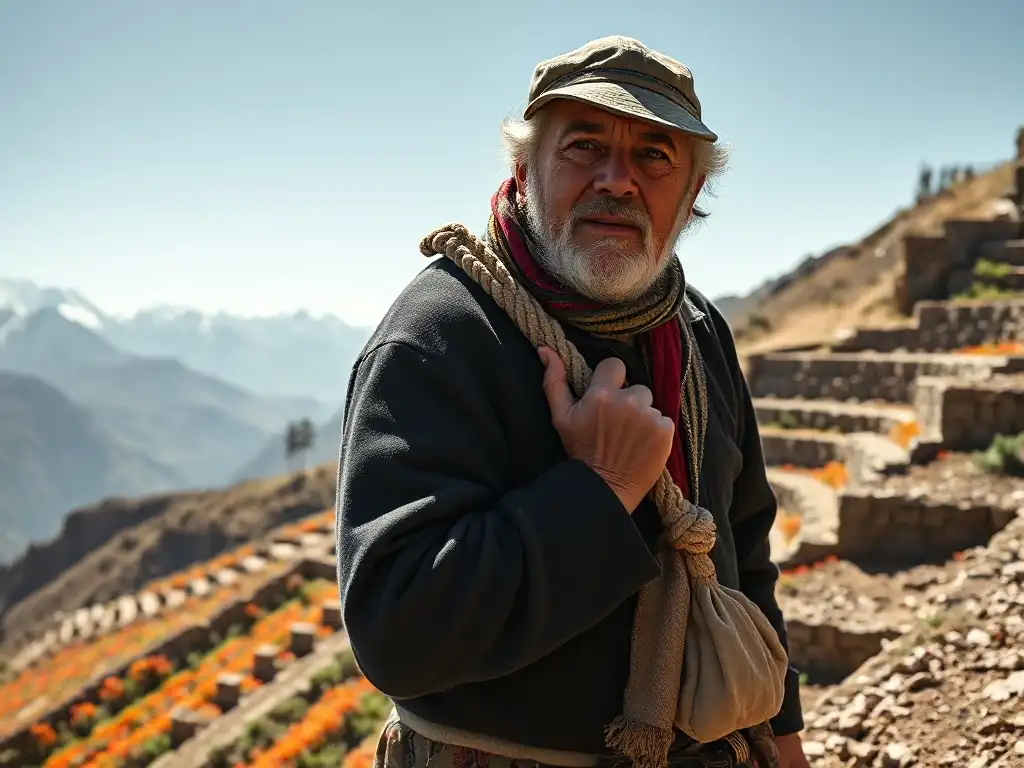
The Aymara people, inhabiting the high Andes plateau for centuries, developed sophisticated farming techniques to thrive in a challenging environment. Their agricultural practices, passed down through generations, represent a remarkable example of adaptation and ingenuity, demonstrating a deep understanding of their ecosystem. This section delves into the core elements of their agricultural prowess, showcasing the sustainable methods that allowed them to cultivate the harsh, high-altitude lands. The keyword "Aymara farming techniques plateau" is central to understanding their remarkable achievements.
Crop Rotation: Maintaining Soil Fertility
Maintaining soil fertility in the thin, often rocky soils of the Altiplano is crucial for successful Aymara agriculture. Crop rotation is a cornerstone of their sustainable farming practices. They don't rely on monoculture; instead, they strategically rotate different crops to prevent soil depletion and pest infestations. A typical rotation might involve planting potatoes one year, followed by quinoa the next, then perhaps beans or other legumes.
This diverse approach prevents the depletion of specific nutrients and helps maintain the overall health of the soil. The Aymara's understanding of which crops benefit each other, and which ones shouldn't be planted consecutively, is a testament to their extensive empirical knowledge accumulated over centuries. For example, legumes, with their nitrogen-fixing properties, enrich the soil, preparing it for subsequent potato harvests.
This intricate system showcases a profound understanding of soil ecology and nutrient cycling. They meticulously observe the land and adjust their rotation based on the specific needs of the soil and the prevailing climate conditions each year. This adaptive approach is essential to their success in the unpredictable high-altitude environment.
Natural Fertilization: Using Local Resources
The Aymara did not rely on chemical fertilizers. Instead, they developed ingenious methods of natural fertilization, leveraging the resources available in their immediate environment. Animal manure, primarily from llamas and alpacas, is a primary source of organic fertilizer. They carefully collect and compost this manure, allowing it to decompose and enrich the soil with essential nutrients.
Beyond manure, they also utilize other organic materials readily available to them. This includes the use of chocho (Lupinus mutabilis), a type of lupin, which is not only a valuable food source but also a natural fertilizer due to its nitrogen-fixing capabilities. The careful incorporation of these organic materials into the soil demonstrates a holistic approach to agriculture, emphasizing sustainability and minimizing environmental impact.
The effectiveness of their methods is evident in the sustained productivity of the land over generations. Further research is needed to quantify the exact nutrient contribution of these methods, but anecdotal evidence and the long-term success of Aymara agriculture strongly support their effectiveness. [Specific nutrient analysis pending].
Understanding Microclimates: Planting Strategies
The high-altitude Andean plateau experiences significant microclimatic variations, even over short distances. The Aymara possess an intimate understanding of these variations and utilize this knowledge to optimize their planting strategies. They carefully select planting locations based on factors such as altitude, sunlight exposure, and water availability. Steep slopes, for instance, may be terraced to create level planting areas, maximizing land use and minimizing soil erosion.
They also employ techniques like planting potatoes at higher altitudes, where the cooler temperatures and shorter growing seasons are better suited for this crop. Conversely, lower altitudes, with warmer temperatures and longer growing seasons, might be reserved for other crops like quinoa or beans. This nuanced approach reflects a deep understanding of the interplay between climate, topography, and crop suitability. Moreover, they often utilize different planting techniques depending on the specific microclimate.
For example, they might use raised beds in wetter areas to improve drainage and prevent waterlogging, while employing different planting densities depending on the soil's moisture retention capacity. This level of adaptation showcases the Aymara's remarkable ability to optimize their agricultural practices within the complex and challenging environment of the high Andean plateau. Their success is a testament to their traditional knowledge and their deep connection to the land.
Water Management in Aymara Agriculture: Securing the Harvest

The success of Aymara farming techniques on the high plateau hinges critically on ingenious water management strategies. The harsh, arid conditions of the Altiplano demand innovative solutions to secure sufficient water for crop cultivation. Aymara farmers, over centuries, have developed sophisticated systems for collecting, storing, and distributing water, demonstrating remarkable adaptation to their challenging environment. Understanding these techniques is key to appreciating the resilience and ingenuity of Aymara agriculture and its enduring legacy. The keyword phrase "Aymara farming techniques plateau" directly reflects the core of their survival and prosperity in this demanding landscape.
Irrigation Canals and Systems: Efficient Water Distribution
Aymara irrigation systems are a testament to their understanding of topography and water flow. They meticulously construct canals and channels, often using stone and earth, to divert water from rivers, streams, and springs to their fields. These systems are not merely simple ditches; they are carefully engineered networks, incorporating techniques like terracing to slow down water flow and maximize infiltration.
The design often incorporates check dams and other structures to regulate water distribution, ensuring that all parts of the field receive adequate moisture. The efficiency of these systems is remarkable, considering the limited tools and materials available to the Aymara people. Detailed studies of these canals reveal sophisticated knowledge of hydraulics and hydrology, reflecting a deep understanding of their environment.
For example, the intricate network of canals around Lake Titicaca demonstrates the scale and complexity achieved by Aymara water management. The precision of the canals, often carved into the landscape, speaks to their commitment to sustainable agriculture. The longevity of these systems, some of which are still in use today, highlights their effectiveness and durability.
Water Harvesting Techniques: Collecting Rainfall and Runoff
Beyond canal irrigation, Aymara farmers employ diverse techniques to capture and utilize scarce rainfall and runoff. Andenes, or terraced fields, are a prime example. These terraces not only slow down water runoff, preventing erosion, but also create microclimates that retain moisture. Furthermore, they increase the effective arable land area on the steep slopes. Another technique involves constructing small reservoirs and retention ponds to collect rainwater and runoff. These structures, often lined with stone or clay to prevent leakage, provide a crucial water reserve during dry periods. The size and number of these reservoirs vary depending on the local topography and rainfall patterns. Furthermore, traditional Aymara farming often incorporates techniques like planting crops in depressions or using mulch to improve water retention in the soil. These practices, passed down through generations, represent a holistic approach to water conservation, maximizing the use of every drop of available water. The ingenuity of these techniques is evident in their ability to support agriculture in an environment that receives minimal rainfall. Data on crop yields in areas utilizing these techniques compared to those without would provide compelling evidence of their effectiveness. [Specific data pending further research].
Importance of Water in Aymara Culture and Agriculture
Water is not merely a resource for Aymara agriculture; it holds profound cultural significance. It is intricately interwoven with their spiritual beliefs, social structures, and daily life. Many Aymara rituals and ceremonies are centered around water, reflecting its importance in their worldview.
Access to water sources often dictates land ownership and social hierarchies within Aymara communities. The careful management of water resources is therefore not just a practical necessity but also a cultural imperative, reflecting their deep respect for the environment and its life-sustaining properties. The sustainability of Aymara farming techniques on the plateau is inextricably linked to their holistic approach, which considers the cultural and spiritual dimensions of water alongside its practical applications.
The preservation of these traditional practices is crucial not only for maintaining agricultural productivity but also for safeguarding the rich cultural heritage of the Aymara people. The enduring connection between the Aymara people and their water resources underscores the importance of understanding and appreciating their unique farming techniques in the context of their broader cultural landscape. The phrase "Aymara farming techniques plateau," therefore, encompasses not only agricultural prowess but also a deep-rooted cultural understanding of this precious resource.
The Significance of Aymara Agriculture Today: Preserving Traditions
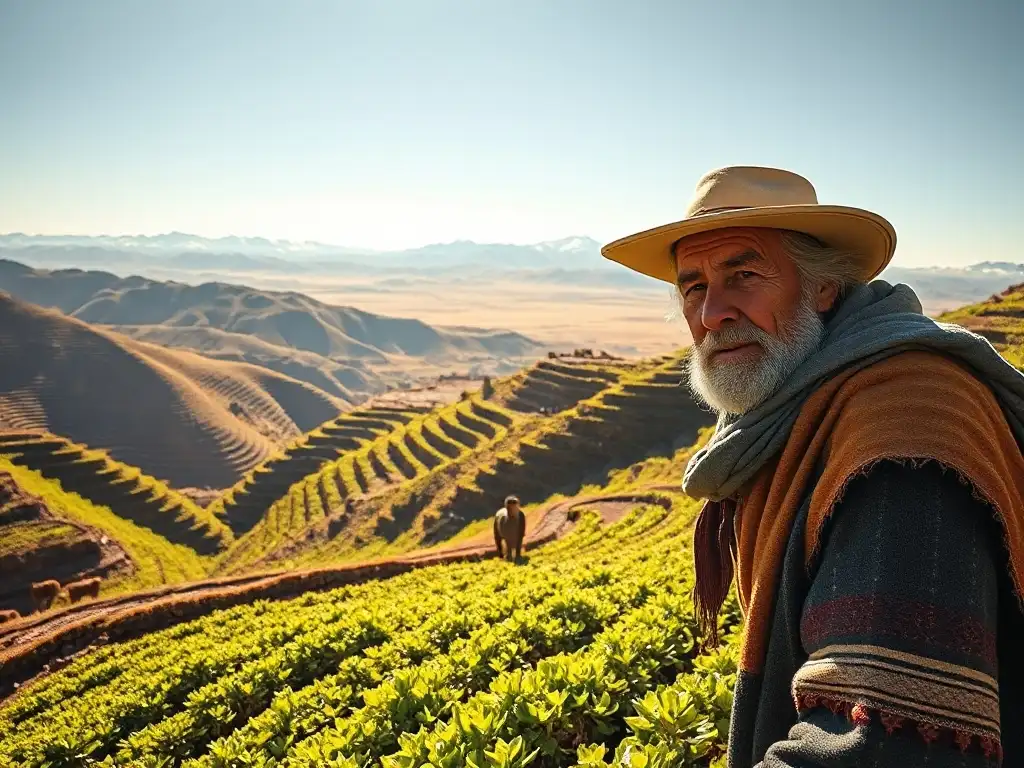
The Aymara people's agricultural practices, honed over millennia on the challenging high Andean plateau, remain profoundly significant today. Their ingenious farming techniques, developed to thrive in a harsh environment, offer valuable lessons for sustainable agriculture worldwide. Understanding and preserving these traditions is crucial not only for the Aymara communities themselves but also for addressing global food security challenges and promoting environmentally conscious farming practices.
The unique adaptations of Aymara agriculture to the high-altitude conditions – including frost tolerance, water management, and soil conservation – provide a rich case study for researchers and agricultural experts alike. These techniques are not simply historical relics; they are viable and adaptable strategies for confronting the increasing pressures on global food systems. The resilience demonstrated by Aymara farmers in the face of climate change and environmental degradation highlights the importance of valuing and learning from indigenous knowledge systems.
Moreover, the preservation of these farming methods contributes to the maintenance of Aymara cultural identity, reinforcing the deep connection between the people and their land. The success of Aymara agriculture is a testament to the ingenuity and adaptability of human beings in the face of environmental challenges.
The Role of Aymara Agriculture in Food Security
Aymara agriculture plays a vital role in ensuring food security for the communities inhabiting the high Andean plateau. The region's challenging climate and terrain limit the types of crops that can be successfully cultivated. However, through centuries of experience, Aymara farmers have developed sophisticated techniques to maximize crop yields and ensure a consistent food supply. These techniques include:
- Terracing: Creating level platforms on steep slopes to prevent soil erosion and optimize water retention. This is crucial in a region prone to landslides and flash floods.
- Crop rotation: Alternating different crops to maintain soil fertility and prevent nutrient depletion. This practice helps to reduce the need for chemical fertilizers, promoting environmentally sustainable agriculture.
- Water management: Implementing sophisticated irrigation systems, often using canals and channels to divert water from streams and rivers to fields. This intricate network demonstrates a deep understanding of water resource management.
- Frost protection: Employing various methods, such as covering plants with straw or using smoke, to protect crops from damaging frosts. This showcases their adaptation to the extreme temperature fluctuations of the high-altitude environment.
These techniques, combined with the cultivation of hardy crops like potatoes, quinoa, and barley, ensure a relatively stable food supply despite the challenging environmental conditions. The resilience of Aymara farming systems contributes significantly to the food security of the region, demonstrating the importance of indigenous knowledge in addressing food sustainability. Further research is needed to quantify the exact impact of Aymara farming techniques on food security in specific regions, [specific data pending].
Challenges Facing Modern Aymara Farmers
Despite their remarkable resilience, modern Aymara farmers face significant challenges. These include:
- Climate change: Increasingly unpredictable weather patterns, including more frequent and intense droughts and frosts, threaten crop yields and threaten the livelihoods of farmers. The changing climate directly impacts the already delicate balance of the high-altitude ecosystem.
- Land degradation: Soil erosion, caused by unsustainable farming practices and deforestation, is reducing the productivity of agricultural land. This degradation threatens the long-term sustainability of Aymara agriculture and necessitates careful consideration of land management practices.
- Market access: Limited access to markets and fair prices for their produce makes it difficult for Aymara farmers to earn a sufficient income. This economic challenge often leads to farmers abandoning traditional methods in favor of less sustainable, higher-yield options.
- Competition from industrial agriculture: The increasing dominance of industrial agricultural practices poses a threat to the preservation of traditional Aymara farming methods. The shift towards monoculture and chemical-intensive farming undermines the biodiversity and sustainability of traditional approaches.
Preserving Traditional Aymara Farming Knowledge for Future Generations
Preserving traditional Aymara farming knowledge is crucial for ensuring the long-term sustainability of agriculture in the Andean region and beyond. This requires a multi-faceted approach:
- Documentation and research: Systematic documentation of traditional Aymara farming techniques, including detailed descriptions and visual records, is essential. This knowledge base can then be used to inform agricultural research and development initiatives.
- Education and training: Integrating traditional Aymara farming knowledge into agricultural education programs can help to ensure that these vital techniques are passed on to future generations. This also empowers the Aymara community to maintain control over their traditional practices.
- Support for Aymara farmers: Providing Aymara farmers with access to resources, such as improved seeds, tools, and markets, can help them to maintain their traditional farming practices while also improving their livelihoods. This also supports their cultural identity and food security.
- Collaboration and partnerships: Collaboration between researchers, government agencies, and Aymara communities is vital for developing effective strategies to preserve and promote traditional Aymara farming techniques. This collaborative approach ensures that the preservation efforts are community-led and culturally sensitive. The future of Aymara farming hinges on the success of these collaborative efforts.
Conclusion: The Enduring Legacy of Aymara Ingenuity in Agriculture
The Aymara people's agricultural practices on the high Andes plateau represent a remarkable feat of human adaptation and ingenuity. For centuries, they have successfully cultivated the challenging terrain, developing sophisticated techniques that ensured food security and cultural continuity. Their methods, honed over generations, offer valuable lessons for modern agriculture, particularly in the face of climate change and growing food insecurity.
The legacy of Aymara farming isn't just about historical significance; it's a living testament to the power of human resilience and sustainable resource management. Understanding their techniques provides not only a fascinating glimpse into the past but also a potential roadmap for a more sustainable future. The enduring success of Aymara agriculture serves as a powerful example of how deep knowledge of local ecosystems, coupled with innovative approaches, can lead to thriving communities and resilient food systems.
This knowledge, passed down through oral traditions and practical experience, continues to shape Aymara life and offers valuable insights for researchers and practitioners alike. The study of Aymara farming techniques offers a potent combination of historical understanding and practical application for contemporary challenges.
The Importance of Aymara Farming Techniques
The importance of studying and understanding Aymara farming techniques extends far beyond simple historical interest. These techniques represent a sophisticated understanding of the high-altitude environment and its limitations. Their success in cultivating crops in such a challenging environment demonstrates a deep connection between the Aymara people and their land. This knowledge is crucial for several reasons:
- Understanding adaptation to harsh environments: Aymara farming provides a case study in successful adaptation to high-altitude conditions characterized by short growing seasons, unpredictable weather, and poor soil quality. This knowledge is invaluable as we grapple with the effects of climate change on global agriculture.
- Sustainable resource management: Aymara techniques emphasize sustainable practices such as crop rotation, terracing, and water management. These methods minimize environmental impact and ensure long-term productivity, providing essential lessons for sustainable agriculture worldwide.
- Food security in challenging environments: The Aymara's ability to produce food in the harsh conditions of the Altiplano showcases the potential for food security even in seemingly inhospitable environments. This is especially relevant in regions facing increasing food insecurity due to climate change and population growth.
- Preservation of cultural heritage: Aymara farming techniques are intrinsically linked to their cultural identity and traditions. Understanding and preserving these techniques contributes to the preservation of a rich and valuable cultural heritage. The loss of these techniques would represent a significant loss to both agricultural knowledge and cultural diversity.
Lessons from the Aymara for Sustainable Agriculture
The Aymara's innovative farming methods offer several key lessons for modern sustainable agriculture:
- Water management: Their sophisticated systems of irrigation channels and water storage demonstrate efficient water use in arid environments. This is critical in regions facing water scarcity. They understood the importance of water harvesting and redistribution, techniques that can be adapted for modern water-stressed regions.
- Soil conservation: Terracing and other soil conservation practices prevent erosion and maintain soil fertility. These methods can be adapted and implemented in other regions prone to soil degradation. Their understanding of soil health and fertility is a crucial lesson for modern intensive agriculture.
- Crop diversification: The Aymara cultivated a diverse range of crops, reducing their vulnerability to crop failure and ensuring food security. This strategy is vital for resilience in the face of climate change. Their understanding of crop rotation and intercropping is a crucial lesson in ecosystem balance.
- Community-based management: Aymara farming was often organized collectively, demonstrating the importance of community involvement in resource management and sustainable agriculture. This collaborative approach is crucial for successful implementation of sustainable practices.
The Aymara legacy highlights the importance of integrating traditional ecological knowledge with modern agricultural techniques to create truly sustainable and resilient food systems. Their enduring success serves as a powerful reminder of the value of respecting and learning from traditional practices. By studying and adapting Aymara farming techniques, we can contribute to a more sustainable and food-secure future for all. 🥔 🦙
Frequently Asked Questions
What unique challenges did Aymara farmers face on the Altiplano?
The high altitude, thin air, and variable climate of the Altiplano presented significant challenges. Farmers had to contend with frost, drought, and limited growing seasons. Their success depended on innovative solutions.
What are some of the key Aymara farming techniques?
Aymara farmers employed techniques like terracing, raised fields (suka kollus), and irrigation systems to maximize land use and water management. Crop rotation and the use of fertilizers (like guano) also played crucial roles.
How did terracing help Aymara farmers?
Terracing created level plots on steep slopes, preventing soil erosion and maximizing the use of available land. This also allowed for better water retention and protection from strong winds.
What role did the suka kollus (raised fields) play in Aymara agriculture?
Suka kollus were artificial islands built in wetlands, providing better drainage and warmer soil temperatures. This enabled year-round cultivation in areas otherwise unsuitable for farming.
How did Aymara farming techniques contribute to the success of their civilization?
The ingenious farming techniques of the Aymara people allowed them to thrive in a harsh environment. Their agricultural success ensured food security and supported a complex society in the challenging Altiplano region.
Final Reflection: The Enduring Legacy of Aymara Ingenuity
The ingenious farming techniques of the Aymara people, honed over millennia on the challenging Andean plateau, remain a powerful testament to human adaptation and resilience in the face of environmental adversity. These methods, far from being relics of the past, offer crucial lessons for sustainable agriculture in a world grappling with climate change and food security challenges. Their relevance today is undeniable, a beacon of hope in a time of increasing environmental pressure.
The Aymara's deep understanding of their environment, their intricate water management systems, and their innovative crop diversification strategies continue to inspire researchers and farmers alike. Their approach, rooted in a profound respect for the land and its delicate balance, stands in stark contrast to many modern, unsustainable agricultural practices. The earth is our mother, and we must treat her with respect,
a wise Aymara elder once said, a sentiment that resonates deeply with the urgency of our current ecological crisis. This philosophy, embedded in their farming practices, offers a pathway towards a more harmonious relationship between humanity and nature.
Consider the ingenuity of the waru waru system, the raised beds that retain moisture and nutrients, or the sophisticated understanding of microclimates that allows for diverse crops to thrive in seemingly inhospitable conditions. These are not just historical curiosities; they are blueprints for a more sustainable future. You, the reader, are now equipped with a deeper understanding of these remarkable techniques.
Will you carry this knowledge forward, seeking ways to integrate these principles of sustainability into your own life, your community, and your approach to food production? The future of agriculture depends on our willingness to learn from the past and embrace innovative, environmentally conscious solutions.
Embrace the Wisdom of Aymara Agriculture!
Thank you for exploring the fascinating world of Aymara agriculture with us! You've discovered valuable insights into sustainable practices that allow communities to thrive in challenging environments. Now, let's put this knowledge to work in your own life.
Here are some ways you can integrate these principles:
- Adopt sustainable farming methods: Consider creating a raised-bed garden or practicing companion planting to increase yields while conserving resources.
- Connect with your local farming community: Share your newfound knowledge of Aymara techniques and collaborate on projects with like-minded individuals in your area who are passionate about sustainable agriculture.
- Share your knowledge: Inspire others to learn about these valuable traditional methods by sharing this article with friends, family, and on social media. Together, we can cultivate a better future.
How can the ingenuity of Aymara farming inspire your own approach to agriculture and sustainable living? We'd love to hear your ideas!