
Storytellers of the Andes: Guardians of Culture and History

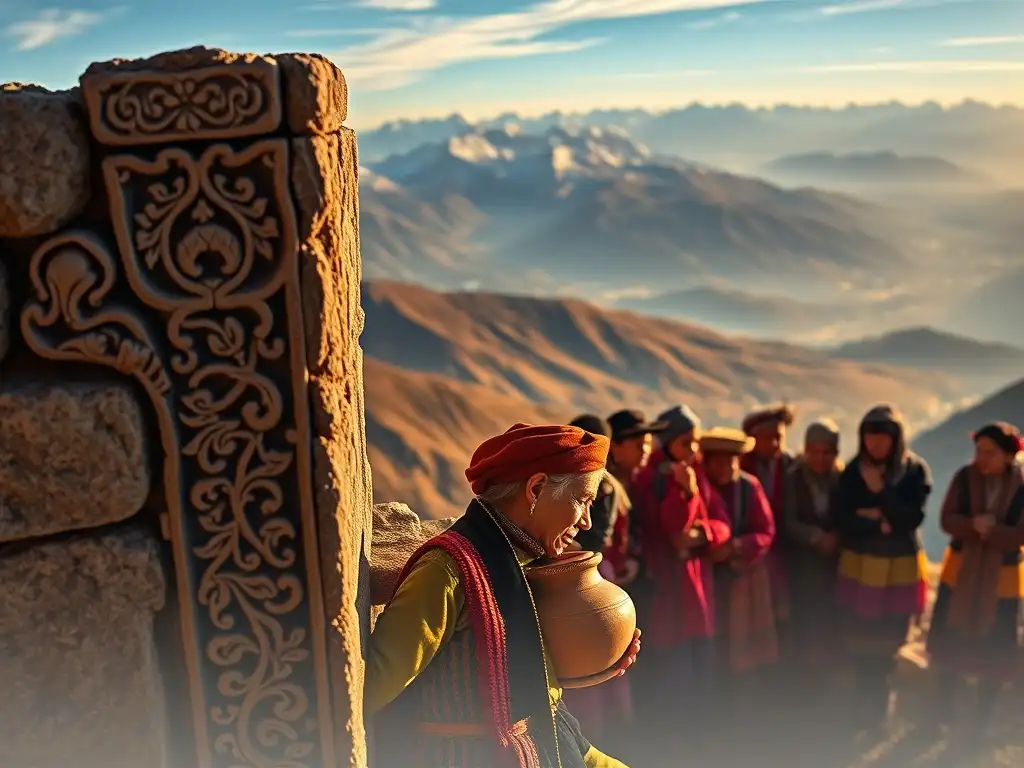
Step into a world lost to time, yet echoing with vibrant life. Imagine colossal mountain cities, intricate textiles whispering ancient secrets, and a legacy of innovation that continues to astound. This is the realm of the Ancient Andean civilization history, a tapestry woven from the threads of the Incas, Moche, Nazca, and Tiahuanaco. Prepare to unravel the mysteries of their remarkable achievements – their ingenuity, their artistry, and the enduring power of their stories, as we delve into the fascinating world of Andean Languages. Discover what makes them so unique...
The Andes Mountains, a spine of rock and ice running down the western coast of South America, are not only a breathtaking geographical feature but also the cradle of a rich tapestry of ancient civilizations. For millennia, these towering peaks witnessed the rise and fall of empires, each leaving behind a legacy of intricate art, innovative technologies, and, most importantly, a vibrant oral tradition. This article delves into the crucial role of storytellers in preserving and transmitting the history and culture of the Ancient Andean civilizations, exploring how oral narratives shaped their identities, beliefs, and societal structures.
Understanding the importance of oral tradition is key to unlocking a deeper appreciation of the Incas, Moche, Nazca, and Tiahuanaco, among other fascinating Andean cultures. We'll examine how these narratives, passed down through generations, constitute a vital part of understanding Ancient Andean civilization history.
The Power of Oral Transmission in Pre-Columbian Societies
Before the advent of widespread writing systems, oral tradition served as the primary means of preserving knowledge and cultural heritage in the Andes. Storytellers, often revered members of the community, acted as living libraries, meticulously memorizing and recounting historical events, myths, legends, and practical knowledge. These narratives weren't merely entertaining tales; they were vehicles for transmitting crucial information about agriculture, astronomy, social customs, and religious beliefs. The accuracy and consistency of these oral histories, often supported by mnemonic devices and ritualistic performances, are remarkable.
Consider the intricate astronomical knowledge embedded in many Andean myths, reflecting generations of careful observation and transmission. The precision of their agricultural techniques, also passed down orally, speaks to the effectiveness of this system. These weren't simply stories; they were the bedrock of Andean societies.
Different Forms of Oral Storytelling in the Andes
The Andean region wasn't monolithic; diverse cultures employed distinct forms of oral storytelling. While precise details vary depending on the specific civilization, several common threads emerge. For example:
- Myths and Legends: These narratives explained the origins of the world, the relationship between humans and the supernatural, and the establishment of social order. They often featured powerful deities, mythical heroes, and cautionary tales.
- Historical Accounts: These recounted significant events, such as wars, migrations, and the reigns of important leaders. They provided a framework for understanding the past and shaping collective identity.
- Instructive Narratives: These focused on practical skills, such as agriculture, medicine, and craftsmanship. They served as apprenticeships, transmitting crucial knowledge for survival and societal functioning.
- Songs and Poetry: Music and poetry played a significant role in transmitting oral traditions, often used to commemorate events, express emotions, or reinforce social values. The rhythmic nature of these forms aided memorization and transmission.
These different forms often intertwined, creating a rich and complex tapestry of oral narratives. The skillful use of metaphors, symbolism, and repetition enhanced memorability and ensured the preservation of crucial information across generations.
The Impact of Colonialism on Oral Traditions
The arrival of the Spanish conquistadors in the 16th century profoundly impacted Andean oral traditions. The suppression of indigenous languages and the imposition of Catholicism led to a decline in the transmission of certain narratives. However, oral traditions proved remarkably resilient. Many stories were adapted, incorporating elements of Christian belief, while others were preserved in secrecy, passed down within families and communities.
The persistence of these oral traditions despite colonial efforts highlights their profound importance and enduring power within Andean cultures. Even today, these stories continue to shape cultural identity and provide a link to a rich and complex past. The fight to preserve these traditions is ongoing, a testament to their lasting significance in understanding Ancient Andean civilization history.
Modern Efforts to Preserve Andean Oral Traditions
In recent decades, there's been a growing recognition of the importance of preserving and revitalizing Andean oral traditions. Scholars, community leaders, and indigenous groups are actively working to document these narratives, translate them into different languages, and share them with wider audiences. This involves not only recording stories but also understanding the cultural contexts in which they were created and continue to be performed.
These efforts are crucial for ensuring that the voices and perspectives of Andean peoples are heard and that their rich cultural heritage is preserved for future generations. The work to preserve these traditions is an ongoing and vital process in appreciating the depth and complexity of Ancient Andean civilization history.
- The Power of Oral Transmission in Pre-Columbian Societies
- Different Forms of Oral Storytelling in the Andes
- The Impact of Colonialism on Oral Traditions
- Modern Efforts to Preserve Andean Oral Traditions
- What makes the Andean civilizations so significant in history?
- How did the Inca Empire manage to control such a vast territory?
- What are some of the most impressive achievements of the Ancient Andean civilizations in engineering and technology?
- How did the ancient Andean cultures express themselves artistically?
- What led to the decline and fall of the great Andean civilizations?
The Vital Role of Oral Tradition in Ancient Andean Civilizations
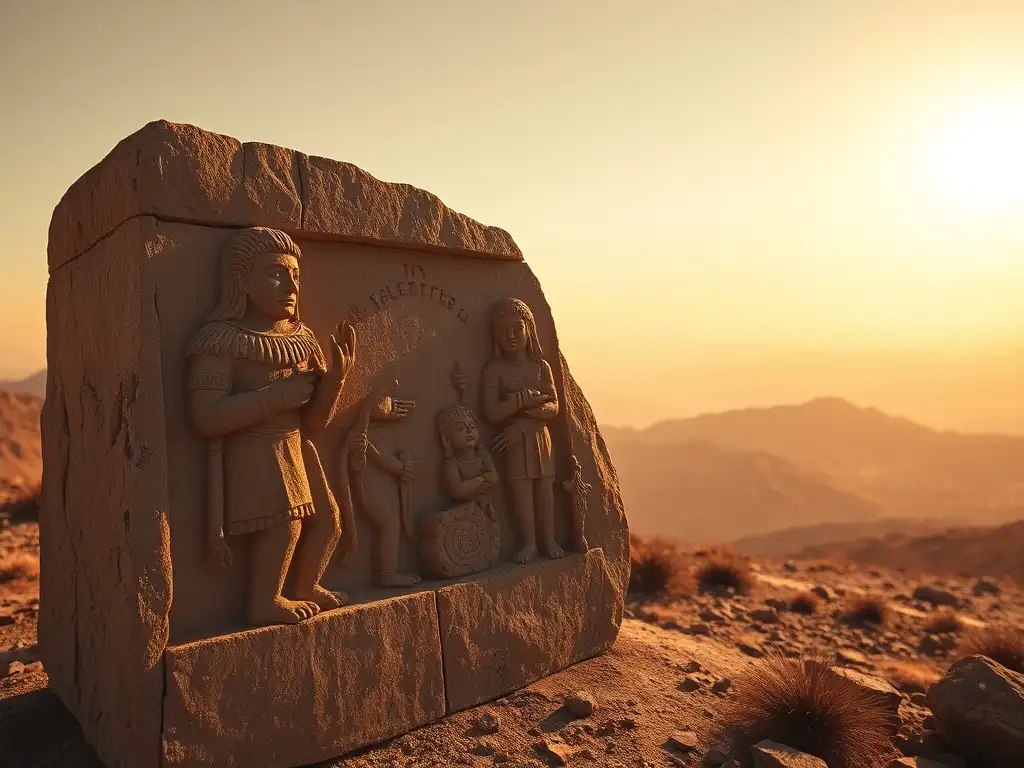
The vibrant tapestry of Ancient Andean civilization history wasn't solely woven with threads of monumental architecture and intricate artwork. A crucial, often overlooked, element was the sophisticated system of oral tradition that served as the primary means of preserving and transmitting knowledge across generations. Unlike many other cultures that relied heavily on written records, the Andean civilizations developed intricate methods of oral storytelling, memorization techniques, and mnemonic devices to safeguard their rich heritage.
This oral tradition wasn't simply a casual recounting of events; it was a meticulously crafted system integral to their social, political, and religious life. Its importance extended far beyond mere entertainment; it was the bedrock of their cultural identity, shaping their worldview and influencing their daily lives.
The absence of widespread literacy only amplified the significance of this oral legacy, making it the lifeblood of Andean societies. Understanding this oral tradition is key to unlocking a deeper understanding of the complexities and nuances of Ancient Andean civilization history.
Preserving Andean History Through Storytelling
Storytelling in the Andes wasn't a passive activity; it was a dynamic, participatory process. Professional storytellers, often revered members of the community, held a position of immense social power. They weren't simply narrators; they were keepers of history, repositories of ancestral wisdom, and interpreters of cultural values. Their performances weren't just recitations; they were theatrical experiences, incorporating music, dance, and dramatic gestures to enhance the narrative and solidify its impact on the audience.
These performances served multiple purposes: they entertained, educated, and instilled moral and societal values. For example, myths about powerful deities and ancestral heroes served to explain natural phenomena, reinforce social hierarchies, and transmit crucial agricultural knowledge. The stories themselves often contained coded messages, historical accounts, and practical advice, all subtly woven into the narrative.
The skill and artistry involved in crafting and delivering these narratives were honed over generations, passed down through apprenticeship and rigorous training. The effectiveness of this system is evident in the persistence of many Andean traditions and beliefs even to this day, a testament to the enduring power of oral storytelling in shaping cultural identity. The detailed narratives, often spanning generations and incorporating intricate genealogies, ensured the preservation of historical events, social structures, and cosmological beliefs.
The Legacy of Spoken Word in Pre-Columbian Andes
The impact of oral tradition extends far beyond the realm of simple storytelling. It played a vital role in transmitting complex knowledge systems, including advanced astronomical observations, sophisticated agricultural techniques, and intricate medical practices. These weren't simply passed down through rote memorization; they were embedded within narratives and songs, making them easier to remember and transmit across generations. Think of the intricate knowledge of Andean agriculture, which involved understanding complex ecological systems and developing sustainable farming practices adapted to the diverse Andean terrains.
This knowledge, crucial for survival, wasn't written down; it was passed down through generations via oral instruction, often interwoven with myths and legends that made the complex information more memorable and engaging. Similarly, the intricate knowledge of Andean astronomy, used for agricultural planning and religious ceremonies, was passed down through generations via meticulously structured oral traditions. The detailed observations of celestial bodies and their cycles, crucial for their agricultural practices and religious calendar, were preserved and transmitted through oral traditions, highlighting the sophistication of their knowledge systems.
Even the complex social structures and political systems of the Andean civilizations were often reflected and reinforced through oral narratives, shaping social order and maintaining power structures. The legacy of this spoken word continues to resonate in contemporary Andean cultures, influencing their worldview, social practices, and artistic expressions. It serves as a powerful reminder of the enduring strength and sophistication of Ancient Andean civilization history.
Key Figures in Andean Oral Tradition
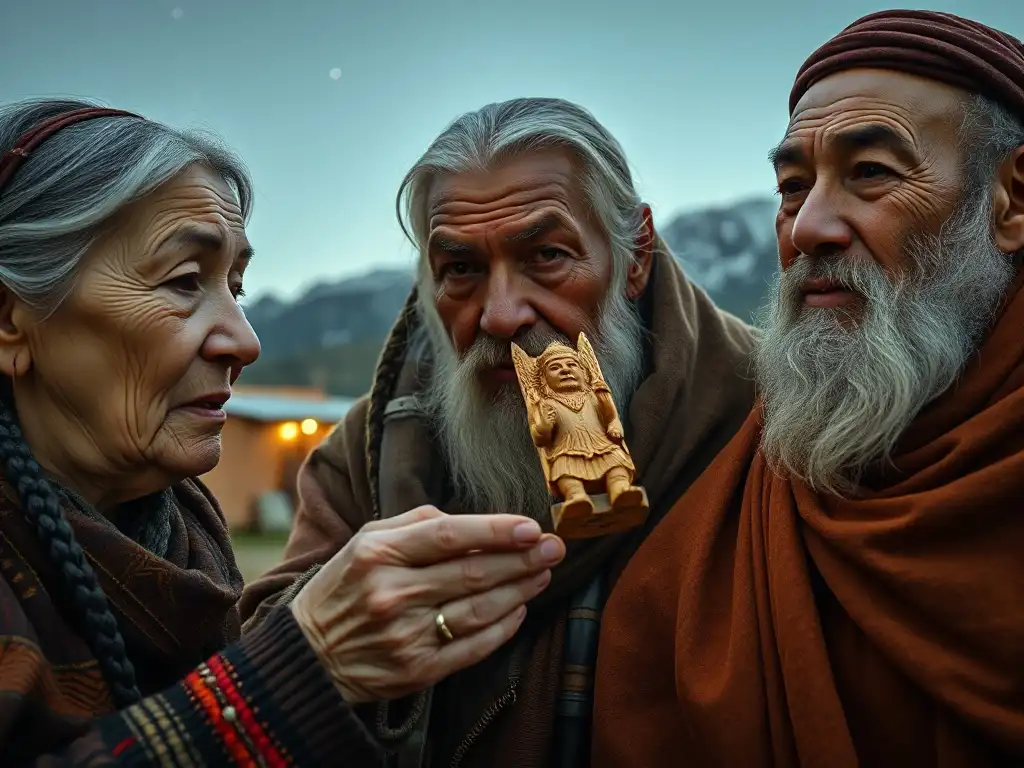
The vibrant tapestry of Ancient Andean civilization history is intricately woven with threads of oral tradition. Understanding this history requires recognizing the key figures who played crucial roles in preserving and transmitting knowledge across generations. These individuals weren't simply storytellers; they were custodians of cultural memory, shaping societal values and beliefs. Their influence extended far beyond mere entertainment; they were integral to the social, political, and spiritual fabric of Andean life.
The methods of transmission varied across different Andean cultures, but the importance of the human element remained constant. The power of memory, combined with sophisticated mnemonic techniques, ensured the survival of complex narratives, genealogies, and cosmological beliefs. This section will explore some of these pivotal roles.
The Andean "Yachaq": Keepers of Wisdom and Narratives
The yachaq (sometimes spelled yachay) were highly respected figures in many Andean communities. Unlike a simple storyteller, the yachaq possessed deep knowledge of history, cosmology, medicine, and social customs. They were often seen as intermediaries between the human and spiritual worlds, possessing an understanding of the intricate relationship between nature and the cosmos.
Their narratives weren't merely tales; they were rich with symbolic meaning, conveying profound truths about the Andean worldview. These narratives served multiple purposes: they educated, entertained, and reinforced social norms. The yachaq's ability to weave intricate stories, often incorporating songs, chants, and dramatic performances, captivated audiences and ensured the transmission of vital knowledge.
The yachaq’s role extended beyond simple storytelling; they were often healers, shamans, and spiritual leaders, integrating their knowledge of the natural world with their narrative skills. Their influence on the collective memory and cultural identity of Andean communities was paramount. Think of them as living libraries, repositories of Ancient Andean civilization history.
The Role of Andean Storytellers in Communal Life
Andean storytellers weren't isolated figures; their craft was deeply intertwined with communal life. Storytelling events were often central to social gatherings, festivals, and rituals. These occasions provided opportunities for strengthening community bonds, transmitting knowledge, and reinforcing cultural values. The narratives themselves reflected the concerns and experiences of the community, often dealing with themes of nature, ancestry, and social harmony.
The effectiveness of these oral traditions rested heavily on the storyteller’s ability to engage the audience, using vivid language, memorable imagery, and skillful performance techniques. Consider the impact of a captivating tale shared around a fire under the Andean stars – a powerful tool for social cohesion and cultural preservation. The stories weren’t static; they evolved over time, adapting to changing circumstances and reflecting the community's ongoing experiences. This dynamic aspect of oral tradition ensured its continued relevance and enduring power within the Ancient Andean civilization history.
The "Amautas" and Their Role in Educating the Inca Elite
Within the Inca Empire, a specialized class of storytellers and educators known as amautas played a significant role in shaping the Inca elite. Unlike the broader role of the yachaq, the amautas focused on educating the Inca nobility, imparting knowledge of Inca history, laws, customs, and administrative practices. Their narratives were often interwoven with Inca mythology and cosmology, helping to legitimize the Inca rule and reinforce the imperial ideology.
They were highly skilled in rhetoric and public speaking, capable of captivating their audiences and inspiring loyalty. The amautas employed various teaching methods, including memorization techniques, dramatic performances, and symbolic representations. Their role went beyond mere instruction; they were responsible for shaping the worldview and values of the Inca ruling class, playing a crucial role in the administration and governance of the empire.
The amautas' influence on the development and consolidation of Inca power cannot be overstated, showcasing a sophisticated system of oral tradition within the broader context of Ancient Andean civilization history. The training and selection of amautas were rigorous, emphasizing their role as key figures in the perpetuation of Inca power and cultural identity.
Themes and Narratives in Ancient Andean Storytelling
This section delves into the rich tapestry of themes and narratives woven into the oral traditions of Ancient Andean civilizations. Understanding these stories offers invaluable insight into their worldview, social structures, and values. The enduring power of oral tradition in shaping their identity and transmitting knowledge across generations cannot be overstated. Analyzing these narratives provides a unique lens through which to understand the complexities of "Ancient Andean civilization history."
Creation Myths and Cosmological Beliefs of Andean Peoples
Ancient Andean creation myths paint vibrant pictures of the world's origins, often featuring powerful deities and dramatic events. These narratives weren't simply entertaining tales; they served as fundamental frameworks for understanding the cosmos and their place within it. For example, the Inca creation myth often involved Viracocha, a creator god who emerged from Lake Titicaca, shaping the land and creating humanity. Different Andean groups, however, possessed their own unique versions, reflecting regional variations and cultural nuances. These variations highlight the diversity within the overarching Andean cultural sphere.
The narratives frequently integrated natural elements – mountains, rivers, stars – into their cosmological beliefs. The Andes themselves often held sacred significance, representing the axis mundi, connecting the earthly and spiritual realms. Stories described how the gods interacted with the landscape, shaping mountains and carving valleys, thereby establishing a deep connection between the people and their environment. This connection is vividly portrayed in numerous myths, illustrating how the people viewed their relationship with nature as integral to their existence and spiritual well-being.
Furthermore, the cosmological beliefs often influenced social structures and political organization. The Inca, for instance, linked their imperial authority to the divine lineage of their rulers, reinforcing their power and legitimacy through carefully crafted narratives. These myths contributed significantly to the social cohesion and stability of the empire, demonstrating the powerful role of storytelling in maintaining social order within the context of "Ancient Andean civilization history."
Historical Accounts and Genealogies Transmitted Orally
Oral tradition served as the primary means of preserving historical accounts and genealogies in pre-Columbian Andean societies. Before the advent of writing systems, these narratives were meticulously passed down through generations, ensuring the continuity of ancestral knowledge. These weren't just lists of names and dates; they were elaborate accounts, often incorporating symbolic elements and mythical figures, to emphasize the significance of specific events and personalities.
Genealogical accounts, in particular, were crucial for establishing social hierarchies and political legitimacy. The Inca, for example, meticulously traced their lineage back to the creator god Viracocha, thereby legitimizing their rule and reinforcing their divine right to govern. This practice wasn't unique to the Inca; many other Andean groups utilized similar methods to establish their authority and maintain social order. The meticulous preservation of these genealogies, passed down through generations of storytellers, speaks volumes about the importance of history and ancestry in Andean cultures.
The oral transmission of historical accounts also allowed for the preservation of vital knowledge regarding agriculture, technology, and social customs. These narratives were often interwoven with practical advice and lessons learned from past experiences, ensuring the survival and prosperity of the community. The detailed nature of these oral histories, passed down through centuries, offers valuable insights into the daily lives and social dynamics of Ancient Andean civilizations. This oral history provides a rich source for understanding "Ancient Andean civilization history."
Andean Moral Tales and Lessons for Future Generations
Beyond cosmological narratives and historical accounts, Andean oral traditions also encompassed a vast repertoire of moral tales and instructive stories. These narratives served as a powerful means of transmitting social values, ethical principles, and practical wisdom to younger generations. The stories often featured allegorical characters and symbolic events, making them engaging and memorable for their audiences. These tales functioned as a form of informal education, shaping the moral compass of individuals within the community.
Many of these stories emphasized the importance of community, reciprocity, and respect for elders. They often highlighted the consequences of violating social norms or disregarding traditional values. For example, tales might focus on the importance of ayni, the principle of reciprocal exchange, or the consequences of neglecting one's responsibilities towards the community. These stories, passed down through generations, provided a consistent framework for social behavior and helped to maintain social harmony.
The use of allegory and symbolism in these moral tales allowed for complex ideas and nuanced lessons to be conveyed effectively. These stories not only entertained but also served as a powerful tool for socialization, contributing significantly to the cultural continuity and social cohesion of Andean societies. The enduring legacy of these moral tales sheds light on the enduring values and wisdom of the "Ancient Andean civilization history."
The Art and Performance of Andean Storytelling
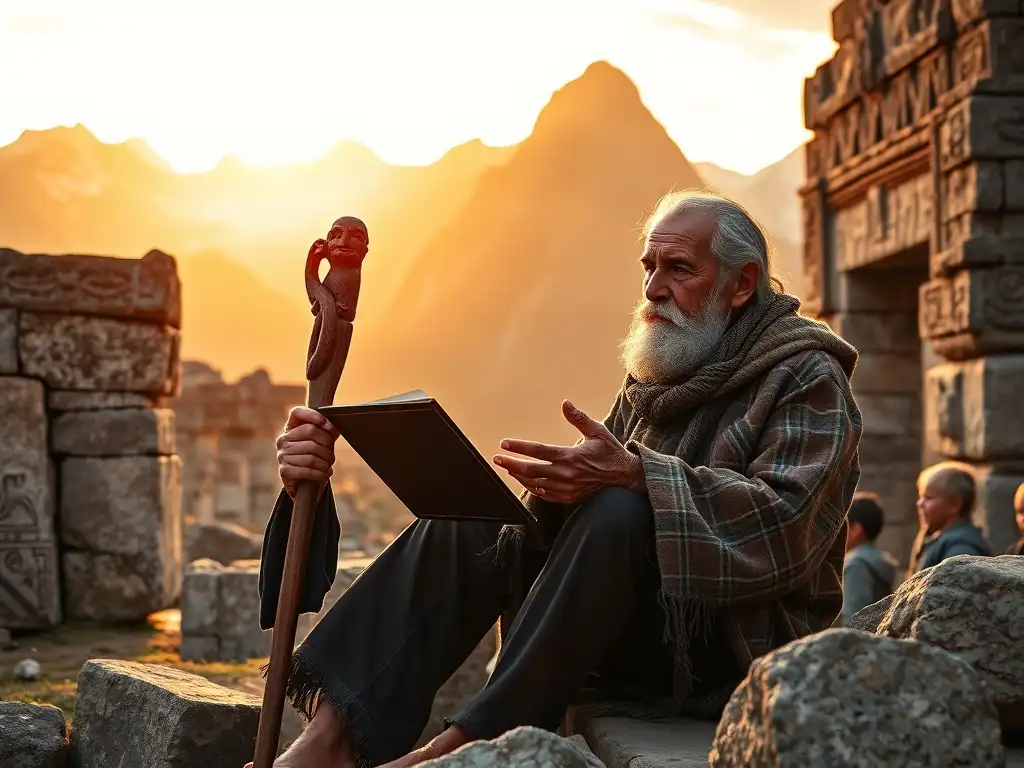
The vibrant tapestry of Ancient Andean civilization history is interwoven with the threads of oral tradition. Storytelling wasn't merely a form of entertainment; it was a vital mechanism for preserving knowledge, transmitting cultural values, and connecting generations. This section delves into the artistic and performative aspects of Andean storytelling, highlighting its intricate relationship with ritual, music, language, and social structure. Understanding these elements allows us to appreciate the depth and significance of this ancient art form, a cornerstone of Ancient Andean civilization history.
Rituals and Ceremonies Associated with Oral Tradition
Oral traditions in the Andes weren't isolated narratives; they were deeply embedded within the fabric of religious and social life. Many stories were recounted during specific rituals and ceremonies, enhancing their power and significance. For instance, the Incas utilized storytelling during capac hucha, a ritualistic ceremony involving offerings to the gods. These narratives, often involving mythical figures and creation stories, reinforced societal hierarchies and emphasized the Inca's divine right to rule.
The timing and context of these performances were carefully considered, maximizing their impact on the audience. Furthermore, specific individuals, often shamans or elders, held the responsibility of narrating these sacred stories, their words carrying immense weight and authority within the community. The precise rituals varied between different Andean cultures, reflecting the unique beliefs and practices of each group.
For example, the Moche civilization likely incorporated storytelling into their elaborate funerary rites, using narratives to honor ancestors and reinforce their connection to the spiritual world. Further research is needed to fully understand the precise details of these rituals across all Andean cultures. [Specific information pending on Nazca and Tiahuanaco ritual storytelling].
The Use of Music and Instruments in Andean Narrations
Music played a crucial role in Andean storytelling, enhancing the emotional impact and memorability of the narratives. The rhythmic accompaniment provided by instruments like the pututu (a conch shell horn) or the antara (panpipes) helped to regulate the pace and flow of the story, creating a captivating atmosphere. Musical interludes could also serve to emphasize specific moments within the narrative, creating dramatic tension or highlighting important themes.
The choice of instruments would often vary depending on the type of story being told, with certain instruments associated with specific deities or events. For example, the tarka (a type of flute) might be used in stories related to pastoral life, while the bombo (a large drum) might accompany more dramatic narratives.
The melodic lines and rhythmic patterns often mirrored the emotional arc of the story, creating a holistic and immersive experience for the listener. The integration of music and narrative wasn't simply additive; it was a synergistic relationship, where each element reinforced the other, contributing to a powerful and resonant communication experience.
Recitation Styles and the Use of Quechua and Aymara Languages
The recitation style of Andean storytellers was highly developed, employing techniques such as changes in vocal tone, rhythm, and pace to emphasize different aspects of the narrative. The use of Quechua and Aymara, the two most prominent Andean languages, further enriched the storytelling tradition. These languages possess rich poetic qualities, allowing for nuanced expressions and evocative imagery.
The use of specific rhetorical devices, such as metaphors, similes, and proverbs, added layers of meaning and enhanced the emotional impact of the stories. Different dialects of Quechua and Aymara also influenced the style and delivery of the narratives, reflecting the diverse cultural landscapes of the Andes. Furthermore, the performance often involved body language and gestures, enhancing the expressiveness of the narrative and creating a more engaging experience for the audience.
While precise details on specific recitation styles across all Andean cultures require further investigation, [specific information pending on variations in recitation styles across different groups], it's clear that the mastery of these languages and performance techniques was essential for effective storytelling. The oral tradition was not simply about transmitting information; it was a sophisticated art form, demanding skill, artistry, and a deep understanding of the culture's history and values. The legacy of these sophisticated storytelling techniques remains a vital part of Ancient Andean civilization history.
The Impact of Oral Tradition on Andean Society
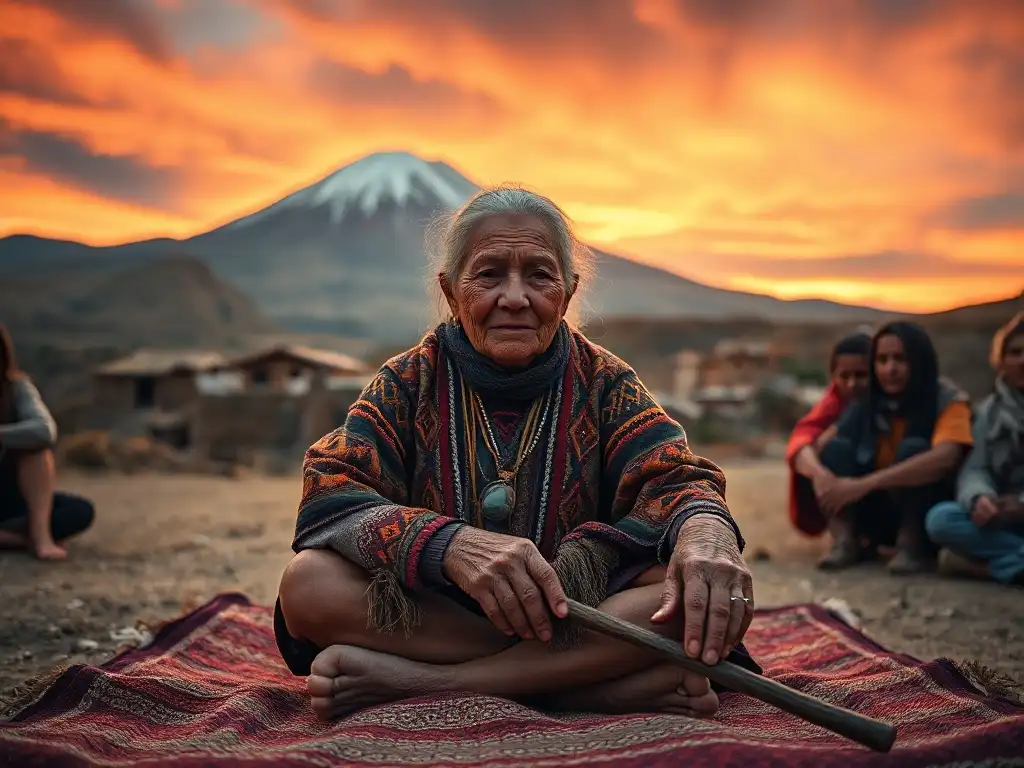
The vibrant tapestry of Ancient Andean civilization history is inextricably woven with the threads of oral tradition. For centuries, before the advent of widespread writing systems, storytelling served as the primary mechanism for transmitting knowledge, preserving history, and shaping cultural identity across diverse Andean communities. This wasn't merely entertainment; it was a vital force that shaped social structures, religious beliefs, and the very fabric of Andean life.
The meticulous preservation and transmission of ancestral knowledge through oral narratives ensured the continuity of cultural practices and beliefs, creating a powerful sense of shared heritage and collective identity. This rich oral legacy continues to resonate in modern Andean communities, demonstrating its enduring power and influence. Understanding the profound impact of oral tradition is key to unlocking a deeper appreciation of Ancient Andean civilization history.
How Oral Narratives Shaped Andean Identity
Oral narratives served as the cornerstone of Andean identity, forging a strong sense of belonging and continuity across generations. Myths, legends, and epic poems recounted the origins of the world, the exploits of legendary heroes, and the intricate relationships between humans and the supernatural. These stories weren't just tales; they were powerful tools for socialization, instilling moral values, explaining natural phenomena, and establishing a connection to the ancestral past.
For example, the stories of Viracocha, the creator god, provided a framework for understanding the cosmos and humanity's place within it. Similarly, narratives about Inca emperors like Pachacuti shaped perceptions of leadership, power, and the ideal ruler. The repetition of these narratives across generations cemented specific cultural values and beliefs, solidifying a shared Andean identity that transcended geographical boundaries and linguistic variations.
The consistent retelling of these stories ensured the survival of essential cultural knowledge, even amidst periods of significant social and political upheaval. This process of continuous transmission ensured that the essence of Andean identity remained intact, strengthening the collective consciousness and contributing to the remarkable resilience of Andean cultures.
The intricate social structures of Ancient Andean civilizations were significantly influenced by oral traditions. Stories reinforced social hierarchies, defined roles and responsibilities, and regulated social behavior. Narratives about ancestors and powerful figures legitimized the authority of rulers and elites, while folktales and proverbs conveyed moral lessons and societal expectations. For instance, stories about the consequences of defying community norms or disrespecting elders served as effective mechanisms for social control.
Oral tradition also played a crucial role in conflict resolution and maintaining social harmony. Dispute settlement often involved invoking ancestral wisdom and recounting relevant precedents from traditional narratives. This approach fostered a sense of community and collective responsibility, minimizing social friction and promoting stability.
The transmission of agricultural knowledge, weaving techniques, and other essential skills also relied heavily on oral instruction and storytelling, ensuring the perpetuation of these practices within specific communities. The effectiveness of this system is evidenced by the longevity and sophistication of Andean technologies and social organizations. Detailed accounts of these practices, passed down through generations, allowed for remarkable advancements in fields like agriculture and architecture, further highlighting the power of oral tradition in shaping Andean societies.
The Continuing Significance of Oral Tradition in Modern Andean Communities
Despite the impact of globalization and the rise of literacy, oral tradition continues to hold immense significance in modern Andean communities. While written forms of communication have become increasingly prevalent, storytelling remains a vital means of preserving cultural heritage, transmitting knowledge, and fostering social cohesion. Many indigenous communities actively maintain traditional storytelling practices, adapting them to contemporary contexts.
These narratives often incorporate elements of modern life while retaining their core cultural values and messages. For example, contemporary Andean stories might incorporate themes of environmental conservation or social justice, reflecting the concerns of modern society while staying true to the ancestral spirit. The continued use of Quechua, Aymara, and other indigenous languages in storytelling demonstrates a conscious effort to preserve linguistic diversity and cultural identity.
The preservation and revitalization of oral traditions are crucial for maintaining the unique cultural richness of the Andes and ensuring the continuity of Andean identity in the face of modern challenges. The ongoing research into these oral traditions offers valuable insights into the enduring power of storytelling and its role in shaping collective memory and cultural identity. The study of these narratives provides a vital window into the past and offers crucial perspectives on the present and future of Andean communities.
Challenges to Preserving Andean Oral Traditions
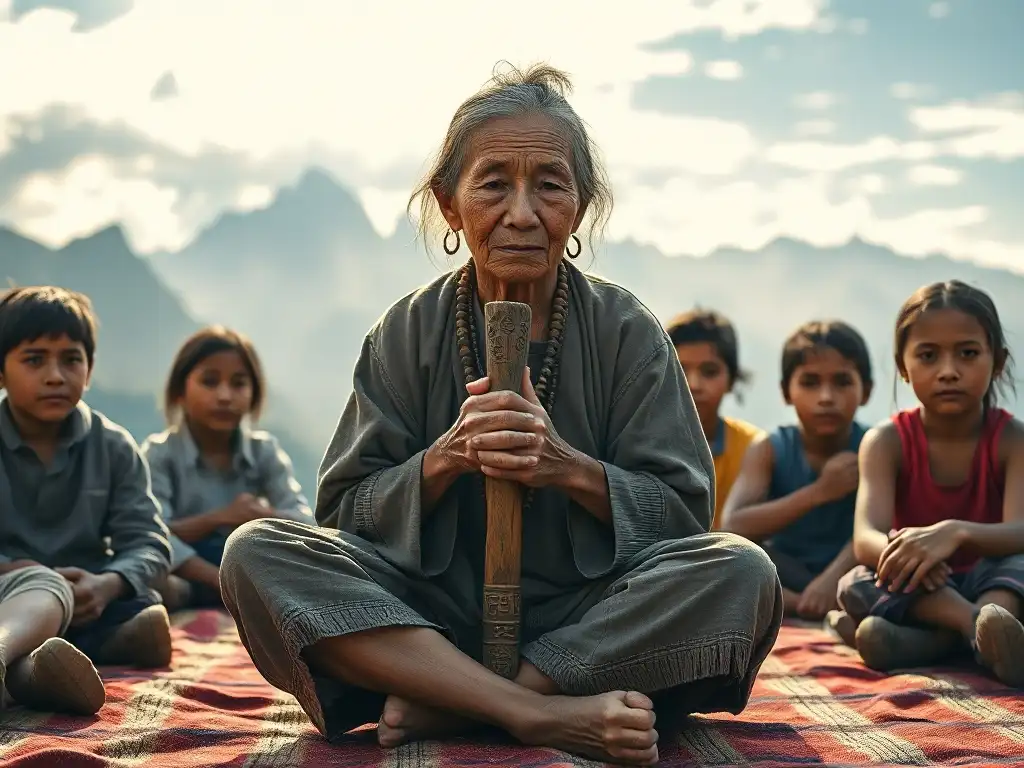
The preservation of Ancient Andean civilization history, particularly through oral traditions, faces significant hurdles in the modern era. These challenges are multifaceted, stemming from historical injustices, the pressures of globalization, and the inherent fragility of oral transmission itself. Understanding these challenges is crucial to developing effective strategies for safeguarding this invaluable cultural heritage. The vibrant tapestry of Andean storytelling, passed down through generations, is threatened by forces that seek to homogenize and erase unique cultural identities. This section will explore some of the key obstacles to preserving these vital narratives.
The Effects of Colonialism on Indigenous Storytelling
The Spanish conquest of the Andes dramatically altered the landscape of indigenous cultures, inflicting lasting damage on their oral traditions. The suppression of Quechua and Aymara languages—the primary vehicles for storytelling—was a deliberate tactic aimed at undermining indigenous identity and consolidating colonial power. Missionaries actively discouraged traditional narratives, replacing them with Christian stories and doctrines. This cultural imposition led to a significant loss of knowledge, as many elders who held the traditional stories were silenced or their knowledge was actively disregarded.
The forced relocation of indigenous communities disrupted established social structures and communication networks, hindering the natural transmission of oral traditions. The destruction of religious sites and artifacts further severed the connection between the present and the past, disrupting the cultural context within which these stories held meaning.
The colonial legacy continues to impact the vitality of Andean oral traditions today, manifesting as a diminished sense of cultural pride and a lack of fluency in ancestral languages among younger generations. The impact can be quantified, albeit indirectly, by examining the decline in the number of fluent speakers of Quechua and Aymara, languages integral to the preservation of these oral histories.
Modern Threats to the Transmission of Ancient Andean Narratives
Beyond the lingering effects of colonialism, modern society presents new obstacles to the preservation of Ancient Andean civilization history through oral tradition. Rapid urbanization and migration have led to a breakdown of traditional family and community structures, which were once the cornerstone of oral storytelling. The allure of modern media, particularly television and the internet, competes for the attention of younger generations, diverting their interest away from traditional forms of cultural expression. The dominance of Spanish in many Andean communities has further marginalized indigenous languages, threatening the survival of the narratives they carry.
The commercialization of indigenous culture also poses a significant threat. The appropriation of Andean stories and symbols for tourist consumption often strips them of their original meaning and spiritual significance, transforming them into mere commodities. This commodification can lead to the simplification and distortion of complex cultural narratives, undermining their authenticity and cultural value.
Furthermore, the lack of adequate resources and funding for cultural preservation initiatives hinders efforts to document and safeguard these precious oral histories before they are irretrievably lost. This lack of support often manifests itself in a limited number of trained individuals capable of preserving and teaching the traditions.
Efforts to Revitalize and Protect Andean Oral Traditions
Despite the numerous challenges, there are ongoing efforts to revitalize and protect Andean oral traditions. Community-based initiatives are working to promote indigenous languages, create spaces for storytelling, and document traditional narratives. Educational programs are being implemented to teach indigenous languages and cultural heritage to younger generations. Researchers and scholars are actively documenting and analyzing existing oral traditions, contributing to a growing body of knowledge about Ancient Andean civilization history.
The use of technology, including audio and video recordings, offers valuable tools for preserving and disseminating these narratives. The digital archiving of oral histories ensures that these stories are accessible to a wider audience and protected from physical damage or loss. Furthermore, collaborative projects involving indigenous communities, researchers, and government agencies are crucial for creating sustainable strategies for cultural preservation.
These initiatives emphasize the importance of community participation and ownership in the preservation of their own cultural heritage, ensuring that the voices and stories of the Andean people continue to resonate through time. The success of these efforts is paramount in ensuring the survival of Ancient Andean civilization history.
Conclusion: The Enduring Power of Ancient Andean Storytelling
The vibrant tapestry of Ancient Andean civilization history is woven not only from monumental architecture and intricate artifacts but also from the threads of oral tradition. These stories, passed down through generations, offer invaluable insights into the beliefs, values, and daily lives of these remarkable cultures.
They are not merely historical accounts; they are living legacies, breathing life into the past and shaping the present. Understanding the significance of oral tradition is paramount to a complete appreciation of the Inca, Moche, Nazca, and Tiahuanaco civilizations, and indeed, all the diverse cultures that thrived in the Andes.
The power of these narratives lies in their ability to connect us to the past, fostering a deeper understanding and appreciation for the richness and complexity of Ancient Andean history. The preservation of these traditions is not just an academic pursuit; it is a vital act of cultural preservation, ensuring that the voices of the Andes continue to resonate for generations to come.
The Significance of Oral Tradition for Understanding Andean Civilizations
Oral traditions provide a unique and often irreplaceable perspective on Ancient Andean civilization history. Unlike written records, which might be biased or incomplete, oral narratives offer a more nuanced and intimate understanding of daily life, social structures, and cosmological beliefs. For instance, stories recounting agricultural practices reveal sophisticated knowledge of Andean ecosystems and sustainable farming techniques.
Myths and legends illuminate complex religious beliefs and the relationship between humans and the supernatural. These narratives are not static; they evolve and adapt over time, reflecting the changing circumstances and perspectives of the communities that preserve them. Analyzing these changes can provide insights into the processes of cultural transmission and adaptation.
The study of oral traditions, therefore, provides a multi-layered approach to understanding Ancient Andean civilization history, enriching our knowledge beyond the limitations of archaeological findings and written documents alone. The sheer volume of information passed down orally is staggering, encompassing everything from kinship systems and social hierarchies to medicinal practices and artistic techniques. This rich tapestry of knowledge provides a holistic picture of these civilizations, far more comprehensive than any single written account could ever achieve.
The Importance of Supporting the Guardians of Andean History
The continued existence of Ancient Andean oral traditions depends critically on the active participation and support of the communities that safeguard them. These "storytellers," often elders and respected members of their communities, are the living repositories of invaluable cultural knowledge. Supporting them requires a multifaceted approach, including:
- Funding initiatives: Providing financial assistance for the preservation and dissemination of oral traditions.
- Community-based projects: Collaborating with local communities to develop culturally sensitive programs that empower storytellers and promote intergenerational knowledge transfer.
- Education and training: Supporting the education and training of young people in the art of storytelling and the preservation of oral traditions.
- Respectful documentation: Implementing ethical and respectful methods for recording and archiving oral histories, ensuring that the intellectual property rights of the communities are protected.
Failure to support these guardians of Andean history risks the irreversible loss of a vital part of the world's cultural heritage. The knowledge they possess is irreplaceable, and its disappearance would represent a profound loss for humanity's understanding of Ancient Andean civilization history and its enduring legacy. The survival of these traditions is not just about preserving stories; it is about preserving cultural identity, fostering community resilience, and ensuring the continuity of a rich and vibrant cultural heritage.
The Need for Continued Research and Documentation of Andean Oral Traditions
Despite significant progress, much work remains to be done in the research and documentation of Ancient Andean oral traditions. The sheer diversity of Andean cultures means that countless stories remain untold, undocumented, and at risk of being lost forever. Continued research is crucial for:
- Identifying and documenting diverse traditions: Systematic efforts are needed to identify and document oral traditions across different Andean communities, ensuring a comprehensive representation of the region's cultural diversity.
- Developing rigorous methodologies: The development and refinement of research methodologies is essential to ensure the ethical and accurate collection, analysis, and interpretation of oral histories.
- Creating accessible archives: Making these documented traditions accessible to researchers, educators, and the public through digital archives and other platforms is crucial for wider dissemination and appreciation.
- Promoting interdisciplinary collaboration: Encouraging collaborations between anthropologists, linguists, historians, and community members ensures a more holistic and culturally sensitive approach to research.
The meticulous documentation of these oral traditions is not merely an academic exercise; it is a vital contribution to the preservation of Ancient Andean civilization history. By combining rigorous academic research with community-based initiatives, we can ensure that the voices of the Andes continue to resonate throughout the world, enriching our understanding of the past and informing our vision for the future. The urgency of this task cannot be overstated; the time to act is now.
Frequently Asked Questions
What makes the Andean civilizations so significant in history?
The Andean civilizations, including the Inca, Moche, Nazca, and Tiahuanaco, left behind a remarkable legacy. Their sophisticated agricultural techniques, intricate art, and complex social structures significantly impacted the development of South America. Their achievements continue to fascinate and inspire.
How did the Inca Empire manage to control such a vast territory?
The Inca Empire's success stemmed from a highly organized political system, extensive road networks, and a skilled military. They implemented innovative administrative strategies and integrated conquered populations into their empire through various methods. This allowed for efficient governance and resource management across a large geographical area.
What are some of the most impressive achievements of the Ancient Andean civilizations in engineering and technology?
Andean civilizations were masters of engineering, constructing remarkable feats like Machu Picchu, sophisticated irrigation systems, and impressive stonework. Their understanding of astronomy and mathematics is also evident in their architecture and calendar systems. Their innovations were impressive for their time and environment.
How did the ancient Andean cultures express themselves artistically?
Andean art is incredibly diverse, reflecting the unique characteristics of each civilization. Textiles, pottery, and metalwork were particularly significant, often depicting religious beliefs, mythology, and daily life. These artistic expressions provide valuable insights into their worldview and society.
What led to the decline and fall of the great Andean civilizations?
The decline of Andean civilizations was a complex process, often involving a combination of factors. Internal conflicts, disease, and external pressures from Spanish conquistadors played significant roles in the weakening and eventual collapse of these powerful empires. The impact of these events still resonates today.
Final Reflection: Echoes of the Andes: A Legacy for Tomorrow
The enduring legacy of the Ancient Andean civilizations continues to resonate in the vibrant tapestry of modern South America. Their intricate systems of governance, innovative agricultural practices, and breathtaking artistry remain powerful testaments to human ingenuity and resilience, shaping the cultural landscape we see today. Understanding their history is not merely an academic exercise; it's a vital key to comprehending the complexities of the region and its people.
The stories woven into the textiles, etched into the stone, and whispered on the wind across the Andes are more than just historical artifacts; they are living narratives that continue to shape identities and inspire future generations. The past is never dead. It's not even past.
- William Faulkner. This quote perfectly encapsulates the enduring power of Andean history, its constant presence in the present, influencing everything from artistic expression to political discourse. The challenges faced and overcome by these ancient societies offer valuable lessons for navigating the complexities of our own time.
Consider the ingenuity of their terrace farming, a testament to sustainable living that remains relevant in our era of climate change. Reflect on the intricate social structures that fostered cooperation and community. You, the reader, hold the power to carry this legacy forward. Engage with the stories of the Andes, explore the rich tapestry of their culture, and let their wisdom inspire you to build a more just, sustainable, and interconnected world. Let the echoes of their voices guide you towards a future where cultural preservation and understanding are paramount.
**Unveil the Treasures of Andean Storytelling! **
Thank you for exploring the rich tapestry of Andean storytelling! You've gained a glimpse into a culture where history and heritage are woven into every narrative. Let's delve deeper into this fascinating world.
Here are some ways to connect further with Andean stories and help preserve them:
- **Attend a local storytelling workshop or cultural event** to experience the magic firsthand and learn from those who keep these traditions alive.
- **Share this article with friends and family** to spark conversations about the importance of preserving cultural narratives.
- Explore Andean literature and folk tales at your local library or online—discover the stories that have shaped a civilization!
Now that you understand the vital role of storytellers in the Andes, how will you help keep this cultural legacy alive?