
The Andean Tapestry of Tales: Weaving History Through Spoken Word

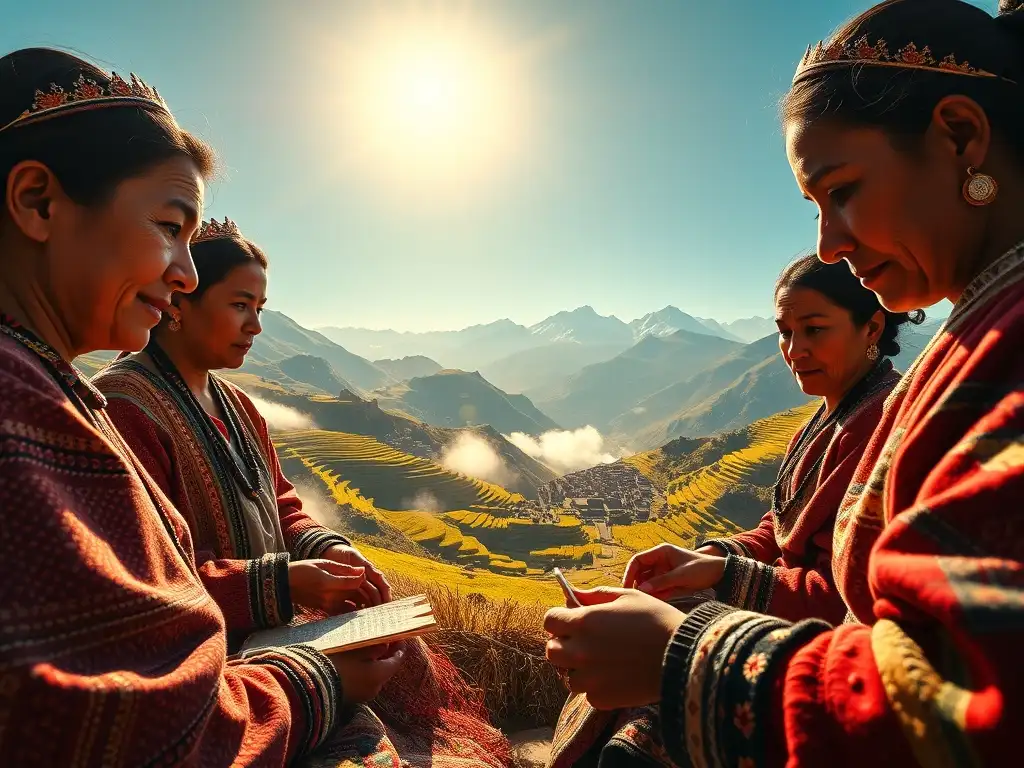
Unravel the mysteries whispered on the wind for millennia. Journey into the heart of the Andes, where vibrant cultures thrived and left behind a legacy far beyond towering stone cities. This isn't just a history lesson; it's a descent into the captivating world of Andean civilizations oral history. Discover how spoken word preserved and shaped the narratives of the Incas, Moche, Nazca, and Tiahuanaco – a tapestry of tales waiting to be heard. Prepare to be amazed.
The Andes Mountains, a spine of rock and ice running down the western coast of South America, have witnessed millennia of human history. For centuries, before the advent of widespread writing systems, the vibrant cultures of the Andean region – the Incas, Moche, Nazca, Tiahuanaco, and many others – meticulously preserved their rich histories, beliefs, and traditions through a complex and sophisticated system of oral transmission.
This article delves into the crucial role of oral history in understanding these fascinating Andean civilizations, exploring how spoken word formed the bedrock of their societal structures, religious practices, and technological advancements. Understanding Andean oral traditions is key to unlocking a deeper appreciation of their achievements and enduring legacy, offering a perspective often overlooked in traditional historical narratives focused solely on written records.
We will unravel the threads of this intricate tapestry, revealing how stories, songs, and rituals shaped the lives and identities of these remarkable peoples. This exploration of Andean civilizations oral history will showcase the power and persistence of spoken traditions in shaping cultural identity.
The Power of Storytelling in Andean Societies
Andean oral traditions weren't simply casual storytelling; they were a vital part of social organization and cultural transmission. Stories served as repositories of knowledge, passed down through generations, preserving crucial information about agriculture, astronomy, and social customs. These weren't just isolated tales; they were interconnected narratives that formed a coherent worldview.
For example, myths about the origins of the world and the creation of humanity often intertwined with practical instructions on agricultural techniques or social hierarchies. The intricate web of these stories, often accompanied by vivid performances and symbolic rituals, ensured the continuity of cultural practices and beliefs across time. Detailed genealogies, meticulously remembered and recited, maintained social structures and reinforced lineage ties.
The effectiveness of this oral system is evidenced by the longevity and complexity of Andean societies, which thrived for centuries largely without written records. This demonstrates the strength and resilience of oral tradition as a primary means of knowledge preservation.
Memory Keepers and the Role of Specific Individuals
The preservation of Andean oral history relied heavily on specialized individuals who dedicated their lives to memorizing and reciting extensive bodies of knowledge. These weren't just storytellers; they were cultural custodians, acting as living archives. Their roles were often deeply intertwined with religious practices, with certain individuals holding positions of authority and influence due to their mastery of oral traditions. These memory keepers, often shamans or priests, played a crucial role in shaping social and religious life, interpreting myths, and guiding communities through complex rituals.
Their expertise wasn't merely about memorization; it also involved understanding the nuances, interpretations, and contextual significance of the stories and songs they transmitted. This specialized knowledge ensured the accurate and meaningful passing of cultural heritage across generations. The meticulous transmission of this knowledge highlights the importance of individual memory and skill in maintaining a rich cultural legacy.
The Impact of Spanish Colonization on Oral Traditions
The arrival of the Spanish conquistadors in the 16th century profoundly impacted Andean societies, leading to significant changes in their cultural practices. While the Spanish attempted to suppress indigenous languages and traditions, oral history persisted, albeit in altered forms. Indigenous communities adapted their storytelling to incorporate new elements, subtly weaving resistance and resilience into their narratives.
Many oral traditions were transformed, with existing stories reinterpreted to reflect the changing social and political landscape. However, the core values and beliefs inherent in these traditions often survived, demonstrating their remarkable tenacity in the face of oppression.
The study of these adapted oral traditions provides valuable insights into the ways in which Andean communities negotiated their identities and maintained their cultural heritage during a period of profound upheaval and colonization. The adaptation of oral traditions reveals a remarkable cultural resilience and the capacity for indigenous communities to creatively maintain their heritage within a new context.
The Ongoing Relevance of Andean Oral History Today
Despite the challenges faced, Andean oral traditions continue to thrive in many communities today. The revival and documentation of these traditions are crucial for preserving cultural heritage and promoting intercultural understanding. Ethnographic research and community-based initiatives play a vital role in recording and analyzing these oral histories, providing valuable insights into the past and contributing to the ongoing cultural vitality of Andean communities.
The preservation and study of these traditions are not merely academic exercises; they are essential for promoting cultural identity, fostering intergenerational dialogue, and ensuring that the voices and stories of Andean peoples continue to be heard and valued. The ongoing efforts to document and preserve these traditions are crucial for understanding the complexities and richness of Andean cultures and ensuring their survival for future generations. The continued vitality of these oral traditions underscores their enduring power and importance.
- The Power of Storytelling in Andean Societies
- Memory Keepers and the Role of Specific Individuals
- The Impact of Spanish Colonization on Oral Traditions
- The Ongoing Relevance of Andean Oral History Today
- How important was oral tradition in Andean civilizations?
- What forms did Andean oral history take?
- How did oral history impact the understanding of Andean civilizations today?
- Are there any challenges in studying Andean oral history today?
- How does oral history contribute to a more complete picture of Andean civilizations?
Andean Civilizations Oral History: An Introduction to the Living Past
This section delves into the critical role of oral tradition in preserving and transmitting the rich history and cultural heritage of Andean civilizations. For centuries, before the advent of widespread writing systems, the vibrant tapestry of Andean life was woven and passed down through generations via spoken word. This oral history encompasses a vast repository of knowledge, encompassing everything from intricate creation myths and ancestral genealogies to practical agricultural techniques and complex social structures.
Understanding Andean oral history provides a unique and invaluable lens through which to interpret the past, offering insights often absent from written records left by colonial powers. The study of Andean oral traditions offers a powerful counter-narrative, reclaiming indigenous voices and perspectives that have been historically marginalized. We will explore how this oral legacy continues to shape Andean identities and communities today, demonstrating its enduring relevance in the modern world.
The Power of Spoken Tradition in Andean Societies
The transmission of knowledge through oral traditions in Andean societies was far from a haphazard process. It was a meticulously crafted system, employing sophisticated mnemonic devices and storytelling techniques to ensure the accurate and effective dissemination of information. Consider the yachaywasi (houses of knowledge) in Inca society, where specialized individuals, often amautas (wise men), were responsible for memorizing and teaching vast bodies of knowledge, including history, astronomy, medicine, and agriculture. This wasn't simply rote memorization; it involved engaging narratives, songs, and rituals that embedded the information deeply within the cultural fabric.
Furthermore, the use of quipus, knotted strings used for record-keeping, supplemented oral traditions. While the precise nature of quipu use remains a subject of ongoing research, it's clear they served as memory aids, visually representing data that was then elaborated upon and explained through oral narratives. The intricate system of knotted strings, combined with oral accounts, provided a powerful tool for preserving complex information across generations.
This symbiotic relationship between oral tradition and other forms of record-keeping highlights the sophisticated information management systems employed by Andean civilizations. The effectiveness of this system is evident in the persistence of many oral traditions even today, showcasing their inherent resilience and adaptability.
Why Oral History is Crucial to Understanding Andean Culture
Understanding Andean civilizations solely through the lens of colonial records provides an incomplete, and often biased, perspective. Oral history offers a crucial counterpoint, providing indigenous voices and perspectives often silenced or misrepresented in written accounts. It allows us to access a wealth of information regarding social structures, religious beliefs, and daily life that is not found in official documents. For example, detailed accounts of pre-Columbian agricultural practices, passed down through generations of farmers, reveal sophisticated techniques of terracing, irrigation, and crop rotation, showcasing an advanced understanding of environmental management.
Moreover, oral traditions are crucial for understanding the complex relationship between Andean societies and their environment. Many myths and legends speak to the deep spiritual connection between Andean people and the Pachamama (Mother Earth), highlighting the importance of reciprocity and sustainability. These narratives offer valuable insights into the cultural values and ecological knowledge that shaped Andean societies for millennia.
The study of Andean oral history thus contributes significantly to a more holistic and nuanced understanding of Andean culture, challenging Eurocentric narratives and centering indigenous perspectives. The preservation and study of these oral traditions are therefore not merely academic exercises; they are vital for understanding the complex cultural heritage of Andean civilizations and for fostering a more just and accurate historical record. The continued documentation and analysis of Andean oral traditions is essential for enriching our understanding of Andean civilizations and ensuring the survival of these invaluable cultural treasures.
Unveiling Andean History Through Narratives
This section delves into the crucial role of oral traditions in shaping our understanding of Andean civilizations. While written records exist, particularly from the Inca period, the vast majority of knowledge about pre-Inca cultures comes from painstakingly pieced-together archaeological findings and, critically, the enduring power of oral history. For centuries, Andean communities have relied on the spoken word to transmit their history, beliefs, and social structures across generations.
This rich tapestry of narratives offers invaluable insights into the complexities of these ancient societies, providing a perspective often absent from more formal historical accounts. Understanding Andean civilizations oral history requires acknowledging the diverse ways in which knowledge was – and continues to be – passed down.
The Role of Storytellers in Preserving Cultural Heritage
The preservation of Andean cultural heritage is inextricably linked to the role of skilled storytellers, often revered members of their communities. These individuals weren't simply entertainers; they were keepers of memory, entrusted with the responsibility of safeguarding vital historical information, cosmological beliefs, and societal norms. Their performances were often elaborate, incorporating dramatic elements, music, and even dance to enhance the narrative's impact and aid memorization.
The effectiveness of this oral transmission hinged on mnemonic devices, repetitive structures, and engaging storytelling techniques honed over generations. Consider the haravicus of the Inca Empire, official poets and messengers who used verse to convey messages and historical accounts across vast distances. Their role highlights the importance of artistry and memorization in the preservation of Andean oral history.
The skill of these storytellers wasn't merely about recounting events; it was about imbuing those events with meaning and relevance for subsequent generations, ensuring the continuous transmission of cultural values. The loss of these traditional storytellers represents a significant challenge to the continued preservation of Andean oral traditions.
Myths, Legends, and the Creation of Andean Identity
Myths and legends form a cornerstone of Andean oral history, providing insights into the worldview and cultural identity of these civilizations. These narratives often explain the origins of the world, the creation of humans, and the establishment of social structures. For instance, the story of Viracocha, the creator god in many Andean cultures, reveals much about their cosmological beliefs and their understanding of the relationship between humanity and the divine.
Similarly, numerous creation myths from different Andean groups offer fascinating comparative studies of their distinct belief systems. These narratives weren't just fanciful tales; they served as foundational texts, shaping Andean identity and providing a framework for understanding their place in the world.
Analyzing these myths allows us to uncover underlying cultural values, social hierarchies, and environmental perspectives that might otherwise remain hidden. The careful study of these myths and legends, considering their variations across different Andean groups, helps to build a richer and more nuanced understanding of Andean civilizations oral history.
The Transmission of Knowledge Through Oral Accounts
Beyond myths and legends, oral accounts played a significant role in transmitting practical knowledge. This included details about agriculture, medicine, astronomy, and construction techniques. These accounts weren't abstract concepts; they were embedded within everyday life.
For example, oral traditions meticulously documented agricultural practices, including the intricate systems of terracing and irrigation that allowed Andean civilizations to thrive in challenging environments. The methods of planting, harvesting, and storing crops were passed down through generations, ensuring food security and continuity. Similarly, medicinal knowledge, often intertwined with spiritual beliefs, was transmitted orally, providing a rich pharmacopoeia based on local plants and herbs.
The remarkable achievements of Andean civilizations in engineering, architecture, and astronomy demonstrate the power of oral transmission to preserve and refine complex technical knowledge. The detailed accounts of construction methods, astronomical observations, and sophisticated medical practices, passed down through generations of skilled practitioners, remain a testament to the efficacy of this knowledge-sharing system. The continued study and documentation of these oral accounts are essential for understanding the sophisticated knowledge systems of Andean civilizations.
Key Themes in Andean Oral Traditions
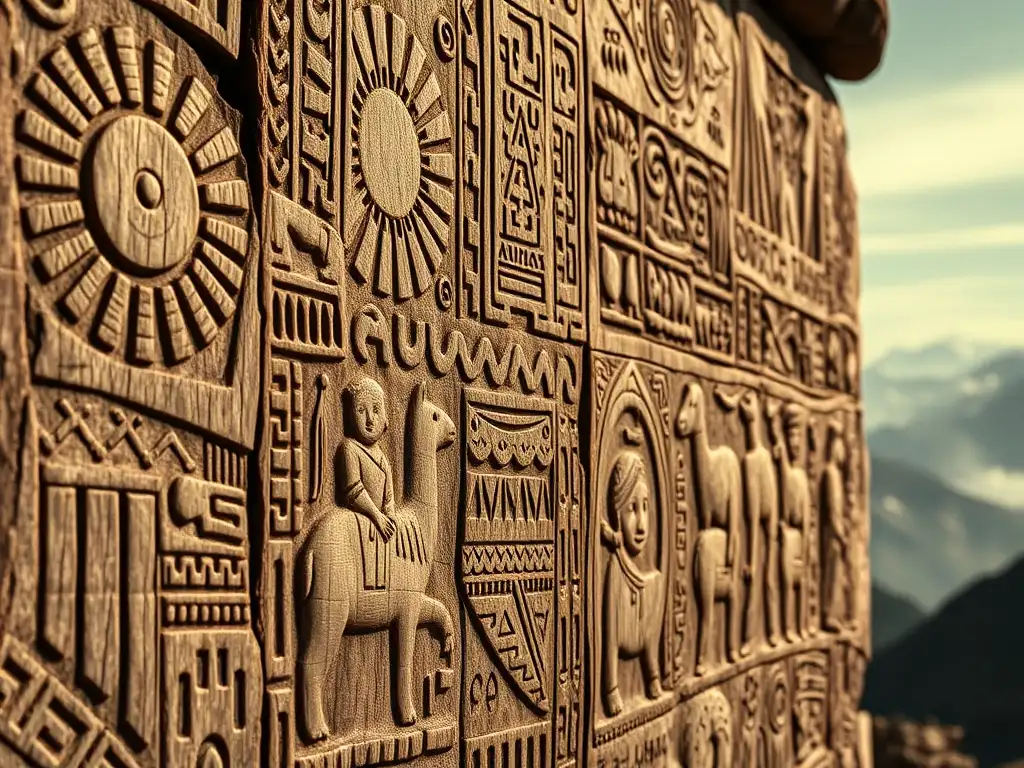
Andean oral history, a vibrant tapestry woven through generations, reveals profound insights into the worldview and societal structures of these remarkable civilizations. The narratives, passed down through meticulous memorization and ritualistic performances, weren't merely entertainment; they were vital tools for maintaining social order, transmitting knowledge, and shaping cultural identity. Understanding these key themes provides a crucial lens through which to interpret the archaeological and written records that survive today.
The power of Andean oral history lies in its ability to illuminate the intangible aspects of these cultures, their beliefs, and their relationship with the natural world. This section delves into three prominent themes: cosmology, origins, and lineage.
Cosmology and the Andean Understanding of the Universe
Andean cosmologies, as revealed through oral traditions, were remarkably complex and sophisticated. Unlike linear Western conceptions of time, the Andean worldview embraced a cyclical understanding of the cosmos, emphasizing the interconnectedness of the earthly and spiritual realms. Narratives often depicted the universe as a layered structure, with the kay pacha (the here and now), the hanan pacha (the upper world of the gods and celestial bodies), and the ukhu pacha (the underworld). These three realms weren't separate entities but rather interconnected parts of a holistic system.
For example, many oral traditions feature journeys between these worlds, highlighting the fluidity of boundaries and the constant interaction between the human and supernatural realms. The narratives often incorporated astronomical observations, reflecting a deep understanding of celestial cycles and their influence on agriculture and daily life. The precise details of these cosmological narratives varied between different Andean groups, reflecting regional variations in beliefs and practices.
However, the underlying theme of interconnectedness and cyclical time remained a constant across diverse Andean cultures. Further research is needed to fully understand the nuances of the cosmological beliefs of specific Andean groups, especially those with limited surviving documentation. [Specific information pending: Detailed analysis of cosmological narratives from various Andean groups].
Stories of Origin: Tracing the Roots of Andean Communities
Origin stories, a cornerstone of Andean oral traditions, served as foundational myths that explained the emergence of communities, the establishment of social structures, and the relationship between humans and the land. These narratives often featured powerful deities, ancestral heroes, and transformative events that shaped the landscape and the identity of specific groups. For example, some traditions recount the emergence of humans from caves or mountains, while others describe the creation of the world through the actions of powerful creator gods.
These stories weren't simply historical accounts; they functioned as charters, legitimizing existing social hierarchies and reinforcing a sense of collective identity. The detailed descriptions of geographical features and the meticulous recounting of ancestral migrations in these stories provide valuable insights into the historical movements and settlement patterns of Andean communities. The narratives also often included detailed instructions on proper social conduct and the importance of respecting ancestral traditions.
Analyzing these origin myths reveals a deep connection between the Andean people and their environment, emphasizing the importance of reciprocity and harmonious coexistence with nature. [Specific information pending: Comparative analysis of origin myths from different Andean regions].
Tales of Ancestors and the Importance of Lineage
Respect for ancestors played a crucial role in Andean societies, profoundly impacting social organization and individual identity. Oral traditions meticulously preserved the genealogies of powerful families and clans, tracing lineage back to mythical founders and revered ancestors. These genealogical narratives didn't simply chronicle family history; they served as instruments for maintaining social order and legitimizing power structures.
The stories associated with these ancestors often featured heroic deeds, supernatural abilities, and profound wisdom, reinforcing their status and influencing social behavior. The emphasis on lineage also underscored the importance of reciprocity and social obligations within the community. Individuals were expected to uphold the reputation and honor of their ancestors, perpetuating their legacy through responsible actions and adherence to traditional practices.
The detailed recounting of ancestral accomplishments, both mundane and extraordinary, served as a moral compass, guiding individuals towards responsible and virtuous behavior. The narratives often emphasized the consequences of neglecting ancestral traditions and the importance of maintaining harmony within the kinship network. [Specific information pending: Case studies illustrating the role of ancestor veneration in different Andean societies].
Moral Lessons and Ethical Codes Embedded in Oral Narratives
Andean oral traditions weren't simply entertaining stories; they served as crucial vehicles for transmitting complex moral lessons and ethical codes across generations. These narratives, often presented as myths, legends, or folktales, subtly or explicitly shaped the values and behaviors of individuals within their communities. For instance, stories of mischievous spirits or malevolent forces often served as cautionary tales, emphasizing the importance of respecting nature, ancestors, and the established social order. Disobedience or disrespect towards these elements frequently resulted in negative consequences for the characters in the stories, thereby reinforcing the importance of adherence to community norms.
The concept of ayni, reciprocal exchange and mutual obligation, is a recurring theme in many Andean oral narratives. Stories often highlighted the positive outcomes of cooperation and community support, contrasting them with the negative consequences of selfishness or individualism. These narratives reinforced the importance of ayni in maintaining social harmony and ensuring the well-being of the entire community. A failure to uphold ayni could lead to social ostracism or even supernatural retribution, as depicted in numerous oral traditions. This emphasis on reciprocal relationships is deeply ingrained in Andean cultures and continues to influence societal structures even today.
Furthermore, many Andean oral narratives explored themes of justice and fairness. While the specific mechanisms of justice might vary across different Andean groups, the underlying principle of accountability for one's actions is consistently emphasized. Stories often feature characters who face consequences for their actions, whether those consequences are inflicted by supernatural forces, community sanctions, or the natural world itself.
This emphasis on justice served not only as a deterrent against wrongdoing but also as a way to reinforce the importance of ethical behavior within the community. The stories didn't just tell of abstract concepts; they showcased real-life scenarios and their consequences, making the moral lessons relatable and impactful for listeners.
The stories were living examples of the consequences of choices, reinforcing the importance of ethical conduct within the Andean societal framework. Specific examples [specific information pending] would further illustrate this point, showcasing the intricate relationship between narrative and ethical behavior in Andean societies.
Specific Examples of Andean Oral Tradition
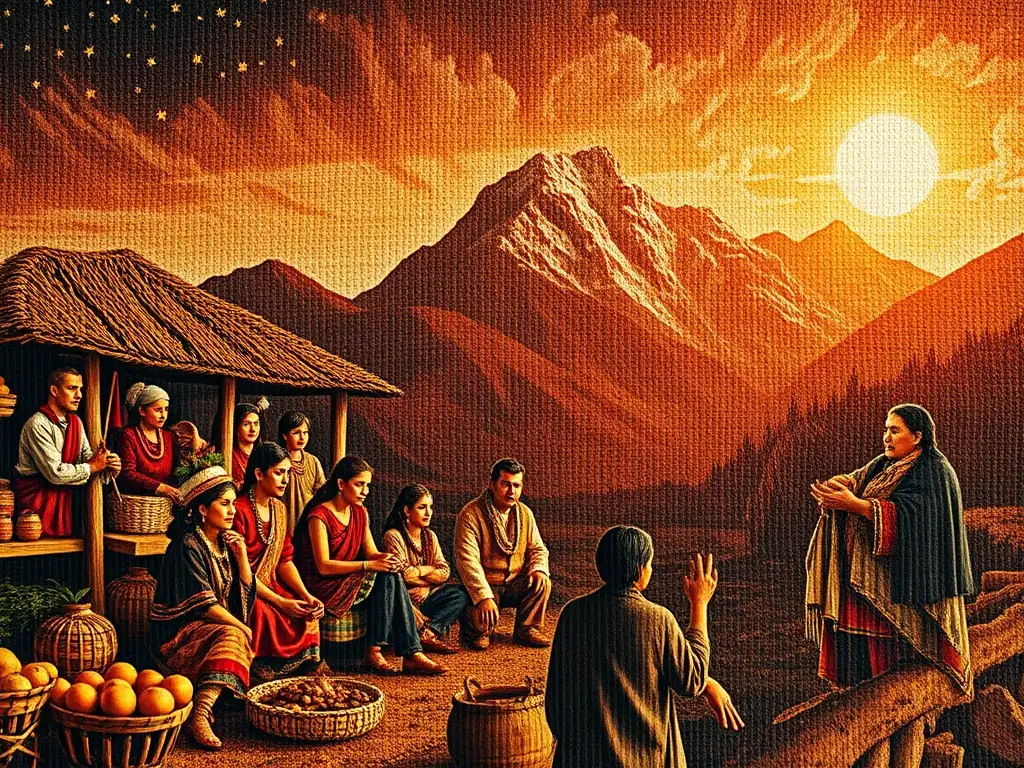
This section delves into specific examples of how oral tradition shaped and continues to shape the understanding of Andean civilizations. The vibrant tapestry of Andean history isn't solely woven from written records; the threads of oral narratives, passed down through generations, are equally crucial in understanding their rich past. These narratives offer insights into cosmology, social structures, resistance movements, and daily life, providing a nuanced perspective often absent in formal historical accounts.
The endurance of these oral traditions, despite colonial efforts to suppress them, speaks volumes about their importance and resilience within Andean communities. Analyzing these examples illuminates the power of Andean civilizations oral history in preserving cultural memory and shaping collective identity.
The Myth of Inkarri and its Significance
The myth of Inkarri, a powerful example of Andean oral history, illustrates the enduring resilience of indigenous beliefs in the face of colonial oppression. Inkarri, often depicted as a resurrected Inca emperor, symbolizes the hope for liberation and the return of indigenous power. This narrative isn't a static legend; its interpretation and retelling have evolved across time and space, adapting to the specific contexts and challenges faced by Quechua communities. Different versions exist, reflecting the varied experiences and perspectives within the Andean region.
The myth's enduring power lies in its ability to foster a sense of collective identity and resistance. The story of Inkarri serves as a potent reminder of past injustices and fuels the ongoing struggle for social justice and indigenous rights. The narrative's frequent retellings during festivals and community gatherings reinforce its significance and transmit its message across generations, ensuring its survival in the face of historical attempts at cultural erasure. The continued relevance of Inkarri highlights the vitality of Andean civilizations oral history and its crucial role in maintaining cultural continuity.
The Account of the Tupac Amaru Rebellion as Told Through Oral History
The Tupac Amaru Rebellion (1780-1783), a significant indigenous uprising against Spanish colonial rule, is another compelling example of the importance of Andean civilizations oral history. While written accounts exist, oral traditions offer a complementary perspective, often emphasizing aspects overlooked or minimized in official documentation. These oral histories frequently highlight the motivations of the rebels, the diverse participation of different Andean communities, and the strategies employed during the conflict.
Oral accounts often detail the rebellion's impact on daily life, including the social and economic consequences experienced by Andean communities. These narratives vividly portray the human cost of the rebellion, including the loss of life, displacement, and the destruction of social structures. Moreover, they often preserve the memories of lesser-known participants and events, thus enriching the historical record and providing a more comprehensive understanding of this crucial period in Andean history. The richness of detail and emotional depth present in oral accounts provide a more complete picture of the rebellion than official records alone could offer.
The Inti Raymi Ceremony and its Oral Tradition
The Inti Raymi, the Inca festival celebrating the sun god Inti, is a vibrant example of how oral traditions maintain and transmit cultural practices. While the ceremony itself is a powerful visual spectacle, its true significance is deeply rooted in its oral component. The chants, prayers, and stories recited during Inti Raymi are not merely ceremonial performances; they are integral to the meaning and continuity of the festival.
These oral components transmit cosmological beliefs, agricultural knowledge, and social values across generations. The stories told during the ceremony explain the origins of the Inca Empire, the importance of agriculture, and the relationship between humanity and the natural world. The detailed descriptions of the rituals, along with explanations of their significance, are passed down through oral tradition, ensuring the preservation of this important cultural practice.
The continued performance and retelling of these narratives ensure that the Inti Raymi remains a living tradition, reflecting the ongoing vitality of Andean civilizations oral history in modern times. The meticulous preservation of these oral traditions underscores their enduring value within Andean culture.
Regional Variations in Andean Storytelling
Andean oral traditions, far from being monolithic, demonstrate remarkable regional diversity. The specific narratives, styles of delivery, and even the languages used vary significantly across the Andes. This diversity reflects the complex geography of the region, with its towering mountains, vast deserts, and lush valleys, each shaping unique cultural identities. For example, the Quechua language itself, while forming a linguistic family, has numerous dialects, each with its own nuances in vocabulary and pronunciation, influencing how stories are told and received. The Aymara language, too, boasts considerable regional variation, contributing to distinct storytelling traditions.
The narratives themselves reflect the specific environments and experiences of each region. Coastal communities, such as those associated with the ancient Moche civilization, might feature tales of seafaring adventures, mythical creatures of the ocean, and the exploits of powerful rulers reflected in their elaborate iconography. In contrast, high-altitude communities might focus on stories related to mountain spirits, agricultural cycles, and the challenges of survival in harsh climates.
These narratives often incorporate local flora and fauna, reflecting a deep understanding and connection to the natural world. Think of the contrasting imagery: the vibrant, almost hallucinogenic depictions of Moche pottery versus the stark, geometric patterns of Nazca lines; these visual differences mirror the varied storytelling styles and subject matter of the oral traditions.
Furthermore, the performance of these stories differs considerably. Some communities emphasize dramatic storytelling, employing gestures, vocal inflections, and even musical accompaniment to enhance the narrative's impact. Others prioritize a more conversational, intimate style, creating a shared experience between storyteller and audience.
This variation isn't merely stylistic; it reflects differing social structures and communication norms within each Andean community. The role of the storyteller, the context in which stories are shared (e.g., religious ceremonies, family gatherings, community celebrations), and even the intended audience all contribute to the unique character of Andean oral traditions. The subtle variations in storytelling styles across regions highlight the richness and complexity of Andean oral histories, offering a glimpse into the diverse cultural tapestry woven throughout the Andes.
Analyzing these differences provides valuable insights into the social, environmental, and historical factors shaping the unique identities of Andean communities. The preservation of these regional variations is crucial for understanding the full scope of Andean oral history and its profound significance.
The Impact of Colonization on Andean Oral History
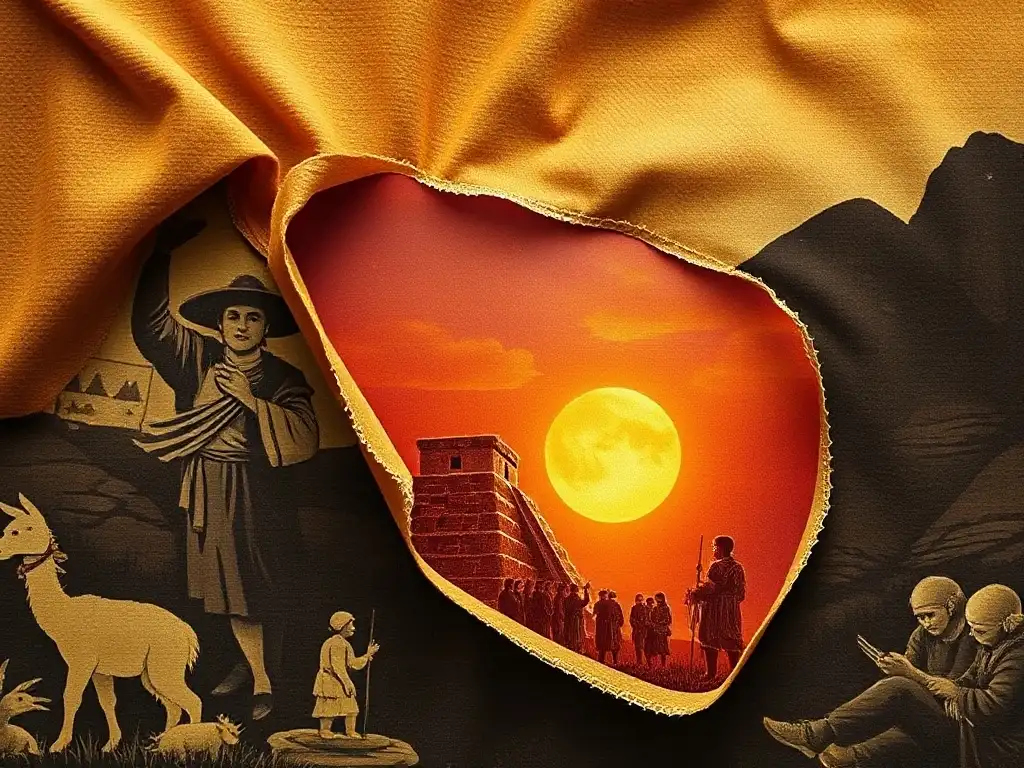
The arrival of the Spanish in the 16th century profoundly impacted Andean oral traditions, marking a turning point in the transmission of knowledge and cultural identity across generations. The consequences were far-reaching and continue to resonate today, shaping how we understand and access Andean oral history. The systematic dismantling of indigenous social structures and the imposition of a new worldview led to a significant disruption in the continuity of storytelling practices.
This wasn't merely a passive disruption; it was an active attempt to erase and replace a rich cultural heritage with a foreign one. The effects reverberate through centuries of subsequent history, making the task of reconstructing a complete picture of Andean oral history a complex and challenging endeavor. Understanding this impact is crucial to appreciating the resilience of these traditions and the ongoing efforts to preserve them.
The Suppression of Indigenous Languages and Storytelling
The Spanish conquest initiated a deliberate campaign to suppress indigenous languages, viewing them as obstacles to religious conversion and colonial control. Quechua, Aymara, and numerous other Andean languages were actively discouraged, often punished through various means. This linguistic suppression directly impacted oral history since stories, songs, myths, and historical accounts were intrinsically linked to these languages.
The loss of a language is not simply the loss of words; it is the loss of a culture's entire conceptual framework, its worldview, and its accumulated knowledge. For example, the intricate system of knotted strings, quipus, used by the Inca to record information, was largely destroyed and its decipherment remains incomplete, representing a significant loss of historical data.
The oral narratives associated with the quipus were also lost, leaving substantial gaps in our understanding of Inca society. The suppression extended beyond language; traditional storytelling practices were actively discouraged, often replaced with religious instruction in Spanish.
The Resilience of Oral Traditions in the Face of Adversity
Despite the oppressive measures employed by the colonizers, Andean oral traditions exhibited remarkable resilience. Indigenous communities found creative ways to preserve their stories, adapting their practices to survive. Storytelling often took place in private settings, away from the watchful eyes of colonial authorities.
These covert practices helped maintain the continuity of oral traditions, albeit in a modified form. The use of code words, symbolic language, and subtle allusions allowed Andean peoples to transmit their cultural heritage without openly defying colonial rule. Furthermore, the oral tradition adapted and integrated elements of the new religious beliefs, creating syncretic narratives that blended indigenous worldviews with Christian elements.
This adaptation, while representing a change, ensured the survival of the core cultural values and historical memory. The ability to adapt and preserve their cultural heritage in the face of adversity underscores the profound importance of oral tradition to Andean communities. This adaptation highlights the dynamic and evolving nature of oral history, its power to adapt and survive even under extreme pressure.
Modern Efforts to Preserve and Revitalize Andean Oral History
In recent decades, there has been a growing recognition of the importance of preserving and revitalizing Andean oral history. This renewed interest stems from a combination of factors, including increased awareness of the cultural significance of oral traditions, the rise of indigenous rights movements, and advancements in anthropological research methodologies. Efforts to document and preserve these traditions involve collaborations between scholars, community members, and indigenous organizations.
These collaborations are crucial to ensure that the process is respectful, accurate, and culturally sensitive. Furthermore, there are ongoing efforts to revitalize the use of indigenous languages through educational initiatives and community-based language programs. The revival of indigenous languages is intrinsically linked to the preservation of oral history, as language is the primary vehicle for transmitting cultural knowledge and historical narratives.
The success of these efforts hinges on the active participation and leadership of Andean communities themselves, ensuring that the preservation of their oral history remains a community-driven process, reflecting their needs and priorities. The future of Andean oral history depends on this continued collaboration and commitment.
The Future of Andean Oral History
The vibrant tapestry of Andean oral history, woven through generations, faces unprecedented challenges in the modern world. While the transmission of knowledge through spoken word continues, the rapid pace of globalization and societal shifts threaten the delicate balance of this ancient tradition. Understanding the future of Andean oral history requires a multifaceted approach, encompassing preservation, promotion, and adaptation to evolving circumstances.
The survival of these invaluable narratives depends on proactive strategies that ensure their continuity for future generations. This section explores key aspects of securing the future of Andean oral traditions, examining both the immediate threats and the opportunities presented by technological advancements. The core challenge lies in bridging the gap between the ancient art of storytelling and the demands of a rapidly changing world.
The Importance of Documenting and Sharing Oral Accounts
Documenting Andean oral accounts is paramount to safeguarding this irreplaceable cultural heritage. The sheer volume of stories, myths, legends, and historical accounts passed down through generations risks being lost unless actively recorded and preserved. This documentation must go beyond simple transcription; it should strive to capture the nuances of delivery, including intonation, rhythm, and the emotional impact of the narrative. Consider the detailed descriptions of agricultural techniques passed down within Quechua communities, or the intricate genealogies detailing lineage and social structures within Aymara societies.
These are not mere anecdotes; they represent a living knowledge system deeply intertwined with the cultural identity of Andean communities. Systematic efforts, involving linguists, anthropologists, and community members, are crucial to ensure accurate and respectful documentation. Further, making these documented accounts accessible—through archives, digital platforms, and educational initiatives—is essential for wider dissemination and appreciation.
Without this proactive approach, the rich tapestry of Andean oral history risks becoming fragmented, ultimately jeopardizing the cultural identity of the region. The task is not simply to record, but to understand, interpret, and contextualize these narratives within their broader socio-cultural framework. This requires collaboration and respect for the custodians of these traditions.
The Role of Technology in Preserving and Promoting Andean Oral History
Technology offers powerful tools for preserving and promoting Andean oral history. Digital recording and archiving techniques allow for the creation of accessible and durable records, safeguarding narratives from the ravages of time and physical deterioration. Moreover, digital platforms provide avenues for wider dissemination, connecting Andean communities with a global audience interested in learning about their rich cultural heritage.
Consider the potential of creating interactive online archives, where users can explore narratives through geographical mapping, linguistic analysis, and thematic categorizations. This allows for a dynamic and engaging exploration of Andean oral traditions, moving beyond static transcriptions. Furthermore, technologies like virtual reality (VR) and augmented reality (AR) could offer immersive experiences, allowing users to virtually participate in traditional storytelling events or explore historical sites through the lens of oral narratives.
This innovative approach can attract younger generations to engage with Andean oral history, fostering a sense of connection and appreciation for their cultural roots. However, it's crucial to ensure that technological advancements are employed responsibly, respecting the cultural sensitivities and intellectual property rights of the communities involved. The focus should always remain on empowering communities to control and benefit from the use of their own stories.
Ensuring the Legacy of Andean Storytelling for Future Generations
Ensuring the legacy of Andean storytelling requires a multi-pronged approach that combines traditional methods with modern technologies. It necessitates a shift from a passive preservation model to an active engagement strategy, involving younger generations in the process of learning, interpreting, and sharing these narratives. Educational programs incorporating Andean oral traditions within school curricula are critical, fostering a sense of cultural pride and ownership amongst younger generations.
This should involve not only the dissemination of recorded narratives, but also the active engagement of community storytellers, allowing for a direct connection between tradition and modern learning environments. Furthermore, supporting community-based initiatives aimed at revitalizing traditional storytelling practices is crucial. This can involve providing resources for workshops, festivals, and other events that celebrate and promote Andean oral traditions.
The ultimate goal is to cultivate a sense of continuity, allowing these narratives to remain vibrant and relevant for future generations, not as static relics of the past, but as living expressions of a rich and enduring culture. The success of these efforts hinges on empowering Andean communities to own and shape their own narrative, ensuring that their voices are heard and their cultural legacy is celebrated for centuries to come. This requires ongoing dialogue, collaboration, and a deep respect for the custodians of this invaluable heritage.
Frequently Asked Questions
How important was oral tradition in Andean civilizations?
Oral tradition was paramount in Andean societies. It served as the primary means of transmitting history, knowledge, and cultural values across generations before the arrival of the Spanish. Stories, songs, and myths were carefully preserved and passed down.
What forms did Andean oral history take?
Andean oral history manifested in various forms, including myths, legends, songs (harawi), poems (yaraví), and ritual narratives. These forms were often interwoven with ceremonies and daily life, reinforcing cultural identity and social structures.
How did oral history impact the understanding of Andean civilizations today?
Despite the challenges of preserving oral traditions across centuries, surviving accounts offer invaluable insights into Andean beliefs, social structures, and daily life. They provide a crucial counterpoint to written accounts often biased by colonial perspectives.
Are there any challenges in studying Andean oral history today?
Yes, significant challenges exist. The loss of languages and the fragmentation of oral traditions due to colonization and modernization pose significant obstacles. Researchers must carefully consider the context and potential biases in surviving accounts.
How does oral history contribute to a more complete picture of Andean civilizations?
Oral history provides a rich and nuanced perspective, supplementing archaeological and written records. It reveals the lived experiences and perspectives of Andean peoples, offering a more holistic understanding of their complex societies beyond official narratives.
Final Reflection: Echoes of the Andes, Whispers of Time
The vibrant tapestry of Andean oral history, once relegated to the shadows of written records, is now experiencing a powerful resurgence, reminding us of the enduring strength and resilience of a culture that has shaped the very landscape of South America. This renewed interest isn't merely academic; it's a vital recognition of the richness and complexity of indigenous knowledge systems, a counterpoint to often-incomplete or biased historical narratives. The stories themselves, passed down through generations, hold the key to understanding not only the past but also the present challenges and future aspirations of Andean communities.
The impact of oral tradition extends far beyond the academic sphere; it is a living, breathing force that shapes identity, fosters community, and preserves cultural heritage. These narratives are not static relics of the past; they are constantly evolving, adapting, and reflecting the ongoing experiences of Andean peoples. The stories we tell are not just about the past; they are the threads with which we weave the fabric of our future.
This quote encapsulates the dynamic nature of oral history and its profound influence on the cultural landscape. The preservation and celebration of these stories is not just a matter of historical accuracy, but a vital act of cultural survival and empowerment.
Consider the power of storytelling in your own life. How do the narratives you've inherited—both personal and cultural—shape your understanding of the world? I invite you to actively seek out and engage with the voices of Andean communities, to listen to their stories, and to learn from their wisdom. By embracing the richness of Andean oral history, we not only gain a deeper understanding of the past, but also enrich our present and contribute to a more just and equitable future for all.
Unveil Your Story in the Tapestry of Andean Heritage!
Thank you for exploring the rich storytelling traditions of Andean civilizations with us! We hope you've discovered the vibrant history and cultural insights that make this heritage so remarkable. Now, let's put your newfound knowledge to good use!
Here are some ways you can make a difference:
- Share your experiences: Join a local storytelling group or online forum to share a personal story or a family tale that reflects your cultural heritage.
- Deepen your understanding: Visit a local museum or cultural center focusing on Andean history to learn more.
- Inspire others: Discuss the power of storytelling and its role in shaping identities and histories with your friends and family.
What personal story could enrich our understanding of Andean culture? Share your thoughts in the comments!