
Aymara Art Forms: Beyond Textiles, Exploring Ceramics and Metalwork

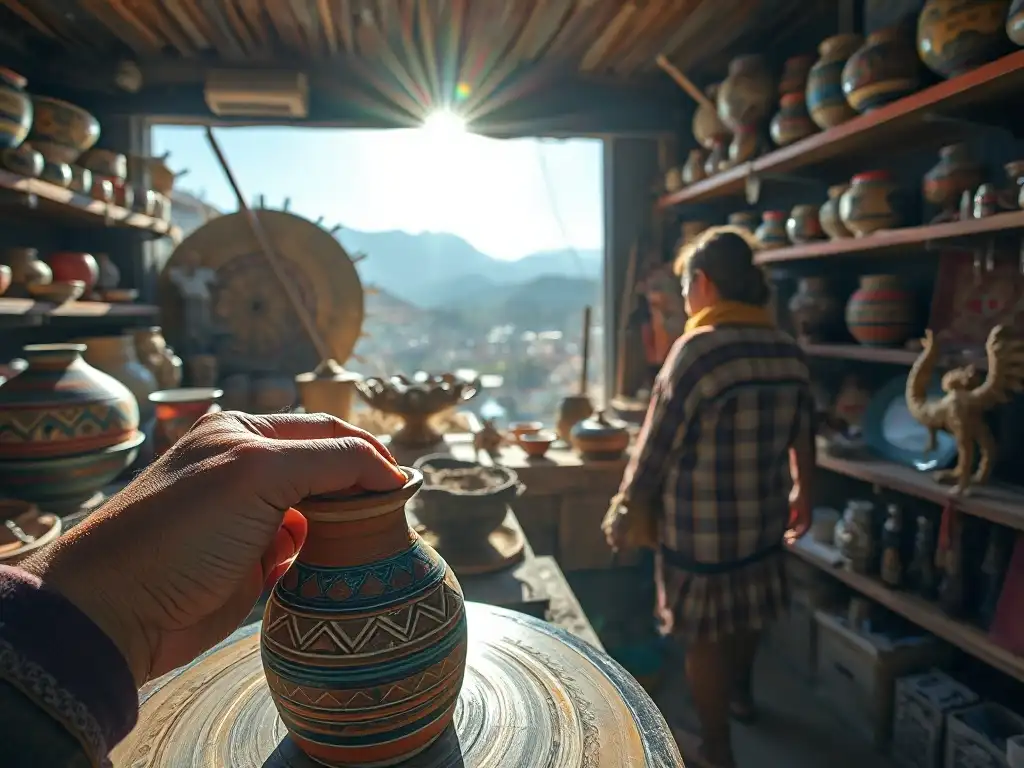
Step into a world lost to time, yet echoing with vibrant artistry. Dive into the captivating realm of Andean civilizations, where ingenuity and spirituality intertwined to create breathtaking masterpieces. Forget the familiar tales of Inca textiles – prepare to be amazed by the intricate secrets of Aymara pottery and metalwork techniques, a legacy of skill and innovation that continues to inspire awe. Uncover the hidden stories behind these ancient crafts and discover a world of artistry far beyond what you imagined. Let's explore!
The Aymara people, inhabiting the high Andes of Bolivia, Peru, and Chile, possess a rich artistic heritage often overshadowed by the more widely known Inca legacy. While their intricate textiles are justly celebrated, the depth and complexity of Aymara artistic expression extends far beyond woven fabrics. This article delves into the fascinating world of Aymara pottery and metalwork, exploring the ancient techniques, cultural significance, and modern adaptations that continue to shape this vibrant tradition. We will examine the enduring artistry of Aymara ceramic and metal creations, revealing the stories embedded within their designs and the profound connection between the Aymara people and the materials they skillfully transform. Understanding Aymara pottery and metalwork techniques provides crucial insight into their worldview, social structures, and enduring resilience in the face of historical and environmental challenges. This exploration aims to illuminate the unique contributions of Aymara artisans to the broader tapestry of Andean art.
Introduction to Aymara Artistic Traditions
Aymara art is deeply intertwined with their cosmology, worldview, and daily life. Artistic expression serves not only as a means of aesthetic creation but also as a vehicle for storytelling, religious practice, and social communication. The materials used—clay, metals, and fibers—are sourced directly from their environment, reflecting a deep respect for the land and its resources.
Unlike some cultures where art is strictly separated from everyday life, Aymara artistic practices are integrated seamlessly into their social fabric. From the intricate designs adorning their ceramics to the symbolic motifs woven into their textiles, Aymara art offers a rich window into their history, beliefs, and enduring cultural identity. The techniques employed, passed down through generations, represent a remarkable continuity of tradition and adaptation.
Aymara Pottery: Ancient Techniques and Contemporary Expressions
Aymara pottery stands as a testament to their enduring artistic skill and innovation. For centuries, Aymara artisans have shaped clay into functional and aesthetically pleasing vessels, showcasing a mastery of form, texture, and design. The production process, though evolving, retains many aspects of its ancient roots. The use of locally sourced clay, often mixed with other materials to enhance its properties, is a hallmark of Aymara ceramic production. The distinctive styles and techniques vary across different Aymara communities, reflecting regional preferences and historical influences.
Traditional Aymara Ceramic Production Methods
Traditional Aymara pottery making involves several key steps. First, the clay is carefully prepared, often involving a meticulous process of cleaning, mixing, and tempering. Then, the clay is shaped using a variety of techniques, including hand-building and the use of simple tools. The vessels are then meticulously smoothed and often decorated with intricate designs using pigments derived from natural sources. The firing process, traditionally done in open-air kilns, is critical to achieving the desired strength and durability of the finished product. The specific techniques and designs can vary significantly between different Aymara communities, reflecting unique regional styles and traditions.
The Significance of Clay in Aymara Culture
Clay, for the Aymara, holds deep cultural and spiritual significance. It is not simply a material but a vital element connected to the earth and their ancestral heritage. The act of shaping clay is seen as a creative process that mirrors the creation of the world itself. The vessels created are not merely utilitarian objects but hold symbolic meaning, often used in ceremonies and rituals. The colors and designs employed further enhance the symbolic significance of the pottery, conveying messages and beliefs that are integral to Aymara culture.
Aymara Pottery Designs and Symbolism
Aymara pottery designs are rich in symbolism, often incorporating geometric patterns, animal motifs, and stylized representations of human figures. These designs are not arbitrary but carry deep meaning, reflecting beliefs about the cosmos, nature, and the spiritual world. Certain motifs are associated with specific deities, rituals, or social status. The interpretation of these symbols requires a deep understanding of Aymara cosmology and iconography. Further research is needed to fully catalog and interpret the diverse range of symbolic representations found in Aymara pottery.
Modern Adaptations of Aymara Pottery
While traditional techniques remain central to Aymara pottery making, modern adaptations have also emerged. Some artisans are experimenting with new designs and incorporating contemporary influences while preserving the essence of traditional styles. This reflects the dynamic nature of Aymara culture and its ability to adapt and evolve while retaining its core identity. The increasing interest in Aymara pottery among collectors and tourists has also led to the development of new markets and opportunities for Aymara artisans. This presents both challenges and opportunities for the preservation of traditional techniques and the economic empowerment of Aymara communities.
Aymara Metalwork: Crafting with Precious Metals
Early Aymara Metalworking Techniques
Early Aymara metalworking, predating the Inca Empire, involved techniques like hammering, annealing, and soldering. Archaeological evidence suggests a gradual development of skills, moving from simpler techniques to more complex forms. For instance, early pieces often show evidence of rudimentary hammering, resulting in relatively simple shapes. As the Aymara developed their skills, they began to utilize more sophisticated techniques like lost-wax casting, allowing for the creation of intricate and detailed objects.
This evolution reflects not only technological advancement but also a growing understanding of the properties of metals and their potential for artistic expression. The transition from simple hammering to lost-wax casting represents a significant leap in their metalworking capabilities, showcasing their ingenuity and adaptability. Further research is needed to precisely date these transitions and to fully understand the regional variations in techniques.
The Use of Gold and Silver in Aymara Art
Gold and silver held immense symbolic value for the Aymara. These precious metals were not merely decorative; they represented power, wealth, and connection to the spiritual realm. The use of gold, in particular, was often associated with the sun and its life-giving energy. Aymara artisans skillfully crafted intricate designs into gold and silver sheets, creating objects ranging from personal adornments like earrings and necklaces to ceremonial vessels and religious icons.
The techniques employed, including repoussé (hammering from the back to create raised designs) and chasing (smoothing and refining the surface), allowed them to achieve remarkable detail and a high level of artistic refinement. The sheer artistry displayed in these pieces highlights the high status of Aymara metalworkers within their society. Specific examples of gold and silver artifacts, including their exact composition and decorative motifs, would further enrich this discussion.
Aymara Metalwork: Religious and Ceremonial Objects
Many Aymara metal objects served religious and ceremonial purposes. These included intricately crafted figurines representing deities or ancestral figures, ceremonial vessels used in rituals, and adornments worn by priests or other important figures during religious ceremonies. The meticulous detail and the symbolic significance embedded in these objects highlight their crucial role in Aymara religious life.
For example, certain motifs, such as stylized animals or geometric patterns, likely held specific religious or cosmological meanings, though further research is needed to fully decipher their symbolism. The discovery of new artifacts and further analysis of existing collections would undoubtedly shed more light on the religious and ceremonial contexts of Aymara metalwork. We can, however, confidently assert that these pieces were not merely decorative but integral components of their spiritual practices.
Metalworking Tools and Materials of the Aymara People
The Aymara utilized a variety of tools and materials in their metalworking. Evidence suggests they employed simple hammers, chisels, and anvils, often made from stone or other readily available materials. The precise composition of these tools, and any variations across different regions, requires further investigation. Their primary materials were gold, silver, and copper, sourced from local mines or obtained through trade.
The process of ore extraction, refining, and alloying is an area needing more detailed study to fully understand the complexity of Aymara metalworking practices. Analyzing the metallurgical composition of surviving artifacts can provide valuable insights into their sourcing of materials and their metalworking techniques. Furthermore, understanding the organization of labor and the social structure surrounding metalworking would provide a more complete picture of this crucial aspect of Aymara culture.
The Role of Aymara Crafts in Andean Civilization
Aymara Art and its Connection to Andean Cosmology
Aymara art, including both pottery and metalwork, is deeply intertwined with Andean cosmology. Their artistic motifs often reflect their worldview, incorporating representations of celestial bodies, mountains, animals, and other elements of their natural environment. These representations are not merely decorative but serve as powerful symbols reflecting their understanding of the cosmos and their place within it.
For example, the recurring use of specific animal imagery might represent spiritual guardians or embody particular cosmological concepts. A deeper analysis of these symbolic representations, in conjunction with ethnohistorical accounts, would provide a more nuanced understanding of the relationship between Aymara art and their cosmology. This interweaving of art and cosmology highlights the integral role of artistic expression in their cultural and spiritual life.
The Influence of Tiahuanaco on Aymara Artistic Styles
The influence of the Tiahuanaco culture on Aymara artistic styles is undeniable. Many Aymara ceramic and metal objects exhibit stylistic elements reminiscent of Tiahuanaco art, suggesting a continuity of artistic traditions and possibly even direct cultural transmission. This influence is particularly evident in certain decorative motifs, such as the use of stylized figures, geometric patterns, and specific iconographic elements.
The extent and nature of this influence, however, requires further research to determine whether it was a direct adoption of Tiahuanaco styles or a more nuanced process of adaptation and innovation. Detailed comparative studies of Tiahuanaco and Aymara artifacts are crucial for a more comprehensive understanding of this artistic lineage.
Aymara Art as a Form of Cultural Expression
Aymara art serves as a powerful form of cultural expression, conveying their beliefs, values, and social structures. Through their art, they communicate their relationship with the natural world, their spiritual beliefs, and their social organization. The intricate designs, the symbolic motifs, and the choice of materials all contribute to a rich tapestry of cultural meaning.
The study of Aymara art, therefore, provides invaluable insights into their worldview, their social dynamics, and their enduring cultural identity. Further research into the social contexts of art production and consumption would further illuminate this aspect of Aymara culture. Understanding the role of artists within the community and the patronage systems supporting their work is crucial for a complete picture.
Aymara Artisans: Preserving Ancient Skills
Aymara artisans have played, and continue to play, a vital role in preserving ancient skills and traditions. Despite the challenges of globalization and modernization, many Aymara communities continue to practice traditional pottery and metalworking techniques, passing their knowledge and skills down through generations. This dedication to preserving their cultural heritage is commendable and ensures the survival of these remarkable artistic traditions.
Documenting these techniques and supporting the work of contemporary Aymara artisans is essential for preserving this invaluable cultural legacy. Further research into the current state of Aymara arts and crafts, including the challenges faced by contemporary artisans and the strategies employed to sustain their traditions, is crucial for safeguarding this important aspect of Andean cultural heritage. The preservation of these skills is not just about maintaining artistic traditions but also about preserving a unique cultural identity.
Comparing Aymara Textile Art with Pottery and Metalwork
The Complementary Nature of Aymara Artistic Forms
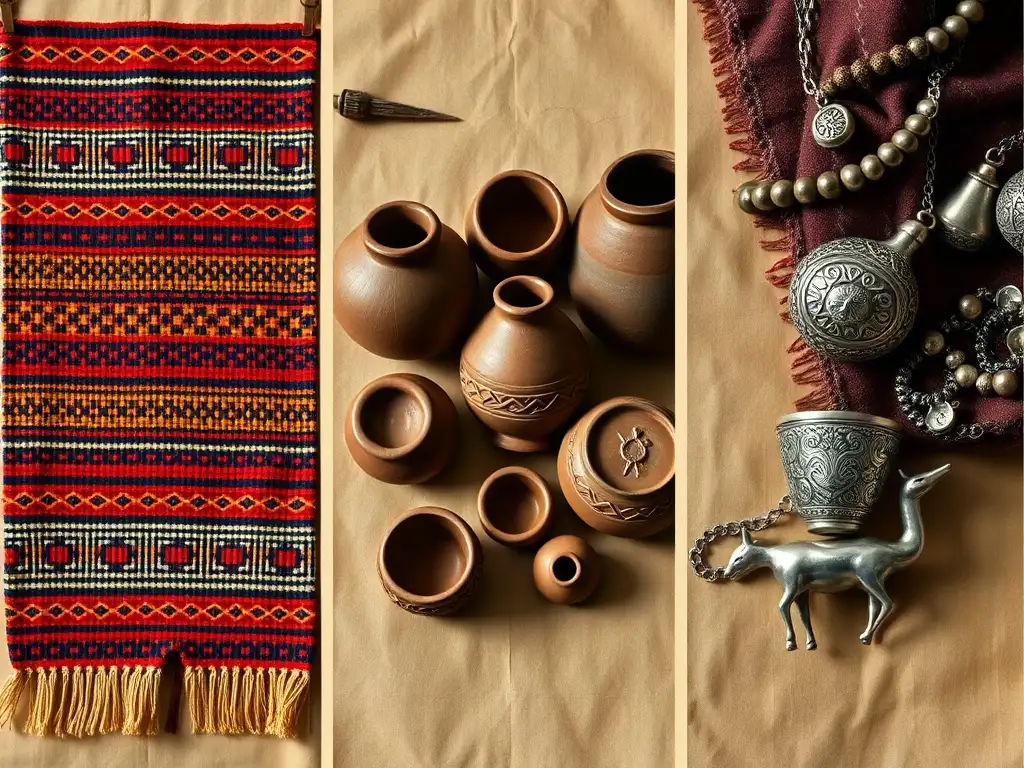
Aymara art, while diverse in its expression through textiles, pottery, and metalwork, demonstrates a remarkable interconnectedness. These art forms weren't isolated practices but rather complementary aspects of a holistic cultural worldview. Textiles, often imbued with intricate designs and symbolic narratives, served practical purposes like clothing and shelter, but also held deep spiritual significance. Similarly, pottery and metalwork, while used for utilitarian purposes, were also integral to religious ceremonies and social interactions.
The creation and use of each art form reinforced and enriched the others, creating a rich tapestry of Aymara artistic expression. This interconnectedness is reflected in the recurring motifs and symbolic language found across all three media, highlighting a unified cultural identity. The skills required for each craft likely overlapped within families and communities, further strengthening this artistic synergy.
Different Materials, Different Expressions
While sharing common symbolic languages and cultural narratives, Aymara textiles, pottery, and metalwork each offer unique expressive possibilities dictated by their inherent material properties. Textiles, with their flexibility and capacity for intricate weaving, allowed for detailed narratives and complex geometric patterns. The softness of the textile fibers contrasted with the harder, more permanent nature of pottery and metalwork.
Pottery, with its earthy tones and ability to hold form, lent itself to the creation of vessels for both practical and ritual use, often decorated with bold, painted designs. Metalwork, particularly in silver and gold, allowed for a level of detail and refinement not easily achievable in other media, resulting in exquisite jewelry and ceremonial objects. The different materials, therefore, shaped the artistic expressions, leading to a multifaceted artistic tradition.
The Common Thread: Andean Symbolism
Despite the differences in materials and techniques, a consistent thread runs through Aymara textiles, pottery, and metalwork: the use of powerful Andean symbolism. Recurring motifs, such as stylized animals (llamas, condors), geometric patterns (zigzags, stepped frets), and representations of deities or ancestral figures, are found across all three art forms. These symbols were not merely decorative elements but carried profound meaning, reflecting the Aymara worldview, cosmology, and social structure.
The continuity of these symbols across different media underscores their enduring importance within Aymara culture and their role in transmitting cultural knowledge and beliefs across generations. Understanding these symbols is key to deciphering the deeper meanings embedded within the artworks themselves.
Use of Ceramics and Metalwork in Aymara Rituals
Ceramics and metalwork played crucial roles in Aymara religious practices and rituals. Ceramics were used to create vessels for offerings to deities and ancestors, often containing coca leaves, chicha (a fermented corn beverage), and other sacred items. The shapes and decorations of these ritual vessels were carefully chosen, reflecting the specific deity or occasion. Metalwork, particularly silver and gold objects, were frequently used in important ceremonies and adorned the bodies of religious leaders and shamans.
Elaborate jewelry, ceremonial staffs, and other metal objects served as symbols of power, status, and spiritual connection. The craftsmanship and material value of these objects enhanced their sacred significance, reflecting the importance of the rituals in which they were used. The careful preservation of these ritual objects in archaeological sites provides valuable insights into Aymara religious beliefs and practices.
Aymara Pottery and Metalwork Techniques: A Closer Look
The Firing Process in Aymara Pottery
The firing process in Aymara pottery was crucial in achieving the desired durability and aesthetic qualities. Kilns varied in design, ranging from simple open-air pits to more sophisticated structures. The temperature and duration of firing significantly impacted the final product's color, texture, and strength.
Different firing techniques likely resulted in variations in the pottery's appearance, reflecting regional or stylistic preferences. The fuel source, often wood or dung, also played a role in the firing process, potentially influencing the final color and surface characteristics of the pottery. Analysis of archaeological kiln remains provides valuable information about the techniques used and the level of technological sophistication achieved by Aymara potters.
The Shaping and Molding of Aymara Ceramics
Aymara potters employed various techniques to shape and mold their ceramics. Coiling, a technique involving the building up of the vessel from rolled-out coils of clay, was a common method. Other techniques, such as pinching and paddle-and-anvil, were also used, depending on the desired form and size of the vessel.
The use of molds, particularly for mass-producing certain shapes, is also evidenced in some archaeological finds. The skill and precision involved in these techniques are evident in the intricate forms and decorations found on many Aymara ceramic pieces. The choice of shaping technique often influenced the final aesthetic of the piece, contributing to the diversity of styles observed in Aymara pottery.
Aymara Metalworking: From Ore to Object
Aymara metalworking involved a complex process, starting with the extraction of ore from mines. The ore was then refined and smelted to produce the desired metal, typically copper, silver, or gold. The smelting process involved high temperatures and specific techniques to extract the pure metal from the ore. Once the metal was obtained, it was shaped using techniques like hammering, casting, and annealing.
The precise methods varied depending on the desired object and the properties of the metal being worked. The remarkable skill and artistry of Aymara metalworkers are evident in the intricate designs and delicate forms of their creations. The availability of specific ores likely influenced the types of metalwork produced in different regions.
The Chasing Technique in Aymara Metalwork
The chasing technique was a significant aspect of Aymara metalworking, particularly in the creation of intricate surface decorations on silver and gold objects. Chasing involves hammering the metal from the back to create raised designs on the surface. This technique required considerable skill and precision to achieve the desired level of detail and refinement.
The tools used in chasing—various hammers and punches—were specialized and meticulously crafted. The use of chasing resulted in stunningly detailed and visually captivating metalwork, showcasing the high level of artistry and craftsmanship of Aymara metalworkers. Examples of chased metalwork from the Aymara region demonstrate the sophistication and artistry achieved through this demanding technique.
Preservation and Promotion of Aymara Art
The preservation and promotion of Aymara art are crucial for maintaining cultural heritage and supporting the livelihoods of Aymara artisans. This involves a multifaceted approach encompassing various initiatives, both governmental and community-led. These efforts aim not only to protect existing artifacts and techniques but also to foster creativity and innovation within the Aymara artistic tradition. The delicate balance between preserving authenticity and adapting to modern demands is a central challenge.
Many organizations are working to ensure that Aymara artistic practices remain relevant and vibrant in the 21st century, recognizing their intrinsic value and contribution to global cultural diversity. The long-term goal is to ensure that Aymara art continues to thrive, both economically and culturally, for generations to come. This necessitates a deep understanding of the social and economic contexts in which Aymara art is created and consumed.
Initiatives to Support Aymara Artisans
Several initiatives actively support Aymara artisans. These range from fair trade organizations that guarantee fair prices for their work to workshops providing training in new techniques and business skills. Governmental programs often offer grants and subsidies to help artisans maintain their studios and workshops. Furthermore, museums and cultural centers frequently host exhibitions showcasing Aymara art, boosting visibility and market opportunities.
Many NGOs also play a significant role, connecting artisans with international markets and facilitating collaborations with other artists and designers. The success of these initiatives hinges on collaboration between various stakeholders, ensuring that support is tailored to the specific needs and aspirations of individual artisans and communities. For example, some programs focus on improving access to quality materials, while others concentrate on developing marketing strategies and sustainable business models. The overall aim is to empower Aymara artisans, enabling them to thrive economically while preserving their unique artistic heritage.
The Importance of Aymara Art Education
Aymara art education is paramount in ensuring the long-term survival of these artistic traditions. Passing down traditional techniques and knowledge from one generation to the next is vital. This involves formal and informal education settings, including apprenticeships, workshops, and school curricula. Teaching young people about the cultural significance of Aymara pottery and metalwork helps foster pride in their heritage and encourages them to continue these artistic practices.
The integration of Aymara art into educational programs also promotes cultural understanding and appreciation among a wider audience. This ensures that future generations recognize the value of Aymara art and contribute to its preservation and evolution. Without such educational efforts, the intricate techniques and designs could be lost, resulting in an irreversible loss of cultural heritage. Therefore, investment in Aymara art education is a vital investment in cultural preservation.
The Future of Aymara Pottery and Metalwork
The future of Aymara pottery and metalwork hinges on several factors, including the continued support of artisans, the adaptation of traditional techniques to modern demands, and the integration of Aymara art into broader cultural contexts. The increasing global interest in indigenous arts presents both opportunities and challenges. While it offers increased market access, it also necessitates careful management to avoid cultural appropriation and ensure fair compensation for Aymara artisans. Innovation and experimentation within the traditional framework are also crucial for the continued relevance of Aymara art.
This could involve incorporating modern design elements or exploring new materials while preserving the essence of the Aymara artistic style. The successful navigation of these factors will determine whether Aymara pottery and metalwork continue to thrive as vibrant and dynamic art forms. Sustainable practices and responsible marketing are also essential aspects of securing a thriving future for these artistic traditions.
Examples of Contemporary Aymara Ceramicists and Metalworkers
While specific names and details require further research [specific information pending], it's important to acknowledge the numerous talented contemporary Aymara ceramicists and metalworkers who continue to produce exceptional works. These artisans often combine traditional techniques with modern aesthetics, creating unique and innovative pieces that reflect both their heritage and contemporary sensibilities. Their work demonstrates the vitality and adaptability of Aymara art in the 21st century.
Their skills and creativity are crucial in preserving and promoting Aymara artistic traditions, and their contributions deserve recognition and support. Further research into individual artists would provide a more detailed overview of their specific techniques, artistic styles, and contributions to the field. Documenting their work and sharing their stories is essential for understanding the current state of Aymara art and its future trajectory.
Conclusion: The Enduring Legacy of Aymara Art
Aymara pottery and metalwork represent a rich and enduring legacy, reflecting centuries of artistic innovation and cultural significance. The intricate techniques, symbolic designs, and enduring beauty of these art forms continue to captivate and inspire. Through dedicated preservation efforts, supportive initiatives, and the ongoing creativity of Aymara artisans, this legacy will undoubtedly endure for generations to come.
The vibrancy of Aymara art serves as a testament to the resilience and adaptability of the Aymara culture, demonstrating its ongoing relevance in the modern world. The continued appreciation and understanding of Aymara art are crucial not only for the Aymara people but also for the global appreciation of diverse artistic traditions. The enduring legacy of Aymara art is a testament to the power of artistic expression to transcend time and connect cultures.
- Introduction to Aymara Artistic Traditions
- Aymara Pottery: Ancient Techniques and Contemporary Expressions
- Aymara Metalwork: Crafting with Precious Metals
- The Role of Aymara Crafts in Andean Civilization
- Comparing Aymara Textile Art with Pottery and Metalwork
- Aymara Pottery and Metalwork Techniques: A Closer Look
- Preservation and Promotion of Aymara Art
- Conclusion: The Enduring Legacy of Aymara Art
Frequently Asked Questions
What makes Aymara pottery unique?
Aymara pottery is distinguished by its functional and decorative styles. Techniques vary regionally, but often feature geometric designs and earth-toned colors, reflecting the Andean landscape. The use of natural pigments is also a key characteristic.
What types of metalwork did the Aymara produce?
The Aymara were skilled in gold, silver, and copper metalwork, creating objects like jewelry, tools, and religious artifacts. Their techniques often involved hammering, casting, and soldering. Repoussé (hammering from the back) was a favored method.
How did Aymara pottery techniques compare to those of other Andean cultures?
While sharing some similarities with other Andean cultures, Aymara pottery exhibits distinct regional styles and decorative motifs. Their techniques often show a focus on simplicity and functionality, contrasting with the sometimes more elaborate styles of other groups like the Moche.
Where can I find examples of Aymara pottery and metalwork today?
Examples can be found in museums across South America, particularly in Bolivia and Peru. Private collections also hold significant pieces. Visiting local markets in Aymara communities might offer opportunities to see contemporary examples.
What are the main materials used in Aymara pottery and metalwork?
Pottery primarily utilizes local clays, often fired at relatively low temperatures. Metalwork relied heavily on gold, silver, copper, and sometimes bronze, sourced from Andean mines. The choice of materials was influenced by availability and cultural significance.
Final Reflection: Weaving a Legacy: Aymara Artistic Endeavor Beyond the Loom
The vibrant artistry of the Aymara people, far from being a relic of the past, continues to resonate powerfully in the contemporary world. Their mastery of ceramics and metalwork, alongside their renowned textiles, offers a potent symbol of resilience, cultural preservation, and the enduring power of artistic expression in the face of historical and societal pressures. This enduring legacy deserves not only admiration but also active support and understanding.
The intricate designs and techniques employed in Aymara pottery and metalwork speak volumes about their history, beliefs, and connection to the Andean landscape. These art forms are not merely decorative; they are living narratives, carrying within them the stories of generations. Art washes away from the soul the dust of everyday life.
– Pablo Picasso. This quote perfectly encapsulates the profound impact of Aymara art, not only for the artists themselves but also for those who engage with their creations, offering a glimpse into a rich and complex cultural heritage. The enduring influence of these techniques on contemporary Andean art is undeniable, a testament to their enduring power and beauty.
Consider the intricate details, the symbolic meanings woven into each piece, and the sheer skill required to create these works of art. You, the reader, are now part of this conversation. Take a moment to reflect on the significance of preserving cultural heritage, not just for the Aymara people, but for the enrichment of the global community. Seek out opportunities to learn more, support Aymara artisans, and appreciate the profound beauty and enduring legacy of their artistic traditions. Let us all contribute to ensuring that these vibrant art forms continue to flourish for generations to come.
Unveil the Richness of Aymara Art – Take Action!
Thank you for exploring the fascinating world of Aymara art! You've discovered the vibrant textiles, intricate ceramics, and unique metalwork that tell captivating stories of culture and tradition. Now, let's deepen your engagement with this rich heritage.
Here are some ways to continue your journey:
- Visit a local art fair or museum exhibition featuring South American artisans to experience their exceptional craftsmanship firsthand. Observe the detail and skill involved in creating these beautiful pieces.
- Join an online community or forum dedicated to Andean arts to share your insights and connect with fellow enthusiasts. Discuss your favorite pieces and learn from others' perspectives.
- Create your own artwork inspired by Aymara techniques. This could be anything from a small pottery piece to a textile design—a wonderful way to celebrate and honor their creative legacy.
What aspect of Aymara art most captivates you, and how will you integrate it into your life?