
The Importance of Oral Tradition
Read more about this topic
Discover why oral tradition is essential to Andean languages and cultural heritage 🏔️📖. Through stories, legends, songs, and ancestral knowledge, generations preserved the history, beliefs, values, and identity of Andean civilizations—including the Inca and other remarkable cultures. Explore how spoken traditions continue to connect communities with their past and protect Indigenous languages and living heritage today.
39 articles
All articles in The Importance of Oral Tradition
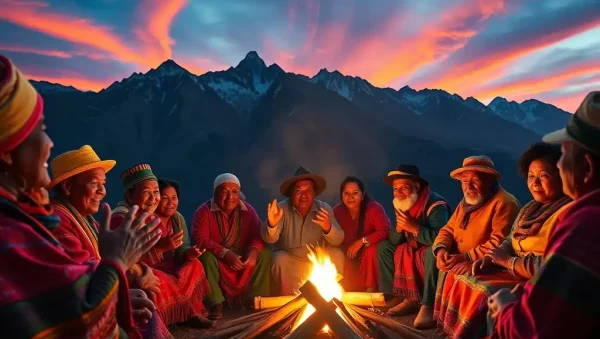
The Power of Performance: How Andean Oral Tradition Comes Alive
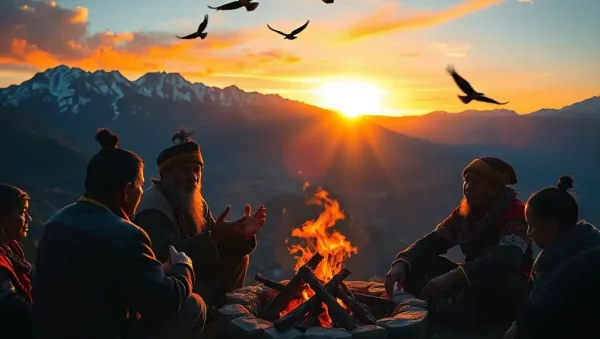
The Roots of Identity: How Oral Tradition Defines Andean Heritage
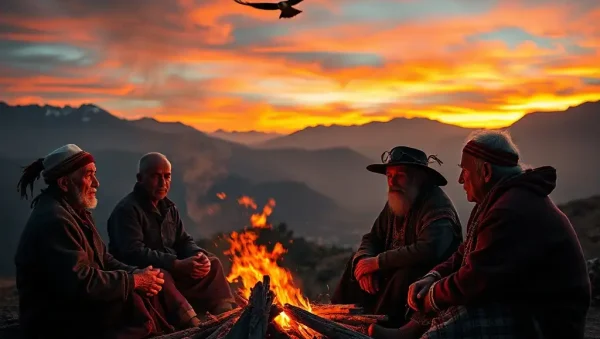
The Secrets Held in Silence: Uncovering Hidden Meanings in Andean Oral Tradition
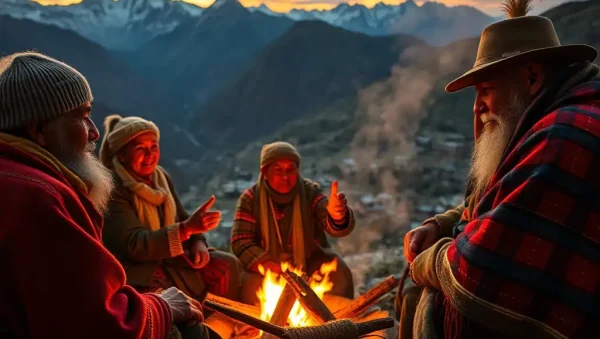
The Rhythm of Remembrance: The Art of Oral Storytelling in the Andes
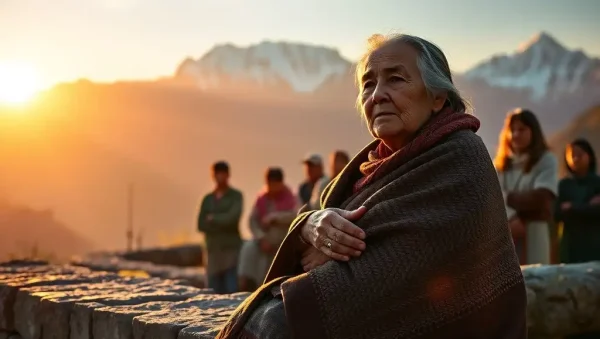
The Key to the Past: Unlocking Andean Secrets Through Spoken Narratives
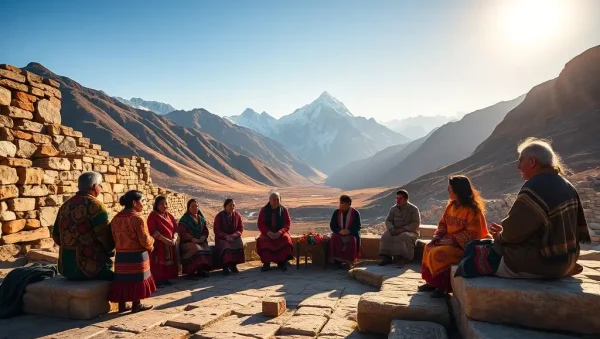
The Spoken Law: How Oral Tradition Governed Andean Societies
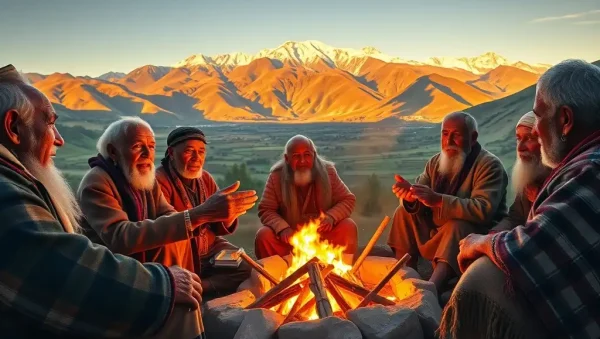
The Hidden Curriculum: Learning Life Lessons Through Andean Oral Tradition

The Unwritten Library: Exploring the Depth of Andean Memory
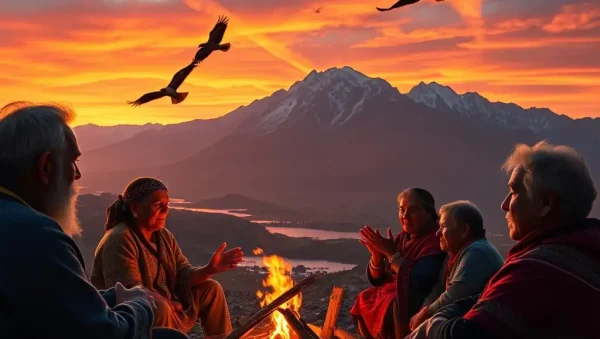
The Living Scriptures: How Oral Tradition Shaped Andean Spiritual Beliefs
📜 The Importance of Oral Tradition in Andean Languages
Discover how oral tradition in Andean languages has preserved the history, identity, spirituality, and cultural knowledge of communities across the Andes. Within Andean civilizations, including the Inca, Moche, Nazca, and Tiahuanaco, spoken narratives transmitted myths, genealogies, agricultural wisdom, ethical values, religious beliefs, and collective memories from one generation to the next. This subcategory explores the role of Quechua, Aymara, and other Indigenous languages in safeguarding Andean heritage and understanding the living traditions of the region.
🗣️ Oral Tradition as a Living Historical Archive
Before written records became widespread in the Andes, communities relied on storytelling, ceremonial speech, songs, prayers, and memorized genealogies to preserve important knowledge. Elders, religious specialists, local leaders, and skilled storytellers communicated accounts of migrations, rulers, sacred places, conflicts, natural events, and relationships between neighboring communities.
Readers can learn how oral histories complement archaeology and colonial documents by offering perspectives that may not appear in official written sources. These traditions help researchers interpret Andean history while recognizing that memory is not simply a record of the past—it is also a way for communities to explain identity, responsibility, and belonging.
🌄 Myths, Legends, and Andean Worldviews
Andean myths and legends express profound ideas about the origins of people, landscapes, animals, mountains, rivers, and social institutions. Narratives concerning apus, sacred mountains, Pachamama, the sun, the moon, and ancestral beings reveal how many Andean communities understood the relationship between humans and the natural world.
This section explores how oral narratives communicate Andean cosmology, spirituality, and environmental ethics. Rather than treating myths as simple fictional tales, readers can examine them as meaningful systems of knowledge that explain social obligations, ceremonial practices, seasonal cycles, and the sacred character of the Andean landscape.
🎶 Songs, Poetry, and Ceremonial Speech
Music and spoken performance have always been central to Andean cultural expression. Work songs, harvest songs, funeral chants, love poetry, ritual recitations, and festival performances transmit emotions and historical knowledge while strengthening relationships within a community.
Readers will discover how rhythm, repetition, metaphor, and collective participation make oral traditions memorable and adaptable. Andean songs and ceremonial language can preserve local vocabulary, express resistance, honor ancestors, and connect contemporary communities with the cultural achievements of civilizations such as the Inca and Tiahuanaco.
👵 Elders, Families, and Community Knowledge
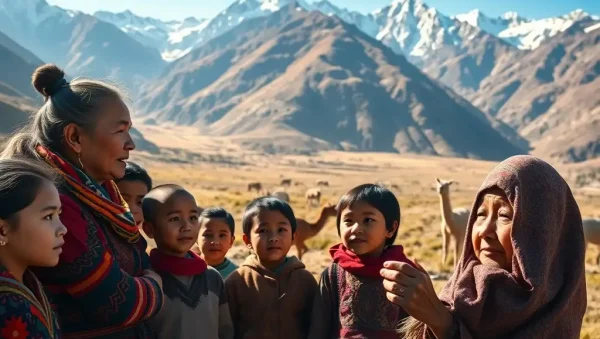
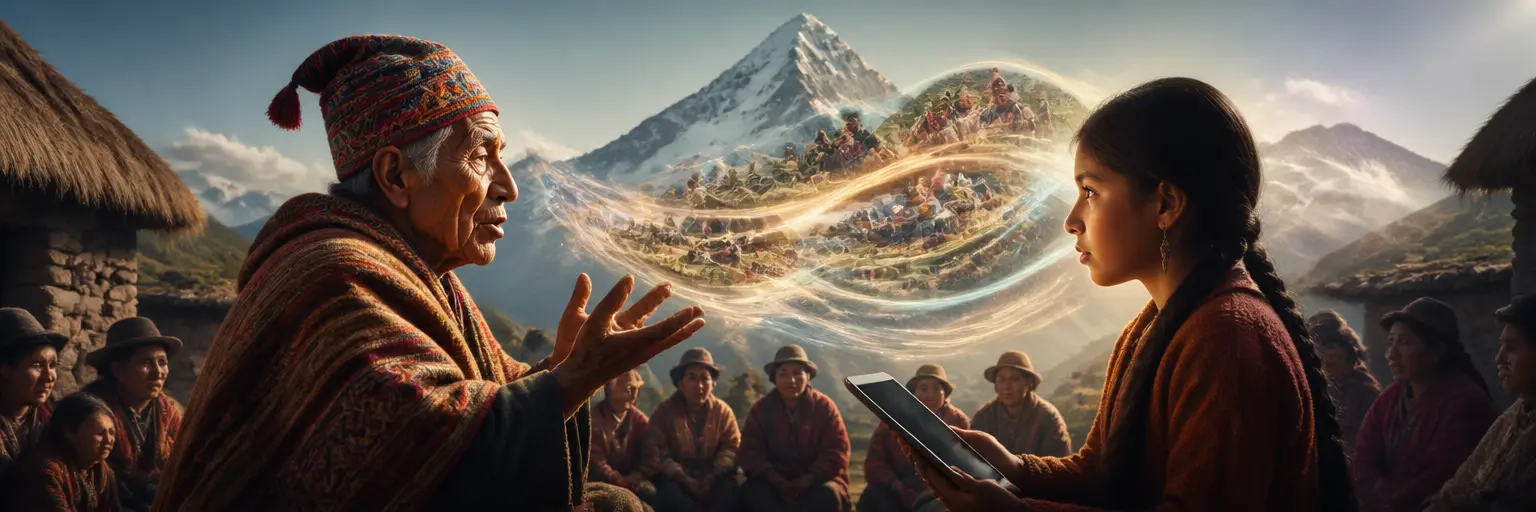
Oral tradition is often maintained through everyday interaction rather than formal institutions alone. Grandparents, parents, community authorities, artisans, farmers, healers, and spiritual leaders pass knowledge through conversations, demonstrations, stories, and participation in communal activities.
This subcategory highlights the importance of intergenerational learning in preserving Andean languages and cultural identity. Readers can explore how family histories, agricultural techniques, medicinal knowledge, weaving patterns, and local customs survive when younger generations listen, practice, and reinterpret what they receive from their elders.
🧵 Language, Identity, and Cultural Continuity
Language carries more than vocabulary; it preserves distinctive ways of understanding time, nature, kinship, community, and duty. In Andean societies, oral tradition allows speakers of Quechua, Aymara, and related Indigenous languages to maintain cultural identity despite colonization, language discrimination, migration, and social change.
Readers can examine how revitalizing Indigenous languages supports the recovery of traditional knowledge and strengthens cultural pride. Oral narratives also demonstrate that Andean heritage is not confined to museums or archaeological sites—it remains a living tradition expressed in homes, schools, ceremonies, festivals, and community organizations.
🏺 Oral Tradition and Archaeological Interpretation
Archaeological discoveries from the Andes include temples, textiles, ceramics, roads, agricultural terraces, and ceremonial objects. Oral traditions can provide valuable cultural context for interpreting these remains, especially when they preserve place names, sacred associations, origin stories, or memories connected with ancient sites.
However, oral accounts should be studied carefully alongside material evidence, historical records, linguistics, and anthropology. This interdisciplinary approach helps readers understand the complex relationship between oral history and archaeology without assuming that every modern story describes the past in a literal or unchanged form.
🛡️ Memory, Resistance, and Decolonization
Throughout Andean history, oral traditions have helped communities preserve identity during periods of conquest, colonial rule, religious transformation, and political marginalization. Stories, songs, and Indigenous-language performances could retain memories that were ignored or suppressed by colonial authorities.
This topic reveals how oral tradition functions as a form of cultural resilience and historical resistance. By valuing community voices, readers gain a deeper understanding of Andean history from perspectives that include local experience, Indigenous agency, and the ongoing effort to protect ancestral knowledge.
❓ Frequently Asked Questions About the Importance of Oral Tradition
What is oral tradition in Andean culture?
Oral tradition in Andean culture is the transmission of history, beliefs, language, customs, and practical knowledge through spoken narratives, songs, ceremonies, poetry, and family teaching. It has played a vital role in preserving cultural memory among Quechua-, Aymara-, and other Indigenous-speaking communities.
Why is oral tradition important for understanding the Inca civilization?
Oral tradition helps explain Inca origins, royal genealogies, religious beliefs, social values, and relationships with sacred landscapes. Although it must be compared with archaeology and colonial sources, it provides essential insight into Indigenous perspectives on Inca history and cultural organization.
How did Andean languages preserve knowledge without writing?
Andean communities used memorization, repetition, performance, symbols, music, ritual, and collective participation to transmit information. Specialized storytellers and community elders helped preserve genealogies, agricultural calendars, religious practices, and historical narratives.
Are Andean oral traditions still practiced today?
Yes. Oral traditions remain active in many Andean communities through festivals, family storytelling, Indigenous-language education, songs, agricultural ceremonies, religious celebrations, and local histories. Contemporary speakers continue to adapt these traditions while maintaining their cultural significance.
How can oral tradition help preserve Andean languages?
Storytelling and ceremonial speech encourage people to use Indigenous languages in meaningful social settings. Recording, teaching, and sharing these narratives can support language revitalization, strengthen intergenerational connections, and protect cultural knowledge for future generations.