
The Living Scriptures: How Oral Tradition Shaped Andean Spiritual Beliefs

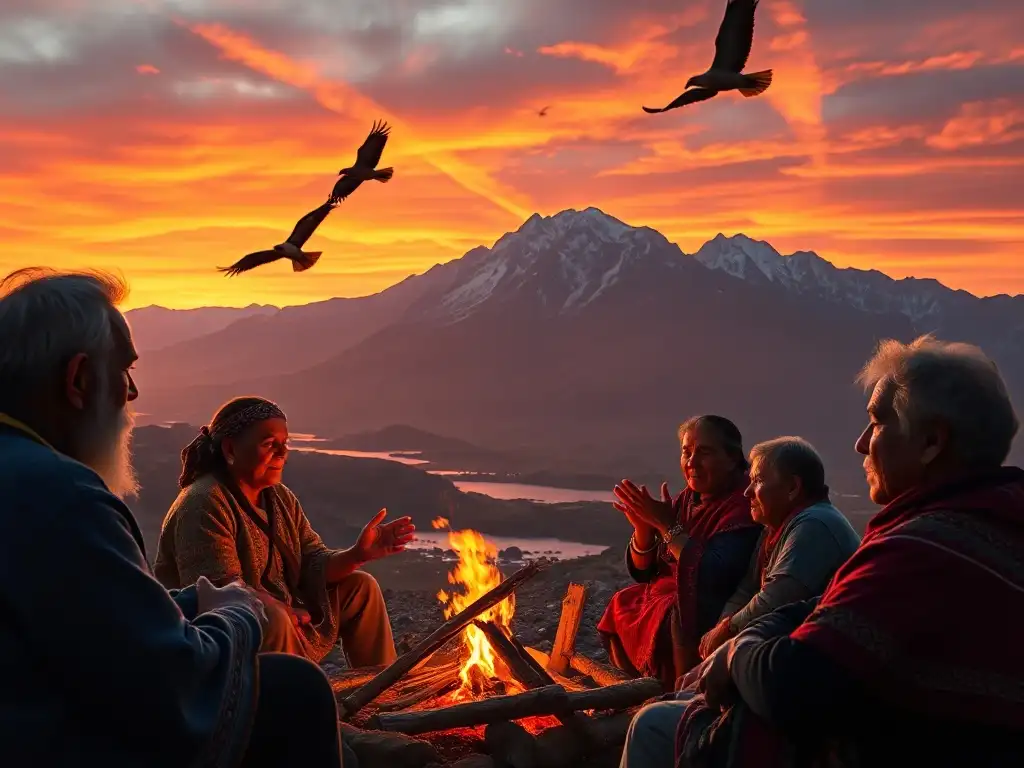
Uncover the mysteries woven into the very fabric of the Andes! Journey with us through the captivating world of ancient Andean civilizations, where towering cities met breathtaking artistry. But what truly shaped their worldview? Delve into the enigmatic power of Andean oral tradition spiritual beliefs, a living legacy that continues to resonate today. Prepare to be amazed by the intricate tapestry of spirituality revealed in this exploration of ancient wisdom. Discover how these whispered stories shaped a civilization – and perhaps, even our understanding of the world.
The Andes Mountains, a spine of towering peaks stretching along the western coast of South America, are not just a geographical feature; they are the cradle of vibrant and complex civilizations that thrived for millennia. Understanding the spiritual beliefs of these Andean cultures – the Incas, Moche, Nazca, and Tiahuanaco, among others – requires delving into the rich tapestry of their oral traditions.
This article explores how these traditions, passed down through generations without the aid of written scripts, shaped the Andean worldview, their understanding of the cosmos, and their relationship with the divine. We will uncover the enduring power of storytelling, song, and ritual in preserving and transmitting crucial spiritual knowledge, demonstrating the profound influence of Andean oral tradition on their spiritual beliefs.
This exploration will reveal how seemingly simple narratives held the keys to a complex cosmology and a deeply spiritual way of life, highlighting the importance of oral tradition in understanding these fascinating ancient cultures. This investigation is crucial for understanding not only Andean spiritual beliefs but also the broader context of their societal structures and daily lives.
The Enduring Power of Oral Tradition in the Andes
The absence of a widespread written language in many pre-Columbian Andean societies might seem, at first glance, to be a limitation. However, this perceived lack was compensated for by a sophisticated system of oral transmission. Storytelling, poetry (harawi), and ritual performances served as the primary vehicles for preserving and transmitting knowledge, history, and spiritual beliefs.
These weren't merely entertaining narratives; they were the living scriptures of the Andean people, shaping their identity, guiding their actions, and defining their relationship with the world around them. This oral tradition wasn't static; it was dynamic, constantly evolving and adapting to changing circumstances while retaining its core essence. Think of it as a living, breathing archive, constantly being updated and reinterpreted by each generation.
The power of this oral tradition lay in its ability to connect the past, present, and future, creating a powerful sense of continuity and shared identity across vast stretches of time and space. This ensured the preservation of crucial knowledge, including agricultural techniques, medicinal practices, and, most importantly, spiritual beliefs.
Defining Andean Oral Tradition and its Significance
Andean oral tradition encompassed a wide array of practices, each contributing to the preservation and transmission of cultural knowledge. This included:
- Mythology and Legends: These narratives explained the origins of the world, the creation of humans, and the relationship between humans and the supernatural. They often featured powerful deities, mythical beings, and ancestral figures, providing a framework for understanding the cosmos and one's place within it.
- Rituals and Ceremonies: Rituals played a vital role in Andean life, acting as conduits between the human and spiritual realms. These ceremonies, often accompanied by songs, dances, and offerings, served to maintain harmony with the natural world and appease the gods.
- Songs and Poetry (Harawi): Songs and poems were used to express emotions, tell stories, and transmit important information. The harawi, a type of Quechua song, often dealt with themes of love, loss, and the beauty of the Andean landscape, but also conveyed historical events and spiritual teachings.
- Khipus: Although not strictly oral, the khipus (complex knotted strings used by the Inca) represent a sophisticated form of record-keeping that complemented oral traditions, aiding in the memorization and transmission of complex information including genealogical data, census information, and possibly even historical narratives. They served as a mnemonic device, assisting in the recall of long and intricate oral histories.
This intricate network of oral traditions was not simply a collection of unrelated elements; it was a cohesive system that reinforced and complemented other aspects of Andean culture. The significance of oral tradition cannot be overstated; it was the cornerstone of Andean society, shaping their worldview, their social structures, and their spiritual beliefs. Its loss with the arrival of the Spanish conquistadors represented a significant blow to the cultural heritage of the region.
Spiritual Beliefs Transmitted Through Generations
Andean spiritual beliefs were deeply intertwined with the natural world. The mountains, rivers, and stars were not merely geographical features but were imbued with spiritual significance, considered sacred entities or the dwelling places of powerful spirits. These beliefs, transmitted through generations via oral tradition, shaped the Andean worldview, influencing their agricultural practices, social structures, and even their political systems.
The oral transmission of these beliefs ensured their continuity, even in the face of significant social and environmental changes. For example, stories of powerful deities like Viracocha or Pachamama (Mother Earth) were passed down through generations, shaping the Andean understanding of the cosmos and their place within it. These narratives weren't simply stories; they were active participants in shaping Andean spirituality, providing a framework for understanding the world and their relationship with the divine.
The detailed descriptions of rituals and ceremonies, passed down orally, ensured the continuation of vital practices that maintained harmony with the natural world and ensured the well-being of the community. The loss of these oral traditions has led to a fragmented understanding of Andean spirituality, highlighting the importance of preserving and studying the remaining vestiges of this rich and complex cultural heritage. The ongoing research and revitalization efforts focused on recovering and understanding these oral traditions are crucial for a complete and accurate understanding of Andean spiritual beliefs and their enduring legacy.
- The Enduring Power of Oral Tradition in the Andes
- Defining Andean Oral Tradition and its Significance
- Spiritual Beliefs Transmitted Through Generations
- What role did oral tradition play in shaping Andean spiritual beliefs?
- How did Andean oral traditions preserve knowledge about their ancestors?
- What were some common themes explored in Andean oral traditions related to spirituality?
- How did the Incas utilize oral tradition to maintain their empire's spiritual cohesion?
- How has the study of Andean oral traditions impacted our understanding of their spiritual world?
Core Andean Spiritual Beliefs and Their Oral Transmission
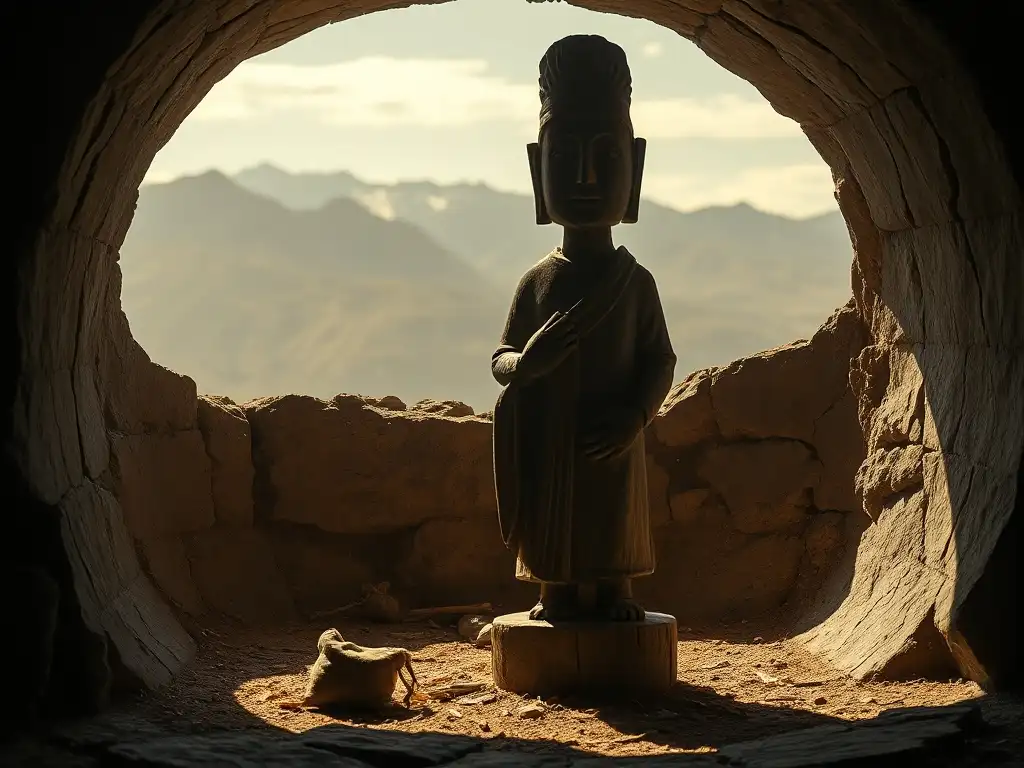
This section delves into the fundamental spiritual beliefs of Andean civilizations and how these beliefs were meticulously preserved and transmitted through generations via oral tradition. Understanding the power of oral narratives in shaping Andean spirituality is key to appreciating the depth and complexity of their worldview. The Andean worldview wasn't simply a set of codified religious doctrines; it was a living, breathing system profoundly intertwined with the natural world, passed down through stories, songs, and rituals.
This intricate web of oral tradition ensured the continuity of spiritual practices and the preservation of cultural identity across vast distances and fluctuating political landscapes. The absence of a widespread written language before the Spanish conquest only amplified the significance of oral transmission in safeguarding these deeply held beliefs.
The Andean Concept of Pachamama and Oral Narratives
Pachamama, the Earth Mother, is arguably the most central figure in Andean spirituality. She represents the fertile earth, the source of life, and the provider of sustenance. Oral narratives, passed down through countless generations, vividly portray Pachamama not merely as a deity but as a living, breathing entity intimately connected to the well-being of the Andean people.
These stories detail the reciprocal relationship between humans and Pachamama – a relationship of respect, reciprocity, and responsibility. For example, stories of failed harvests often served as cautionary tales, emphasizing the importance of respecting the land and offering appropriate tributes to ensure continued fertility and abundance. These weren't just simple agricultural lessons; they were deeply ingrained spiritual directives, passed down through generations via vibrant storytelling, often accompanied by music and dance.
The oral tradition ensured that the reverence for Pachamama remained a central pillar of Andean spiritual life, fostering a profound connection between people and their environment. Variations in these narratives, reflecting the unique geographical and cultural contexts of different Andean communities, highlight the adaptability and resilience of oral tradition in shaping spiritual understanding. The details of specific offerings and rituals, often unique to individual communities, were meticulously preserved and transmitted through oral narratives, underscoring the localized expressions of a shared spiritual core.
The Role of Apus (Mountain Spirits) in Andean Cosmology
The towering Andes mountains held immense spiritual significance for Andean cultures. Apus, the mountain spirits, were revered as powerful deities, acting as intermediaries between the human world and the celestial realm. Oral traditions are replete with accounts of interactions with the Apus, ranging from tales of blessings and protection to warnings and punishments.
These narratives shaped the Andean understanding of the cosmos, emphasizing the interconnectedness of the natural world and the spiritual realm. For instance, certain mountain passes were considered sacred spaces, where offerings were made to appease the Apus and ensure safe passage. These traditions, passed down through generations via oral accounts, dictated the patterns of migration, trade routes, and even settlement locations.
The specific rituals and offerings associated with different Apus varied across different communities, highlighting the regional variations within a shared cosmological framework. The power and influence of the Apus, as depicted in oral narratives, instilled a deep sense of respect for the natural world and emphasized the importance of maintaining a harmonious relationship with the environment. These stories emphasized the consequences of disregarding the spiritual authority of the Apus, further reinforcing the importance of maintaining a balance within the Andean ecosystem.
Oral Accounts of Andean Creation Myths and Deities
Andean creation myths, intricately woven into the tapestry of oral tradition, provide valuable insights into the spiritual beliefs of these ancient civilizations. These narratives, passed down through generations, often feature powerful deities, shaping the Andean understanding of the origin of the world, humanity, and the cosmos. The specific details of these myths varied significantly across different regions and cultures, reflecting the diverse linguistic and cultural landscapes of the Andes. However, common threads emerge, such as the importance of duality, the cyclical nature of time, and the interconnectedness of all living things.
The absence of a unified, written scripture only served to enhance the diversity and richness of these oral narratives. Many stories involved powerful creator gods, celestial beings, and mythical heroes, whose exploits and struggles were meticulously recounted in oral traditions, shaping the moral and ethical values of Andean societies. These narratives were not merely entertaining stories; they served as powerful tools for transmitting cultural knowledge, spiritual beliefs, and social values.
Analyzing these oral accounts provides a glimpse into the complex and dynamic spiritual landscape of the Andean world, demonstrating the enduring power of oral tradition in shaping cultural identity and religious practice. The variations within these narratives, however, emphasize the importance of considering regional contexts when studying Andean spiritual beliefs. Further research into specific regional variations is needed to fully appreciate the complexity of Andean creation myths.
Key Elements of Andean Oral Tradition
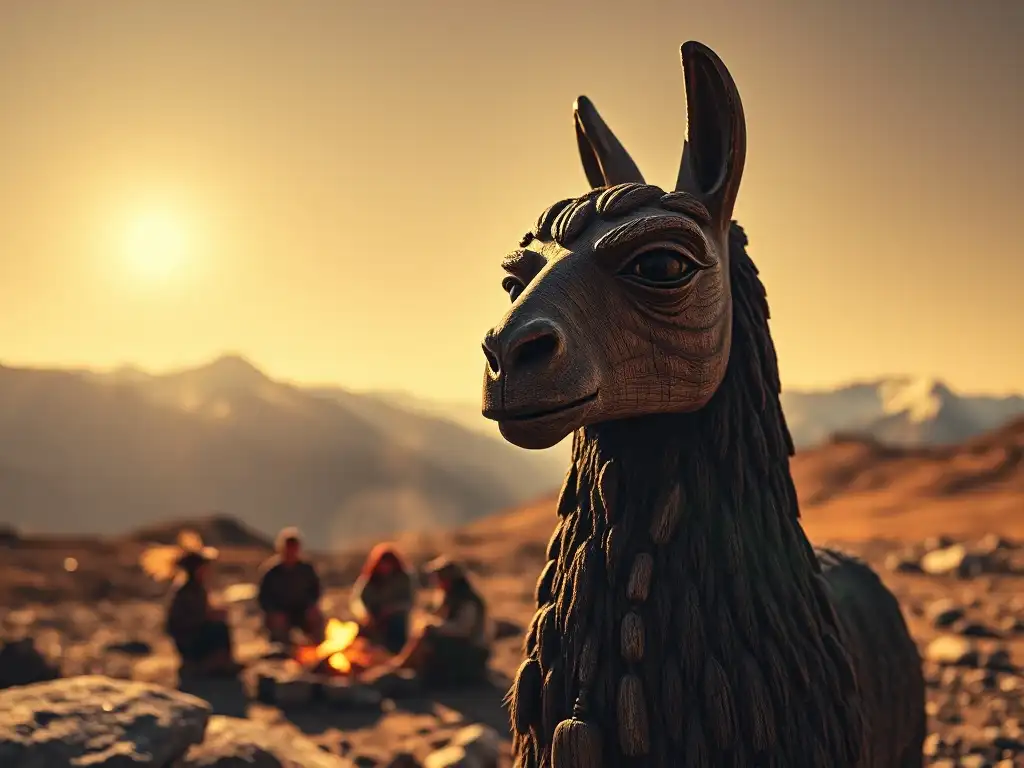
This section delves into the core components that shaped Andean spiritual beliefs through oral transmission, focusing on how these elements intertwined to create a rich and complex worldview. Understanding these elements is crucial to appreciating the depth and resilience of Andean spiritual practices, which continue to influence contemporary Andean cultures. We will explore how storytelling, rituals, music, and dance acted as powerful tools for preserving and transmitting sacred knowledge across generations, solidifying their place in the Andean cultural landscape. The enduring power of Andean oral tradition is a testament to its effectiveness in maintaining a vibrant spiritual heritage.
Andean Storytelling Techniques and Their Impact
Andean storytelling wasn't merely entertainment; it was a vital mechanism for transmitting cultural values, historical accounts, and spiritual knowledge. Narratives, often involving mythical figures and powerful deities, served as practical guides for life, teaching moral lessons and explaining the natural world. The effectiveness of these stories stemmed from several key techniques:
- Mnemonic Devices: Storytellers employed sophisticated mnemonic devices, incorporating repetitive phrases, rhythmic structures, and symbolic imagery to aid memorization and ensure accurate transmission across generations. These devices often involved the use of quipus (knotted strings) to record numerical data and, some argue, even narrative information, although the extent of their narrative function remains a subject of ongoing scholarly debate.
- Interactive Storytelling: Unlike passive listening, Andean storytelling often involved audience participation. Listeners might interject with comments, questions, or even contribute to the narrative’s development, creating a dynamic and engaging experience. This collaborative approach ensured that the stories remained relevant and meaningful to each community.
- Adaptation and Contextualization: Stories weren't static; they evolved over time, adapting to new contexts and incorporating contemporary events and concerns. This adaptability allowed the oral tradition to remain relevant and resonant across centuries, demonstrating a remarkable capacity for organic growth and change within a consistent framework. For example, stories about the Inca empire might be reinterpreted to reflect current social dynamics or to address specific challenges faced by a particular community.
The impact of these sophisticated storytelling techniques is undeniable. They fostered a strong sense of shared identity and cultural continuity, reinforcing spiritual beliefs and ensuring the preservation of ancestral wisdom. This continuous adaptation and reinterpretation ensured the oral tradition remained a living, breathing entity, capable of navigating the complexities of social and environmental change.
The Importance of Andean Rituals and Ceremonies
Rituals and ceremonies played a central role in Andean spiritual life, acting as powerful conduits for connecting with the spiritual realm and reinforcing community bonds. These events weren't simply symbolic acts; they were deeply practical engagements aimed at ensuring the wellbeing of the community and maintaining harmony with the natural world. The precise nature of these rituals varied considerably between different Andean cultures, reflecting the diversity of their beliefs and practices.
- Agricultural Rituals: Many rituals centered around agricultural cycles, seeking to ensure bountiful harvests and appease the deities associated with fertility and abundance. These rituals involved offerings, prayers, and symbolic acts intended to promote the health and prosperity of crops.
- Ancestor Veneration: Ancestor veneration was a prominent feature of Andean spiritual life. Rituals honoring deceased ancestors served to maintain connections with past generations and to seek guidance from their spirits. These rituals often involved the offering of coca leaves, food, and other items of significance.
- Healing Rituals: Shamans and healers played crucial roles in Andean society, conducting rituals aimed at curing illness and restoring balance within individuals and the community. These rituals often involved the use of medicinal plants, sacred objects, and spiritual practices designed to cleanse and heal.
The consistent performance of these rituals reinforced shared beliefs and strengthened social cohesion. The rituals' cyclical nature emphasized the interconnectedness of time, highlighting the continuity of spiritual practices and cultural values across generations, thus directly impacting the transmission of Andean spiritual beliefs.
The Role of Music and Dance in Preserving Spiritual Knowledge
Music and dance served as powerful vehicles for transmitting spiritual knowledge and reinforcing communal identity within Andean cultures. These art forms weren't merely entertainment; they were integral components of religious ceremonies, social gatherings, and everyday life.
- Musical Instruments: A variety of instruments, including panpipes, drums, and flutes, were used to create music with spiritual significance. The melodies and rhythms themselves often conveyed symbolic meanings, reinforcing specific beliefs or narrating sacred stories.
- Dance as Storytelling: Dance played a vital role in preserving and transmitting spiritual knowledge. Many dances recreated mythological narratives, reenacted historical events, or represented the cycles of nature. These performances served as powerful mnemonic devices, allowing individuals to learn and remember important spiritual lessons.
- Music and Ritual: Music and dance were often integrated into religious ceremonies, enhancing the emotional impact of rituals and fostering a deeper connection with the spiritual realm. The combined power of music, dance, and ritual created a powerful and memorable experience, firmly embedding spiritual knowledge in the cultural memory.
The vibrant and enduring traditions of Andean music and dance are a testament to their role in preserving and transmitting spiritual knowledge. Their continued practice demonstrates the powerful influence of oral tradition in shaping and sustaining Andean spiritual beliefs, even in the face of significant cultural changes. The rhythmic pulse of Andean music and the graceful movements of its dances continue to resonate with the spiritual heart of the Andes.
Examples of Andean Oral Tradition in Practice
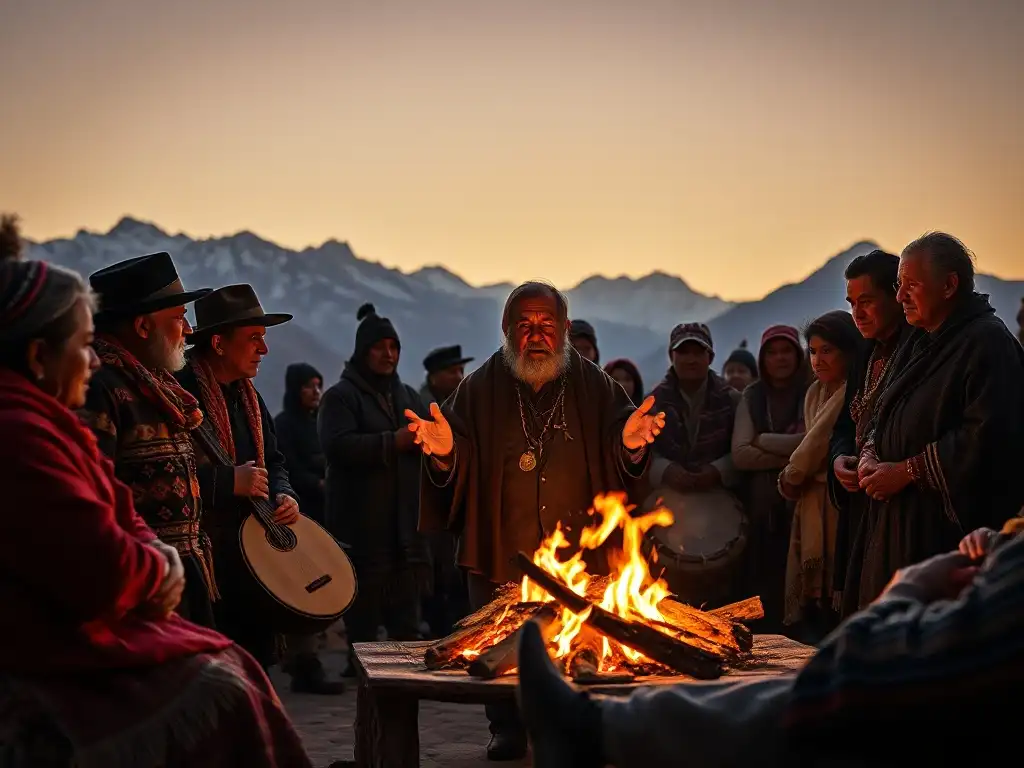
This section delves into the practical applications of Andean oral tradition, demonstrating its enduring influence on the lives and beliefs of Andean communities. We move beyond theoretical discussions to showcase how oral narratives, songs, and rituals continue to shape daily life and spiritual understanding. The vibrant tapestry of Andean culture is inextricably woven with its oral traditions, a living legacy passed down through generations.
Understanding these practices provides invaluable insight into the heart of Andean spiritual beliefs. The power of storytelling, the reverence for ancestral wisdom, and the artistic expression fueled by oral tradition all contribute to a rich and complex cultural landscape. This section will highlight specific examples to illustrate the profound impact of oral tradition on Andean life.
Case Studies of Specific Andean Communities
Examining specific Andean communities reveals the diverse ways oral tradition manifests. For instance, the Quechua communities of the Peruvian Andes maintain a strong oral tradition centered around ayllu, the extended family structure. Stories passed down through generations reinforce community bonds and social structures. These narratives often involve mythical figures, explaining the origins of the community, its customs, and its relationship with the natural world.
Similarly, Aymara communities in Bolivia utilize oral tradition to transmit knowledge about medicinal plants, agricultural practices, and astronomical observations. Their rich cosmology, deeply intertwined with their environment, is preserved and transmitted through oral narratives and songs. Detailed studies of these communities show how oral tradition serves not only as a source of spiritual belief but also as a practical guide for everyday life.
Analyzing their rituals, songs, and storytelling reveals a sophisticated system of knowledge transmission, ensuring the continuity of their cultural heritage. The survival of these traditions despite external pressures demonstrates their resilience and importance to Andean identity. Further research is needed to comprehensively document the oral traditions of less-studied communities, particularly those in remote areas, to fully appreciate the diversity of Andean oral traditions and their contribution to Andean spiritual beliefs.
The Transmission of Ancestral Wisdom Through Elders
The role of elders in Andean communities is paramount in the transmission of ancestral wisdom. They serve as living repositories of knowledge, carefully guarding and sharing the stories, songs, and rituals that shape their spiritual beliefs. This intergenerational transfer of knowledge is not merely a passive process; it is an active engagement involving storytelling, ritual performances, and apprenticeships. Younger generations learn not just the words but the context, the emotions, and the significance of each narrative.
The elders’ authority stems not just from age but from their deep understanding and embodiment of the oral tradition. This process is often accompanied by ceremonies and rituals that reinforce the sacredness of the transmitted knowledge. For example, the paqos (Andean shamans) play a crucial role in transmitting knowledge related to healing, cosmology, and spiritual practices. Their teachings are often delivered through symbolic language, songs, and rituals, making the learning process both experiential and deeply meaningful.
The passing of this knowledge ensures the continuation of Andean spiritual practices and the preservation of their unique worldview. The decline in the number of elders in some communities poses a significant threat to the continuity of this vital transmission process, highlighting the urgent need for documentation and preservation efforts. Understanding the dynamics of this intergenerational transfer is crucial for understanding the vitality and resilience of Andean oral tradition.
The Influence of Oral Tradition on Andean Art and Crafts
Andean oral tradition profoundly influences the creation and interpretation of Andean art and crafts. Many artistic expressions, from textiles to pottery to metalwork, are directly inspired by myths, legends, and ancestral stories. These narratives provide the themes, symbols, and aesthetic principles that guide the artistic process. For instance, the intricate designs woven into Andean textiles often depict scenes from mythology, reflecting the community’s cosmology and spiritual beliefs.
Similarly, the iconography found on Moche pottery vividly illustrates narratives of their gods, rituals, and daily life. The creation of these artworks is not merely a technical skill but a ritualistic act, imbued with spiritual significance. The artists act as custodians of the oral tradition, translating the stories and beliefs into tangible forms. Furthermore, the creation and appreciation of these artworks serve to reinforce and transmit the oral tradition itself.
The act of viewing or handling these objects evokes the stories and beliefs they represent, perpetuating the cycle of transmission. The study of Andean art and crafts, therefore, provides a valuable window into the world of Andean oral traditions and their role in shaping spiritual beliefs. By analyzing the symbolism and narratives embedded within these artworks, we gain a deeper understanding of the rich and complex relationship between oral tradition and artistic expression in the Andes. Further research into the specific techniques and symbolism employed in various Andean art forms will reveal even more about the depth and complexity of this relationship.
The Impact of Oral Tradition on Andean Identity
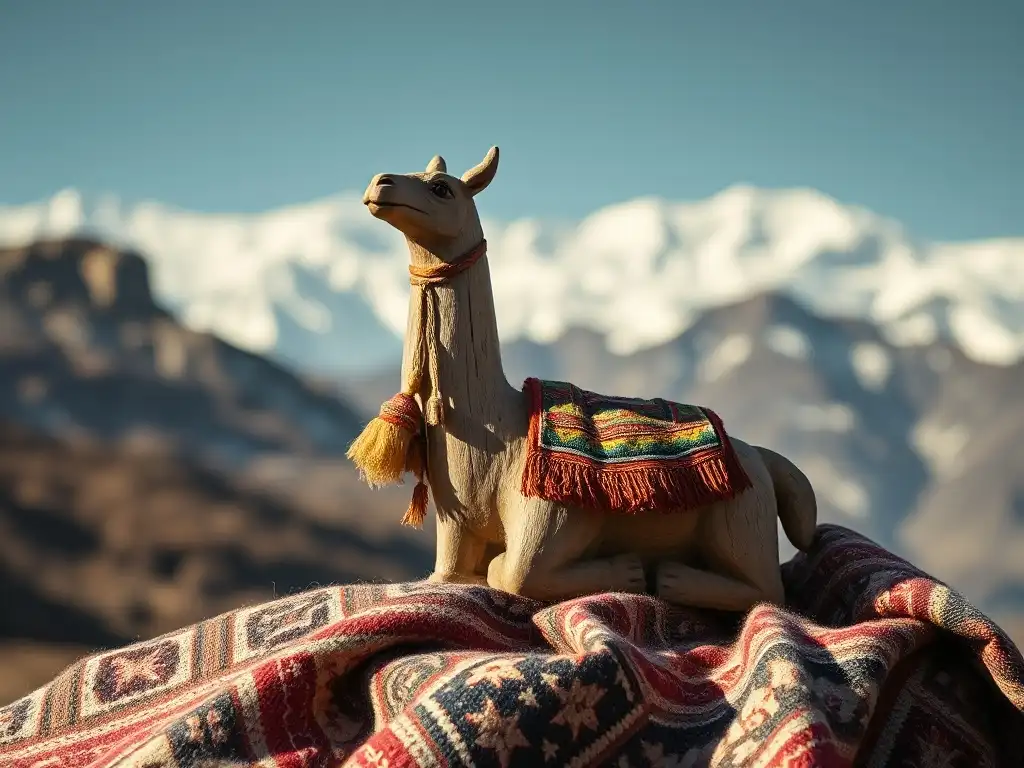
The Andean region's vibrant tapestry of cultures owes a significant debt to its rich oral tradition. For centuries, before the widespread adoption of writing systems, oral narratives served as the primary means of transmitting knowledge, beliefs, and values across generations. This wasn't simply a method of storytelling; it was a fundamental mechanism for shaping Andean identity, fostering a strong sense of community, and maintaining cultural continuity.
The power of Andean oral tradition lies not just in its ability to preserve history but also in its capacity to actively construct cultural identity. This is achieved through the careful transmission of myths, legends, songs, and rituals, each imbued with deep symbolic meaning and contributing to a collective understanding of the world.
The continued relevance of these traditions demonstrates their enduring power in shaping the self-perception and world view of Andean communities. The impact is profound, woven into the very fabric of daily life, social structures, and spiritual practices.
Maintaining Cultural Identity Through Oral Narratives
Oral narratives in the Andes weren't merely entertaining stories; they were active agents in shaping cultural identity. Myths of origin, for example, explained the creation of the world and the ancestors' relationship with the land, fostering a deep sense of connection to their environment and a responsibility for its stewardship.
These narratives weren't static; they evolved over time, reflecting the changing circumstances of the communities that told them. This adaptability allowed oral traditions to remain relevant and meaningful across centuries, even in the face of external pressures and societal changes.
Consider the Aymara people, whose stories of the Achachila (mountain spirits) and Pachamama (Mother Earth) continue to guide their agricultural practices and daily lives, illustrating the living, breathing nature of oral tradition and its impact on maintaining cultural identity. The detailed descriptions of rituals, social hierarchies, and moral codes embedded within these narratives ensured the transmission of vital cultural knowledge, reinforcing social cohesion and bolstering community resilience.
The Connection Between Language and Spiritual Beliefs
The intimate link between language and spiritual beliefs in Andean cultures is inextricably bound to oral tradition. Many Andean languages, such as Quechua and Aymara, possess a rich vocabulary and grammatical structures that reflect a deep understanding of the spiritual world. The use of metaphor, symbolism, and poetic language in oral narratives further enhances the spiritual dimension of these traditions.
For instance, the concept of Ayni, the principle of reciprocity and balance in the Andean worldview, is often expressed through intricate narratives that illustrate the consequences of disrupting this delicate equilibrium. The oral transmission of these stories, embedded within the specific linguistic framework of each community, ensures that the spiritual meanings are accurately conveyed and maintained.
The preservation of these languages, therefore, is crucial for safeguarding the spiritual heritage of the Andes. Loss of language equates to a loss of a complex system of knowledge, beliefs, and practices, impacting not only cultural identity but also the very essence of Andean spirituality.
The Challenges of Preserving Oral Traditions in Modern Times
The advent of globalization and modernization presents significant challenges to the preservation of Andean oral traditions. The increasing dominance of Spanish and other global languages threatens the vitality of indigenous languages, impacting the transmission of oral narratives and their associated spiritual beliefs. Furthermore, the migration of Andean communities to urban centers disrupts traditional social structures and weakens the intergenerational transmission of knowledge.
The rise of digital media, while offering new avenues for dissemination, also poses a risk of diluting the authenticity and nuanced interpretations inherent in the oral transmission process. Efforts to document and archive these traditions are crucial, but must be undertaken with sensitivity, ensuring that the stories are preserved within their original cultural contexts and not reduced to mere historical artifacts.
Active community engagement and collaborative projects that empower indigenous communities to lead the preservation efforts are essential for ensuring the continued vitality of Andean oral traditions for future generations. The task requires a multifaceted approach, combining traditional methods with modern technologies, to navigate the complexities of preserving this invaluable cultural heritage.
Preserving Andean Oral Tradition for Future Generations
The vibrant tapestry of Andean spiritual beliefs, deeply interwoven with their rich oral tradition, faces the constant threat of erosion due to globalization and societal shifts. However, concerted efforts are underway to ensure this invaluable heritage survives for future generations. The challenge lies not only in preserving the spoken word, but also in understanding the context within which these narratives exist and continue to evolve. This requires a multi-pronged approach, encompassing meticulous documentation, community engagement, and innovative strategies for cultural transmission.
The survival of Andean oral tradition is intrinsically linked to the survival of Andean languages themselves; the loss of one inevitably impacts the other. This interconnectedness underscores the urgency of preservation efforts. Without active preservation, we risk losing not only fascinating historical accounts, but also the living, breathing spiritual foundation of these ancient cultures. The loss would be immeasurable.
Efforts to Document and Promote Andean Oral Histories
Numerous organizations and individuals are dedicated to meticulously documenting Andean oral histories. These efforts involve painstakingly recording narratives, songs, and rituals from elder storytellers in their native languages. This process often includes detailed ethnographic research, capturing not just the words themselves but also the associated gestures, intonation, and cultural context. For example, researchers are working to create comprehensive digital archives of Quechua and Aymara narratives, ensuring accessibility for future scholars and community members.
Furthermore, initiatives are underway to translate these oral histories into other languages, broadening their reach and understanding. This meticulous work helps to create a robust record, mitigating the risk of loss and ensuring the accessibility of these invaluable stories. The focus is not simply on transcription, but on creating rich, multi-layered records that capture the nuances of oral performance.
This includes the use of multimedia, such as video recordings, to capture the full expressive power of these traditions. The preservation of Andean oral tradition requires a holistic approach that values both the content and the form of these narratives. Careful cataloging and indexing are also crucial for facilitating future research and access.
The Importance of Education and Cultural Transmission
The preservation of Andean oral tradition is not solely the responsibility of researchers and academics. It requires active participation from communities themselves, particularly through educational initiatives. Integrating Andean oral histories into school curricula is vital for transmitting these traditions to younger generations.
This education should go beyond mere recitation; it should foster critical thinking and an understanding of the cultural context in which these stories evolved. Furthermore, supporting community-led initiatives, such as storytelling workshops and cultural festivals, empowers local communities to actively safeguard their heritage. These initiatives ensure that the transmission of oral traditions remains a living process, not merely a passive preservation exercise.
The active participation of communities is essential for the long-term sustainability of these efforts. By empowering communities to become custodians of their own cultural heritage, we contribute to a more sustainable and authentic preservation of Andean oral tradition and spiritual beliefs. This approach fosters a sense of ownership and pride, ensuring that these traditions remain relevant and vital for generations to come.
The Future of Andean Spiritual Beliefs and Oral Tradition
The future of Andean spiritual beliefs hinges on the continued vitality of their oral tradition. The narratives, songs, and rituals embedded within this tradition provide a living link to the past, shaping identities, values, and worldviews. Technological advancements offer new opportunities for preservation and dissemination. Digital archives and online platforms can expand access to these rich cultural resources globally.
However, these technologies must be used responsibly, ensuring that they complement, rather than replace, traditional methods of cultural transmission. Respecting indigenous knowledge systems and intellectual property rights is crucial. The ongoing dialogue between traditional practices and modern technologies will be key to ensuring the longevity of Andean oral tradition and the spiritual beliefs it embodies.
The future success of preservation efforts will depend on collaborative partnerships between researchers, communities, and policymakers. A holistic approach that values both tradition and innovation is essential to ensuring that the vibrant legacy of Andean oral tradition continues to flourish. The continued study and appreciation of Andean oral tradition is not merely an academic pursuit; it is a vital contribution to the understanding of human culture and spirituality.
Frequently Asked Questions
What role did oral tradition play in shaping Andean spiritual beliefs?
Oral tradition was paramount in transmitting Andean spiritual beliefs across generations. It ensured the continuity of religious practices, myths, and cosmological understandings, shaping their worldview for centuries. Without it, much of their spiritual heritage would be lost.
How did Andean oral traditions preserve knowledge about their ancestors?
Stories, songs, and rituals passed down orally preserved knowledge of ancestral figures and events. These narratives provided a sense of identity and continuity, connecting the living with their past. Genealogies and origin myths were crucial elements in this process.
Common themes included the relationship between humans and nature, the significance of sacred mountains and landscapes, and the belief in powerful deities and spirits. These narratives often explained natural phenomena and provided moral guidance.
How did the Incas utilize oral tradition to maintain their empire's spiritual cohesion?
The Inca empire used oral tradition extensively to propagate imperial ideology and legitimize their rule. State-sponsored storytellers spread narratives that emphasized the Inca's divine lineage and connection to the gods. This helped unify the diverse populations under their control.
How has the study of Andean oral traditions impacted our understanding of their spiritual world?
The study of oral traditions provides invaluable insight into the complexities of Andean spiritual beliefs. It allows us to move beyond limited written sources and understand the dynamic and evolving nature of their religious practices and cosmology.
Final Reflection: Echoes of the Andes: A Legacy of Spoken Faith
The enduring power of oral tradition in the Andes continues to shape spiritual beliefs today, a testament to the resilience of cultural memory and the profound connection between humanity and the sacred landscape. The stories, songs, and rituals passed down through generations are not mere historical artifacts; they are living, breathing expressions of faith that inform the present and guide the future. Understanding this dynamic interplay between past and present is crucial to appreciating the richness and complexity of Andean spirituality.
The impact of oral tradition extends far beyond the realm of religious practice; it permeates every aspect of Andean life, from social structures to artistic expression. It's a living tapestry woven from countless threads of narrative, each contributing to a unique and vibrant cultural identity. The stories themselves are powerful agents of social cohesion, transmitting values, morals, and a deep respect for the natural world. As the renowned Andean scholar, Maria Rostworowski, once noted: The oral tradition is not simply a repository of the past; it is a dynamic force that shapes the present and anticipates the future.
This quote encapsulates the ongoing relevance and transformative power of these ancient narratives.
Consider the echoes of these stories in your own life. How do the narratives you've inherited – whether familial, cultural, or religious – shape your worldview and your understanding of the world around you? I invite you to reflect on the power of storytelling and the enduring legacy of oral tradition, not just in the Andes, but in your own community and personal history. By actively listening to and sharing the stories that shape our lives, we can foster a deeper understanding of ourselves, our cultures, and the interconnectedness of all things.
Unveil the Power of Oral Tradition Today!
Thank you for exploring the fascinating influence of oral tradition on Andean spiritual beliefs. Your interest in this rich cultural heritage is invaluable, and we encourage you to further explore and appreciate these ancient practices.
Here are some ways to engage more deeply with this cherished legacy:
- Join a local storytelling group or workshop. Immersing yourself in the art of oral storytelling provides a powerful connection to the past and fosters community among those who value similar traditions.
- Read books and watch documentaries about Andean culture. Deepening your understanding of indigenous beliefs and practices will broaden your perspective on the enduring impact of oral traditions on modern spirituality.
- Share your newfound knowledge with others. Initiate conversations—online or in person—within your community. You may spark interest and inspire others to explore this rich cultural heritage.
How has learning about oral tradition influenced your own understanding of spiritual beliefs?