
The Inca Empire's Linguistic Strategy: How Quechua Became a Lingua Franca

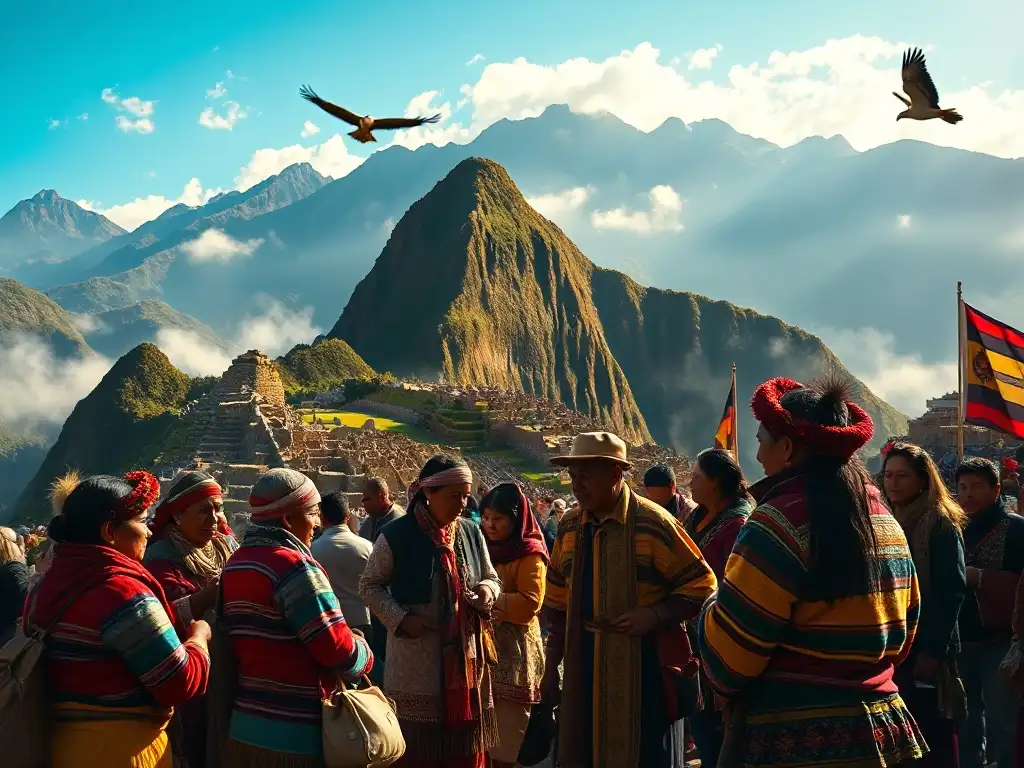
Step into a world lost to time, yet echoing with the whispers of a magnificent empire. Discover the secrets of the Andes, a land sculpted by towering mountains and vibrant cultures. Here, we unravel the fascinating story of the Inca Empire, and its ingenious use of the Quechua language. How did this single tongue bridge the vast distances and diverse populations of this extraordinary civilization? Uncover the compelling answers within, and prepare to be amazed by the linguistic legacy of the Incas.
The Inca Empire, a civilization that sprawled across the Andes Mountains from the 15th to the 16th century, achieved remarkable feats of engineering, administration, and social organization. But its success wasn't solely built on impressive infrastructure like Machu Picchu or sophisticated agricultural techniques. A key element of the Inca Empire's power and longevity was its sophisticated linguistic strategy, centered around the Quechua language.
This article explores how the Inca Empire strategically employed Quechua, transforming it from a regional dialect into a lingua franca that facilitated communication, administration, and cultural integration across an incredibly diverse empire. We will delve into the specific mechanisms used by the Inca, analyzing the impact of their policies on the linguistic landscape of the Andes and the enduring legacy of Quechua today.
The influence of the Inca Empire on the Quechua language is undeniable, shaping its evolution and solidifying its place as a significant language in South America. Understanding this linguistic strategy provides crucial insight into the empire's overall success and lasting impact.
The Pre-Inca Linguistic Landscape of the Andes
Before the Inca's rise to power, the Andean region was a patchwork of diverse languages and dialects. Estimates suggest hundreds of distinct languages were spoken across the vast territory the Inca would eventually conquer. This linguistic diversity presented a significant challenge to effective communication and administration.
Different ethnic groups, with their own unique languages and cultural practices, often lived in close proximity, leading to potential conflicts and difficulties in trade and governance. The lack of a common language hampered the development of a unified political structure and hindered economic interaction. Archaeological evidence and linguistic studies reveal a complex interplay of languages, with some showing signs of earlier contact and influence, setting the stage for the Inca's linguistic unification efforts.
The Inca's Policy of Linguistic Standardization
The Inca implemented a deliberate policy of linguistic standardization, actively promoting Quechua as the official language of the empire. This wasn't a passive process; rather, it involved conscious efforts to suppress other languages and elevate Quechua to a position of dominance. This involved several key strategies: the establishment of bilingual administrators and translators, the creation of standardized Quechua dialects, and the promotion of Quechua in official documents and administrative settings.
The Inca rulers understood the power of language in consolidating their power and ensuring effective governance across their vast, multilingual empire. The process was undoubtedly complex and involved both coercion and incentives, but the results were transformative.
Quechua as a Tool for Administration and Control
The adoption of Quechua as the official language facilitated efficient administration and control across the empire. By establishing a common language for communication, the Inca could more effectively collect taxes, organize labor, and maintain order across diverse regions. The use of Quechua in official records and communication also allowed for better monitoring and control of the vast resources and populations under their rule.
This centralized communication system provided a crucial advantage, allowing for quicker response times to emergencies and more effective resource allocation. The use of Quechua in this context was not simply about communication; it was a strategic tool for maintaining political power and social order.
The Long-Term Impact of Inca Linguistic Policies
The Inca Empire's linguistic policies had a profound and lasting impact on the linguistic landscape of the Andes. While many languages disappeared or were significantly reduced in their usage, Quechua survived and continues to thrive in various forms to this day. Its widespread adoption during the Inca era ensured its survival and evolution, even after the Spanish conquest.
The impact of the Inca Empire on the Quechua language is undeniable, leaving an enduring legacy that continues to shape the cultural and linguistic identity of millions of people in South America. The legacy of the Inca's linguistic strategy is a testament to the power of language in shaping societies and cultures.
The continued use of Quechua demonstrates the resilience of indigenous languages and the lasting impact of the Inca Empire. Moreover, the study of Quechua provides invaluable insights into the history, culture, and social structures of the Inca Empire and its predecessors.
Conclusion: The Enduring Legacy of Quechua
The Inca Empire's success was built on a foundation of sophisticated strategies, and their linguistic policies were no exception. By strategically promoting Quechua as the lingua franca, the Inca forged a powerful tool for administration, control, and cultural integration across their vast empire. The enduring legacy of Quechua, spoken by millions today, stands as a powerful testament to the effectiveness of their linguistic strategy and the lasting impact of the Inca civilization.
Further research into the specific mechanisms and consequences of Inca linguistic policies remains crucial for a complete understanding of this remarkable civilization and its legacy. The story of Quechua is not merely a linguistic one; it is a story of power, adaptation, and cultural resilience in the face of immense historical change. It’s a story that continues to unfold.
- The Pre-Inca Linguistic Landscape of the Andes
- The Inca's Policy of Linguistic Standardization
- Quechua as a Tool for Administration and Control
- The Long-Term Impact of Inca Linguistic Policies
- Conclusion: The Enduring Legacy of Quechua
The Rise of Quechua: Pre-Inca Linguistic Landscape
The Inca Empire's dominance is inextricably linked to the spread of Quechua, a language that evolved from a relatively localized dialect into a lingua franca spanning a vast territory. Understanding Quechua's rise requires examining the pre-Inca linguistic landscape of the Andes. This wasn't a monolingual region; rather, a complex tapestry of languages and dialects existed, each reflecting the diverse cultures and societies that thrived in the Andes before the Inca expansion.
The Inca Empire Quechua language influence was not a sudden imposition but a gradual process built upon existing linguistic and cultural networks. The very success of the Quechua language as a unifying force hinges on understanding this pre-existing complexity.
Early Quechua Dialects and Their Distribution
Before the Inca Empire's expansion, Quechua was likely spoken in a relatively small area, possibly around the Cusco region. However, pinpointing the precise geographic origin and early distribution of Quechua remains a challenge for researchers. Archaeological evidence, while suggestive, doesn't directly reveal language use.
Linguistic reconstruction, relying on comparing modern Quechua dialects, offers valuable insights but is limited by the inherent uncertainties involved in tracing language evolution over centuries. What we do know is that even in its earliest forms, Quechua exhibited dialectal variation, indicating a degree of internal linguistic diversity even before its widespread adoption. This internal variation, rather than hindering its later expansion, arguably contributed to its adaptability and ability to integrate new vocabulary and grammatical features.
We can envision early Quechua as a cluster of closely related dialects, gradually expanding their reach through various social and economic interactions. Further research is needed to precisely map the early distribution of these proto-Quechua dialects, especially before the rise of the Inca Empire. This will involve more in-depth analysis of archaeological finds and a more comprehensive study of the linguistic relationships between modern Quechua dialects and other related languages in the Andes.
The Linguistic Diversity of the Andes Before the Inca Expansion
The Andes before the Inca expansion were a multilingual region, with a multitude of language families and individual languages coexisting. The Aymara language family, for instance, held significant prominence in certain areas, while other language families, like the Quechuan and the Araucanian, were also widely represented, each with their own internal diversity. This linguistic diversity reflected the rich tapestry of cultures and societies that inhabited the Andes.
The interaction between these various language groups shaped the linguistic dynamics of the region, influencing language contact, borrowing, and even language shift in certain areas. The exact number of languages spoken is difficult to determine with certainty, but estimates suggest a considerable number, each with its own unique features and speakers. The Andean region's diverse geography and varied ecological niches likely contributed to this linguistic fragmentation.
Isolated communities, separated by mountains and valleys, developed their own distinct languages, leading to the rich linguistic heritage we observe today. Understanding this pre-Inca linguistic landscape is crucial for appreciating the scale of the Inca Empire's linguistic achievement in unifying such a diverse population under a single language.
The Role of Trade and Cultural Exchange in Language Diffusion
Trade networks played a vital role in facilitating language contact and diffusion long before the Inca Empire's rise. The exchange of goods and ideas across the Andes naturally led to intercultural interaction, including linguistic exchange. Coastal communities, known for their specialized crafts and resources, interacted extensively with highland communities, creating opportunities for language contact and bilingualism.
This process of language diffusion was gradual and organic, driven by the practical needs of communication and exchange. This pre-existing network of trade routes formed the foundation upon which the Inca Empire would later build its administrative and communicative infrastructure. The Inca Empire's sophisticated road system not only facilitated the movement of goods and troops but also significantly accelerated the spread of Quechua.
The establishment of administrative centers and the relocation of populations further contributed to the language's expansion, creating a synergistic effect between existing trade routes and the centralized power of the Inca Empire. The Inca's strategic use of Quechua, alongside their sophisticated administration, cemented its position as the dominant language of the Andes, leaving an enduring legacy that continues to shape the linguistic landscape of the region today.
Inca Expansion and the Imposition of Quechua

The Inca Empire's remarkable expansion across the Andes Mountains, from the 15th to the 16th centuries, was facilitated not only by military might but also by a shrewd linguistic strategy centered around Quechua. While the Inca weren't the sole speakers of Quechua—various dialects existed throughout the region—their strategic adoption and promotion of this language played a crucial role in consolidating their vast and diverse empire. The Inca Empire Quechua language influence wasn't simply a matter of chance; it was a deliberate policy underpinned by political pragmatism and a desire for efficient administration.
This section will delve into the mechanics of this linguistic strategy, revealing how the Inca leveraged language to achieve their imperial goals. Understanding this aspect is vital to grasping the full extent of Inca power and its lasting impact on the Andean region.
The Inca's Strategic Use of Language for Political Control
The Inca's use of Quechua wasn't merely about communication; it was a powerful tool for political control. By imposing Quechua as the official language of the empire, the Inca effectively centralized administration and weakened the power of local elites. This was achieved through several key mechanisms. First, the Inca established a system of tukuy rikuq, or provincial inspectors, who were responsible for overseeing the administration of their assigned territories.
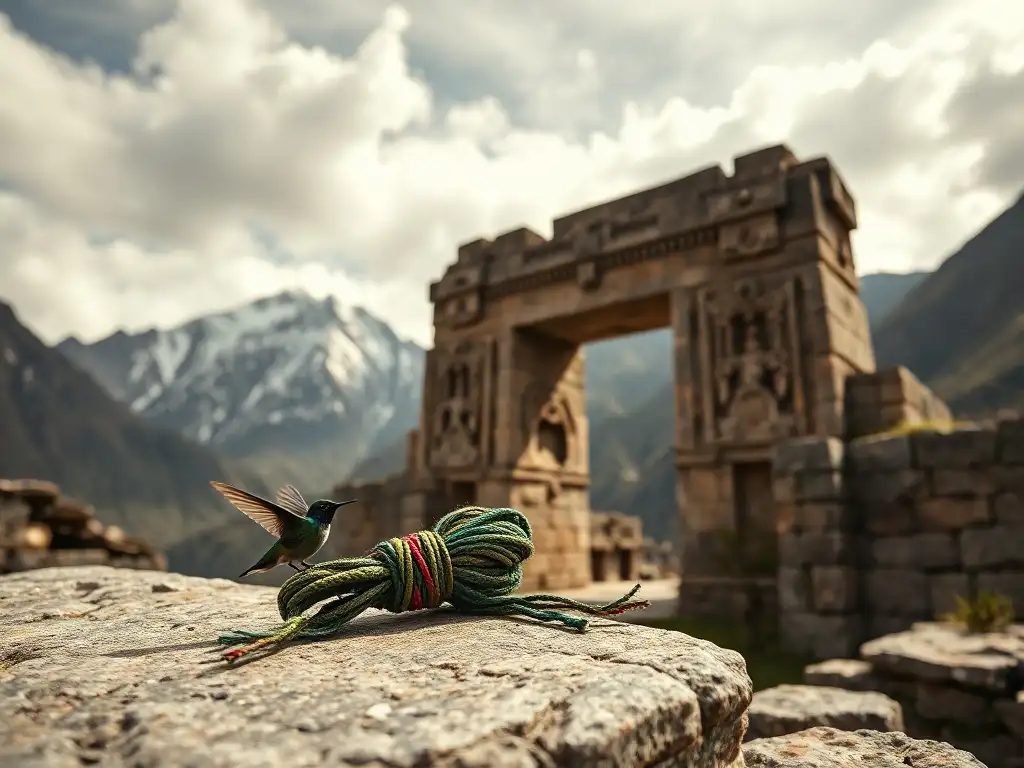
These officials, often fluent in Quechua, were instrumental in enforcing imperial policies and collecting tribute. Second, the Inca implemented a comprehensive system of record-keeping using quipus, knotted strings that served as a form of accounting and communication. While the precise nature of quipu information remains debated, it's clear that Quechua was crucial for interpreting and managing the data recorded on these strings. This standardized communication system, coupled with the widespread use of Quechua, ensured consistent reporting and efficient resource allocation across the vast empire.
Third, the Inca deliberately placed Quechua speakers in key administrative positions throughout the conquered territories, effectively marginalizing local languages and cultures. This subtle yet effective strategy minimized resistance and strengthened the Inca's grip on power. The Inca's linguistic prowess in political control was a masterclass in strategic governance.
Quechua as a Unifying Force in the Inca Empire
Despite the diversity of cultures and languages within the Inca Empire, Quechua emerged as a powerful unifying force. While local languages were not entirely suppressed, the prominence of Quechua facilitated communication and interaction between different groups within the empire. This fostered a sense of shared identity and helped to integrate diverse populations into a larger imperial framework.
The Inca's promotion of Quechua was not merely a political strategy; it also had significant cultural implications. The standardization of language helped to disseminate Inca ideology and values throughout the empire, strengthening loyalty and reducing the risk of rebellion. Think of it as a form of cultural assimilation, albeit one achieved through linguistic means.
This unification, fostered by a common language, was essential for the Empire's stability and long-term survival. The Inca Empire's success in integrating diverse populations under a single banner can be partially attributed to its effective use of Quechua as a unifying language.
How the Inca Army and Administration Promoted Quechua
The Inca army and administrative system actively promoted the spread of Quechua. New recruits into the army were often taught Quechua, fostering communication and cohesion within military units. This ensured effective command and control, even across diverse linguistic backgrounds. Furthermore, the Inca's extensive road network, connecting all corners of the empire, facilitated the movement of people and ideas, further accelerating the adoption of Quechua.
The constant movement of soldiers, officials, and traders, all speaking Quechua, ensured its widespread use and understanding across the vast Andean landscape. Moreover, the Inca implemented a system of resettlement, relocating populations to different parts of the empire. This policy, while sometimes harsh, contributed to the spread of Quechua by placing speakers of the language in various locations.
This deliberate dispersal of Quechua speakers, coupled with the army's role in promoting the language, ensured that Quechua became a lingua franca across the vast expanse of the Inca Empire. The strategic integration of Quechua into the military and administrative structures of the Inca Empire is a testament to their sophisticated understanding of the power of language in consolidating political control. The influence of the Inca Empire on the Quechua language is undeniable, a legacy that continues to this day.
Quechua as a Lingua Franca: Implementation and Impact
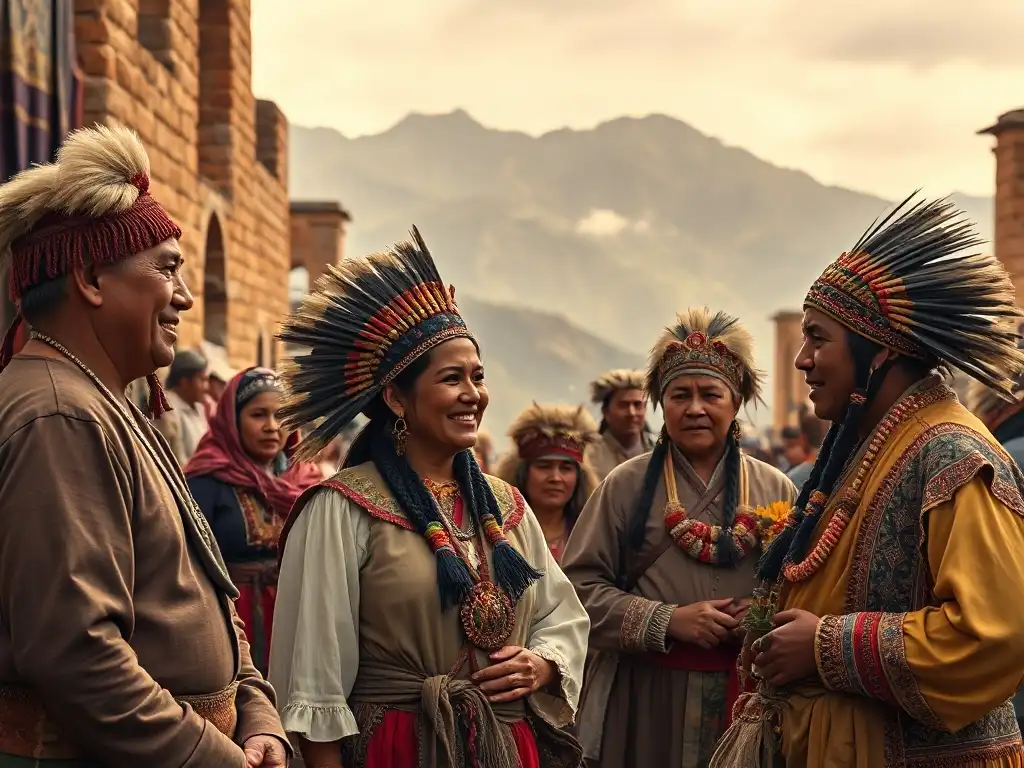
The Inca Empire's success wasn't solely based on military might and sophisticated infrastructure; a crucial element was its linguistic strategy. The skillful implementation of Quechua as a lingua franca facilitated communication, administration, and cultural integration across a vast and diverse empire, stretching from present-day Colombia to central Chile. This section delves into the specific mechanisms employed by the Inca to achieve this linguistic unification, examining the impact on the conquered populations and the long-term consequences for Quechua's evolution. Understanding the Inca Empire's Quechua language influence requires looking beyond simple dominance; it was a calculated strategy of integration.
The Inca Policy of Language Standardization
The Inca Empire didn't impose Quechua through brute force alone. Instead, a sophisticated policy of standardization and promotion was employed. This involved several key strategies:
- Promoting Quechua in Administrative Centers: Inca administrators and officials were tasked with teaching Quechua in newly conquered regions. This was particularly focused on key administrative hubs and urban centers, creating a network of Quechua speakers that could then spread the language outwards. This wasn't a top-down imposition, but rather a strategic placement of linguistic ambassadors.
- The Role of the Yanaconas: The Yanaconas, a class of skilled artisans and specialists often relocated to different parts of the empire, played a significant role in linguistic dissemination. Their specialized skills were valuable across the empire, and their mobility helped spread Quechua organically. They acted as linguistic bridges, facilitating communication between different groups.
- Religious and Ritual Practices: Religious ceremonies and rituals were conducted in Quechua, further reinforcing its importance and promoting its adoption. The inherent authority associated with religious practices helped to establish Quechua as the language of power and prestige. This strategy subtly but effectively linked the language to the Inca's legitimacy and control.
The effectiveness of these policies is evidenced by the widespread adoption of Quechua in many parts of the Andes, even in regions where other languages were dominant before the Inca expansion. The Inca Empire's Quechua language influence wasn't simply a matter of conquest; it was a sophisticated program of cultural and linguistic engineering.
Quechua's Adoption in Conquered Territories
The adoption of Quechua wasn't uniform across the empire. Resistance certainly existed, and many local languages continued to be spoken alongside Quechua. However, several factors contributed to its widespread adoption:
- Economic Incentives: Fluency in Quechua often provided economic advantages, particularly within the imperial administration. Access to trade, employment opportunities, and participation in the empire's economic systems were often linked to Quechua proficiency. This created a strong incentive for learning the language.
- Social Mobility: Knowledge of Quechua could facilitate social mobility, allowing individuals from conquered territories to rise within the imperial hierarchy. This created a powerful draw for individuals seeking upward movement in the new social order.
- Intermarriage and Cultural Exchange: Intermarriage between Inca officials and members of conquered populations played a crucial role in linguistic assimilation. This created a new generation of bilingual speakers, further solidifying Quechua's position within the social fabric. The exchange of cultural practices and beliefs further helped to normalize Quechua.
The process wasn't always smooth; local languages often persisted alongside Quechua, leading to the development of numerous Quechua dialects and variations. The Inca Empire's Quechua language influence was a complex interaction between imperial policy and local adaptation.
The Creation of Administrative and Religious Vocabulary in Quechua
The Inca didn't simply impose Quechua; they actively adapted and expanded it to meet the needs of a vast and complex empire. This involved:
- Administrative Terminology: New words and expressions were coined in Quechua to describe administrative functions, political structures, and economic concepts. This created a specialized vocabulary for governance and administration within the empire. Examples include terms for specific taxes, governmental positions, and forms of land tenure.
- Religious and Mythological Concepts: Similarly, Quechua was enriched with terms related to Inca religion and mythology. This helped to integrate conquered populations into the Inca worldview. The incorporation of existing religious terminology from other Andean languages into Quechua also occurred, showing a degree of cultural synthesis.
- Technological Vocabulary: The development of new technology and agricultural practices also necessitated the creation of new terms in Quechua. This ensured that the language could accurately reflect the technological advancements within the empire. [Specific examples of newly coined words pending].
This expansion and adaptation of Quechua demonstrate the Empire's ability to not only spread its language but also actively shape and develop it to meet its administrative and ideological needs. The Inca Empire's Quechua language influence is a testament to the empire’s sophisticated cultural engineering and its long-lasting impact on the Andean region.
Quechua as a Tool for Cultural Assimilation
The Inca Empire's strategic use of Quechua extended far beyond mere communication; it served as a powerful instrument for cultural assimilation. By imposing Quechua as the official language across the vast empire, the Inca rulers actively sought to homogenize the diverse cultural identities of the conquered populations. This wasn't simply a matter of linguistic dominance; it represented a deliberate attempt to erode the distinct cultural practices and beliefs of different ethnic groups. The standardization of language facilitated the standardization of administrative practices, religious beliefs, and social structures, creating a more unified, albeit centralized, imperial identity.
The impact of this linguistic policy was profound. Local languages, while not entirely eradicated, were gradually marginalized in administrative contexts. This meant that access to power, education, and economic opportunities was increasingly linked to proficiency in Quechua. Those who couldn't speak Quechua were at a significant disadvantage, hindering their social mobility and economic advancement.
This created an incentive for individuals to adopt Quechua, contributing to its widespread adoption across the empire. The process wasn't always smooth, however, and resistance to this linguistic imperialism undoubtedly existed, though its extent and forms remain areas of ongoing scholarly debate. Archaeological evidence, coupled with anthropological studies of later Andean societies, suggests a complex interplay of adaptation and resistance to the Inca's language policy.
Furthermore, the Inca's emphasis on Quechua wasn't solely focused on practical administration. The language became intertwined with the imperial ideology, with Quechua narratives and myths shaping the collective understanding of the Inca world. This created a shared cultural framework, fostering a sense of collective identity, albeit one largely dictated by the ruling elite.
The propagation of Inca myths and historical accounts through Quechua reinforced the legitimacy of the imperial power and helped to legitimize Inca rule in the eyes of the diverse populations within the empire. This subtle yet pervasive cultural influence was a critical component of the Inca's strategy of assimilation, solidifying their control over the conquered territories through a combination of political power and cultural hegemony. The long-term effects of this linguistic and cultural integration continue to resonate in modern-day Andean societies, where Quechua remains a vital part of the cultural landscape.
The Legacy of Quechua: Post-Inca Influence
The Inca Empire's strategic use of Quechua as a lingua franca left an undeniable mark on the Andean region, extending far beyond the empire's geographical boundaries and the period of Inca rule. Its lasting impact is evident in the continued presence of Quechua dialects across South America, shaping not only linguistic landscapes but also cultural identities. Understanding the post-Inca influence of Quechua requires examining its survival and adaptation in the face of colonization and globalization. The language's resilience speaks volumes about its importance to the communities that adopted and maintained it.
Analyzing this legacy helps to understand the complex interplay between language, power, and cultural preservation in the Andean world. The sheer number of Quechua speakers today is a testament to this enduring linguistic heritage. This enduring legacy highlights the power of language in forging a shared cultural identity, even across vast geographical areas.
The Survival of Quechua After the Spanish Conquest
The Spanish conquest of the Inca Empire in the 16th century presented a significant challenge to the dominance of Quechua. The Spanish colonial administration actively promoted Spanish as the official language, suppressing indigenous languages in an attempt to impose cultural homogeneity. Despite this deliberate suppression, Quechua persisted, demonstrating remarkable resilience.
Its survival can be attributed to several factors: the vast number of Quechua speakers within the empire’s former territories, the ingrained cultural significance of the language, and the strength of community ties that continued to value Quechua as a means of communication and cultural preservation. In many rural communities, Quechua remained the primary language of everyday life, even as Spanish gained prominence in urban centers and official contexts. The continued use of Quechua in religious practices, storytelling, and traditional ceremonies further cemented its place within Andean cultures.
This resistance to linguistic assimilation underscores the deep-rooted connection between Quechua and Andean identity. Many scholars cite the use of Quechua in hidden, coded forms of communication as another crucial factor in its preservation.
Quechua's Adaptation and Evolution Through Time
Quechua didn't simply survive the colonial period; it adapted and evolved. The contact with Spanish led to significant linguistic changes, including the incorporation of Spanish loanwords and the influence of Spanish grammatical structures. However, these changes did not fundamentally alter the core structure of Quechua. Instead, they reflect the dynamic nature of language and its capacity to absorb and integrate external influences while retaining its unique character. Different Quechua dialects also experienced varying degrees of change, showcasing the linguistic diversity within the language family itself. The emergence of new dialects and variations highlights the adaptability of Quechua in response to changing social and geographical contexts. The evolution of Quechua is a complex process reflecting both internal linguistic dynamics and external pressures. This ongoing evolution continues to this day, influenced by factors like migration, media, and globalization. Studying this evolution provides valuable insights into the processes of language change and adaptation.
Contemporary Quechua: Challenges and Revitalization Efforts
Despite its resilience, contemporary Quechua faces significant challenges. The dominance of Spanish and other global languages continues to pose a threat to Quechua's vitality, particularly in urban areas. Globalization, migration patterns, and the allure of economic opportunities associated with Spanish proficiency put pressure on Quechua speakers, especially younger generations. However, there are active and significant efforts to revitalize and promote Quechua.
These efforts include educational initiatives, the development of Quechua-language media, and the creation of cultural programs aimed at fostering pride in the language and its heritage. Government initiatives, coupled with community-based efforts, are working to protect and promote Quechua in various ways. The success of these revitalization efforts hinges on a multifaceted approach that combines language education, cultural preservation, and community empowerment.
The future of Quechua depends on the continued commitment of speakers and supporters alike in maintaining its presence in the modern world. The ongoing struggle to preserve Quechua reflects a broader global concern regarding the protection of linguistic diversity and cultural heritage. The fight for Quechua's survival underscores the importance of linguistic pluralism and the value of preserving indigenous languages.
The Enduring Influence of Inca Quechua Language
The Inca Empire's collapse in the 16th century didn't silence Quechua. Far from it. While Spanish colonization drastically altered the social and political landscape of the Andes, Quechua, the empire's official language, proved remarkably resilient.
Its continued use wasn't merely a matter of inertia; it was a testament to its deep integration into the fabric of Andean life. Even after the imposition of Spanish as the dominant language of administration and commerce, Quechua persisted as the primary language in many rural communities, maintaining its vital role in daily communication, storytelling, and cultural transmission. This enduring presence is a powerful indicator of the language's inherent strength and its profound connection to Andean identity.
The sheer number of Quechua speakers today, spread across several countries, stands as a remarkable testament to this linguistic legacy. The survival of Quechua represents not just the persistence of a language, but the enduring strength of Andean cultural traditions and the resilience of the communities that embraced it.
The continued use of Quechua after the Spanish conquest can be attributed to several factors. Firstly, the vast geographical area over which the Inca Empire spread meant that Quechua had already established itself as a lingua franca, facilitating communication between diverse ethnic groups. This pre-existing infrastructure made it easier for Quechua to survive the upheaval of colonization. Secondly, the Inca's administrative system, which relied heavily on Quechua, left a lasting imprint on the region.
Even after the Spanish dismantled the Inca bureaucracy, elements of the old system, including the use of Quechua in local interactions, persisted. Thirdly, the strong connection between Quechua and Andean cultural identity played a crucial role. For many Andean communities, Quechua was not simply a means of communication but an integral part of their cultural heritage, a symbol of their identity and a link to their ancestors.
This deep-rooted cultural significance ensured that Quechua continued to be valued and passed down through generations, despite the pressures of Spanish dominance. The tenacity of Quechua serves as a powerful example of linguistic resistance and cultural preservation in the face of colonial imposition. The language became a symbol of resistance and cultural preservation.
Furthermore, the linguistic landscape of the Andes today reveals the complex interplay between Quechua and Spanish. While Spanish holds a dominant position in official settings and urban centers, Quechua continues to thrive in many rural areas and increasingly in urban contexts as well. The coexistence of these two languages reflects a dynamic linguistic reality, where Quechua speakers often employ code-switching, seamlessly transitioning between Quechua and Spanish depending on the social context and their interlocutors.
This phenomenon demonstrates the adaptability and resilience of Quechua in the modern world. The ongoing use of Quechua highlights the importance of linguistic diversity and the value of preserving indigenous languages as vibrant expressions of cultural identity.
The continued evolution and adaptation of Quechua in the face of globalization underscore its enduring vitality and relevance in the 21st century. The language is not a relic of the past, but a living, breathing entity that continues to shape the lives and identities of millions of people.
Inca Empire Quechua Language Influence: Key Factors
The Inca Empire's remarkable expansion across the Andes Mountains wasn't solely achieved through military might. A sophisticated linguistic strategy, centered around the Quechua language, played a crucial role in unifying this vast and diverse empire. The Inca Empire Quechua language influence extended far beyond mere communication; it became a tool for political control, cultural assimilation, and economic integration. This section will delve into the key factors that facilitated Quechua's rise as the empire's lingua franca.
The Role of the Inca Elite in Promoting Quechua
The Inca elite actively promoted Quechua as the official language of the empire. This wasn't a passive process; it involved deliberate policies and actions aimed at establishing Quechua as the dominant language across all administrative levels. The Inca rulers, the Sapa Inca, and their appointed officials, kurakas, spoke Quechua, and its use was mandated in official settings. This top-down approach ensured that Quechua became the language of governance, law, and administration. The empire's extensive bureaucracy, which oversaw everything from taxation to public works projects, relied heavily on Quechua communication.
Furthermore, the Inca implemented a system of yanaconas, a class of state-sponsored artisans and laborers. Many of these yanaconas were relocated from their home regions, fostering a melting pot of cultures. To facilitate communication and cooperation amongst these diverse groups, Quechua was promoted as the common language, further cementing its importance within the imperial structure. The Inca's conscious effort to promote Quechua among the elite and the workforce was instrumental in its widespread adoption. This created a network of Quechua speakers that extended throughout the vast empire, solidifying its role as the primary language of communication.
The Impact of Inca Roads and Communication Networks
The Inca's sophisticated road network, the Qhapaq Ñan, was not only a marvel of engineering but also a crucial element in the spread of Quechua. These roads, stretching thousands of kilometers across challenging Andean terrain, facilitated rapid communication and transportation across the empire. Coupled with the chasquis, a system of relay runners, the roads enabled swift transmission of messages and the movement of people, including officials and traders, all of whom contributed to the dissemination of Quechua.
The efficient movement of people and information along the Qhapaq Ñan significantly aided the empire's linguistic standardization. The standardization of Quechua, while not entirely uniform across the empire, reduced linguistic barriers and fostered a sense of unity. The roads allowed for the relatively rapid spread of standardized Quechua vocabulary and grammar, minimizing regional variations and dialects.
Data regarding the precise number of chasquis and the frequency of their runs is unfortunately incomplete, but historical accounts suggest a highly effective communication system that played a vital role in Quechua's dominance. The Qhapaq Ñan itself can be considered a physical manifestation of the Inca Empire's commitment to linguistic unification.
The Importance of Oral Tradition in Spreading Quechua
While the Inca administration played a crucial role in promoting Quechua, the language's widespread adoption also relied heavily on oral tradition. The absence of a widespread writing system meant that the transmission of knowledge, stories, and cultural practices largely depended on oral communication. This oral tradition, rich in storytelling and folklore, naturally incorporated Quechua, further enhancing its penetration into the daily lives of the Andean population.
The use of Quechua in oral storytelling and traditional performances helped to embed the language within the cultural fabric of the empire. This organic spread of Quechua, fueled by daily interactions and cultural practices, complemented the top-down approach of the Inca elite. Unfortunately, much of this oral tradition has been lost to time, but the enduring presence of Quechua in modern Andean communities serves as a testament to the enduring power of oral transmission in shaping linguistic landscapes.
The influence of oral tradition on the Inca Empire's linguistic policies demonstrates the organic and cultural aspects of Quechua's spread, in addition to the formal, top-down strategies. The combined effect of these factors contributed significantly to Quechua's lasting legacy as a major language of the Andes.
The Long-term Effects of the Inca Linguistic Strategy
The Inca Empire's deliberate promotion of Quechua had profound and lasting consequences that resonate even today. The widespread adoption of Quechua as a lingua franca facilitated trade, administration, and cultural exchange across vast distances, fostering a sense of shared identity among diverse Andean populations. This linguistic unity, however, wasn't without its complexities.
While Quechua became a unifying force, it also contributed to the decline or even extinction of numerous local languages, a process that continues to be studied and debated by linguists. The loss of linguistic diversity represents a significant cultural loss, erasing unique ways of understanding the world and expressing cultural knowledge.
The enduring legacy of Quechua is undeniable. Despite the Spanish conquest and the subsequent imposition of Spanish as the dominant language, Quechua survived and continues to be spoken by millions across the Andes. This persistence highlights the resilience of the language and the cultural importance it holds for its speakers.
The continued use of Quechua demonstrates the power of the Inca's linguistic strategy to transcend political upheaval and colonial domination. Modern Quechua varieties, while diverse, still share a common ancestor, a testament to the long-term impact of the Empire's standardization efforts. Furthermore, the influence of Quechua can be seen in the vocabulary and grammar of other Andean languages, reflecting a complex process of linguistic borrowing and adaptation.
This linguistic heritage continues to inform cultural practices, beliefs, and social structures throughout the region. Further research is needed to fully understand the nuanced impact of Quechua's continued dominance on the cultural landscape of the Andes. For example, a detailed study comparing the rate of language shift in regions with strong Quechua presence versus those with weaker Quechua influence would provide valuable insights.
The long-term effects of the Inca's linguistic strategy are multifaceted, encompassing both positive and negative aspects. The creation of a widespread lingua franca fostered unity and facilitated communication, yet it also led to the suppression of other languages and a subsequent loss of cultural diversity. Understanding this complex legacy is crucial for appreciating the enduring impact of the Inca Empire and the rich linguistic tapestry of the Andean region.
The continued vitality of Quechua itself, however, serves as a powerful testament to the success of the Inca's linguistic vision, even in the face of significant historical challenges. Moreover, ongoing research into language revitalization efforts amongst various Quechua communities offers valuable insights into the ongoing struggle to preserve linguistic diversity in the face of globalization.
Quechua's Linguistic Features: A Brief Overview
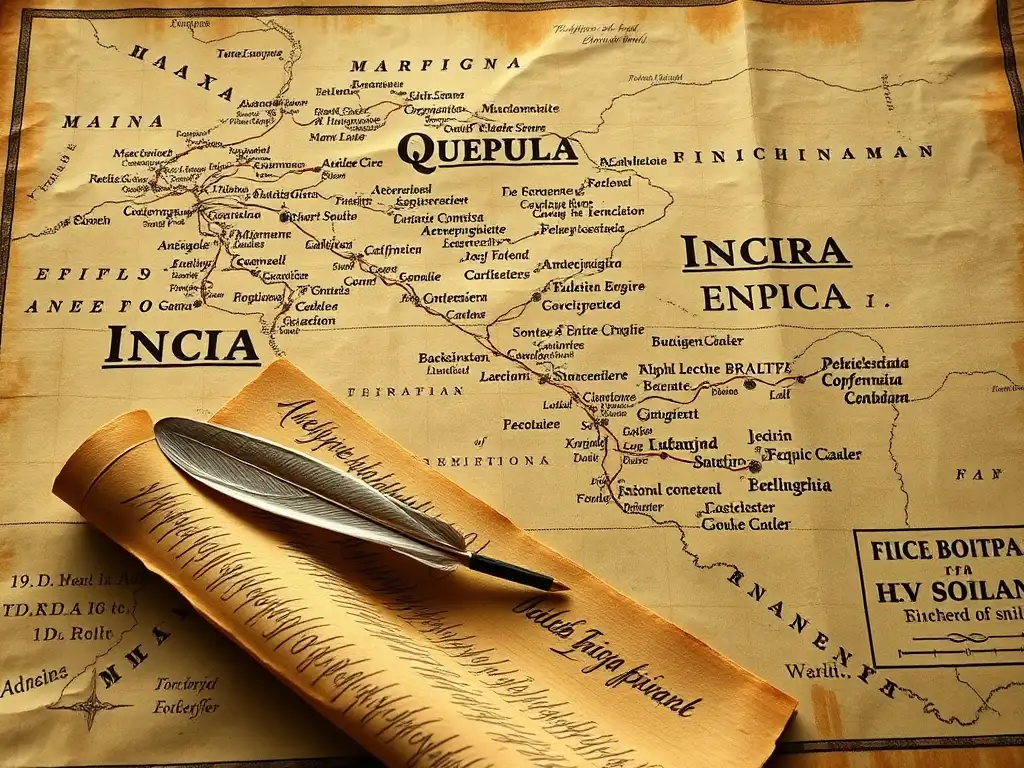
Quechua, the language of the Inca Empire, boasts a rich linguistic tapestry woven over centuries. Its influence extends far beyond its geographical origins, a testament to the Inca's sophisticated administrative and communication strategies. Understanding Quechua's unique linguistic features is key to appreciating its role in shaping the cultural landscape of the Andes and its lasting impact on the Inca Empire Quechua language influence.
This section will delve into the grammatical structure, phonology, and vocabulary that contributed to Quechua's success as a lingua franca across a vast and diverse empire. The spread of Quechua wasn't merely a matter of political power; it was facilitated by the language's inherent adaptability and features that made it relatively easy to learn and use.
Quechua Grammar and Phonology
Quechua grammar is characterized by its agglutinative nature, meaning that grammatical relations are expressed through suffixes attached to the root word. This allows for a high degree of morphological complexity, with single words expressing ideas that require multiple words in other languages. For instance, a single Quechua verb might incorporate tense, aspect, mood, person, and number all in one morpheme. This efficiency contributed to its ease of use and rapid adoption across diverse populations within the Inca Empire.
The phonology of Quechua varies slightly across different dialects, but generally features a relatively small inventory of phonemes. This simplicity, compared to other languages in the region, may have also contributed to its widespread adoption. Consonant clusters are rare, and the vowel system is relatively straightforward, making pronunciation relatively accessible for speakers of other Andean languages. The relatively simple phonological structure likely facilitated the learning process for those integrating into the Inca Empire's administrative and social structures, further solidifying the Inca Empire Quechua language influence.
The Structure of Quechua Sentences
Quechua sentence structure differs significantly from Subject-Verb-Object (SVO) languages like English. It typically follows a Subject-Object-Verb (SOV) order, although considerable flexibility exists depending on the context and emphasis. This SOV structure, combined with the agglutinative morphology, allows for a high degree of flexibility in word order without sacrificing grammatical clarity.
This flexibility may have made the language more adaptable to the diverse linguistic backgrounds of the Inca Empire's subjects. The ease of integrating different word orders likely contributed to Quechua's ability to incorporate vocabulary and grammatical features from other Andean languages, enriching its expressive capacity and further strengthening its position as a lingua franca.
Quechua Vocabulary and its Unique Characteristics
Quechua's vocabulary is remarkably rich and diverse, reflecting the diverse environments and cultures encompassed by the Inca Empire. While a core vocabulary was shared across dialects, regional variations existed, demonstrating the language's capacity for adaptation and assimilation. The Inca Empire actively promoted the standardization of Quechua, but regional variations persisted, highlighting the dynamic interplay between linguistic standardization and local cultural practices.
The incorporation of loanwords from other Andean languages further enriched Quechua's vocabulary, testament to the ongoing linguistic exchange within the empire. This adaptability and its ability to incorporate foreign terms without losing its core structure played a vital role in the Inca Empire Quechua language influence and ensured its longevity.
The resulting linguistic diversity, however, also presents challenges for modern linguists attempting to reconstruct the full extent of Quechua's vocabulary and its historical evolution. Further research is needed to fully understand the nuances of vocabulary variation across different Quechua dialects and their historical development within the Inca Empire.
Conclusion: The Lasting Impact of Quechua
The Inca Empire's strategic use of Quechua as a lingua franca left an indelible mark on the Andean region, shaping its linguistic landscape for centuries to come. While the empire itself crumbled, the language persevered, adapting and evolving alongside the diverse populations it once united. Understanding the mechanisms behind this linguistic success provides crucial insights into the Inca's administrative prowess and their ability to forge a cohesive, albeit vast, empire.
The impact of Quechua extends far beyond mere communication; it's a testament to the enduring power of language in shaping culture, identity, and the very fabric of a society. The legacy of Quechua continues to resonate today, serving as a powerful symbol of Andean heritage and a vital link to the past.
Further research into the nuances of Quechua dialects and their evolution can provide even richer understanding of the Inca Empire’s reach and lasting impact. The continued use and preservation of Quechua are crucial to understanding the complex history of the Andes and celebrating the richness of its cultural heritage.
The Significance of the Inca Linguistic Legacy
The Inca Empire's linguistic legacy is multifaceted. The standardization of Quechua, while initially serving administrative purposes, unintentionally fostered a sense of shared identity across diverse ethnic groups. This linguistic unity, albeit imposed, facilitated cultural exchange and the dissemination of Inca ideology and practices.
Even after the Spanish conquest, Quechua's survival demonstrates its resilience and its deep-rooted connection to Andean communities. The language continues to be spoken by millions today, a testament to its enduring power and the strength of Andean cultural traditions. The continued existence of Quechua serves as a powerful reminder of the pre-Columbian Andean civilizations and their sophisticated systems of governance and communication, challenging narratives that minimize their achievements.
Many modern Quechua speakers proudly maintain their linguistic heritage, actively resisting assimilation and preserving a vital part of their cultural identity. This linguistic preservation efforts also contribute to the broader understanding of Andean history and the rich tapestry of its diverse cultures.
The Importance of Preserving Quechua Heritage
Preserving Quechua is not merely an academic exercise; it's a crucial endeavor for maintaining cultural diversity and promoting social justice. The loss of Quechua would represent an irreplaceable loss of knowledge, history, and cultural expression. Many indigenous communities view the preservation of their language as intrinsically linked to their survival as distinct cultural entities.
Active efforts to promote Quechua education, revitalize its use in daily life, and document its rich oral traditions are essential. These efforts involve collaborations between linguists, educators, community leaders, and indigenous communities themselves. The successful preservation of Quechua will depend on the active involvement and empowerment of Quechua-speaking communities.
Supporting these initiatives is vital for ensuring the continued vibrancy of Andean cultures and their unique contributions to the world. The ongoing struggle to preserve Quechua highlights the importance of linguistic diversity and the need for policies that support indigenous languages globally. The survival of Quechua is a testament to the strength and resilience of Andean communities and their enduring connection to their ancestral past.
Understanding the Inca Empire through its Language
The Inca Empire's administrative efficiency and cultural impact are inextricably linked to its linguistic strategy. By analyzing the structure of Quechua, its dialects, and its evolution, scholars can gain valuable insights into the empire's social organization, its communication networks, and its methods of control. The standardization of Quechua facilitated the transmission of laws, decrees, and religious beliefs across vast distances.
Furthermore, the language itself reflects the Inca worldview, their social values, and their understanding of the natural world. The study of Quechua vocabulary, grammar, and syntax reveals clues about Inca cosmology, agriculture, and social hierarchies. For example, the specific terminology used to describe different agricultural practices or social roles provides insights into the complexity and sophistication of Inca society.
Analyzing the evolution of Quechua after the Spanish conquest reveals how the language adapted to new circumstances, reflecting both the resilience of the Andean people and the impact of colonization. The careful study of Quechua is, therefore, essential for a complete understanding of the Inca Empire and its lasting impact on the Andes.
Frequently Asked Questions
What role did Quechua play in the Inca Empire?
Quechua served as the official language of the Inca Empire, facilitating communication and administration across its vast and diverse territories. Its widespread use helped unify the empire and fostered a sense of shared identity.
How did the Inca Empire promote the use of Quechua?
The Inca implemented policies that encouraged Quechua adoption, including the resettlement of populations and the establishment of bilingual schools. Imperial officials were often required to be fluent in Quechua.
Was Quechua the only language spoken in the Inca Empire?
No, many other languages were spoken within the Inca Empire. However, Quechua's status as the official administrative language meant it was widely understood and used for communication between different groups.
What is the lasting legacy of Quechua's use in the Inca Empire?
Quechua remains a living language spoken by millions across the Andes today, a testament to the Inca Empire's linguistic legacy and its enduring impact on Andean cultures. It demonstrates the power of language in shaping identity and history.
How did the Inca Empire's linguistic strategy contribute to its success?
The Inca's promotion of Quechua as a lingua franca significantly aided in the administration and integration of the vast and diverse territories under their control. This efficient communication network contributed to the Empire's political and economic success.
Final Reflection: The Enduring Legacy of Quechua
The Inca Empire's strategic use of Quechua as a lingua franca continues to resonate today, a testament to the power of language in shaping not only empires but also enduring cultural identities. The echoes of this carefully constructed linguistic landscape are still heard across the Andes, a powerful reminder of the empire's sophisticated administrative and social engineering.
The impact of Quechua's standardization and widespread adoption is profoundly felt even now, centuries after the fall of the Inca Empire. Its survival and continued use in a diverse range of communities speaks volumes about its inherent strength and the enduring connection it fosters. Language is the blood of the soul into which thoughts run and out of which they grow.
- Margaret Fuller. This quote perfectly encapsulates the vital role Quechua played in the Inca's social fabric and its continued importance in maintaining cultural heritage across generations.
Consider the enduring power of language, and how it can both unite and divide. The Inca's success in forging a vast empire through linguistic unification offers a powerful lesson for us today. Reflect on the ways in which language shapes your own identity and community, and how we can use communication to build bridges rather than walls. Let the story of Quechua inspire you to appreciate the power of language and its capacity to connect us across time and space.
**Unleash Your Curiosity about Quechua! **
Thank you for exploring the fascinating linguistic legacy of the Inca Empire and the enduring presence of Quechua. We hope you gained a deeper understanding of Andean history and culture. Now, let's delve even further!
Here are some ways to engage more deeply with this vibrant cultural heritage:
- **Learn Quechua:** Enroll in a local class or online course to immerse yourself in this ancient language, still spoken by millions today. Experience its beauty firsthand!
- **Share your newfound knowledge:** Discuss what you've learned with friends and family, or share this article on social media to inspire others to appreciate the richness of Andean cultures.
- **Explore Inca heritage:** Plan a trip to the Andes to visit historical sites, or research community projects supporting Quechua-speaking communities. Help preserve this vital linguistic heritage!
What aspect of the Inca Empire's linguistic influence most surprised you, and how do you believe it continues to shape our understanding of identity in the modern world?