
Aymara Social Justice: Struggles for Equality and Recognition

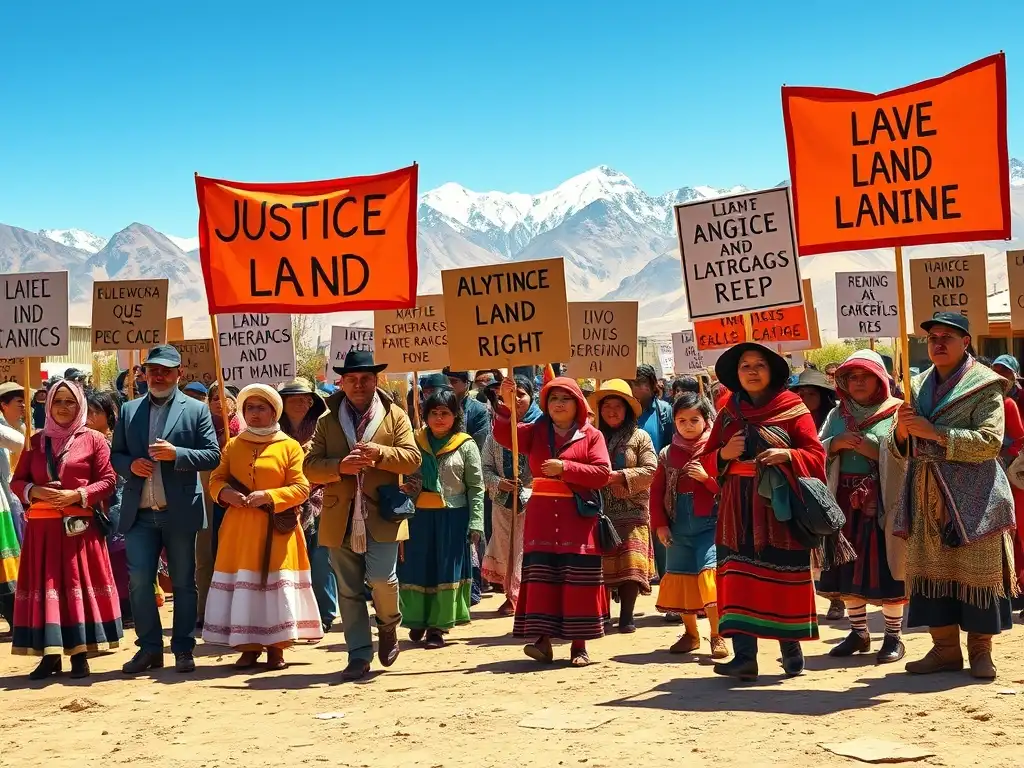
Step into a world lost to time, yet echoing with resilience. The Andean Civilizations website unveils the breathtaking tapestry of ancient cultures, from the intricate artistry of the Nazca to the sophisticated engineering of the Incas. But their legacy is not merely one of monuments and artifacts; it's a living history.
Prepare to be captivated by the ongoing struggle for justice and recognition, as we delve into the powerful Aymara social justice movement – a testament to the enduring spirit of a people determined to reclaim their voice. Discover how their fight for equality shapes their present and illuminates their past. Explore further and uncover the intricacies of this fascinating story.
The Aymara people, inhabiting the Andean highlands of Bolivia, Peru, and Chile, possess a rich cultural heritage stretching back millennia. Their history, however, is profoundly marked by colonization, marginalization, and ongoing struggles for social justice and recognition.
This article delves into the complex history of the Aymara, examining the socio-political factors that have fueled their fight for equality, exploring the key moments and figures within the Aymara social justice movement, and highlighting their persistent pursuit of self-determination. Understanding the Aymara social justice movement requires acknowledging the deep-rooted historical injustices and the unwavering resilience of a people striving for a future where their rights and cultural identity are fully respected and celebrated.
We will explore the multifaceted aspects of this movement, from its historical roots to its contemporary manifestations, providing a comprehensive overview of this vital struggle for recognition and social change. The journey will illuminate the profound impact of colonialism and neocolonialism on Aymara communities and showcase the extraordinary strength and determination of the Aymara people in their pursuit of a just and equitable society.
Understanding the Aymara Context: History and Society
Aymara Ancestral Lands and Historical Dispossession
The Aymara ancestral lands, encompassing vast territories in the Altiplano, have been subject to centuries of encroachment and dispossession. From the Spanish conquest onwards, the appropriation of land and resources has systematically undermined Aymara livelihoods and cultural practices. This dispossession continues today, with issues such as land grabbing, mining concessions, and the privatization of water resources posing significant threats to their traditional way of life.
The struggle for land rights remains a central component of the Aymara social justice movement, demanding the return of ancestral territories and the recognition of their customary land tenure systems. The impacts of this historical injustice are far-reaching and continue to fuel social and economic inequalities. Quantifiable data on the extent of land loss is difficult to obtain due to the complexities of land titling and historical records, but anecdotal evidence and ongoing land disputes consistently highlight the urgency of addressing this issue.
The Aymara People: Cultural Identity and Resilience
Despite facing centuries of oppression, the Aymara people have demonstrated remarkable resilience in preserving their unique cultural identity. Their language, traditions, and spiritual beliefs have endured, serving as powerful symbols of resistance and cultural affirmation. The Aymara language, Aymara, remains a vital element of their identity, and its continued use despite pressures to adopt Spanish is a testament to their cultural tenacity.
The preservation of traditional practices, such as weaving, agriculture, and community-based governance structures, also reflects their commitment to maintaining their cultural heritage. This cultural resilience is intrinsically linked to their struggle for social justice, as the preservation of their culture is essential to their self-determination and autonomy. The continued practice of traditional forms of governance, for example, represents a direct challenge to centralized state power and a powerful assertion of self-determination.
Pre-Columbian Aymara Society and Governance
Before the arrival of the Spanish, Aymara societies were characterized by complex social structures and sophisticated governance systems. Archaeological evidence suggests a high level of social organization and a sophisticated understanding of agriculture and resource management. These pre-Columbian societies possessed intricate networks of trade and communication, indicating a level of political and economic sophistication that often goes unrecognized in historical accounts dominated by colonial perspectives.
Understanding these pre-Columbian structures is crucial to grasping the profound disruption caused by colonization and the ongoing struggle to reclaim Aymara agency and self-governance. Further research is needed to fully understand the nuances of pre-Columbian Aymara political organization and to effectively contrast it with the colonial and post-colonial structures that have impacted their societies.
Roots of Aymara Activism: Colonial and Post-Colonial Injustices
The Aymara social justice movement is rooted in centuries of colonial and post-colonial injustices, including forced labor, land dispossession, cultural suppression, and economic exploitation. These historical injustices have created deep-seated inequalities and fueled ongoing struggles for social and economic justice. The movement's emergence can be traced back to various historical moments of resistance, including uprisings against colonial rule and subsequent challenges to neocolonial policies.
The ongoing struggle reflects a continuous process of resistance against systemic oppression, demonstrating the enduring strength and determination of the Aymara people in their fight for equality. Specific examples of historical resistance, such as the Tupac Amaru II rebellion, are crucial in understanding the long history of Aymara resistance to oppression.
Key Figures in the Aymara Social Justice Movement
The Aymara social justice movement has been spearheaded by numerous influential figures who have played crucial roles in advocating for Aymara rights and promoting social change. These individuals, often community leaders, activists, and intellectuals, have dedicated their lives to fighting for social justice and self-determination.
While a comprehensive list is beyond the scope of this section, it is important to acknowledge the significant contributions of various individuals who have championed the cause of Aymara rights and equality. Further research is needed to fully document the contributions of all key figures involved in this movement, highlighting their individual roles and the collective impact of their actions.
The Aymara Fight for Self-Determination and Autonomy
The Aymara social justice movement is fundamentally a struggle for self-determination and autonomy. This involves reclaiming control over their land, resources, and cultural heritage, while also demanding greater political representation and participation in decision-making processes that affect their lives. The pursuit of autonomy encompasses various aspects, from the revitalization of the Aymara language and culture to the establishment of community-based governance structures and the promotion of sustainable development initiatives.
This ongoing fight for self-determination highlights the importance of recognizing and respecting the rights of indigenous peoples to govern their own affairs and shape their own destinies. The specific strategies employed by the Aymara in their pursuit of self-determination vary across different regions and communities but are consistently rooted in the principles of collective action, cultural preservation, and political participation.
The Aymara social justice movement addresses a complex web of interconnected issues stemming from historical injustices and ongoing systemic discrimination. Central to their demands is the recognition of their collective rights and the dismantling of structures that perpetuate inequality. These demands are not simply abstract goals but are deeply rooted in the lived experiences of Aymara communities across the Andes. The fight for social justice is a fight for self-determination, encompassing various aspects of Aymara life and identity.
Understanding these key issues is crucial to grasping the depth and breadth of the Aymara struggle. The movement's success hinges on the ability to articulate these demands effectively and to build broad alliances that support their cause. Ignoring these demands risks perpetuating a cycle of marginalization and disenfranchisement.
Land Rights and Resource Management in Aymara Communities
For centuries, Aymara communities have faced dispossession of their ancestral lands, often due to exploitative practices by external forces. This land dispossession has had devastating consequences for their livelihoods and cultural survival. The struggle for land rights is therefore a fundamental aspect of the Aymara social justice movement. This involves reclaiming ancestral territories, securing legal recognition of communal land ownership, and ensuring equitable access to natural resources like water and minerals.
The movement advocates for sustainable resource management practices that respect traditional Aymara knowledge and protect the environment. Specific cases of land grabbing and the subsequent legal battles fought by Aymara communities highlight the ongoing struggle for land justice. The fight is not just about physical land; it's about reclaiming control over their means of subsistence and preserving their cultural heritage tied to the land.
Linguistic Rights and the Promotion of the Aymara Language
The preservation and promotion of the Aymara language is a crucial component of the social justice movement. For generations, the Aymara language has been marginalized, with Spanish often imposed as the dominant language in education, government, and other public spheres. This linguistic marginalization contributes to cultural erosion and limits Aymara people's access to opportunities. The movement actively advocates for bilingual education programs that value and integrate the Aymara language, ensuring its transmission to future generations.
Furthermore, they push for official recognition of Aymara as an equal language in legal and administrative contexts. This fight for linguistic rights is intrinsically linked to the broader struggle for cultural survival and self-determination. The revival and revitalization of the Aymara language are seen as vital for reclaiming cultural pride and empowering Aymara communities.
Aymara Cultural Heritage and its Protection
The rich cultural heritage of the Aymara people, encompassing their traditions, beliefs, and artistic expressions, has been repeatedly threatened throughout history. The Aymara social justice movement actively works to protect and promote this heritage, recognizing its fundamental importance to their identity and well-being. This includes safeguarding sacred sites, promoting traditional arts and crafts, and supporting the transmission of traditional knowledge across generations.
The fight against cultural appropriation and the commodification of Aymara culture are also key aspects of this struggle. The movement advocates for policies and initiatives that recognize the intrinsic value of Aymara culture and its contribution to the broader cultural landscape. Protecting this heritage is not merely a matter of preserving historical artifacts; it is about preserving the very essence of Aymara identity and ensuring its continuity for future generations.
Fighting Discrimination and Racism Against Aymara People
Aymara people continue to face systemic discrimination and racism in various spheres of life, including education, employment, healthcare, and access to justice. This discrimination often manifests in subtle yet pervasive ways, creating significant barriers to social mobility and economic empowerment. The Aymara social justice movement actively fights against these forms of discrimination and racism, advocating for equal opportunities and the dismantling of discriminatory structures.
This involves raising awareness about the pervasiveness of racism, challenging discriminatory practices, and promoting intercultural understanding. The movement also works to empower Aymara people to challenge discrimination and assert their rights. Addressing these forms of discrimination is essential for achieving true social justice and ensuring the full participation of Aymara people in all aspects of society.
Aymara Representation in Politics and Decision-Making
Historically marginalized from political processes, the Aymara social justice movement actively seeks to increase Aymara representation in government and decision-making bodies at all levels. This is crucial for ensuring that Aymara voices are heard and their concerns are addressed in policy formulation and implementation. The movement advocates for policies that promote greater political participation and representation, including affirmative action measures and electoral reforms.
Achieving meaningful political representation is essential for ensuring that Aymara interests are not only heard but also acted upon. This struggle underscores the importance of inclusive governance and the need for political systems that truly reflect the diversity of the population.
The Aymara social justice movement employs a diverse range of strategies and tactics to achieve its goals. These strategies are often interwoven and adapt to the specific context and challenges faced by Aymara communities. The movement’s effectiveness hinges on its ability to strategically combine various approaches to maximize impact and create lasting change. A key characteristic is the movement’s resilience and adaptability in the face of ongoing challenges.
Community Mobilization and Grassroots Organizing
Community mobilization and grassroots organizing are at the heart of the Aymara social justice movement. This involves building strong networks and alliances within Aymara communities and with other social movements. Grassroots organizing empowers Aymara people to take collective action, voice their concerns, and demand change. The movement relies on participatory processes that ensure that community members are actively involved in shaping strategies and decisions. This bottom-up approach fosters a sense of ownership and collective responsibility for the movement's goals.
Legal Battles and Advocacy for Aymara Rights
The Aymara social justice movement utilizes legal strategies to advance Aymara rights and challenge discriminatory laws and policies. This involves working with legal professionals to file lawsuits, advocate for legislative changes, and engage in strategic litigation. These legal battles are often long and complex, but they are an essential tool for securing legal recognition of Aymara rights and challenging unjust systems. The movement's success in legal battles often serves as a catalyst for broader social change.
Cultural Resistance and Artistic Expressions of Aymara Identity
Cultural resistance plays a crucial role in the Aymara social justice movement. Aymara artists, musicians, and writers use their creative expressions to challenge dominant narratives, reclaim their cultural heritage, and promote Aymara identity. These artistic expressions serve as powerful tools for resistance, empowerment, and social change. The movement utilizes art as a means of preserving and promoting Aymara culture while simultaneously resisting oppressive forces.
International Solidarity and Networking
The Aymara social justice movement actively seeks international solidarity and networking to amplify their voices and build support for their cause. This involves collaborating with international human rights organizations, engaging with international bodies, and building alliances with other social movements around the world. International solidarity provides crucial support in the form of funding, advocacy, and technical assistance. Networking with other social justice movements fosters knowledge sharing and strengthens the collective struggle for social justice.
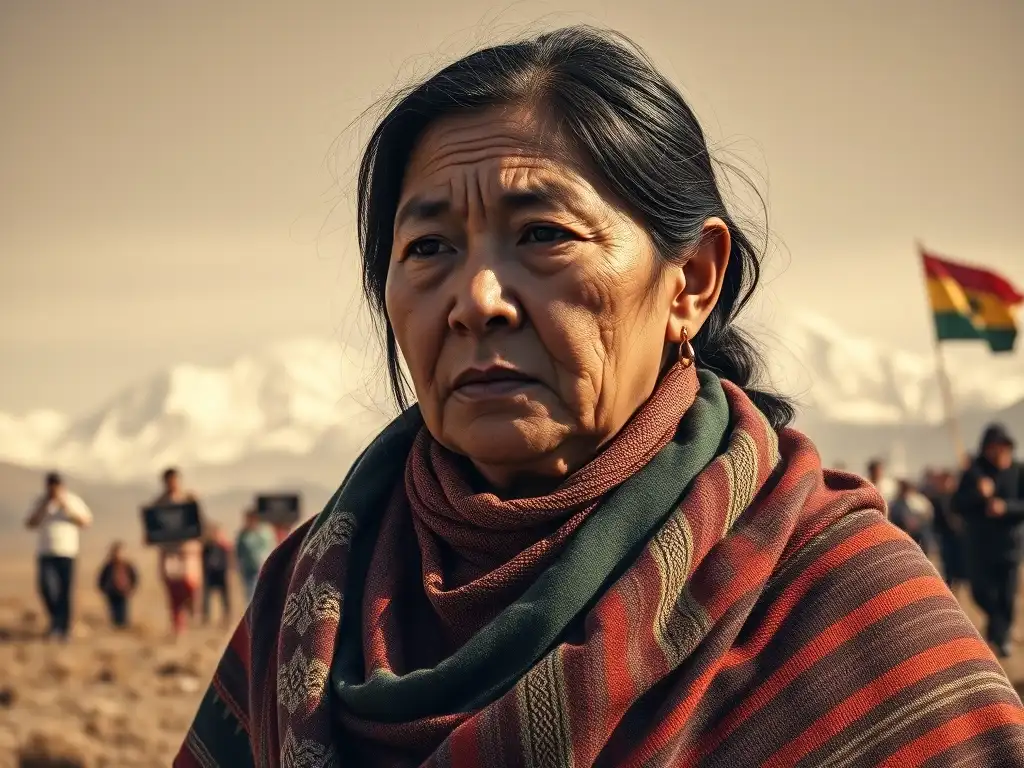
The Aymara social justice movement, while achieving significant milestones, faces persistent and complex challenges. These obstacles hinder the full realization of Aymara rights and aspirations, demanding sustained effort and strategic adaptation. The movement's progress is often punctuated by setbacks, highlighting the entrenched nature of systemic inequalities. Understanding these challenges is crucial for supporting the movement's continued growth and effectiveness.
Political Opposition and Government Repression
Political opposition remains a significant hurdle. Governments, even those claiming to represent indigenous interests, often prioritize economic development agendas that disregard or undermine Aymara land rights and cultural preservation. This can manifest as outright repression, including the criminalization of protests and the silencing of Aymara voices through censorship or intimidation. In some instances, government policies, while seemingly neutral, disproportionately impact Aymara communities, exacerbating existing inequalities. For example, [specific example of government policy negatively impacting Aymara communities pending]. This necessitates a constant vigilance and strategic engagement with political processes to advocate for policy changes that benefit Aymara communities.
Economic Marginalization and Inequality
Economic disparities are deeply ingrained within the Andean region. Aymara communities frequently experience severe economic marginalization, lacking access to education, healthcare, and economic opportunities available to dominant groups. This economic inequality fuels social injustice and limits Aymara people's ability to fully participate in society. The lack of access to credit, land ownership issues, and limited market opportunities contribute to a cycle of poverty that hinders the Aymara social justice movement's progress. Addressing this requires comprehensive economic development strategies that prioritize Aymara participation and empowerment. [Data on Aymara income levels compared to national averages pending].
Internal Divisions within the Aymara Movement
Internal divisions within the Aymara movement itself can weaken its overall impact. Differences in ideology, leadership styles, and priorities can lead to fragmentation and hinder collective action. These internal conflicts can be exploited by external forces, further undermining the movement's effectiveness. Building consensus and fostering unity among diverse Aymara groups is crucial for achieving common goals. Addressing these internal divisions requires open dialogue, collaborative leadership, and a commitment to inclusive decision-making processes.
The Ongoing Struggle for Aymara Recognition
The struggle for Aymara recognition is a continuous process. While some progress has been made in achieving formal recognition of Aymara rights, the actual implementation and enforcement of these rights remain a significant challenge. The lack of meaningful participation in decision-making processes that affect Aymara communities perpetuates a sense of marginalization. This ongoing struggle demands sustained activism, advocacy, and the mobilization of Aymara communities to ensure that their rights are not merely acknowledged but actively protected and upheld. The fight for recognition extends beyond legal frameworks to encompass cultural recognition and respect for Aymara traditions and values.
Despite the considerable challenges, the Aymara social justice movement has achieved notable successes. These achievements, while not fully resolving the existing inequalities, provide a foundation for future progress and inspire continued activism. The movement's impact extends beyond the Aymara communities, influencing broader social and political landscapes in the Andes.
Progress in Land Rights and Linguistic Recognition
Significant progress has been made in securing land rights and promoting linguistic recognition for Aymara communities. [Specific examples of successful land rights claims and linguistic recognition initiatives pending]. However, the full implementation of these rights remains inconsistent, and ongoing advocacy is necessary to ensure their effective enforcement. The struggle for land rights continues to be a central focus, as access to land is essential for economic self-sufficiency and cultural preservation. Similarly, the promotion of the Aymara language through education and public administration remains a crucial aspect of cultural revitalization.
The Impact of Aymara Activism on Andean Politics
Aymara activism has significantly impacted Andean politics, raising awareness about indigenous rights and influencing policy debates. The movement's persistent advocacy has led to the inclusion of indigenous perspectives in government policies and initiatives, albeit often with limited impact. The increased visibility and political participation of Aymara communities have challenged traditional power structures and contributed to a broader discourse on social justice and equality in the Andes. [Specific examples of Aymara activism influencing Andean politics pending].
Future Challenges and Opportunities for the Aymara People
The future of the Aymara people hinges on addressing existing challenges while capitalizing on emerging opportunities. The movement needs to adapt its strategies to engage with new technological tools and strengthen its alliances with other social movements. The integration of younger generations into the movement is crucial for ensuring its long-term sustainability. Moreover, fostering economic development strategies that empower Aymara communities is essential for achieving lasting social justice. [Specific examples of emerging opportunities for Aymara communities pending].
Case Study: The Mallku Movement and Water Rights in Bolivia
The Mallku movement in Bolivia provides a compelling case study of Aymara activism focused on water rights. This movement successfully challenged the privatization of water resources, highlighting the critical link between environmental justice and social justice for Aymara communities. The Mallku movement's strategies and achievements offer valuable lessons for other social justice movements working to protect natural resources and defend community rights. [Detailed information on the Mallku movement's strategies and achievements pending].
Aymara Youth and the Future of the Movement
Aymara youth represent the future of the movement. Their engagement in social media, education, and political activism is crucial for sustaining the momentum of the struggle for social justice. Empowering Aymara youth through education, leadership training, and opportunities for participation is essential for ensuring the long-term success of the movement. Investing in the next generation of Aymara leaders is critical for the movement's continued relevance and effectiveness. [Data on Aymara youth participation in the social justice movement pending].
The Aymara social justice movement holds profound significance for understanding the broader tapestry of Andean civilizations. Their struggle for recognition and equality isn't isolated; it reflects the ongoing challenges faced by numerous Indigenous communities across the Andes who have historically been marginalized and denied their rights. The Aymara experience serves as a crucial case study, illuminating the systemic issues of colonialism, land dispossession, and cultural suppression that continue to affect the region.
By examining the Aymara's fight for justice, we gain valuable insights into the complex interplay between Indigenous rights, national identities, and the ongoing legacies of historical oppression within Andean societies. Their resilience and continued activism offer powerful lessons about the importance of preserving cultural heritage and achieving social equity for all.
Furthermore, the Aymara movement inspires other marginalized groups within the Andes and globally, demonstrating the power of collective action and the enduring strength of Indigenous resistance. Understanding their struggle is key to understanding the enduring complexities of Andean social and political landscapes.
Aymara Contributions to Andean Cultural Identity
The Aymara people have made invaluable contributions to Andean cultural identity, shaping its artistic expressions, spiritual beliefs, and social structures for millennia. Their unique language, Aymara, is a vital component of Andean linguistic diversity and a testament to their enduring cultural heritage. Traditional Aymara art forms, including textiles, ceramics, and music, continue to be practiced and celebrated, enriching the broader cultural landscape of the Andes.
Their agricultural practices, adapted to the challenging Andean environment, represent a remarkable feat of ingenuity and sustainability, contributing significantly to the region's food security and environmental stewardship. Aymara social structures, based on community participation and reciprocal relationships, offer alternative models of governance and social organization that contrast sharply with Western models, highlighting the rich diversity of Andean social systems.
The preservation and promotion of Aymara cultural heritage is essential not only for the Aymara people themselves but also for the broader Andean region, contributing to a more inclusive and representative cultural identity. The continued vitality of Aymara culture strengthens the cultural richness of the Andes as a whole.
The Importance of Indigenous Rights in the Andean Region
The fight for Aymara social justice underscores the critical importance of Indigenous rights in the Andean region. The historical marginalization and oppression of Indigenous populations, including the Aymara, have resulted in profound social, economic, and political inequalities. Respecting and upholding Indigenous rights, including the right to self-determination, cultural preservation, and land ownership, is essential for achieving social justice and promoting sustainable development in the Andes.
The recognition of Indigenous languages, like Aymara, as official languages is a crucial step towards linguistic diversity and cultural revitalization. Furthermore, the implementation of policies that promote Indigenous participation in political processes and decision-making is vital for ensuring their voices are heard and their interests are represented. Ignoring Indigenous rights perpetuates a cycle of inequality and undermines the potential for inclusive growth and social harmony in the Andean region.
The struggle for Aymara social justice highlights the need for a comprehensive approach to Indigenous rights that addresses historical injustices and promotes a more equitable future for all Andean communities. The recognition of Indigenous rights is fundamental to building a just and sustainable future for the Andean region.
Lessons from the Aymara Struggle for Social Justice
The Aymara struggle for social justice offers several valuable lessons for social movements globally. Their persistent activism, despite facing significant challenges and oppression, demonstrates the power of collective action and the importance of sustained resistance in the face of injustice. Their emphasis on community mobilization and grassroots organizing highlights the effectiveness of bottom-up approaches to social change.
The Aymara movement also demonstrates the crucial role of cultural preservation and linguistic revitalization in empowering marginalized communities. The integration of traditional knowledge and practices with modern strategies for social justice highlights the potential for innovative and culturally relevant approaches to social change. Finally, the Aymara experience underscores the importance of international solidarity and support in amplifying the voices of marginalized communities and advocating for their rights on a global stage.
By studying the Aymara struggle, activists and scholars can learn valuable strategies for building strong, resilient, and effective social movements focused on achieving social justice and equality. Their perseverance serves as a beacon of hope and inspiration for ongoing struggles for social justice worldwide.
- Understanding the Aymara Context: History and Society
- The Rise of the Aymara Social Justice Movement
- Aymara Social Justice: Key Issues and Demands
- Strategies and Tactics of the Aymara Social Justice Movement
- Challenges and Obstacles Facing the Aymara Social Justice Movement
- Aymara Social Justice: Achievements and Future Directions
- The Significance of Aymara Social Justice for Andean Civilizations
- What is the Aymara social justice movement?
- What are the main issues addressed by the Aymara movement?
- How does the Aymara movement relate to other Andean civilizations?
- What methods does the Aymara social justice movement utilize?
- What are some of the successes and challenges of the Aymara social justice movement?
Frequently Asked Questions
The Aymara social justice movement encompasses various grassroots efforts by the Aymara people to achieve social, economic, and political equality in Bolivia and other Andean countries. It's a fight for self-determination and recognition of their unique culture and history.
What are the main issues addressed by the Aymara movement?
Key issues include land rights, access to resources, cultural preservation, and political representation. The movement also fights against discrimination and marginalization.
How does the Aymara movement relate to other Andean civilizations?
The Aymara movement builds upon the historical struggles of all Andean peoples for autonomy and justice. Their fight connects to the legacies of the Inca, Tiwanaku, and other pre-Columbian societies, highlighting a continuous struggle for self-determination.
The movement employs various tactics, including protests, political organizing, community mobilization, and legal challenges. They often use traditional Aymara practices alongside modern strategies for advocacy.
The movement has achieved some important victories in land rights and political representation. However, ongoing challenges include systemic discrimination, economic inequality, and the need for continued advocacy to achieve full equality.
Final Reflection: Echoes of Resistance, Seeds of Change
The fight for Aymara social justice is not a relic of the past; it is a vibrant, ongoing struggle deeply intertwined with the present. The systemic inequalities faced by the Aymara people, from land dispossession to cultural erasure, continue to demand our attention and action. Ignoring their plight is not only morally reprehensible but also undermines the very fabric of a just and equitable society.
The enduring legacy of Aymara resistance, woven into the tapestry of their history and culture, profoundly impacts the social and political landscape of Bolivia and beyond. Their unwavering commitment to reclaiming their identity and rights serves as a powerful example for marginalized communities worldwide. The struggle for justice is a marathon, not a sprint. It demands perseverance, resilience, and unwavering belief in the power of collective action.
This quote encapsulates the spirit of the Aymara movement, a spirit that resonates far beyond their immediate context. Their fight for self-determination is a testament to the human spirit's capacity for hope and resilience in the face of adversity.
Consider the stories shared within this article. Reflect on the challenges faced by the Aymara people, and ask yourself: What role can you play in amplifying their voices and advocating for their rights? Let the echoes of their resistance inspire you to become an active participant in building a more just and inclusive world. Your voice, your actions, no matter how small, can contribute to a future where the Aymara people are not only recognized but celebrated for their rich culture and invaluable contributions to society.
**Join the Movement for Aymara Justice! **
Thank you for your interest in the critical issues surrounding Aymara social justice. Your commitment helps raise awareness and fosters a deeper understanding of the challenges the Aymara people face in their pursuit of equality and recognition. Let's turn this understanding into action!
Here's how you can make a difference:
- **Support Aymara-led organizations:** Many groups work tirelessly to advocate for Aymara rights. Consider volunteering your time or donating to support their vital work.
- **Amplify Aymara voices:** Share information about Aymara issues and achievements with your friends, family, and social networks. Help spread awareness and build understanding.
- **Learn more about Aymara culture and history:** Explore local events, online resources, and documentaries to deepen your knowledge and discover ways to get involved in supporting the Aymara community.
Consider how you can personally contribute to the empowerment and recognition of the Aymara people in your community and beyond.