
More Than Just Stories: The Practical Uses of Andean Oral Tradition

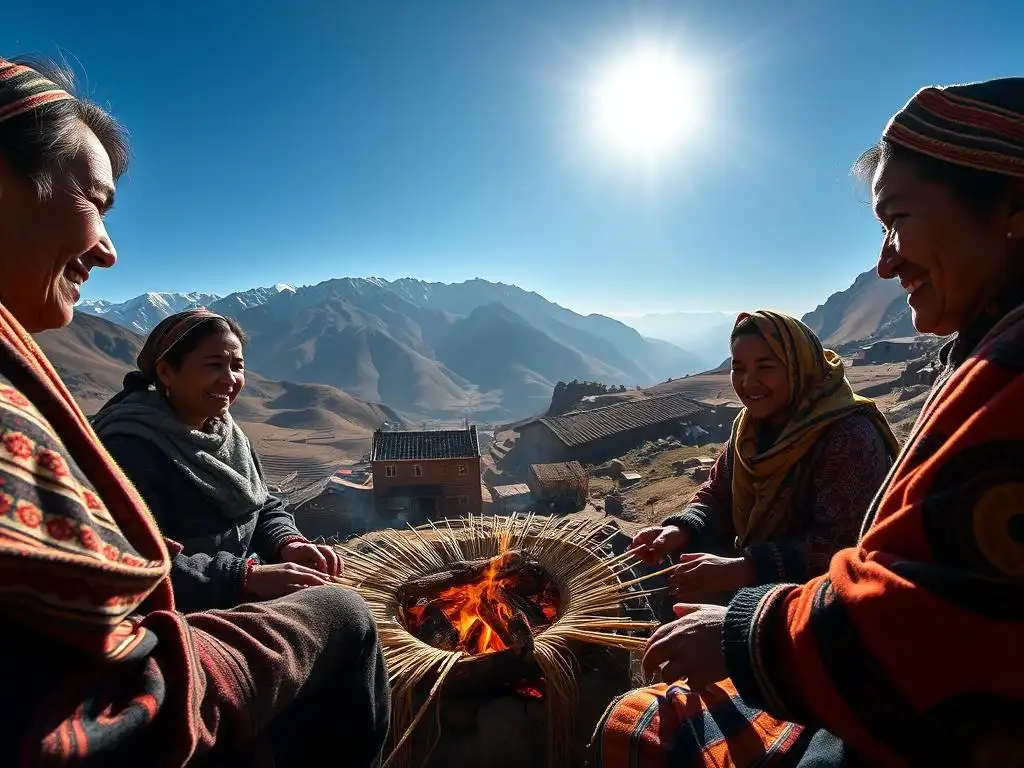
Welcome to Andean Civilizations, where the echoes of a lost world whisper secrets of ingenuity and resilience. Forget dusty textbooks – prepare to uncover the vibrant tapestry of Andean life, from the intricate artistry of the Nazca lines to the awe-inspiring engineering of Machu Picchu. But what if the most captivating stories lie not in stone, but in words? Dive into the fascinating world of Andean oral tradition practical applications and discover how these seemingly simple tales held the key to survival and societal success for millennia. Unravel the mysteries and prepare to be amazed.
The Andes Mountains, a spine of towering peaks stretching along the western coast of South America, are not only a geographical marvel but also the cradle of vibrant and complex civilizations. For millennia, these cultures—including the Incas, Moche, Nazca, and Tiahuanaco—flourished and developed sophisticated systems of governance, agriculture, and art.
However, unlike many other ancient societies that left behind extensive written records, a significant portion of Andean knowledge was transmitted through oral tradition. This article delves into the often-overlooked practical applications of this rich oral heritage, exploring how it served as a vital tool for survival, social cohesion, and the preservation of cultural identity, demonstrating the profound impact of Andean oral tradition on the daily lives and long-term sustainability of these remarkable societies.
We will move beyond romanticized notions of storytelling and uncover the concrete ways in which oral narratives shaped the Andean world. Understanding this aspect is crucial to appreciating the full depth and complexity of Andean civilizations and their lasting legacy.
Understanding the Depth of Andean Oral Tradition
Andean oral tradition wasn't simply a collection of entertaining tales. It was a sophisticated system of knowledge transmission encompassing a vast array of information crucial for daily life and societal function. This included detailed accounts of:
- Agricultural practices: Oral narratives passed down through generations meticulously documented optimal planting times, irrigation techniques, and crop management strategies adapted to the diverse Andean ecosystems. These weren't mere superstitions; they represented centuries of accumulated empirical knowledge, ensuring agricultural success and community survival. The precise details of these techniques, often encoded in poetic or mnemonic forms, were vital for sustaining the population.
- Medical knowledge: Traditional Andean medicine relied heavily on oral transmission of herbal remedies, diagnostic methods, and healing rituals. Shamans and healers were keepers of this knowledge, passing down complex formulas and therapeutic practices through carefully structured oral lessons and apprenticeships. This oral pharmacopoeia provided essential healthcare in the absence of written documentation.
- Social structures and laws: The intricate social hierarchies and legal systems of Andean societies were often codified and transmitted orally. Narratives detailing lineage, responsibilities, and customary laws maintained social order and resolved conflicts. These stories, often imbued with symbolic meaning, served as a powerful tool for social control and conflict resolution.
- Cosmological beliefs and worldview: Andean oral tradition played a crucial role in shaping the worldview and spiritual understanding of the people. Myths, legends, and creation stories explained the origin of the world, the relationship between humans and nature, and the role of deities and spirits. This understanding informed their daily lives, shaping their relationship with the environment and their social interactions.
Preservation of History and Cultural Identity Through Oral Narratives
Beyond the practical applications, Andean oral tradition served as the primary vehicle for preserving history and cultural identity. The absence of a widespread writing system meant that oral narratives became the repositories of ancestral knowledge, historical events, and cultural values. These narratives:
- Maintained genealogical records: Detailed family histories, often interwoven with mythical elements, were passed down orally, preserving lineage and social standing. This oral record of ancestry was critical for maintaining social structures and resolving inheritance disputes.
- Recorded significant historical events: Oral histories meticulously preserved accounts of wars, migrations, and other crucial historical events, providing a collective memory for the community. These narratives, often adapted and reinterpreted over time, shaped the community's understanding of its past and its identity.
- Transmitted ethical and moral codes: Stories illustrating ethical and moral principles played a vital role in shaping individual behavior and social cohesion. These narratives, often featuring exemplary or cautionary figures, served as a guide for conduct and helped to reinforce societal norms.
The richness and complexity of Andean oral tradition highlight its crucial role in the development and survival of these remarkable civilizations. It wasn't merely a form of entertainment; it was a sophisticated system for managing knowledge, maintaining social order, and preserving cultural identity. Understanding the practical applications of Andean oral tradition allows us to gain a deeper appreciation for the ingenuity and resilience of the Andean peoples. Further research into specific examples and detailed case studies will further illuminate the vast and multifaceted nature of this invaluable cultural heritage.
Practical Applications of Andean Oral Tradition in Agriculture
Traditional Agricultural Knowledge Passed Down Orally
Andean oral tradition wasn't just about myths and legends; it served as a vital repository of agricultural knowledge, passed down through generations. This knowledge, accumulated over millennia, encompassed everything from selecting the best seeds to understanding the intricate relationship between crops and the environment. The absence of a written language meant that this crucial information relied entirely on oral transmission, ensuring the continuity of farming practices crucial for survival in challenging Andean environments.
This oral transmission involved elaborate storytelling, songs, and mnemonic devices, ensuring accuracy and memorability across generations. The effectiveness of this system is evidenced by the sophisticated agricultural techniques employed by Andean civilizations, which allowed them to thrive in diverse and often harsh climates. For example, the intricate terrace farming systems, still visible in many Andean regions today, represent a testament to the power of orally transmitted knowledge.
Oral Instructions for Crop Rotation and Planting Techniques
The success of Andean agriculture depended heavily on sophisticated techniques like crop rotation and precise planting methods. These techniques, developed over centuries of observation and experimentation, were meticulously passed down through oral tradition. Elders, often revered for their knowledge and experience, played a crucial role in instructing younger generations on the optimal timing for planting, the ideal spacing between crops, and the most effective methods for managing soil fertility.
These instructions weren't simply rote memorization; they were embedded within narratives and songs, making them engaging and memorable. Specific examples include detailed instructions on the planting of potatoes – a staple crop – which varied depending on altitude, soil type, and microclimate. The oral transmission of this knowledge ensured the continued productivity of Andean farms, contributing to the food security of these communities.
The Role of Oral Tradition in Weather Prediction and Farming Schedules
Andean communities developed remarkably accurate methods of predicting weather patterns, relying heavily on oral tradition. Observations of celestial events, animal behavior, and changes in plant life were carefully documented and passed down through generations via stories and songs. This knowledge was critical in determining the optimal planting and harvesting times, minimizing risks associated with unpredictable weather conditions.
For example, specific types of clouds or the migratory patterns of certain birds might signal the onset of the rainy season, shaping crucial decisions related to planting schedules. The accuracy of these predictions, honed over centuries, showcases the deep understanding of the Andean environment embedded within their oral traditions. This illustrates the practical application of oral tradition in ensuring successful harvests and mitigating risks associated with the Andean climate.
Andean Oral Tradition in Medicine and Healthcare
Herbal Remedies and Medicinal Practices Shared Through Oral Accounts
Andean oral tradition played a pivotal role in the development and transmission of traditional medicine. Generations of healers passed down knowledge of medicinal plants, their properties, and their applications through storytelling, songs, and rituals. This oral pharmacopoeia encompassed a vast array of remedies for various ailments, reflecting a deep understanding of the medicinal properties of Andean flora.
The detailed descriptions of plant identification, preparation methods, and dosages, all conveyed orally, ensured the accurate transmission of this vital knowledge. This system was particularly effective in geographically isolated communities where access to written materials was limited, enabling the preservation and dissemination of valuable medical practices.
Transmission of Knowledge about Healing Rituals and Spiritual Well-being
Beyond herbal remedies, Andean oral tradition transmitted knowledge about healing rituals and practices that integrated physical and spiritual well-being. These rituals, often involving ceremonies, prayers, and offerings, were essential components of the Andean healing system. The complex procedures involved, including precise chants, gestures, and the use of specific objects, were carefully passed down through oral instruction, ensuring the continuity of these traditions.
This oral transmission ensured not only the preservation of the rituals themselves but also the associated beliefs and cultural contexts that give them meaning and efficacy. The importance of these rituals in maintaining community health and social cohesion cannot be overstated.
The Importance of Oral Tradition in Diagnosing and Treating Illnesses
Diagnosing and treating illnesses in Andean communities relied heavily on the accumulated knowledge embedded within oral traditions. Healers, often respected members of their communities, used oral accounts of symptoms, combined with their own observations and understanding of the patient's environment and lifestyle, to determine the cause of illness. The diagnostic process involved not only physical examination but also the consideration of spiritual and emotional factors, reflecting a holistic approach to healthcare.
The treatment plans, often involving a combination of herbal remedies, rituals, and dietary recommendations, were carefully communicated to the patient through oral instruction, ensuring understanding and adherence to the treatment regimen. This emphasizes the significant role of oral tradition in shaping Andean healthcare practices and their effectiveness in addressing diverse health needs.
The Practical Use of Oral Tradition in Community Organization and Governance
Oral Laws and Customs that Maintain Social Order
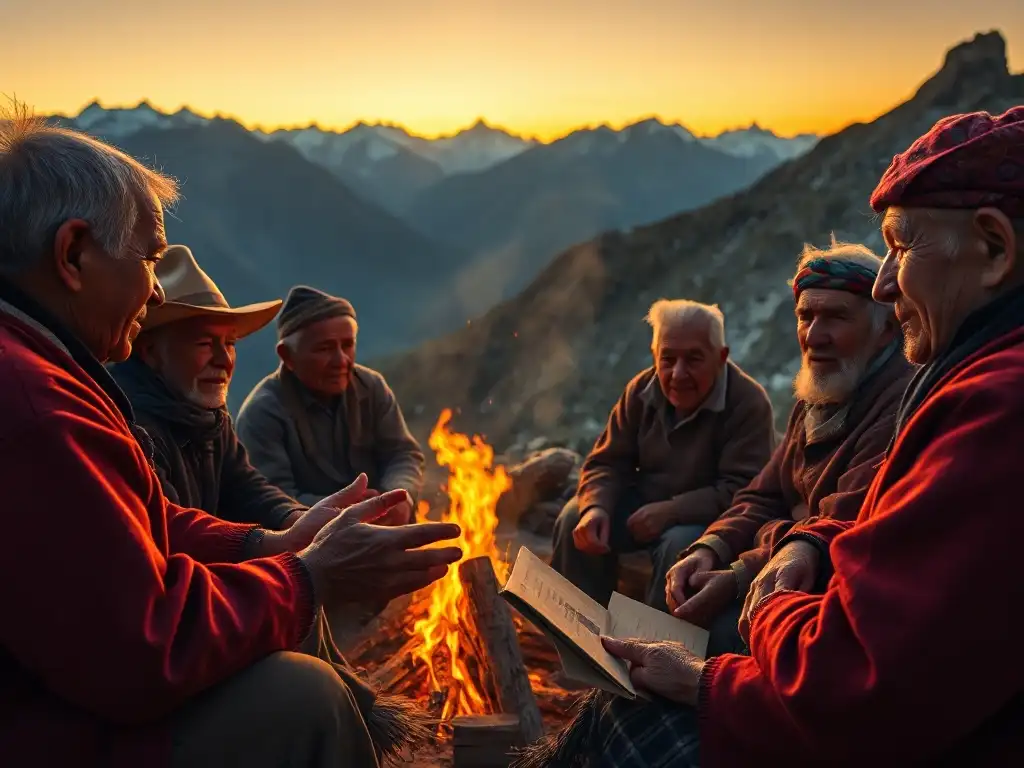
Andean oral traditions weren't merely entertaining narratives; they served as the bedrock of community governance. Oral laws, meticulously passed down through generations, dictated social behavior, land ownership, and dispute resolution. These weren't abstract concepts; they were living codes, constantly interpreted and reinterpreted within the context of the community's needs.
For example, in many Andean communities, the concept of ayni—reciprocal labor—was not just a principle but a legally binding custom, enforced through community pressure and social sanctions. Breaches of these oral laws could result in ostracism or other forms of social punishment, ensuring adherence to the established norms and maintaining social harmony. The effectiveness of these systems highlights the power of oral tradition in creating and sustaining cohesive societies.
These oral laws, often intertwined with religious beliefs and cosmological understandings, provided a comprehensive framework for social order, far more nuanced than written laws might capture. The specific details of these laws varied significantly between communities, reflecting the diversity of Andean cultures.
Transmission of Community History and Ancestral Rights
Oral tradition played a crucial role in preserving and transmitting community history and ancestral rights. Stories, songs, and rituals served as repositories of knowledge about land ownership, lineage, and historical events. This wasn't a passive transmission; it was an active process of remembering and reinterpreting the past in light of the present.
Elders held a vital position within these communities, acting as custodians of this historical knowledge. Their ability to recount genealogies, recount events of significance, and interpret the meaning of ancient sites ensured the continuity of cultural identity and the protection of ancestral claims. The accuracy and reliability of this information were crucial, as disputes over land or resources could have profound consequences for the community.
The narrative structure of these oral histories often incorporated symbolic elements and metaphors, making them memorable and resistant to distortion over time. This oral transmission of history ensured a sense of collective identity and fostered a strong connection to the past.
The Function of Oral Narratives in Conflict Resolution and Mediation
Beyond codified laws, Andean oral tradition provided a rich framework for conflict resolution and mediation. Narratives, often involving mythical figures or allegorical characters, served as guides for ethical conduct and peaceful conflict management. These stories weren't simply entertaining; they provided practical models for navigating interpersonal disputes and resolving community conflicts. For instance, stories about wise leaders who successfully mediated conflicts could be used as examples for community members to emulate.
The emphasis was often on reconciliation and restorative justice, rather than punishment. Mediators, often respected elders or community leaders, would draw upon these narratives to guide their decisions, ensuring that solutions were culturally appropriate and socially acceptable. This system, grounded in shared cultural values and ethical principles, offered a powerful alternative to formal legal systems, promoting harmony and social cohesion. The success of this approach underscores the importance of oral tradition in building strong and resilient communities.
Andean Oral Tradition in Education and Child Rearing
Oral Storytelling as a Tool for Moral and Ethical Instruction
Andean oral tradition was integral to the education and upbringing of children. Storytelling served as a primary means of transmitting moral and ethical values. Narratives, often embedded within myths and legends, conveyed lessons about respect for elders, community cooperation, and responsible behavior. These stories weren’t abstract moral lessons; they were engaging narratives that resonated with children, making ethical principles memorable and relatable.
Through these narratives, children learned about appropriate social behavior, the consequences of their actions, and the importance of respecting cultural norms. The use of allegorical characters and symbolic imagery enhanced the impact of these stories, making them both entertaining and instructive. The oral nature of this instruction ensured that the lessons were passed down through generations, reinforcing cultural continuity. The effectiveness of this method lies in its ability to integrate moral instruction seamlessly into the fabric of daily life.
Transmission of Cultural Values and Social Norms Through Narratives
Beyond specific moral lessons, Andean oral narratives also served to transmit broader cultural values and social norms. Stories about historical events, legendary figures, and everyday life reinforced the importance of community, reciprocity, and respect for nature. These narratives shaped children's understanding of their place within the community and their responsibilities towards others.
By internalizing these values through repeated exposure to oral narratives, children learned to navigate social situations and contribute to the well-being of their community. This immersive form of education fostered a strong sense of cultural identity and belonging, contributing to the social cohesion of Andean societies. The repetition and memorization inherent in the oral transmission process helped to embed these values deeply within the cultural consciousness.
The Use of Oral Tradition to Educate Children About Their Heritage
Andean oral traditions played a crucial role in educating children about their heritage. Through stories, songs, and rituals, children learned about their ancestors, their history, and their place within a larger cultural lineage. This wasn't simply a matter of historical knowledge; it was a vital process of cultural transmission, ensuring the continuity of traditions and values across generations.
The oral recounting of historical events, legendary figures, and ancestral practices fostered a strong sense of identity and pride in their cultural heritage. Children learned about the significance of sacred sites, the importance of traditional crafts, and the meaning of ancestral rituals, all through the engaging medium of oral storytelling.
This dynamic and immersive approach to education ensured that children developed a deep understanding of their cultural roots, strengthening their connection to their community and their past. This process of transmission fostered a sense of belonging and continuity, vital for the preservation of Andean cultures.
The Relevance of Andean Oral Tradition in Modern Times
Andean oral tradition, far from being a relic of the past, maintains significant relevance in contemporary Andean societies. Its continued use demonstrates its enduring practicality and adaptability. The transmission of knowledge through storytelling, songs, and rituals remains a vital part of daily life, shaping social structures, resolving conflicts, and guiding decision-making processes. This isn't simply a nostalgic adherence to tradition; it's a dynamic system that adapts to modern challenges while preserving its core values.
The practical application of this oral tradition is evident in various aspects of Andean life, from agriculture and medicine to governance and environmental stewardship. The stories themselves are not static; they evolve and adapt, reflecting the changing needs and experiences of the communities that preserve them. This organic evolution ensures the tradition remains relevant and useful across generations. The wisdom embedded within these narratives continues to provide valuable insights and solutions for contemporary issues.
Applying Ancient Knowledge to Contemporary Challenges
One striking example of the practical application of Andean oral tradition lies in its contribution to sustainable agriculture. Ancient techniques for water management, crop rotation, and pest control, passed down through generations via oral narratives and practical demonstrations, are being rediscovered and applied to address modern agricultural challenges. These traditional methods often prove more environmentally friendly and economically sustainable than modern, intensive farming practices.
For example, the intricate Andean terraces—whose construction and maintenance are detailed in oral histories—are being studied and replicated to combat soil erosion and optimize water usage in increasingly arid regions. Furthermore, indigenous knowledge of medicinal plants, preserved and transmitted orally, continues to be a valuable resource for healthcare providers and researchers seeking new treatments for various ailments. The vast pharmacopoeia contained within oral traditions represents a largely untapped resource for modern medicine.
The Role of Oral Tradition in Sustainable Development
The integration of Andean oral traditions into sustainable development initiatives is gaining increasing recognition. These traditions offer valuable insights into resource management, conflict resolution, and community building—all crucial components of successful development projects. The emphasis on collective well-being, environmental stewardship, and respect for ancestral knowledge, inherent in many Andean oral narratives, aligns perfectly with the principles of sustainable development.
By incorporating these traditions into development strategies, projects can become more culturally sensitive, participatory, and ultimately more effective. This approach recognizes the importance of local knowledge and empowers communities to participate actively in shaping their own futures. Ignoring this rich resource would be a significant oversight in any genuine effort towards sustainable development in the Andes.
Revitalizing Cultural Heritage Through Oral Narratives
The preservation and revitalization of Andean cultural heritage is inextricably linked to the safeguarding of oral traditions. These traditions are not merely historical artifacts; they are living expressions of cultural identity. By actively supporting the transmission of these narratives to younger generations, communities strengthen their cultural resilience and promote intercultural dialogue. Educational initiatives focused on documenting and teaching these traditions are playing a crucial role in this process.
Efforts to record and archive oral narratives, combined with community-based language revitalization programs, are helping to ensure that these invaluable stories remain accessible and vibrant for future generations. This active engagement with oral tradition fosters a sense of pride and belonging, contributing to the overall well-being and cultural sustainability of Andean communities. The active participation of elders in these initiatives is vital, ensuring the authenticity and continuity of the oral tradition.
The Enduring Value of Andean Oral Tradition's Practical Applications
The practical applications of Andean oral tradition are not simply historical curiosities; they are living, breathing components of Andean societies. From sustainable agriculture to healthcare and conflict resolution, the wisdom embedded within these traditions continues to provide valuable solutions to modern challenges. The enduring value of this oral heritage lies in its ability to adapt and evolve while maintaining its core principles of community, respect for nature, and the transmission of knowledge across generations.
Recognizing and supporting the continued use of Andean oral tradition is crucial not only for preserving cultural heritage but also for fostering sustainable development and promoting social justice in the Andes. The integration of this rich knowledge system into contemporary society promises a brighter future, one that respects both tradition and progress.
Its enduring relevance underscores the profound wisdom and adaptability of Andean cultures. The ongoing research and documentation of these traditions are essential to fully understand and appreciate their multifaceted contributions.
- Understanding the Depth of Andean Oral Tradition
- Preservation of History and Cultural Identity Through Oral Narratives
- Practical Applications of Andean Oral Tradition in Agriculture
- Andean Oral Tradition in Medicine and Healthcare
- The Practical Use of Oral Tradition in Community Organization and Governance
- Andean Oral Tradition in Education and Child Rearing
- The Relevance of Andean Oral Tradition in Modern Times
- The Enduring Value of Andean Oral Tradition's Practical Applications
Frequently Asked Questions
What is Andean oral tradition?
Andean oral tradition encompasses the stories, songs, myths, and proverbs passed down through generations in the Andes. It wasn't just entertainment; it served vital functions within their societies. These traditions were crucial for maintaining cultural identity and transmitting knowledge.
How did oral tradition impact Andean agriculture?
Oral tradition played a key role in agricultural practices. Farmers used memorized songs and stories to remember planting cycles, optimal locations, and techniques for cultivating crops, ensuring successful harvests. This knowledge was essential for their survival.
Oral traditions helped reinforce social hierarchies and customs. Myths and legends legitimized the power of rulers and explained social norms, ensuring the stability of Andean communities. Stories often served as moral lessons or guides to behavior.
Did Andean oral tradition influence their technology?
Yes, oral tradition significantly impacted Andean technology. Knowledge of building techniques, irrigation systems, and textile production was passed down through generations via songs, narratives, and practical demonstrations. This ensured the continuity of their advanced technologies.
How is Andean oral tradition relevant today?
Andean oral tradition remains relevant today as a source of cultural pride and identity. It continues to inform contemporary art, literature, and social movements. Its preservation is crucial for understanding the rich history and resilience of Andean communities.
Final Reflection: Weaving the Threads of Andean Wisdom
The enduring power of Andean oral tradition isn't merely a historical curiosity; it's a vibrant, living resource offering invaluable solutions to contemporary challenges. From sustainable agriculture practices embedded in ancient narratives to conflict resolution strategies passed down through generations, the practical applications of this rich heritage are more relevant today than ever before. We stand at a critical juncture, facing complex issues demanding innovative solutions, and the wisdom of the Andes offers a powerful pathway forward.
The profound impact of Andean oral tradition extends far beyond the realm of storytelling; it shapes identities, fosters community resilience, and provides a framework for understanding the intricate relationship between humans and their environment. Its influence resonates deeply within the cultural fabric of Andean communities, shaping their worldview and guiding their actions. The stories are not just stories; they are the living memory of our ancestors, guiding us towards a sustainable future.
This sentiment encapsulates the enduring legacy of this tradition, a legacy that continues to inspire and inform generations.
Consider the lessons embedded within these narratives: the importance of community, the respect for nature, and the enduring power of storytelling itself. You, the reader, hold the key to unlocking this wisdom. Explore the rich tapestry of Andean oral tradition, not just as a historical artifact, but as a dynamic resource brimming with practical applications for building a more just, sustainable, and harmonious world. Let the echoes of these ancient voices guide you towards a future where tradition and innovation intertwine.
Thank you for exploring the rich tapestry of Andean oral traditions with us! Your interest helps preserve these vital cultural treasures and deepens your understanding of a fascinating culture. Now, let's explore ways to actively participate in keeping these stories alive.
Here are a few ways you can connect with and celebrate these vibrant traditions:
- Share Andean Tales: Share a captivating Andean story with friends and family. Your storytelling can help preserve these rich narratives for future generations.
- Explore Local Resources: Visit your local library or community center to discover workshops, events, or groups focused on Andean culture and storytelling.
- Connect with Others: Join online forums or local cultural groups dedicated to Andean traditions. Sharing stories and experiences with like-minded individuals fosters a strong sense of community and helps preserve this important heritage.
Which Andean story resonates most deeply with you, and how can its wisdom enrich your life? Let's begin a conversation!