
Aymara Traditional Games: Recreation and Social Interaction

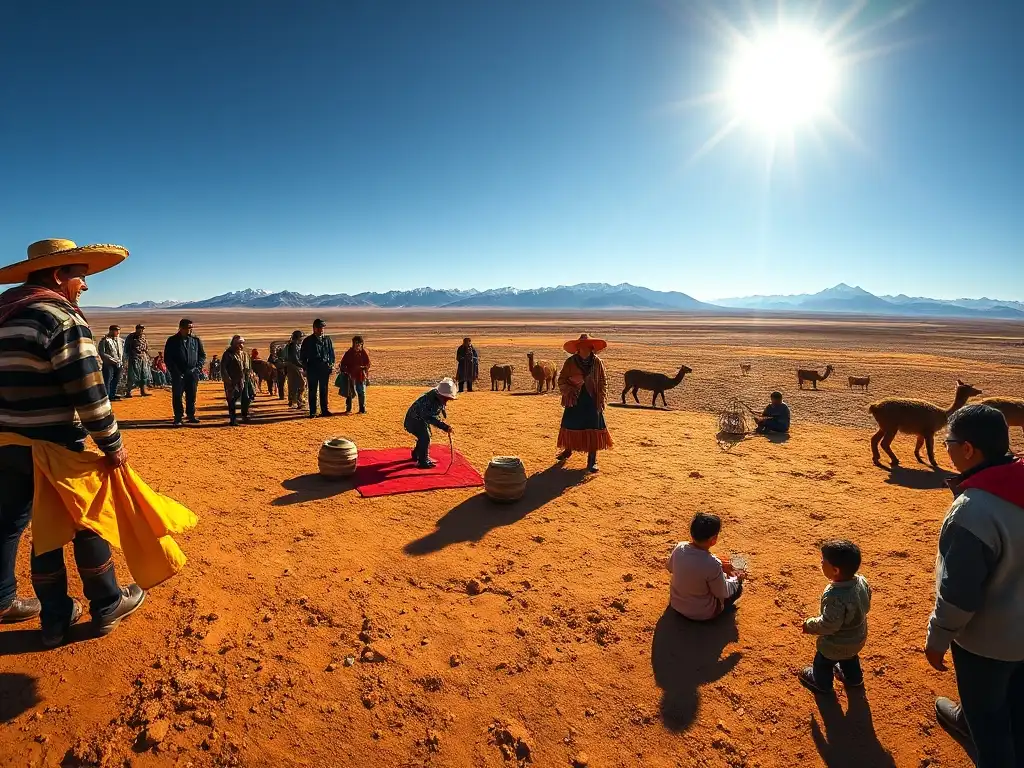
Step into a world lost to time, yet echoing with vibrant life. Imagine the sun-drenched landscapes of the Andes, where ancient civilizations thrived, leaving behind a legacy of breathtaking artistry and complex societies. Here, within the heart of "Andean Civilizations," we unravel the mysteries of these remarkable cultures. But what secrets do the playful traditions hold? Discover the fascinating history of Aymara traditional games, and uncover how recreation shaped social interaction in this captivating Andean world. Prepare to be amazed.
- Aymara Traditional Games: Recreation and Social Interaction in the Andes
- The Historical Roots of Aymara Games
- Key Aymara Traditional Games and Their Characteristics
- The Social and Cultural Role of Aymara Games
- How Aymara Traditional Games Are Preserved Today
- The Importance of Understanding Aymara Recreation
- Frequently Asked Questions
- Final Reflection: The Enduring Legacy of Aymara Games
- Unleash the Joy of Aymara Games!
The Aymara people, inhabiting the high Andes of Bolivia, Peru, and Chile, possess a rich cultural heritage deeply intertwined with their unique traditions. This article delves into the fascinating world of Aymara traditional games, exploring their historical significance, their role in fostering social interaction, and their enduring relevance in contemporary Aymara communities. Understanding these games provides a valuable window into the Aymara worldview, revealing their ingenuity, social structures, and deep connection to their environment.
We will examine how these games, passed down through generations, serve not only as forms of recreation but also as crucial mechanisms for maintaining cultural identity, strengthening community bonds, and transmitting vital knowledge and skills. This exploration of Aymara traditional games history will shed light on a captivating aspect of Andean cultural heritage, offering a glimpse into the vibrant past and present of this remarkable civilization.
The Historical Context of Aymara Games: A Legacy of Skill and Strategy
The history of Aymara traditional games is deeply rooted in their agricultural lifestyle and social organization. Many games reflect the challenges and triumphs of their daily lives, incorporating elements of farming, animal husbandry, and the intricate social structures of their communities. Archaeological evidence, though limited in directly depicting games, suggests that recreational activities played a significant role in Aymara society for centuries.
Oral traditions and ethnographic studies offer invaluable insights into the evolution and meaning of these games, revealing their connection to rituals, celebrations, and the transmission of cultural values. For example, games involving dexterity and precision might have been linked to agricultural practices requiring fine motor skills, while competitive games likely reflected the social hierarchies and cooperative efforts essential for communal survival in the harsh Andean environment. Further research is needed to fully uncover the historical depth and complexity of this aspect of Aymara culture.
Popular Aymara Traditional Games: A Diverse Range of Activities
Aymara traditional games showcase a remarkable diversity, reflecting the varied landscapes and social dynamics of the region. Some popular examples include:
- Taru: A game involving throwing small, carefully crafted stones at a target, testing both accuracy and strength. Variations exist depending on the specific community and available resources.
- Pichicata: A ball game played with a small, often handmade ball, requiring agility, teamwork, and strategic thinking. This game often incorporates elements of ritual and celebration.
- Pallay: A game focusing on skill and dexterity, often involving the manipulation of small objects. Specific rules and variations differ across regions.
- Awicha: This game involves a form of stick fighting, demonstrating both physical prowess and strategic thinking. It often incorporates ritualistic elements and can be competitive or cooperative, depending on the context.
These games are not just mere forms of recreation; they are integral to the social fabric of Aymara communities. Their rules, strategies, and even the materials used are often imbued with symbolic meaning, reflecting the values and beliefs of the Aymara people.
Aymara traditional games play a vital role in strengthening community bonds and transmitting cultural knowledge across generations. They offer opportunities for social interaction, fostering cooperation, competition, and a sense of shared identity. These games often serve as a focal point for community gatherings, festivals, and celebrations, reinforcing social cohesion and strengthening relationships. The transmission of game rules, strategies, and associated cultural knowledge from elders to younger generations ensures the continuation of this important tradition.
The playful yet structured environment of these games provides a valuable context for learning essential life skills, such as problem-solving, teamwork, and strategic thinking. These are skills that extend far beyond the game itself, contributing to the overall well-being and resilience of the Aymara communities. The preservation of these games is therefore crucial for the maintenance of Aymara cultural identity and the continuation of their rich heritage.
The ongoing documentation and preservation of Aymara traditional games are essential to ensure their survival and continued contribution to the vibrant cultural landscape of the Andes. Further research and collaboration with Aymara communities are crucial to fully understand and appreciate the rich tapestry of their games and their profound significance.
The Historical Roots of Aymara Games
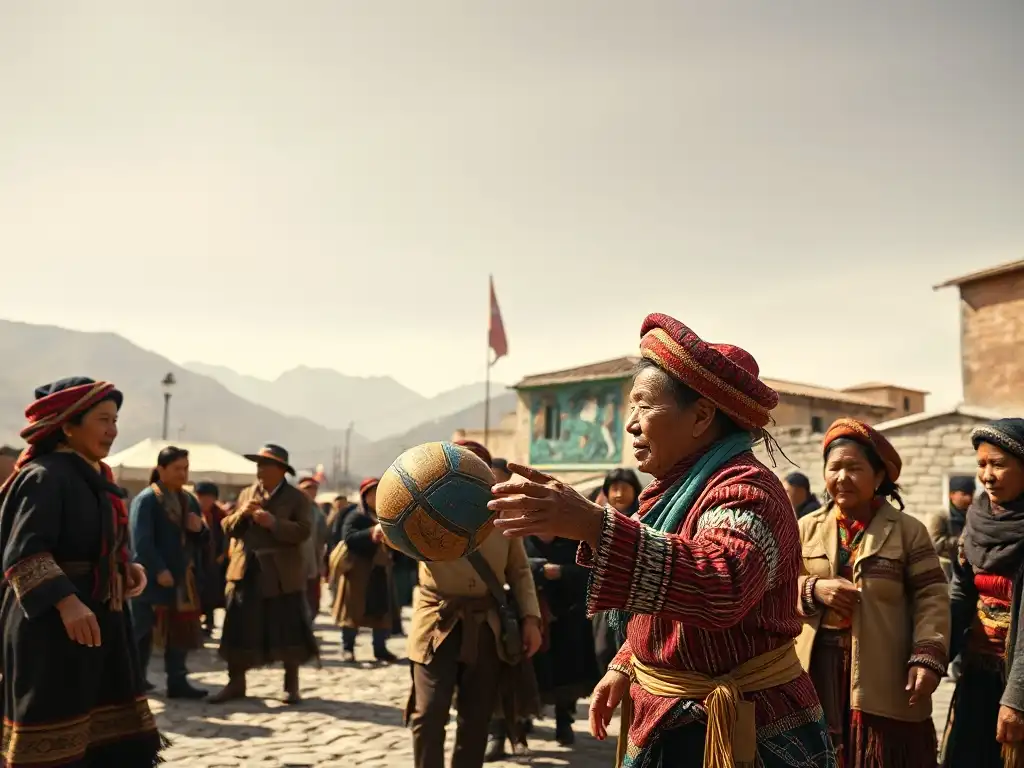
The history of Aymara traditional games is deeply intertwined with the social fabric and spiritual beliefs of the Aymara people. Understanding their historical roots requires examining their evolution from pre-Columbian times to the present day, recognizing the enduring legacy of these games in maintaining cultural identity and fostering community bonds. The games weren't merely recreational activities; they served crucial roles in social structure, skill development, and the transmission of cultural knowledge across generations.
This section delves into the fascinating history of Aymara games, revealing their significance within the broader context of Aymara history and culture. Keywords like "Aymara traditional games history," "Aymara cultural heritage," and "pre-Columbian games" will help readers locate this crucial information.
Pre-Columbian Aymara Pastimes and Their Significance
Archaeological evidence, although limited, hints at the existence of various forms of recreation among pre-Columbian Aymara communities. While specific rules and gameplay details remain largely unknown, depictions on pottery shards and textiles suggest games involving ball-like objects and possibly stick-and-ball activities. These early games likely served several functions:
- Physical training: Developing strength, agility, and coordination – essential skills for daily life in the challenging Andean environment.
- Social cohesion: Games provided opportunities for social interaction and the strengthening of community bonds. Winning and losing likely played a role in establishing social hierarchies and group dynamics.
- Religious and ritualistic purposes: Some games might have held ritualistic significance, connected to agricultural cycles, ancestor veneration, or other spiritual practices. [Specific examples of ritualistic games pending further research].
The scarcity of direct evidence necessitates further research into pre-Columbian Aymara material culture to fully understand the nature and importance of these early games. However, even the fragmentary evidence suggests a rich and complex history of recreational and ritualistic activities predating the Spanish conquest. The enduring presence of games in Aymara culture today points to a continuous tradition, subtly adapted and transformed over centuries.
Aymara Games: A Cultural Legacy Through Generations
The Spanish conquest profoundly impacted Aymara society, including its recreational activities. While some games might have been suppressed or modified, many persevered, adapting to new circumstances and incorporating elements from other cultures. This resilience showcases the importance of these games in maintaining Aymara cultural identity. The transmission of games across generations occurred through oral tradition, direct instruction within families, and community gatherings.
The continued practice of Aymara traditional games today highlights their enduring significance:
- Intergenerational bonding: Games provide opportunities for elders to share their knowledge and skills with younger generations, strengthening family and community ties.
- Cultural preservation: The games serve as a powerful vehicle for preserving Aymara traditions, language, and cultural values in the face of globalization and modernization.
- Tourism and economic development: In recent years, some Aymara communities have embraced Aymara traditional games as a form of cultural tourism, generating income and raising awareness of their heritage. This demonstrates a successful adaptation of tradition to meet contemporary needs.
The evolution of Aymara traditional games reflects the dynamism of Aymara culture, its ability to adapt while maintaining its core values. These games are not merely historical artifacts; they are living traditions, actively shaping the lives and identities of the Aymara people today. The continued study and documentation of these games are essential for ensuring their preservation for future generations. The ongoing research into the "Aymara traditional games history" promises to further illuminate the rich tapestry of Aymara culture.
Key Aymara Traditional Games and Their Characteristics
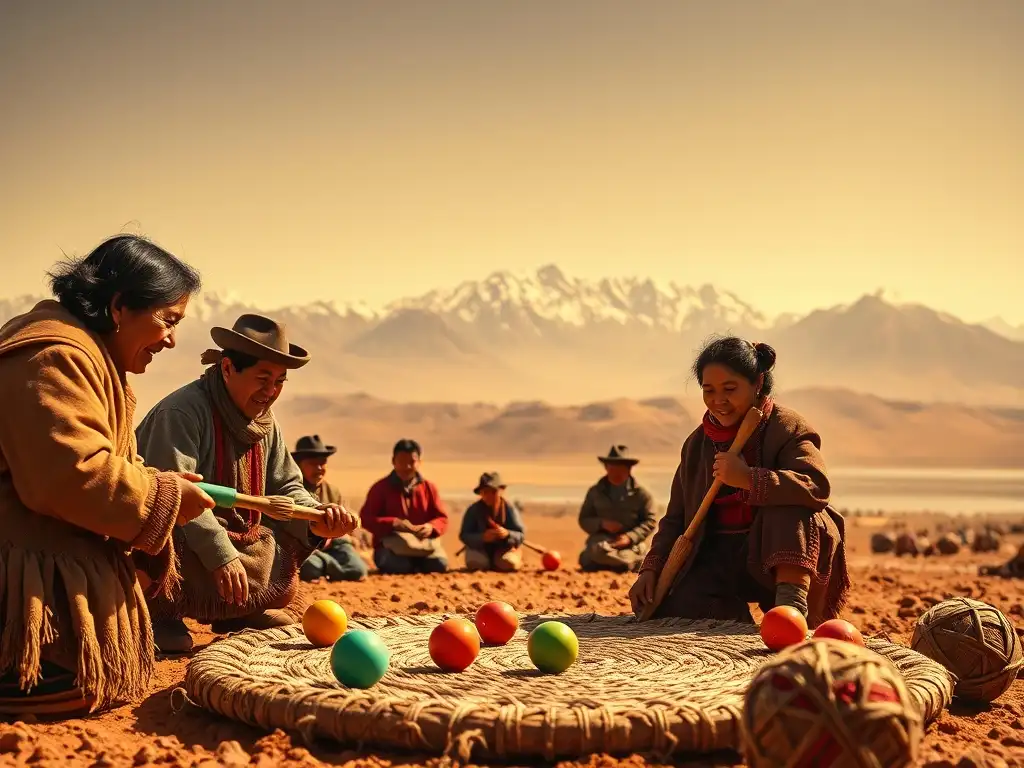
The Aymara people, inhabiting the Andes region of South America, possess a rich tapestry of traditional games that reflect their history, social structures, and deep connection to their environment. These games, passed down through generations, are not merely recreational activities; they are integral parts of Aymara cultural heritage, serving as vehicles for skill development, social interaction, and the transmission of cultural values.
Understanding the history and nuances of these games provides invaluable insight into the Aymara way of life and their enduring cultural identity. This section will delve into some key examples, exploring their unique mechanics and cultural significance within the broader context of Aymara traditional games history.
Ch'uk'i: A Game of Dexterity and Strategic Stone Placement
Ch'uk'i, a game often played on the ground using small, flat stones, showcases a remarkable blend of dexterity and strategic thinking. Players, typically two or more, take turns attempting to knock their opponent's stones out of a designated area. The game's simplicity belies its complexity; successful play requires not only precise throwing skills but also an understanding of angles, trajectory, and the strategic placement of one's own stones to create defensive barriers and offensive opportunities.
The stones themselves often hold symbolic meaning, sometimes representing specific animals or deities within the Aymara cosmology. The game's historical significance is reflected in its enduring popularity across generations and its integration into community gatherings and celebrations. While precise data on the game's origins is difficult to ascertain, archeological findings suggest similar games were played in the Andean region for centuries, showcasing a continuity of play across various cultures and time periods.
Further research into specific regional variations of Ch'uk'i and the materials used could illuminate aspects of the game's evolution and its adaptation to different environmental contexts. The analysis of ethnographic data regarding the rules and social dynamics surrounding Ch'uk'i could further enhance our understanding of its socio-cultural importance within the Aymara community.
Phuru: A Traditional Game of Skill Using Woven Discs
Phuru involves the skillful manipulation of small, intricately woven discs. These discs, often crafted from natural materials like reeds or grasses, demonstrate the Aymara people's exceptional craftsmanship and their deep connection to their natural surroundings. The game itself requires a high degree of hand-eye coordination and precision. Players toss the discs, aiming for specific targets or attempting to achieve particular arrangements on a designated playing surface.
The precise rules of Phuru can vary depending on the specific community or region. Some variations might involve scoring systems based on the accuracy of throws or the creation of certain patterns. Others may focus on the speed and dexterity of the players.
This inherent flexibility speaks to the adaptive nature of the game and its ability to integrate into the diverse social contexts of Aymara life. Understanding the regional variations of Phuru requires further ethnographic research, documenting the specific rules and traditions associated with each version of the game. Detailed analysis of the materials used to create the discs can also offer insights into local resources and crafting techniques.
Warak'a: The Aymara Sling Game and its Ritualistic Significance
Warak'a, the Aymara sling, transcends its function as a simple game; it holds deep symbolic and ritualistic significance within Aymara culture. While used for hunting and warfare historically, the sling's recreational use as a game emphasizes skill, precision, and the mastery of projectile motion. Competitions involving Warak'a often serve as social events, bringing communities together and fostering a sense of camaraderie and shared cultural identity.
The accuracy and distance achieved in Warak'a are often seen as indicators of strength, skill, and even spiritual prowess. In some communities, the sling is associated with specific deities or ancestral figures, further emphasizing its ritualistic importance. The design and construction of the Warak'a itself can vary, reflecting local traditions and artistic styles.
[Specific information pending] on the historical evolution of the Warak'a and its role in different Aymara ceremonies and rituals would provide a more comprehensive understanding of its cultural significance. Furthermore, detailed accounts of the social dynamics surrounding Warak'a competitions could reveal more about the game's role in maintaining social cohesion and transmitting cultural knowledge within the Aymara community. The study of Aymara traditional games history, particularly the Warak'a, offers a unique window into the complex interplay between recreation, ritual, and social life within this fascinating Andean culture.
Other Notable Aymara Games: From Wrestling to Footraces
Beyond the prominent games already discussed, the rich tapestry of Aymara culture includes a diverse array of other traditional games that reflect their history and social dynamics. These activities, often deeply intertwined with agricultural cycles and community celebrations, provide further insight into Aymara life and values. Wrestling, for example, wasn't just a display of physical strength; it was a ritualized contest often associated with important festivals and ceremonies, symbolizing the struggle against adversity and the triumph of the human spirit.
The rules and customs surrounding these wrestling matches varied across different Aymara communities, reflecting the regional diversity within the culture. Some matches involved intricate pre-bout rituals, while others emphasized speed and agility over brute force. The outcome of these contests frequently held symbolic significance, impacting social standing and community relationships.
Another significant category of Aymara traditional games encompasses footraces. These weren't simply races for speed; they often incorporated symbolic elements representing journeys, harvests, or even spiritual quests. Participants might run carrying objects representing crops or offerings to deities, adding a layer of cultural and religious meaning to the physical competition.
The distances covered in these races varied, from short sprints within a village to longer, more challenging runs across mountainous terrain. These races often served as occasions for community gatherings, fostering social cohesion and reinforcing shared cultural identities. The winners weren't just celebrated for their athletic prowess; they were often seen as possessing a certain spiritual strength or connection to the land.
Beyond wrestling and footraces, various ball games also played a crucial role in Aymara society. While the specifics of these games might have differed across regions, they often involved teamwork, strategy, and skillful manipulation of the ball. These games served not only as recreational activities but also as training grounds for developing essential skills like coordination, precision, and teamwork—qualities valuable in both agricultural work and communal endeavors.
The balls themselves were often crafted from locally sourced materials, reflecting the ingenuity and resourcefulness of the Aymara people. The significance of these ball games extended beyond mere entertainment; they often played a role in religious ceremonies and celebrations, further highlighting their integration into the fabric of Aymara society.
Understanding these games provides a more complete picture of Aymara life, moving beyond simple recreation to reveal the complex interplay of physical, social, and spiritual elements in their culture. Further research into specific regional variations of these games is needed to fully appreciate the breadth and depth of their historical significance.
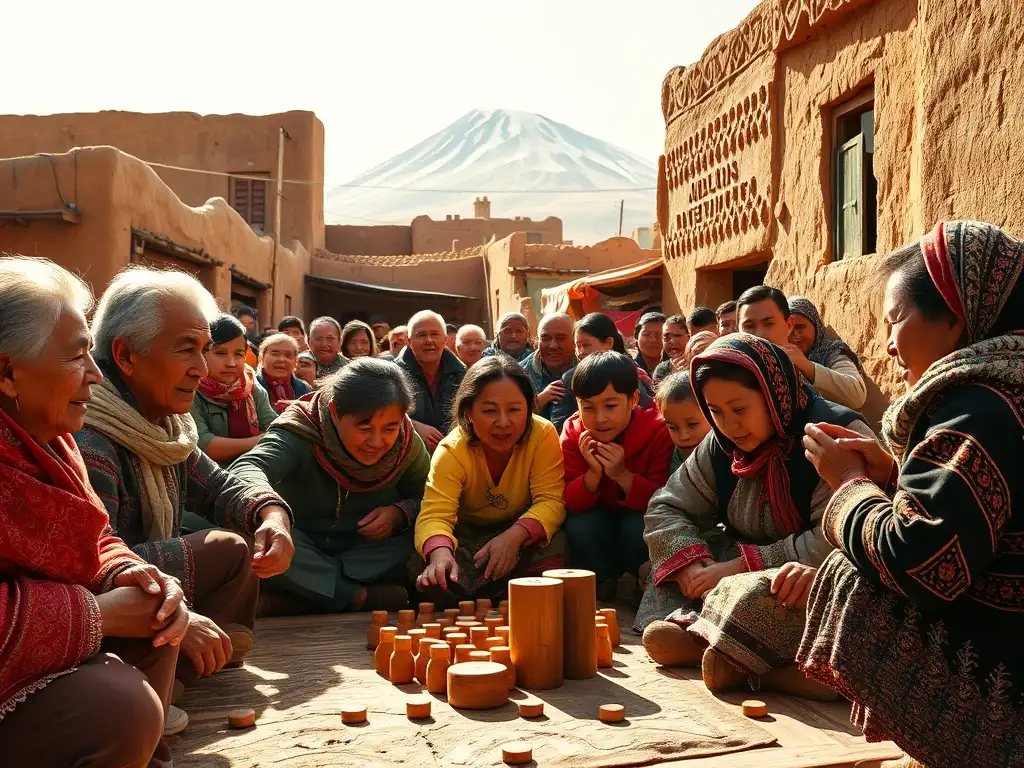
The history of Aymara traditional games is deeply intertwined with the social fabric of Aymara communities. These games weren't merely recreational activities; they served crucial roles in reinforcing social structures, transmitting cultural values, and fostering a sense of community. Understanding the significance of these games requires looking beyond the simple act of play and recognizing their profound impact on Aymara society.
Their importance in shaping Aymara identity and cultural transmission is undeniable, acting as a vital link between generations and a powerful tool for social cohesion. The enduring legacy of these games speaks volumes about their integral role in maintaining Aymara cultural heritage. The detailed study of Aymara traditional games history reveals a complex interplay between recreation, competition, and the preservation of cultural identity.
Aymara traditional games are not simply solitary pursuits; they are inherently social activities that strengthen community bonds. Games often involve large groups of people, promoting interaction and collaboration. For example, tinku, a ritualistic mock battle, while seemingly competitive, actually strengthens community ties through shared experience and collective participation. The preparation and execution of these games require teamwork and coordination, fostering a sense of shared responsibility and accomplishment.
The post-game celebrations further cement these bonds, creating a space for social interaction and the reinforcement of community identity. These events are not just about winning or losing; they are about strengthening social networks and reaffirming communal identity—a crucial aspect of Aymara culture and the preservation of their "Aymara traditional games history". The vibrant atmosphere during these events underscores their social significance, creating opportunities for individuals to connect, share stories, and reaffirm their shared heritage.
Games and Their Reflection of Aymara Values: Cooperation and Competition
Many Aymara games, while involving competition, also emphasize cooperation and teamwork. This reflects core Aymara values, highlighting the importance of collective effort and mutual support. Consider pallay, a traditional ball game: although teams compete, success depends on coordinated movement, strategic thinking, and mutual assistance among teammates. The emphasis is not solely on individual prowess but on collective achievement.
This nuanced blend of competition and collaboration mirrors the social dynamics within Aymara communities, where individual success is often intertwined with the well-being of the group. This delicate balance is a key element in understanding the "Aymara traditional games history" and the values they represent. The rules and structures of many games directly reflect and reinforce these social values, perpetuating them across generations.
The recreational aspect of Aymara traditional games is integral to their social function. They provide opportunities for stress relief, physical activity, and social interaction, contributing to the overall well-being of Aymara communities. These games offer a valuable outlet for expressing emotions, building relationships, and fostering a sense of belonging. The shared experience of playing and celebrating together strengthens social cohesion and reinforces a sense of communal identity.
The regular practice of these games helps maintain social harmony and provides a vital space for cultural transmission. The importance of recreation in maintaining the vibrant social life of Aymara communities cannot be overstated, contributing significantly to the enduring legacy of "Aymara traditional games history". Moreover, the games serve as a powerful tool for preserving cultural heritage and transmitting traditional knowledge to younger generations. The continuity of these games is a testament to their enduring importance in Aymara society.
How Aymara Traditional Games Are Preserved Today
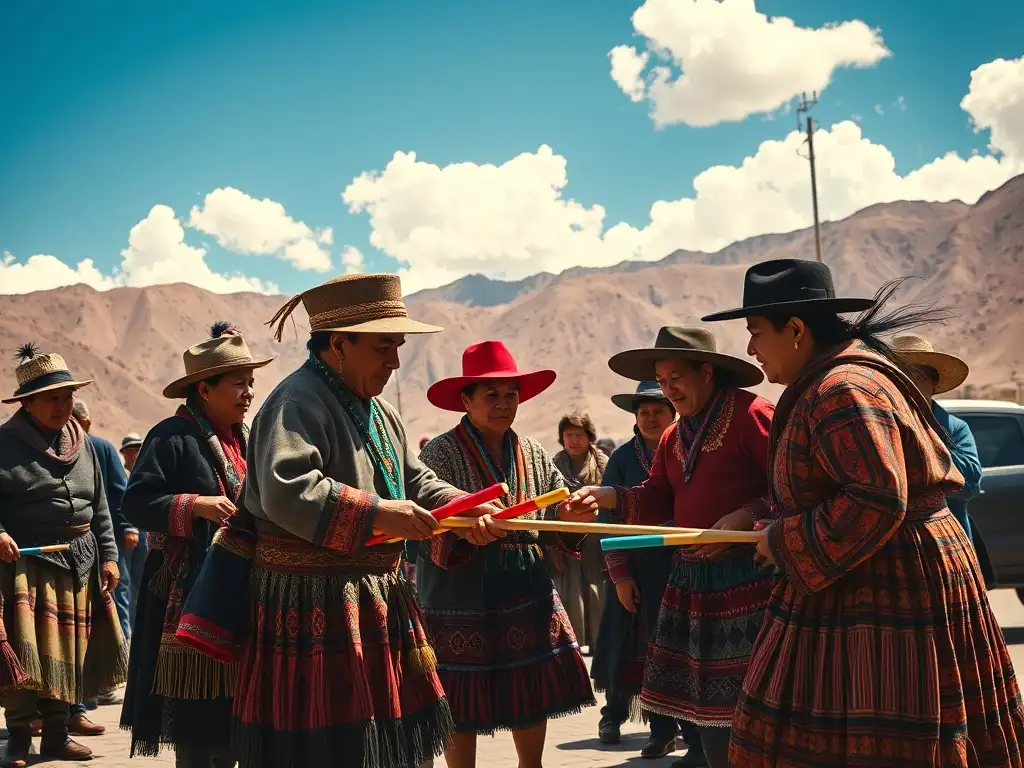
The vibrant tapestry of Aymara culture, rich with history and tradition, finds a powerful thread in its traditional games. These games, passed down through generations, are not merely forms of recreation; they are integral to social cohesion, cultural identity, and the transmission of knowledge. Understanding how these games are preserved today is crucial to appreciating their enduring significance for the Aymara people and their continued contribution to the Aymara traditional games history. Several key factors contribute to their survival and evolution in the modern world.
Community Initiatives to Maintain Aymara Cultural Heritage Through Games
Many Aymara communities actively work to preserve their traditional games. These initiatives often involve organizing festivals and competitions, creating spaces for intergenerational interaction, and documenting the rules and significance of each game. For example, the annual Fiesta de la Pachamama in several Andean regions often incorporates traditional Aymara games as a central part of the celebrations.
These events not only provide entertainment but also serve as a powerful reminder of the community's shared heritage. The participation of elders in teaching younger generations is paramount. This direct transmission of knowledge, coupled with the celebratory atmosphere, ensures the games remain relevant and engaging for future generations.
Moreover, some communities are establishing museums and cultural centers dedicated to showcasing Aymara artifacts, including game pieces and related materials, further contributing to the preservation of this aspect of their cultural heritage. The dedication of these communities is a testament to the importance they place on maintaining their unique cultural identity.
Education and the Intergenerational Transmission of Traditional Aymara Games
Formal education plays a crucial role in preserving Aymara traditional games history. While the integration of traditional games into school curricula is still developing in many areas, there's a growing recognition of their educational value. These games offer valuable lessons in physical coordination, strategic thinking, and social interaction.
Furthermore, integrating them into the curriculum can help strengthen children's connection to their cultural roots and foster a sense of pride in their heritage. The use of storytelling and oral traditions alongside the games themselves helps to convey the historical and cultural context, ensuring a more comprehensive understanding of their significance.
Innovative approaches, such as using games as a basis for language learning or incorporating them into history and social studies lessons, are proving increasingly effective in promoting both cultural preservation and academic achievement. The challenge lies in finding effective ways to integrate these games without disrupting the existing curriculum while ensuring their cultural authenticity is maintained.
Contemporary Adaptations of Aymara Games: Blending Tradition with Modernity
The survival of Aymara traditional games isn't solely about maintaining the status quo; it also involves adapting to the changing times. Contemporary adaptations of these games demonstrate a dynamic interplay between tradition and modernity. For example, some games have been adapted for use in digital platforms, allowing for wider participation and accessibility.
While the core rules remain unchanged, these adaptations often incorporate new technologies or formats to make them more engaging for a younger generation accustomed to digital interactions. These digital versions can also serve as valuable tools for documenting and preserving the nuances of the games, creating a record that can be accessed by people worldwide. This blending of tradition and technology ensures that the games remain relevant and accessible, preventing them from becoming relics of the past.
However, careful consideration must be given to maintaining the cultural integrity of the games during this adaptation process. The goal is to ensure that the evolution of the games does not overshadow or diminish their historical and cultural significance. The balance between innovation and preservation is a crucial aspect of ensuring the long-term survival of this important part of Aymara culture.
The Importance of Understanding Aymara Recreation
Understanding Aymara traditional games is crucial for a complete picture of Aymara history and culture. These games are not merely forms of recreation; they are deeply intertwined with the social fabric, spiritual beliefs, and historical experiences of the Aymara people. Studying them provides invaluable insights into their worldview, social structures, and adaptation strategies throughout history. Ignoring this aspect would leave a significant gap in our comprehension of Aymara civilization, much like ignoring the significance of Roman gladiatorial combat would leave a void in understanding Roman society.
The games reflect the values, skills, and knowledge passed down through generations, offering a unique lens through which to analyze their societal development and resilience. This is particularly relevant for understanding the continuity of Aymara culture despite centuries of colonization and societal pressures. Analyzing the evolution of these games can reveal much about the changing social dynamics within Aymara communities over time.
Aymara Games: A Window into Andean Culture, History, and Cosmology
Aymara traditional games, often played communally, reflect a profound connection to the Andean landscape and cosmology. Many games incorporate elements of nature, mimicking animal movements or agricultural practices. For example, games involving the skillful throwing of stones might reflect hunting techniques or agricultural rituals tied to the successful harvest.
The strategic elements within these games often mirror social structures and hierarchies within Aymara communities, demonstrating the importance of cooperation, competition, and leadership. The use of specific materials in game creation – such as wood, stone, or naturally dyed fibers – further emphasizes the connection between the Aymara and their environment. The spiritual dimension is also evident; certain games might be associated with specific deities or rituals, reinforcing the importance of these practices within the wider cosmological framework.
Detailed ethnographic studies on the specific rules, rituals, and associated beliefs surrounding these games are still needed to fully elucidate this rich connection. Further research is needed to document the specific materials used and their symbolic significance within the games.
The historical significance of Aymara games is also undeniable. Many games have likely existed for centuries, adapting and evolving alongside the Aymara people themselves. Understanding the changes in these games over time can provide clues about significant historical events, such as periods of conflict, colonization, or migration.
For instance, the decline or resurgence of certain games could be linked to shifts in social structures or economic activities. This requires a careful examination of both oral histories and archaeological evidence, which is currently an area needing further investigation. The absence of detailed historical records necessitates the reliance on oral traditions and anthropological research methods.
The Significance of Studying Aymara Pastimes for Cultural Understanding
The study of Aymara traditional games offers a unique opportunity to understand the Aymara worldview and cultural values. These games are not simply recreational activities; they are a vital part of Aymara cultural identity, transmitting knowledge, skills, and values across generations. Analyzing the rules, strategies, and social dynamics involved in these games reveals much about Aymara social organization, conflict resolution, and cooperation. For example, games that require teamwork highlight the importance of collective effort and shared responsibility within Aymara communities, while competitive games demonstrate the importance of individual skill and strategic thinking.
Furthermore, studying Aymara games contributes to a broader understanding of Andean cultural heritage. By comparing and contrasting Aymara games with those of other Andean groups, researchers can identify commonalities and differences, revealing patterns of cultural exchange and divergence. This comparative approach can help illuminate the complex history of interactions and cultural transmission within the Andes. This comparative analysis needs to be conducted across various Andean groups to better understand the regional variations and shared cultural heritage. The development of a comprehensive database documenting the rules and cultural significance of various Andean games would greatly aid this endeavor.
Future Directions: Research, Revitalization, and Community Engagement
Future research on Aymara traditional games should prioritize collaboration with Aymara communities. This participatory approach ensures that research is conducted ethically and respectfully, and that the knowledge and perspectives of Aymara people are central to the research process. Future research should focus on documenting the diversity of Aymara games across different regions and communities, paying special attention to the variations in rules, materials, and cultural significance.
This would involve extensive fieldwork, utilizing both qualitative and quantitative research methods, potentially including video recordings of games being played and interviews with community members. This is crucial for creating a rich and comprehensive understanding of Aymara game traditions.
Beyond research, efforts should be made to revitalize and promote Aymara traditional games. This could involve educational programs in schools and community centers, workshops for young people, and the organization of festivals and competitions. These initiatives would not only help preserve Aymara cultural heritage but also foster a sense of community pride and cultural identity. The involvement of Aymara communities in the design and implementation of these initiatives is essential to ensure their success and cultural relevance.
Furthermore, the creation of accessible resources, such as instructional videos and translated rule books, could broaden the reach and impact of these revitalization efforts. The long-term goal should be to ensure that Aymara traditional games remain a vibrant and integral part of Aymara culture for generations to come. The success of these revitalization efforts will depend on the active participation and leadership of Aymara communities themselves.
Frequently Asked Questions
What are some examples of traditional Aymara games?
Aymara traditional games are diverse, including ch'uta, a type of stick fighting, pallay, a ball game often played with a llama bladder, and various forms of racing and strength-testing competitions. These games reflect their environment and social structures.
Aymara games played a crucial role in community building and social cohesion. They provided opportunities for interaction, skill development, and the transmission of cultural values across generations. They were often incorporated into festivals and celebrations.
What is the historical significance of Aymara traditional games?
Aymara games offer valuable insights into the social organization, belief systems, and daily life of Andean communities. Their long history reflects the enduring nature of Aymara culture and its adaptation to changing circumstances. Studying them helps us understand the past and present.
How have Aymara traditional games changed over time?
While many games persist, some have evolved or disappeared due to modernization and globalization. However, efforts are being made to preserve and revive these games, ensuring their continued role in Aymara culture.
Where can I learn more about Aymara traditional games?
You can find more information through ethnographic studies, museum exhibits, and community-based initiatives focused on preserving Aymara cultural heritage. Researching specific games like ch'uta or pallay will yield relevant results.
Final Reflection: The Enduring Legacy of Aymara Games
The vibrant tapestry of Aymara traditional games continues to weave its way through contemporary life, reminding us of the enduring power of cultural heritage in a rapidly changing world. These games are not mere relics of the past; they are living expressions of community, resilience, and a deep connection to the Andean landscape. Their survival speaks volumes about the strength and adaptability of Aymara culture.
The influence of these games extends far beyond mere recreation; they are fundamental to the transmission of Aymara values, social structures, and history across generations. They foster cooperation, strategic thinking, and a profound respect for both the natural environment and the wisdom of elders. As one Aymara elder wisely stated, These games are not just games; they are the stories of our ancestors, played out on the land they loved.
This quote encapsulates the profound significance of these games, highlighting their role in preserving cultural identity and fostering a sense of belonging.
Consider the ways in which you engage with your own cultural heritage. What traditions and practices connect you to your past? Let the enduring legacy of Aymara traditional games inspire you to explore, preserve, and celebrate the rich tapestry of your own cultural heritage. By understanding and appreciating the cultural significance of games like tinku or pallay, we can all learn to value the importance of preserving cultural traditions for future generations, ensuring that the stories of our ancestors continue to be played out, enriching our lives and strengthening our communities.
Unleash the Joy of Aymara Games!
Thank you for exploring the rich world of traditional Aymara games! You've discovered not only fascinating customs but also the strong sense of community and playful spirit at their heart. Now, let's bring that inspiration into your life!
Here are some ways to enjoy the fun and benefits of Aymara games:
- Host a game night with friends and family, playing traditional Aymara games to build connections and learn about this vibrant culture.
- Share your experiences playing Aymara games on social media or with your community, spreading awareness and appreciation for these unique traditions.
- Learn more about Andean cultures by visiting local cultural centers or attending related events to deepen your understanding and appreciation of their heritage.
What Aymara game are you most excited to try with your family and friends? We'd love to hear your thoughts!