
The Sacredness of Quechua Words: Exploring the Spiritual Dimensions of the Language

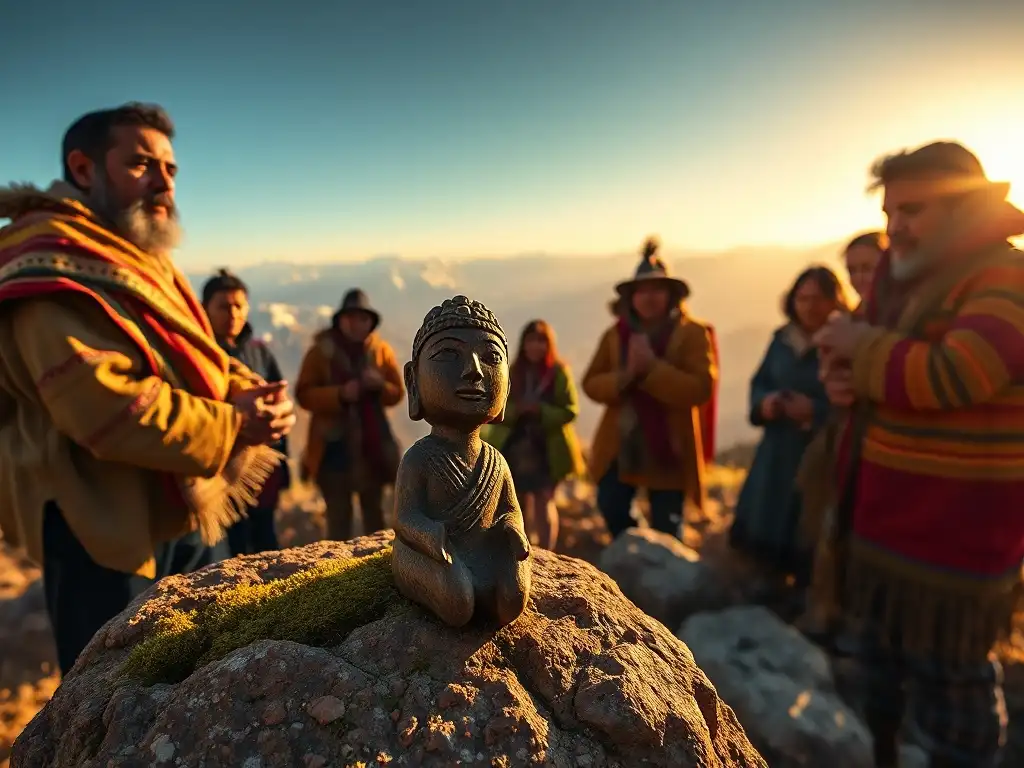
Step into a world lost to time, yet echoing with vibrant life. Imagine a civilization where the spoken word held not just meaning, but spiritual power. On Andean Civilizations, we delve into the fascinating tapestry of ancient Andean cultures, from the Incas to the Nazca. But today, we unravel the mysteries of the Quechua language, exploring its profound spiritual meaning and uncovering the secrets whispered through its ancient syllables. Dare to discover the sacredness woven into every word. Continue reading to unlock the enigmatic power of Quechua.
The Quechua language, far from being merely a tool for communication, held—and continues to hold—a profound spiritual significance for the Andean cultures that developed and preserved it. For centuries, Quechua wasn't just a spoken language; it was a conduit to the ayllu (community), the cosmos, and the divine. This article delves into the intricate relationship between the Quechua language and spirituality, exploring how its words, phrases, and even its structure reflect a worldview deeply intertwined with the sacred.
We will examine specific examples of how the Quechua language embodies spiritual concepts, revealing the rich tapestry of meaning woven into its very fabric. Understanding this deep connection offers a crucial perspective on Andean cosmology and the enduring legacy of Quechua culture.
This exploration is vital for grasping the cultural richness and resilience of the Andean world, particularly in understanding the spiritual meaning imbued within the Quechua language itself. We will unravel the layers of meaning embedded in this ancient tongue, revealing its power to connect the past with the present and the earthly with the divine.
The Concept of Pachamama and its Linguistic Manifestations
The Quechua word Pachamama, meaning "Earth Mother," is a cornerstone of Andean spirituality. It's not simply a descriptive term; it encapsulates a complex relationship with the natural world, viewing the earth as a living, sentient entity deserving of respect and reverence. Many Quechua words related to agriculture, weather patterns, and the cycles of life directly reflect this reverence for Pachamama.
The intricate vocabulary surrounding agricultural practices, for example, reveals a deep understanding of the earth's rhythms and a symbiotic relationship between humans and nature. Detailed descriptions of different types of soil, planting techniques, and the specific names for various crops highlight the deep connection between language and the spiritual understanding of the land.
The precision of these terms reflects not just practical knowledge but a profound spiritual connection with the earth. Furthermore, the numerous terms for different weather phenomena demonstrate a deep understanding and respect for the forces of nature, reflecting a spiritual relationship with the environment.
Quechua and the Ancestral World: Communicating with the Apus
The Apus, or mountain spirits, play a central role in Andean cosmology. Quechua words and phrases used to address and interact with the Apus reveal a vibrant tradition of communication with the ancestral world. Specific rituals and prayers, often recited in Quechua, demonstrate the importance of maintaining respectful relations with these powerful entities. These rituals are not merely symbolic; they are deeply embedded in the linguistic structure of Quechua, with specific vocabulary and grammatical structures reserved for communicating with the Apus.
The use of specific honorifics and carefully chosen words reflects a deep understanding of the hierarchy and power dynamics within the spiritual world. Furthermore, the use of Quechua in these rituals reinforces the belief in the power of the language itself to mediate between the human and spiritual realms. This highlights the language’s active role in shaping and maintaining the spiritual fabric of Andean society.
The Power of Incantations and Ritualistic Language
Many Quechua words and phrases are integral parts of traditional healing ceremonies and incantations. These aren't mere pronouncements; they are believed to hold potent spiritual power, capable of influencing the physical and spiritual well-being of individuals and communities. Specific words and phrases, often passed down through generations of yatiri (shamans), are believed to possess the ability to harness spiritual energies for healing, protection, and prosperity. The linguistic structure of these incantations often employs rhythmic patterns and repetitions, enhancing their power and impact.
The careful selection of words and the precise pronunciation are crucial for the effectiveness of the ritual. The secretive nature of some of these incantations underscores their sacred character and the importance of maintaining the integrity of the tradition. This demonstrates that the language itself is not simply a tool but an active participant in the spiritual practice.
The Enduring Legacy of Quechua Spirituality and Language
Despite centuries of colonization and linguistic suppression, the spiritual dimensions of the Quechua language remain an integral part of Andean identity and culture. The persistence of traditional practices and rituals, many of which are conducted entirely in Quechua, demonstrates the enduring power of the language to connect individuals to their spiritual heritage.
The ongoing efforts to revitalize and preserve the Quechua language reflect a commitment to safeguarding not just a linguistic tradition but also a rich spiritual heritage. The continued use of Quechua in contemporary Andean communities highlights the language's resilience and its enduring significance in shaping spiritual beliefs and practices.
The language continues to serve as a powerful link to the past, a living testament to the enduring power of spiritual traditions embedded within linguistic structures. The future of Quechua is inextricably linked to the preservation of its spiritual meaning, which is deeply interwoven with the cultural identity and spiritual well-being of the Andean peoples.
- The Concept of Pachamama and its Linguistic Manifestations
- Quechua and the Ancestral World: Communicating with the Apus
- The Power of Incantations and Ritualistic Language
- The Enduring Legacy of Quechua Spirituality and Language
- What is the Quechua language's significance in Andean spirituality?
- How did the Quechua language influence the worldview of Andean civilizations?
- Are there specific Quechua words with particularly powerful spiritual meanings?
- How is the Quechua language used in contemporary Andean spiritual practices?
- Where can I learn more about the spiritual aspects of the Quechua language?
Understanding the Deep Spiritual Roots of the Quechua Language
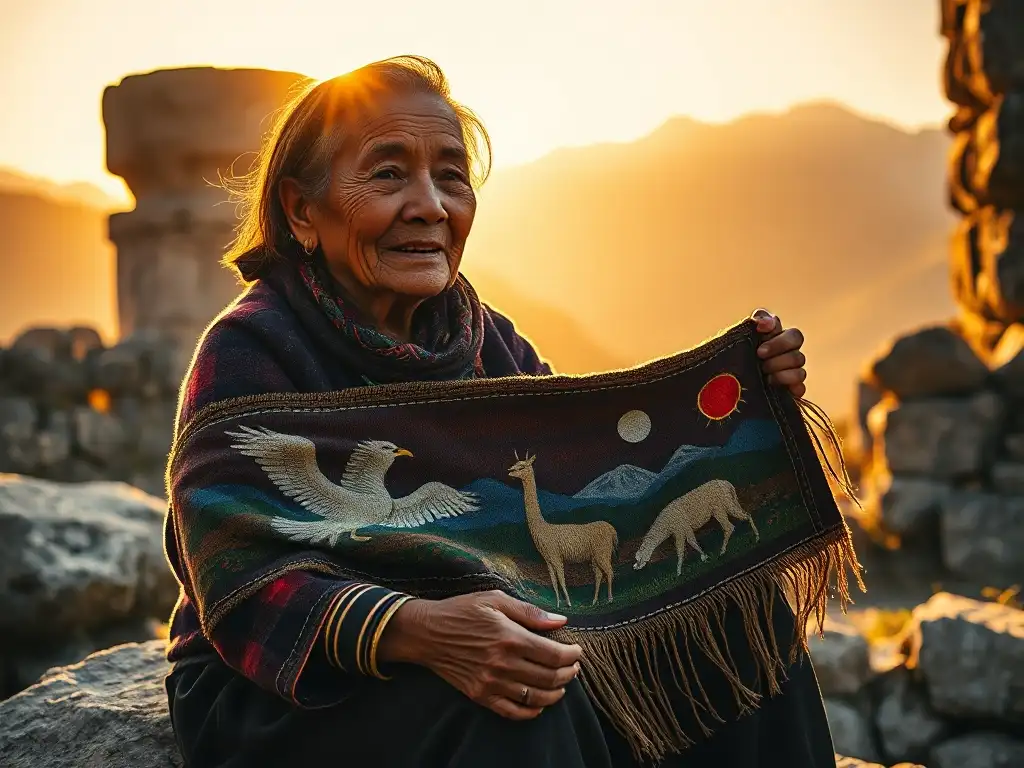
The Quechua language, far from being merely a tool for communication, served as a fundamental pillar of the Andean worldview. Its spiritual significance permeated every aspect of life, from daily routines to elaborate religious ceremonies. Understanding the Quechua language is, therefore, inextricably linked to understanding the spiritual beliefs and practices of the Andean civilizations. This intimate connection between language and spirituality is deeply rooted in the ayllu, the traditional Andean social structure, where shared language reinforced shared beliefs and cultural identity.
The Quechua language wasn't just spoken; it was lived, embodying the very essence of Andean cosmology and its intricate relationship with the natural world. This section explores the profound spiritual dimensions embedded within the Quechua lexicon and grammar, revealing how words themselves held sacred power and meaning. We will analyze specific examples to illustrate the nuanced relationship between language and spirituality in Andean culture.
Quechua Language: More Than Just Words
The Quechua language isn't simply a collection of words conveying information; it's a living embodiment of the Andean cosmovision. Words are not arbitrary labels but powerful symbols laden with spiritual significance. For example, the word Pachamama (Mother Earth) isn't just a geographical term; it represents the life-giving force of nature, a deity revered and respected.
Similarly, the concept of Ayni, reciprocal exchange, is deeply ingrained in the Quechua language and reflects the Andean belief in balance and harmony within the community and the cosmos. The use of specific verbs and adjectives often carries connotations beyond their literal meaning, reflecting the spiritual context in which they are employed. This inherent spiritual depth in the language fostered a profound connection between the speaker and the spiritual realm.
Understanding the nuances of Quechua requires recognizing the layers of meaning embedded within each word, acknowledging their historical and cultural weight. The very act of speaking Quechua was considered a sacred act, a participation in the ongoing dialogue between the human world and the spiritual realm. This is further evidenced by the presence of numerous words related to rituals, deities, and spiritual practices that are deeply embedded in the language's structure.
The richness of the Quechua vocabulary also reveals a deep understanding of the natural world, reflecting a profound respect for the environment. Specific terms exist for various species of plants and animals, reflecting the intimate knowledge and connection the Andean peoples had with their surroundings. This intimate knowledge was not merely scientific but deeply spiritual, highlighting the interconnectedness of all living things within the Andean cosmovision. This interconnectedness is reflected in the language's structure, where metaphors and similes frequently draw parallels between the human world and the natural world, further emphasizing the spiritual significance of the environment.
The Andean Cosmovision and its Influence on Quechua
The Andean cosmovision, a complex worldview encompassing a deep understanding of the cosmos and the interconnectedness of all things, profoundly shaped the Quechua language. This worldview emphasized the cyclical nature of time, the importance of balance ( kay pacha, ukhu pacha, hanan pacha), and the reverence for ancestral spirits. These core beliefs are reflected in the language's grammatical structures, vocabulary, and metaphorical expressions.
For instance, the concept of Pachakuti (a cyclical transformation or upheaval) is reflected in the language's use of temporal markers and cyclical metaphors. The reverence for Apus (mountain spirits) is evident in the numerous terms and phrases related to mountains, their significance, and their role in the Andean worldview. The intricate relationship between humans and the spiritual world is mirrored in the language's rich vocabulary relating to rituals, offerings, and spiritual practices.
The Quechua language also reflects the Andean belief in the interconnectedness of all living things. The use of kinship terms to refer to natural elements, such as mountains and rivers, highlights the close relationship between humanity and the natural world. This interconnectedness is not merely metaphorical; it is a fundamental aspect of the Andean worldview, reflected in the language's structure and vocabulary. Understanding the spiritual meaning of Quechua requires grasping the Andean understanding of the interconnectedness of all aspects of reality.
The language itself embodies this interconnectedness, creating a linguistic system that reflects and reinforces the fundamental beliefs of the Andean cosmovision. The careful study of Quechua reveals not just a language, but a worldview, a cosmology, a complete system of thought and belief meticulously encoded within its structure and expression. This intricate relationship highlights the language's importance as a key to unlocking the mysteries of Andean spirituality.
Quechua Vocabulary and its Connection to the Sacred

The Quechua language, far from being merely a tool for everyday communication, served as a conduit to the sacred for the Andean peoples. Its vocabulary is deeply intertwined with their cosmology, worldview, and spiritual practices. Understanding the Quechua language's spiritual meaning requires delving into the rich tapestry of words and phrases that reflect a profound connection to the Pachamama (Mother Earth), the Apus (mountain spirits), and the intricate web of life that sustained Andean societies.
The very structure of the language, with its emphasis on kinship terms and reciprocal relationships, mirrors the interconnectedness of the Andean worldview. This section will explore specific examples of Quechua words and phrases that hold profound spiritual significance, highlighting the intricate relationship between language and spirituality in ancient Andean culture.
This exploration will reveal how the Quechua language acted not just as a means of expression, but as a vital component of their spiritual life, shaping their understanding of the world and their place within it. The subtle nuances of the language, often lost in translation, hold the key to understanding the depth and complexity of Andean spirituality.
Specific Quechua Words with Profound Spiritual Significance
The Quechua language is replete with words that encapsulate spiritual concepts central to Andean beliefs. These words are not simply labels but carry within them a weight of meaning and tradition, reflecting generations of accumulated spiritual knowledge. Many words are inextricably linked to specific rituals, ceremonies, and cosmological understandings. The subtle shifts in meaning depending on context and intonation further underscore the richness and complexity of the language's spiritual dimension. The Quechua language spiritual meaning is not easily captured in translation, demanding a deeper understanding of Andean cosmology and worldview.
Examples of Sacred Quechua Terms and Their Meanings
| Quechua Word | Spanish Translation | English Translation (Approximate) | Spiritual Significance |
|---|---|---|---|
| Pachamama | Madre Tierra | Mother Earth | The life-giving force of the earth, source of all sustenance and fertility. |
| Apus | Dioses de las montañas | Mountain Gods/Spirits | Powerful deities residing in mountains, protectors and providers. |
| Wayna | Joven | Young | Often associated with concepts of renewal, growth, and future potential. |
| Mama Killa | Madre Luna | Mother Moon | Associated with cycles of life, death, and rebirth; feminine principle of the cosmos. |
| Tayta Inti | Padre Sol | Father Sun | Associated with masculine energy, strength, and life-giving power; source of warmth. |
| Supay | Diablo | Devil | Represents the negative forces, chaos, and the underworld; a powerful but feared entity. |
| Allin | Bueno | Good | Represents harmony, balance, and righteousness; a desirable state of being. |
| Yachay | Sabiduría | Knowledge/Wisdom | Refers to deep understanding, often spiritual insight, passed down through generations. |
The meanings of these words are often layered and nuanced, reflecting the complex interconnectedness of the Andean worldview. Further research is needed to fully elucidate the subtleties and variations in meaning across different Quechua dialects. [Specific information pending on regional variations in meaning and usage]. The study of these terms is crucial for understanding the depth and richness of Quechua spiritual beliefs. The careful examination of Quechua vocabulary reveals a profound understanding of the natural world and its spiritual forces.
The Power of Quechua Prayers and Ritual Language
Quechua prayers and ritual language represent a vital aspect of the language's spiritual dimension. These aren't simply recitations but meticulously crafted expressions designed to connect with the spiritual realm. The specific phrasing, intonation, and context are all crucial elements in their effectiveness. Many Quechua prayers invoke the Apus, Pachamama, and other spiritual entities, seeking their blessings, guidance, and protection.
The use of specific words and phrases serves to establish a connection with the sacred, facilitating communication and interaction with the spiritual world. The rhythmic structure and melodic quality of these prayers further enhance their spiritual power, creating an atmosphere of reverence and devotion. The careful preservation and transmission of these prayers underscore their importance to Andean culture and spiritual identity. The power of Quechua prayers and ritual language is a testament to the profound relationship between language and spirituality in Andean societies.
Further research into specific ritual texts and their contextual usage would greatly enhance our understanding of this facet of Quechua spiritual practice. [Specific examples of prayers and their translations pending]. The study of these rituals offers valuable insight into the intricacies of Andean spirituality and the central role of the Quechua language in shaping their religious practices.
The Spiritual Significance of Quechua Grammar and Structure

The Quechua language, far from being merely a tool for communication, served as a vehicle for expressing the deeply spiritual worldview of the Andean peoples. Its grammar and structure aren't arbitrary; they reflect a cosmology intimately tied to the natural world, ancestral spirits, and a profound respect for the interconnectedness of all things. Understanding the Quechua language's spiritual meaning requires moving beyond simple vocabulary and delving into its underlying grammatical framework.
This intricate system of prefixes, suffixes, and verb conjugations reveals a sophisticated understanding of the spiritual dimensions inherent in their reality. The very act of speaking Quechua was, and in many ways still is, a participation in a sacred tradition. This section will explore how the grammatical structure of Quechua reflects and reinforces these deeply held Andean beliefs.
The subtle nuances of the language, often lost in translation, hold the key to unlocking a rich tapestry of spiritual understanding. The analysis of Quechua's grammatical elements provides crucial insights into the spiritual fabric of Andean culture. The influence of this spiritual understanding permeates every aspect of their lives, from daily routines to elaborate ceremonies.
How Quechua Grammar Reflects Andean Beliefs
Quechua's agglutinative nature—the ability to combine multiple morphemes (meaningful units) to create complex words—directly mirrors the Andean worldview of interconnectedness. Each morpheme added to a root word doesn't simply modify its meaning; it layers additional nuances, reflecting the layered relationships within the cosmos. For example, a single verb can be conjugated to indicate not only the action itself but also the actor's social status, the time of day, the emotional state, and even the spiritual context of the action.
This complex layering of meaning underscores the Andean belief in the holistic nature of reality, where every action has multiple reverberations across various planes of existence. Consider the concept of ayni, reciprocal exchange, a cornerstone of Andean social organization. The grammatical structure of Quechua, with its emphasis on relationships and interconnectedness, perfectly embodies this principle.
The verb forms often implicitly acknowledge the reciprocal nature of actions, highlighting the mutual obligations and dependencies within the community and the cosmos. Further research is needed to fully quantify the extent to which specific grammatical structures directly correlate with specific spiritual beliefs, but preliminary analysis suggests a strong link. [Specific data on grammatical structures reflecting ayni pending].
The Use of Suffixes to Convey Spiritual Concepts in Quechua
The use of suffixes in Quechua is particularly significant in conveying spiritual concepts. These suffixes can dramatically alter the meaning of a word, adding layers of spiritual significance. For instance, suffixes can indicate the presence of a supernatural force, the involvement of an ancestral spirit, or a connection to the sacred landscape. The suffix -pacha frequently appears in words related to the cosmos, indicating a connection to the sacred space and time.
Words like hanaq pacha (upper world) and kay pacha (this world) illustrate this clearly. The addition of -pacha transforms a simple noun into something imbued with spiritual weight and significance. Moreover, certain suffixes denote respect and reverence, reflecting the Andean emphasis on proper conduct towards both living beings and the spirit world. The careful and precise use of these suffixes demonstrates the intricate relationship between language and spirituality in Quechua culture.
The subtle shifts in meaning brought about by these suffixes highlight the importance of linguistic precision in conveying the nuanced spiritual beliefs of the Andean worldview. The study of these suffixes offers a unique window into the spiritual cosmology and ethical framework of the Quechua people. Further research into the various suffixes and their specific semantic fields will further illuminate the intricate relationship between language and spirituality within the Quechua language. [Detailed list of suffixes and their spiritual connotations pending].
Quechua Language Spiritual Meaning in Ancient Andean Rituals
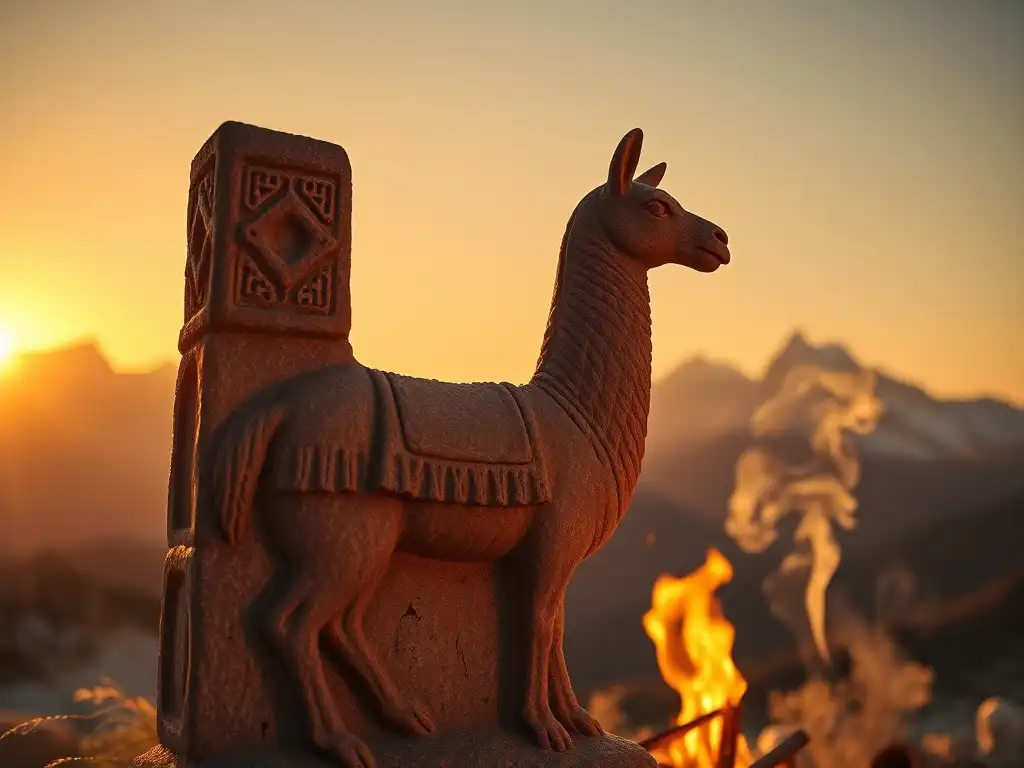
The Quechua language, far from being merely a tool for communication, held profound spiritual significance for the ancient Andean civilizations, particularly the Inca. Its inherent structure, vocabulary, and even the sounds themselves were imbued with a sacredness deeply intertwined with their worldview and cosmology. Understanding this spiritual dimension requires moving beyond a purely linguistic analysis and delving into the interwoven fabric of language, ritual, and belief.
The Quechua language wasn't just spoken; it was performed, acting as a vital conduit between the human and spiritual realms. This section explores the multifaceted ways in which Quechua served as a vehicle for expressing and enacting their spiritual beliefs. The depth of this connection is evident in the persistence of Quechua spiritual practices even today, demonstrating the enduring power of the language's sacred dimensions.
The Role of Quechua in Inca Religious Practices
Inca religious practices were inextricably linked to the Quechua language. Prayers, chants, and incantations, all delivered in Quechua, were integral parts of ceremonies dedicated to the sun god Inti, the moon goddess Mama Killa, and other deities within their complex pantheon. The specific vocabulary used in these rituals carried potent symbolic weight.
For instance, certain words related to agricultural cycles or celestial events held particular power, reflecting the close relationship between language, nature, and the divine. The precise pronunciation and intonation of these words were also crucial, believed to influence the effectiveness of the ritual. The priests, amautas, were not just religious leaders but also masters of the Quechua language, possessing a deep understanding of its spiritual nuances and wielding this knowledge to mediate between the human and supernatural worlds.
Their mastery of the language was essential to their ability to perform rituals effectively and maintain the cosmic balance. We can see echoes of this in surviving texts and accounts from Spanish chroniclers, although much of the detailed knowledge of these practices remains lost to time. Further research into surviving Quechua texts and oral traditions could illuminate these practices further.
Quechua and the Connection with Pachamama and Apus
The Quechua language fostered a profound connection with the Andean landscape, embodying the reverence for Pachamama (Mother Earth) and the Apus (mountain spirits). Words describing the natural world—mountains, rivers, plants, and animals—were not merely descriptive but imbued with spiritual meaning. The names given to geographical features often reflected their perceived spiritual significance, reflecting a deep understanding of the interconnectedness of the physical and spiritual realms.
Invoking these names in Quechua during ceremonies served to establish a direct connection with these powerful entities. For example, the precise Quechua name for a particular mountain might be used in rituals to appease its spirit or to seek its favor. This intimate relationship between language and the environment is a testament to the holistic worldview of the Andean people, where the spiritual permeated every aspect of daily life.
The nuanced understanding of the Quechua names for different plants and their associated properties further underscores the language's role in traditional Andean medicine and healing practices. The loss of this detailed knowledge represents a significant loss to our understanding of both the language and the culture it served. [Specific examples of Quechua names for Apus and their associated meanings pending].
Preserving the Spiritual Heritage Embedded in Quechua
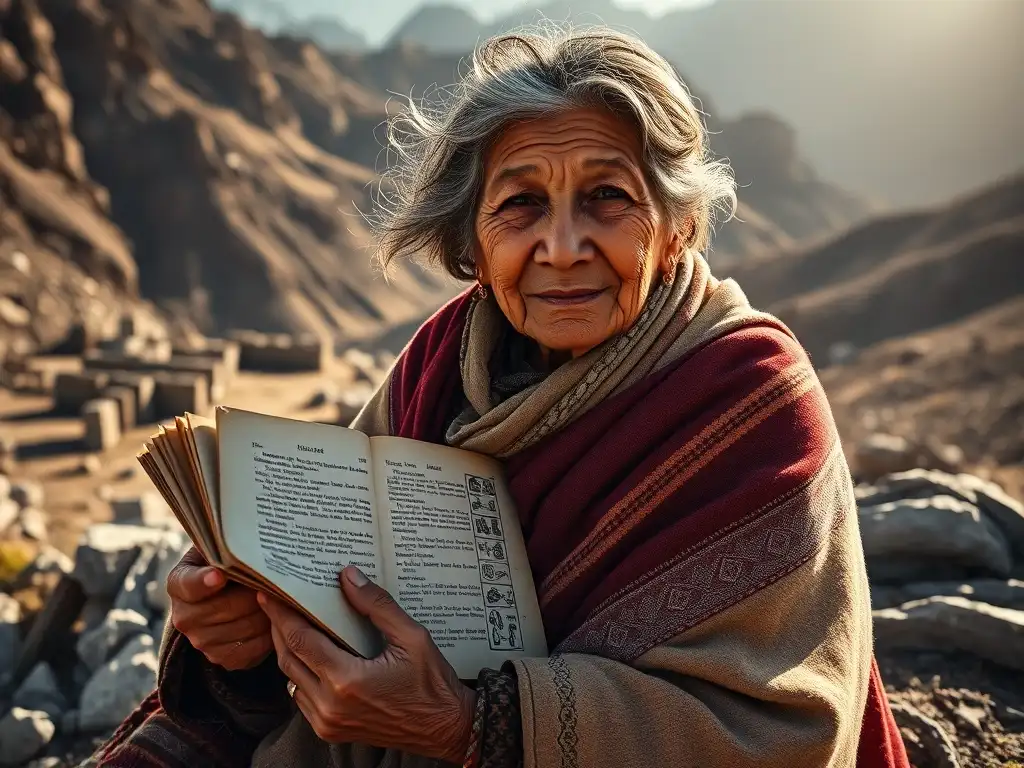
The Quechua language, far from being merely a tool for communication, served as a vital conduit for the spiritual beliefs and practices of the Andean civilizations. Its vocabulary, grammar, and even pronunciation held deep symbolic meaning, reflecting a worldview intimately connected with the natural world and the sacred. Understanding this intricate relationship between language and spirituality is crucial to appreciating the richness of Andean culture and the enduring legacy of the Quechua people.
The very act of speaking Quechua, therefore, was and continues to be, a deeply spiritual act. This section delves into the ways in which the Quechua language embodies spiritual concepts and the ongoing efforts to preserve this vital aspect of Andean heritage.
The continued use and study of Quechua is not just about linguistic preservation; it's about safeguarding a profound spiritual heritage. The interconnectedness between the language and the spiritual life of the Quechua people is undeniable, influencing everything from daily rituals to cosmological understanding.
The Importance of Maintaining the Quechua Language
The decline of the Quechua language poses a significant threat not only to linguistic diversity but also to the spiritual fabric of Andean communities. As fluency diminishes, so too does the understanding of the nuanced spiritual meanings embedded within the language. Many words and phrases carry layers of symbolism connected to Andean cosmology, mythology, and ritual practices.
For example, the Quechua word for "mountain" ( orqo) isn't simply a geographical descriptor; it represents a sacred entity, a dwelling place of spirits, and a source of life-giving resources. Similarly, the word for "sun" ( inti) embodies not only a celestial body but also a powerful deity, vital to the agricultural cycle and the spiritual well-being of the community. The loss of these intricate connections between language and spirituality risks the erosion of a unique worldview and the fading of ancient traditions.
The preservation of the Quechua language is, therefore, a critical step in safeguarding this invaluable spiritual heritage. The task is not merely one of linguistic preservation but one of cultural survival. The spiritual heart of Quechua culture beats within its language.
The impact of language loss on spiritual practices is profound. Traditional ceremonies, songs, and prayers, often passed down through generations orally, lose their depth and meaning when the language itself is lost. This disruption can lead to a disconnect from ancestral knowledge and a weakening of community bonds.
Furthermore, the younger generations, increasingly disconnected from the traditional Quechua worldview, may struggle to connect with their cultural heritage. This loss is not only a tragedy for the Quechua people but also a loss for the world's cultural and linguistic diversity. We need to actively promote Quechua language learning and revitalization efforts to prevent this irreplaceable loss.
Revitalization Efforts and the Future of Quechua Spirituality
Numerous initiatives are underway to revitalize the Quechua language and protect its spiritual heritage. These efforts range from community-based language immersion programs and the development of Quechua-language educational materials to the incorporation of Quechua into official contexts. The creation of Quechua dictionaries and grammars, alongside digital resources, plays a crucial role in making the language accessible to a wider audience.
Furthermore, efforts are being made to document and preserve traditional oral narratives, songs, and ceremonies, ensuring the continuity of spiritual practices tied to the language. These initiatives recognize the inextricable link between language and spirituality and aim to empower Quechua communities to preserve their cultural identity.
Despite these efforts, significant challenges remain. The dominance of Spanish and other languages creates a competitive environment for Quechua, making its acquisition and use more difficult. Furthermore, societal pressures and economic realities often incentivize the adoption of more widely spoken languages, hindering language revitalization efforts. The future of Quechua spirituality is intrinsically linked to the success of these revitalization efforts.
Continued investment in these initiatives, coupled with supportive government policies and community engagement, is crucial to ensure the survival and flourishing of this rich spiritual heritage. The preservation of the Quechua language is not merely a linguistic endeavor; it is a vital step towards safeguarding a unique and invaluable spiritual legacy for generations to come. The continued use of Quechua, rich with its spiritual significance, is a powerful act of cultural resistance and a testament to the enduring spirit of the Andean people.
The Living Legacy: How Quechua Continues to Carry Spiritual Power
The Quechua language, far from being a relic of the past, remains a vibrant conduit for spiritual expression in the Andes. Its enduring power lies not just in its historical significance, but in its continued use within living communities, where it acts as a powerful link to ancestral knowledge and spiritual practices. The very sounds, grammar, and vocabulary of Quechua are imbued with layers of meaning that reflect a deep-seated connection to the Andean worldview.
Understanding this connection requires moving beyond a purely linguistic analysis and embracing the holistic understanding of language as an integral part of Andean cosmology. This section explores how the Quechua language continues to shape and reflect the spiritual lives of its speakers. The Quechua language spiritual meaning is deeply rooted in the interconnectedness of the natural world, the spiritual realm, and human existence.
Quechua Language Today: A Vessel of Ancient Wisdom
Even today, Quechua isn't simply a means of everyday communication; it's a vehicle for transmitting ancient wisdom and spiritual beliefs. Many Quechua communities maintain intricate oral traditions, passed down through generations, that are inseparable from the language itself. These traditions often involve narratives, songs, and prayers recited in Quechua, preserving cosmological explanations, creation myths, and ancestral knowledge.
For example, the ayni principle—the concept of reciprocity and balance—is deeply woven into the fabric of Quechua society and is often expressed through specific linguistic structures and vocabulary. The careful choice of words, the use of specific metaphors, and the rhythmic patterns of speech all contribute to the spiritual potency of these oral traditions. Furthermore, the use of Quechua in shamanic practices and healing rituals underscores its continued importance in maintaining spiritual well-being within Andean communities.
The language itself is considered sacred, and its proper use is believed to enhance the efficacy of these rituals. The preservation and revitalization of the Quechua language are therefore crucial not only for linguistic diversity but also for safeguarding the rich spiritual heritage of the Andes. The continued use of Quechua is a testament to the enduring power of language in shaping cultural identity and spiritual practice.
Contemporary Examples of Quechua Spiritual Practices
The spiritual significance of the Quechua language is not confined to historical accounts; it thrives in contemporary practices. Consider, for instance, the paqos (Andean priests) who often conduct ceremonies and rituals exclusively in Quechua. Their invocations, prayers, and chants are imbued with a powerful spiritual energy directly linked to the language's ancient roots. The specific words and phrases used are not merely arbitrary sounds but carry potent symbolic meanings, drawing upon a rich tapestry of mythological and cosmological beliefs.
Similarly, many indigenous communities continue to use Quechua in their daily lives, weaving spiritual concepts into everyday conversations. The naming of children, for instance, often involves selecting names that carry specific spiritual significance within the Quechua lexicon, reflecting a connection to ancestors and the natural world. Furthermore, the use of Quechua in traditional music and storytelling further reinforces its spiritual relevance.
Songs and narratives often recount creation myths, heroic tales, and moral lessons, all embedded within the Quechua language, ensuring the continuity of cultural and spiritual values across generations. These contemporary examples demonstrate that the Quechua language spiritual meaning is not merely a historical artifact but a living force that continues to shape the spiritual lives of Andean communities today. The preservation and promotion of this language are, therefore, vital for the continuation of these unique spiritual traditions.
Frequently Asked Questions
What is the Quechua language's significance in Andean spirituality?
The Quechua language holds deep spiritual significance for many Andean communities. It's not merely a tool for communication, but a vehicle for connecting with ancestral spirits, expressing spiritual beliefs, and understanding the world. Many sacred rituals and ceremonies are conducted in Quechua.
How did the Quechua language influence the worldview of Andean civilizations?
Quechua's cosmological worldview is deeply embedded in its structure and vocabulary. The language reflects a holistic understanding of the universe, emphasizing the interconnectedness of humans, nature, and the spiritual realm. This shaped their social structures, beliefs, and practices.
Are there specific Quechua words with particularly powerful spiritual meanings?
Yes, many Quechua words carry profound spiritual weight. Terms related to Pachamama (Mother Earth), Apus (mountain spirits), and the sun are particularly potent, representing fundamental elements of their cosmology. The meaning varies depending on the specific Quechua dialect.
How is the Quechua language used in contemporary Andean spiritual practices?
Quechua continues to be vital in modern Andean spiritual practices. It's used in ceremonies, prayers, songs, and storytelling, preserving and transmitting spiritual knowledge across generations. Its use strengthens cultural identity and spiritual connection.
Where can I learn more about the spiritual aspects of the Quechua language?
You can explore ethnolinguistic studies, anthropological research on Andean cultures, and works by indigenous scholars. Searching for resources on Andean spirituality and Quechua cosmology will provide a wealth of information. Respectful engagement with Andean communities is also crucial.
Final Reflection: Echoes of the Andes, Whispers of the Spirit
The enduring power of the Quechua language isn't merely linguistic; it's a vibrant tapestry woven with spiritual threads that continue to resonate in the hearts and minds of its speakers. The preservation of this ancient tongue is not just an act of cultural preservation, but a vital act of safeguarding a profound connection to the Andean worldview and its inherent spirituality. Its continued use is a testament to the enduring strength of indigenous cultures in the face of globalization.
The exploration of Quechua's spiritual dimensions reveals a deep interconnectedness between language, land, and spirit, a relationship often lost in the dominant Western paradigm. This understanding profoundly impacted my own perspective, highlighting the limitations of viewing language solely as a tool for communication. Language is the road map of a culture. It tells you where its people come from and where they are going.
– Rita Mae Brown. This quote resonates deeply, emphasizing the Quechua language's role not just in navigating the physical world, but also in charting a course through the spiritual landscape of the Andes.
Consider, then, the words you speak, the stories you share, and the languages you choose to learn. What spiritual echoes resonate within your own tongue? Embrace the opportunity to learn from other cultures and languages, recognizing the rich spiritual tapestry woven into each one. Let the sacredness of Quechua inspire you to explore the profound connections between language, culture, and spirituality in your own life, and to actively participate in the preservation of linguistic and cultural diversity.
Thank you for exploring the rich world of the Quechua language with us! We hope you've gained a deeper understanding of its cultural significance and spiritual depth. Now, let's put that knowledge into practice.
Here are some ways to further connect with Quechua:
- Begin learning basic Quechua phrases and weave them into your daily life. Each word holds a piece of history and cultural heritage.
- Share this article with your friends and family to help spread awareness of Quechua's beauty and importance.
- Join a community, either online or in person, dedicated to Andean languages and cultures. Your perspective will be a valuable contribution.
What Quechua word resonates most with you, and how do you see its relevance in the modern world? Share your thoughts below!