
The Role of Quechua in Maintaining Andean Traditions: A Living Heritage


Dive into the captivating world of the Andes! Journey beyond the breathtaking landscapes and uncover the vibrant tapestry of ancient Andean civilizations. Were the Inca’s sophisticated empire and its remarkable achievements truly built on the foundation of the Quechua language? Explore the intricate connection between Quechua language and the enduring Andean traditions, a legacy that continues to resonate today. Unravel the mysteries and discover the powerful role of language in preserving a rich cultural heritage. Read on to explore this fascinating link...
-
The Vital Role of Quechua in Sustaining Andean Traditions: A Living Heritage
- Introduction to Quechua and its Significance in the Andes
- The Historical Context of Quechua and Andean Culture
- Quechua as a Foundation for Andean Worldview
- Quechua Language and its Role in Preserving Oral Traditions
- Quechua and Traditional Andean Practices
- The Challenges Faced by the Quechua Language
- Current Efforts to Preserve and Promote the Quechua Language
- Quechua: A Living Heritage and a Bridge to the Past
- Conclusion: The Enduring Legacy of Quechua and its Connection to Andean Identity
-
Frequently Asked Questions
- What is the Quechua language's significance in Andean cultures?
- How did the Quechua language survive Spanish colonization?
- Are there different dialects of the Quechua language?
- How is the Quechua language impacting modern Andean life?
- What role does the Quechua language play in preserving Andean artistic traditions?
- Final Reflection: The Enduring Spirit of Quechua
- Embrace and Preserve Quechua Heritage Today!
The Vital Role of Quechua in Sustaining Andean Traditions: A Living Heritage
The Quechua language, far from being a relic of the past, plays a vibrant and crucial role in maintaining the rich tapestry of Andean traditions. This article delves into the profound connection between the Quechua language and the cultural heritage of the Andes, exploring its historical significance and its continued influence on the lives of millions.
We will examine how Quechua serves not only as a means of communication but also as a vehicle for preserving ancestral knowledge, artistic expression, and spiritual practices, demonstrating its enduring power as a living heritage. Understanding the role of Quechua is essential to appreciating the complexity and resilience of Andean cultures, and to recognizing the ongoing efforts to revitalize and protect this invaluable linguistic and cultural treasure.
This exploration will touch upon various Andean communities and highlight the diverse ways in which Quechua continues to shape their identities and daily lives. We will also consider the challenges faced by the language and the initiatives undertaken to ensure its survival for future generations.
Introduction to Quechua and its Significance in the Andes
Quechua, a family of languages spoken across the Andes Mountains of South America, boasts a rich history intertwined with the development of several significant Andean civilizations. While most commonly associated with the Inca Empire, its roots extend far beyond the Inca period. Different Quechua dialects exist, reflecting the diverse geographical and cultural landscapes of the region. The language's significance transcends simple communication; it serves as the foundation for numerous aspects of Andean life, including:
- Oral Traditions: Quechua is the primary medium for transmitting ancestral stories, myths, and legends, preserving vital historical and cultural knowledge across generations. These oral narratives often contain valuable information about traditional farming techniques, medicinal plants, and social structures.
- Spiritual Practices: Many Andean spiritual beliefs and rituals are deeply embedded within the Quechua language. Prayers, songs, and ceremonies are often conducted in Quechua, reinforcing the language's sacred significance.
- Artistic Expression: Quechua is integral to various artistic forms, including music, poetry, and storytelling. Traditional Andean songs and poems, often passed down orally, are frequently composed and performed in Quechua, enriching the cultural landscape.
- Community Identity: For many Andean communities, Quechua represents a powerful symbol of identity and belonging. Speaking Quechua strengthens community bonds and fosters a sense of shared heritage. The continued use of Quechua acts as a powerful resistance to cultural assimilation.
The continued use and revitalization of Quechua is not merely a linguistic endeavor; it is a crucial step in the preservation of a unique and invaluable cultural heritage. The language acts as a keystone, supporting the entire structure of Andean traditions and beliefs.
The Historical Context of Quechua and Andean Culture
The history of Quechua is intrinsically linked to the rise and fall of various Andean empires. While often associated with the Inca, its origins predate the Inca expansion. Archaeological and linguistic evidence suggests that Quechua, or its proto-forms, was spoken in different parts of the Andes long before the Inca Empire's consolidation of power. The Inca's adoption of Quechua as their official language facilitated communication and administration across their vast territory, contributing significantly to the language's spread and standardization.
However, the imposition of Spanish after the conquest led to a decline in Quechua speakers. Despite the colonization efforts to suppress indigenous languages, Quechua persisted, demonstrating remarkable resilience. The language adapted, absorbing some Spanish loanwords while retaining its core structure and cultural significance.
Many Andean communities maintained their Quechua identity throughout colonial rule and beyond, preserving their language and traditions through generations of oral transmission and community resilience. This enduring presence underscores the deep-rooted connection between Quechua and Andean cultural identity, a relationship that continues to evolve in the modern era. The survival of Quechua serves as a testament to the enduring strength and adaptability of Andean cultures.
Quechua as a Foundation for Andean Worldview
The Quechua language isn't merely a tool for communication; it's the bedrock of the Andean worldview, a complex system of beliefs and practices deeply intertwined with the natural world. Understanding Quechua unlocks a profound understanding of Ayni, the principle of reciprocity and balance, central to Andean cosmology. This concept, difficult to fully grasp in other languages, is intricately woven into the Quechua vocabulary and grammar, shaping how Andean people perceive their relationship with the environment, their communities, and the spiritual realm.
The very structure of the language reflects a holistic view, connecting seemingly disparate aspects of life into a unified whole. For example, Quechua often uses terms that encompass both the physical and spiritual dimensions of things, blurring the lines between the tangible and intangible in a way that reflects the Andean understanding of a vibrant, interconnected universe.
The subtle nuances of Quechua words and phrases often convey layers of meaning that are lost in translation, highlighting the limitations of approaching Andean culture without a deep understanding of its linguistic foundation. This linguistic depth is crucial for truly understanding the Andean concept of Pachamama, Mother Earth, and its significance in daily life and spiritual practices.
Understanding Andean Cosmovision Through the Quechua Language
Quechua provides a unique lens through which to understand cosmovision, the Andean understanding of the universe. The language's rich vocabulary for describing the Andean landscape—mountains, rivers, stars—reflects a deep connection to the environment. Words aren't just labels; they carry cultural weight, imbued with spiritual significance.
For example, the Quechua term for mountain, often includes connotations of sacredness and power, reflecting the mountain's importance in Andean spirituality. Similarly, the way Quechua describes time isn't linear, as in many Western languages; instead, it's cyclical, reflecting the Andean understanding of time as a continuous process of renewal and regeneration. The language's grammatical structure reinforces this cyclical perspective, often using verb tenses that emphasize ongoing processes rather than fixed points in time.
Analyzing the metaphorical language used in Quechua narratives reveals further insights into Andean cosmovision, unveiling the complex interplay between the human world and the spiritual realm. This deep connection between language and worldview is crucial for appreciating the richness and complexity of Andean culture.
How Quechua Shapes the Perception of Nature and Time
The Quechua language profoundly influences how Andean communities perceive and interact with nature and time. The intricate relationship between humans and the environment is embedded within the language itself. Specific terms for different types of plants and animals, often reflecting intricate knowledge of their properties and uses, demonstrate a deep understanding of the natural world.
Quechua doesn't simply name these elements; it categorizes them within a complex system of relationships, reflecting the Andean understanding of ecological balance. For instance, different Quechua dialects have unique vocabulary for describing variations in altitude and microclimates, reflecting the diverse Andean ecosystem and the people's intimate knowledge of it. Furthermore, Quechua's cyclical perception of time, unlike the linear Western concept, influences agricultural practices and social organization.
The seasons are not merely points on a calendar but are deeply integrated into the language and culture, shaping the rhythms of daily life and communal events. This interconnectedness between language, nature, and time is essential to understanding the sustainability of traditional Andean practices.
Quechua Language and its Role in Preserving Oral Traditions

Oral traditions are the lifeblood of Andean culture, and Quechua plays a pivotal role in their preservation. Generations of knowledge, history, and beliefs have been passed down through storytelling, songs, and rituals, all primarily conducted in Quechua. The language itself acts as a vessel for these traditions, safeguarding them from the erosive effects of time and cultural shifts.
Many aspects of Andean life – from agricultural techniques to medicinal practices – are not documented in writing but are carefully preserved through oral transmission in Quechua. The use of proverbs, riddles, and other forms of oral literature in Quechua reinforces cultural values and transmits moral lessons across generations.
The intricate use of metaphors and symbolic language in oral traditions further enriches the cultural heritage, adding layers of meaning that are often lost when translated into other languages. This oral tradition, deeply rooted in the Quechua language, is a testament to the resilience and adaptability of Andean culture.
Storytelling and Legends Passed Down Through Generations in Quechua
Quechua storytelling is a vibrant art form, transmitting not only historical accounts but also moral teachings and cultural values. Legends and myths, often told in Quechua, explain the origins of the world, the relationship between humans and the supernatural, and the significance of various natural phenomena. These stories are not merely entertaining; they serve as a crucial tool for transmitting cultural knowledge and shaping community identity.
The narrative style, characterized by vivid imagery and symbolic language, engages listeners on multiple levels, ensuring the effective transmission of complex concepts and moral lessons. The use of specific Quechua words and phrases, often carrying multiple layers of meaning, adds depth and richness to the storytelling, making it a uniquely engaging and educational experience.
The continuity of these oral traditions, preserved through generations of Quechua speakers, is a testament to the power of language in shaping cultural identity and transmitting valuable knowledge. These narratives also often include practical knowledge, such as medicinal plant uses or effective agricultural techniques, passed down alongside the stories.
The Importance of Quechua Songs and Music in Cultural Preservation
Quechua songs and music are integral to the preservation of Andean cultural heritage. Traditional songs, often passed down through generations, encapsulate historical events, social customs, and spiritual beliefs. The melodies themselves often reflect the rhythms of nature and the cyclical nature of Andean life. The lyrics, expressed in Quechua, often contain metaphorical language and symbolic imagery, adding layers of meaning that are lost in translation.
These songs aren't simply entertainment; they serve as a powerful tool for social cohesion, cultural identity, and the transmission of knowledge. Musical instruments, often unique to the Andean region, accompany these songs, further emphasizing their cultural significance. The use of Quechua in these musical expressions helps maintain linguistic diversity and strengthens cultural identity, ensuring that the Andean heritage continues to flourish. The preservation of these songs and their performance are vital in keeping the Quechua language alive and vibrant within Andean communities.
Quechua and Traditional Andean Practices
Quechua's enduring presence is deeply intertwined with the preservation of numerous traditional Andean practices. The language acts not merely as a vehicle for communication, but as a repository of ancestral knowledge, embedding cultural wisdom within its very structure. This intimate connection ensures the continuity of traditions that would otherwise be lost to time.
The intricate relationship between language and practice is particularly evident in areas like agriculture, textile arts, and religious ceremonies. The vocabulary itself often reflects the nuances and complexities of these practices, showcasing a sophisticated understanding of the natural world and the social fabric of Andean communities. For instance, specific Quechua terms exist for different varieties of potatoes, reflecting the deep agricultural knowledge passed down through generations.
This linguistic specificity is crucial in maintaining the unique character of Andean agricultural practices. The transmission of this knowledge, embedded within the Quechua language, is vital for safeguarding traditional techniques against the homogenizing pressures of globalization.
Quechua in Agriculture: Maintaining Ancient Farming Techniques
The Quechua language plays a pivotal role in sustaining traditional Andean agricultural techniques. Generations of farmers have passed down their knowledge through Quechua, preserving intricate systems of water management, crop rotation, and soil conservation. The vocabulary itself reflects this deep understanding of agriculture, with specific terms for different soil types, irrigation methods, and planting cycles. For example, the Quechua language has distinct words to describe the various stages of potato cultivation, from planting and harvesting to storage and processing.
This rich agricultural lexicon ensures the accurate transmission of knowledge, enabling farmers to adapt their practices to changing environmental conditions while maintaining the integrity of their ancestral farming methods. The loss of Quechua would inevitably lead to a loss of this invaluable agricultural knowledge, impacting food security and biodiversity in the Andes. The continued use of Quechua in farming communities is therefore crucial for the sustainability of Andean agriculture.
Quechua and Traditional Andean Weaving and Textile Arts
Traditional Andean weaving and textile arts are profoundly connected to the Quechua language. The intricate designs, patterns, and techniques are often described and transmitted through Quechua, preserving a rich artistic heritage. The language is not simply a tool for communication but a medium for encoding cultural knowledge and symbolism within the textiles themselves. Specific Quechua terms describe different types of yarns, weaving techniques, and color symbolism.
This linguistic richness ensures the accurate transmission of knowledge from one generation to the next, maintaining the distinctiveness of Andean textile traditions. The vibrant colors and intricate patterns of Andean textiles, imbued with cultural significance, are directly linked to the Quechua language, which provides the framework for understanding their meaning and creation. The preservation of Quechua is therefore essential for the continued flourishing of this vital art form.
The Role of Quechua in Andean Rituals and Ceremonies
Quechua plays a central role in Andean rituals and ceremonies, serving as the language of prayer, song, and storytelling. Many rituals and ceremonies are deeply rooted in Quechua, with specific terms and phrases used to invoke deities, ancestors, and spirits. The language itself acts as a conduit to the spiritual world, allowing for the transmission of sacred knowledge and practices across generations.
The loss of Quechua would represent a significant loss to Andean spirituality, impacting the continuity of traditional religious practices and beliefs. Many sacred texts and songs are only preserved in Quechua, highlighting the language's crucial role in maintaining the integrity of Andean religious traditions. This linguistic continuity is essential for the preservation of cultural identity and spiritual heritage in the Andean region.
The Challenges Faced by the Quechua Language
Despite its enduring importance, the Quechua language faces significant challenges in the modern era. The primary threat comes from the pervasive influence of Spanish, the dominant language in many Andean regions. This linguistic shift poses a serious risk to the vitality of Quechua and the cultural traditions it embodies.
The increasing dominance of Spanish in education, media, and government has led to a decline in Quechua fluency, particularly among younger generations. This poses a considerable threat to the transmission of ancestral knowledge and cultural heritage, potentially leading to the loss of valuable traditions and practices. Efforts to counteract this trend and promote Quechua language revitalization are therefore crucial for the preservation of Andean cultural identity.
Language Shift and the Influence of Spanish
The dominance of Spanish in many Andean communities presents a significant challenge to the Quechua language. The widespread use of Spanish in education, media, and government creates an environment where Quechua is often marginalized, leading to a gradual shift towards Spanish as the primary language. This language shift has far-reaching consequences, impacting not only communication but also the transmission of cultural knowledge, traditions, and practices embedded within the Quechua language.
Many young people are increasingly choosing Spanish over Quechua, leading to a decline in fluency among younger generations. This trend is further exacerbated by the lack of support for Quechua in formal education systems, where it is often not given equal status to Spanish. Addressing this imbalance is crucial for reversing the trend of language shift and ensuring the survival of Quechua.
The Importance of Language Revitalization Efforts
Given the challenges faced by Quechua, language revitalization efforts are of paramount importance. These efforts focus on promoting the use of Quechua in various spheres of life, including education, media, and government. Initiatives such as bilingual education programs, the creation of Quechua-language media content, and the implementation of language policies that support Quechua are crucial for strengthening the language's position in society.
Community-based language preservation programs also play a vital role in empowering Quechua speakers and fostering linguistic pride. These efforts aim to create a supportive environment where Quechua can thrive and continue to play its vital role in preserving Andean traditions.
The success of these initiatives depends on the collaborative efforts of governments, educational institutions, and community members, working together to ensure the continued vitality of the Quechua language and the rich cultural heritage it embodies. The future of Quechua, and with it, a significant part of Andean cultural identity, depends on the success of these ongoing revitalization efforts.
Current Efforts to Preserve and Promote the Quechua Language
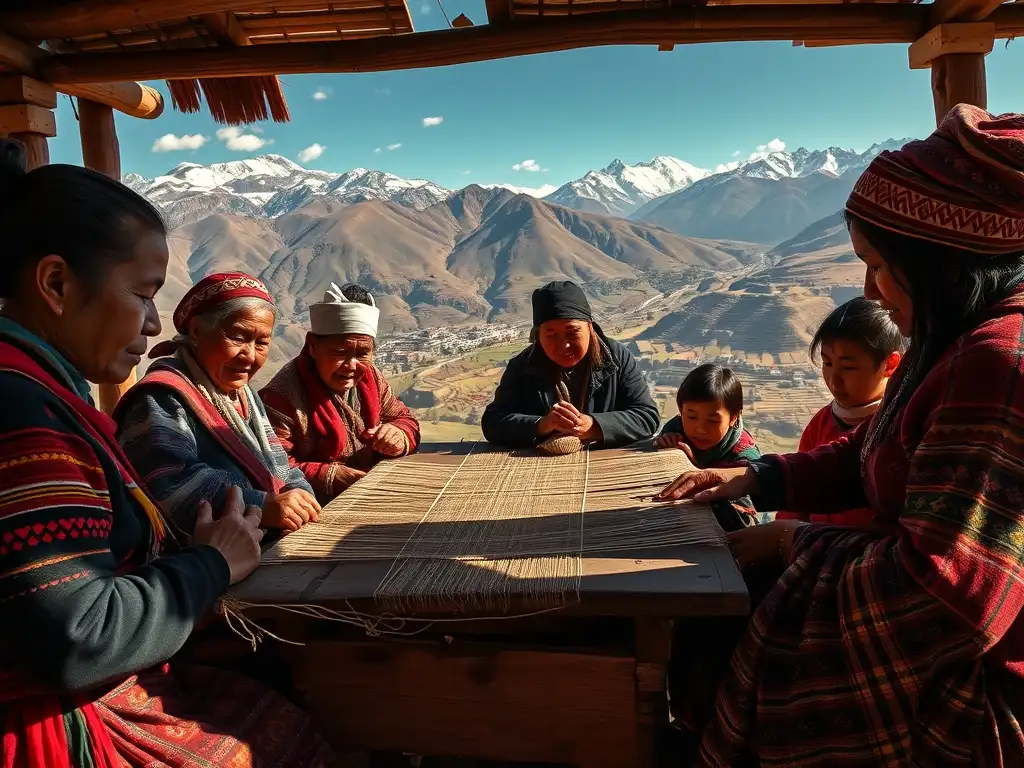
The Quechua language, far from being a relic of the past, is the subject of significant and multifaceted preservation efforts. These initiatives recognize the crucial role Quechua plays not only in linguistic diversity but also in safeguarding the rich tapestry of Andean cultural heritage. Governments, NGOs, and community organizations are collaborating on a variety of projects aimed at revitalizing and promoting the language.
These efforts range from formal educational programs to grassroots community initiatives leveraging technology. The success of these projects hinges on a collaborative approach that respects the diverse dialects and cultural contexts within the Quechua-speaking communities. Furthermore, the long-term sustainability of these efforts requires consistent funding and a commitment from all stakeholders, including the Quechua-speaking communities themselves.
The challenges are considerable, including the dominance of Spanish and the need to adapt preservation strategies to the ever-evolving digital landscape. However, the dedication and resilience of Quechua speakers and their allies offer a beacon of hope for the language's continued survival and flourishing.
Educational Initiatives and Bilingual Programs
Many Andean nations are incorporating bilingual education programs into their school systems. These programs aim to teach Quechua alongside Spanish, fostering linguistic proficiency in both languages. This approach is crucial in empowering younger generations to embrace their linguistic heritage while also acquiring the skills needed to succeed in a globalized world.
Successful programs often involve the training of teachers fluent in both Quechua and Spanish, the development of culturally relevant learning materials, and the creation of supportive learning environments that value both languages equally. However, the implementation of effective bilingual programs faces numerous challenges, including a shortage of qualified teachers, limited resources, and sometimes resistance from communities accustomed to a solely Spanish-speaking education system.
Despite these difficulties, the growth of bilingual education reflects a growing recognition of the importance of linguistic diversity and its contribution to cognitive development and cultural pride. For example, [specific information pending] illustrates the positive impact of a successful bilingual education program.
Community-Based Projects to Strengthen Quechua Usage
Beyond formal education, numerous community-based projects are working to strengthen the use of Quechua in everyday life. These initiatives often focus on promoting the language within families and communities through storytelling, traditional songs, theatre performances, and other cultural activities. These grassroots efforts are vital because they directly engage Quechua speakers and create spaces where the language is actively used and celebrated. The success of these projects depends heavily on the engagement and participation of the community, requiring careful planning and sensitivity to local customs and traditions.
Examples include [specific information pending] which have demonstrated the effectiveness of community-driven language revitalization. These initiatives underscore the importance of community ownership and empowerment in language preservation. The strength of these projects lies in their ability to connect Quechua to the everyday lives of its speakers, fostering a sense of cultural pride and identity.
The Role of Technology in Promoting Quechua
The digital age presents both challenges and opportunities for language preservation. While the dominance of Spanish online can pose a threat, technology also offers powerful tools for promoting Quechua. The creation of Quechua-language websites, apps, and online dictionaries is making the language more accessible to a wider audience. Social media platforms also provide valuable spaces for Quechua speakers to connect, share their language and culture, and engage in conversations.
Furthermore, the development of digital storytelling projects and online language learning resources is empowering Quechua speakers to document their heritage and share it with the world. However, ensuring equitable access to technology and addressing the digital divide within Quechua-speaking communities remains a significant challenge. The effective use of technology requires careful consideration of the digital literacy levels within the community and the need for culturally appropriate digital content.
Quechua: A Living Heritage and a Bridge to the Past
Quechua is far more than just a language; it is a living repository of Andean cultural knowledge and traditions. The language itself is interwoven with the rich history, beliefs, and practices of the Andean peoples, acting as a vital link between the past and the present. Many aspects of Andean culture—from traditional music and storytelling to agricultural practices and spiritual beliefs—are inextricably tied to the Quechua language.
The preservation of Quechua, therefore, is not merely a linguistic endeavor but a crucial step in safeguarding the cultural heritage of the Andes. The intricate relationship between language and culture means that the loss of Quechua would represent a significant loss for the entire world's cultural landscape.
The unique worldview and knowledge systems embedded within the language are invaluable contributions to human understanding and cultural diversity. Protecting Quechua is a collective responsibility, requiring the collaboration of governments, organizations, and individuals who value linguistic and cultural diversity.
The Future of Quechua and its Continued Relevance
The future of Quechua depends on a multifaceted approach that combines top-down initiatives with grassroots movements. Continued investment in bilingual education, community-based language programs, and technological innovations will be crucial in ensuring the language's survival and relevance in the 21st century and beyond.
The key to success lies in empowering Quechua speakers to take ownership of their linguistic heritage and to integrate Quechua into all aspects of their lives, from education and employment to cultural expression and social interaction. This requires not only linguistic preservation but also the preservation of the cultural contexts in which the language thrives.
The continued relevance of Quechua hinges on its ability to adapt to the changing social and technological landscape while maintaining its unique identity and cultural richness. The long-term goal is not just to maintain the language but to ensure its continued vibrancy and its role as a symbol of Andean identity and cultural pride.
Case Study: The Community of Ollantaytambo, Peru and its Quechua Heritage
Ollantaytambo, a town nestled in the Sacred Valley of the Incas, serves as a powerful example of a community actively preserving its Quechua heritage. The town's residents, many of whom are fluent in Quechua, maintain strong cultural traditions that are deeply intertwined with the language. Quechua is used in everyday conversations, traditional ceremonies, and cultural events.
The community has actively resisted the dominance of Spanish, working to maintain the language's vitality through education, cultural activities, and storytelling. This commitment to Quechua has not only preserved the language but also strengthened the community's sense of identity and cultural pride. The success of Ollantaytambo in preserving its Quechua heritage demonstrates the power of community-based initiatives and the importance of local ownership in language revitalization.
The town's example serves as an inspiration for other Quechua-speaking communities striving to maintain their linguistic and cultural heritage. This vibrant community showcases the enduring strength of Quechua as a living language and a powerful symbol of Andean identity.
Conclusion: The Enduring Legacy of Quechua and its Connection to Andean Identity
The Quechua language isn't merely a relic of the past; it's a vibrant thread woven into the rich tapestry of Andean identity. Its continued use, despite centuries of colonization and societal pressures to adopt Spanish or other languages, speaks volumes about the resilience and cultural pride of Andean communities. The preservation of Quechua is intrinsically linked to the preservation of a vast array of traditions, from intricate textile weaving techniques passed down through generations to unique agricultural practices perfectly adapted to the challenging Andean terrain. The songs, stories, and oral histories passed on in Quechua represent a living archive of knowledge, a testament to the ingenuity and spiritual depth of Andean civilizations.
The ongoing efforts to revitalize and promote Quechua, through educational initiatives and community-based language programs, are crucial not only for linguistic diversity but also for the continued flourishing of Andean culture. The future of Quechua is inextricably bound to the future of the Andean people, and its survival ensures the preservation of a unique and invaluable cultural heritage for generations to come. The connection between the Quechua language and Andean traditions is undeniably profound; one cannot exist without the other. This symbiotic relationship underscores the importance of continued support for language preservation efforts and the recognition of Quechua as a vital component of Andean cultural identity.
The legacy of Quechua is not just a linguistic legacy; it is a cultural legacy, a testament to the enduring spirit of the Andean people. Its survival represents a victory for cultural preservation and a beacon of hope for the future of indigenous languages worldwide. 📈
Frequently Asked Questions
What is the Quechua language's significance in Andean cultures?
The Quechua language plays a vital role in preserving Andean traditions, acting as a living link to the past. It's crucial for transmitting cultural knowledge, stories, and practices across generations.
How did the Quechua language survive Spanish colonization?
Despite attempts at suppression, Quechua persisted due to its deep roots in Andean communities. Oral traditions and a strong sense of cultural identity helped maintain its use.
Are there different dialects of the Quechua language?
Yes, Quechua is not a single language but a family of related dialects, varying significantly across different Andean regions. This linguistic diversity reflects the rich tapestry of Andean cultures.
How is the Quechua language impacting modern Andean life?
Quechua is experiencing a revival in many areas, with increased use in education, media, and government. This reflects a growing awareness and pride in Andean heritage and identity.
What role does the Quechua language play in preserving Andean artistic traditions?
Quechua is integral to the transmission of artistic techniques and cultural narratives. Many traditional songs, stories, and artistic practices are passed down orally in Quechua, ensuring their continuation.
Final Reflection: The Enduring Spirit of Quechua
The revitalization of the Quechua language is not merely a linguistic endeavor; it is a crucial act of cultural preservation, directly impacting the vibrant tapestry of Andean traditions. The continued use of Quechua, in a world increasingly dominated by globalized languages, represents a powerful resistance against cultural homogenization and a testament to the enduring strength of Andean identity.
The interwoven threads of Quechua and Andean traditions are undeniable; the language itself acts as a living repository of history, knowledge, and worldview. Its survival ensures the continuation of unique artistic expressions, agricultural practices, and spiritual beliefs that have shaped the Andes for millennia. A language is not simply a tool for communication; it is the embodiment of a culture's soul.
This quote perfectly encapsulates the profound connection between Quechua and the rich heritage it safeguards. The ongoing struggle for its preservation reflects a deeper struggle to maintain cultural diversity in the face of overwhelming pressures.
Consider the impact of your own language and cultural heritage. How does it shape your identity, your perspectives, and your connection to the world around you? I urge you to reflect on the importance of linguistic diversity and the vital role languages like Quechua play in preserving the unique cultural heritage of our planet. Let us all strive to support the efforts to revitalize and celebrate the Quechua language, ensuring that the vibrant traditions of the Andes continue to flourish for generations to come.
Embrace and Preserve Quechua Heritage Today!
Thank you for your interest in the vibrant role of Quechua in Andean traditions. Learning about this rich heritage is a significant step towards supporting the Andean community. Now, let's put this knowledge into action!
**Here are a few impactful ways you can help:**
- **Support local Quechua language classes** to help preserve and promote this invaluable aspect of Andean culture. Consider volunteering your time or donating to organizations that offer these classes.
- **Engage with Andean art and music. ** Attend concerts, festivals, or workshops celebrating Quechua heritage. Immerse yourself in the beauty and vibrancy of the culture.
- **Share your knowledge** with friends, family, and colleagues. Discuss the importance of Quechua traditions and encourage others to learn more.
How can you further integrate Quechua culture into your life and community? We encourage you to share your ideas!