
The Inca's Relationship with the Wari: Precedents and Influences

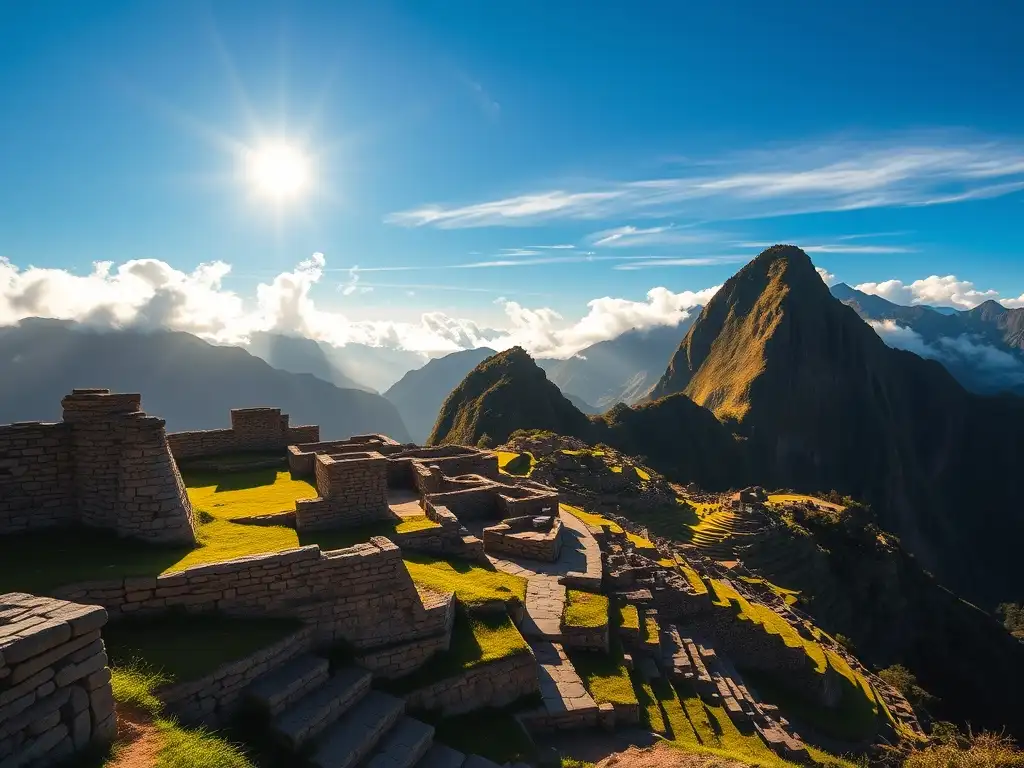
Step into a world lost to time, yet echoing with the whispers of empires. Journey with us as we unravel the intricate tapestry of Andean civilization, a land of breathtaking landscapes and even more breathtaking histories. But the story we begin with today is particularly compelling: the Inca Wari relationship history. Prepare to be captivated by the unexpected connections, surprising influences, and enduring legacies of this pivotal interaction. Discover how this relationship shaped the very fabric of the Inca Empire – a story waiting to be explored.
The Inca Empire, a civilization that flourished in the Andes Mountains from the 15th to the 16th century, didn't emerge in a vacuum. Its impressive expansion and consolidation were built upon a complex interplay of factors, including the legacy of preceding Andean cultures.
Understanding the Inca's relationship with the Wari, a powerful civilization that predated them, is crucial to grasping the full scope of Inca imperial development. This article delves into the historical precedents and influences that shaped this significant interaction, examining the evidence of cultural exchange, political strategies, and territorial inheritance that defined the Inca-Wari connection.
We will explore how the Wari's sophisticated administrative systems, urban planning, and agricultural techniques may have influenced the Inca's own advancements, and how the Incas adapted and built upon the Wari legacy to forge their vast empire. The keyword "Inca Wari relationship history" will be explored through a detailed examination of archaeological evidence, historical accounts (where available), and scholarly interpretations.
Wari Influence on Inca Administrative Structures
The Wari civilization (c. 600-1000 CE) established a remarkable administrative system across a vast territory. Evidence suggests a sophisticated network of roads, administrative centers, and standardized pottery styles, hinting at a centralized control over resources and population. While the precise mechanisms of Wari governance remain a subject of ongoing research, the scale and complexity of their empire undoubtedly left a significant mark on the landscape and the cultural consciousness of the Andes. The Incas, emerging centuries later, inherited much of this infrastructure and potentially adopted similar strategies for managing their own expanding empire.
Archaeological findings, such as the similarities in the layout of Wari and Inca administrative centers, support this theory. Further research is needed to fully quantify the extent of direct adoption versus independent innovation, but the parallels are striking. The meticulous record-keeping and efficient resource management observed in both civilizations suggest a possible lineage in administrative practices.
Agricultural Techniques and Technological Exchange
The Wari were renowned for their advanced agricultural techniques, including terracing, irrigation systems, and the cultivation of diverse crops adapted to the challenging Andean environment. These innovations were essential for sustaining a large population and supporting a complex society. The Incas, inheriting a landscape shaped by Wari agricultural practices, further refined and expanded upon these techniques.
The waru waru system, a sophisticated raised-field agricultural method, is often cited as an example of such continuity and adaptation. While the exact origins of waru waru are still debated, its widespread use by both the Wari and Inca suggests a potential transfer of knowledge or at least a shared understanding of the benefits of this method.
The integration of Wari agricultural innovations into the Inca system contributed significantly to the Inca empire's ability to sustain its vast population and support its military campaigns. Evidence of similar crop varieties cultivated in both Wari and Inca territories further supports the existence of agricultural exchange.
Urban Planning and Architectural Styles
The Wari built impressive urban centers characterized by standardized architecture, intricate street layouts, and monumental structures. These urban centers served as administrative hubs, religious sites, and economic centers. The Incas, in their own urban planning, displayed notable similarities, particularly in the layout of their administrative centers and the use of standardized building techniques. While the Incas developed their own unique architectural style, the influence of Wari urban design principles is discernible in the overall organization and functionality of Inca cities.
The use of stone masonry, though refined and elaborated upon by the Incas, echoes the techniques employed by the Wari. This suggests a continuity of architectural knowledge and potentially a direct influence on Inca urban planning principles. Further study of urban layouts and building techniques is crucial to fully understand the extent of this influence.
Symbolism and Iconography: Cultural Continuity and Adaptation
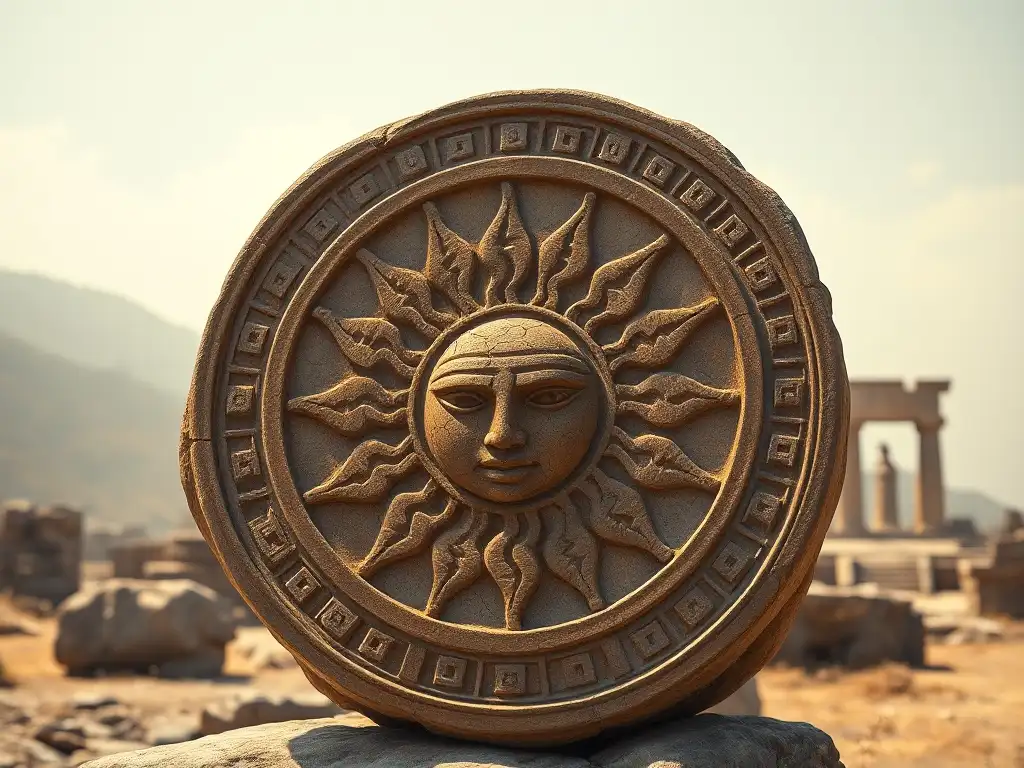
Beyond practical aspects of governance and technology, the Wari's cultural legacy also left its mark on Inca society. Certain motifs and symbolic elements found in Wari art and iconography reappear in Inca art, suggesting a process of cultural appropriation and adaptation. While the Inca developed their own distinct artistic style, the presence of shared symbolic elements hints at a deeper connection and a potential continuity of cultural traditions.
This suggests that the Incas not only inherited the physical infrastructure and administrative systems of the Wari, but also selectively adopted and integrated aspects of their cultural identity into their own. The study of Inca and Wari iconography requires further detailed analysis to fully uncover the extent of this cultural exchange. The presence of similar representations of deities or mythological figures could be a significant indicator of such cultural inheritance.
The Legacy of Conflict and Coexistence: A Complex Relationship
The relationship between the Incas and the Wari was not simply one of peaceful inheritance. Archaeological evidence suggests periods of conflict and competition as the Inca expanded their territory. However, this conflict should not be viewed as a solely negative interaction. Instead, it was likely a complex interplay of warfare, diplomacy, and cultural exchange.
The Incas likely learned from their interactions with the Wari, both through conquest and through observation. The incorporation of Wari territories and populations into the Inca Empire demonstrates both military success and the ability to integrate conquered peoples into the imperial system. The precise nature of this interaction, however, requires further investigation to fully understand the dynamics of power and influence between these two great Andean civilizations. The interplay between conflict and cooperation shaped the trajectory of both empires, leaving a lasting legacy on the Andes region.
- Wari Influence on Inca Administrative Structures
- Agricultural Techniques and Technological Exchange
- Urban Planning and Architectural Styles
- Symbolism and Iconography: Cultural Continuity and Adaptation
- The Legacy of Conflict and Coexistence: A Complex Relationship
Understanding the Wari Empire: A Precursor to Inca Expansion
The Inca's relationship with the Wari is a crucial aspect of understanding the Inca Empire's rise to power and its unique cultural characteristics. The Wari, a pre-Inca civilization flourishing between 600 and 1000 CE in the central Andes, left an undeniable mark on the region, paving the way for later Andean empires, including the Inca. Analyzing the Wari's influence helps us decipher the complex tapestry of Andean history and the Inca’s subsequent achievements. Understanding this "Inca Wari relationship history" reveals a fascinating story of continuity and change.
The Rise of the Wari Culture: Key Characteristics
The Wari emerged as a powerful force in the Andes, gradually consolidating control over a vast territory. Their success stemmed from a combination of factors, including strategic military prowess, sophisticated administrative systems, and effective control over vital resources. Unlike earlier Andean societies that were often characterized by smaller, independent city-states, the Wari established a more centralized, hierarchical structure.
This is a significant departure from previous Andean social organization and foreshadows the Inca's later imperial model. Evidence suggests a highly organized system of roads and administrative centers strategically placed throughout their domain, facilitating communication and resource management. This sophisticated infrastructure is crucial in understanding the Wari's ability to govern such a large and diverse population.
Their ability to unify disparate groups under a single political system is a notable achievement, offering valuable insights into the challenges and strategies involved in building a large-scale empire, a blueprint later adopted and refined by the Inca. The Wari's expansion was not merely a military conquest; it involved the integration of various cultural practices and the establishment of a shared identity across their empire, laying the groundwork for the later Inca approach to imperial administration.
Wari Societal Organization: Political and Administrative Structures
Wari societal organization was remarkably advanced for its time. Archaeological evidence points towards a hierarchical structure with a centralized authority likely residing in their capital city of Huari (near present-day Ayacucho, Peru). The administration was likely complex, with specialized officials responsible for overseeing different aspects of governance, including agriculture, resource distribution, and military affairs.
The Wari employed a sophisticated system of administrative centers and strategically located outposts throughout their territory. These centers served not only as administrative hubs but also as centers for trade and the dissemination of Wari culture. This decentralization, yet under centralized control, might be viewed as a prototype for the Inca's suyu system, demonstrating a clear precursor to the Inca administrative model.
The Wari's emphasis on standardization and uniformity in architecture and ceramics across their vast empire suggests a strong centralized authority capable of implementing and enforcing its policies across significant distances. Further research is needed to fully understand the intricacies of Wari political structures, but available data strongly suggests a level of sophistication that significantly influenced subsequent Andean civilizations. The distribution of elite goods and standardized artifacts across the Wari empire indicates a complex system for maintaining control and projecting power.
Wari Artistic and Technological Achievements: Architectural and Ceramic Legacy
The Wari left a significant architectural and ceramic legacy. Their monumental architecture, characterized by large-scale platforms and impressive public buildings, is a testament to their advanced engineering skills and organizational capabilities. The use of standardized building techniques and materials across their empire speaks to a degree of centralized planning and control. Their ceramics, renowned for their distinctive styles and quality, were distributed widely across their territory, serving as both utilitarian objects and symbols of Wari power and prestige.
This standardization in both architectural styles and ceramic production further supports the theory of a strong central government capable of enforcing uniformity across their expansive realm. The Wari's advanced understanding of hydraulic engineering, as evidenced by their irrigation systems, contributed to their agricultural success and facilitated population growth. The impact of Wari artistic and technological achievements on subsequent Andean cultures, including the Inca, is undeniable. The Inca clearly drew inspiration from Wari architectural styles and techniques, adapting and refining them to suit their own needs.
The legacy of Wari craftsmanship and technological innovations is evident in the later Inca Empire, highlighting the enduring influence of this important pre-Inca civilization on the development of Andean art and technology. Analyzing the similarities and differences between Wari and Inca artistic styles provides valuable insights into the processes of cultural transmission and adaptation in the Andes. The study of Wari ceramic styles, for example, reveals a clear influence on later Inca pottery, indicating a direct line of cultural transmission.
The Inca Emergence: Building Upon Wari Foundations
The Inca rise to power wasn't a sudden event, but rather a complex process deeply intertwined with the legacy of the preceding Wari civilization. Understanding the Inca-Wari relationship is crucial to comprehending the Inca Empire's eventual dominance in the Andes. This section explores the key aspects of this interaction, demonstrating how the Inca strategically leveraged Wari infrastructure, administrative systems, and even cultural elements to solidify their own imperial ambitions.
The intricate dance between continuity and innovation in Inca society is a testament to their shrewd adaptation and effective utilization of pre-existing resources, a key factor contributing to their success in forging a vast and enduring empire. The keyword phrase "Inca Wari relationship history" accurately captures the core theme of this analysis.
Inca Origins and Early Settlements: Tracing Inca Ancestry
The precise origins of the Inca remain a subject of ongoing scholarly debate. However, a significant consensus points towards a relatively modest group emerging in the Cusco region, possibly around the 12th century CE. While not directly descended from the Wari, the Inca's initial settlements benefited from the existing infrastructure and agricultural techniques developed during the Wari period.
The Inca cleverly utilized pre-existing irrigation systems, road networks, and agricultural terraces, showcasing an astute understanding of the Wari's achievements. This efficient adaptation allowed them to establish a stable foundation for their future expansion, providing a crucial head start in resource management and agricultural productivity.
Archaeological evidence suggests that the Inca adopted and refined Wari architectural styles, particularly in early constructions, demonstrating a clear continuity in building techniques and aesthetic preferences. The strategic adoption of Wari innovations facilitated a rapid growth in population and agricultural output, which formed the bedrock for later imperial expansion.
The Inca Expansion: Consolidating Power in the Andes
The Inca expansion wasn't merely a conquest; it was a sophisticated process of assimilation and integration. The Inca skillfully incorporated existing Wari administrative structures and adapted them to their own needs. For example, the mit'a system, a form of mandatory labor service, likely had its roots in earlier Andean practices, potentially influenced by Wari precedents.
This isn't to suggest direct imitation; rather, the Inca refined and expanded upon existing systems, creating a more centralized and efficient model to manage their expanding territories. The Inca's military prowess undoubtedly played a role in their conquest, but their success also stemmed from their ability to integrate conquered populations and incorporate their knowledge and resources into their burgeoning empire. Their administrative mastery, partly built upon Wari foundations, allowed for the efficient governance of diverse regions and populations, a key factor in the empire's longevity.
Geographical Overlap: Inca and Wari Territories and Interactions
The geographical overlap between Wari and Inca territories provided a fertile ground for interaction and influence. The Wari heartland in the Ayacucho region, for instance, was later incorporated into the Inca Empire, and its resources were harnessed to support Inca expansion. Evidence suggests a complex interplay between continuity and change.
While the Inca certainly asserted their dominance, they didn't entirely erase the Wari legacy. Instead, they selectively adopted and adapted Wari practices, integrating them into their own imperial system. This strategic approach allowed for a smoother transition of power and minimized resistance from the local populations.
The careful integration of Wari infrastructure and administrative practices into the Inca system illustrates a remarkable case of cultural adaptation and strategic imperial management, helping to explain the Inca's remarkable success in building a vast and enduring empire. The study of this geographical overlap offers crucial insights into the dynamics of power and influence in the Andes, enriching our understanding of the "Inca Wari relationship history."
Key Areas of Inca Wari Relationship History
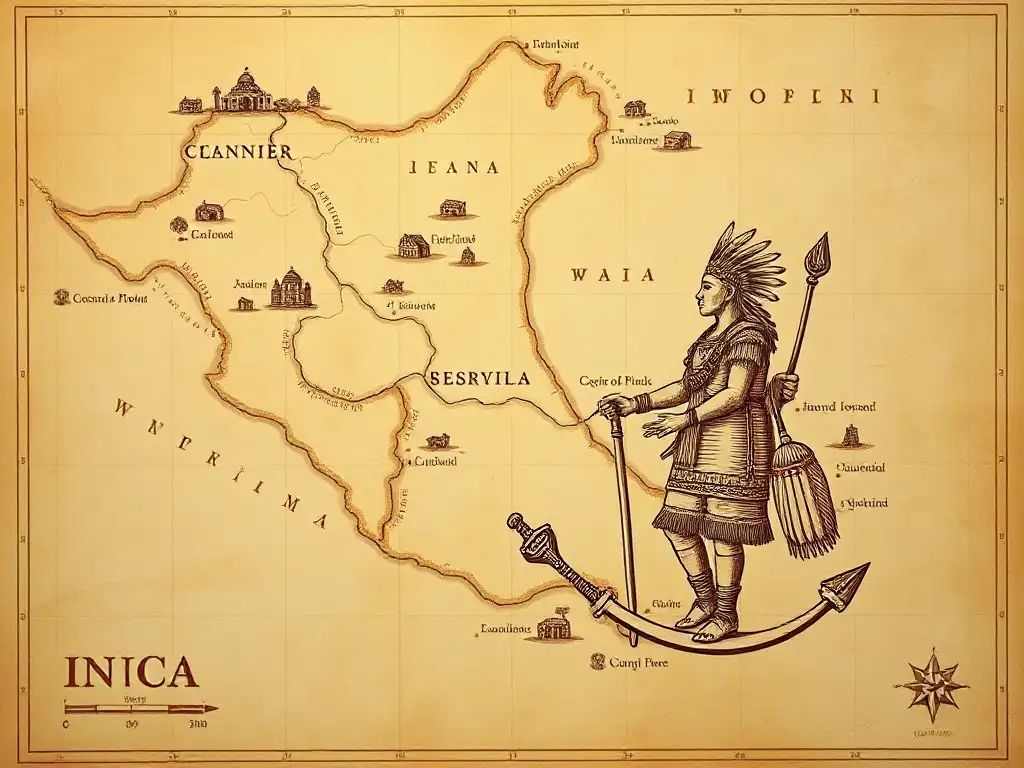
This section delves into the significant intersections between the Inca and Wari civilizations, exploring the lasting influence the Wari had on Inca development, particularly in architecture, infrastructure, and administrative systems. Understanding this historical relationship is crucial to grasping the full complexity of the Inca Empire's rise and its unique characteristics. The keyword phrase "Inca Wari relationship history" will be explored through a detailed examination of shared practices and inherited structures.
The Wari, who predated the Inca by several centuries, left behind a remarkable architectural legacy. Their mastery of stonework, particularly in the construction of monumental structures and urban centers, is evident throughout the Andes. The Inca, undeniably, inherited and adapted many of these techniques. Analysis of Inca structures reveals striking similarities to Wari architecture, suggesting a direct lineage of knowledge and skill transfer.
For instance, the precision in stone cutting and fitting, characteristic of both Wari and Inca constructions, is a clear example of this continuity. The use of massive, precisely-shaped stones, often without mortar, displays a sophisticated understanding of engineering principles, passed down through generations. The iconic cancha system, a type of enclosed courtyard common in Wari sites, finds its echo in Inca urban planning, albeit with modifications and elaborations reflecting the Inca's distinct cultural identity.
The Inca expanded upon the Wari's architectural foundations, adapting and refining techniques to create their own impressive cities, such as Machu Picchu and Cusco. Further research is needed to fully quantify the extent of direct borrowing versus independent innovation, but the visual similarities are undeniable.
The Wari Road System: A Model for Inca Infrastructure
The Wari state was known for its extensive road network, a crucial element in facilitating communication, trade, and military control across its vast territory. This sophisticated infrastructure served as a blueprint for the even more impressive Inca road system, the Qhapaq Ñan. While the Inca Qhapaq Ñan ultimately surpassed the Wari network in scale and complexity, the foundational principles – strategic placement, efficient construction, and integration with the landscape – bear clear Wari influence.
The Wari roads, often paved and strategically placed along mountain passes and valleys, facilitated movement and communication across challenging terrain. The Inca inherited this knowledge, expanding upon it with their own innovations, such as suspension bridges and sophisticated relay systems for rapid communication. The Inca’s mastery of road construction, however, was built upon the groundwork laid by the Wari.
The selection of optimal routes, the understanding of terrain, and the construction techniques themselves all point to a direct continuity. Detailed comparative studies of road construction techniques in Wari and Inca sites would further clarify the extent of this transmission of knowledge.
Inca Adoption of Wari Administrative Practices: Bureaucracy and Governance
Beyond physical infrastructure, the Wari's influence extended to the realm of administration and governance. The Wari state implemented a complex bureaucratic system to manage its resources and control its vast territory. This system, characterized by a hierarchical structure and standardized procedures, served as a model for the Inca's highly organized empire.
The Inca ayllu system, while unique in its specific features, shares some structural similarities with the Wari administrative structure. Both systems relied on a hierarchical organization, with officials responsible for overseeing specific regions and managing resources. The Inca’s centralized system of record-keeping, taxation, and labor mobilization demonstrates a sophisticated understanding of bureaucratic management – an understanding that likely benefited from the precedents established by the Wari.
While the Inca state significantly expanded upon and refined these practices, developing a uniquely Inca style of governance, the underlying principles reveal a clear legacy from the Wari. Further research into Wari administrative records and Inca governmental structures is crucial for a complete understanding of this intricate relationship. The precise mechanisms of this transfer of administrative knowledge remain a topic of ongoing scholarly debate, but the influence is undeniable.
Religious and Ideological Connections: Wari Deities and Inca Beliefs
The Inca's relationship with the Wari civilization extended beyond mere political and territorial influence; it encompassed a significant exchange of religious and ideological concepts. While the extent of direct religious syncretism remains a topic of ongoing scholarly debate, evidence suggests a complex interplay between Wari deities and emerging Inca beliefs. Understanding this interaction requires careful consideration of both archaeological findings and the often-fragmented accounts left by Spanish chroniclers.
Archaeological evidence, particularly in sites showing both Wari and Inca occupation, reveals potential continuities in religious practices. For instance, the presence of similar architectural features in temples and ceremonial centers across different periods might indicate the adoption or adaptation of Wari religious structures by the Inca. However, it’s crucial to avoid simplistic interpretations of these similarities. While certain architectural elements might have been adopted, their symbolic meaning and ritual significance may have undergone transformations under Inca rule. More research is needed to fully understand the subtle nuances of these changes.
The Inca pantheon, while distinct in many aspects, may have incorporated certain Wari deities or aspects of their mythology. However, pinpointing specific correspondences remains challenging. Chroniclers often blended pre-Columbian beliefs with their own Christian worldview, making it difficult to separate authentic Inca religious practices from later interpretations. Furthermore, the Inca themselves might have intentionally obscured or modified their religious practices to present a unified and powerful image to their subjects. This strategic manipulation of religious narratives makes disentangling the genuine Wari influence a complex task.
The Inca state's skillful assimilation of conquered populations often involved incorporating elements of their religious beliefs into the imperial ideology. This process, while strategically advantageous for the Inca, also resulted in a complex blending of religious traditions. The exact nature of this blending in the case of the Wari influence requires further investigation. Studies focusing on iconography, ceramic styles, and textual analysis could shed more light on this intriguing aspect of the Inca-Wari relationship.
The limited surviving sources, however, make definitive conclusions difficult to draw. Future research, incorporating interdisciplinary approaches, is crucial to fully understand the intricate religious interplay between these two powerful Andean civilizations. The potential discovery of new archaeological sites or the re-evaluation of existing ones could significantly alter our current understanding of this complex religious exchange.
Contrasting Inca and Wari: Differences and Divergences
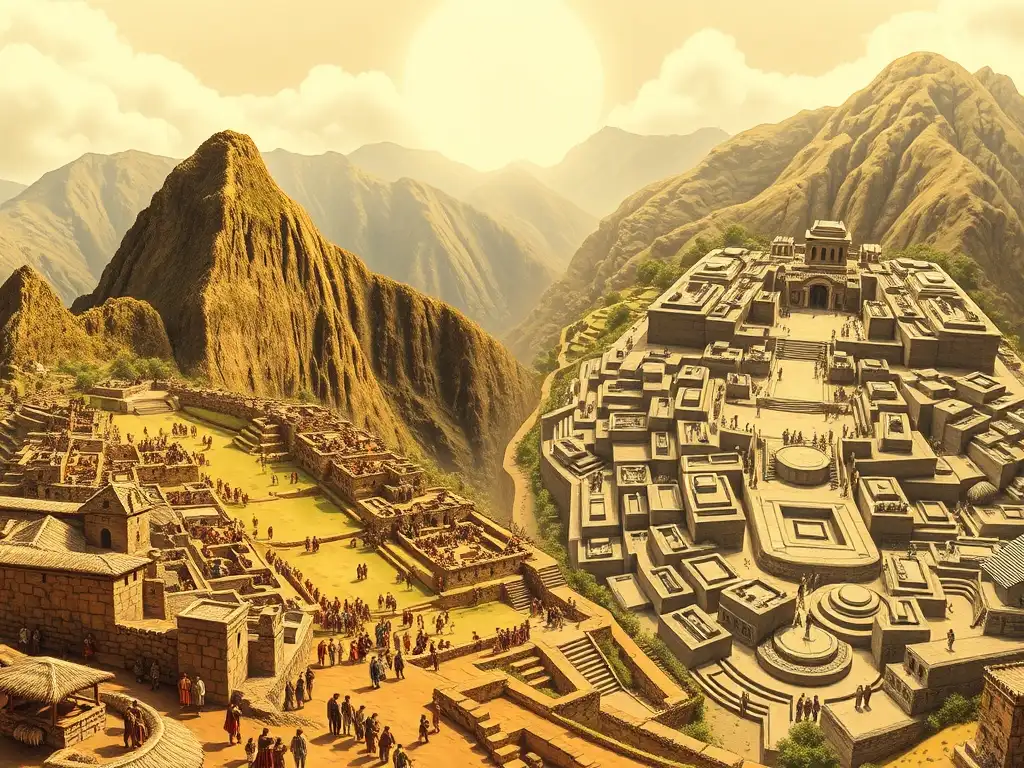
The Inca and Wari, while both powerful Andean civilizations, exhibited significant differences in their societal structures, administrative systems, and approaches to expansion. Understanding these divergences is crucial to comprehending the nature of their interaction and the eventual Inca dominance. The Inca Wari relationship history is complex, not simply one of direct succession, but a story of adaptation and innovation built upon a foundation of contrasting legacies.
Wari Decline and Inca Ascendancy: Shifting Power Dynamics
The Wari Empire, at its zenith, controlled a vast territory in the central Andes. However, by the 11th century CE, signs of internal weakness and potential external pressures led to its gradual decline. This decline wasn't a sudden collapse but a protracted process involving fragmentation of power, weakened infrastructure, and potentially increased social unrest.
Archaeological evidence suggests a decrease in the quality and quantity of Wari-style ceramics and architecture during this period, indicative of a weakening central authority. This created a power vacuum, eventually exploited by the rising Inca. The Inca, initially a small group in the Cusco region, skillfully navigated this changing landscape, strategically absorbing elements of Wari culture and infrastructure while adapting them to their own expansionist goals.
The Inca's success wasn't solely due to military might; it was also a result of their ability to exploit existing weaknesses and capitalize on opportunities presented by the Wari's decline. Historians debate the precise factors contributing to the Wari's downfall, with theories ranging from environmental changes to internal conflicts and overextension of their empire. Further research, particularly focused on analyzing socio-economic data from late Wari settlements, is needed to fully understand this crucial turning point in Andean history.
Inca Military Superiority: Differences in Warfare Strategies
While both the Wari and Inca were formidable military powers, their approaches to warfare differed significantly. The Wari, based on archaeological findings, seem to have relied on a system of strategically placed administrative centers and fortified settlements to control their vast territory. Their military campaigns, while effective in expanding their dominion, might have been less focused on large-scale, decisive battles than on establishing control through a combination of force and diplomacy.
The Inca, on the other hand, developed a highly centralized and disciplined military organization. Their army was renowned for its effective logistics, sophisticated weaponry (including the quipus for communication and organization), and the mit'a system, which mobilized a significant portion of the population for military service. This allowed the Inca to launch large-scale campaigns, conquering territories with decisive victories.
The Inca's mastery of mountain warfare and their use of innovative siege tactics, such as the construction of extensive road networks to facilitate rapid troop movement, further contributed to their military superiority. The Inca Wari relationship history, therefore, includes a significant military component: the Inca’s superior organization and tactics allowed them to effectively conquer and absorb remnants of the Wari state.
Inca Centralized Control: Contrasting Administrative Approaches
A key difference between the Wari and the Inca lay in their administrative systems. While the Wari established a complex network of administrative centers and controlled a significant territory, their system was arguably less centralized than that of the Inca. The Inca implemented a highly structured administrative system, characterized by a hierarchical bureaucracy and a sophisticated network of communication and control.
The mit'a system, while used for military purposes, also played a crucial role in organizing labor for infrastructure projects and agricultural production, contributing to the empire's stability and economic strength. This centralized control allowed for efficient resource allocation and the implementation of standardized policies across the vast Inca Empire. In contrast, evidence suggests that the Wari's administrative control might have been more regional, with varying degrees of autonomy granted to different provinces.
The Inca, by adopting a more centralized and efficient administrative system, were better equipped to consolidate their power and govern their expansive empire, effectively absorbing and integrating aspects of the Wari's previous administrative structures while streamlining them for greater efficiency. This contrast highlights a fundamental difference in their approaches to governance and helps explain the Inca’s success in consolidating their power after the decline of the Wari. The Inca Wari relationship history, therefore, is not just one of conquest, but also of administrative innovation and adaptation.
The Legacy of the Wari on Inca Culture and Society
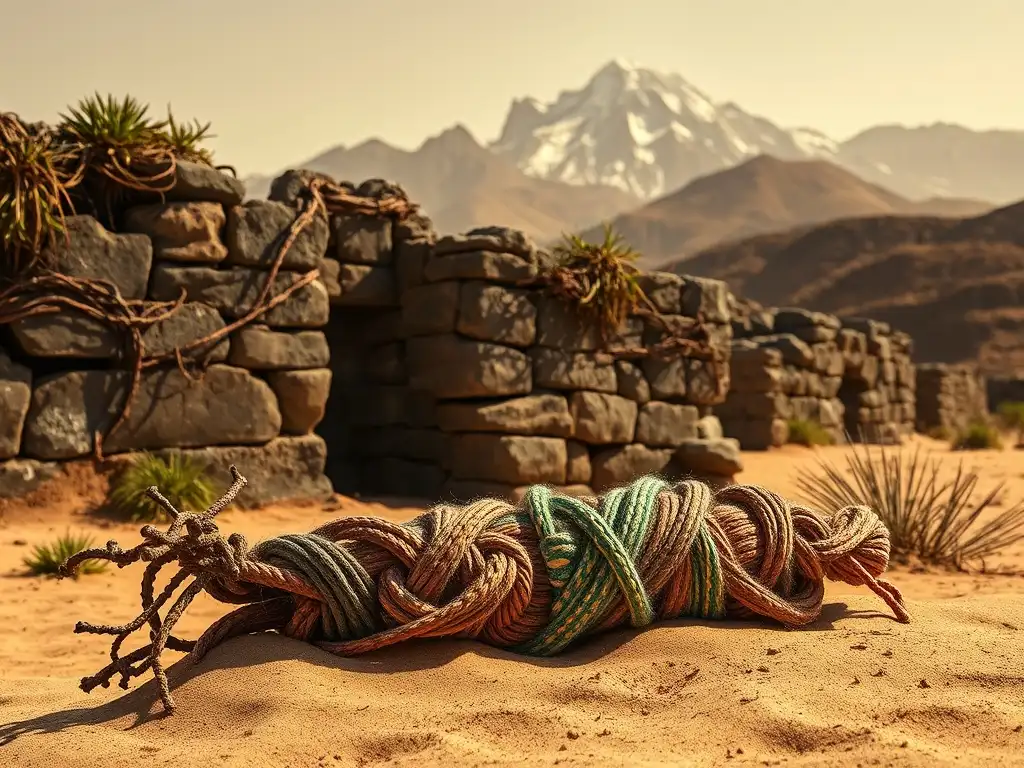
The Inca Empire, while renowned for its impressive achievements, wasn't built in a vacuum. Understanding the Inca's relationship with preceding Andean cultures, particularly the Wari, is crucial to fully grasping the empire's development and its unique characteristics. The Wari, a powerful civilization that flourished from approximately 600 to 1000 CE, left an undeniable mark on the Inca, influencing aspects of their culture, society, and even their infrastructure.
Analyzing the Inca-Wari interaction reveals a complex interplay of adaptation, innovation, and outright adoption of pre-existing systems. This section will explore the lasting impact of the Wari on various facets of Inca life, shedding light on the intricate historical tapestry of the Andes. The keyword phrase "Inca Wari relationship history" is central to this exploration, highlighting the significant precedents and influences shaping the Inca civilization.
Lasting Wari Influence: Impact on Inca Art and Craftsmanship
The Wari are celebrated for their sophisticated artistic and craft traditions. Their distinctive pottery, textiles, and metalwork are readily identifiable and exhibit a high level of skill and artistry. While Inca art developed its own unique style, clear parallels and influences from the Wari tradition are evident.
For example, certain motifs and decorative patterns found in Inca ceramics strikingly resemble those seen in Wari pottery. The use of specific colors and techniques in textile production also shows a clear lineage connecting the two cultures. The continuity in artistic expression suggests a direct transmission of knowledge and skills, possibly through cultural exchange or even the integration of Wari artisans into Inca society.
Further research into specific stylistic elements and comparative analyses of artifact composition could provide more concrete evidence of this direct influence. Detailed studies of Inca and Wari metallurgical techniques are also needed to fully understand the extent of the technological transfer. This shared artistic heritage significantly contributes to our understanding of the "Inca Wari relationship history."
The Wari Contribution to Inca Agriculture: Techniques and Innovations
The Wari civilization was known for its advanced agricultural practices, particularly its mastery of irrigation systems and terracing techniques. These innovations were essential for sustaining a large population and supporting urban centers. The Inca, inheriting a landscape already shaped by Wari agricultural ingenuity, likely adapted and built upon these existing systems.
Evidence suggests that Inca agricultural practices, including their sophisticated terrace farming (andenes), incorporated elements of Wari technology. For example, the precise alignment of Inca terraces with water sources mirrors similar patterns observed in Wari agricultural settlements. Furthermore, the use of specific agricultural tools and techniques might trace its origins back to Wari innovations.
The extent of this influence, however, requires further investigation. Quantifiable data comparing the efficiency and yield of Wari and Inca agricultural methods would provide a more comprehensive understanding of the technological transfer and its impact on Inca agricultural productivity. The study of "Inca Wari relationship history" in this context reveals the long-term consequences of Wari agricultural advancements on Inca societal stability.
Inca Use of Wari Infrastructure: Adapting and Integrating Existing Systems
The Inca famously inherited and adapted pre-existing infrastructure from previous Andean civilizations. The Wari left behind a substantial legacy in the form of roads, settlements, and administrative centers. The Inca strategically integrated these existing elements into their own expanding empire. Many Inca settlements were built on or near existing Wari sites, utilizing pre-built structures and adapting them to their needs.
The Inca road system, famous for its extensive network, likely incorporated and expanded upon existing Wari pathways. This integration of Wari infrastructure significantly reduced the costs and time required for the Inca expansion. The strategic use of existing Wari settlements as administrative hubs also facilitated the control and governance of the conquered territories.
The extent to which the Inca directly used or modified Wari architecture requires more detailed analysis of specific sites. Archaeological studies comparing Wari and Inca building techniques and materials could offer more specific information on the extent of adaptation and integration. This aspect of "Inca Wari relationship history" reveals the practical and strategic implications of utilizing pre-existing infrastructure for empire building.
Conclusion: The Intertwined History of Inca and Wari
The Inca's relationship with the Wari civilization wasn't simply one of conquest and replacement. A nuanced understanding reveals a complex interplay of influence, adaptation, and even continuity. While the Inca undoubtedly expanded upon and transformed Wari structures and practices, evidence strongly suggests a significant degree of cultural inheritance. The Inca Inca Wari relationship history wasn't a clean break, but rather a process of selective appropriation and integration within a broader Andean context.
This process of cultural transmission highlights the dynamic nature of Andean societies and challenges simplistic narratives of linear progression. The Inca Empire, in many ways, built upon the foundations laid by preceding cultures like the Wari, demonstrating the enduring legacy of Andean innovation and adaptation. Understanding this complex historical relationship enriches our comprehension of both the Wari and the Inca, illuminating the intricate tapestry of Andean civilization.
The Enduring Relationship Between Wari and Inca
The impact of Wari on Inca society is demonstrably significant, extending beyond mere material inheritance. Architectural styles, particularly in urban planning and the use of stone, show clear Wari influences. The Inca’s mastery of qhapaq ñan, the extensive road system, may have been partially inspired by the sophisticated Wari road networks, although the Inca system surpassed its predecessor in scale and complexity.
Furthermore, similarities in administrative structures and strategies suggest a possible link between Wari regional control mechanisms and the Inca's ayllu system, though the precise nature of this relationship requires further investigation. Even aspects of Inca religious practices, such as specific ritualistic offerings and the veneration of certain deities, may echo earlier Wari traditions. The continuity of certain agricultural practices and technologies across both cultures further underscores the enduring legacy of the Wari within the Inca world.
This wasn't a simple case of imitation, but rather a selective process of adaptation and integration, reflecting the Inca’s pragmatic approach to governance and cultural exchange. The Inca skillfully blended pre-existing elements with their own innovations, creating a unique cultural synthesis that defined the height of their empire.
Future Research: Exploring Unresolved Questions
Despite considerable progress in understanding the Inca-Wari relationship, many questions remain unanswered. For instance, the precise extent of Wari influence on Inca ideology and religious beliefs needs further investigation. More detailed comparative studies of Wari and Inca administrative systems are needed to determine the degree of direct lineage or independent development.
Further archaeological excavations in areas of significant Wari-Inca interaction could shed light on the nature of cultural exchange and potential conflict. Advanced technological analysis of artifacts from both cultures might reveal more subtle connections and influences. Moreover, a deeper understanding of the social dynamics of the transition period – how Wari populations integrated into the Inca system – is crucial to a complete picture.
The study of Inca oral traditions, where available, could provide valuable insights into the Inca perception of their Wari predecessors. A collaborative, interdisciplinary approach, combining archaeology, anthropology, and historical analysis, is essential to address these unresolved questions and refine our understanding of this crucial historical relationship. This collaborative effort will allow for a more complete picture of the Inca Wari relationship history.
Significance of Studying Pre-Inca Civilizations
Studying pre-Inca civilizations like the Wari is vital for a comprehensive understanding of the Inca Empire. It moves beyond a simple narrative of Inca dominance to reveal a more complex and nuanced picture of Andean history. By examining the precedents set by earlier cultures, we gain a deeper appreciation for the Inca’s achievements and the historical context within which their empire flourished.
Understanding the Wari's contributions to Andean technology, administration, and culture provides crucial insights into the processes of state formation and imperial expansion in the Andes. Furthermore, studying the interactions between different Andean societies helps us understand the broader dynamics of cultural exchange, adaptation, and conflict in the region. This comparative approach allows us to move beyond a Eurocentric perspective of historical development, recognizing the rich and complex tapestry of Andean civilization.
The study of pre-Inca civilizations, therefore, is not merely an academic exercise, but a crucial step towards a more accurate and nuanced understanding of the Inca Empire and its place within the broader history of the Andes. This nuanced perspective enriches our understanding of the Inca Wari relationship history and the broader Andean cultural landscape.
Frequently Asked Questions
What is the significance of the Wari civilization in relation to the Inca?
The Wari civilization played a crucial role as a significant predecessor to the Inca Empire. Their advanced administrative and urban planning systems, as well as their extensive road network, likely influenced Inca development. Understanding the Wari is key to comprehending the Inca's rise.
How did the Wari influence Inca technology and infrastructure?
The Inca inherited and adapted many Wari innovations. Architectural styles, irrigation techniques, and urban planning principles show clear Wari influence. The Inca expanded upon these existing foundations, creating their own unique innovations.
Did the Inca directly conquer the Wari?
While the Inca did not directly conquer the Wari, the Wari state had already collapsed before the Inca rose to prominence. The Inca, however, inherited and occupied much of the Wari's territory, incorporating aspects of their culture and infrastructure into their own empire.
What aspects of Wari culture did the Inca adopt?
The Inca adopted various aspects of Wari culture, including administrative structures, religious practices, and artistic motifs. These influences can be seen in Inca pottery, textiles, and urban planning, demonstrating a clear cultural continuity.
What are the primary sources used to study the Inca-Wari relationship?
Archaeological evidence, such as comparative studies of architecture and pottery, provides crucial insights. Analysis of Inca chronicles and oral traditions also offers valuable, albeit sometimes biased, perspectives on the relationship. Further research is ongoing to refine our understanding.
Final Reflection: Echoes of Empire: The Enduring Legacy of Wari-Inca Interaction
The intricate relationship between the Wari and Inca empires continues to resonate today, offering invaluable insights into the complexities of power, cultural exchange, and the enduring impact of past civilizations. Understanding this interaction is not merely an academic exercise; it provides a crucial framework for comprehending the rise and fall of Andean societies and the lasting influence of pre-Columbian cultures on the region's identity.
The Wari's sophisticated administrative systems and urban planning, partially adopted and adapted by the Inca, left an indelible mark on the Andean landscape and subsequent political structures. Their influence is not simply a matter of historical record; it's woven into the very fabric of Peruvian society, visible in architectural styles, agricultural practices, and even social hierarchies. History does not repeat itself, but it often rhymes,
a quote often attributed to Mark Twain, perfectly encapsulates the cyclical nature of power and influence, as seen in the echoes of Wari influence within the Inca empire.
Consider the implications of this historical interplay. How have the lessons learned from the successes and failures of both empires shaped our understanding of state formation and societal development? You, the reader, are now equipped with a deeper understanding of this crucial historical relationship.
Use this knowledge to challenge preconceived notions, to appreciate the complexities of intercultural exchange, and to foster a more nuanced perspective on the rich tapestry of Andean history. Let the echoes of these ancient empires inspire you to explore further, to delve deeper into the fascinating stories hidden within the Andes, and to appreciate the enduring legacy of the past.
**Unveil the Ancient Connections! **
Thank you for exploring the fascinating world of the Inca and Wari civilizations with us! You've discovered how these ancient societies intertwined their legacies, and now it's time to build on that knowledge. Let's cultivate a deeper appreciation for our shared history and culture!
Here are some ways you can continue your journey:
- **Deepen your understanding:** Visit local museums or online galleries featuring Inca and Wari artifacts to enrich your knowledge.
- **Share your discoveries:** Discuss your insights about the Inca and Wari with friends or on social media using the hashtag #AndeanCivilizations.
- **Connect with others:** Participate in forums or local history groups focused on Andean cultures to exchange ideas and learn from others.
What aspect of the Inca and Wari interaction most captivated you? Let's discuss in the comments below!