
Guerrilla Warfare in the Andes: Tactics of the Unconquered

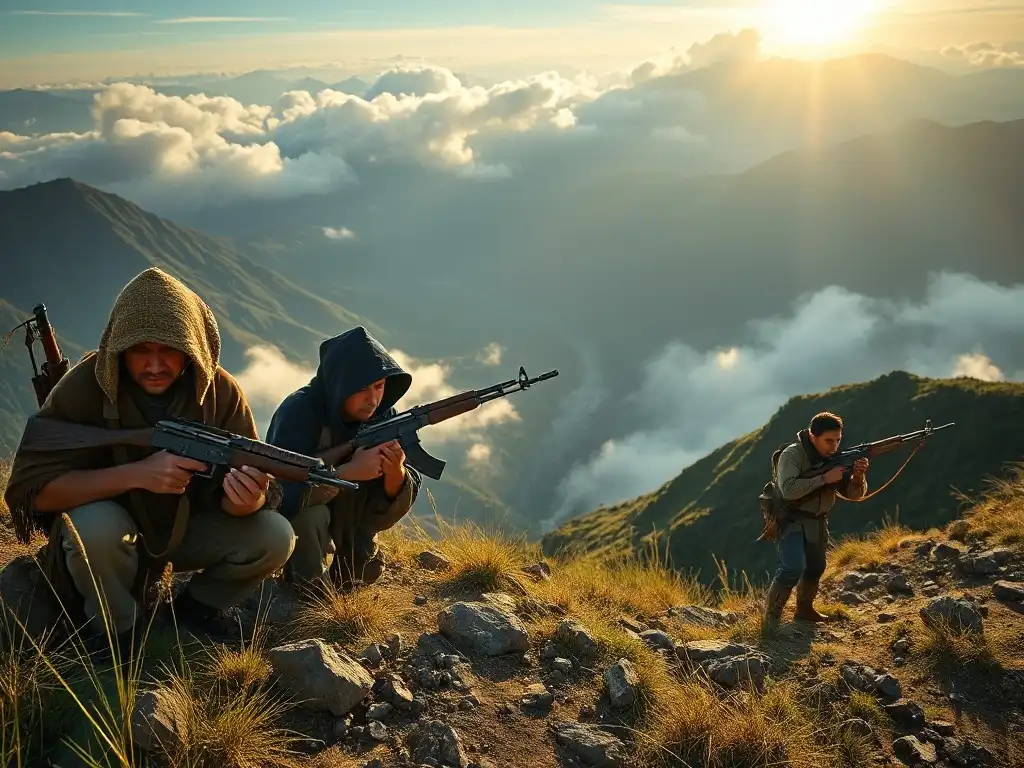
Uncover the secrets whispered on the windswept peaks of the Andes… For centuries, the mighty Andean civilizations – Incas, Moche, Nazca, and Tiahuanaco – defied conquest. But how? Dive into the fascinating world of Andean civilizations guerrilla warfare tactics, and discover the ingenious strategies that allowed these empires to resist the might of the Spanish conquistadors. Prepare to be amazed by the resilience and cunning of the unconquered. The story of their struggle awaits…
The Spanish conquest of the Andes, while ultimately successful in establishing colonial rule, was far from a straightforward military victory. The seemingly insurmountable power of the Spanish conquistadors, armed with superior weaponry and bolstered by horses and disease, was met with fierce and sustained resistance from the indigenous Andean populations. This resistance, often characterized by decentralized and adaptable guerrilla warfare tactics, significantly prolonged the conquest and shaped the colonial experience for centuries to come.
This article delves into the strategic brilliance and resilience of Andean guerrilla warfare, exploring the context of the resistance, the diverse tactics employed, and the socio-political factors that fueled this protracted struggle for survival and freedom against the Spanish empire. Understanding these tactics provides crucial insight into the ingenuity and tenacity of the Andean civilizations in the face of overwhelming odds, showcasing a profound legacy of resistance that continues to resonate today.
This exploration will focus on the key strategies employed by various Andean groups, highlighting their effectiveness against the seemingly superior Spanish forces, and emphasizing the crucial role of adaptation, knowledge of the terrain, and community resilience in their fight for survival. We will analyze how the very landscape of the Andes became a weapon in the hands of the resistance fighters.
The Context of Resistance: Spanish Conquest and Andean Uprising
Initial Encounters: The Battle of Cajamarca and Andean Reaction
The infamous Battle of Cajamarca in 1532 marked a pivotal moment, showcasing both the Spanish advantage in weaponry and the initial vulnerability of the Inca Empire. The capture of Atahualpa, the Inca emperor, demonstrated the devastating effectiveness of Spanish tactics and weaponry. However, this initial success did not translate into immediate and complete control.
The Inca Empire, despite its initial disarray, responded with various forms of resistance, laying the groundwork for the widespread guerrilla warfare that would define the subsequent decades. The execution of Atahualpa, far from crushing the resistance, ignited a widespread rebellion, fostering a decentralized resistance movement across diverse Andean communities. The ensuing chaos and power vacuum within the Inca empire provided fertile ground for the emergence of guerrilla warfare as a primary form of resistance.
The Imposition of Spanish Rule: The Encomienda System and Forced Labor
The Spanish conquest was not merely a military endeavor; it was also a systematic project of exploitation. The encomienda system, a brutal form of forced labor, was implemented to extract wealth from the conquered territories. This system, along with other oppressive policies, fueled widespread resentment and resistance among the Andean populations.
The forced labor, the destruction of traditional social structures, and the imposition of a foreign religion all contributed to the conditions that fostered widespread guerrilla warfare as a means of survival and rebellion. The brutality of the system ensured that resistance was not just a political act but also a fight for survival against starvation and oppression.
Socio-Political Factors Fueling Guerrilla Resistance in the Andes
The diverse Andean landscape, characterized by high altitudes, treacherous terrain, and dispersed settlements, played a crucial role in shaping the nature of the resistance. The pre-existing social structures and alliances within Andean communities provided a foundation for organized resistance. Furthermore, the deep-rooted spiritual beliefs and cultural practices of the Andean people provided a powerful source of resilience and motivation in their fight against the Spanish.
The strong community bonds and the importance of kinship networks facilitated the coordination of guerrilla warfare tactics, allowing for effective communication and resource sharing across vast distances. The diverse ethnic groups within the Andes also formed alliances, creating a complex network of resistance against the Spanish.
Andean Guerrilla Tactics: Strategies of the Resistance
Utilizing the Andean Terrain: High-Altitude Warfare Advantages
The Andes' rugged topography provided a significant advantage to the indigenous fighters. The high altitudes, steep slopes, and narrow passes made it difficult for the Spanish cavalry and artillery to operate effectively. The indigenous fighters, intimately familiar with the terrain, used this knowledge to their advantage, ambushing Spanish forces in strategically chosen locations, and utilizing the terrain to their advantage in hit-and-run tactics. The knowledge of mountain passes, hidden trails, and unpredictable weather patterns provided crucial advantages to the resistance fighters.
Camouflage and Concealment: Utilizing Natural Cover and Local Knowledge
The Andean fighters expertly utilized the natural cover provided by the landscape—dense forests, rocky outcrops, and deep ravines—to conceal themselves from Spanish forces. Their intimate knowledge of the local flora and fauna allowed them to blend seamlessly into their environment, making detection difficult. This mastery of camouflage and concealment was crucial in their ability to launch surprise attacks and evade Spanish pursuit. The use of natural materials for camouflage and the strategic placement of ambushes showcases the ingenuity and adaptability of the resistance.
Hit-and-Run Attacks: Ambushes and Raids on Spanish Forces
The Andean guerrillas employed hit-and-run tactics, launching swift and decisive attacks on smaller Spanish detachments before quickly withdrawing into the surrounding terrain. These ambushes and raids disrupted Spanish supply lines, demoralized their troops, and inflicted significant casualties, despite the superior weaponry of the Spanish. The effectiveness of these tactics stemmed from the guerilla fighters’ intimate knowledge of the terrain and their ability to utilize the element of surprise. These smaller, more frequent attacks, rather than large-scale battles, were crucial in sustaining the resistance.
Supply Lines and Logistics: Utilizing Local Resources and Networks
Maintaining effective supply lines and logistics was crucial for the success of the Andean guerrilla warfare. The indigenous fighters relied on local resources and established networks to procure food, weapons, and other necessities. The strong social ties within Andean communities facilitated the efficient distribution of resources, allowing the resistance to sustain their operations over long periods. This decentralized approach to logistics and supply proved vital in sustaining the long-term struggle against the Spanish. The ability to rely on local communities for support and resources was a key factor in the long-term success of the guerrilla resistance.
Key Elements of Andean Guerrilla Warfare
Indigenous Knowledge and Adaptability in Warfare
Andean guerrilla warfare wasn't simply a matter of picking up arms; it leveraged centuries of accumulated indigenous knowledge. Deep understanding of the terrain – the treacherous mountain passes, hidden valleys, and dense forests – was paramount. This intimate familiarity allowed guerrilla fighters to utilize the landscape as a weapon, ambushing Spanish forces in strategically chosen locations and utilizing natural cover for protection.
Furthermore, knowledge of local flora and fauna provided crucial resources, from medicinal plants for treating injuries to understanding animal behavior for improved scouting and tracking. Adaptability was key; tactics were fluid and adjusted based on available resources and the specific challenges presented by the enemy and the environment.
The ability to blend seamlessly into their surroundings, utilizing camouflage and unconventional methods, became a hallmark of their fighting style. This wasn't simply about military strategy; it was a deeply ingrained understanding of their environment and its potential for both defense and offense.
Community Support and Networks of Resistance
The success of Andean guerrilla warfare hinged critically on robust community support networks. These weren't merely isolated bands of fighters; they were deeply embedded within their communities. Villages provided crucial logistical support, supplying food, shelter, intelligence, and reinforcements. These networks extended across vast distances, forming a complex web of communication and resource sharing.
The communal structure of Andean society, built on reciprocity and mutual aid, facilitated this level of cooperation. Information about Spanish troop movements, supply lines, and vulnerabilities was rapidly disseminated, allowing for coordinated actions and strategic retreats. This decentralized approach, woven into the very fabric of Andean life, provided a resilience and adaptability that proved incredibly challenging for the Spanish to overcome. The collective strength of these communities formed an invisible fortress against colonial oppression.
The Role of Tupac Amaru II in Guerrilla Campaigns
Tupac Amaru II's rebellion stands as a pivotal moment in Andean resistance, showcasing the effectiveness of coordinated guerrilla warfare. His campaign wasn't just a series of isolated skirmishes; it involved meticulously planned attacks targeting specific Spanish vulnerabilities. He understood the importance of exploiting internal divisions within the colonial administration and leveraging alliances with other indigenous groups. While his rebellion ultimately failed, its scale and impact on Spanish rule were undeniable.
His use of propaganda, rallying indigenous populations through appeals to ancestral rights and promises of liberation, underscored the importance of psychological warfare alongside military tactics. The legacy of his rebellion continued to inspire further resistance movements, solidifying his position as a central figure in Andean guerrilla warfare history. The strategic use of both open confrontation and guerilla tactics demonstrated a sophisticated understanding of military strategy.
Psychological Warfare and Undermining Spanish Morale
Andean guerrilla fighters employed effective psychological warfare, aiming to undermine Spanish morale and erode their confidence. The element of surprise, achieved through ambushes and hit-and-run tactics, instilled fear and uncertainty. The seemingly endless nature of the resistance, with attacks occurring at unpredictable times and locations, created a sense of exhaustion and frustration among the Spanish troops. The ability to disappear quickly into the vast Andean landscape further amplified this effect.
Propaganda, often disseminated through oral tradition and carefully crafted messages, served to bolster indigenous morale and demoralize their enemies. By highlighting Spanish brutality and portraying the resistance as a righteous struggle for liberation, they successfully maintained a sense of purpose and resolve amongst their fighters. This constant pressure, a combination of military actions and psychological manipulation, gradually wore down the Spanish military and administrative capacity.
Notable Examples of Andean Guerrilla Warfare
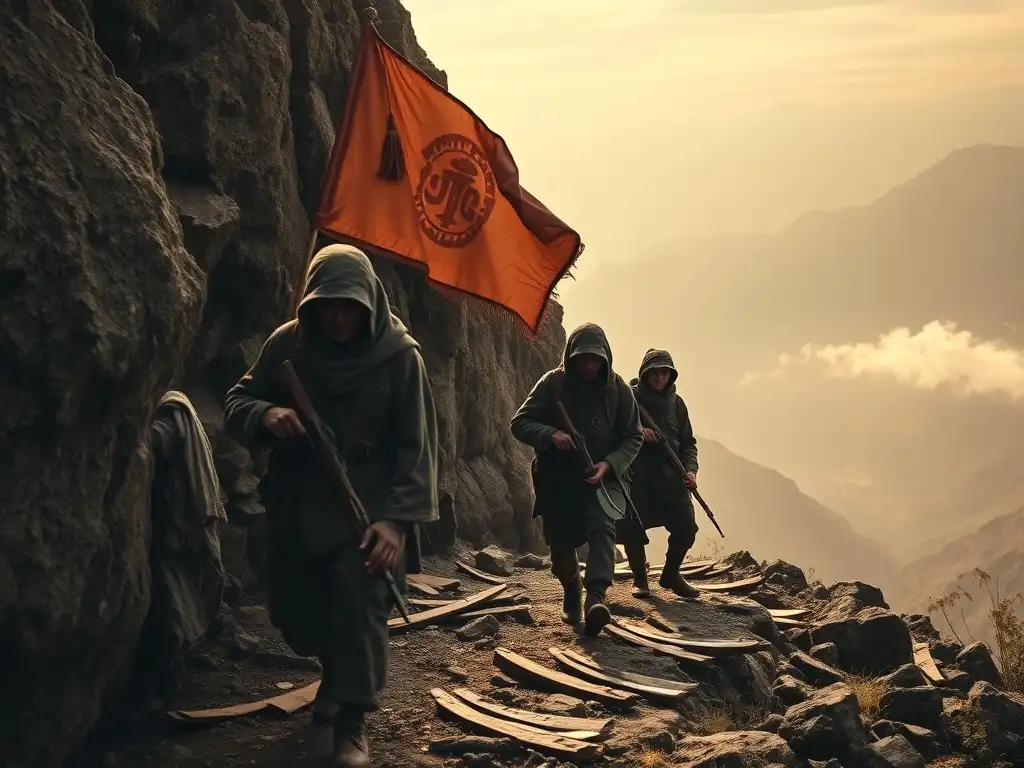
The Siege of La Paz and its Significance
The siege of La Paz, while ultimately unsuccessful in its immediate objective, stands as a testament to the tenacity and strategic planning of Andean guerrilla fighters. [Specific details about the siege, dates, and key participants pending]. The siege highlighted the ability of indigenous forces to effectively utilize siege warfare tactics, despite a lack of conventional weaponry and resources.
The prolonged resistance demonstrated the deep-seated commitment to resisting colonial rule and the ability to sustain a protracted conflict against a superior force. The strategic importance of La Paz as a colonial center made this siege a significant event in the broader context of Andean resistance. [Information on casualties and long-term consequences pending].
The Rebellion Led by Tupac Katari: A Case Study
Tupac Katari's rebellion represents another critical case study in Andean guerrilla warfare. His leadership and strategic acumen are evident in his ability to mobilize a large-scale resistance movement. [Specific details on the tactics employed by Tupac Katari, including his use of siege warfare and alliances with other indigenous groups, are pending].
His campaign showcased the enduring power of indigenous resistance and the potential for coordinated action against Spanish forces. The prolonged nature of his rebellion, despite facing significant challenges, demonstrates the resilience of Andean communities in their fight for autonomy. [Further information on the rebellion's impact on colonial rule and its legacy is needed].
The Chiriguano Resistance: Analyzing Guerrilla Successes and Failures
The Chiriguano people's resistance in the Gran Chaco region offers a nuanced perspective on Andean guerrilla warfare. Their geographical location, characterized by vast plains and dense forests, influenced their tactics. [Specific examples of Chiriguano guerrilla tactics and their successes and failures are pending].
Analyzing their experiences allows for a deeper understanding of the factors that contributed to both the successes and limitations of Andean resistance movements. The Chiriguano case highlights the adaptability of guerrilla warfare strategies to diverse environments and the importance of considering the specific geographical and social contexts in which these conflicts unfolded. [Further data on the long-term impact of the Chiriguano resistance is needed].
Legacy of Andean Resistance: Impact on Colonial Rule
The legacy of Andean guerrilla warfare extended far beyond the immediate conflicts. The prolonged resistance significantly hampered the effectiveness of Spanish colonial rule, delaying the consolidation of power and creating ongoing instability. The constant threat of rebellion forced the Spanish to divert significant resources to maintain control, hindering economic development and administrative efficiency. Furthermore, the resilience of Andean communities and their ability to maintain a degree of autonomy inspired future resistance movements in the Americas.
The echoes of this resistance reverberate through subsequent struggles for independence and continue to shape the cultural identity of Andean peoples today. The Andean guerrilla warfare tactics served as a model for later resistance movements, demonstrating the power of sustained insurgency against seemingly insurmountable odds. The impact on the political and social landscape of the Andes is still felt today.
The Impact of Andean Guerrilla Tactics on the Spanish Empire
The application of guerrilla warfare by Andean populations significantly hampered the Spanish conquest and its subsequent control of the region. The decentralized nature of these tactics, relying on hit-and-run attacks, ambushes, and the intimate knowledge of the terrain, proved incredibly effective against the Spanish army, which was accustomed to more conventional warfare. This constant harassment disrupted the Spanish logistical chains, sapped their morale, and ultimately prolonged the resistance far beyond what the Spanish initially anticipated.
The impact wasn't merely military; it also had profound political and economic consequences. The constant uprisings forced the Spanish to divert significant resources to quell the rebellions, hindering their ability to consolidate power and exploit the region's wealth effectively.
The psychological impact on the Spanish soldiers, constantly facing unseen enemies in unfamiliar and hostile territory, was as devastating as the physical losses. The fear and uncertainty generated by these tactics played a crucial role in undermining Spanish dominance.
Disrupting Spanish Silver Mining Operations
The Spanish colonial economy heavily relied on the extraction of silver from mines like Potosí in Bolivia. Andean guerrilla groups strategically targeted these operations, understanding their vital role in the Spanish empire's financial stability. Attacks on supply lines, ambushes of mining convoys, and sabotage of mining infrastructure directly impacted silver production.
This disruption not only reduced the flow of wealth to Spain but also forced the Spanish to allocate more troops and resources to protect the mines, further stretching their already strained capabilities. The constant threat of attacks made it increasingly difficult and expensive to operate the mines, ultimately diminishing their profitability and weakening the economic foundation of Spanish rule. Specific instances of these disruptions, while often undocumented in detail due to the decentralized nature of the resistance, are suggested by the fluctuating silver production records of the colonial period.
Draining Spanish Resources and Manpower
The protracted nature of the Andean resistance demanded a significant commitment of resources and manpower from the Spanish crown. Maintaining a large standing army in such a vast and challenging terrain proved incredibly costly. The Spanish were forced to divert funds from other colonial projects, impacting infrastructure development, trade, and even the administration of other colonies. Moreover, the constant fighting resulted in substantial losses of soldiers, both through direct combat and through diseases prevalent in the Andean region.
Replacing these losses required continuous recruitment and training efforts, further diverting resources and straining the Spanish military apparatus. The sheer cost of suppressing the Andean resistance placed a considerable burden on the Spanish treasury, contributing to the overall weakening of the empire. This financial strain is evidenced by the numerous royal decrees requesting additional funds for military campaigns in the Andes.
The Long-Term Effects of Guerrilla Resistance in the Andes
The Andean resistance, characterized by its prolonged guerrilla warfare, had lasting consequences that extended far beyond the immediate colonial period. The constant struggle fostered a strong sense of indigenous identity and self-determination, creating a resilient cultural foundation that endured even after the formal end of Spanish rule. The tactics employed during this period, including the use of the terrain and decentralized organization, would continue to influence subsequent resistance movements in the region.
The experience of sustained guerrilla warfare also shaped the political landscape of independent Andean nations, influencing their military strategies and their relationship with centralized authority. Furthermore, the legacy of resistance continues to inspire contemporary movements advocating for indigenous rights and social justice. The echoes of this historical struggle are clearly visible in modern Andean society.
The Enduring Spirit of Andean Resistance
The Andean resistance against Spanish rule embodies a powerful example of the human spirit's capacity to endure under immense pressure. Faced with overwhelming odds, the Andean peoples demonstrated remarkable resilience, adapting their tactics and strategies to effectively challenge the might of a global empire. Their unwavering commitment to freedom and self-determination, despite the immense cost, serves as a testament to the enduring power of collective resistance against oppression.
This spirit continues to inspire and resonate with people across the globe, highlighting the importance of courage, perseverance, and the fight for self-determination in the face of adversity. The legacy of this struggle is deeply embedded in Andean culture and identity.
Conclusion: The Unconquered Legacy of Andean Guerrilla Warfare
The Andean experience of guerrilla warfare offers a compelling case study in the effectiveness of unconventional warfare against a technologically superior foe.
The Significance of Andean Tactics in Resistance History
The Andean resistance significantly contributed to the broader history of resistance movements. Its innovative tactics, emphasizing adaptability, decentralized organization, and intimate knowledge of the terrain, provided a blueprint for future guerrilla campaigns. These methods, passed down through generations, influenced subsequent struggles for liberation in various parts of the world. The Andean example stands as a testament to the power of unconventional warfare in challenging established power structures.
Lessons Learned from Andean Guerrilla Warfare
The Andean experience provides valuable lessons for modern warfare and resistance movements. The importance of understanding the terrain, adapting to the enemy’s strengths and weaknesses, and fostering strong community ties are crucial elements highlighted by the Andean resistance. The decentralized nature of the fighting allowed for a sustained resistance even after significant losses, demonstrating the resilience of a dispersed fighting force. These lessons offer valuable insights for contemporary conflict analysis and strategy.
The Enduring Symbol of Andean Resilience
The Andean resistance against Spanish rule remains a powerful symbol of resilience and perseverance in the face of overwhelming odds. It represents the enduring spirit of the Andean peoples and their unwavering commitment to freedom and self-determination. This legacy continues to inspire and resonate with people globally, serving as a testament to the power of collective resistance and the enduring human spirit. The Andean story is a reminder that even against seemingly insurmountable odds, the human spirit can prevail.
- The Context of Resistance: Spanish Conquest and Andean Uprising
- Andean Guerrilla Tactics: Strategies of the Resistance
- Key Elements of Andean Guerrilla Warfare
- Notable Examples of Andean Guerrilla Warfare
- The Impact of Andean Guerrilla Tactics on the Spanish Empire
- Conclusion: The Unconquered Legacy of Andean Guerrilla Warfare
- What role did geography play in Andean guerrilla warfare?
- What were some common tactics employed by Andean guerrilla groups?
- How did the Inca Empire respond to guerrilla warfare?
- Did all Andean cultures utilize guerrilla warfare tactics?
- What were the long-term consequences of guerrilla warfare in the Andes?
Frequently Asked Questions
What role did geography play in Andean guerrilla warfare?
The rugged Andean terrain provided a significant advantage to guerrilla fighters. Mountain passes, dense forests, and high altitudes offered natural defenses and made it difficult for larger armies to maneuver effectively. This allowed smaller forces to ambush and harass their enemies.
What were some common tactics employed by Andean guerrilla groups?
Andean guerrillas utilized a variety of tactics, including ambushes, hit-and-run attacks, and the use of local knowledge to their advantage. They often relied on swift movements and intimidation to demoralize their opponents.
How did the Inca Empire respond to guerrilla warfare?
The Inca Empire, despite its size and power, struggled to effectively counter guerrilla warfare. Their large, organized armies were often ill-suited for the terrain and tactics employed by smaller, more mobile groups. Control and suppression proved difficult in remote areas.
Did all Andean cultures utilize guerrilla warfare tactics?
While many Andean cultures engaged in forms of irregular warfare, the specifics varied. While the Inca Empire itself had a powerful standing army, smaller groups and those resisting Inca rule often employed guerrilla tactics. The nature of warfare was influenced by specific circumstances and geography.
What were the long-term consequences of guerrilla warfare in the Andes?
Guerrilla warfare significantly impacted the political landscape of the Andes. It played a crucial role in the rise and fall of various empires and shaped the cultural and social dynamics of the region for centuries. It also left a lasting legacy on military strategies used throughout the region.
Final Reflection: Echoes of Resistance in the Andes
The ingenious guerrilla warfare tactics employed by Andean civilizations remain strikingly relevant today, a testament to the enduring power of asymmetric conflict in the face of overwhelming force. Their strategies, born from necessity and honed over centuries, offer valuable lessons for understanding modern conflict and the resilience of marginalized communities facing oppression. The echoes of their resistance resonate powerfully in contemporary struggles for self-determination worldwide.
The impact of Andean guerrilla warfare extends far beyond the historical context; its influence continues to shape our understanding of resistance movements and the dynamics of power. These tactics, often characterized by their adaptability, use of terrain, and reliance on popular support, serve as a powerful counterpoint to conventional military strategies. The mountains themselves became weapons,
a phrase often used to describe the Andean approach, speaks to the profound connection between environment, strategy, and survival. This intimate relationship with the land, and the ability to leverage it against a more technologically advanced enemy, remains a crucial element in asymmetric warfare today.
Consider the ingenuity of these ancient warriors, their unwavering spirit in the face of adversity. You, too, can draw strength from their example. Reflect on the ways in which resilience and strategic thinking can overcome seemingly insurmountable odds. Embrace the lessons of adaptability and resourcefulness, and apply them to the challenges you face in your own life. Let the echoes of Andean resistance inspire you to find your own path towards freedom and self-determination.
Unveil the Strategies of the Unconquered!
Thank you for exploring the fascinating world of guerrilla warfare in the Andes! You've discovered the resilience and cunning tactics employed by those who bravely resisted oppression in this remarkable region. Now, let's put that knowledge to work!
- **Join the Conversation:** Share your thoughts on guerrilla tactics in the comments below! Which strategies do you find most impactful?
- **Explore Further:** Delve deeper into the subject by reading related articles on military history and modern combat strategies.
- **Spread the Knowledge:** Share this article with friends and on social media to introduce others to this captivating chapter of Andean history!
What aspect of Andean guerrilla warfare resonates most with you, and how might these historical tactics inform modern conflict strategies?