
The Legacy of Craftsmanship: How Ancient Andean Skills Live On


Uncover the secrets whispered through the ages in the heart of the Andes. For centuries, masterful artisans shaped a legacy of breathtaking artistry—a legacy that continues to inspire awe. Dive into the intricacies of Andean craftsmanship techniques, a world of innovative artistry and ingenuity far surpassing its time. Prepare to be amazed by the ingenuity and skill that defined these ancient civilizations and discover how their remarkable legacy lives on. Explore the captivating story of their enduring impact.
Introduction: The Enduring Spirit of Andean Artisans
The Andes Mountains, a spine of towering peaks running down the western coast of South America, have witnessed the rise and fall of some of the world's most remarkable civilizations. From the intricate textiles of the Nazca to the sophisticated metalwork of the Moche, Andean artisans have consistently demonstrated an unparalleled mastery of their craft, leaving behind a legacy that continues to inspire and influence modern Andean culture.
This article delves into the enduring spirit of Andean craftsmanship, exploring how ancient techniques persist and evolve in contemporary society. We will examine the specific techniques, their cultural significance, and the ongoing efforts to preserve and celebrate this rich heritage, focusing on the keyword "Andean craftsmanship techniques" and its semantic variations.
Understanding these techniques provides a deeper appreciation for the ingenuity and artistry of ancient Andean peoples and the profound impact they continue to have on the region's identity. The vibrant tapestry of Andean culture, woven through generations, is a testament to the enduring power of skilled hands and the creative spirit that persists to this day.
Textile Traditions: Weaving Stories Through Time
Andean textile traditions are renowned for their complexity and beauty. Ancient cultures like the Inca, Nazca, and Paracas developed sophisticated weaving techniques, using natural dyes derived from plants and minerals to create breathtakingly intricate patterns. These textiles served not only as clothing but also as powerful symbols of social status, religious beliefs, and cultural identity. The use of techniques like backstrap loom weaving, which requires immense skill and precision, continues to this day, passed down through generations of artisans. Many modern Andean communities still employ these traditional methods, adapting them to create contemporary designs while honoring the legacy of their ancestors. The intricate details found in ancient textiles, often depicting mythological figures or scenes from daily life, are still echoed in the work of contemporary weavers, demonstrating a profound continuity of artistic expression. The vibrant colors and complex patterns serve as a visual record of Andean history and cultural memory.
Metalworking Marvels: From Gold to Silver
The mastery of metalworking in the Andes was equally impressive. Cultures like the Moche were particularly skilled in goldsmithing, creating elaborate ornaments, ceremonial objects, and intricate jewelry. Their techniques, involving sophisticated casting, hammering, and alloying processes, resulted in objects of astonishing beauty and technical skill.
While the precise techniques used by the Moche remain partially shrouded in mystery, archaeological evidence indicates a high level of expertise in manipulating both precious and base metals. This skill in metalworking wasn't limited to gold; silver, copper, and bronze were also expertly crafted into tools, weapons, and decorative items. While the scale of metalworking may have changed, the artistic sensibilities and the appreciation for the malleability of metals persist in many modern Andean communities, demonstrating a continuation of this ancient craft.
Pottery and Ceramics: Shaping the Past, Present, and Future
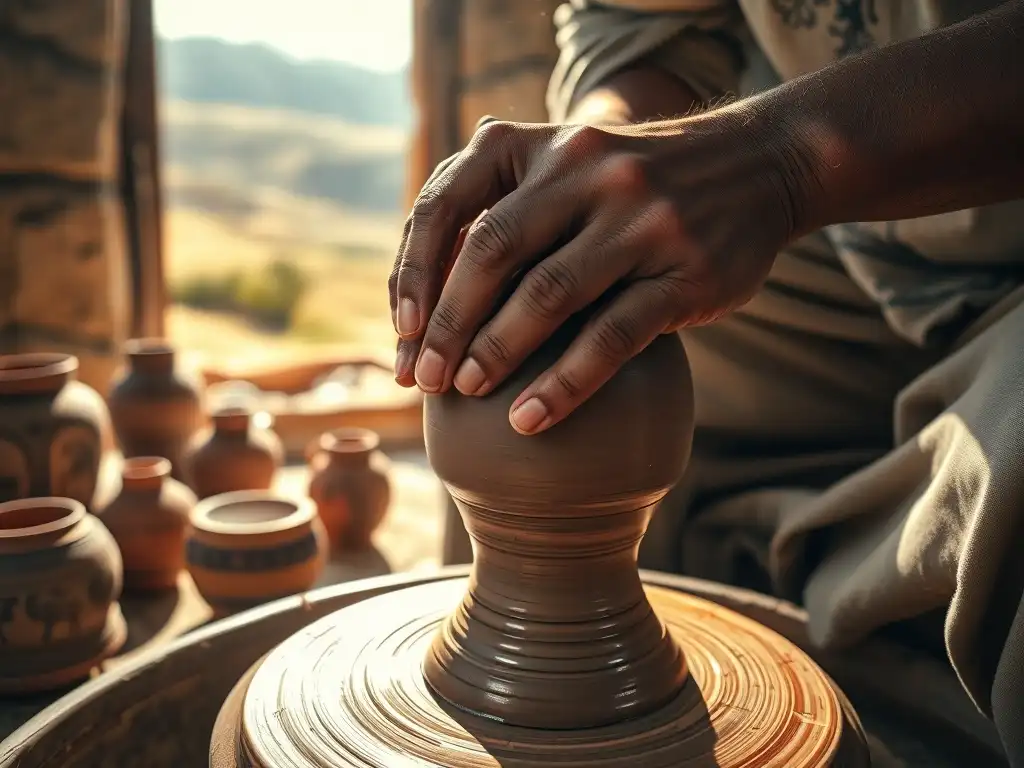
The creation of pottery and ceramics was another crucial aspect of Andean craftsmanship. From the simple utilitarian vessels of everyday life to the highly decorated ceremonial jars, these objects reflect the artistic talent and technological ingenuity of various Andean cultures. The Nazca, for example, were known for their highly polished, blackware pottery, while the Tiahuanaco produced elaborate ceramic figurines.
These ancient techniques, utilizing different clays, firing methods, and decorative styles, have influenced contemporary ceramic artists. The enduring appeal of ancient Andean pottery designs is evident in the work of modern artisans who continue to create beautiful and functional pieces using traditional methods, often incorporating modern aesthetics while remaining faithful to ancient techniques. The wheel-thrown pottery, while not as prevalent in ancient times, is now a widely utilized method, showcasing the adaptive nature of Andean craftsmanship.
The Preservation of Andean Craftsmanship Techniques: A Collaborative Effort
The preservation of these ancient Andean craftsmanship techniques is not only a matter of cultural heritage but also a crucial element in maintaining economic sustainability for many Andean communities. Organizations and initiatives dedicated to the support and promotion of traditional crafts play a vital role. These efforts often involve workshops, apprenticeships, and collaborations between master artisans and younger generations, ensuring the continuity of these invaluable skills.
Moreover, the growing global appreciation for handcrafted goods and the increasing demand for authentic Andean products provide economic incentives for the continuation of these traditions. The challenge remains in balancing the preservation of traditional methods with the need for adaptation and innovation to meet the demands of a modern market. The collaborative spirit between artisans, researchers, and organizations is essential to navigating this delicate balance and ensuring the enduring legacy of Andean craftsmanship.
- Introduction: The Enduring Spirit of Andean Artisans
- Textile Traditions: Weaving Stories Through Time
- Metalworking Marvels: From Gold to Silver
- Pottery and Ceramics: Shaping the Past, Present, and Future
- The Preservation of Andean Craftsmanship Techniques: A Collaborative Effort
- What unique craftsmanship techniques did the ancient Andean civilizations employ?
- How did the Incas' craftsmanship compare to other Andean cultures?
- What materials were commonly used in Andean craftsmanship?
- How has Andean craftsmanship influenced modern art and techniques?
- Where can I learn more about ancient Andean craftsmanship techniques?
Ancient Andean Craftsmanship: A Foundation of Skill
This section delves into the remarkable craftsmanship techniques employed by ancient Andean civilizations, showcasing the ingenuity and artistry that continue to inspire modern artisans. The sophisticated skills developed across centuries laid the groundwork for the rich tapestry of Andean cultural heritage we see today. Understanding these ancient techniques is crucial to appreciating the enduring legacy of Andean craftsmanship.
The mastery of materials like textiles, pottery, and metals reflects not only technical prowess but also deep spiritual and societal significance. The intricate designs and symbolic representations embedded within these crafts offer a window into the beliefs and worldview of these ancient cultures. Analyzing these techniques allows us to better understand the ingenuity and resourcefulness of Andean peoples and their lasting contribution to global art and technology.
Pre-Incan Textile Traditions: Weaving Stories in Fabric
Pre-Incan Andean textile traditions represent an unparalleled level of sophistication. Long before the Inca Empire, cultures like the Paracas and Nazca developed incredibly complex weaving techniques. Their mastery of natural dyes, derived from plants, insects, and minerals, allowed them to create a vibrant array of colors. These dyes were incredibly durable, with many examples surviving for millennia. The Paracas culture, for instance, is renowned for its elaborate mantles and burial shrouds, often featuring intricate designs and symbolic motifs. These textiles weren't merely functional; they served as powerful expressions of social status, religious beliefs, and storytelling.
The techniques employed were incredibly advanced. Using a backstrap loom, weavers created textiles with incredibly fine detail and complex patterns. Different types of fibers, including cotton, alpaca, and llama wool, were skillfully combined to create textiles with varying textures and properties.
The use of supplementary weft techniques allowed for intricate designs and the incorporation of multiple colors within a single piece. Analysis of these textiles reveals a deep understanding of geometry, color theory, and symbolic representation, all woven into the very fabric of their society. The legacy of these weaving traditions is clearly visible in modern Andean textiles, where many of the same techniques and designs are still employed.
Pottery and Ceramics: Shaping the Andean World
The artistry of ancient Andean pottery and ceramics is another testament to their advanced skills. From the simple utilitarian vessels of everyday life to the elaborate ceremonial pieces, pottery reveals much about the daily lives, religious beliefs, and artistic sensibilities of these ancient cultures. The Moche culture, for example, is particularly well-known for its highly realistic and detailed pottery depicting scenes of daily life, warfare, and religious rituals. These pieces are not only aesthetically pleasing but also provide invaluable insights into their society.
The creation of these sophisticated pieces involved a mastery of various techniques, including modeling, coiling, and wheel throwing. Different clay types were selected based on their properties, and the firing process was carefully controlled to achieve the desired result. The use of slip, a clay-based liquid, allowed for surface decoration, while pigments derived from natural minerals created vibrant and durable colors.
The precision and detail evident in the Moche pottery, for example, showcase an advanced understanding of ceramic techniques, surpassing the capabilities of many contemporary cultures. The legacy of this sophisticated pottery continues to inspire modern Andean ceramic artists, who often draw upon ancient designs and techniques in their work. The enduring appeal of these ancient pieces highlights the timeless quality of Andean craftsmanship.
Metalworking Techniques: From Gold to Copper Mastery
Ancient Andean metalworking represents a pinnacle of technological achievement. The ability to extract, refine, and work with metals like gold, silver, copper, and bronze demonstrates a sophisticated understanding of metallurgy. The techniques employed were remarkably advanced, particularly considering the available tools and technologies. The use of lost-wax casting allowed for the creation of intricate and detailed objects, while hammering and repoussé techniques were used to shape and decorate metal sheets. Inca goldwork, in particular, is renowned for its exquisite detail and mastery of these techniques.
The Inca Empire, although relatively late in the Andean timeline, inherited and refined existing metalworking traditions. They produced stunning examples of gold and silver jewelry, ceremonial objects, and weaponry. The sheer scale of Inca gold production is also impressive, showcasing their economic and political power.
However, the techniques themselves were not unique to the Inca; they built upon centuries of accumulated knowledge and skill developed by earlier Andean cultures. The use of alloys, for example, allowed for the creation of stronger and more durable metal objects, reflecting a deep understanding of material properties. The legacy of Andean metalworking continues to be studied and admired, providing a window into the technological sophistication and artistic capabilities of these ancient civilizations, proving that Andean craftsmanship techniques were truly extraordinary.
Stone Carving and Architecture: Enduring Monuments of Skill
The mastery of stone carving and architecture stands as a testament to the ingenuity of Andean civilizations. Their ability to manipulate massive stone blocks, often without the use of metal tools, is truly awe-inspiring. Consider the precision and scale of sites like Sacsayhuamán, near Cusco, Peru. The massive, precisely fitted stones of its walls defy easy explanation, even with modern technology. The sheer weight and complexity of the structures suggest a sophisticated understanding of engineering principles, including leverage, balance, and possibly even rudimentary seismic considerations.
The intricate carvings found on many of these stones, depicting animals, deities, and geometric patterns, further showcase the artisans' skill and artistry. These weren't just functional structures; they were statements of power, religious significance, and artistic expression, all woven together through masterful stonework. The techniques employed, while not fully understood, involved a combination of careful selection of stone, meticulous shaping using stone hammers and chisels, and ingenious methods of transportation and placement. This level of craftsmanship is evident not only in the grand structures but also in smaller artifacts, like intricately carved ceremonial objects and finely sculpted figurines. The enduring legacy of these techniques can be seen in the ongoing efforts to understand and preserve these ancient sites, as well as in the continuing tradition of stone carving in modern Andean communities.
The precise methods remain a subject of ongoing research and debate, but the skill involved is undeniable. The sheer scale and precision of the work continues to amaze and inspire those who study it. The legacy of Andean stone carving is not merely in the monuments themselves, but in the questions they pose about human ingenuity and the power of collaborative effort. Modern stonemasons still draw inspiration from these ancient techniques, proving the enduring influence of Andean craftsmanship. The study of these techniques offers valuable insights into not only the technological advancements of these ancient cultures but also their social organization and worldview.
The Inca Influence on Andean Artistic Practices

The Inca Empire, at its zenith, exerted a profound influence on Andean artistic practices, leaving an indelible mark on the region's craftsmanship traditions. While respecting pre-existing regional styles, the Inca implemented a system of imperial standardization, fostering both continuity and innovation in the production of textiles, ceramics, metalwork, and stonework.
This standardization, while sometimes perceived as restrictive, ultimately ensured the dissemination and preservation of specific techniques across vast distances, contributing significantly to the longevity of Andean craftsmanship techniques. Understanding the Inca's impact requires examining their strategies for controlling craft production and the integration of craft into their societal and economic structures.
Imperial Standardization of Crafts: The Inca Impact
The Inca's approach to craftsmanship was characterized by a sophisticated system of imperial standardization. Rather than imposing a uniform style across all regions, they cleverly adapted existing regional techniques, incorporating them into a broader imperial framework. This involved establishing workshops ( kallanka) in key locations throughout the empire, where specialized artisans, often brought from conquered territories, produced goods for the elite and for state purposes. These workshops served as centers for training and the dissemination of specific techniques, ensuring a degree of consistency in quality and style across the vast Inca territories.
For example, while different regions maintained their unique ceramic styles in terms of shape and decoration, the Inca implemented quality control measures, ensuring consistent clay preparation and firing techniques. This resulted in a higher overall standard of ceramic production throughout the empire, even while regional variations persisted.
Similarly, in metalwork, while distinct styles existed in regions like the north coast, the Inca standardized the use of techniques like hammering, repoussé, and casting, resulting in a wider dissemination of these advanced metalworking skills. The standardization of Andean craftsmanship techniques under the Inca facilitated the creation of impressive imperial projects, such as the extensive road network and monumental architecture.
The Role of Craft in Inca Society and Economy
Craft production occupied a significant position within Inca society and economy. Artisans, highly skilled and specialized in their respective crafts, held a respected place in the social hierarchy, unlike some other civilizations where artisans were marginalized. The Inca ayllu system, a form of communal organization, often included specialized craft groups that contributed to the collective well-being. These artisans received provisions from the state in exchange for their work, ensuring a degree of economic stability.
The state itself played a pivotal role in commissioning and distributing craft goods. Textiles, ceramics, and metalwork were used not only for everyday purposes but also for ceremonial occasions, royal adornment, and tribute payments. This created a robust demand for skilled artisans and ensured the continued development and refinement of Andean craftsmanship techniques.
The Inca's management of craft production demonstrates a sophisticated understanding of the economic and social importance of skilled labor, contributing to the empire's overall strength and stability. Further research is needed to fully quantify the economic impact of craft production on the Inca Empire [specific economic data pending].
Inca Techniques in Textile Production: Innovations and Adaptations
Inca textile production stands as a testament to their mastery of Andean craftsmanship techniques. Building upon pre-existing traditions, the Inca refined and innovated textile production, achieving remarkable levels of complexity and artistry. They employed a variety of fibers, including alpaca, llama, vicuña, and cotton, each selected for its specific properties. The Inca were renowned for their mastery of spinning and weaving techniques, producing textiles of exceptional fineness and durability.
One notable Inca innovation was the development of advanced weaving techniques, such as plumas, a form of tapestry weaving that allowed for intricate designs and detailed imagery. Their expertise in dyeing also contributed to the vibrancy and longevity of their textiles. The use of natural dyes derived from plants, minerals, and insects allowed the Inca to produce a wide range of colors, often incorporating symbolic patterns that conveyed meaning and status.
The Inca's mastery of textile production is evident in the surviving examples of their finely woven garments, tapestries, and ceremonial cloths. These textiles not only demonstrate their technical skill but also reveal the importance of textiles in Inca society, serving as indicators of social status, religious significance, and regional identity. The legacy of Inca textile techniques continues to inspire modern Andean artisans, demonstrating the lasting impact of these Andean craftsmanship techniques.
Inca Metalwork: Advanced Techniques and Artistic Expression
Inca metalwork represents a pinnacle of Andean craftsmanship techniques, showcasing both advanced technical skills and sophisticated artistic expression. The Incas weren't the first Andean civilization to work with metals—cultures like the Moche had already developed impressive metalworking traditions—but the Incas refined and expanded upon these existing techniques, creating pieces of unparalleled artistry and complexity. Their mastery extended beyond simple ornamentation; they understood the properties of various metals and alloys, allowing them to create intricate objects with remarkable durability and aesthetic appeal.
One of the most striking aspects of Inca metalwork is their use of repoussé and chasing. These techniques involved hammering thin sheets of metal from the back (repoussé) to create raised designs, and then refining the details from the front (chasing) to achieve exquisite levels of precision. The resulting pieces often featured intricate depictions of animals, deities, and scenes from daily life, demonstrating a deep understanding of both artistic representation and metallurgical processes.
The sheer finesse displayed in these works is a testament to the skill and patience of Inca artisans. Consider, for example, the intricate details found on many surviving ceremonial vessels and adornments; the delicate lines and subtle shading are breathtaking even by today's standards.
Furthermore, the Incas were masters of alloying different metals. They skillfully combined gold, silver, copper, and other metals to create unique colors and textures. This wasn't merely a matter of mixing; they understood the chemical interactions between these metals, allowing them to control the resulting properties of the alloy.
This expertise allowed them to create objects with varying degrees of hardness, malleability, and color—all vital considerations for producing specific types of artifacts. The ability to create these alloys demonstrates a sophisticated understanding of metallurgy far beyond simple experimentation. The precise ratios used in these alloys are still being studied today, highlighting the advanced knowledge possessed by Inca metallurgists.
Beyond the technical prowess, Inca metalwork also held significant symbolic meaning. Many objects were created for religious ceremonies or to adorn elite members of society, reflecting the Inca worldview and social hierarchy. The use of specific metals and motifs carried symbolic weight, communicating power, divinity, and social status.
The careful craftsmanship, therefore, wasn't merely about technical skill but also about imbuing the objects with sacred significance. The enduring appeal of Inca metalwork lies not only in its technical brilliance but also in its capacity to convey the rich cultural and spiritual beliefs of the Inca civilization, solidifying its place as a testament to the impressive Andean craftsmanship techniques.
Modern Andean Craftsmanship: A Continuation of Traditions
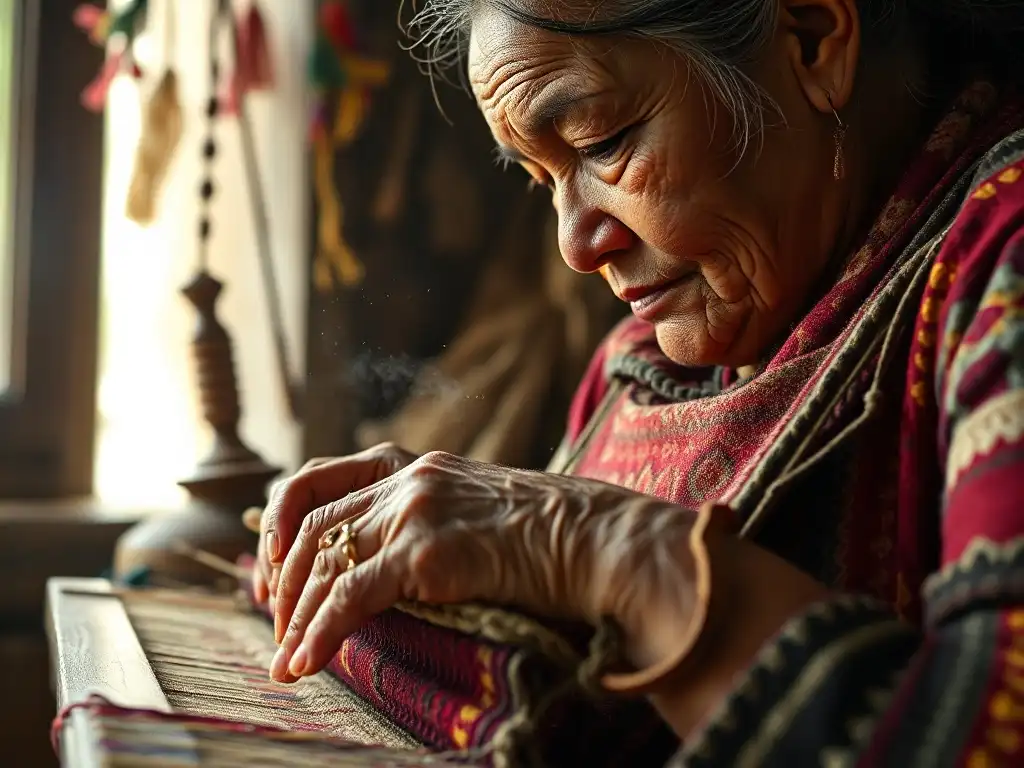
The legacy of Andean craftsmanship techniques is profoundly felt in the vibrant artistic expressions of modern Andean communities. From the intricate textiles that adorn traditional clothing to the meticulously crafted pottery and metalwork, the skills and artistry of ancient civilizations continue to thrive, adapting to contemporary contexts while retaining their unique identities. This enduring legacy is a testament to the resilience and creativity of Andean cultures, demonstrating how ancient knowledge and techniques can be successfully integrated into the modern world. Understanding this continuity provides invaluable insight into the enduring cultural significance of Andean craftsmanship.
Contemporary Weaving: Keeping Ancient Patterns Alive
Andean weaving, a practice dating back millennia, continues to flourish. Contemporary weavers, many of whom are women, maintain the ancient traditions while incorporating modern influences. The intricate designs, often imbued with symbolic meaning, are passed down through generations, with each weaver adding their own unique interpretation and stylistic choices.
The use of natural dyes derived from plants and minerals remains a cornerstone of the craft, ensuring the vibrant colors and textures that are characteristic of Andean textiles. For example, the use of cochineal, a crimson dye derived from insects, continues to be a prized technique, producing a deep, rich red that is integral to many traditional designs. These textiles, ranging from intricately patterned shawls and ponchos to finely woven tapestries, are not only functional but also powerful expressions of cultural identity and artistic skill.
The continued use of ancient backstrap looms, a testament to enduring Andean ingenuity, further highlights the deep connection between past and present in this craft. The intricate patterns, often depicting mythical creatures, celestial events, or agricultural cycles, reflect the rich cosmology and worldview of Andean cultures. Modern artisans are actively working to preserve and promote these ancient techniques, ensuring that the skill and artistry of Andean weaving remains a vital part of modern Andean culture.
Modern Andean Pottery: Echoes of the Past in New Forms
Modern Andean pottery demonstrates a remarkable continuity with ancient traditions. While the forms and styles may evolve, the fundamental techniques and artistic sensibilities remain remarkably consistent. Potters, often working in family workshops, continue to use traditional methods, such as the use of hand-built techniques and natural clay sources, to create their pieces.
The iconic shapes and decorative motifs—geometric patterns, stylized animals, and depictions of deities—reflect a direct lineage to ancient pottery traditions. For instance, the characteristic black-on-white pottery of the Nazca culture finds echoes in contemporary styles, albeit with subtle variations in design and aesthetic preferences. Interestingly, some modern potters integrate contemporary themes and social commentary into their work, demonstrating the adaptability of this ancient craft.
However, the core techniques and artistic sensibilities remain rooted in the rich traditions of the past, serving as a powerful reminder of the enduring legacy of Andean craftsmanship. The use of traditional kilns, often fueled by wood or dung, further underscores the continuity of these ancient methods, emphasizing a deep connection to the land and its resources. The vibrant colors and intricate designs of modern Andean pottery not only serve as functional objects but also serve as powerful symbols of cultural identity and artistic expression.
Metalworking in the Andes Today: Combining Tradition and Innovation
Andean metalworking, renowned for its exquisite artistry and technical sophistication in pre-Columbian times, continues to be a significant craft. While the scale and complexity of ancient metalworking projects, such as the elaborate gold and silver ornaments, might not be replicated today, the underlying skills and techniques persist. Contemporary Andean artisans demonstrate remarkable skill in working with metals such as silver and copper, often incorporating traditional techniques like hammering, casting, and repoussé.
The designs and motifs used often draw inspiration from ancient styles, but modern Andean metalworkers also incorporate contemporary influences, resulting in a unique blend of traditional and modern aesthetics. For example, the intricate filigree work, a hallmark of pre-Columbian metalwork, continues to be a prized skill, often used to create delicate jewelry and decorative objects. The fusion of tradition and innovation is evident in the creative application of ancient techniques to modern designs, resulting in contemporary pieces that are both aesthetically pleasing and respectful of the rich history of Andean metalworking.
This dynamic interaction between tradition and innovation ensures that Andean metalworking continues to evolve, adapting to modern demands while preserving its unique cultural identity. The use of recycled metals in some contemporary workshops also reflects a growing awareness of sustainable practices, aligning the craft with modern environmental concerns.
The Enduring Legacy of Andean Stone Carving in Modern Art
Andean stone carving, a practice honed over millennia by civilizations like the Incas, Tiwanaku, and Wari, continues to resonate deeply within contemporary Andean art. The mastery of techniques like precision chipping, meticulous polishing, and the creation of intricate reliefs, evident in ancient sites like Sacsayhuamán and Ollantaytambo, persists in the work of modern artisans. These artists not only reproduce traditional styles but also innovate, blending ancient techniques with contemporary aesthetics.
The use of local stone, often sourced from the same quarries used by their ancestors, further strengthens this connection to the past. This ensures the continuation of traditional material knowledge, passed down through generations of master craftspeople. The choice of stone itself—ranging from the hard andesite favored by Inca builders to softer volcanic rock—influences the stylistic choices and technical approaches of modern artists. The unique properties of each stone dictate the tools and methods employed, highlighting the ongoing interplay between material and artistic expression.
Contemporary Andean stone carvers often incorporate both figurative and abstract elements in their work, drawing inspiration from both ancient iconography and modern sensibilities. While some artists meticulously recreate ancient motifs, like the stylized representations of llamas, condors, or human figures found in pre-Columbian artifacts, others experiment with bolder, more abstract forms, while still retaining the core principles of Andean stone carving techniques. This fusion of traditional and modern aesthetics reflects the dynamic nature of Andean culture, constantly evolving while remaining deeply rooted in its history.
The resulting artworks, whether traditional or innovative, serve as powerful reminders of the enduring legacy of Andean craftsmanship. They showcase not only the skill of individual artists but also the enduring power of ancient traditions to shape contemporary artistic expression.
The continuation of this art form is a testament to the resilience and adaptability of Andean culture, demonstrating how ancient techniques can be successfully integrated into a modern context. We can see this in the thriving markets for contemporary Andean stone carvings, both domestically and internationally, a reflection of the global appreciation for this unique and enduring art form.
The Significance of Andean Craftsmanship Techniques Today
The enduring legacy of Andean civilizations extends far beyond impressive ruins and captivating mythology. A vital thread connecting the past to the present is the remarkable continuity of Andean craftsmanship techniques. These techniques, honed over millennia, represent not just artistic expression but also a profound connection to ancestral knowledge, cultural identity, and economic sustainability.
Understanding the significance of these techniques in contemporary Andean society reveals a vibrant tapestry woven from tradition, innovation, and resilience. The intricate weaving, meticulous pottery, and masterful metalwork—all hallmarks of Andean craftsmanship—continue to thrive, adapting to modern demands while preserving their ancient essence. The preservation of these techniques is crucial for maintaining cultural heritage and fostering economic opportunities within Andean communities.
Cultural Preservation Through Artisan Work
The practice of traditional Andean craftsmanship acts as a powerful mechanism for cultural preservation. Each meticulously crafted textile, each hand-painted ceramic piece, each intricately designed silver ornament embodies a wealth of knowledge passed down through generations. These aren't simply objects; they're living repositories of history, embodying stories, beliefs, and artistic conventions.
For example, the intricate designs woven into Andean textiles often depict mythological figures, agricultural cycles, or significant historical events. These visual narratives serve as a powerful form of storytelling, transmitting cultural values and knowledge across time. The continued practice of these techniques ensures that these stories are not lost, safeguarding a vital part of Andean cultural heritage.
The artisans themselves act as custodians of this heritage, passing on their skills and knowledge to younger generations, thereby ensuring the survival of these invaluable traditions. This active preservation is critical in a world increasingly dominated by mass-produced goods, as it safeguards unique cultural expressions from the threat of homogenization.
Economic Empowerment of Andean Communities
Beyond cultural preservation, the continuation of Andean craftsmanship techniques plays a vital role in the economic empowerment of Andean communities. For many individuals and families, these skills represent a primary source of income, providing livelihoods and fostering economic independence. The sale of handcrafted goods, ranging from textiles and ceramics to jewelry and wood carvings, generates revenue that supports local economies and contributes to the overall well-being of Andean communities.
This economic activity is particularly important in rural areas where alternative employment opportunities may be limited. Furthermore, the increasing global demand for authentic, handcrafted Andean products creates new market opportunities, allowing artisans to reach wider audiences and command higher prices for their unique skills.
This economic empowerment not only improves living standards but also contributes to the preservation of traditional crafts, creating a positive feedback loop that benefits both cultural heritage and economic development. The growth of fair trade initiatives further supports this positive impact, ensuring that artisans receive fair compensation for their work.
The Impact of the Awamaki Cooperative
The Awamaki Cooperative serves as a powerful example of how the preservation of Andean craftsmanship techniques can lead to significant social and economic benefits. This cooperative empowers women artisans in the Andes by providing them with training, access to markets, and fair wages. By focusing on the preservation and promotion of traditional weaving techniques, Awamaki not only safeguards a vital part of Andean cultural heritage but also improves the lives of the women involved.
The cooperative's success demonstrates the potential of collaborative efforts to combine cultural preservation with economic empowerment. The Awamaki model shows that supporting traditional Andean craftsmanship is not merely a matter of preserving cultural heritage; it is also a powerful tool for promoting sustainable economic development and social justice within Andean communities.
Their success story showcases how empowering women through artisan work can lead to significant positive changes in their lives and within their communities. The impact of such initiatives extends beyond individual economic gains; it fosters community resilience and strengthens cultural identity.
The Global Appreciation of Andean Art and Skill
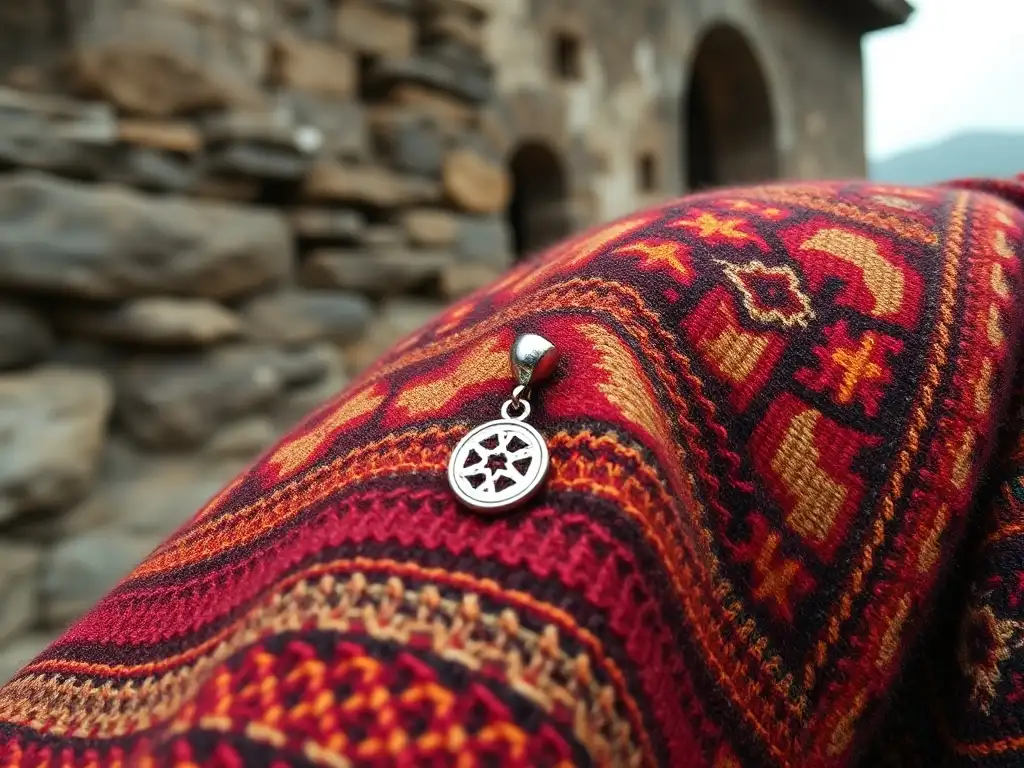
The exquisite craftsmanship of the Andean civilizations continues to resonate globally, captivating audiences with its unique aesthetic and technical prowess. The intricate textiles, meticulously crafted pottery, and finely wrought metalwork of cultures like the Inca, Moche, and Nazca are highly sought after by collectors and museums worldwide. This enduring appeal isn't merely based on aesthetic beauty; it reflects a deep appreciation for the ingenuity and skill involved in creating these objects. The techniques employed, often passed down through generations, represent a profound connection to the land and a sophisticated understanding of materials.
Consider, for instance, the incredibly detailed gold and silver work of the Moche, showcasing mastery of lost-wax casting and intricate repoussé techniques. Or the vibrant, complex textiles of the Inca, utilizing a vast array of natural dyes and intricate weaving patterns that conveyed social status and narrative. The global market for these artifacts underscores the enduring value placed on Andean craftsmanship, demonstrating its continued relevance and influence on contemporary art and design. The high prices fetched at auctions and the significant presence of Andean art in major museums globally are clear indicators of this international recognition.
Furthermore, the growing interest in sustainable and ethically sourced materials has led to a renewed focus on traditional Andean techniques, inspiring contemporary artisans and designers to explore and adapt these ancient methods in innovative ways. This global appreciation not only preserves the legacy of these ancient cultures but also stimulates economic growth and cultural exchange in the Andean region. The enduring power of Andean art and skill continues to inspire and amaze, cementing its place in global cultural heritage.
Andean Craftsmanship and Sustainable Practices
The Andean civilizations' approach to craftsmanship was intrinsically linked to sustainable practices. Their deep understanding of their environment led to the responsible sourcing and utilization of natural resources. For example, the use of alpaca and llama wool, along with cotton, in textile production demonstrates a sustainable approach to material acquisition. These animals were integral to their way of life, providing not only fiber but also food and transport. Similarly, the dyes used in textiles were primarily derived from natural sources like plants and minerals, minimizing environmental impact.
The careful selection and preparation of these materials ensured both the quality of the finished product and the preservation of natural resources. Furthermore, the emphasis on durability and repair within Andean craftsmanship minimized waste. Objects were often mended and repurposed, extending their lifespan and reducing the need for constant replacement. This contrasts sharply with modern, often disposable, consumer culture.
The circular economy inherent in their approach to crafting provides a valuable lesson in sustainability for contemporary artisans and designers. By studying and emulating these ancient practices, we can strive towards more environmentally responsible methods of production and consumption. This integration of ancient wisdom with modern needs offers a pathway towards a more sustainable future, inspired by the enduring principles of Andean craftsmanship. The enduring legacy of Andean craftsmanship continues to inspire and inform contemporary sustainable practices, showcasing the timeless relevance of their traditions.
The Influence of Andean Techniques on Contemporary Art
Andean craftsmanship techniques continue to exert a profound influence on contemporary art and design. Modern artists and designers draw inspiration from the intricate weaving patterns of the Inca, the sophisticated metalworking techniques of the Moche, and the expressive pottery styles of the Nazca. These ancient skills are not simply imitated; they are reinterpreted and adapted to create new and innovative forms of artistic expression. For instance, contemporary textile artists are experimenting with new materials and techniques while maintaining the spirit and aesthetic of traditional Andean weaving.
Similarly, contemporary jewelry designers are incorporating ancient metalworking techniques into their creations, resulting in unique and striking pieces that blend tradition and modernity. This cross-pollination of ancient and modern techniques has led to a vibrant and dynamic artistic landscape, enriched by the enduring legacy of Andean craftsmanship. The impact extends beyond visual arts, influencing fashion design, architecture, and even product design.
The incorporation of Andean motifs and techniques adds a unique cultural dimension to contemporary creations, celebrating the richness and diversity of Andean heritage. The enduring relevance of Andean techniques in contemporary art not only preserves a valuable cultural legacy but also fuels creativity and innovation in the modern artistic world. The fusion of tradition and innovation continues to inspire and captivate, demonstrating the timeless appeal of Andean craftsmanship.
Challenges and Future of Andean Craft Traditions
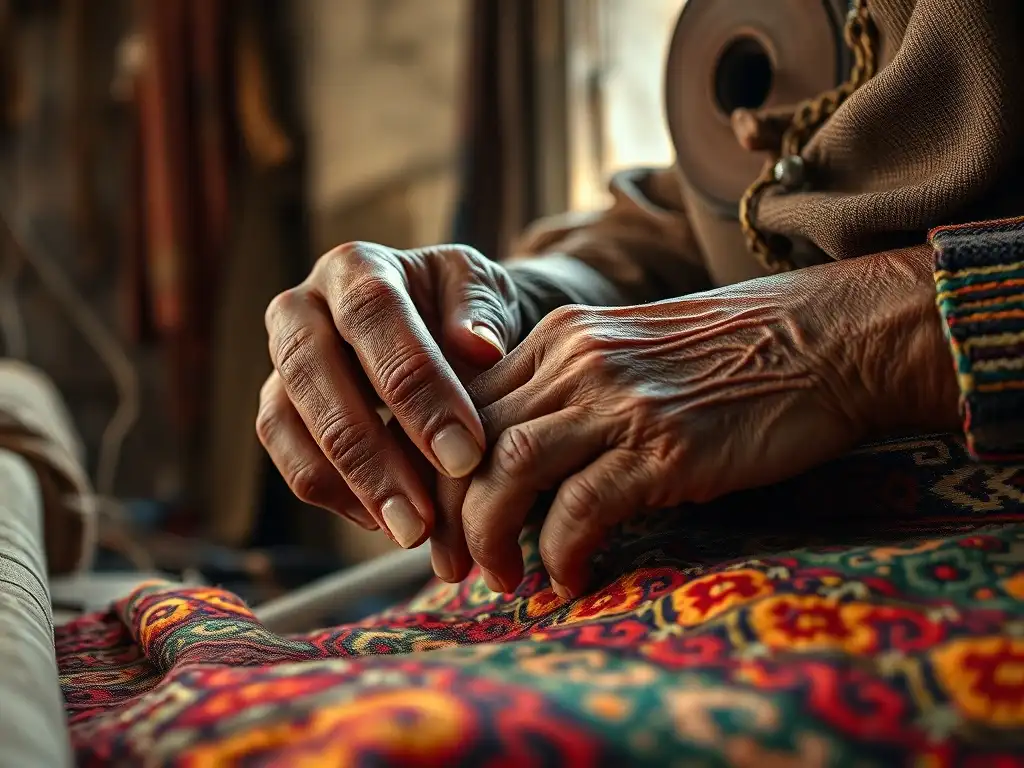
The legacy of Andean craftsmanship techniques faces significant hurdles in the 21st century. While the intricate textiles, pottery, and metalwork continue to captivate audiences worldwide, the very practices that produced these masterpieces are threatened by a confluence of factors. Understanding these challenges is crucial to ensuring the survival and flourishing of this invaluable cultural heritage.
The preservation of Andean craftsmanship isn't merely about maintaining artistic traditions; it's about safeguarding a vital part of Andean identity and economic stability for countless communities. The future of these techniques hinges on a delicate balance between honoring the past and adapting to the present.
Balancing Tradition and Modernization in Craft
Modernization presents a double-edged sword for Andean craft traditions. On one hand, access to new tools and technologies could potentially enhance efficiency and production, allowing artisans to reach wider markets and improve their livelihoods. For example, the introduction of improved looms could significantly increase textile production without compromising quality.
However, uncontrolled modernization risks diluting the authenticity and unique character of Andean craftsmanship. The use of mass-production techniques, while potentially boosting output, could lead to a homogenization of styles and the loss of intricate, hand-crafted details that define Andean artistry. A successful path forward requires a thoughtful approach, integrating modern tools strategically without sacrificing the core principles of traditional Andean craftsmanship techniques.
This delicate balance necessitates collaboration between artisans, designers, and policymakers to develop sustainable strategies that preserve authenticity while embracing innovation. For instance, training programs could focus on integrating modern technology in a way that complements, rather than replaces, traditional methods.
Protecting Intellectual Property of Andean Designs
The vibrant and distinctive designs inherent in Andean craftsmanship techniques are often vulnerable to exploitation. The lack of robust intellectual property protection mechanisms leaves Andean artisans susceptible to plagiarism and the unauthorized replication of their unique creations. This not only undermines their economic prospects but also diminishes the cultural value of their work.
International markets, often driven by trends and fast fashion, can inadvertently contribute to this problem, leading to mass-produced imitations that lack the artistry and cultural significance of authentic Andean pieces. Strengthening intellectual property rights for Andean artisans is paramount. This requires collaborative efforts involving national and international organizations to establish clear legal frameworks and enforcement mechanisms that protect the originality and integrity of Andean designs.
Moreover, raising awareness among consumers about the importance of purchasing authentic pieces helps combat the market for counterfeit goods and supports ethical consumption practices. The preservation of Andean craftsmanship techniques relies heavily on protecting the intellectual property that embodies its essence.
Supporting Andean Artisans in a Global Market
The global market presents both opportunities and challenges for Andean artisans. While increased access to international markets can significantly boost their income and visibility, navigating this complex landscape requires support and guidance. Many Andean artisans lack access to resources such as marketing, distribution networks, and fair trade practices.
Consequently, they often struggle to compete with larger corporations and may receive unfair prices for their work. Effective strategies to support Andean artisans in the global market include providing access to business development training, promoting fair trade practices, and establishing collaborative platforms that connect artisans directly with consumers. Furthermore, initiatives that highlight the cultural significance and unique value of Andean craftsmanship techniques are crucial in fostering appreciation and demand for authentic products.
By empowering Andean artisans with the necessary tools and resources, we can ensure that their skills and traditions continue to thrive in a globalized world, contributing to both economic development and the preservation of cultural heritage. This involves a multifaceted approach that considers economic, social, and cultural factors to create a sustainable and equitable system for Andean artisans.
The Importance of Education and Transmission of Skills
The survival of Andean craftsmanship techniques hinges critically on the successful transmission of knowledge and skills across generations. This isn't simply a matter of passing down recipes or techniques; it's about fostering a deep understanding of the cultural significance embedded within each craft. Traditional Andean artisans weren't just creating objects; they were weaving narratives, embodying spiritual beliefs, and preserving ancestral knowledge through their work. This holistic understanding must be imparted to younger generations to ensure the authenticity and continuity of these traditions.
One significant challenge lies in the changing socio-economic landscape of the Andes. Many young people are migrating to urban centers in search of better opportunities, leaving behind the traditional crafts and the communities that sustain them. Educational initiatives are crucial to counteract this trend.
These programs should not only focus on the technical aspects of the crafts but also on the historical, social, and cultural contexts. For example, a weaving workshop should not only teach students different weaving techniques but also the symbolism of colors, patterns, and materials used in traditional Andean textiles. This approach cultivates a sense of pride and ownership, encouraging young people to see these crafts not as mere skills but as valuable expressions of their heritage.
Furthermore, effective education needs to be accessible and relevant. Traditional apprenticeship models, while valuable, may not be suitable for everyone. Modern educational approaches, incorporating diverse learning styles and technologies, are needed to engage a broader range of learners. This could include online courses, workshops utilizing modern tools alongside traditional ones, and collaborations between artisan communities and educational institutions. The goal is to make learning accessible and attractive to young people, demonstrating the economic viability and cultural richness of these crafts in the 21st century. The integration of Andean craftsmanship techniques into formal education systems, from primary to higher education, would be a significant step towards safeguarding this invaluable heritage. This would expose a wider population to the beauty and value of these techniques, fostering appreciation and potentially future practitioners. Ultimately, the future of Andean craftsmanship rests on the ability to effectively educate and inspire future generations to carry the torch.
Conclusion: The Timeless Value of Andean Craftsmanship
The legacy of Andean craftsmanship extends far beyond mere historical artifacts; it represents a continuous thread connecting past and present, a testament to the ingenuity and resilience of Andean cultures. The intricate techniques, the profound symbolism embedded in each piece, and the enduring connection to the land all contribute to the timeless value of these artistic expressions. Understanding these techniques allows us to appreciate not only the aesthetic beauty but also the deep cultural and spiritual significance woven into each object.
The survival and evolution of these practices highlight the adaptability and enduring spirit of Andean peoples, demonstrating a powerful link between tradition and innovation. This enduring legacy serves as a powerful reminder of the importance of preserving cultural heritage and celebrating the artistry of past generations.
The study of Andean craftsmanship techniques provides invaluable insights into the societal structures, beliefs, and artistic sensibilities of these remarkable civilizations. Further research into specific techniques, particularly those involving less-documented crafts, is crucial to fully comprehend the scope of this extraordinary legacy.
The Enduring Power of Andean Creative Practices
The enduring power of Andean creative practices lies in their ability to adapt and evolve while retaining their core essence. Consider, for example, the techniques used in textile production. While the basic principles of weaving and dyeing remain largely unchanged, modern Andean artisans have incorporated new materials and designs, creating contemporary works that resonate with both tradition and modernity.
This dynamic interplay between past and present is evident in various craft forms, from pottery and metalwork to stone carving and jewelry making. The ability to innovate while respecting tradition ensures the continued relevance and appeal of Andean craftsmanship. This adaptability is not merely a matter of aesthetic evolution; it reflects a deeper cultural resilience, a capacity to navigate change while preserving cultural identity.
The vibrancy of contemporary Andean art demonstrates the ongoing vitality of these ancient traditions, proving their continued relevance in the modern world. The economic empowerment of artisans through the preservation and promotion of these skills is also a vital aspect of this enduring power.
Celebrating the Legacy of Andean Artisans
Celebrating the legacy of Andean artisans requires a multi-faceted approach. It involves supporting contemporary artisans through fair trade practices, ensuring they receive appropriate compensation for their skills and artistry. Furthermore, it necessitates promoting awareness and appreciation of their work through museums, exhibitions, and educational initiatives.
This includes providing opportunities for artisans to share their knowledge and techniques with future generations, ensuring the continuity of these invaluable traditions. Documenting traditional methods and creating accessible resources for both scholars and the public is also crucial. This might involve creating detailed guides on specific techniques, compiling comprehensive databases of Andean crafts, and supporting collaborative research projects.
Ultimately, celebrating Andean artisans is about recognizing their immense contribution to cultural heritage and ensuring the survival of their unique skills for generations to come. The preservation of these skills is not just a matter of preserving art; it's about preserving a vital part of Andean identity and cultural memory. The ongoing efforts to document, preserve, and promote Andean craftsmanship are essential for understanding and appreciating the rich tapestry of Andean culture.
Frequently Asked Questions
What unique craftsmanship techniques did the ancient Andean civilizations employ?
Ancient Andean civilizations were masters of diverse techniques. They excelled in metallurgy, creating intricate gold and silver objects, and in textile production, using sophisticated weaving methods to create incredibly detailed fabrics. Stonework was another area of mastery, evident in their impressive architecture.
How did the Incas' craftsmanship compare to other Andean cultures?
While all Andean cultures displayed remarkable skill, the Incas are known for their large-scale projects and standardized techniques. Their mastery of stone fitting in constructions like Machu Picchu is particularly impressive, surpassing the precision of many other cultures. However, other cultures, like the Moche, excelled in unique artistic styles.
What materials were commonly used in Andean craftsmanship?
Andean artisans utilized readily available resources. Metals like gold, silver, and copper were highly valued, alongside textile fibers such as alpaca and llama wool. Stone, particularly andesite and obsidian, was extensively used in construction and toolmaking. Clay was also a crucial material for pottery.
How has Andean craftsmanship influenced modern art and techniques?
The legacy of Andean craftsmanship is clearly visible today. Modern artisans continue to employ traditional techniques, such as backstrap weaving and metal casting. The aesthetic principles and symbolic motifs found in ancient Andean art continue to inspire contemporary artists.
Where can I learn more about ancient Andean craftsmanship techniques?
Many museums worldwide house impressive collections of Andean artifacts. You can also explore academic journals and books focusing on Andean archaeology and anthropology. Numerous online resources and documentaries offer detailed insights into these fascinating techniques.
Final Reflection: Weaving the Threads of Time
The enduring legacy of Andean craftsmanship isn't merely a historical curiosity; it's a vibrant testament to human ingenuity and resilience that continues to shape our world today. These ancient techniques, passed down through generations, offer not only exquisite artistry but also sustainable practices and a profound connection to the land, lessons desperately needed in our increasingly industrialized world. The intricate textiles, meticulously crafted pottery, and skillfully wrought metalwork stand as powerful symbols of a culture that valued both artistry and functionality.
The impact of Andean craftsmanship extends far beyond the realm of aesthetics. It represents a powerful narrative of cultural survival and adaptation, a story etched into every meticulously placed thread and carefully shaped clay vessel. These techniques, often passed down orally within families, represent a living tradition that has withstood the test of time. The hands remember what the mind forgets,
a saying often attributed to Andean artisans, perfectly encapsulates the profound connection between skill, memory, and cultural continuity. This intimate relationship with tradition offers a powerful counterpoint to the disposability and anonymity of mass production.
Consider the implications of this legacy. What can we learn from the sustainable practices employed by Andean artisans? How can we incorporate their respect for materials and their commitment to quality into our own lives? You, the reader, hold the power to appreciate, support, and even learn from this rich heritage. Seek out authentic Andean crafts, support artisans directly, and reflect on the enduring value of skill, patience, and a deep connection to the natural world. Let the legacy of Andean craftsmanship inspire you to create, to value quality, and to appreciate the enduring power of human ingenuity.
Embrace and Celebrate the Craftsmanship Legacy!
Thank you for exploring the rich tapestry of Andean craftsmanship with us! Your interest helps preserve these age-old skills and stories, inspiring modern creativity and culture. Let's turn that inspiration into action!
- Support local artisans by visiting craft fairs and markets in your area. Learn about their crafts firsthand and contribute to their livelihoods.
- Share this article with friends and family who appreciate cultural heritage. Let's spark conversations and keep the legacy alive!
- Try a traditional craft yourself. Even a simple weaving or pottery project offers a meaningful connection to Andean traditions.
What aspect of Andean craftsmanship moves you most, and how can you incorporate these traditions into your life?