
Ancient Trade Routes: Following the Paths of the Andean Merchants

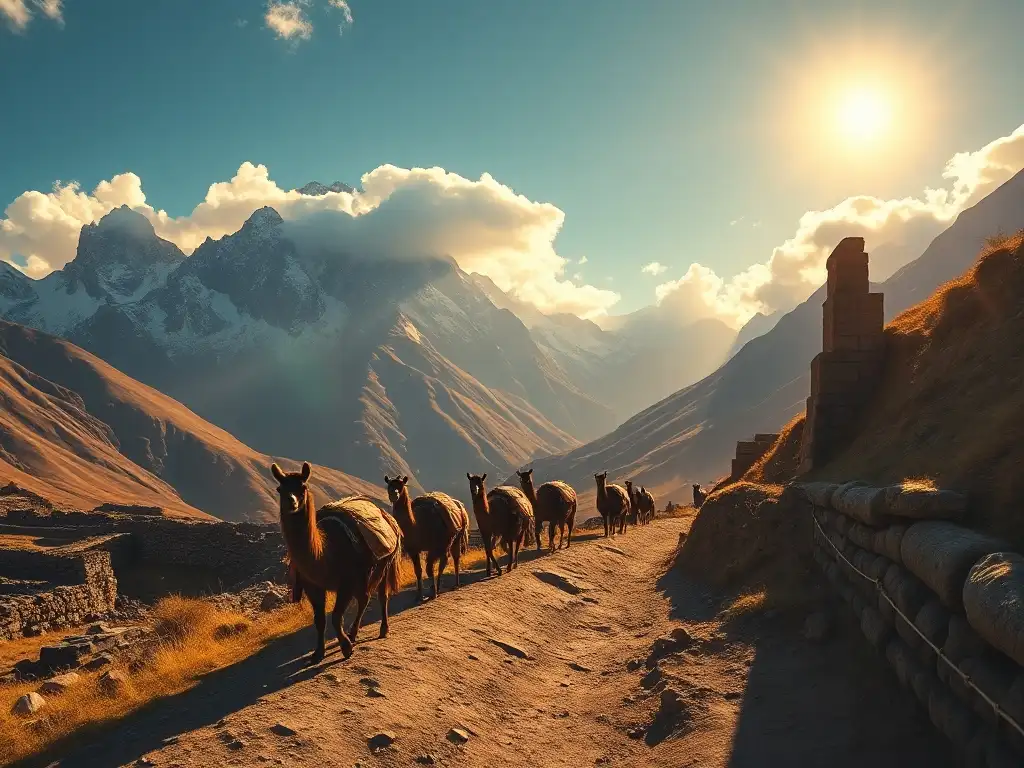
Uncover the mysteries of a lost world! Journey with us through time as we delve into the intricate network of Andean trade routes history. For centuries, these paths connected vibrant civilizations like the Incas, Moche, and Nazca, facilitating an exchange of goods, ideas, and cultures that shaped the Andes. But what secrets do these ancient highways hold? Discover the astonishing ingenuity and far-reaching influence of Andean merchants – a story waiting to be unveiled.
- Understanding the Andean Trade Routes History
- How to Explore Ancient Andean Trade Routes Today
- Maximizing Your Experience and Supporting Local Economies
- The Legacy of Andean Commerce and Travel
-
Frequently Asked Questions
- What were the primary goods traded along Andean routes?
- How did the geography of the Andes influence trade routes?
- Which Andean civilizations were most involved in extensive trade networks?
- What evidence exists to support our understanding of Andean trade routes?
- What role did the Inca road system play in trade?
- Final Reflection: Echoes of the Andes: A Legacy of Exchange
- Embark on Your Journey Through the Ancient Andean Trade Routes!
Understanding the Andean Trade Routes History
The Andes Mountains, a formidable natural barrier stretching along the western coast of South America, did not impede but rather shaped the development of vibrant and complex trade networks among the ancient Andean civilizations. For centuries, ingenious systems of trails, roads, and waterways connected disparate communities, facilitating the exchange of goods, ideas, and cultural practices. Understanding these ancient Andean trade routes is crucial to grasping the interconnectedness of these societies and their remarkable achievements.
This exploration delves into the history of these vital pathways, examining the significance of their trade networks, the key commodities exchanged, and the groundwork laid by pre-Incan cultures that paved the way for the expansive Inca Empire's logistical prowess. This journey through time will unveil the intricate tapestry of Andean trade, revealing how it fostered economic growth, cultural diffusion, and political influence across vast distances and diverse environments.
We will investigate how archaeologists utilize diverse methods to uncover the secrets hidden within these ancient pathways, and how these findings illuminate our understanding of Andean history, offering a glimpse into the lives and ingenuity of the people who forged these remarkable connections. This article will focus on the historical aspects of these trade routes, with further information on visitable archaeological sites to be discussed later.
The Significance of Ancient Andean Trade Networks
The ancient Andean trade networks were far more than simple economic systems; they were the lifeblood of these societies. The exchange of goods wasn't just about material wealth; it fostered political alliances, facilitated cultural exchange, and even influenced religious beliefs. The control of trade routes often translated directly into political power.
For example, the ability to control access to crucial resources like coca leaves or precious metals, gave certain groups significant leverage over their neighbors. Moreover, the movement of goods also spurred the dissemination of ideas, technologies, and artistic styles, creating a fascinating cultural blend across the diverse regions of the Andes. This interconnectedness is evident in the similarities found in pottery styles, architectural techniques, and religious iconography across geographically distant settlements.
The sheer scale and sophistication of these networks are a testament to the organizational abilities and engineering skills of Andean societies. Consider the sheer logistical challenges involved in transporting goods across treacherous mountain passes and diverse terrains – a feat that required sophisticated infrastructure and a highly organized system of labor and resource management. The impact of trade on Andean societies extended far beyond simple economics, shaping their social structures, political landscapes, and cultural identities.
Key Commodities Traded Along the Andean Paths
A diverse range of goods flowed along the Andean trade routes, reflecting the varied environments and specialized skills of different communities. Some of the most important commodities included:
- Precious Metals: Gold, silver, and copper were highly valued, used for ornamentation, religious objects, and tools. Their control often signified power and prestige.
- Textiles: Fine textiles, particularly those made from alpaca and llama wool, were highly prized and used for clothing, blankets, and ceremonial purposes. The intricate weaving techniques are a testament to the sophisticated textile production of Andean cultures.
- Ceramics: Pottery varied greatly in style and function, ranging from everyday utilitarian wares to elaborate ceremonial vessels. These ceramics often served as important markers of social status and cultural identity.
- Agricultural Products: Foods such as coca leaves (used for medicinal and ritual purposes), maize, potatoes, and beans were crucial staples, traded to supplement local harvests and ensure food security.
- Spices and Dyestuffs: Various spices and dyes, such as achiote (annatto) for coloring textiles, were sought after for their culinary and aesthetic value.
The quantity and quality of these goods traded indicate the extent of the economic integration and specialization within Andean societies. The sophisticated systems of exchange highlight the advanced organizational skills and economic strategies employed by these ancient cultures. The distribution patterns of these commodities, as revealed by archaeological excavations, provide valuable insights into the networks of interaction and the flow of goods across the Andes.
Pre-Incan Trade Routes: Laying the Foundation
Long before the Inca Empire unified much of the Andes, intricate trade networks existed. Cultures like the Moche, Nazca, and Tiahuanaco developed their own extensive trade routes, establishing the groundwork for the later Inca system. These earlier routes, often utilizing different pathways and modes of transport, laid the foundation for the Inca's later expansion and consolidation of control.
The pre-Inca civilizations adapted their trade routes to the challenging geography of the Andes, using a combination of mountain passes, river valleys, and coastal routes. Archaeological evidence, including the discovery of traded goods in distant locations, suggests a significant level of interaction and exchange between these pre-Inca societies. The innovative engineering feats of these cultures, such as the construction of intricate irrigation systems and the development of sophisticated transportation techniques, facilitated the movement of goods and people across vast distances.
Studying these earlier routes helps us understand the evolution of Andean trade and the gradual development of the more centralized and sophisticated system that emerged under the Inca. The legacy of these pre-Inca trade routes is visible in the later Inca infrastructure, demonstrating a continuity of trade practices and a deep understanding of the Andean landscape. Further research into these early trade networks promises to reveal even more about the complexities of Andean social organization and economic development.
How to Explore Ancient Andean Trade Routes Today
This section details how modern-day adventurers can explore remnants of the ancient Andean trade routes, focusing on practical steps and considerations for a safe and enriching experience. Understanding the history of Andean trade routes is crucial to appreciating the ingenuity and resilience of these ancient civilizations. This journey combines historical exploration with the thrill of adventure tourism.
Step 1: Researching Accessible Trade Route Sections
Before embarking on your Andean adventure, thorough research is paramount. Not all sections of the ancient trade routes are easily accessible, and some may require significant preparation and expertise. Focus your research on identifying well-documented and relatively safe sections open to the public. Consider factors such as altitude, terrain difficulty, and weather conditions.
Many archaeological sites along these routes offer insights into the daily lives of the people who used these paths centuries ago. For example, studying the Inca Trail to Machu Picchu provides a glimpse into the logistical marvel of the Inca road system. Similarly, exploring the less-trodden paths of the Nazca lines offers a unique perspective on the trade networks that supported the Nazca culture.
Remember to check for any necessary permits or guided tour requirements for specific areas. Prioritize safety by thoroughly researching the current state of the trails and any potential hazards. The Andean region presents diverse challenges, so preparation is key to a rewarding and safe journey.
Step 2: Choosing Your Andean Adventure: Hiking, Trekking or Guided Tours
The Andean trade routes present various options for exploration, catering to different levels of experience and fitness. For experienced hikers and trekkers, certain sections of the ancient trails offer challenging yet rewarding experiences. These routes often traverse high-altitude terrains and require excellent physical condition. However, for those seeking a less strenuous adventure, guided tours provide a safer and more comfortable way to explore these historical pathways. Guided tours typically include transportation, accommodation, and expert knowledge of the region's history and culture.
They often cater to a wider range of fitness levels. Consider the level of difficulty and your personal fitness when making your choice. A guided tour might be the best option for first-timers or those wanting a more comfortable experience. Independent trekking requires more planning and preparation, including navigation skills and knowledge of potential hazards. The best choice depends entirely on your personal preferences and capabilities.
Step 3: Gathering Essential Gear for Exploring the Andes
Proper gear is crucial for a safe and enjoyable exploration of the ancient Andean trade routes. The high-altitude environment, varied terrain, and unpredictable weather require careful consideration of your equipment. This is particularly important when considering the altitude sickness that can affect travelers in the Andes.
Recommended Hiking Boots for Andean Terrain (Affiliate Link to Salomon Quest 4 GTX)
High-quality hiking boots are non-negotiable. Look for boots with good ankle support, waterproof membranes, and durable soles suited for rocky and uneven terrain. Features like Gore-Tex lining offer crucial protection from the elements. Consider breaking in your boots well before your trip to avoid blisters and discomfort. Proper footwear is essential for comfort and safety on challenging trails.
Durable Backpacks for Carrying Supplies (Affiliate Link to Osprey Atmos AG 65)
A durable backpack with ample space is necessary for carrying essential supplies such as water, food, clothing, and first-aid equipment. Choose a backpack with a comfortable fit and adjustable straps to distribute weight evenly. Consider the weight of your supplies and choose a backpack accordingly. A well-designed backpack will significantly enhance your comfort during long hikes.
Hydration Packs and Water Purification Options (Affiliate Link to CamelBak Crux Reservoir)
Staying hydrated is crucial at high altitudes. A hydration pack with a large reservoir will allow you to carry plenty of water, while a water purification system (such as a filter or purification tablets) provides access to safe drinking water along the trail, especially in remote areas. Dehydration can exacerbate altitude sickness, so proper hydration is critical. Always carry more water than you think you'll need, especially on longer treks.
Step 4: Planning Your Visit to Key Archaeological Sites
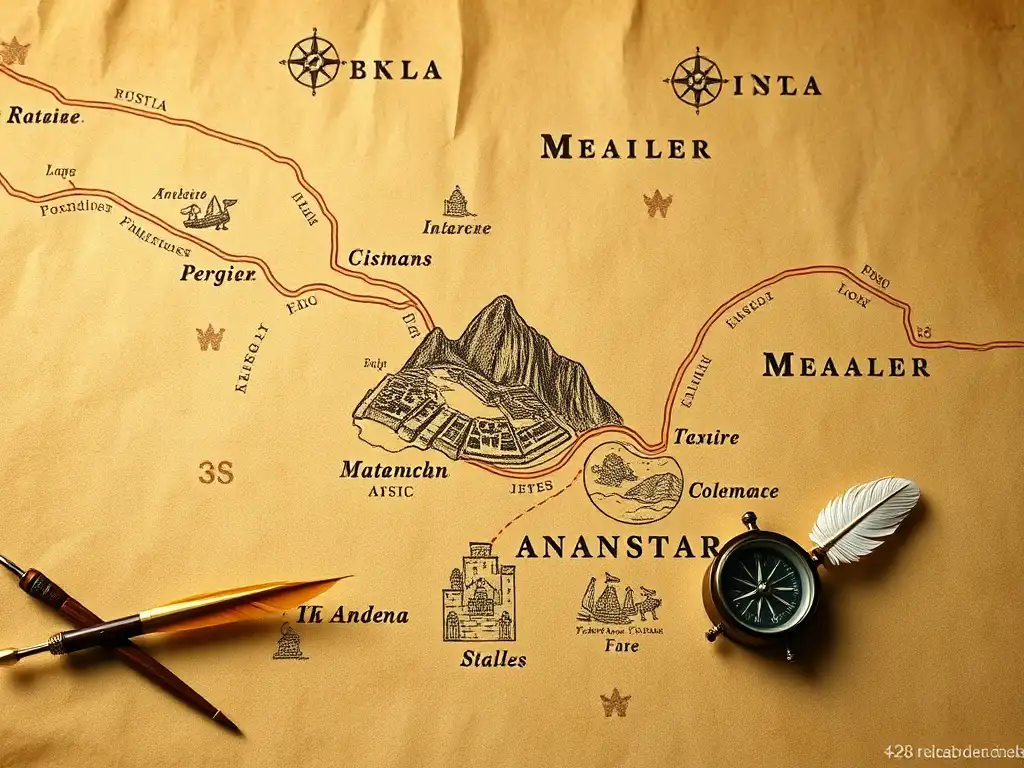
This step is crucial for maximizing your experience exploring Andean trade routes. Thorough planning ensures you see the most significant sites and understand their historical context. Consider factors like accessibility, time of year (weather conditions can significantly impact travel), and the availability of guides. Researching specific sites beforehand allows you to appreciate the nuances of each location and its role in the ancient trade networks.
For example, understanding the strategic placement of a particular Inca outpost along the Qhapaq Ñan will enrich your understanding of its function within the broader trade system. Don't forget to check for any necessary permits or entrance fees for the sites you plan to visit. Many sites offer guided tours, which can significantly enhance your understanding of the history and significance of the location. These guides often possess specialized knowledge that goes beyond what you might find in guidebooks, providing a more immersive experience.
Remember to pack appropriately for the varying altitudes and climates you might encounter. Proper clothing, footwear, and sun protection are essential for a comfortable and safe exploration. Finally, planning your itinerary with sufficient travel time between sites is key to avoiding rushed visits and maximizing your time at each location.
Exploring the Qhapaq Ñan: The Inca Road System
The Qhapaq Ñan, or Inca Road, is a UNESCO World Heritage site and a testament to the Inca's sophisticated engineering and logistical prowess. This vast network of roads facilitated trade, communication, and military movement throughout their empire. Today, sections of the Qhapaq Ñan are still visible, offering a tangible connection to the past. Planning a visit requires careful consideration of the specific sections you wish to explore, as the road network spans vast distances.
Researching accessible sections and their historical significance is crucial. Some sections are easily accessible and require only a short hike, while others demand more strenuous treks. Remember that altitude sickness can be a factor in higher elevation sections, so proper acclimatization is advised. Engaging a local guide is strongly recommended, as they can provide invaluable insight into the road's history, construction, and significance within the broader Inca empire.
They can also point out less obvious features and artifacts that might be missed by the untrained eye. Consider incorporating a visit to a nearby Inca site, like Ollantaytambo or Machu Picchu, to further contextualize your exploration of the Qhapaq Ñan. This comprehensive approach will enrich your understanding of the Inca's mastery of infrastructure and its crucial role in their economic and political power.
Visiting Tiwanaku: A Center of Early Andean Trade
Tiwanaku, located near present-day Lake Titicaca in Bolivia, is a remarkable archaeological site representing a significant pre-Inca civilization. Its influence on Andean trade networks predates the Inca by centuries. The site's impressive architecture, including the iconic Gate of the Sun, speaks to the advanced engineering and organizational skills of the Tiwanaku people. Planning your visit should include researching the site's layout and key structures to optimize your time.
Consider hiring a guide to fully appreciate the complexity of the site and its significance in the broader context of Andean history. The site's remote location requires careful consideration of travel arrangements and accommodation options. While the site itself is relatively easy to navigate, the surrounding area might present logistical challenges.
Understanding the Tiwanaku's trade networks, which extended across vast distances, will deepen your appreciation of their economic and cultural influence. The site’s artifacts, many of which are now housed in museums, provide further evidence of their extensive trade connections. Note the unique artistic styles and technological advancements evident in the artifacts, which are indicative of their sophisticated understanding of materials and techniques.
Discovering the Influence of the Moche on Coastal Trade
The Moche civilization, flourishing on the northern coast of Peru, developed a sophisticated system of coastal trade. Their mastery of ceramics, metalworking, and agriculture enabled them to establish extensive trade networks along the coast. Visiting sites like the Huaca del Sol and Huaca de la Luna near Trujillo provides a glimpse into the Moche's impressive urban planning and their advanced technological capabilities. These sites reveal insights into their social organization, religious beliefs, and economic activities, all of which are interconnected with their trade practices.
Plan your visit to include a visit to museums showcasing Moche artifacts. These artifacts offer compelling evidence of the extensive trade networks that connected the Moche with other cultures along the coast and even beyond. Consider the role of maritime trade in the Moche's economic success.
Their sophisticated boats allowed them to reach distant locations, facilitating the exchange of goods and ideas. The vibrant and intricate designs found on their ceramics and metalwork demonstrate their artistic skill and their connections to other cultures. By studying these artifacts, you gain a deeper understanding of the Moche's cultural exchanges and their prominent role in shaping the coastal trade landscape.
Step 5: Engaging with Local Communities and Culture
Engaging with local communities is vital to understanding the living legacy of Andean trade routes. Their knowledge and perspectives provide a richer appreciation for the historical sites and their enduring cultural significance. Respectful interaction with local artisans and guides fosters a more meaningful experience. Learn a few basic phrases in Quechua, the language spoken by many communities in the Andes, to show your respect and enhance communication.
Support local businesses and purchase handcrafted items directly from artisans to contribute to the economic well-being of the communities. Participating in local events and festivals offers an opportunity to experience the vibrant culture firsthand and learn about the traditions that have been passed down through generations. This direct engagement provides a more authentic and impactful exploration of Andean trade routes.
Consider booking a cultural tour with Peruvian Odyssey
[Specific information pending: Details about Peruvian Odyssey tours and their focus on cultural immersion and responsible tourism] Choosing a responsible tourism operator ensures that your visit positively impacts the local communities. Cultural tours often include visits to local markets, workshops with artisans, and interaction with community members, offering a more immersive experience than simply visiting archaeological sites. This approach supports local economies and promotes cultural preservation. Look for tours that prioritize sustainable practices and engage directly with local communities, ensuring that the benefits of tourism are shared equitably.
Learning basic Quechua phrases (Affiliate Link to Duolingo)
[Specific information pending: Affiliate link to relevant Duolingo Quechua course] Learning a few basic Quechua phrases demonstrates respect for the local culture and facilitates interaction with community members. Even simple greetings and thank-yous can enhance your experience and build rapport. Many language-learning apps offer free introductory lessons, making it easy to learn some basic phrases before your trip. This small effort can significantly improve your interactions and contribute to a more meaningful and culturally sensitive experience. The ability to communicate even in a limited way shows respect and can open doors to more authentic interactions with the local people.
Maximizing Your Experience and Supporting Local Economies
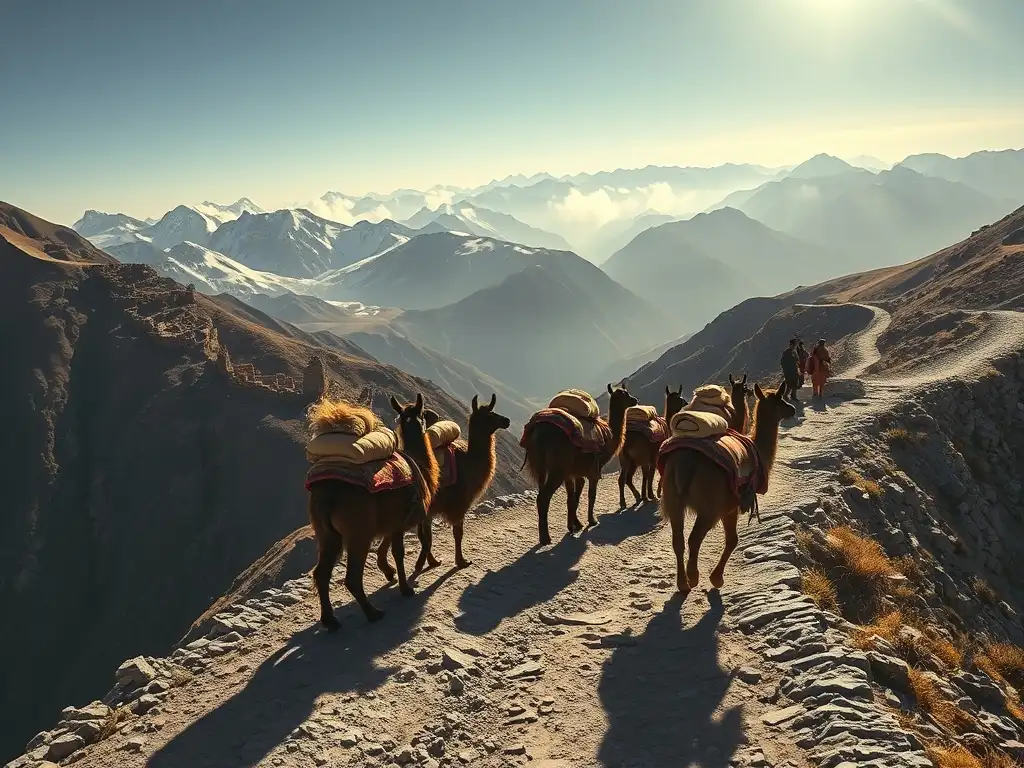
Exploring the ancient Andean trade routes offers a unique opportunity to connect with the region's rich history and vibrant culture. However, it's crucial to do so responsibly, ensuring that your journey benefits the local communities that are the custodians of this incredible heritage. This section focuses on maximizing your experience while simultaneously supporting the local economies along these historical pathways. Understanding the principles of sustainable tourism is paramount to achieving this balance.
The Importance of Sustainable Tourism in the Andes
Sustainable tourism in the Andes isn't just a buzzword; it's a necessity. The delicate ecosystem and the cultural heritage of the region are incredibly vulnerable. Uncontrolled tourism can lead to environmental degradation, cultural commodification, and ultimately, the erosion of the very things that draw visitors in the first place. Responsible travel means minimizing your environmental impact, respecting local customs, and supporting local businesses. This translates into several practical steps:
- Choosing eco-friendly accommodations: Look for hotels and lodges that prioritize sustainability, such as those employing renewable energy sources, implementing waste reduction programs, and sourcing materials locally. Many smaller, family-run businesses are excellent examples of sustainable practices.
- Reducing your carbon footprint: Opt for public transportation whenever possible, walk or cycle when feasible, and consider offsetting your carbon emissions through reputable organizations. This is particularly important given the challenging terrain in many Andean regions.
- Respecting local traditions: Learn a few basic Quechua phrases, dress modestly when visiting sacred sites, and always ask for permission before taking photographs of individuals. Cultural sensitivity is key to a respectful and enriching experience.
- Supporting local guides: Employing local guides not only enhances your understanding of the region's history and culture but also directly contributes to the local economy. They often possess invaluable knowledge unavailable through other sources, providing a more authentic and insightful experience. Their expertise is vital in preserving Andean trade routes history.
Purchasing Authentic Andean Crafts and Textiles (Affiliate Link to Novica)
One of the most rewarding aspects of traveling along the ancient Andean trade routes is the opportunity to purchase authentic handicrafts and textiles. These items often represent generations of skill and tradition, passed down through families for centuries. However, it's essential to ensure that your purchases support ethical and sustainable practices. Look for artisans who are fairly compensated for their work and whose products are created using environmentally responsible methods.
Avoid items that appear mass-produced or lack a clear connection to the region's heritage. Supporting artisans directly contributes to the preservation of traditional crafts and helps sustain local livelihoods. Consider purchasing items from reputable organizations or directly from artisans themselves, ensuring a fair price and supporting local businesses.
Supporting Local Restaurants and Lodging Options
By choosing to eat at local restaurants and stay in locally owned accommodations, you directly contribute to the economic well-being of Andean communities. These establishments often offer unique culinary experiences and insights into local life, enriching your journey beyond the historical sites themselves. Choosing smaller, family-run businesses often translates to a more personalized and authentic experience, as well as a greater impact on the local economy. Prioritize restaurants using locally sourced ingredients, showcasing the region's diverse culinary heritage.
This not only supports local farmers and producers but also allows you to savor the true flavors of the Andes. Remember, your choices as a traveler directly influence the sustainability and prosperity of the communities along these ancient Andean trade routes. By making conscious decisions, you can contribute to preserving both their heritage and their future.
Documenting Your Journey: Photography and Videography Tips
Capturing the breathtaking landscapes and fascinating archaeological sites along the ancient Andean trade routes is a crucial part of your experience. High-quality photos and videos will not only serve as lasting memories but also allow you to share your journey with others, fostering a deeper appreciation for Andean history and culture. Remember to respect the sites and local communities while documenting your exploration. Avoid intrusive photography and always ask for permission before filming individuals.
The best photographs often capture the essence of a place, not just a detailed record. Consider the lighting, composition, and the overall story you want to tell through your images. For example, a photograph of a llama grazing peacefully near a crumbling Inca wall can convey the enduring connection between Andean culture and its environment far more effectively than a simple shot of the wall alone.
The use of drones for aerial photography can offer stunning perspectives of the vast landscapes and intricate archaeological sites, but remember to check local regulations and obtain any necessary permits before using one. Drone usage is increasingly regulated in many areas to protect wildlife and cultural heritage sites. Always prioritize safety and responsible drone operation. Furthermore, consider the ethical implications of your drone footage.
While it can provide breathtaking views, ensure you’re not invading anyone’s privacy or disturbing sensitive areas. Finally, back up your photos and videos regularly to multiple storage devices to avoid losing precious memories. A cloud-based backup system is highly recommended.
Recommended Camera Gear for Andean Landscapes (Affiliate Link to Sony Alpha 7 III)
[Specific information pending: Affiliate link and description of Sony Alpha 7 III, emphasizing its suitability for Andean landscapes. This should include details about its image quality, low-light performance, and versatility for both photography and videography. Mention features particularly useful for capturing the scale and detail of ancient ruins and the beauty of the Andes' diverse ecosystems. Perhaps highlight features like image stabilization and weather sealing, essential given the varied conditions encountered while exploring Andean trade routes.]
Portable Power Banks for Keeping Your Devices Charged (Affiliate Link to Anker PowerCore 20100)
Reliable power is crucial for documenting your journey. Extended treks along ancient trade routes may take you far from electrical outlets, making a portable power bank an essential piece of equipment. A high-capacity power bank will ensure your camera, phone, and other devices remain charged throughout the day, allowing you to capture uninterrupted footage and stay connected. Consider a power bank with multiple USB ports to charge several devices simultaneously. The Anker PowerCore 20100, for instance, is a popular choice among travelers due to its high capacity and fast-charging capabilities.
[Specific information pending: Affiliate link and description of Anker PowerCore 20100, highlighting its capacity, charging speed, and portability. Mention its suitability for powering cameras and other devices. Compare its features to other similar products to justify its recommendation. Include information on its durability and any safety features it offers.]
The Legacy of Andean Commerce and Travel
The legacy of Andean trade routes is far more than just a network of paths; it's a testament to the ingenuity, resilience, and interconnectedness of ancient Andean societies. These routes, carved into the challenging Andean terrain, facilitated the exchange of not only goods but also ideas, technologies, and cultural practices, profoundly shaping the development of civilizations across the Andes Mountains for millennia. Understanding the history of these routes provides crucial insights into the complex social, economic, and political structures that characterized these societies.
The sheer scale of the undertaking – traversing treacherous mountain passes, navigating arid deserts, and utilizing diverse transportation methods – showcases an impressive organizational capacity and a deep understanding of the Andean environment. From the coastal regions to the high altitudes, the intricate web of trade routes connected disparate communities, fostering a sense of shared identity and cultural exchange, even amidst geographical challenges.
This interconnectedness fostered a dynamic cultural landscape, a vibrant tapestry woven from the threads of diverse Andean traditions. The impact of this extensive trade network is still visible today, influencing modern infrastructure and cultural practices in the region.
Preserving the Ancient Andean Trade Routes for Future Generations
The preservation of these ancient Andean trade routes presents a significant challenge, requiring a multifaceted approach. Many sections are threatened by erosion, human encroachment, and the effects of climate change. Effective preservation strategies necessitate a collaborative effort involving governments, local communities, archaeologists, and conservation organizations. This includes:
- Careful documentation and mapping: Creating detailed records of the routes, including their precise locations, features, and associated archaeological sites, is crucial for future research and conservation efforts. High-resolution satellite imagery and ground-penetrating radar can play a vital role in this process.
- Sustainable tourism initiatives: Developing responsible tourism practices that minimize environmental impact and benefit local communities can help generate funds for preservation efforts while also educating the public about the importance of these historical routes. This might involve creating well-maintained trails, providing informative signage, and employing local guides.
- Community involvement: Engaging local communities in preservation efforts is essential, as their knowledge and stewardship are invaluable. This involves empowering communities to participate in conservation projects, ensuring that preservation efforts respect local traditions and customs.
- Addressing climate change impacts: Climate change poses a significant threat to the routes, leading to increased erosion and landslides. Developing strategies to mitigate these effects, such as reforestation and slope stabilization, is essential for long-term preservation.
The successful preservation of these routes requires a long-term commitment and a collaborative approach that prioritizes both the historical significance of the routes and the well-being of the communities who live near them. Failure to act decisively risks the irreversible loss of a crucial part of Andean heritage.
Reflecting on the Ingenuity of Andean Merchants
The Andean merchants weren't simply traders; they were logistical masters, skilled navigators, and cultural ambassadors. Their success stemmed from a remarkable blend of practical skills and deep knowledge of the Andean environment. Consider, for example, their innovative methods of transportation: llamas, adapted to the high-altitude terrain, served as crucial pack animals, carrying goods across vast distances.
The construction of suspension bridges and strategically placed resting points along the routes demonstrated a profound understanding of engineering and logistics. Moreover, the merchants’ knowledge of local languages and customs enabled them to navigate the complex social landscapes of the Andes, fostering trust and facilitating trade across diverse communities. Their ability to negotiate, adapt, and innovate is a testament to their entrepreneurial spirit and adaptability.
This ingenuity wasn’t limited to logistics; it extended to the production and exchange of goods themselves, reflecting a sophisticated understanding of materials science, agriculture, and craftsmanship. The intricate textiles, finely crafted pottery, and precious metals traded along these routes bear witness to the high level of skill and artistry within Andean societies.
The success of Andean trade also hinged on effective communication and social networks. The development of sophisticated record-keeping systems, perhaps using quipu (knotted strings) or other methods, allowed merchants to track transactions and manage their businesses efficiently. Furthermore, the establishment of trading posts and settlements along the routes facilitated the exchange of goods and information, fostering a sense of community and mutual support among traders. The story of Andean merchants is therefore not just a tale of economic exchange; it's a compelling narrative of human ingenuity, resilience, and adaptation in the face of challenging environments.
Further Reading: Books and Resources on Andean Trade History (Affiliate link to Amazon List: Andean History)
Further exploration into the fascinating world of Andean trade routes requires dedicated research. A wealth of scholarly publications, both academic and popular, are available to enrich your understanding. These resources provide in-depth analyses of various aspects of Andean trade, from the specific goods exchanged to the broader societal implications of this extensive network. By consulting these resources, you can gain a more nuanced perspective on the complexities and intricacies of Andean commerce and its lasting impact on the region's history and culture.
For those seeking a deeper dive, exploring academic journals and specialized publications is highly recommended. These resources offer advanced research and detailed analyses of specific topics related to Andean trade routes and their historical context. The diversity of resources available allows for a personalized learning experience, catering to different levels of expertise and individual interests.
Frequently Asked Questions
What were the primary goods traded along Andean routes?
Andean trade routes facilitated the exchange of a wide variety of goods. Textiles, metals (like gold and silver), ceramics, and foodstuffs were all crucial components of this extensive network. Luxury items were also traded, reflecting the complex social hierarchies.
How did the geography of the Andes influence trade routes?
The rugged terrain of the Andes significantly impacted the development of trade routes. Paths often followed river valleys and mountain passes, posing significant challenges to transportation. Llamas were essential for carrying goods across these difficult landscapes.
Which Andean civilizations were most involved in extensive trade networks?
Many Andean civilizations participated in trade, but the Inca Empire established the most extensive network. However, earlier civilizations like the Moche and Nazca also engaged in significant regional trade, laying the groundwork for later expansions.
What evidence exists to support our understanding of Andean trade routes?
Archaeological discoveries provide strong evidence. Excavations of sites along known routes have unearthed trade goods and artifacts from distant regions. Analysis of ceramics and textiles further helps trace the movement of goods and cultural exchange.
What role did the Inca road system play in trade?
The Inca road system (the Qhapaq Ñan) was crucial for facilitating trade across their vast empire. It provided a well-maintained infrastructure that connected distant regions, enabling efficient movement of goods and people and consolidating their power.
Final Reflection: Echoes of the Andes: A Legacy of Exchange
The intricate network of Andean trade routes, once bustling with llamas laden with precious goods, continues to resonate in the modern world. Their impact extends far beyond the historical record, shaping the cultural landscapes and economic realities of South America even today. Understanding these ancient pathways offers a crucial lens through which to view the complexities of globalization, cultural exchange, and the enduring power of human connection across vast distances.
The enduring legacy of these routes is not merely a matter of historical curiosity; it's a living testament to the ingenuity and resilience of Andean civilizations. Their sophisticated systems of exchange fostered cultural blending, technological innovation, and a remarkable degree of interconnectedness across diverse ecological zones. The mountains themselves were not a barrier, but a bridge,
a Quechua elder once told me, a sentiment that encapsulates the spirit of Andean trade. This understanding of adaptation and collaboration in the face of challenging geography offers valuable lessons for our own interconnected, yet often fractured, world.
Consider the impact of these ancient trade routes on your own life. Perhaps you've enjoyed the vibrant textiles, the rich culinary traditions, or the unique artistic expressions that originated along these pathways. Take a moment to reflect on the interconnectedness of our globalized world and the echoes of these ancient exchanges that continue to shape our present. By understanding the past, we can better appreciate the present and build a more sustainable and equitable future, one that honors the enduring legacy of human connection and exchange.
Embark on Your Journey Through the Ancient Andean Trade Routes!
Thank you for exploring the fascinating world of Andean merchants and their historic trade routes! Your interest reveals a connection to a rich legacy of cultural exchange and entrepreneurial spirit. Now, let's delve deeper.
Here are some ways to continue your exploration:
- **Learn More:** Explore our dedicated section on Andean civilizations for articles and multimedia resources detailing the lives and innovations of these remarkable societies.
- **Share Your Discoveries:** Discuss the ancient trade routes with friends, family, or online communities, sparking conversations about Andean history and its enduring impact.
- **Join Our Community:** Connect with fellow history enthusiasts in our online forums to exchange insights and deepen your understanding of these captivating cultures.
What unique perspectives on trade and cultural exchange have you gained, and how might they inform your understanding of modern global commerce? Share your thoughts below!