
The Enigma of the PreColumbian Andean Cultures

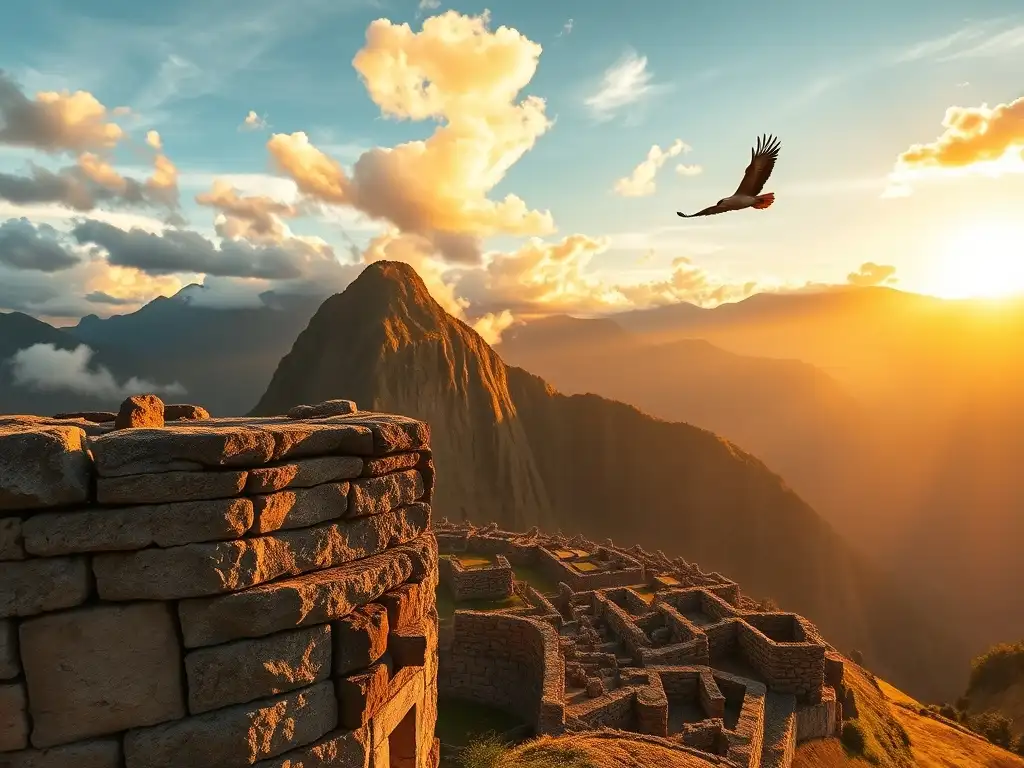
Unravel the mysteries of a world lost to time. Step into the heart of the Andes and discover a legacy far grander than you imagine. From the intricate artistry of the Nazca lines to the sophisticated engineering of Machu Picchu, this journey into Andean civilizations preColumbian history will challenge your perceptions and ignite your curiosity. Prepare to be amazed by the ingenuity and resilience of these ancient cultures – their stories are waiting to be unearthed.
-
The Enigma of the PreColumbian Andean Cultures: Archaeological Sites You Can Visit
- Unveiling the Secrets of Andean Pre-Columbian History: A Journey Through Time
- Exploring the Legacy of the Incas: Machu Picchu and Beyond
- The Moche Civilization: Art and Power in Northern Peru
- The Nazca Culture: Geoglyphs and Ancient Mysteries
- Tiahuanaco: The Enigmatic City of the Andean Highlands
- Planning Your Pre-Columbian Andean Adventure: Tips and Resources
-
Frequently Asked Questions
- What defines the Pre-Columbian Andean Civilizations?
- How did the Inca Empire impact Andean history?
- What are some key achievements of the Pre-Columbian Andean cultures?
- How did the different Andean cultures interact with each other?
- What are some primary sources used to study Pre-Columbian Andean history?
- Final Reflection: Echoes of the Andes: A Legacy Unfolding
- Unveil the Wonders of Andean Cultures!
The Enigma of the PreColumbian Andean Cultures: Archaeological Sites You Can Visit
The Andes Mountains, a majestic spine running down the western coast of South America, cradle a history as rich and complex as their towering peaks. For centuries, a succession of brilliant pre-Columbian cultures flourished in this challenging yet fertile landscape, leaving behind a legacy of breathtaking architecture, intricate artistry, and sophisticated agricultural techniques. This article delves into the fascinating world of Andean civilizations pre-Columbian history, focusing on archaeological sites you can visit today to witness firsthand the enduring impact of these remarkable societies.
We will explore the enduring mysteries and remarkable achievements of cultures like the Incas, Moche, Nazca, and Tiahuanaco, highlighting their unique contributions to the tapestry of human civilization. From the iconic Machu Picchu to the enigmatic Nazca Lines, we will uncover the stories etched in stone, woven into textiles, and painted onto pottery, revealing the ingenuity and resilience of these ancient Andean peoples. Understanding their achievements offers a crucial perspective on the broader context of pre-Columbian history in the Americas and the enduring influence of these societies on modern-day Peru and beyond.
Prepare to be amazed by the ingenuity and resilience of these fascinating Andean civilizations! 🎉
Unveiling the Secrets of Andean Pre-Columbian History: A Journey Through Time
The pre-Columbian era in the Andes witnessed the rise and fall of numerous powerful civilizations, each leaving its unique mark on the landscape and culture. Understanding their chronological development is crucial to appreciating the complexity of their achievements. The timeline below provides a general overview, though significant overlap and regional variations existed:
| Civilization | Approximate Time Period | Notable Characteristics | Archaeological Sites |
|---|---|---|---|
| Caral-Supe | 3000-1800 BCE | Earliest known complex society in the Andes; monumental architecture | Caral, Áspero |
| Chavín | 1200-200 BCE | Powerful religious center; distinctive artistic style | Chavín de Huántar |
| Moche | 100-800 CE | Advanced irrigation systems; sophisticated metalwork and ceramics | Huaca del Sol y de la Luna, El Brujo |
| Nazca | 100-700 CE | Famous for Nazca Lines; intricate textiles and pottery | Nazca Lines, Cahuachi |
| Tiahuanaco | 300-1100 CE | Large urban center; advanced engineering and agriculture | Tiahuanaco, Puma Punku |
| Inca | 1438-1533 CE | Vast empire; sophisticated road system and administrative structure | Machu Picchu, Ollantaytambo, Sacsayhuamán |
This is just a glimpse into the rich tapestry of pre-Columbian Andean cultures. Each civilization contributed uniquely to the region's cultural and technological advancements, leaving behind a legacy that continues to inspire awe and wonder. Further research into specific cultures will reveal even greater depth and complexity. Let's now delve deeper into some of the most remarkable sites left by these societies.
Exploring the Legacy of the Incas: Machu Picchu and Beyond
The Inca Empire, reaching its zenith in the 15th and early 16th centuries, left an indelible mark on the Andean landscape. Their sophisticated engineering, intricate social structures, and remarkable administrative skills are evident in the numerous archaeological sites that survive to this day. Among these, Machu Picchu and Ollantaytambo stand out as exceptional examples of Inca ingenuity and artistry.
Machu Picchu: The Lost City of the Incas
Machu Picchu, often called the "Lost City of the Incas," is perhaps the most iconic symbol of Inca civilization. Nestled high in the Andes Mountains, this breathtaking city showcases the Inca's mastery of stonework, agricultural terracing, and urban planning. The precise function of Machu Picchu remains debated, but its intricate architecture and stunning location continue to captivate visitors from around the world.
Its discovery in 1911 revealed a remarkably preserved city, offering invaluable insights into Inca life and culture. The precision of the stonework, the intricate water management systems, and the breathtaking views all contribute to its enduring mystique. Exploring Machu Picchu is an unforgettable experience, offering a tangible connection to the past.
Ollantaytambo: A Fortress of Inca Engineering
Ollantaytambo, located in the Sacred Valley, is another remarkable Inca site. Unlike Machu Picchu, Ollantaytambo served as a significant administrative, agricultural, and military center. Its massive stone terraces, intricately carved stonework, and impressive fortress walls demonstrate the Inca's exceptional engineering skills.
The sheer scale of the structures and the precision of their construction are truly awe-inspiring. Ollantaytambo is a testament to the Inca's ability to adapt their building techniques to the challenging terrain, creating a fortress that commanded the valley and protected vital agricultural lands. The site also holds significant historical importance, as it was the site of a crucial battle between the Inca and Spanish conquistadors.
The Moche Civilization: Art and Power in Northern Peru
The Moche civilization, flourishing along the northern coast of Peru from approximately 100 CE to 800 CE, left behind a remarkable legacy of art, architecture, and sophisticated social structures. Their mastery of irrigation allowed them to thrive in a challenging desert environment, creating a complex society with specialized artisans, priests, and warriors. Moche art, particularly their pottery, provides invaluable insights into their daily lives, religious beliefs, and social hierarchy.
The intricate details depicted on their vessels, showcasing scenes of warfare, ritual ceremonies, and everyday activities, offer a unique glimpse into this fascinating culture. Their artistic skill extended beyond pottery; they also created stunning metalwork, textiles, and monumental architecture, reflecting their advanced technological capabilities and sophisticated understanding of engineering. The Moche's advanced knowledge of hydraulics and their ability to build extensive irrigation systems are testaments to their engineering prowess, allowing them to cultivate a fertile landscape in a naturally arid region.
This ingenuity allowed for population growth and the development of a complex social structure that supported the creation of their impressive artistic and architectural achievements. This remarkable civilization's sudden decline remains a subject of ongoing research and debate amongst archaeologists. Several theories exist, including climate change, internal conflicts, and possibly the impact of neighboring cultures.
Huaca de la Luna and Huaca del Sol: Moche Pyramids of Power
Located near the modern-day city of Trujillo, Huaca de la Luna and Huaca del Sol are two massive adobe pyramids that stand as powerful symbols of Moche power and religious beliefs. Huaca del Sol, the larger of the two, is believed to have been a center of administrative power, while Huaca de la Luna served as a significant religious site. Excavations at Huaca de la Luna have revealed stunning murals depicting ceremonial scenes and intricate details of Moche rituals.
The vibrant colors and detailed imagery offer compelling evidence of the Moche's artistic skill and their sophisticated understanding of religious symbolism. The scale of these structures, their intricate construction, and the evidence of extensive ritual activity unearthed during excavations demonstrate the immense resources and organizational capacity of the Moche state. The pyramids’ construction reflects a high level of architectural engineering skills and the mobilization of a significant workforce, highlighting the centralized power structure of the Moche civilization.
These sites continue to yield new discoveries, offering ongoing opportunities to deepen our understanding of this captivating pre-Columbian culture. Ongoing research continues to provide new insights into the function and significance of these monumental structures.
El Brujo Archaeological Complex: Lady of Cao's Tomb
The El Brujo Archaeological Complex, situated near Chicama, houses one of the most significant discoveries in Moche archaeology: the tomb of the "Lady of Cao." This remarkably well-preserved tomb contained the remains of a high-ranking Moche woman, adorned with elaborate jewelry and surrounded by rich grave goods. The discovery of the Lady of Cao challenged traditional views of Moche society, revealing the significant role women played in power structures.
Analysis of her remains and the artifacts found in her tomb indicates a high status within the Moche hierarchy, suggesting a more complex social structure than previously thought. The discovery of her elaborate burial demonstrates the Moche's belief in an afterlife and the significance placed on individuals holding high positions within their society. Her well-preserved body and the accompanying artifacts provide unparalleled insights into Moche rituals, beliefs, and social organization.
Further research continues to unravel the mysteries surrounding the Lady of Cao and her place within the Moche elite. The complex also features other impressive structures and artifacts, providing a broader understanding of Moche life and culture.
The Nazca Culture: Geoglyphs and Ancient Mysteries
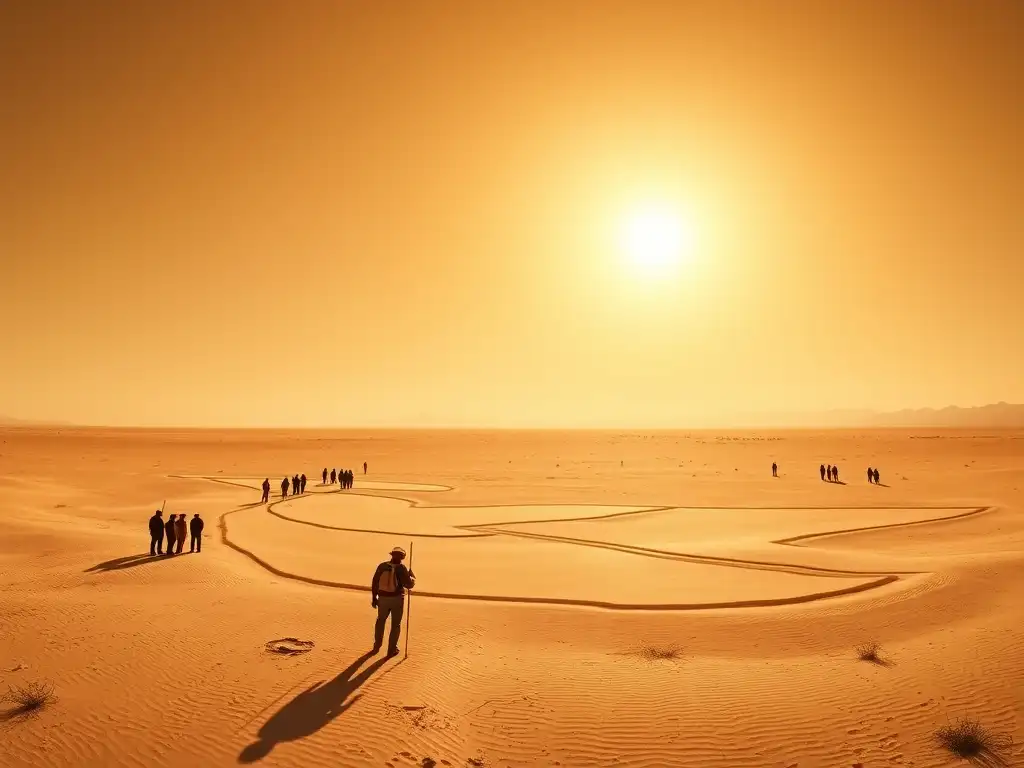
The Nazca culture, thriving in southern Peru from approximately 100 BCE to 800 CE, is best known for its enigmatic geoglyphs—giant figures and lines etched into the desert surface. These colossal designs, visible only from the air, have captivated researchers and the public alike for centuries. The purpose of these immense figures remains a topic of intense debate, with theories ranging from astronomical observatories to ritualistic sites.
Beyond the geoglyphs, the Nazca culture also produced sophisticated pottery, textiles, and intricate goldwork. Their artistic skills were remarkable, and their pottery often depicts scenes of daily life, religious ceremonies, and mythical creatures. The Nazca's advanced knowledge of water management is evident in their sophisticated irrigation systems, which allowed them to cultivate crops in the arid desert environment.
Their ability to create these intricate systems in such a harsh landscape is a testament to their engineering skills and their understanding of hydrology. The Nazca civilization’s sudden decline is another subject of ongoing research, with several theories being explored by archaeologists, including potential environmental changes and societal pressures.
The Nazca Lines: Giant Drawings on the Desert Floor
The Nazca Lines, sprawling across the arid Pampa de San José, are a series of hundreds of geoglyphs that depict animals, plants, and geometric shapes. These colossal figures, some stretching hundreds of meters in length, are only fully visible from the air. Their creation remains a mystery, with several theories attempting to explain their purpose and construction. The precision and scale of these designs are astonishing, and their creation required immense effort and coordination.
The techniques used to create the lines, involving the removal of the dark surface stones to reveal the lighter subsoil, demonstrate a sophisticated understanding of land surveying and engineering. The sheer scale and precision of the Nazca Lines continue to challenge our understanding of the Nazca culture's capabilities and beliefs. Ongoing research employs advanced technologies, such as satellite imagery and drone surveys, to further analyze these enigmatic figures and possibly uncover new geoglyphs.
Cahuachi: The Ceremonial Center of the Nazca
Cahuachi, a vast ceremonial center located near the Nazca Lines, served as a significant religious and political hub for the Nazca culture. Archaeological excavations have revealed numerous structures, including platforms, temples, and residential areas, suggesting a complex and organized society. The site's size and the evidence of large-scale ritual activities indicate the importance of religion and ceremony in Nazca society. The discovery of numerous artifacts, including pottery, textiles, and offerings, provides further insights into Nazca religious beliefs and practices. The scale and complexity of Cahuachi suggest a highly organized society with a centralized power structure capable of mobilizing large numbers of people and resources for religious and ceremonial purposes. The site's location near the Nazca Lines suggests a possible connection between the geoglyphs and the religious practices carried out at Cahuachi. Ongoing research at Cahuachi continues to shed light on the social, political, and religious aspects of the Nazca civilization.
Tiahuanaco: The Enigmatic City of the Andean Highlands
The imposing ruins of Tiahuanaco, also known as Tiwanaku, stand as a testament to the ingenuity and power of a pre-Columbian Andean civilization that flourished between 500 and 1000 CE. Located on the shores of Lake Titicaca in modern-day Bolivia, this archaeological marvel presents a complex puzzle for researchers. The city's monumental architecture, intricate carvings, and sophisticated water management systems continue to inspire awe and wonder.
The sheer scale of the structures, built with massive blocks of stone, suggests a highly organized society with advanced engineering capabilities. The precise methods employed in the construction, particularly the fitting together of stones with minimal mortar, remain a subject of ongoing debate and research, fueling the enigmatic aura surrounding Tiahuanaco. Scholars are still piecing together the story of this remarkable civilization, its societal structure, beliefs, and ultimate demise.
Understanding Tiahuanaco requires delving into its complex iconography, analyzing its intricate agricultural systems, and considering its role in the broader context of Andean pre-Columbian development. The legacy of Tiahuanaco is not just confined to its ruins; its influence can be seen in the subsequent development of other Andean cultures.
Tiwanaku (Tiahuanaco) : The Ancient City of the Lake
The strategic location of Tiwanaku on the shores of Lake Titicaca was crucial to its success. The lake provided a vital source of water for agriculture and transportation. Archaeological evidence suggests sophisticated irrigation systems were used to maximize agricultural output in the relatively arid altiplano region.
This mastery of water management allowed Tiwanaku to support a large population, further highlighting the advanced technological capabilities of the civilization. The city's layout also reflects a deep understanding of its environment and the importance of the lake. The surrounding landscape, with its fertile valleys and high plains, played a significant role in shaping the city's development and economic activities.
Furthermore, the lake provided a vital trade route, connecting Tiwanaku to other settlements across the Andes and beyond. This access to trade networks undoubtedly contributed to the city's economic prosperity and cultural exchange. The interplay between the city and the lake is a crucial element in understanding Tiwanaku's growth and its profound impact on the surrounding environment.
Puma Punku: Precision Stone Work of Tiahuanaco
Puma Punku, a part of the larger Tiwanaku complex, stands out for its incredibly precise stonework. The massive, perfectly cut and fitted stones, some weighing many tons, display an astonishing level of engineering precision that continues to baffle modern engineers. The exact methods used to transport and place these stones remain a mystery, fueling speculation about the advanced technology of the Tiwanaku people.
The intricate details of the stonework, the precise angles, and the almost imperceptible gaps between the stones, demonstrate a high level of skill and planning. Researchers continue to study Puma Punku to understand not just the technical aspects of its construction but also its symbolic and ritual significance.
The site's layout and the arrangement of the stones suggest a complex social and religious organization, reflecting the sophistication of Tiwanaku society. The enigmatic nature of Puma Punku, combined with its impressive scale and precision, solidifies its place as one of the most remarkable archaeological sites in the Andes.
Planning Your Pre-Columbian Andean Adventure: Tips and Resources
Planning a trip to explore the pre-Columbian sites of the Andes requires careful consideration of various factors, ensuring a safe and enriching experience. From securing appropriate permits and arranging transportation to understanding the local climate and cultural sensitivities, thorough planning is key to maximizing the impact of your adventure. Researching the specific sites you plan to visit is crucial, understanding their opening hours, accessibility, and any potential restrictions.
It's essential to respect the historical and cultural significance of these sites, adhering to any guidelines provided by local authorities and tour operators. Furthermore, understanding the altitude and potential effects of altitude sickness is vital, especially when visiting sites located at high elevations in the Andes.
Booking Tours and Accommodations for Your Archaeological Adventure
Choosing the right tour operator can significantly enhance your experience. Reputable tour operators often provide expert guides who can provide valuable insights into the history and significance of the archaeological sites. They can also help navigate logistical challenges, ensuring a smooth and enjoyable journey. When booking accommodations, consider proximity to the sites you plan to visit to minimize travel time and maximize your exploration time.
Different regions offer various options, from budget-friendly hostels to luxurious hotels, catering to diverse preferences and budgets. It's important to book accommodations and tours well in advance, particularly during peak tourist seasons, to secure availability and potentially benefit from early bird discounts. Reading reviews from previous travelers can also offer valuable insights into the quality of services provided by different tour operators and accommodation providers.
Essential Gear for Exploring Pre-Columbian Sites
Packing the right gear is crucial for a comfortable and safe exploration of Andean archaeological sites. The altitude, varying weather conditions, and the nature of the sites themselves require specific preparations. Comfortable hiking boots are essential, as much of the exploration involves walking on uneven terrain. Layers of clothing are crucial to adapt to changing weather conditions, especially at higher altitudes where temperatures can fluctuate significantly.
Sunscreen, hats, and sunglasses are vital for protection from the strong Andean sun. Bringing a reusable water bottle and staying hydrated is essential, particularly at higher altitudes. A small backpack to carry essentials like water, snacks, and sunscreen is also recommended. Finally, a camera to capture the beauty and grandeur of these historical sites is a must-have item.
Immerse Yourself in the History and Culture of the Andean Civilizations
Beyond visiting the archaeological sites themselves, immersing oneself in the rich history and culture of the Andean civilizations significantly enhances the experience. Learning about the Inca, Moche, Nazca, and Tiahuanaco cultures before your trip will deepen your appreciation for the sites you visit. Reading books, watching documentaries, and visiting museums related to Andean history can provide valuable background information, enriching your understanding of the artifacts and structures you encounter.
Engaging with local communities and learning about their connection to the ancient civilizations can further enhance your appreciation of their enduring legacy. Respecting local customs and traditions is paramount, demonstrating sensitivity and appreciation for the living cultures that share a deep connection with their ancestral heritage. This holistic approach ensures a more meaningful and rewarding exploration of the pre-Columbian Andean world.
Frequently Asked Questions
What defines the Pre-Columbian Andean Civilizations?
The Pre-Columbian Andean Civilizations refer to the numerous complex societies that flourished in the Andes region of South America before the arrival of Europeans in 1492. These include cultures like the Inca, Moche, Nazca, and Tiahuanaco, each with unique characteristics.
How did the Inca Empire impact Andean history?
The Inca Empire, known for its advanced infrastructure and political organization, exerted a significant influence on the Andes, unifying many smaller groups under its rule. Their impact on art, architecture, and agriculture remains visible today.
What are some key achievements of the Pre-Columbian Andean cultures?
Andean civilizations achieved remarkable feats in engineering, such as terracing for agriculture and constructing massive stone structures. They also developed sophisticated textile arts, metalworking, and astronomical knowledge.
How did the different Andean cultures interact with each other?
Interaction between Andean cultures varied. Some experienced peaceful exchange of ideas and goods, while others engaged in conflict and conquest. The Inca Empire, for example, absorbed and incorporated many neighboring cultures.
What are some primary sources used to study Pre-Columbian Andean history?
Scholars rely on a variety of archaeological findings, including ruins, artifacts, and textiles, to understand these cultures. Written sources are limited, primarily consisting of later colonial accounts and some surviving Inca records (quipus).
Final Reflection: Echoes of the Andes: A Legacy Unfolding
The intricate tapestry woven by the Pre-Columbian Andean civilizations continues to resonate powerfully in the modern world. Their sophisticated agricultural techniques, innovative architectural marvels, and complex social structures offer invaluable lessons in sustainability, ingenuity, and societal organization, lessons desperately needed in our increasingly interconnected and challenged global community. The echoes of their ingenuity are not merely historical artifacts; they are blueprints for a more sustainable and equitable future.
The enduring influence of these cultures is undeniable, shaping not only the landscape of South America but also our understanding of human potential. Their mastery of their environment, their artistic expression, and their complex belief systems continue to inspire awe and wonder. The past is never dead. It's not even past.
– William Faulkner. This quote perfectly encapsulates the ongoing relevance of understanding these civilizations, as their legacy continues to inform and challenge our present. Their stories, though often fragmented and obscured by time, offer a powerful counter-narrative to dominant historical perspectives, reminding us of the richness and diversity of human experience.
Consider the ingenuity of their terrace farming, the breathtaking precision of Machu Picchu, or the intricate artistry of their textiles. These are not just relics of a bygone era; they are testaments to human resilience, creativity, and the enduring power of community. You, the reader, are now part of this ongoing conversation. Take a moment to reflect on the parallels between the challenges faced by these ancient cultures and the ones we face today.
What can we learn from their successes and failures? How can we apply their wisdom to build a more just and sustainable future? Let the enigma of the Andes inspire you to explore, to learn, and to act.
Unveil the Wonders of Andean Cultures!
Thank you for exploring the fascinating world of Pre-Columbian Andean cultures with us! We hope this article has sparked your curiosity and deepened your appreciation for these ancient civilizations. Let's turn that curiosity into action!
Here are a few ways you can delve deeper into this captivating topic:
- **Visit** a nearby Andean archaeological site or museum and immerse yourself in their rich history. Many museums offer engaging exhibits, and archaeological sites provide a unique opportunity to connect with the past.
- **Share** this article with friends and family to spread awareness and spark conversations about these incredible cultures. Sharing your newfound knowledge can be a rewarding experience.
- **Join** a local history group or online forum dedicated to ancient civilizations to exchange ideas and insights with fellow enthusiasts. Engaging with others can deepen your understanding and appreciation.
What aspect of Andean culture most captivates you, and how will you explore it further?