
PreInca Majesty: Discovering the Legacy of the Chavin de Huantar

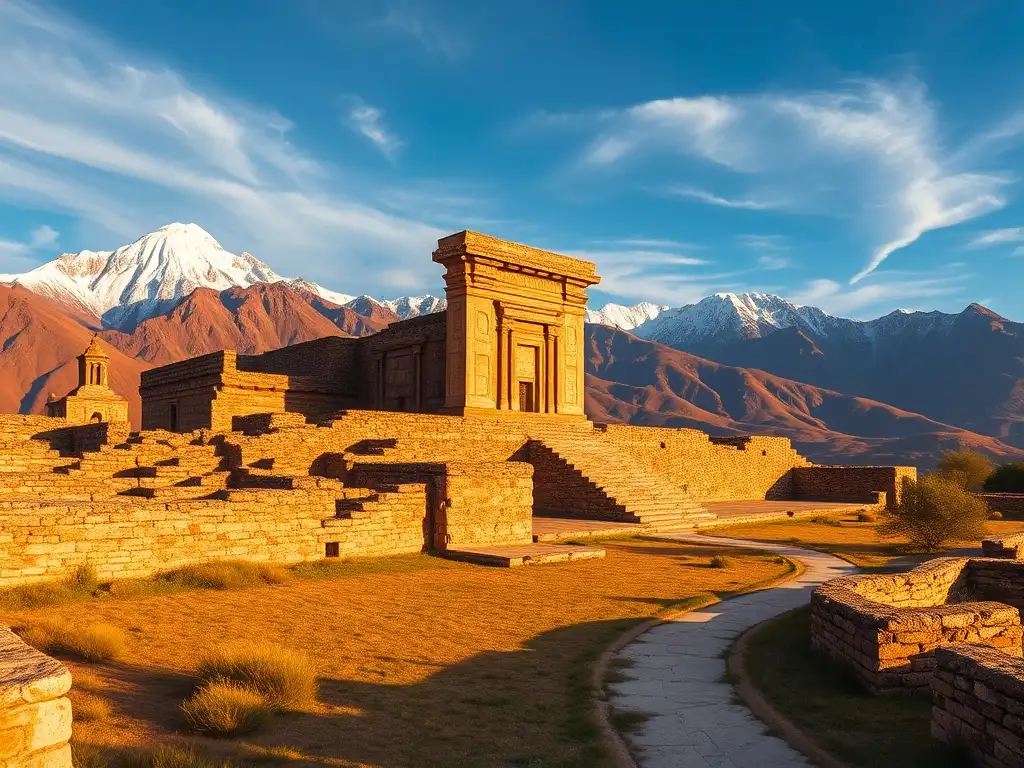
Uncover the secrets whispered on the wind across the Andes... Journey back in time to a world of breathtaking artistry and unparalleled ingenuity. Before the Inca, a civilization rose to dominance, leaving behind a legacy etched in stone and mystery: Chavin de Huantar. Prepare to be captivated by the Chavin de Huantar history, a story of power, innovation, and a civilization that continues to challenge our understanding of the ancient Andean world. Dare to explore the depths of their enigmatic legacy – your adventure begins now.
- Pre-Inca Majesty: Discovering the Legacy of Chavín de Huántar
- Unveiling the Mysteries of Chavín de Huántar History
- Exploring the Archaeological Site of Chavín de Huántar: A Visitor's Guide
- The Art and Iconography of Chavín de Huántar: Deciphering its Visual Language
- Monetizing Your Chavín de Huántar Experience: Related Products and Services
- Preserving the Legacy: The Ongoing Research at Chavín de Huántar
- Frequently Asked Questions
- Final Reflection: Echoes of Chavín: A Legacy That Still Speaks
- Unveil the Wonders of Chavin de Huantar!
Pre-Inca Majesty: Discovering the Legacy of Chavín de Huántar
The Andes Mountains, a spine of towering peaks running down the length of South America, are not just a geographical feature; they are a cradle of civilization. For millennia, diverse cultures thrived in this challenging landscape, developing sophisticated technologies, intricate art forms, and complex social structures.
Long before the Inca Empire rose to prominence, a civilization known as the Chavín exerted a profound influence across the region, leaving behind a legacy etched in stone and manifested in a unique artistic style. This article delves into the captivating history of Chavín de Huántar, a remarkable archaeological site that stands as a testament to the ingenuity and cultural prowess of this pre-Inca civilization, providing a crucial understanding of "Chavin de Huantar history".
We will explore its enigmatic architecture, its distinctive iconography, and its lasting impact on the development of Andean societies. Prepare to be transported back in time to a world of powerful religious beliefs and artistic innovation.
The Enigmatic Rise of Chavín de Huántar
Chavín de Huántar, nestled high in the Andes of modern-day Peru, wasn't merely a city; it was a ceremonial center, a place of pilgrimage, and a powerful hub for the diffusion of ideas and artistic motifs across a vast geographical area. Its origins are shrouded in some mystery, with archaeological evidence suggesting its initial development around 1200 BCE.
However, its zenith occurred between 900 and 200 BCE, a period marked by significant architectural expansion and the flourishing of its unique artistic style. The site's strategic location, situated at the confluence of several important river valleys, likely contributed to its importance as a trade and religious center.
The Chavín people, master builders and skilled artisans, constructed a complex of temples, plazas, and residential areas, skillfully adapting to the challenging terrain and utilizing local resources. The layout of the site itself reflects a sophisticated understanding of cosmology and religious beliefs, with carefully planned structures aligned with celestial events.
Architectural Marvels: Temples and Lanzones
The architectural achievements of Chavín de Huántar are breathtaking. The most impressive structures are the massive temples, built from meticulously cut and fitted stone blocks. These temples are characterized by their intricate labyrinthine design, featuring narrow passageways, hidden chambers, and imposing stone carvings.
Among the most iconic features are the lanzones, towering, sculpted monoliths that seem to pierce the very fabric of the temples. These imposing stone pillars, some reaching impressive heights, are adorned with intricate carvings depicting stylized jaguars, snakes, and other mythical creatures. The precision and artistry involved in their creation showcase the advanced skills of Chavín artisans and their deep understanding of stonework.
The construction techniques employed, including the use of sophisticated interlocking methods, demonstrate a remarkable level of engineering prowess for their time. The sheer scale of the temples and the complexity of their design suggest a highly organized society with a centralized authority capable of mobilizing significant labor resources.
The Chavín Iconography: Deities and Symbols
The artistic legacy of Chavín de Huántar is equally remarkable. The carvings found throughout the site are characterized by a distinctive style, often depicting stylized representations of supernatural beings and mythical creatures. The most prominent motif is the jaguar, a powerful symbol associated with both earthly and supernatural realms. Other recurring symbols include snakes, birds, and anthropomorphic figures with feline features.
These images are not merely decorative; they are imbued with deep religious significance, reflecting the complex cosmology and beliefs of the Chavín people. The intricate detail and the symbolic richness of the carvings suggest a sophisticated religious system with a pantheon of deities and a complex mythology. Scholars continue to decipher the meaning of these symbols, uncovering new layers of understanding about Chavín religion and society. The consistent use of these motifs across a wide geographical area also points to the far-reaching influence of Chavín culture.
The Legacy of Chavín: A Cultural Earthquake
The influence of Chavín culture extended far beyond the immediate vicinity of Chavín de Huántar. Its artistic style, religious beliefs, and architectural techniques spread across the Andes, impacting subsequent cultures and leaving an indelible mark on the development of Andean civilizations. The distinctive Chavín iconography can be found in sites hundreds of kilometers away, indicating a network of trade, exchange, and cultural interaction.
This widespread diffusion suggests that Chavín de Huántar served as a powerful cultural center, disseminating its religious beliefs and artistic traditions throughout the region. The legacy of Chavín is not just an archaeological record; it is a living testament to the enduring power of cultural exchange and the profound impact of a single civilization on the trajectory of Andean history. The study of Chavín de Huántar continues to provide valuable insights into the pre-Inca past and the complex tapestry of Andean civilizations.
Further research and analysis are needed to fully understand the intricacies of this fascinating culture and its lasting contributions to the rich history of the Andes. 🤔
Unveiling the Mysteries of Chavín de Huántar History
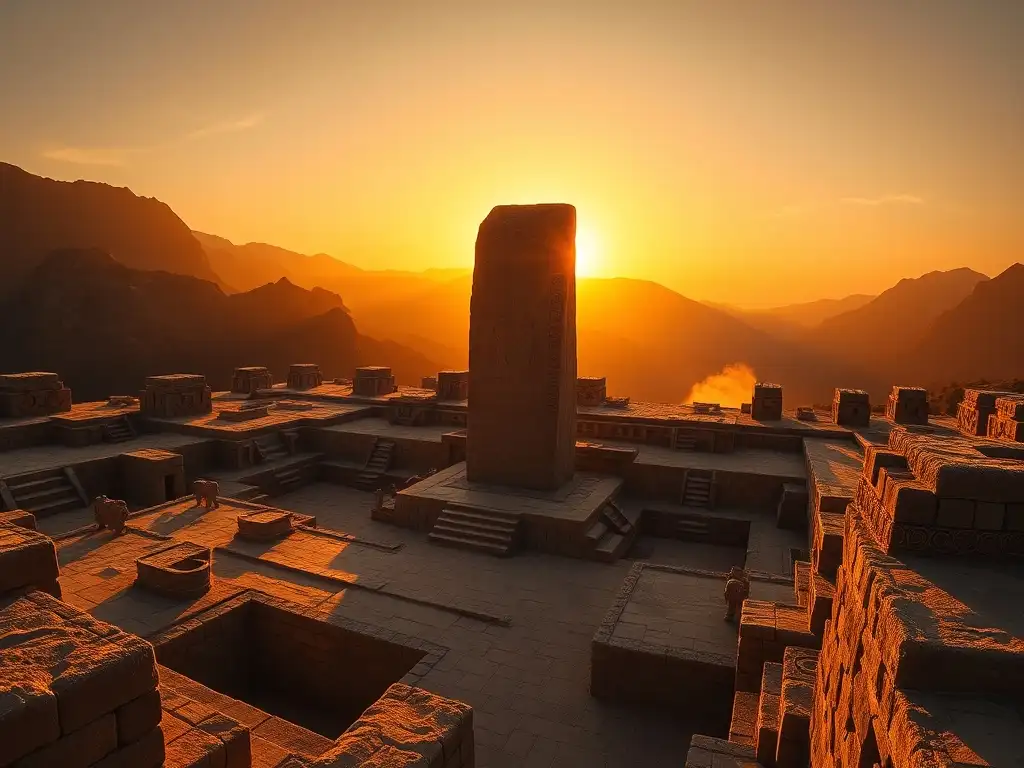
This section delves into the captivating history of Chavín de Huántar, a pre-Inca archaeological site located in the Andes Mountains of Peru. Understanding Chavín de Huántar history is crucial to comprehending the development of Andean civilizations. Its influence extended far beyond its geographical location, shaping religious beliefs, artistic styles, and societal structures across a vast region.
We will explore its enigmatic origins, its flourishing period, and its eventual decline, piecing together the puzzle of this remarkable ancient society. The site's unique characteristics, including its intricate architecture and distinctive artistic motifs, continue to fascinate archaeologists and historians alike, making it a key location for understanding the complexities of early Andean culture. The enduring legacy of Chavín de Huántar continues to resonate even today, offering valuable insights into the rich tapestry of pre-Columbian history.
A Journey into the Heart of Ancient Andean Civilization
Chavín de Huántar's location in the Callejón de Huaylas, a high-altitude valley in the Andes, played a significant role in its development. The site’s strategic position facilitated control over vital trade routes and resources, contributing to its economic and political prominence. Evidence suggests that the Chavín people were skilled agriculturalists, cultivating crops such as maize, potatoes, and beans, which sustained their population and likely contributed to the region’s prosperity.
Furthermore, the unique geographical features of the area, including its proximity to rivers and mountain passes, provided both natural defenses and access to valuable resources, fostering the growth of a complex and organized society. The precise reasons for its selection as a ceremonial center remain a topic of ongoing research, but its strategic location undoubtedly facilitated its rise to prominence within the Andean world.
The site itself is a testament to the remarkable engineering skills of the Chavín people, with its intricate network of tunnels, plazas, and temples showcasing their advanced understanding of architecture and urban planning. The impressive scale of the site is a clear indication of the significant power and influence wielded by the Chavín civilization during its peak.
Understanding the Significance of Chavín de Huántar in Pre-Inca History
Chavín de Huántar is not merely a significant archaeological site; it represents a pivotal moment in the development of Andean civilization. Its influence, often described as a "horizon", spread across a wide geographical area, impacting the religious beliefs, artistic styles, and social structures of numerous other cultures. The Chavín style, characterized by its distinctive iconography—often featuring feline and serpent motifs—became a widespread artistic trend, influencing the artistic expressions of subsequent Andean cultures.
This pan-Andean influence is evident in the widespread dissemination of Chavín-style artifacts across the region, demonstrating the far-reaching impact of this early civilization. Archaeological findings consistently point to the adoption and adaptation of Chavín artistic and religious elements by later cultures, highlighting the site's role as a cultural touchstone.
The spread of Chavín religious beliefs, possibly involving shamanistic practices and ancestor veneration, further solidified its position as a central point of influence in the Andean region. The impact of Chavín de Huántar on subsequent Andean cultures is a testament to its profound and lasting legacy.
The Rise of the Chavín Culture: Key Historical Milestones
The precise timeline of the Chavín culture's development is still under investigation, however, archaeological evidence suggests a complex chronological sequence. The earliest phases of occupation at Chavín de Huántar date back to approximately 1200 BCE, marking the initial stages of the site's development. Subsequent phases saw significant expansion and architectural changes, culminating in the construction of the monumental structures that characterize the site's zenith.
The Old Temple, the Lanzón, and the New Temple represent key milestones in the cultural evolution of Chavín. The construction of these massive structures required significant organizational skills and labor, highlighting the advanced societal organization of the Chavín people. The period between 900 and 500 BCE is generally considered the peak of Chavín influence, during which time its cultural and religious impact spread across a vast area of the Andes.
However, after 500 BCE, the influence of Chavín began to wane, with other cultures emerging to dominate the region. While the exact reasons for Chavín's decline remain debated, factors such as environmental changes, internal conflicts, or the rise of competing power centers may have played a role. Nevertheless, the legacy of Chavín de Huántar continues to inspire awe and wonder, solidifying its place as a cornerstone of Andean history.
While much remains unknown about the specifics of Chavín daily life, further research promises to reveal more details about this fascinating pre-Inca culture. The ongoing excavation and analysis at Chavín de Huántar continue to enrich our understanding of its history and its place in the broader context of Andean civilization. 🕵️♂️
Exploring the Archaeological Site of Chavín de Huántar: A Visitor's Guide
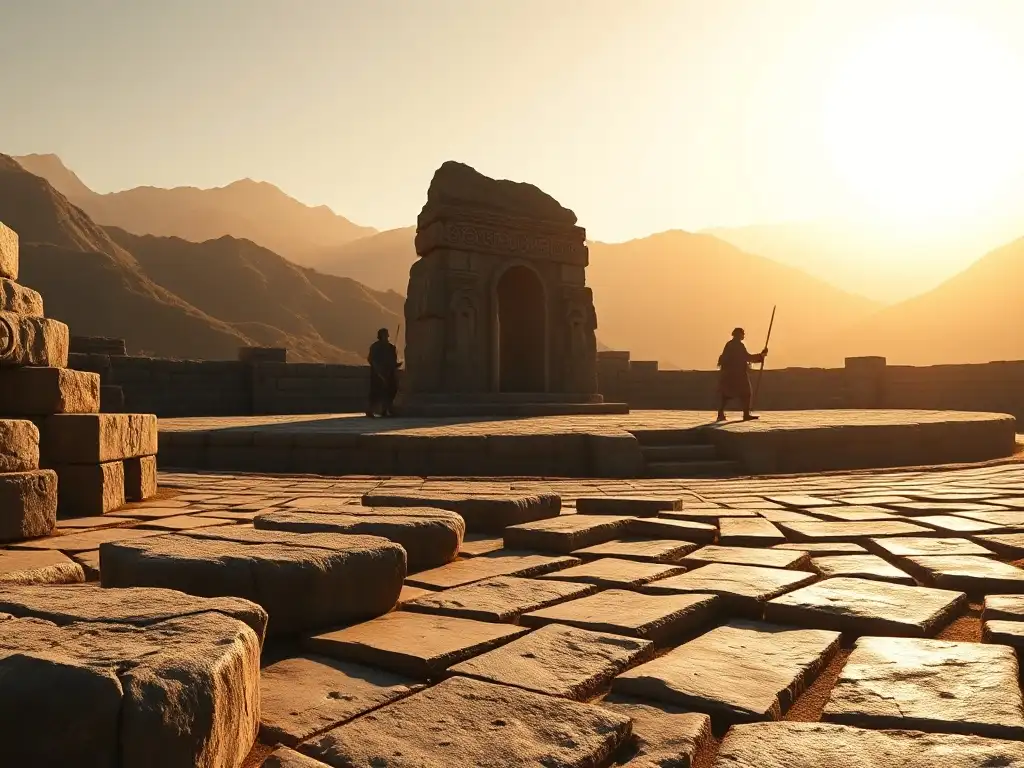
This section provides practical information for planning a visit to the remarkable Chavín de Huántar archaeological site, a crucial location for understanding Chavín de Huantar history. We'll cover essential travel tips, ensuring your journey is both informative and enjoyable. Remember to always respect the site and its historical significance.
Planning Your Trip: Essential Travel Tips for Chavín de Huántar
Planning your trip to Chavín de Huántar requires careful consideration of several factors. The site is located in a high-altitude region of the Andes, demanding preparation for the altitude and the often unpredictable weather. Acclimatization is key; consider spending a day or two at a lower altitude before heading to Chavín. The best time to visit is during the dry season (May to September), when the weather is generally clearer and drier.
However, even during this period, be prepared for occasional rain showers. Pack layers of clothing, including warm layers for cooler evenings and mornings, rain gear, and sturdy hiking shoes. Sun protection, including sunscreen, a hat, and sunglasses, is also essential, especially at this high altitude. Don't forget a reusable water bottle; staying hydrated is paramount.
Booking Guided Tours: Enhance Your Chavín Experience (Affiliate Link to Llama Path Tours)
A guided tour significantly enhances the Chavín de Huántar experience. Knowledgeable guides can provide invaluable context and insights into the site's history, architecture, and religious significance, bringing the ancient world to life. They can explain the intricate carvings, the purpose of different structures, and the significance of the Chavín culture within the broader Andean context.
Look for guides with expertise in Andean archaeology and a passion for sharing their knowledge. A guided tour allows for a deeper understanding of the site's complexities, transforming a simple visit into a truly enriching experience. Consider the length of the tour and whether it aligns with your available time and interests.
Choosing the Right Accommodation Near Chavín de Huántar (Affiliate Link to Booking.com)
Finding suitable accommodation near Chavín de Huántar is important for a comfortable and convenient stay. Options range from basic guesthouses to more comfortable hotels, depending on your budget and preferences. Consider proximity to the site, as travel times can be affected by altitude and road conditions. Check reviews before booking to ensure the quality of accommodation aligns with your expectations. Many accommodations offer information about local tours and transportation options. Booking in advance, particularly during peak season, is highly recommended to secure your preferred choice.
Chavín de Huántar is a complex site with numerous interconnected structures. Understanding their arrangement and significance is crucial to appreciating the site's importance in Chavín de Huántar history. The site’s layout reflects the sophisticated understanding of urban planning and the central role of religious practices in Chavín society.
The Lanzón Monolith: Deciphering Chavín Religious Iconography
The Lanzón, a massive carved monolith, is the centerpiece of the Chavín complex. Standing approximately 4.5 meters tall, this imposing sculpture depicts a deity with feline and possibly other animalistic features, reflecting the complex religious beliefs of the Chavín culture. The Lanzón's intricate carvings, including stylized fangs and claws, have been interpreted in various ways, with many scholars suggesting it represents a powerful deity associated with both life and death.
Its location within the central temple highlights its importance within the religious rituals and ceremonies that took place at Chavín de Huántar. The Lanzón's enigmatic nature continues to fascinate researchers and visitors alike, making it a focal point of any visit to the site.
The Circular Plaza: Understanding Chavín Social Gatherings
The circular plaza at Chavín de Huántar served as a central gathering place for social and religious events. Its circular design, along with the surrounding structures, suggests a carefully planned space for large gatherings. The plaza likely hosted important ceremonies, rituals, and public celebrations, reflecting the social and political importance of Chavín de Huántar as a regional center.
Evidence suggests that the plaza was a focal point for the community, facilitating social interaction and reinforcing the collective identity of the Chavín people. The size and design of the plaza underscore the scale of these gatherings and the significance of community life within Chavín culture. Analyzing the plaza's architecture provides valuable insights into Chavín social structures and the ways in which they organized their communal life.
The Underground Galleries: Exploring the Labyrinthine Architecture of Chavín
The underground galleries of Chavín de Huántar are a unique feature of the site, showcasing the sophisticated engineering skills of the Chavín people. These labyrinthine passages, carved into the bedrock, create a complex network of tunnels and chambers. Their purpose remains a subject of debate, with some scholars suggesting they were used for ritualistic purposes, while others believe they served a more practical function, such as water management or storage.
Exploring these dimly lit passages offers a visceral experience, highlighting the ingenuity and planning that went into their construction. The intricate carvings found within the galleries further enhance the mysterious and sacred atmosphere of these underground spaces, adding another layer of complexity to the site’s overall significance. The labyrinthine nature of the galleries is a testament to the Chavín people's architectural prowess and their understanding of engineering principles.
The Art and Iconography of Chavín de Huántar: Deciphering its Visual Language
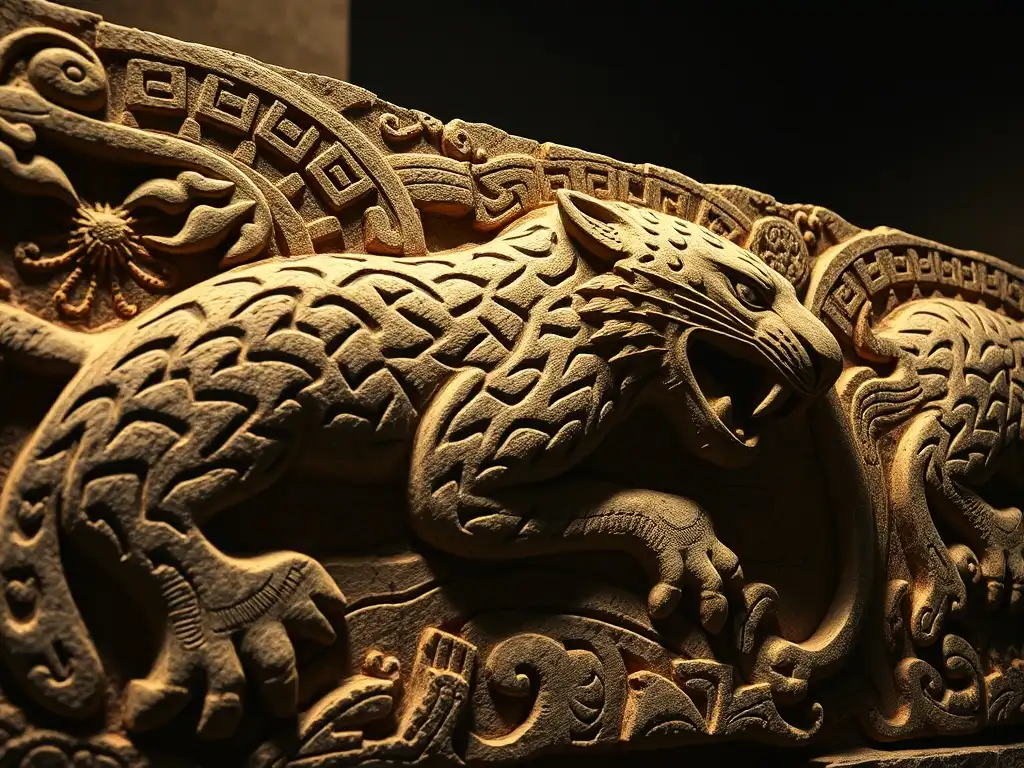
The art of Chavín de Huántar is arguably its most enduring legacy, a powerful visual language that speaks volumes about the civilization's cosmology, beliefs, and social structure. This unique artistic style, characterized by its intricate detail and often unsettling imagery, continues to fascinate and challenge archaeologists and art historians alike. Understanding Chavín art is key to understanding Chavín de Huántar history itself.
The motifs employed weren't merely decorative; they served as potent symbols, imbued with religious and ritualistic significance. The overall aesthetic, characterized by a blend of realism and abstraction, suggests a sophisticated understanding of artistic principles and a highly developed artistic tradition. The impact of Chavín art extended far beyond the immediate geographical area, influencing subsequent Andean cultures for centuries.
Analyzing Chavín Art Motifs: Serpents, Felines, and Supernatural Beings
Chavín art is replete with recurring motifs, the most prominent being stylized representations of serpents, felines, and a range of supernatural beings. These creatures, often depicted in hybrid forms, combining features of different animals or incorporating human elements, are interpreted as manifestations of powerful deities or spirits.
- Serpents: Often depicted in a highly stylized manner, Chavín serpents frequently appear intertwined, forming complex knots and spirals. Their presence suggests a connection to the underworld, fertility, and the cyclical nature of life and death. The detailed scales and sinuous forms demonstrate the artists' skill in representing movement and texture in stone.
- Felines: Jaguars and other felines are common motifs, embodying power, strength, and predatory prowess. Their presence may reflect the importance of hunting in Chavín society or their symbolic association with shamanistic practices. Some feline depictions have distinctly human-like features, suggesting a blending of the animal and human worlds.
- Supernatural Beings: Chavín art features a variety of enigmatic beings, often characterized by sharp features, staring eyes, and sometimes grotesque expressions. These figures, sometimes humanoid, sometimes zoomorphic, are likely representations of deities, spirits, or ancestral figures central to Chavín religious beliefs. The specific meaning of these representations remains a subject of ongoing research and debate, yet their recurring presence highlights their importance within the culture. Many scholars believe these figures represent shamanic transformations or supernatural beings encountered in altered states of consciousness.
The Use of Stone Carving: Chavín Techniques and Masterpieces
The remarkable skill of Chavín artisans is evident in their mastery of stone carving. They employed advanced techniques, including the use of sophisticated tools and a deep understanding of the properties of different types of stone, to create incredibly detailed and lifelike sculptures.
The Lanzón, a monolithic carving of a deity, is perhaps the most iconic example of Chavín stone carving. This towering figure, carved from a single block of diorite, displays exceptional precision and a powerful artistic vision. Its imposing presence and intricate details speak to the skill and dedication of the artisans who created it.
Other examples include the intricately carved stone heads and the numerous smaller sculptures found throughout the site, demonstrating a remarkable consistency in quality and artistic style across different scales and mediums. The techniques used, including polishing, drilling, and intricate carving, suggest a highly organized and specialized workforce. [Specific information pending] on the exact tools used and the training process of the artisans.
Exploring Chavín Pottery and Textiles: Fragments of a Lost World
While stone carving is the most prominent aspect of Chavín art, the civilization also produced sophisticated pottery and textiles. Unfortunately, these items are less well-preserved than the stone artifacts, but the surviving fragments provide valuable insights into Chavín artistic practices and daily life. The pottery often features similar motifs to the stone carvings – stylized animals, supernatural beings, and geometric patterns.
The use of color, though often faded with time, suggests a vibrant and expressive artistic style. [Specific examples of pottery designs and textile fragments pending]. The textiles, though mostly fragmentary, reveal a high level of skill in weaving and dyeing techniques.
The scarcity of surviving textiles highlights the challenges of preserving organic materials over such a long period. Further research into these areas could significantly enhance our understanding of Chavín de Huántar history and its daily practices. The discovery of new fragments and advanced analysis techniques promise to unveil more about this lost world in the future.
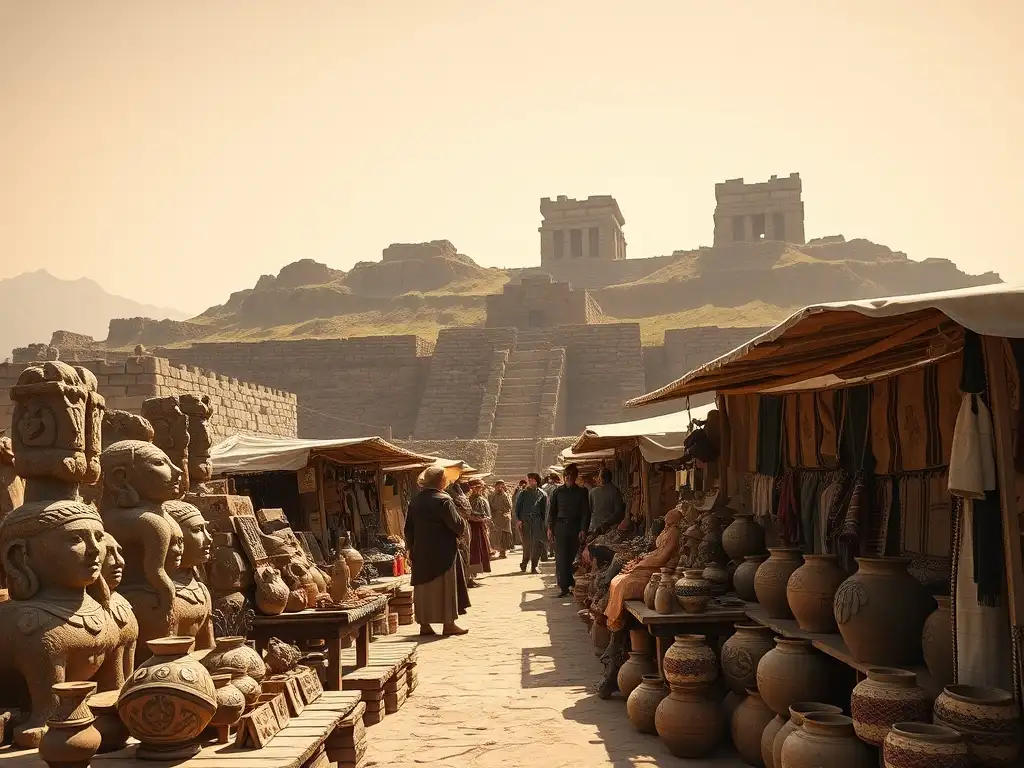
This section explores ways to further engage with the fascinating history of Chavín de Huántar after your visit, offering opportunities to deepen your understanding and support the preservation of this incredible archaeological site. We'll highlight resources that can enhance your appreciation of Chavín culture and Andean civilization as a whole. Remember, responsible tourism involves supporting local communities and initiatives dedicated to preserving these invaluable historical treasures.
Recommended Books on Chavín de Huántar and Andean Archaeology (Affiliate Links to Amazon)
Delving deeper into the intricacies of Chavín de Huántar and broader Andean history requires access to high-quality scholarly works and engaging narratives. Below, we highlight a selection of books that provide diverse perspectives on this captivating subject. These are suggested resources, and the availability and specific titles might vary.
"The Incas" by Terence N. D'Altroy
D'Altroy's comprehensive work provides a detailed overview of the Inca civilization, offering valuable context for understanding the later development of Andean societies. While not solely focused on Chavín de Huántar, it illuminates the long-term trajectories of Andean cultural evolution, allowing you to better appreciate Chavín’s position within this broader narrative. The book covers topics such as Inca social structures, political organization, and economic systems, offering valuable comparisons and contrasts with earlier Andean societies like the Chavín. It's a must-read for anyone seeking a solid foundation in Inca history and its connections to preceding cultures.
"Chavin and the Origins of Andean Civilization" by Richard L. Burger
This book, a cornerstone of Chavín de Huántar scholarship, provides an in-depth exploration of the site itself, its artistic achievements, and its influence on subsequent Andean cultures. Burger's work meticulously examines the archaeological evidence, offering a detailed account of Chavín's unique artistic style, religious beliefs, and societal organization. He delves into the complex iconography found at Chavín, exploring its potential meanings and symbolism. The book is essential for anyone serious about understanding Chavín de Huántar's significance within the broader context of Andean civilization. Expect detailed analysis of ceramics, architecture, and the enigmatic Lanzón monolith.
Educational Documentaries about Chavín Culture: Deepening Your Knowledge (Affiliate Link to Curiosity Stream)
Beyond books, engaging documentaries can offer a visually rich and compelling way to deepen your understanding of Chavín culture. High-quality documentaries utilize stunning visuals and expert commentary to bring the past to life. While specific titles vary over time, searching for documentaries focusing on "Chavín de Huántar," "Andean civilizations," or "Pre-Columbian art" will yield a wealth of informative content.
Many streaming services offer such documentaries, allowing for a convenient and immersive learning experience. Look for documentaries that incorporate archaeological findings, artistic interpretations, and anthropological perspectives to provide a comprehensive overview of Chavín culture. The visual nature of documentaries can often enhance understanding of complex architectural features and artistic styles found at Chavín de Huántar, making the information more accessible and memorable.
Remember to always support responsible tourism and cultural preservation efforts when exploring these historical sites and engaging with related resources. 🌎
Authentic Chavín-Inspired Souvenirs: Preserve the Memory (Affiliate Link to Novica)
Exploring Chavín de Huántar is an enriching experience, and what better way to preserve the memory than by acquiring authentic, ethically sourced souvenirs inspired by the site's unique artistry? Many local artisans create beautiful pieces reflecting Chavín's iconic imagery, such as the stylized jaguars, serpents, and other mythical creatures so prevalent in their art. These souvenirs aren't just trinkets; they're tangible connections to a rich cultural heritage. Purchasing these items directly supports local communities, ensuring the continuation of traditional crafts and contributing to the preservation of Chavín's legacy.
Consider seeking out pieces made from materials like alpaca wool, silver, or ceramics, each imbued with the spirit of Andean craftsmanship. Look for items that display a clear connection to Chavín motifs, ensuring authenticity and supporting responsible tourism. Remember to be mindful of the environmental impact and ensure that your purchase does not contribute to the exploitation of natural resources. A well-chosen souvenir will not only serve as a beautiful memento but will also tell a story of your journey and support the cultural heritage of the region.
The quality and craftsmanship of these items often surpass mass-produced alternatives, providing a more meaningful and lasting keepsake of your Chavín de Huántar adventure. Supporting ethical and sustainable souvenir practices enriches the experience beyond the mere acquisition of an object; it becomes a commitment to the preservation of Andean cultural heritage and the wellbeing of the communities involved. By choosing authentic Chavín-inspired souvenirs, you become a participant in the ongoing narrative of this remarkable civilization.
Preserving the Legacy: The Ongoing Research at Chavín de Huántar
The study of Chavín de Huántar's history is a dynamic and ever-evolving field. Archaeologists and researchers continuously unearth new information, challenging existing theories and enriching our understanding of this pivotal Andean civilization. The site itself acts as a vast, layered archive, with each excavation revealing more about the Chavín people's sophisticated societal structures, religious beliefs, and artistic achievements.
This ongoing research is crucial not only for academic understanding but also for the effective preservation and management of this incredibly significant cultural heritage site. The meticulous work undertaken ensures that future generations can appreciate and learn from the Chavín legacy. Understanding the Chavín de Huántar history requires a commitment to ongoing investigation and analysis.
Recent Archaeological Discoveries: New Insights into Chavín Society
Recent excavations at Chavín de Huántar have yielded remarkable discoveries, providing new insights into the complexities of Chavín society. For instance, the uncovering of a previously unknown residential area in 2022 revealed intricate details about the daily lives of Chavín inhabitants. Analysis of pottery shards, tools, and other artifacts unearthed from this area suggests a more stratified social structure than previously believed, with evidence of specialized craftspeople and potentially distinct social classes.
Furthermore, the discovery of elaborate drainage systems indicates a sophisticated understanding of urban planning and sanitation, far exceeding expectations for a civilization of that era. These findings challenge previous assumptions about the homogeneity of Chavín society, painting a richer and more nuanced picture of its social organization.
The ongoing analysis of these discoveries promises to further refine our understanding of Chavín social dynamics and their impact on the development of subsequent Andean cultures. The meticulous documentation and analysis of these finds are paramount to preserving and interpreting Chavín de Huántar history accurately.
The Conservation Efforts at Chavín de Huántar: Protecting Cultural Heritage
The preservation of Chavín de Huántar is a multifaceted undertaking, requiring a delicate balance between accessibility for researchers and tourists and the protection of the site's fragile structures and artifacts. The ongoing conservation efforts involve a range of strategies, including:
- Structural stabilization: Reinforcing vulnerable walls and structures to prevent further deterioration due to erosion and seismic activity.
- Environmental control: Implementing measures to mitigate the impact of environmental factors such as humidity and temperature fluctuations on the site's artifacts and architecture.
- Preventive conservation: Regular monitoring and preventative treatments to protect artifacts from degradation.
- Documentation and archiving: Meticulous recording of all findings and artifacts, creating a comprehensive digital archive for future research.
These efforts are not only crucial for preserving the physical remains of Chavín de Huántar but also for safeguarding its intangible cultural heritage. The protection of this unique site ensures that future generations can experience the awe-inspiring legacy of the Chavín civilization, fostering a deeper understanding of their cultural achievements and their impact on Andean history. The commitment to these conservation efforts underscores the importance of preserving Chavín de Huántar history for the benefit of all.
Supporting Chavín Research: How You Can Contribute
The continued exploration and preservation of Chavín de Huántar require significant resources. Individuals can contribute to these crucial efforts in several ways: Supporting organizations dedicated to archaeological research and cultural heritage preservation is a direct way to help fund these vital projects. Many organizations, such as [specific information pending], accept donations to support their ongoing work at sites like Chavín de Huántar. These contributions directly support the excavation, conservation, and research that bring the fascinating Chavín de Huántar history to light.
Even small contributions can make a significant difference in preserving this invaluable piece of Andean heritage for future generations. Consider making a donation today and become a part of the ongoing effort to safeguard this extraordinary legacy. 🤝
Frequently Asked Questions
What is Chavín de Huantar?
Chavín de Huantar is a pre-Inca archaeological site located in the Andes mountains of Peru. It's considered a major religious and ceremonial center that significantly influenced the development of later Andean cultures. Its unique art and architecture are instantly recognizable.
When did the Chavín culture flourish?
The Chavín culture thrived during the Early Horizon period (approximately 900-200 BC). This era saw the rise of complex societies and the development of sophisticated technologies across the Andes. Its influence extended far beyond the immediate Chavín site.
What are some key features of Chavín de Huantar architecture?
Chavín de Huantar is known for its massive stone structures, intricate carved stonework, and complex underground galleries and tunnels. The Lanzón, a massive, carved stone monolith, is a particularly iconic feature.
What is the significance of Chavín art?
Chavín art is characterized by its distinctive style, featuring fearsome deities with feline, serpent, and other zoomorphic features. This art style profoundly influenced subsequent Andean artistic traditions and is considered a major artistic achievement of its time.
How did the Chavín culture impact later Andean civilizations?
The Chavín culture's influence on later Andean civilizations was profound and far-reaching. Its religious beliefs, artistic motifs, and architectural styles were widely adopted and adapted by subsequent cultures like the Moche and Inca, leaving an enduring legacy on the Andes region.
Final Reflection: Echoes of Chavín: A Legacy That Still Speaks
The intricate artistry and sophisticated societal structures of the Chavín de Huantar civilization remain profoundly relevant today, a testament to the enduring power of human ingenuity and cultural innovation. Their mastery of architecture, their complex religious beliefs, and their far-reaching influence across the Andes continue to inspire awe and fuel ongoing archaeological investigation, constantly reshaping our understanding of pre-Columbian America. The mysteries yet to be unearthed only heighten the fascination with this remarkable culture.
The impact of Chavín de Huantar extends far beyond the physical remains of its monumental structures. Its artistic motifs, its religious iconography, and its sophisticated social organization left an indelible mark on subsequent Andean cultures, shaping the trajectory of civilization in the region for centuries to come. A people without the knowledge of their past history, origin and culture is like a tree without roots.
This quote speaks volumes about the importance of understanding the Chavín legacy, not just for Peruvians, but for all who seek to understand the rich tapestry of human history.
Consider the echoes of Chavín's influence in your own life. How does the story of this ancient civilization challenge your perceptions of history, of societal development, and of the human capacity for creativity and innovation? Let the legacy of Chavín de Huantar inspire you to seek out the hidden histories in your own community, to appreciate the enduring power of cultural heritage, and to recognize the interconnectedness of all human experience across time and space. Embrace the wonder of discovery, and let the echoes of Chavín resonate within you.
Unveil the Wonders of Chavin de Huantar!
Thank you for exploring the rich legacy of Chavin de Huantar with us! You've gained valuable insights into this fascinating pre-Inca civilization, and now it's time to build upon your newfound knowledge.
Here are some ways you can delve deeper and share the magic of Chavin with others:
- Attend a Local Archaeology Event: Connect with historians and fellow enthusiasts at events or workshops focusing on Andean cultures. This is a great way to expand your understanding and network with others who share your interest.
- Share Your Discoveries: Tell your friends and family about Chavin de Huantar, inspiring them to learn more about this remarkable Andean civilization through social media or casual conversations. Sharing your passion is contagious!
- Continue Your Exploration: Visit a museum showcasing Chavin artifacts, or take a virtual tour of Andean sites to further broaden your understanding of this captivating culture.
What aspect of the Chavin civilization captivated you most, and how will you share this newfound passion with others?