
From Coast to Highlands: A Diverse Exploration of Andean Sites

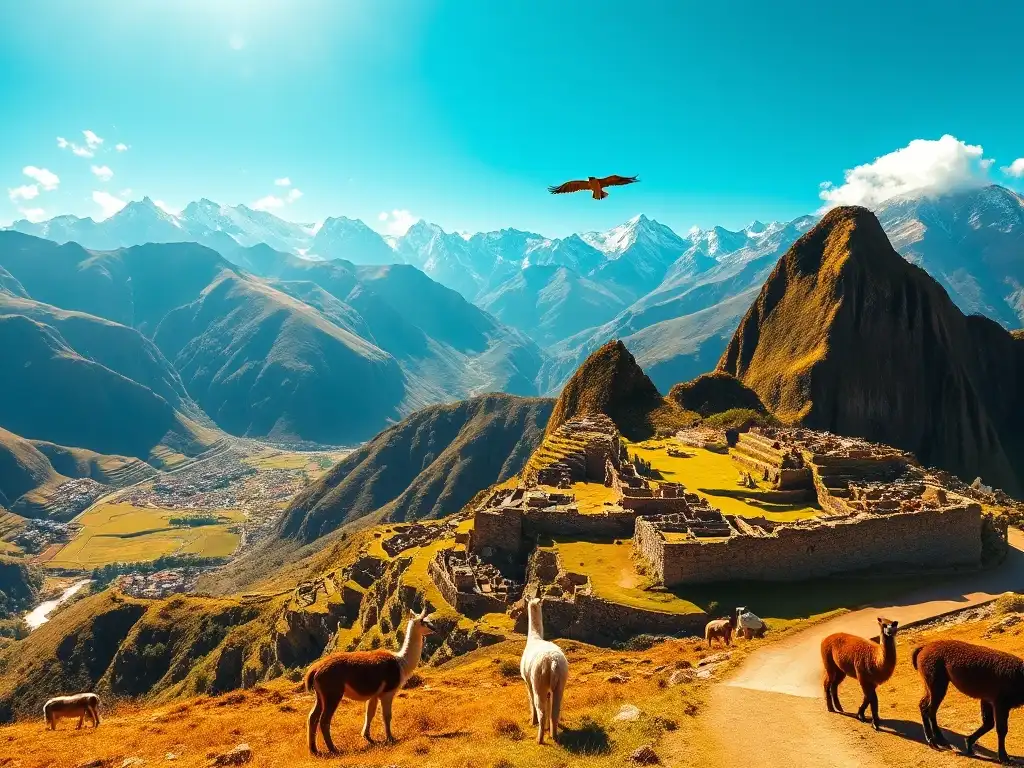
Unravel the mysteries of a lost world! Dive into the fascinating history of Ancient Andean civilizations, where ingenuity blossomed amidst breathtaking landscapes. From the coastal marvels of the Moche to the sky-reaching heights of Inca ingenuity, this journey through Ancient Andean civilizations history will leave you breathless. Discover how these remarkable cultures shaped a legacy that continues to resonate today—explore the vibrant tapestry of their achievements, and prepare to be amazed.
The Andes Mountains, a colossal spine running down the western coast of South America, cradled a breathtaking diversity of ancient civilizations. For centuries, these ingenious cultures thrived in dramatically different environments, from the arid coastal deserts to the high-altitude plains and lush valleys. This article delves into the fascinating history of the Ancient Andean civilizations, exploring the remarkable achievements and unique adaptations of groups like the Incas, Moche, Nazca, and Tiahuanaco. We'll journey through time, examining their intricate social structures, innovative agricultural techniques, awe-inspiring architecture, and sophisticated artistic expressions.
Understanding the history of these ancient Andean civilizations provides invaluable insights into human resilience, ingenuity, and the enduring power of cultural heritage. This exploration focuses on archaeological sites you can visit today, offering a tangible connection to these remarkable pasts and enriching your understanding of "Ancient Andean civilizations history." Prepare to be amazed by the legacy left behind! 🎉
Unveiling the Rich History of Ancient Andean Civilizations
The study of Ancient Andean civilizations history is a complex and rewarding endeavor. These societies, flourishing over millennia, left behind a legacy of monumental architecture, intricate textiles, and sophisticated metalworking. Their history is not a single, linear narrative, but rather a tapestry woven from the contributions of numerous distinct cultures, each with its own unique story.
Understanding the interactions and influences between these groups is crucial to grasping the full complexity of Andean history. For example, while the Inca Empire exerted significant influence across a vast territory, its achievements built upon the foundations laid by earlier civilizations, incorporating and adapting existing technologies and traditions. The study of these earlier civilizations—the Nazca, Moche, Tiahuanaco, and others—is essential to fully appreciate the Inca's remarkable accomplishments.
Archaeological discoveries continue to reshape our understanding of these ancient societies, revealing new details about their daily lives, beliefs, and interactions with their environment. The more we learn, the more nuanced and fascinating their history becomes.
Exploring Coastal Cultures: The Moche and Nazca
The coastal regions of Peru presented unique challenges and opportunities for ancient Andean societies. The Moche civilization (circa 100-800 CE), known for their mastery of irrigation, flourished in the fertile valleys. Their sophisticated hydraulic systems allowed them to cultivate crops in the otherwise arid landscape.
Evidence of their advanced engineering is visible in the remains of their intricate canal systems, still studied by engineers today. Remarkably preserved pottery depicting scenes of daily life, warfare, and religious rituals provides invaluable insights into Moche society and beliefs. Further south, the Nazca civilization (circa 100 BCE – 800 CE) left behind a legacy of equally impressive engineering, most famously their enigmatic geoglyphs—gigantic figures etched into the desert surface.
The purpose of these vast designs remains a subject of ongoing debate, fueling further research and speculation. These coastal cultures showcase the incredible adaptability and innovation of Andean peoples in confronting the challenges of their environment. Visiting these sites allows for a direct connection to their ingenuity and artistry.
High-Altitude Societies: Tiahuanaco and the Inca
Moving from the coast to the highlands, we encounter cultures that adapted to the extreme altitudes and harsh conditions of the Andes Mountains. The Tiahuanaco civilization (circa 500-1000 CE), located on the shores of Lake Titicaca, developed sophisticated agricultural techniques and monumental architecture adapted to the high-altitude environment. Their capital city, Tiahuanaco, featured massive stone structures, showcasing remarkable architectural skills and a deep understanding of engineering principles.
The Inca Empire (circa 1438-1533 CE) later emerged as a powerful force, uniting a vast territory and building upon the advancements of earlier Andean cultures. Their mastery of road building, sophisticated agricultural techniques (terracing), and impressive stonework continues to amaze and inspire. The Inca's remarkable administrative abilities and intricate social structures ensured the effective governance of a large and diverse population.
From Machu Picchu's breathtaking mountaintop citadel to the intricate network of roads that crisscrossed their empire, the Inca legacy is palpable and enduring. Exploring these highland sites offers a visceral understanding of the challenges and triumphs of Andean cultures in adapting to the high-altitude environment.
The Enduring Legacy of Andean Civilizations
The legacy of the Ancient Andean civilizations continues to resonate today. Their advancements in agriculture, engineering, and art continue to inspire and inform. Their rich cultural heritage is preserved in museums and archaeological sites across the region, offering a powerful connection to the past. However, the study of “Ancient Andean civilizations history” is an ongoing process.
New discoveries constantly challenge and refine our understanding, reminding us that there is always more to learn about these remarkable societies. The preservation of these sites and the ongoing research are crucial to ensure that future generations can appreciate and learn from the achievements of these ancient cultures. The journey through Andean history is a journey of discovery, revealing the resilience, ingenuity, and cultural richness of a people who shaped the landscape and left an indelible mark on the world. 🌎
- Unveiling the Rich History of Ancient Andean Civilizations
- Exploring Coastal Cultures: The Moche and Nazca
- High-Altitude Societies: Tiahuanaco and the Inca
- The Enduring Legacy of Andean Civilizations
- Understanding the Diversity of Ancient Andean Civilizations History
- Contrasting Agricultural Practices: High Altitude vs. Coastal Adaptations
- Architectural Marvels: From Adobe to Stone
- Social Structures and Political Organization: A Comparative Perspective
- Religious Beliefs and Practices: Reflections of the Environment
- What were the major ancient Andean civilizations?
- How did geography influence the development of Andean civilizations?
- What were some significant technological advancements of the Andean civilizations?
- What is the significance of the Inca Empire in Andean history?
- Where can I learn more about the art and culture of the ancient Andean civilizations?
Coastal Wonders: Exploring Ancient Andean Sites Near the Pacific
This section delves into the fascinating coastal sites of ancient Andean civilizations, showcasing the ingenuity and artistry of cultures that thrived near the Pacific Ocean. These locations offer a unique perspective on the development of Ancient Andean civilizations history, revealing sophisticated urban planning, complex religious beliefs, and remarkable engineering feats. The proximity to the ocean significantly influenced their economies, diets, and artistic expressions, leaving behind a rich legacy for us to explore. Understanding these coastal settlements is crucial to a complete picture of the diverse tapestry of Andean societies.
Chan Chan: The Largest Mud-Brick City of Ancient Peru
Chan Chan, located near modern-day Trujillo, Peru, stands as a testament to the Chimu civilization's architectural prowess. It's the largest pre-Columbian city in the Americas built entirely of adobe (mud brick), a feat of engineering considering its scale and the fragility of the material. The city, constructed between the 9th and 15th centuries CE, is a sprawling complex of interconnected palaces, temples, and residential areas, covering an area of approximately 20 square kilometers.
The city's layout is remarkably organized, with distinct sections dedicated to specific functions. Palaces, often adorned with intricate relief carvings depicting marine life and mythical creatures, housed the Chimu elite. These carvings offer invaluable insights into their worldview and artistic capabilities. The city's extensive irrigation system, designed to cope with the arid climate, showcases their advanced understanding of water management – a crucial aspect of their survival and prosperity. Archaeological excavations continue to uncover new details about Chan Chan's intricate social structure and daily life, adding layers to our understanding of Ancient Andean civilizations history.
The Mysterious Nazca Lines: Ancient Geoglyphs of the Desert
The Nazca Lines, etched into the desert plains of southern Peru, remain one of the world's greatest enigmas. These geoglyphs, vast figures and lines carved into the earth's surface, are only truly visible from the air. Their creation, spanning centuries between 500 BCE and 500 CE, has sparked endless speculation about their purpose.
Several theories attempt to explain their function, ranging from astronomical calendars to ritualistic pathways or even landing strips for extraterrestrial visitors. While a definitive answer remains elusive, the sheer scale and precision of the Nazca Lines are undeniable. The intricate designs, including depictions of animals, plants, and geometric shapes, showcase a deep understanding of geometry and landscape manipulation.
Their creation required significant planning, labor, and ingenuity, reflecting the sophisticated knowledge and organizational capacity of the Nazca culture. The enduring mystery of the Nazca Lines continues to fascinate researchers and visitors alike, contributing significantly to our study of Ancient Andean civilizations history.
Huaca de la Luna and Huaca del Sol: Moche Power Centers
Located near the modern city of Trujillo, Huaca de la Luna and Huaca del Sol are monumental adobe pyramids that represent the power and religious beliefs of the Moche civilization (100-800 CE). These massive structures, meticulously constructed and adorned with vibrant murals, served as both ceremonial centers and administrative hubs.
Huaca de la Luna, or "Temple of the Moon," is known for its richly colored murals depicting scenes of warfare, rituals, and daily life. These murals offer a rare glimpse into the Moche worldview, revealing their complex social hierarchy and their belief system. Huaca del Sol, or "Temple of the Sun," though less decorated, is larger and signifies the Moche's impressive engineering capabilities. The scale of these constructions suggests a highly organized society with a centralized power structure.
The discovery of elaborate tombs within these structures, containing exquisite gold and silver artifacts, further illuminates the Moche's artistic achievements and their understanding of metallurgy. The study of these sites continues to reveal new insights into the Ancient Andean civilizations history of the Moche. The vibrant colors and detailed imagery found within these sites provide a powerful connection to the past, helping us understand their beliefs, social structures, and daily lives.
Journeying to the Highlands: Discovering Andean Archaeological Treasures
This section delves into the breathtaking archaeological sites nestled within the Andes Mountains, offering a glimpse into the ingenuity and power of the Ancient Andean civilizations history. These highland locations, often shrouded in mist and perched dramatically on mountain slopes, provide invaluable insights into Inca civilization and its predecessors. Their strategic locations and impressive architecture bear witness to sophisticated engineering and a deep connection to the Andean landscape.
From iconic citadels to meticulously planned agricultural terraces, these sites offer a captivating journey through time. The sheer scale of these constructions, combined with their preservation, allows for a unique understanding of Ancient Andean civilizations history and societal structures.
Machu Picchu: The Lost City of the Incas
Machu Picchu, arguably the most famous Inca site, remains a source of wonder and fascination. Its rediscovery in 1911 unveiled a remarkably preserved city, perched high in the Andes Mountains. The city's layout, encompassing residential areas, agricultural terraces, and religious structures, reveals a complex societal organization.
The precise purpose of Machu Picchu remains debated, with theories ranging from a royal estate to a religious center. However, its intricate stonework, utilizing the characteristic Inca technique of fitting stones without mortar, stands as a testament to their advanced architectural skills. The sheer precision of the stonework, even considering the challenges of the mountainous terrain, is remarkable.
Archaeological findings continue to shed light on daily life in Machu Picchu, revealing details about its inhabitants, their agriculture, and their religious practices. Visiting Machu Picchu offers an unparalleled opportunity to connect with the Ancient Andean civilizations history and immerse oneself in the legacy of the Inca Empire. The careful preservation efforts ensure that future generations can also experience this incredible site and learn from its rich past.
Sacsayhuaman: The Fortress Overlooking Cusco
Sacsayhuaman, located just outside Cusco, is a monumental fortress that dominates the landscape. Its massive, precisely cut stone blocks are a testament to the Inca's engineering prowess and their understanding of building on challenging terrain. The sheer size of some of these stones, weighing many tons, is astounding, and their precise placement without mortar remains a mystery to many.
The fortress's strategic location provided excellent defensive capabilities, overlooking Cusco and commanding a panoramic view of the surrounding valleys. Its construction likely spanned several decades, involving a significant workforce and sophisticated logistical planning. Sacsayhuaman's architecture includes impressive ramparts, zigzagging walls, and strategically placed towers, all contributing to its defensive capabilities.
The site also contains other structures, including temples and water fountains, indicating its multifaceted role beyond defense. Studying Sacsayhuaman offers profound insights into the military might and architectural ingenuity of the Inca Empire, further enriching our understanding of Ancient Andean civilizations history. The sheer scale of the project and the precision of the construction methods continue to inspire awe and wonder, highlighting the advanced engineering capabilities of this ancient civilization.
Ollantaytambo: A Thriving Inca Town and Fortress
Ollantaytambo stands as a unique example of an Inca town and fortress, exhibiting a remarkable blend of urban planning and military defense. Unlike many other Inca sites, Ollantaytambo presents evidence of a continuously inhabited settlement, even after the Spanish conquest. The site's impressive agricultural terraces, skillfully carved into the mountainside, showcase the Inca's mastery of water management and agricultural techniques.
These terraces, which cascade down the mountain, provided fertile land for cultivation, ensuring food security for the town's inhabitants. The fortress itself comprises a series of strategically placed structures, including temples, residential areas, and defensive walls. The intricate network of canals and water channels that supported the agricultural terraces is a testament to the Inca's advanced understanding of hydraulic engineering.
Ollantaytambo offers a compelling view of how the Inca integrated urban life, agriculture, and defense within a single, cohesive settlement. Its continuous occupation throughout history provides a unique lens through which to understand the resilience and adaptability of the Andean people and their connection to the land, offering a captivating chapter in the story of Ancient Andean civilizations history. The combination of agricultural ingenuity and defensive architecture makes Ollantaytambo a truly exceptional site.
Tiwanaku: The Ancient Metropolis of the Altiplano
Tiwanaku, also spelled Tiahuanaco, stands as a testament to the ingenuity and societal complexity of the pre-Columbian Andean civilizations. Located on the shores of Lake Titicaca in present-day Bolivia, at an altitude exceeding 12,500 feet (3,800 meters), this ancient metropolis thrived for centuries, leaving behind a legacy of monumental architecture and intricate artistry that continues to fascinate archaeologists and historians alike. Its strategic location, near abundant water resources and fertile lands, was undoubtedly a key factor in its prosperity.
The city's influence extended far beyond its immediate surroundings, shaping the cultural landscape of a vast region and impacting the development of subsequent Andean societies. Understanding Tiwanaku's history is crucial to grasping the intricacies of ancient Andean civilizations history.
The city's layout is remarkably organized, suggesting a sophisticated understanding of urban planning. Massive stone structures, precisely cut and fitted without the use of mortar, dominate the landscape. The iconic Gateway of the Sun, a monolithic gateway adorned with intricate carvings depicting a central deity and other mythical figures, is perhaps Tiwanaku's most famous landmark. This impressive structure, along with the Kalasasaya Temple and the Akapana pyramid, speaks to the advanced engineering and architectural skills of its builders.
The precision involved in the construction of these structures, considering the available technology and the challenging high-altitude environment, is truly remarkable. Analyzing the construction techniques provides valuable insights into the social organization and technological capabilities of the Tiwanaku people. Their mastery of stonework is unparalleled in the region, showcasing an advanced understanding of both quarrying and construction techniques.
Beyond its impressive architecture, Tiwanaku's legacy extends to its sophisticated agricultural practices. The people of Tiwanaku developed innovative techniques to cultivate crops in the challenging altiplano environment. Evidence suggests the use of raised fields and sophisticated irrigation systems to maximize crop yields.
These advancements were critical to supporting the large population of the city and contributed significantly to its economic prosperity. The development of these agricultural techniques highlights the ingenuity and adaptability of the Tiwanaku people in responding to the environmental challenges of their surroundings, a critical aspect of understanding ancient Andean civilizations history. Further research continues to unveil new details about their agricultural practices and their impact on the surrounding ecosystem.
The decline of Tiwanaku remains a subject of ongoing research and debate among scholars. Several theories have been proposed, including environmental changes, internal conflicts, or external pressures. Regardless of the specific causes, the city's eventual abandonment left behind a rich archaeological record that continues to be unearthed and studied. The discovery of new artifacts and the application of advanced scientific techniques are constantly providing new insights into the lives, beliefs, and societal structures of the Tiwanaku people.
This ongoing research is vital to improving our understanding of ancient Andean civilizations history and the broader context of pre-Columbian Andean societies. The mysteries surrounding Tiwanaku’s decline only serve to increase its allure and the importance of continued investigation. The city's enduring legacy serves as a compelling reminder of the resilience and achievements of ancient Andean cultures.
Comparing Coastal and Highland Andean Sites: Contrasting Civilizations and Environments
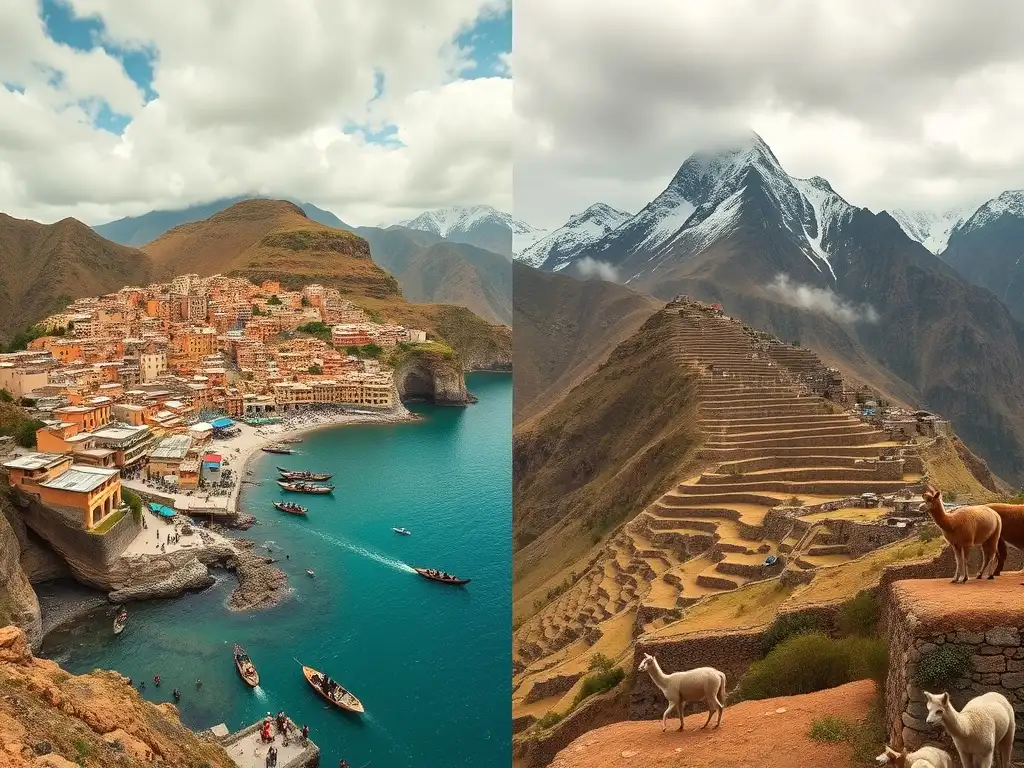
The vast Andean region, stretching along the western coast of South America, fostered a remarkable diversity of ancient civilizations. Understanding the nuances of their history requires acknowledging the significant environmental differences between the coastal deserts and the high-altitude highlands. This contrast profoundly shaped the development of distinct cultures, technologies, and societal structures. The "Ancient Andean civilizations history" is, therefore, not a monolithic narrative but a tapestry woven from many threads, each influenced by its unique geographic context.
Understanding the Diversity of Ancient Andean Civilizations History
The coastal regions, characterized by arid deserts and a narrow strip of fertile land along the Pacific Ocean, presented unique challenges and opportunities. Civilizations like the Moche and Nazca thrived in this harsh environment, developing sophisticated irrigation systems to harness scarce water resources. Their mastery of hydraulic engineering is evident in the intricate canals and aqueducts that still fascinate archaeologists today.
Furthermore, the abundance of marine resources fueled a rich fishing culture, reflected in their art and religious practices. The Moche, for example, are renowned for their elaborate pottery depicting scenes of daily life, ritual ceremonies, and warfare, providing invaluable insights into their societal organization and beliefs.
Their artistic achievements stand in stark contrast to the Nazca's famous geoglyphs, gigantic figures etched into the desert surface, whose purpose remains a subject of ongoing debate. This diversity highlights the richness of "Ancient Andean civilizations history," showcasing the ingenuity of human adaptation to diverse environments.
Contrasting Agricultural Practices: High Altitude vs. Coastal Adaptations
The agricultural strategies employed in the coastal and highland regions differed significantly due to the contrasting environmental conditions. Coastal societies relied heavily on irrigation systems to cultivate crops like maize, beans, and squash in the limited fertile areas along the rivers. They also developed techniques for fishing and harvesting marine resources, supplementing their agricultural production. In contrast, highland civilizations, like the Tiwanaku and Inca, faced the challenges of high altitude, cold temperatures, and steep terrains.
Their agricultural innovations included terracing, which allowed them to cultivate slopes and maximize arable land. They also developed sophisticated techniques for frost protection and crop diversification, adapting to the unique conditions of the Andes mountains. The development of these distinct agricultural practices underscores the ingenuity of Andean cultures in harnessing their respective environments for sustenance. The ingenuity of their agricultural practices is a key component of understanding "Ancient Andean civilizations history."
Architectural Marvels: From Adobe to Stone
The contrasting environments also influenced the architectural styles of the different Andean civilizations. Coastal cultures, using readily available materials, often constructed buildings from adobe bricks, a mixture of sun-dried mud and straw. The Moche's impressive pyramids and temples, for example, are testaments to their architectural skill and organizational capacity.
In contrast, the highland civilizations, with access to abundant stone, developed a mastery of stonework, creating monumental structures like the impressive ruins of Machu Picchu and the intricate city of Tiwanaku. These structures not only demonstrate advanced engineering and architectural techniques but also reflect the power and sophistication of the ruling elites. The differences in architectural styles serve as a visual representation of the distinct adaptations within "Ancient Andean civilizations history."
The social and political organization of coastal and highland civilizations also varied considerably. While the exact structures of many societies remain subjects of ongoing research, evidence suggests that coastal societies often exhibited a more decentralized political organization, with smaller, independent chiefdoms or kingdoms. However, the highland civilizations, particularly the Inca Empire, were characterized by a highly centralized state with a complex bureaucracy, sophisticated administrative systems, and a hierarchical social structure.
This contrast reflects the different challenges and opportunities presented by the diverse environments, influencing the scale and complexity of political organization. A deeper dive into the social structures helps paint a more complete picture of "Ancient Andean civilizations history."
Religious Beliefs and Practices: Reflections of the Environment
The religious beliefs and practices of ancient Andean civilizations were also shaped by their respective environments. Coastal cultures often revered marine deities and incorporated marine imagery into their religious iconography. For instance, the Moche's elaborate pottery often depicts scenes of marine life and ritual sacrifices, suggesting a strong connection between their religious beliefs and their reliance on the sea.
Highland cultures, on the other hand, often worshipped mountain deities and incorporated agricultural themes into their religious practices, reflecting their dependence on agricultural production and the significance of the Andean landscape. This diversity in religious expression is further evidence of the multifaceted narrative of "Ancient Andean civilizations history."
The study of "Ancient Andean civilizations history" requires a nuanced approach, acknowledging the significant variations between coastal and highland societies. Their contrasting environments profoundly shaped their lifestyles, technologies, social structures, and belief systems, creating a rich and complex tapestry of human achievement.
Frequently Asked Questions
What were the major ancient Andean civilizations?
The major ancient Andean civilizations included the Incas, Moche, Nazca, and Tiahuanaco, each with unique characteristics and achievements. Their cultures significantly impacted the region's history and development.
How did geography influence the development of Andean civilizations?
The diverse geography, ranging from coastal deserts to high Andes mountains, shaped the development of distinct cultures. Each civilization adapted its technology and lifestyle to its specific environment. Environmental adaptation was crucial for survival and prosperity.
What were some significant technological advancements of the Andean civilizations?
Andean civilizations made impressive advancements in agriculture (terracing, irrigation), metallurgy (gold, silver, copper working), and architecture (stonework, monumental structures). These innovations sustained their complex societies.
What is the significance of the Inca Empire in Andean history?
The Inca Empire, known for its extensive road network and administrative system, represents the largest and most powerful pre-Columbian state in the Andes. Their influence shaped the region's political and cultural landscape for centuries.
Where can I learn more about the art and culture of the ancient Andean civilizations?
Numerous museums and archaeological sites throughout the Andes and internationally house impressive collections of Andean artifacts and offer insights into their rich culture. Further research can be found through academic journals and books on Andean history and archaeology.
Final Reflection: Echoes of the Andes: A Legacy of Resilience and Innovation
The intricate tapestry woven by the Ancient Andean civilizations continues to resonate today, reminding us of the power of human ingenuity and adaptation in the face of challenging environments. Their sophisticated agricultural techniques, complex social structures, and breathtaking architectural achievements stand as testaments to a vibrant past that profoundly shaped the modern world. The echoes of their ingenuity are not merely historical artifacts; they are living legacies that inform our understanding of sustainable living and societal development.
The enduring impact of these civilizations is undeniable, shaping not only the physical landscape of the Andes but also the cultural identity of millions. Their innovative approaches to agriculture, particularly terrace farming, offer valuable lessons for sustainable food production in a world grappling with climate change. Their intricate systems of governance and social organization provide insights into effective community building and resource management. The past is never dead. It's not even past.
- William Faulkner. This quote perfectly encapsulates the ongoing relevance of understanding these ancient societies and their enduring influence on the present.
Consider the ingenuity of these civilizations, their resilience in the face of adversity, and the enduring beauty of their creations. You, too, can draw inspiration from their legacy. Explore the rich history of the Andes further, not just as a historical study, but as a source of inspiration for building a more sustainable and equitable future. Let the echoes of their achievements inspire you to create your own legacy of innovation and resilience.
Unveil the Wonders of the Andes: Take Action Today!
Thank you for joining us on this remarkable journey through the breathtaking landscapes and rich history of the Andes! We hope you gained valuable insights that will inspire your future adventures and deepen your appreciation for these incredible civilizations. Now, let's turn that inspiration into action!
- **Plan your next trip** to one of the stunning Andean sites you discovered! Research and create an itinerary that includes immersive cultural experiences, delicious local cuisine, and breathtaking viewpoints. For example, consider exploring the ancient ruins of Machu Picchu or trekking through the stunning Colca Canyon.
- **Share your favorite moments** and newfound knowledge about the Andes with friends and family on social media. Encourage them to explore this fascinating region too!
- Consider **joining a community dedicated to Andean exploration**. Online forums and travel groups offer a wealth of information and the opportunity to connect with fellow enthusiasts, exchanging tips, stories, and recommendations. You might even find travel companions for your next adventure!
What hidden gem in the Andes are you most excited to explore next, and why? Share your thoughts below!