
Stepping Back in Time: Exploring the Inca Citadel of Machu Picchu

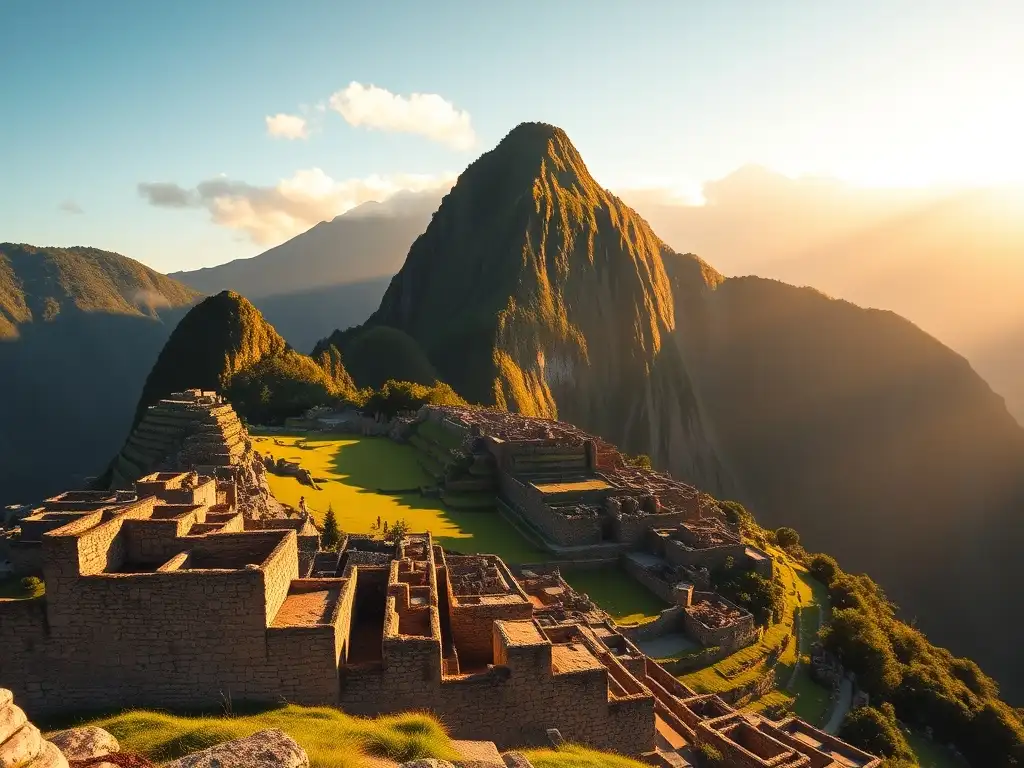
Dive into the enigmatic world of the Andes! Prepare to be captivated by the breathtaking artistry and sophisticated engineering of ancient civilizations that thrived high in the mountains. From the sun-drenched terraces of the Inca Machu Picchu, their history unfolds – a story of ingenuity, resilience, and a legacy that continues to inspire awe. Uncover the secrets held within these lost cities and unlock the mysteries of a civilization that vanished, leaving behind a breathtaking testament to human achievement. Dare to explore further and discover what makes the Andean world so uniquely fascinating.
Machu Picchu, the iconic "Lost City of the Incas," stands as a testament to the ingenuity and architectural prowess of one of the most fascinating civilizations in South America. This breathtaking citadel, nestled high in the Andes Mountains of Peru, continues to captivate historians and adventurers alike. This article delves into the rich history of Inca Machu Picchu, exploring its construction, purpose, and enduring legacy.
We will uncover the secrets hidden within its stone walls, tracing the footsteps of the Inca people and revealing the significance of this remarkable site. Understanding the Inca Machu Picchu history is key to appreciating its beauty and the profound impact it has on our understanding of Andean civilization.
Beyond the historical narrative, we'll also provide practical advice for planning your own unforgettable journey to this incredible archaeological wonder, helping you navigate the logistics of visiting this spectacular site. Prepare to be transported back in time as we embark on this exploration of Inca Machu Picchu history and its enduring allure.
Unveiling the Secrets of Machu Picchu: A Journey Through Inca History
Machu Picchu's precise purpose remains a subject of ongoing scholarly debate, but prevailing theories suggest it served as a royal estate, a religious center, or perhaps a combination of both. Evidence points to its construction during the late 15th century, under the reign of Pachacuti Inca Yupanqui, a pivotal figure in Inca expansion and empire building. The city's strategic location, high in the Andes, offered protection and breathtaking views.
Its intricate agricultural terraces, expertly carved into the mountainside, demonstrate the Incas' sophisticated understanding of agriculture and resource management. The complex network of pathways, temples, and residential structures reveals a highly organized society with a complex social hierarchy. Archaeological discoveries continue to shed light on daily life within the city, from the tools and artifacts found in residential areas to the elaborate religious structures dedicated to Inca deities.
The sheer scale and precision of the stonework, achieved without the use of metal tools, remains a remarkable feat of engineering. Analyzing the Inca Machu Picchu history reveals a sophisticated civilization with a deep connection to its environment and a profound understanding of architectural principles.
The discovery of Machu Picchu in 1911 by Hiram Bingham significantly changed our understanding of Inca civilization. Before this, much of Inca history remained shrouded in mystery. Bingham's expeditions, though controversial in their methods, brought Machu Picchu to global attention and sparked a renewed interest in Inca studies. Subsequent archaeological research has continued to unravel the complexities of this fascinating site, adding layers to our understanding of Inca Machu Picchu history and the Inca civilization as a whole. More than just stones and ruins, Machu Picchu represents the culmination of centuries of Inca cultural and technological advancements.
Planning Your Inca Trail Adventure to Machu Picchu
Planning a trip to Machu Picchu requires careful consideration of various factors. From securing permits to choosing the right tour operator, ensuring a smooth and enriching experience hinges on meticulous preparation. This section offers a practical guide to navigate the logistics of your Inca Trail adventure.
Understanding Permits and Booking Your Inca Trail Trek
The Inca Trail is a popular trekking route leading to Machu Picchu, offering a unique perspective on the landscape and the journey itself. However, access requires obtaining a permit well in advance. The Peruvian government strictly regulates the number of trekkers allowed daily to protect the fragile ecosystem. Permits typically sell out months, sometimes even a year, in advance, emphasizing the importance of early booking.
Different trek lengths are available, ranging from shorter options to the classic four-day trek. Understanding the permit system and booking your trek through an authorized agency are crucial steps in planning your Inca Machu Picchu history adventure. Failure to secure a permit will prevent access to the Inca Trail.
Choosing the Right Inca Trail Tour Operator
Selecting a reputable tour operator is essential for a safe and enjoyable trekking experience. Research is crucial to find an operator with a proven track record, experienced guides, and a commitment to sustainable tourism practices. Consider factors such as group size, the quality of equipment provided, and the operator's environmental policies. Reading reviews and comparing different operators can help you make an informed decision. The right operator will enhance your Inca Machu Picchu history experience, providing valuable insights and ensuring your safety and comfort throughout the trek. Choosing wisely will significantly impact the overall quality of your adventure.
Packing Essentials for the Inca Trail: Gear Recommendations
Packing appropriately for the Inca Trail is vital for a comfortable and successful trek. The altitude, varying weather conditions, and the nature of the trail necessitate careful packing. Essential items include sturdy hiking boots, layers of clothing suitable for both warm and cold conditions, rain gear, a sun hat, sunscreen, insect repellent, a water bottle or hydration pack, a first-aid kit, and a headlamp. Consider bringing trekking poles for added stability and support.
A good quality backpack is essential to carry your belongings comfortably. A thorough packing list, tailored to the specific conditions of the Inca Trail, will contribute to a positive and memorable experience on your Inca Machu Picchu history journey. Remember, packing light yet strategically is key to enjoying the trek without unnecessary burden.
Reaching Machu Picchu: Beyond the Inca Trail
Reaching the majestic Inca citadel of Machu Picchu requires careful planning, as the site is nestled deep within the Andes Mountains. While the famed Inca Trail is a popular option for adventurous trekkers, it's not the only way to reach this historical marvel. Many visitors opt for alternative, less strenuous routes, prioritizing comfort and accessibility.
The journey itself is part of the experience, offering breathtaking views of the surrounding landscape and a gradual immersion into the Andean atmosphere. The anticipation builds with every winding road and scenic vista, culminating in the awe-inspiring sight of Machu Picchu. Understanding the various access points and transportation options is crucial for a smooth and enjoyable trip.
Options for Reaching the Machu Picchu Citadel: Train and Bus Services
The most common and convenient way to reach Machu Picchu is via a combination of train and bus services. PeruRail and IncaRail offer scenic train journeys from Cusco or Ollantaytambo, towns that are easily accessible by bus from Cusco's city center. The train ride itself is a captivating experience, offering stunning views of the Urubamba River valley and the surrounding Andean peaks. Upon arriving at Aguas Calientes (Machu Picchu Pueblo), the town situated at the base of the mountain, visitors can board buses that ascend the winding mountain road to the citadel. These buses operate frequently throughout the day, providing a relatively quick and efficient transfer to the entrance of Machu Picchu. Pre-booking train tickets and bus tickets is highly recommended, especially during peak season, to avoid disappointment and secure your spot. Careful consideration of train class and bus schedules is essential for optimizing your travel time and comfort level.
Exploring Aguas Calientes: Your Gateway to Machu Picchu
Aguas Calientes, also known as Machu Picchu Pueblo, serves as the primary gateway to the Inca citadel. This bustling town offers a range of accommodations, from budget-friendly hostels to luxurious hotels, catering to diverse traveler needs and preferences. Beyond lodging, Aguas Calientes boasts a variety of restaurants serving both Peruvian and international cuisine, providing visitors with diverse culinary options to fuel their explorations.
The town also offers a vibrant atmosphere, with shops selling local handicrafts, souvenirs, and necessities for the journey. Taking some time to explore Aguas Calientes before or after visiting Machu Picchu allows for a more complete experience, enabling visitors to immerse themselves in the local culture and appreciate the town's role as a vital hub for Machu Picchu tourism. The town itself offers a glimpse into the life and support systems that sustain the influx of visitors to this world-renowned site.
Immersing Yourself in the Inca Machu Picchu History
Machu Picchu's captivating history unfolds through its remarkable architecture, intricate agricultural systems, and the enigmatic stories it whispers to those who visit. Understanding the Inca civilization and the context of Machu Picchu's creation is key to truly appreciating its significance. The site's strategic location, its ingenious construction techniques, and the enduring mysteries surrounding its purpose all contribute to its enduring fascination.
The sheer scale and complexity of the site are a testament to the advanced engineering and organizational skills of the Inca people. The integration of Machu Picchu into its environment, the careful consideration of its natural surroundings, and the meticulous planning that went into its construction all speak volumes about the Inca's deep connection to their world.
The Construction of Machu Picchu: Inca Engineering Marvel
The construction of Machu Picchu is a testament to the Inca's remarkable engineering prowess. The citadel's precise stonework, with stones fitted together without mortar, showcases their mastery of dry-stone masonry. The intricate network of terraces, strategically carved into the mountainside, served both agricultural and structural purposes, demonstrating a sophisticated understanding of engineering and land management.
The use of locally sourced materials, and the adaptation of the construction to the challenging terrain, underscores the Inca's deep connection to their environment and their adaptability. Evidence suggests that the construction involved a highly organized workforce, likely drawn from various regions of the Inca Empire, highlighting the empire's vast resources and organizational capacity. The sheer scale of the undertaking, completed without the aid of modern tools and equipment, remains a remarkable feat of human ingenuity.
The Purpose of Machu Picchu: Theories and Interpretations
The exact purpose of Machu Picchu remains a subject of ongoing debate among historians and archaeologists. While initially believed to be a royal estate or retreat for the Inca emperor, recent research suggests a more complex function, possibly serving as a religious center, a strategic military outpost, or a combination of both. The presence of agricultural terraces indicates the importance of food production, while the presence of ritual structures suggests a significant religious element.
The site's location, perched high in the Andes, also suggests a possible strategic military purpose. The lack of extensive evidence of permanent habitation and the presence of certain architectural features have led to diverse theories and ongoing research efforts to fully understand its function within the broader context of the Inca Empire. The ongoing archaeological investigations continue to contribute to our understanding of this enigmatic site.
Key Sites Within Machu Picchu: A Guided Exploration
A guided tour of Machu Picchu is highly recommended to fully appreciate the significance of the various structures and their arrangement within the citadel. Key sites include the Intihuatana stone, believed to have been used for astronomical observations; the Temple of the Sun, a remarkably preserved circular structure; and the Royal Tomb, a site that possibly housed the remains of Inca royalty.
The agricultural terraces, intricately carved into the mountainside, showcase the Inca's mastery of agricultural engineering and their ability to cultivate crops in challenging terrain. The intricate network of pathways and stairways connecting the various structures further highlights the sophisticated planning and design of the citadel.
Exploring these key sites with a knowledgeable guide will provide valuable insight into the daily life, religious practices, and social organization of the Inca civilization at Machu Picchu. Each structure tells a part of the larger story, revealing the complexity and ingenuity of this remarkable civilization.
Maximizing Your Machu Picchu Experience
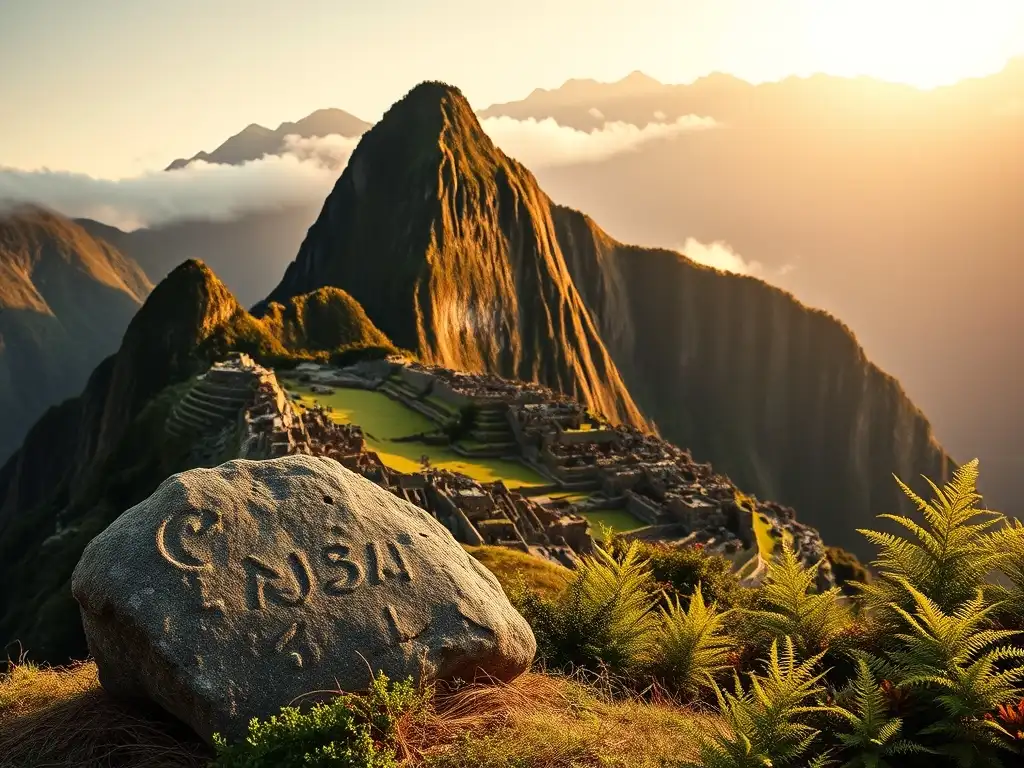
Visiting Machu Picchu is a once-in-a-lifetime experience, and proper planning can significantly enhance your journey. Careful consideration of the time of year is crucial; the dry season (May to September) offers the best weather for hiking and exploring, though it's also the peak tourist season. The wet season (October to April) brings lush greenery but also the risk of rain and trail closures.
Booking your tickets and train travel well in advance is essential, especially during peak season, to avoid disappointment. Consider purchasing the combined ticket that includes access to Huayna Picchu or Machu Picchu Mountain for breathtaking panoramic views, but remember to book these permits far in advance as they often sell out months in advance.
Finally, remember to pack appropriately for varying weather conditions, including comfortable hiking shoes, rain gear, sunscreen, and a hat. Altitude sickness can be a concern; acclimatize yourself gradually by spending a few days at a lower altitude before heading to Machu Picchu.
Hiring a Local Guide: Enriching Your Understanding of Inca Culture
Engaging a local guide is highly recommended to truly appreciate the intricacies of Machu Picchu's history and significance. These knowledgeable individuals provide invaluable context, transforming a simple sightseeing trip into an immersive historical experience. They can illuminate the architectural marvels, explain the intricate social structures of the Inca civilization, and share fascinating stories and legends associated with the site. A good guide will also point out subtle details easily missed by the untrained eye, enhancing your understanding and appreciation of Inca ingenuity and craftsmanship.
Choosing a certified and reputable guide ensures a high-quality experience and supports the local community. Many agencies offer guided tours, allowing you to choose a tour that fits your budget and interests. The investment in a skilled guide is truly invaluable for a richer and more meaningful visit to Machu Picchu.
Capturing Stunning Photographs: Photography Tips for Machu Picchu
Machu Picchu offers unparalleled photographic opportunities. To capture its magnificence, arrive early in the morning or late in the afternoon to avoid harsh midday sun and large crowds. The "golden hour" (sunrise and sunset) provides magical lighting, enhancing the ancient stones' textures and colors. Experiment with different angles and perspectives to capture the grandeur of the site, from wide shots showcasing the entire citadel to close-ups highlighting intricate details of the architecture.
Polarizing filters can help reduce glare and enhance the vibrancy of the colors, while a tripod is recommended for capturing sharp images, especially in low-light conditions. Remember to be mindful of other visitors and avoid obstructing their views while taking photos. Respect the site and its historical significance; photography should enhance, not detract, from the experience.
Respecting the Site and Preserving Inca Heritage
Machu Picchu is a fragile and irreplaceable historical treasure. Responsible tourism is paramount to preserve its integrity for future generations. Respect the designated paths and avoid venturing off-trail, as this can damage the delicate ecosystem and ancient structures. Refrain from touching or climbing on the ruins; these actions contribute to erosion and deterioration.
Dispose of your trash responsibly, and be mindful of the noise levels, respecting the serenity of this sacred site. Support local communities by purchasing souvenirs from authorized vendors, contributing to the economic well-being of those who live near and depend on the site. By acting responsibly, you ensure that Machu Picchu's wonder continues to inspire and amaze visitors for years to come. Remember, sustainable tourism is a shared responsibility.
Extending Your Andean Adventure: Other Inca Archaeological Sites
Beyond Machu Picchu, Peru boasts an array of fascinating Inca archaeological sites, each offering unique insights into this remarkable civilization. Exploring these sites provides a richer and more comprehensive understanding of Inca history, culture, and engineering prowess. These sites are not only historically significant but also offer stunning landscapes and opportunities for adventure and exploration.
Ollantaytambo: Exploring another impressive Inca Fortress
Ollantaytambo, situated in the Sacred Valley, is another remarkably well-preserved Inca fortress. Its imposing stone structures, intricate agricultural terraces, and strategic location showcase the Inca's impressive architectural and engineering skills. Unlike Machu Picchu, Ollantaytambo was a vibrant living city, offering a glimpse into daily life during the Inca Empire. Exploring its streets, temples, and agricultural terraces provides a fascinating contrast to the more secluded Machu Picchu, offering a different perspective on Inca civilization. The site's grandeur and historical importance make it a must-see for any visitor interested in Inca history.
Pisac: Discovering Inca agricultural terraces
Pisac, also located in the Sacred Valley, is famous for its expansive agricultural terraces carved into the mountainside. These terraces are a testament to the Inca's sophisticated agricultural techniques and their ability to adapt to the challenging Andean terrain. The intricate system of canals and irrigation channels demonstrates their advanced understanding of water management.
Beyond the agricultural terraces, Pisac boasts a fascinating market, offering a vibrant display of local crafts and textiles, providing a glimpse into the rich cultural heritage of the region. Combining a visit to Pisac with Ollantaytambo provides a comprehensive view of Inca ingenuity and adaptation to the environment.
Sacsayhuaman
Sacsayhuán, located just outside Cusco, is a colossal fortress renowned for its massive, precisely fitted stone blocks. The sheer scale and precision of the construction are awe-inspiring, showcasing the Inca's advanced engineering capabilities. The site's strategic location overlooking Cusco highlights its importance as a defensive structure. Exploring Sacsayhuaman offers a different perspective on Inca architecture and military capabilities, complementing the experience of visiting Machu Picchu and other sites in the Sacred Valley. Its imposing presence and historical significance make it a worthwhile addition to any Inca exploration itinerary.
Leaving Machu Picchu: Reflecting on the Inca Legacy
Stepping away from Machu Picchu's breathtaking grandeur leaves a profound impact. The sheer scale of the citadel, its meticulous engineering, and the pervasive sense of history evoke a powerful connection to the Inca civilization. One can't help but marvel at the ingenuity of the Inca builders, their sophisticated understanding of agriculture, astronomy, and urban planning.
The city's strategic location, nestled high in the Andes Mountains, speaks volumes about the Inca's mastery of their environment and their ability to create a thriving society in a challenging landscape. Leaving Machu Picchu isn't just about departing a physical location; it's about carrying with you a renewed appreciation for the achievements and resilience of the Inca people. The echoes of their civilization linger long after the last glimpse of the majestic stone structures fades from view, prompting reflection on the enduring legacy of this remarkable culture.
The intricate stonework, the agricultural terraces clinging to the mountainside, and the very air itself seem to whisper stories of a vibrant past. The experience fosters a deeper understanding of the complexities of Inca society and their remarkable adaptation to their environment, leaving visitors with a lasting impression of their ingenuity and cultural richness. The legacy of Machu Picchu extends far beyond its physical remains; it inspires awe, wonder, and a deeper understanding of human history.
Preserving Inca Heritage: Supporting Responsible Tourism
The preservation of Machu Picchu and other Inca sites relies heavily on responsible tourism practices. Supporting sustainable tourism initiatives directly contributes to the long-term protection of this invaluable historical treasure. This means choosing tour operators committed to minimizing their environmental impact and respecting local communities. It involves adhering to guidelines regarding site access and avoiding actions that could damage the fragile ecosystem or historical structures.
Respecting the sacredness of the site and understanding its significance within the context of Inca culture is paramount. Responsible tourists actively seek out information about the site's history and cultural importance before visiting, allowing them to engage more meaningfully with the experience. By choosing eco-friendly accommodations and transportation, tourists can reduce their carbon footprint and support businesses that prioritize environmental sustainability.
Furthermore, supporting local businesses and communities through conscious spending contributes to the economic well-being of the region, fostering a collaborative approach to preservation. Ultimately, responsible tourism is not just about minimizing harm; it's about actively contributing to the preservation of Inca heritage for generations to come. Every conscious decision made by a visitor contributes to the ongoing protection of Machu Picchu and the rich history it represents.
Continuing Your Exploration of Andean Civilizations
Machu Picchu is a captivating gateway to a broader understanding of Andean civilizations. While it offers an unparalleled glimpse into Inca life, it's crucial to remember that it's just one piece of a much larger and more complex puzzle. Exploring other Andean sites, such as Ollantaytambo, Sacsayhuamán, or even sites belonging to pre-Inca cultures like the Nazca Lines or the Moche pyramids, enriches one's understanding of the diverse cultures and societies that thrived in the Andes.
Further research into Inca history, art, and technology reveals even more intricate details of their societal structures, religious beliefs, and technological advancements. Engaging with scholarly works, documentaries, and museum exhibits provides a deeper context for the Inca experience and helps to connect the dots between Machu Picchu and the wider Andean world. This continued exploration isn't simply about accumulating knowledge; it's about fostering a deeper appreciation for the richness and complexity of Andean history and culture.
It's about recognizing the interconnectedness of various Andean societies and understanding the historical processes that shaped the region. By continuing to learn and explore, we can ensure that the legacy of the Inca and other Andean civilizations continues to inspire and educate future generations. The journey of discovery never truly ends; each new piece of information adds to the intricate tapestry of Andean history.
- Unveiling the Secrets of Machu Picchu: A Journey Through Inca History
- Planning Your Inca Trail Adventure to Machu Picchu
- Reaching Machu Picchu: Beyond the Inca Trail
- Immersing Yourself in the Inca Machu Picchu History
- Maximizing Your Machu Picchu Experience
- Extending Your Andean Adventure: Other Inca Archaeological Sites
- Leaving Machu Picchu: Reflecting on the Inca Legacy
Frequently Asked Questions
What is Machu Picchu?
Machu Picchu is a 15th-century Inca citadel located in the Andes Mountains of Peru. It's renowned for its remarkable stonework and breathtaking mountain setting, and remains a UNESCO World Heritage site.
When was Machu Picchu built and why?
While the exact dates are debated, Machu Picchu was likely constructed in the mid-1400s. Its purpose is still somewhat mysterious, but it's believed to have served as a royal estate or possibly a religious center.
Who built Machu Picchu?
Machu Picchu was built by the Inca Empire, under the rule of Emperor Pachacuti or possibly his successors. The precise details of its construction and the involvement of various Inca groups remain areas of ongoing research.
What makes Machu Picchu's architecture so unique?
Machu Picchu's architecture is characterized by its precise stonework, without the use of mortar. The interlocking stones fit together perfectly, showcasing the advanced engineering skills of the Inca builders.
How can I learn more about the Inca Machu Picchu history?
You can explore numerous books, documentaries, and websites dedicated to Inca history and Machu Picchu. Visiting the site itself offers an unparalleled experience and deeper understanding of its significance.
Final Reflection: Echoes of the Inca, Whispers of the Future
The enduring legacy of Machu Picchu resonates far beyond its breathtaking mountaintop perch; it's a powerful testament to human ingenuity and a poignant reminder of a civilization's resilience in the face of adversity. The meticulous stonework, the intricate agricultural terraces, and the sheer scale of the citadel continue to inspire awe and wonder, prompting us to consider the ingenuity and societal structures that allowed the Inca to achieve such remarkable feats. This understanding of their advanced civilization is crucial in our modern world, where sustainable practices and community building are more vital than ever.
Machu Picchu's influence extends beyond the realm of historical significance; it has become a potent symbol of cultural preservation and the importance of protecting our shared heritage. Its image, instantly recognizable worldwide, serves as a constant reminder of the fragility of history and the necessity of safeguarding our past. The past is never dead. It's not even past,
wrote William Faulkner, and this rings profoundly true when considering the ongoing efforts to protect and understand Machu Picchu. The ongoing archaeological research and conservation efforts highlight the enduring fascination with this site and the collective responsibility we bear to preserve it for future generations.
Consider the ingenuity of the Inca, their deep connection to their environment, and the intricate social structures that allowed them to build such a marvel. You too can find inspiration in their resilience and resourcefulness. Reflect on how you can connect more deeply with your own history and community, and how you can contribute to the preservation of the places and cultures that enrich our world. Let the echoes of Machu Picchu inspire you to build a future where sustainability, community, and cultural preservation are not just ideals, but realities.
Embark on Your Journey to Machu Picchu!
Thank you for joining us in exploring the wonder of Machu Picchu! You've just discovered the rich history and breathtaking beauty of this iconic Inca citadel. Now, let's plan your unforgettable adventure!
- Plan your trip: Research the best time to visit and begin crafting your itinerary to maximize your experience of this magical place. Consider factors like weather and crowds to ensure a smooth and enjoyable journey.
- Share the excitement: Tell your friends and family about your upcoming trip to Machu Picchu! Their enthusiasm might even inspire them to join you.
- Connect with fellow travelers: Discover insider tips and unique experiences by joining online communities or following travel blogs dedicated to South America. You'll find advice and inspiration that goes beyond the typical guidebook.
What part of Machu Picchu are you most looking forward to seeing?