
The Connection Between Archaeology and Modern Andean Culture

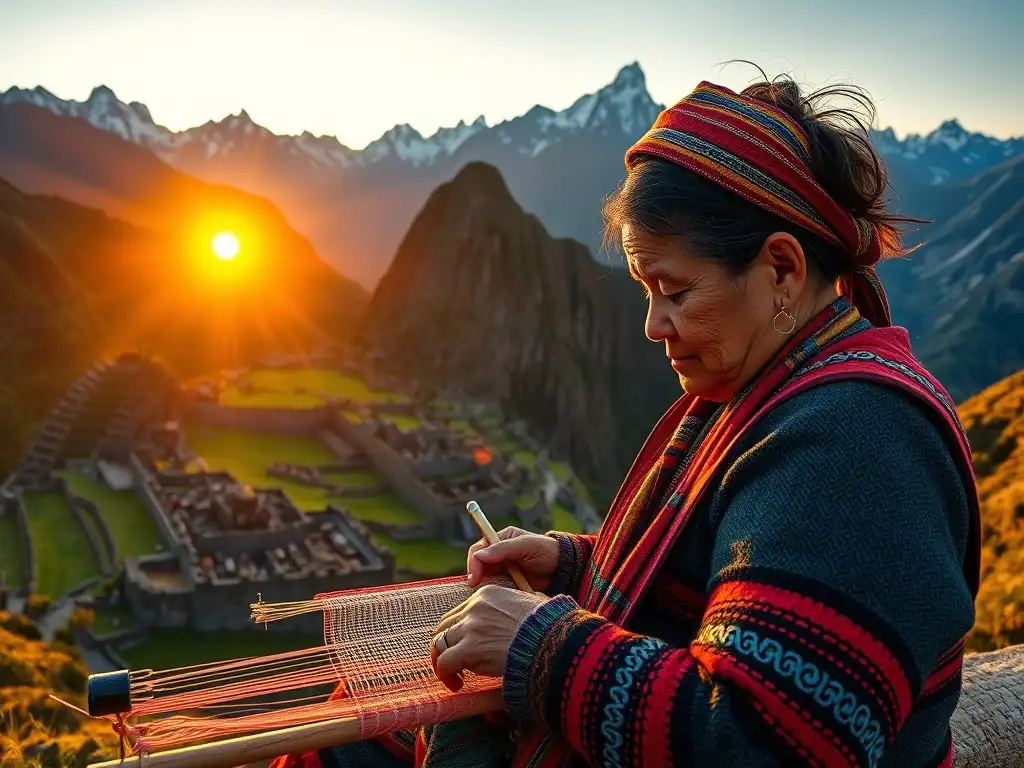
Uncover the echoes of empires lost amidst the towering Andes! Journey through millennia of breathtaking artistry, ingenious engineering, and deeply spiritual traditions in our exploration of Andean civilizations. But what secrets do the unearthed artifacts whisper about Andean archaeology's modern influence? Prepare to be amazed as we delve into the fascinating connection between past and present, revealing how the legacy of the Incas, Moche, and other remarkable cultures continues to shape the Andean world today. Discover more and unravel the threads of this captivating story.
-
Andean Archaeology's Enduring Legacy: How Ancient Sites Shape Modern Andean Culture
- Unearthing the Past: The Relevance of Andean Archaeology
- The Problem: Disconnection from Ancestral Roots
- Understanding the Andean Worldview Through Archaeological Findings
- The Solution: Exploring Archaeological Sites and Their Cultural Impact
- The Enduring Influence of Andean Art and Technology
- Modern Andean Identity: A Product of Ancient Roots
- Maximizing Your Experience: How to Learn More and Support Andean Communities
- Conclusion: The Inseparable Link Between Archaeology and Andean Culture
-
Frequently Asked Questions
- How has Andean archaeology impacted modern Peruvian society?
- What modern technologies are used in Andean archaeological research?
- How do modern communities engage with Andean archaeological findings?
- What ethical considerations arise from Andean archaeological research?
- How does the study of ancient Andean technology influence modern innovation?
- Final Reflection: Unearthing the Living Past in the Andes
- **Embrace Your Andean Heritage Today! **
Andean Archaeology's Enduring Legacy: How Ancient Sites Shape Modern Andean Culture
The Andes Mountains, a spine of imposing peaks running down the western edge of South America, are not just a geographical feature; they are a living testament to millennia of human ingenuity and cultural evolution. For centuries, vibrant Andean civilizations—from the Incas to the Moche, Nazca, and Tiahuanaco—flourished in this challenging landscape, leaving behind a remarkable legacy of architectural marvels, intricate artistry, and sophisticated technologies.
This article explores the profound connection between Andean archaeology and modern Andean culture, demonstrating how the unearthing of the past continues to shape the present, influencing everything from tourism and cultural identity to artistic expression and even political discourse. Understanding this intricate relationship is crucial to appreciating the richness and complexity of Andean heritage and its enduring impact on the region.
We will examine the significant role archaeology plays in reconnecting modern Andean communities with their ancestral roots, highlighting both the successes and the challenges involved in this vital process. The keyword "Andean archaeology modern influence" will be explored through various examples and case studies, illustrating the tangible and intangible ways in which ancient sites continue to resonate today.
Unearthing the Past: The Relevance of Andean Archaeology
Andean archaeology plays a multifaceted role in understanding the present. The meticulous excavation and analysis of ancient sites provide invaluable insights into the daily lives, social structures, religious beliefs, and technological advancements of past Andean societies. This knowledge is not merely academic; it has tangible consequences for modern communities.
For example, the study of ancient agricultural techniques can inform sustainable farming practices in contemporary Andean communities, helping to address issues of food security and environmental sustainability. Furthermore, the discovery and preservation of ancient textiles, ceramics, and metalwork not only enrich our understanding of Andean art but also inspire contemporary artists and craftspeople, leading to a revitalization of traditional techniques and artistic styles. The meticulous documentation of ancient structures provides crucial information for conservation efforts, ensuring that these invaluable sites are protected for future generations.
Archaeological research also contributes to a more nuanced understanding of Andean history, challenging Eurocentric narratives and giving voice to the indigenous perspectives often marginalized in traditional historical accounts. This process of uncovering and reinterpreting the past is essential for fostering a more inclusive and accurate understanding of Andean heritage.
The Problem: Disconnection from Ancestral Roots
Despite the significant contributions of Andean archaeology, a crucial challenge remains: bridging the gap between academic research and the lived experiences of modern Andean communities. Often, archaeological discoveries are perceived as distant and irrelevant to the daily struggles faced by contemporary populations. This disconnect can stem from various factors, including a lack of community involvement in archaeological projects, limited access to archaeological information in local languages, and the perception that archaeology is primarily a field of study for academics and experts, rather than a shared heritage.
Furthermore, the legacy of colonialism and its impact on indigenous knowledge systems has created a barrier to fully integrating archaeological findings into the cultural fabric of Andean societies. This necessitates a more participatory and inclusive approach to archaeology, one that prioritizes community engagement, knowledge exchange, and the empowerment of local communities in the preservation and interpretation of their shared heritage. The effective dissemination of archaeological information in accessible formats is crucial to fostering a sense of ownership and pride in Andean heritage among contemporary populations.
This includes developing educational programs, creating accessible museum exhibits, and utilizing digital technologies to share archaeological discoveries with wider audiences. The goal is not just to present the past, but to actively engage with it in a way that is relevant and meaningful to modern Andean communities. Addressing this disconnection is paramount to ensuring that the enduring legacy of Andean civilizations continues to inspire and empower future generations.
Understanding the Andean Worldview Through Archaeological Findings
Archaeological discoveries across the Andes Mountains offer invaluable insights into the worldview of ancient Andean civilizations. By meticulously excavating sites like Machu Picchu, researchers uncover not only architectural marvels but also evidence of intricate social structures, religious beliefs, and agricultural practices. The intricate network of terraces carved into the mountainsides, for instance, reveals a deep understanding of environmental management and a profound respect for the land.
These terraces weren't merely agricultural features; they were integral components of a holistic worldview that viewed humans and nature as interconnected entities. The discovery of sophisticated irrigation systems further emphasizes this point, illustrating the ingenuity and foresight of Andean societies in sustainably managing their resources. Furthermore, the analysis of artifacts unearthed from tombs and ceremonial sites provides glimpses into their cosmological beliefs, revealing a complex system of deities, rituals, and ancestor veneration.
This understanding helps us appreciate the profound connection ancient Andean communities had with their environment and their spiritual beliefs, enriching our comprehension of their complex societies. Studying these findings helps us understand the enduring legacy of these beliefs in modern Andean culture, where reverence for nature and ancestors remains strong in many communities.
The Influence of Inca Engineering on Modern Infrastructure
The Inca's mastery of engineering continues to inspire modern infrastructure projects. Their innovative techniques in stonework, particularly their precise fitting of stones without mortar, are still studied and admired today. The strength and resilience of Inca structures, even after centuries of exposure to the elements, are a testament to their advanced understanding of structural engineering. Consider the impressive walls of Sacsayhuamán, near Cusco, a breathtaking example of Inca engineering skill.
The massive stones, perfectly fitted together, demonstrate an understanding of load-bearing and structural integrity that surpasses many contemporary building techniques. This precision and durability are inspiring modern architects and engineers to explore new and sustainable construction methods, emulating the Inca's ingenuity and striving for similar levels of resilience in modern buildings. This influence is particularly evident in projects designed to withstand seismic activity, a common challenge in the Andean region.
The Inca Road System and Its Influence on Modern Sustainable Transportation Projects
The Inca road system, a marvel of ancient engineering, is a testament to the civilization's logistical prowess and its impact on modern sustainable transportation projects is undeniable. This extensive network of roads, stretching thousands of kilometers across challenging terrain, facilitated trade, communication, and the movement of armies. The Inca's understanding of topography, their ability to adapt to diverse landscapes, and their use of locally sourced materials are all relevant to contemporary sustainable transportation initiatives.
Their approach to road construction, which prioritized environmental integration, is particularly inspiring in the context of modern concerns about climate change and environmental sustainability. Modern engineers are studying the Inca's methods to develop more environmentally friendly road construction techniques, minimizing impact on ecosystems and using sustainable materials. The focus on creating resilient infrastructure that blends seamlessly with the surrounding environment is a direct reflection of the Inca's legacy.
The Solution: Exploring Archaeological Sites and Their Cultural Impact
Visiting archaeological sites is crucial for understanding the enduring impact of Andean civilizations on modern culture. These sites aren't simply collections of ruins; they are living testaments to the ingenuity, resilience, and cultural richness of ancient Andean societies. The experience of standing amidst these ancient structures, imagining the lives of those who built and inhabited them, fosters a deeper appreciation for the complex interplay between past and present. Moreover, the tourism generated by these sites provides economic opportunities for local communities, helping to preserve both cultural heritage and the environment.
The preservation efforts themselves require collaboration between archaeologists, local communities, and government agencies, underscoring the interconnectedness of cultural heritage preservation and sustainable development. This collaborative approach ensures that the legacy of Andean civilizations is not only studied but also actively protected and celebrated for future generations. It promotes cultural pride and economic development simultaneously.
Visiting Machu Picchu: Experiencing Inca Architectural Prowess
Machu Picchu, the iconic "Lost City of the Incas," stands as a powerful symbol of Inca architectural prowess and ingenuity. The city's breathtaking location, perched high in the Andes, coupled with its intricate stonework and sophisticated urban design, continues to inspire awe and wonder. Visiting Machu Picchu offers a firsthand experience of Inca engineering skills, revealing the meticulous planning and execution that went into creating this remarkable city.
The precise stone fitting, the integration of the city with its natural environment, and the sophisticated water management systems are all testaments to the Inca's mastery of architecture and engineering. Exploring Machu Picchu provides a tangible connection to the past, allowing visitors to appreciate the cultural and technological achievements of the Inca civilization and understand their lasting influence on modern Andean culture. The sheer scale and beauty of the site serve as a constant reminder of the sophistication of Inca society.
Discovering the Mysteries of the Nazca Lines: Understanding Ancient Rituals
The Nazca Lines, gigantic geoglyphs etched into the Peruvian desert, remain one of the world's greatest archaeological enigmas. Their immense scale and intricate designs continue to puzzle researchers, sparking ongoing debates about their purpose and creation. While their exact meaning remains elusive, visiting the Nazca Lines provides a unique opportunity to contemplate the ancient rituals and beliefs of the Nazca culture.
The sheer effort involved in creating these geoglyphs suggests a profound societal commitment to a specific purpose, whether religious, astronomical, or a combination of both. The mystery surrounding the lines adds to their allure, encouraging further research and stimulating our understanding of ancient Andean cosmology and ritual practices. The enduring mystery of the Nazca Lines emphasizes the ongoing relevance of Andean archaeology in shaping our understanding of the past.
Exploring Chan Chan: The Largest Pre-Columbian City in the Americas
Chan Chan, the vast adobe city of the Chimú civilization, stands as a testament to the impressive urban planning and architectural skills of a pre-Columbian Andean society. As the largest pre-Columbian city in the Americas, Chan Chan offers a fascinating glimpse into the social organization, economic activities, and religious beliefs of the Chimú people.
Exploring its labyrinthine network of palaces, temples, and residential areas reveals a highly structured urban center, reflecting the sophisticated political and economic organization of the Chimú kingdom. The intricate designs of the adobe structures, the use of decorative motifs, and the evidence of specialized crafts all contribute to our understanding of Chimú culture and its place within the broader context of Andean civilization.
Visiting Chan Chan allows for a direct engagement with the material remains of this powerful kingdom, providing a tangible connection to its rich history and its enduring legacy in modern Peruvian culture. The scale and complexity of the site are truly remarkable.
The Enduring Influence of Andean Art and Technology
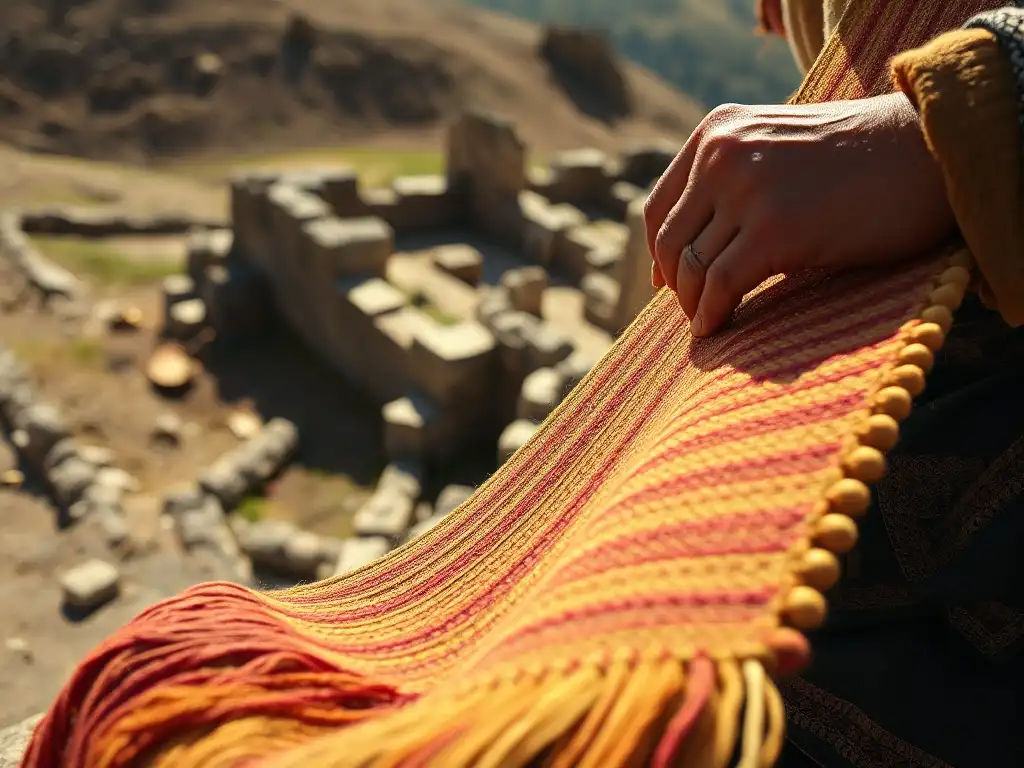
The intricate artistry and innovative technology of ancient Andean civilizations continue to resonate in modern Andean culture. From the vibrant textiles to the sophisticated irrigation systems, the legacy of these ancient peoples is palpable in the daily lives of contemporary Andeans. The techniques and designs developed centuries ago are not merely preserved in museums; they are actively practiced and reinterpreted, demonstrating a dynamic relationship between past and present.
This enduring connection is a testament to the ingenuity and resilience of Andean cultures, showcasing how ancient knowledge continues to shape modern practices and artistic expressions. The impact is not just aesthetic; it's also economic, as traditional crafts continue to thrive, providing livelihoods and preserving cultural heritage. This vibrant interplay between ancient techniques and contemporary interpretations underscores the profound and lasting influence of Andean archaeology on modern life.
The Art of Andean Weaving: From Ancient Textiles to Modern Designs
Andean weaving boasts a history as rich and varied as the tapestry of the Andes themselves. Ancient textiles, often discovered in remarkably preserved conditions within archaeological sites, reveal sophisticated techniques like backstrap loom weaving and intricate designs incorporating symbolic motifs. These motifs, often depicting animals, deities, and agricultural scenes, continue to inspire contemporary Andean weavers. The vibrant colors, complex patterns, and enduring techniques are not just replicated but reimagined, demonstrating a continuous evolution of this ancient art form.
Modern Andean weavers often incorporate contemporary themes and materials while retaining the traditional techniques and symbolic language of their ancestors. This ensures that the art form remains relevant and vital, supporting both cultural preservation and economic sustainability. The enduring legacy of Andean weaving is a powerful example of how ancient traditions can flourish in the modern world, connecting the past to the present through vibrant and intricate textiles.
Andean Pottery: Traditional Techniques and Contemporary Expressions
The artistry of Andean pottery is another compelling example of the enduring legacy of ancient Andean technology. Archaeological excavations have unearthed countless examples of exquisitely crafted pottery, showcasing a mastery of techniques like modeling, coiling, and firing. These ancient vessels, often adorned with intricate designs and vibrant colors, served various purposes, from utilitarian storage to ceremonial offerings. Modern Andean potters continue to utilize traditional techniques, drawing inspiration from ancient designs while incorporating contemporary aesthetics.
The continuity of these techniques ensures not only the preservation of a significant cultural heritage but also the creation of unique and valuable artistic pieces. The vibrant colors and intricate designs found in modern Andean pottery often subtly incorporate elements inspired by archaeological discoveries, demonstrating a clear link between ancient practices and contemporary artistic expressions. This ongoing engagement with the past enriches both the artistic landscape and the cultural identity of the Andes.
Ancient Andean Agriculture: Inspiring Sustainable Farming Practices
The ingenious agricultural systems developed by ancient Andean civilizations, such as terracing and irrigation, provide invaluable lessons for sustainable agriculture today. Archaeological evidence reveals sophisticated techniques for managing water resources and maximizing crop yields in challenging environments. These ancient practices, adapted to the unique geography of the Andes, offer sustainable solutions for modern agricultural challenges, particularly in regions facing water scarcity and soil degradation.
The principles of terrace farming, for instance, are being revived and applied in contemporary agricultural projects, demonstrating the enduring relevance of ancient Andean knowledge. Similarly, understanding ancient irrigation systems helps inform the development of more efficient and sustainable water management strategies. The study of ancient Andean agriculture offers valuable insights into environmentally friendly farming practices, reinforcing the close connection between archaeology and the pursuit of a sustainable future in the Andes.
Modern Andean Identity: A Product of Ancient Roots
Modern Andean identity is deeply intertwined with the archaeological discoveries that illuminate the rich history of the region. The continuity of traditions, languages, and artistic expressions, directly linked to the ancient past, forms a crucial part of the collective Andean identity. This ongoing connection is not simply a matter of historical interest; it is a living and evolving relationship that shapes cultural practices, social structures, and individual identities.
The archaeological record provides a tangible link to ancestral heritage, fostering a sense of belonging and continuity across generations. This is particularly evident in the preservation and celebration of traditional festivals, music, and art forms, all rooted in ancient Andean practices. The ongoing study and interpretation of Andean archaeology contribute to a deeper understanding and appreciation of the complex and multifaceted nature of modern Andean identity.
How Andean Music and Dance Reflect Archaeological Discoveries
The vibrant musical and dance traditions of the Andes are profoundly influenced by archaeological discoveries that reveal the ancient roots of these artistic expressions. Ancient instruments, discovered in archaeological sites, provide insights into the musical practices of past civilizations. These instruments, often made from materials like bone, wood, and clay, inspire contemporary Andean musicians to recreate and reinterpret ancient sounds.
Similarly, the dance forms of the Andes often incorporate movements and rituals that echo ancient ceremonies and traditions, as revealed through archaeological research. The study of ancient Andean iconography and mythology, often depicted in pottery and textiles, also informs the understanding of the symbolic meaning behind modern musical and dance performances. This ongoing dialogue between archaeological discoveries and contemporary artistic expressions enriches the cultural landscape of the Andes, strengthening the link between past and present.
The Role of Andean Archaeology in Strengthening Cultural Heritage
Andean archaeology plays a crucial role in strengthening cultural heritage, not only by preserving ancient sites but also by fostering a deeper understanding and appreciation of Andean cultures. The careful excavation, documentation, and preservation of archaeological sites are essential for protecting this invaluable heritage for future generations. Moreover, archaeological research provides the basis for educational initiatives and public awareness campaigns that promote cultural pride and understanding.
This contributes to the revitalization of traditional practices, languages, and art forms. By illuminating the achievements and resilience of ancient Andean civilizations, archaeology helps to empower contemporary Andean communities, fostering a sense of ownership and stewardship over their cultural heritage. The study and preservation of Andean archaeology, therefore, are not merely academic pursuits but vital tools for strengthening cultural identity and promoting sustainable development in the Andean region.
Maximizing Your Experience: How to Learn More and Support Andean Communities
Learning about Andean archaeology isn't just about visiting impressive sites; it's about understanding the ongoing impact on modern Andean communities. Engaging with the subject responsibly ensures that the cultural heritage is preserved and that local communities benefit from tourism. This involves a multifaceted approach, combining personal learning with active support for the people and places that safeguard this rich history. It's crucial to remember that these sites are not simply historical attractions but living, breathing parts of the cultural landscape.
Educational Resources: Books, Courses, and Documentaries on Andean Civilizations
There's a wealth of resources available to deepen your understanding of Andean civilizations. Numerous books delve into the intricacies of Inca society, the artistry of the Moche, the enigmatic Nazca Lines, and the sophisticated engineering of Tiahuanaco. Many universities offer online courses and even in-person programs focusing on Andean archaeology, anthropology, and history.
These courses provide a structured learning experience, often led by leading experts in the field. Documentaries, both televised and available online, offer visually engaging explorations of these ancient cultures, bringing the past to life through stunning visuals and insightful commentary. These resources allow individuals to explore different aspects of Andean culture at their own pace, enriching their appreciation for the region's heritage.
For instance, a documentary might focus on the intricate weaving techniques of the Inca, while a university course could delve into the complex social structures of the Wari civilization. Utilizing diverse resources allows for a more complete understanding of "Andean archaeology modern influence".
Volunteering Opportunities at Archaeological Sites in the Andes
Many archaeological sites in the Andes offer volunteering opportunities, allowing individuals to actively contribute to preservation efforts while immersing themselves in the culture. These opportunities range from assisting with site maintenance and excavation to participating in educational programs for local communities. Volunteering provides a hands-on learning experience, allowing participants to develop practical skills and gain a deeper appreciation for the challenges and rewards of archaeological work.
Furthermore, volunteering directly supports the communities surrounding these sites, contributing to their economic well-being and fostering a sense of shared responsibility for cultural heritage. It's important to research organizations carefully and ensure that volunteer programs are ethical and sustainable, prioritizing the needs of local communities and the preservation of the sites themselves.
For example, some programs might focus on restoring ancient irrigation systems, while others might concentrate on documenting traditional crafts and knowledge. The key is to find a program that aligns with your skills and interests while providing meaningful support to the Andean communities.
Conclusion: The Inseparable Link Between Archaeology and Andean Culture
The enduring legacy of Andean archaeology is not simply a matter of historical interest; it's a vibrant, ongoing influence on modern Andean culture. From the preservation of ancient sites to the inspiration found in traditional art forms and practices, the past continues to shape the present. By engaging responsibly with Andean archaeology, we can both deepen our understanding of these remarkable civilizations and contribute to the preservation of their rich heritage for future generations.
The connection between past and present is undeniable, demonstrating the lasting impact of Andean civilizations and the importance of ongoing research and community involvement in understanding "Andean archaeology modern influence." Understanding this relationship is crucial for appreciating the complexities and enduring significance of Andean culture. The future of Andean heritage depends on a collaborative effort between archaeologists, local communities, and individuals passionate about preserving this invaluable legacy.
Frequently Asked Questions
How has Andean archaeology impacted modern Peruvian society?
Andean archaeology has significantly shaped Peruvian national identity, influencing everything from tourism and cultural preservation efforts to the revival of traditional crafts and artistic styles. It fosters a sense of pride in the country's rich past.
What modern technologies are used in Andean archaeological research?
Modern Andean archaeology utilizes sophisticated techniques like LiDAR, ground-penetrating radar, and DNA analysis to uncover new sites, analyze artifacts, and understand ancient Andean cultures with greater accuracy. 3D modeling is also increasingly used.
How do modern communities engage with Andean archaeological findings?
Many communities actively participate in archaeological digs and museum exhibitions, fostering a sense of ownership and cultural pride. This engagement helps preserve and interpret the past within a living cultural context, shaping present-day identities.
What ethical considerations arise from Andean archaeological research?
Ethical considerations include respecting sacred sites, collaborating with indigenous communities, and ensuring that research benefits local populations. The repatriation of artifacts and equitable access to knowledge are also crucial aspects.
How does the study of ancient Andean technology influence modern innovation?
Studying ancient Andean engineering feats (e.g., terraces, irrigation systems) inspires sustainable solutions for modern challenges. Understanding their metallurgy and textile techniques also informs contemporary materials science and design.
Final Reflection: Unearthing the Living Past in the Andes
The echoes of ancient Andean civilizations resonate powerfully in the modern world, shaping not only our understanding of history but also the very fabric of contemporary Andean life. From the vibrant textiles inspired by pre-Columbian designs to the enduring agricultural practices rooted in Inca ingenuity, the legacy of the past is undeniably present. This connection, far from being a mere historical curiosity, is a vital force shaping cultural identity and sustainable development in the region.
The enduring influence of Andean archaeology is profoundly moving. It's a testament to the resilience and adaptability of a culture that has continuously reinvented itself while honoring its ancestral roots. The past is never dead. It's not even past.
– William Faulkner. This quote perfectly encapsulates the ongoing dialogue between ancient Andean societies and their modern descendants. The archaeological record isn't just a collection of artifacts; it's a living narrative that continues to inform and inspire artistic expression, social structures, and environmental stewardship.
Consider the implications of this rich heritage. How can we, as individuals and as a global community, better understand and appreciate the enduring legacy of the Andes? Let the stories unearthed by archaeologists ignite your own curiosity, prompting you to explore the vibrant tapestry of Andean culture, both past and present. Engage with the art, the music, the traditions, and the people who carry the torch of this ancient civilization forward. By embracing this connection, we not only honor the past but also contribute to a more vibrant and sustainable future for the Andean region and the world.
**Embrace Your Andean Heritage Today! **
Thank you for exploring the fascinating link between archaeology and modern Andean culture! Discovering this rich history is a wonderful way to understand and appreciate the vibrant traditions of the Andes. Now, let's put that knowledge into practice!
Here are some inspiring ways to connect more deeply with this incredible culture:
- **Participate in a local Andean cultural event or workshop:** Immerse yourself in traditional practices like weaving, playing traditional music, or Andean dance—bring history to life!
- **Explore Andean literature and documentaries:** Broaden your understanding by discovering stories and perspectives that deepen your appreciation of the region's heritage.
- **Share your newfound knowledge:** Discuss Andean cultures with friends and family, or share interesting articles to spark their interest and inspire them to learn more!
How will you integrate the rich traditions of the Andes into your daily life? We'd love to hear your ideas!