
Ancient Engineering Marvels: Marveling at the Terraces of Moray

Uncover the secrets whispered by the wind across the Andes... Prepare to be amazed by the ingenuity of ancient civilizations that shaped the very landscape. Journey with us into a world of breathtaking artistry and unparalleled engineering, beginning with the enigmatic Moray Inca agricultural terraces. Their perfectly crafted slopes hold clues to a sophisticated agricultural system that defied the harsh Andean environment—a testament to the remarkable achievements of the Inca. Dare to delve deeper into the mysteries of this lost world?
The Andes Mountains, a spine of towering peaks running down the western coast of South America, are home to some of the most fascinating and enduring legacies of ancient civilizations. Among these, the Inca Empire stands out for its sophisticated agricultural practices, reflected in breathtaking feats of engineering like the Moray terraces. This article delves into the mystery and marvel of Moray, exploring its unique circular design, agricultural function, and lasting impact on our understanding of Inca ingenuity.
We'll uncover the secrets of this remarkable site, often overlooked in favor of Machu Picchu, but equally deserving of attention as a testament to the Inca's mastery of agricultural technology and their profound connection to the land. Prepare to be amazed by the ingenuity of the Moray Inca agricultural terraces, a truly remarkable example of ancient Andean engineering.
Unveiling the Mystery of Moray's Circular Terraces
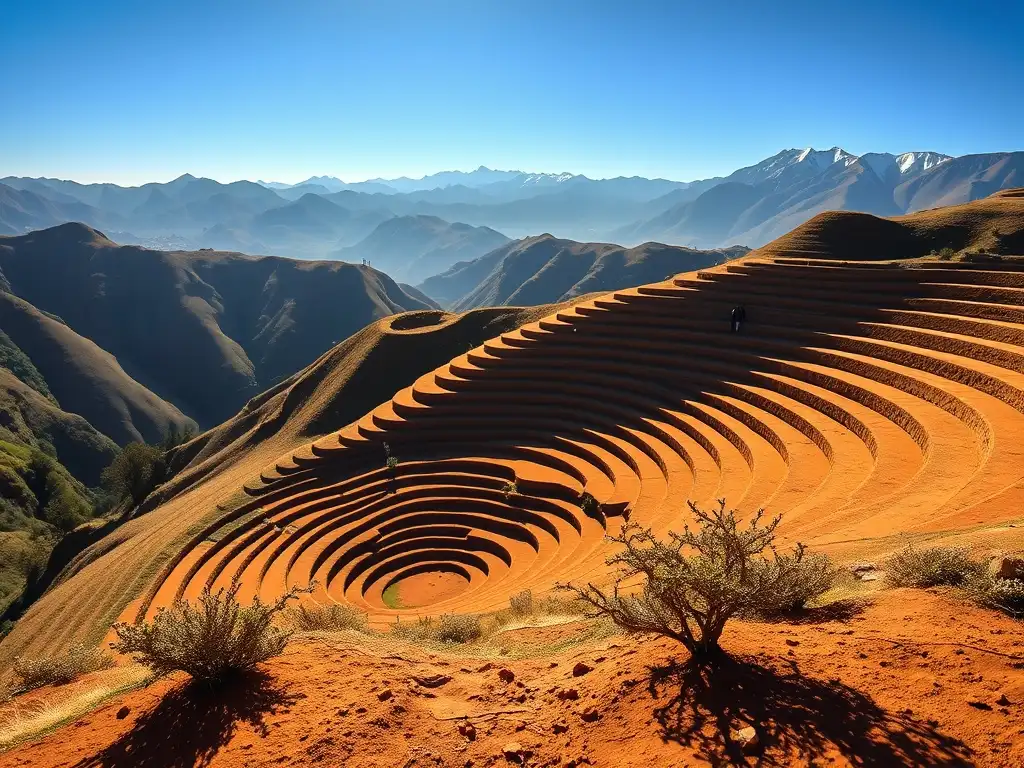
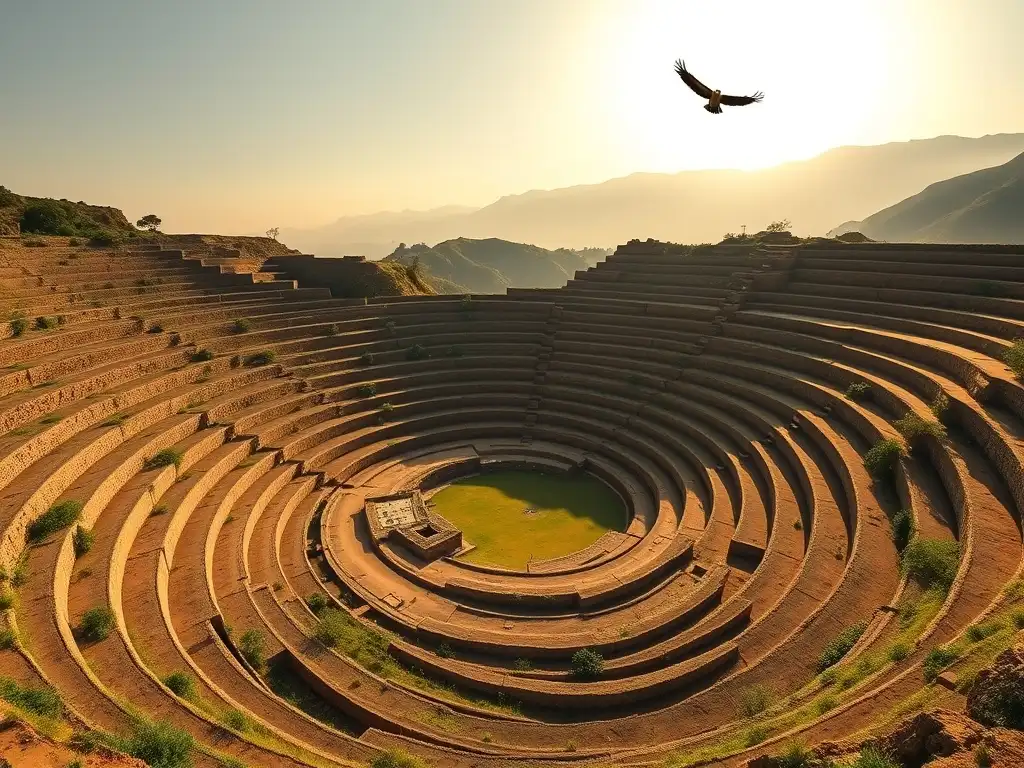
Moray, located near Maras in the Sacred Valley of Peru, presents a truly unique archaeological puzzle. Unlike the typical linear terraces found throughout the Andes, Moray's terraces are arranged in a series of concentric circles, descending into a deep, bowl-shaped depression. These stunning circular formations, carved into the hillside, are not simply aesthetically pleasing; they represent a sophisticated system of microclimates carefully engineered by the Inca.
The concentric rings, each at a slightly different elevation, created distinct temperature zones, allowing the Inca to experiment with a wide variety of crops, even those requiring contrasting climatic conditions. The depth of the depression, combined with the varying altitudes of the terraces, created a significant temperature gradient, potentially spanning as much as 15°C. This ingenious system allowed for the cultivation of a diverse range of crops, maximizing agricultural yields in a challenging high-altitude environment.
Archaeological evidence suggests that Moray may have served as an agricultural research center, a place where Inca agriculturalists experimented with different planting techniques and crop varieties. The scale and precision of the construction are astonishing, showcasing the Inca's deep understanding of both engineering and agriculture.
What are the Moray Inca Agricultural Terraces?
The Moray Inca agricultural terraces are not just a collection of impressive stone structures; they are a testament to the Inca’s advanced understanding of agriculture and environmental engineering. These circular terraces, with their concentric rings, created microclimates that allowed for the cultivation of a wide variety of crops, even those requiring significantly different temperature and moisture levels. Each terrace is meticulously constructed, with retaining walls made of precisely fitted stones. The walls, built using the Inca's characteristic dry-stone technique (without mortar), are incredibly durable and effectively prevent soil erosion.
The Inca's mastery of water management is also evident in the intricate system of channels and irrigation ditches that supplied water to the terraces. This sophisticated system ensured that crops received the appropriate amount of water, regardless of the altitude or microclimate. The ingenuity of Moray lies not only in its design but also in its functionality.
It allowed the Inca to experiment with different agricultural techniques and to cultivate a diverse range of crops, contributing significantly to the empire's food security. The exact range of crops cultivated at Moray is still under investigation, but evidence suggests that potatoes, maize, quinoa, and other Andean staples were grown there. The site’s significance extends beyond its agricultural function; it also serves as a remarkable example of Inca societal organization and technological prowess.
Planning Your Visit to the Moray Agricultural Site
A visit to Moray is an unforgettable experience, offering a unique glimpse into the ingenuity of the Inca civilization. The site is relatively easy to access and is often included in guided tours of the Sacred Valley. Visitors can wander through the circular terraces, marveling at the precision of the stonework and the breathtaking views of the surrounding landscape. Remember to wear comfortable shoes suitable for walking on uneven terrain.
The altitude can be challenging, so taking it slow and staying hydrated is recommended. While there are no extensive facilities at the site itself, nearby towns offer various accommodation and dining options. Consider hiring a local guide to enhance your experience and gain a deeper understanding of the site's history and significance. Planning your trip in advance, particularly during peak tourist season, is highly recommended.
Remember to respect the site and its historical significance by refraining from touching the ancient structures and staying on designated paths. A visit to Moray is a chance to witness firsthand the remarkable achievements of the Inca, leaving you with a profound appreciation for their ingenuity and connection to their environment. Enjoy the experience! 🎉
Essential Preparations for Your Trip to Moray
Planning a trip to Moray requires careful consideration of several factors to ensure a safe and enjoyable experience. The altitude is a significant concern; Moray sits at a considerable elevation, and altitude sickness can be a real issue for unprepared visitors. It's crucial to acclimatize yourself to the altitude gradually, perhaps spending a few days at a lower elevation before heading to Moray. Drinking plenty of water in the days leading up to and during your visit is essential to combat dehydration, a common contributor to altitude sickness. Furthermore, packing appropriate clothing is paramount.
The weather in the Andes can be unpredictable, with significant temperature variations throughout the day. Layers are key—pack light clothing for warmer periods and warmer layers like fleece jackets or sweaters for cooler temperatures. Don't forget sturdy footwear suitable for walking on uneven terrain; the pathways around the terraces can be rocky and steep. Sunscreen and a hat are also vital, as the sun at high altitude is intense.
Finally, consider bringing a small backpack to carry water, snacks, and any personal items you might need during your exploration. Remember to check the weather forecast before you go and adjust your packing accordingly. Proper planning will make your visit to the incredible Moray terraces a memorable one. Don't forget to bring your camera to capture the breathtaking views!
Getting to Moray: Transportation Options
Reaching the Moray terraces offers several transportation choices, catering to varying budgets and preferences. The most common method is by hiring a taxi or private car from Cusco or the Sacred Valley. This provides flexibility and allows for a more personalized experience. Negotiating the fare beforehand is advisable, especially if traveling during peak season.
Alternatively, you can join organized tours that typically include transportation, a guided tour of the site, and often other nearby attractions. These tours can be a convenient option, particularly for those unfamiliar with the area. However, they might be less flexible in terms of schedule and itinerary. For budget travelers, taking a colectivo (shared taxi) might be a more economical choice.
Colectivos are readily available from Cusco and various towns in the Sacred Valley, but they might require more waiting time and offer less comfort than private transport. Regardless of your chosen mode of transport, remember to confirm the details, including pick-up times and locations, well in advance, especially during peak tourist seasons. Planning your transportation in advance will allow you to fully enjoy the wonder of the Moray Inca agricultural terraces without unnecessary stress. No matter how you choose to arrive, the journey itself offers stunning Andean landscapes.
- Unveiling the Mystery of Moray's Circular Terraces
- What are the Moray Inca Agricultural Terraces?
- Planning Your Visit to the Moray Agricultural Site
- Essential Preparations for Your Trip to Moray
- Getting to Moray: Transportation Options
Experiencing the Moray Terraces First-Hand
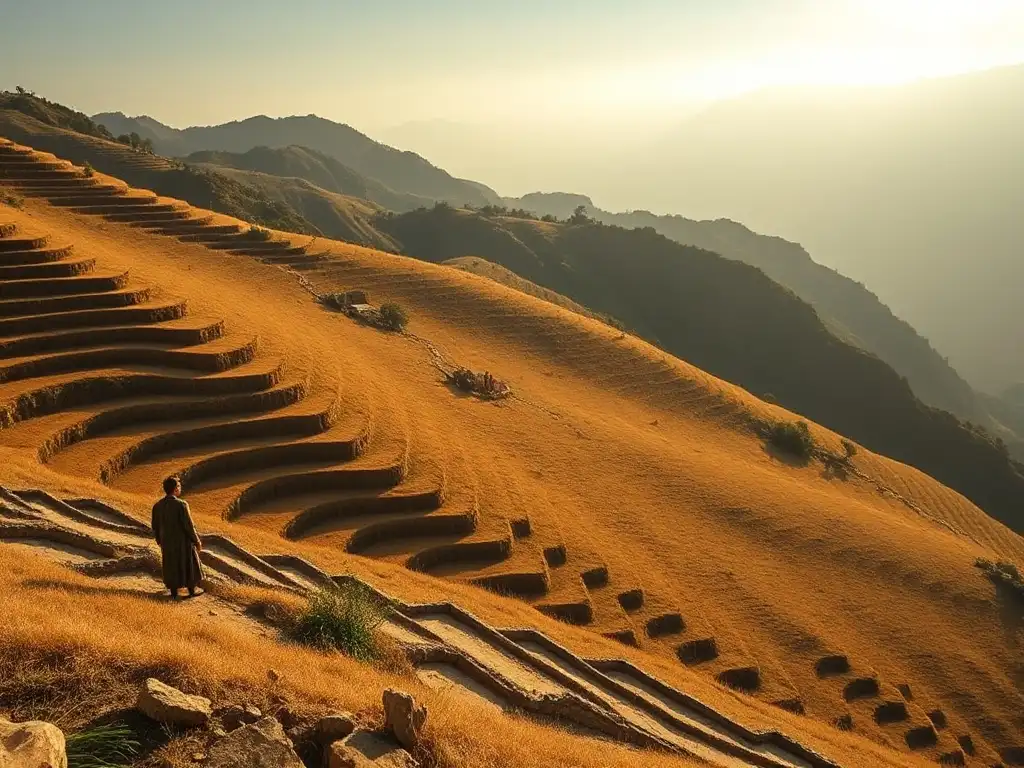
Moray Inca agricultural terraces represent a remarkable feat of ancient Andean engineering, a testament to the Inca's sophisticated understanding of agriculture and environmental adaptation. Visiting Moray offers a unique opportunity to not only appreciate the impressive scale of the site but also to understand the ingenuity behind its design and the profound impact it had on Inca society.
The experience transcends mere sightseeing; it’s a journey back in time, allowing visitors to connect with the ingenuity and resourcefulness of a civilization that thrived in challenging conditions. The site's preservation, while showing the passage of time, allows for a captivating glimpse into their agricultural practices and their mastery of microclimates.
This unique system allowed for the cultivation of a wide variety of crops, contributing to the Inca Empire's agricultural abundance and food security. Understanding the intricacies of the Moray terraces requires engaging with the site itself, and there are several ways to enhance this experience.
A Guided Walk through the Circular Terraces
A guided walk is the best way to fully appreciate the complexity of the Moray terraces. Walking through the concentric circles, you'll notice the subtle yet significant variations in altitude and microclimate between each level. Your guide will explain how these variations, achieved through careful terracing and the strategic placement of agricultural plots, allowed the Incas to cultivate diverse crops – from potatoes and maize to quinoa and beans – all within a relatively small area. Many guides incorporate traditional Andean perspectives, enriching the experience beyond just historical facts.
They might point out specific plants still cultivated today, highlighting the enduring legacy of Inca agricultural techniques. You’ll also observe the meticulous stonework, demonstrating the high level of skill and precision of Inca artisans. The precision of the stone fitting, the drainage systems, and the overall structural integrity are awe-inspiring, even by today's engineering standards.
Consider the sheer effort involved in constructing these terraces, a testament to community cooperation and advanced organizational skills. The scale of the project, the precision of its execution, and the lasting impact on agricultural practices all contribute to the remarkable story the Moray terraces tell. Don’t forget your camera; the panoramic views from the top of the terraces are breathtaking and provide a stunning visual representation of the Inca's mastery of landscape engineering.
Learning from Local Guides at the Moray Site
Engaging with local guides at the Moray site provides an invaluable opportunity to gain a deeper understanding of the Moray Inca agricultural terraces. These guides often possess a wealth of knowledge passed down through generations, offering insights beyond what you might find in textbooks or online resources. They can provide detailed explanations of traditional farming techniques, the significance of specific crops within Inca society, and the spiritual beliefs associated with agriculture. They can also share stories and legends connected to the site, adding a rich cultural dimension to your experience.
Moreover, supporting local guides directly contributes to the preservation of the site and the well-being of the community. By choosing a local guide, you're not only enriching your own understanding but also supporting the sustainable tourism that is vital for protecting these invaluable historical sites. Look for guides certified by local authorities; this ensures a high standard of accuracy and professionalism.
Ask questions; engage in conversation; and allow yourself to be transported back in time through the narratives and insights shared by these knowledgeable individuals. The human element of the experience adds another layer of depth and appreciation, making your visit to Moray an unforgettable journey into the heart of Inca history and agricultural ingenuity. Remember that supporting local guides helps preserve the legacy of the Moray Inca agricultural terraces for future generations.
Exploring Beyond the Moray Inca Terraces
Nearby Attractions to Enhance Your Andean Adventure
Moray's captivating agricultural terraces are undoubtedly a highlight of any Andean exploration, but the surrounding region offers a wealth of additional experiences to enrich your journey. Consider these nearby attractions to complement your visit and gain a deeper understanding of the Inca civilization and the breathtaking landscape:
- Maras Salt Mines: Just a short distance from Moray lie the extraordinary Maras salt mines, a stunning spectacle of thousands of small, man-made salt ponds cascading down a mountainside. These salt pans, actively used for centuries, provide a fascinating contrast to the agricultural ingenuity of Moray, showcasing another aspect of Inca resource management. The vibrant white of the salt against the brown earth creates a visually striking scene – a perfect photo opportunity and a glimpse into a vital aspect of Inca economy. These mines offer a compelling story of human interaction with the environment, mirroring the sophisticated techniques employed at Moray.
- Chinchero: A charming village nestled high in the Andes, Chinchero boasts vibrant textiles, traditional markets, and impressive Inca ruins integrated into its colonial-era architecture. Witnessing the continuation of ancient weaving techniques alongside the remnants of Inca stonework offers a unique perspective on the enduring legacy of Andean culture. The vibrant colors and intricate designs of the textiles are a testament to the artistic skills passed down through generations, connecting the present to the rich past. Observe the blend of Inca and colonial styles in the architecture, a visual representation of cultural layering across time.
- Sacred Valley Exploration: Moray is ideally situated within the Sacred Valley, a region overflowing with Inca sites and breathtaking landscapes. Consider extending your stay to explore other significant locations such as Ollantaytambo, Pisac, or Urubamba, each offering unique insights into Inca history, architecture, and daily life. The Sacred Valley provides a broader context for understanding the significance of Moray within the wider Inca empire. Planning a multi-day trip through the valley allows for a more immersive and comprehensive experience.
Extending Your Knowledge of Inca Agriculture and Engineering
The Moray terraces represent a pinnacle of Inca agricultural engineering, but a deeper dive reveals the complexity and sophistication of their methods. Understanding the context surrounding these terraces enhances appreciation for their ingenuity:
- Microclimates and Agricultural Innovation: The concentric rings of Moray weren't merely aesthetically pleasing; they created distinct microclimates. Each terrace, varying in altitude and thus temperature, allowed the Incas to cultivate a wider variety of crops than would have been possible in the surrounding area. This innovative approach to agriculture is a testament to their keen observation of environmental conditions and their ability to adapt their agricultural practices accordingly. Consider the implications of this advanced agricultural technology for food security and population support within the Inca empire.
- Water Management Systems: The intricate network of channels and irrigation systems that sustained the Moray terraces speaks volumes about the Incas' understanding of hydraulic engineering. This sophisticated water management, essential for successful agriculture in a high-altitude environment, demonstrates their ability to harness available resources efficiently. The precision and effectiveness of these systems are remarkable considering the tools and technologies available to them at the time. Further research into the specific construction techniques and materials used in these systems could shed additional light on Inca engineering prowess.
- Crop Diversity and Agricultural Practices: Evidence suggests that the Incas cultivated a diverse range of crops in Moray, including potatoes, maize, quinoa, and other Andean staples. Further research is needed to definitively identify all the crops grown [specific information pending], but the variety itself highlights the agricultural experimentation and adaptation taking place within this unique environment. The efficient use of land and the diversification of crops showcase a sophisticated understanding of agricultural principles, ensuring resilience against crop failures and environmental changes. The ingenuity displayed in Moray's agricultural practices serves as a valuable lesson in sustainable agriculture.
The study of Moray Inca agricultural terraces continues to reveal new insights into the ingenuity and adaptability of the Inca civilization, solidifying its place as a remarkable achievement in ancient engineering and agricultural innovation. The site, combined with the surrounding attractions, offers a rich and engaging experience for visitors interested in exploring the wonders of Andean history and culture.
Preserving the Legacy of Moray's Agricultural Terraces
The Moray Inca agricultural terraces, a breathtaking testament to Inca ingenuity, stand as a powerful symbol of Andean agricultural prowess. Their preservation is not merely a matter of historical preservation; it's crucial for understanding the sophisticated agricultural techniques employed by the Inca and for ensuring the site's continued existence for future generations. The challenges are multifaceted, ranging from the impacts of tourism to the effects of climate change and the inherent fragility of the structures themselves.
Understanding these challenges is the first step towards implementing effective preservation strategies. The delicate balance between allowing access for visitors and minimizing environmental damage is a constant concern for researchers and conservationists alike.
The Importance of Sustainable Tourism at Moray
Sustainable tourism is paramount to the long-term survival of the Moray terraces. Uncontrolled tourism can lead to significant damage, including soil erosion, damage to the terrace walls, and the disruption of the delicate ecosystem. Implementing sustainable tourism practices involves several key strategies.
These include limiting the number of daily visitors, establishing designated walking paths, and providing educational materials to raise awareness among tourists about the site's fragility and significance. Furthermore, investing in infrastructure that minimizes environmental impact, such as eco-friendly transportation options and waste management systems, is crucial. The economic benefits generated by tourism should be directly reinvested into conservation efforts, creating a positive feedback loop that supports both the local community and the preservation of the Moray Inca agricultural terraces.
Successful sustainable tourism initiatives at Moray can serve as a model for other vulnerable archaeological sites throughout the Andes. Data on visitor numbers and their impact on the site needs to be carefully monitored and analyzed to adapt strategies as needed. This ongoing monitoring and assessment are key to the success of any sustainable tourism plan.
Combating Erosion and Environmental Degradation at Moray
Erosion poses a significant threat to the structural integrity of the Moray terraces. The combination of natural weathering processes and the impact of human activity accelerates erosion, leading to the gradual degradation of the terrace walls and the surrounding landscape. Several strategies can be employed to combat this issue. These include:
- Revegetation: Planting native vegetation helps to stabilize the soil, reduce erosion, and prevent further deterioration of the terraces. Careful selection of plant species is crucial to ensure they are compatible with the existing ecosystem.
- Water Management: Implementing effective water management systems is essential to prevent waterlogging and erosion. This may involve the construction of drainage channels and other water control structures.
- Soil Conservation: Techniques such as terracing and contour plowing can help to reduce soil erosion and improve water retention. These methods, already inherent to the Moray design, need to be maintained and reinforced.
The effectiveness of these strategies needs to be continuously evaluated and adapted based on ongoing monitoring and research. [Specific data on erosion rates and the success of implemented strategies pending]. Understanding the specific geological and climatic factors contributing to erosion at Moray is essential for developing targeted interventions.
The Role of Local Communities in Preserving Moray
The involvement of local communities is indispensable for the long-term preservation of the Moray terraces. Their traditional knowledge and connection to the site provide invaluable insights into its history and sustainable management. Empowering local communities through economic opportunities related to tourism and conservation strengthens their commitment to protecting the site.
This can involve creating jobs in tourism, providing training in conservation techniques, and ensuring that the economic benefits of tourism are shared equitably within the community. Furthermore, fostering a sense of ownership and pride in the Moray Inca agricultural terraces among local residents is crucial to their long-term preservation. [Specific examples of community involvement programs and their impact pending].
Collaboration between archaeologists, conservationists, and local communities is a critical element of successful preservation efforts. This collaborative approach ensures that the preservation strategies are both effective and culturally sensitive. The active participation of the local communities is not only beneficial for the site but also contributes to the preservation of their cultural heritage and strengthens their economic prospects.
Frequently Asked Questions
What are the Moray terraces?
The Moray terraces are remarkable circular agricultural platforms located in the Sacred Valley of the Incas near Maras, Peru. They are believed to have been used by the Incas for agricultural experimentation due to their unique microclimates.
How did the Incas build the Moray terraces?
The Incas constructed the Moray terraces using advanced stone-laying techniques, carefully fitting stones together without mortar. The precise methods and the immense labor involved remain a testament to their engineering prowess.
What is the significance of the different microclimates at Moray?
The concentric rings of Moray create distinct temperature zones, allowing the Incas to cultivate a variety of crops at different altitudes without needing to travel long distances. This agricultural innovation was crucial to their food production.
Why are the Moray terraces considered an engineering marvel?
The Moray terraces are an engineering marvel due to their complex design, precise construction, and sophisticated understanding of agriculture and climate. Their unique features showcase the Incas' advanced knowledge of environmental control.
Are the Moray terraces still used for agriculture today?
While not actively used for large-scale farming, the Moray terraces are still a source of fascination and study for archaeologists and agricultural scientists. They offer valuable insights into Inca agricultural practices and sustainable farming techniques.
Final Reflection: The Enduring Legacy of Moray's Agricultural Ingenuity
The ingenious agricultural techniques employed at Moray, a testament to Inca ingenuity, remain strikingly relevant in our era of climate change and food security challenges. Understanding the sophisticated system of microclimates and diverse crop cultivation practiced centuries ago offers valuable lessons for sustainable agriculture today, highlighting the importance of adapting to environmental changes and maximizing resource efficiency.
The impact of Moray's terraces extends far beyond its archaeological significance; it represents a profound understanding of environmental adaptation and resource management that continues to resonate. The Inca's ability to create such a complex and effective agricultural system in a challenging environment underscores the importance of respecting and learning from indigenous knowledge. The past is never dead. It's not even past.
– William Faulkner. This quote perfectly encapsulates the enduring relevance of Moray, reminding us that the wisdom of past civilizations holds valuable keys to solving present-day problems.
Consider the ingenuity of the Inca engineers, their deep understanding of their environment, and their commitment to sustainable practices. Now, consider your own relationship with food and the environment. What can you learn from Moray? How can you apply the principles of sustainable agriculture and resource management in your daily life, even in small ways? Let the breathtaking terraces of Moray inspire you to cultivate a more conscious and responsible approach to the world around you, ensuring a future where ingenuity and sustainability go hand in hand.
Uncover the Wonders of Ancient Engineering!
Thank you for exploring the incredible terraces of Moray with us! Your interest in ancient civilizations is truly inspiring. Let's delve deeper into this fascinating subject!
Here are some suggestions to further your understanding of these remarkable feats of engineering:
- Visit a local museum showcasing artifacts from Andean civilizations to gain a deeper understanding of how these ingenious designs influenced their culture and daily life.
- Join a discussion group focused on ancient engineering to share your insights and learn from other enthusiasts. Connecting with a community can significantly enhance your learning experience.
- Consider a trip to see the terraces of Moray in person. Experiencing the breathtaking views and the historical significance firsthand is truly unforgettable.
What aspect of ancient engineering captivates you most, and how do you believe it informs our understanding of modern innovations?