
Experiencing the Magic of the Andes Through Its Ancient Sites

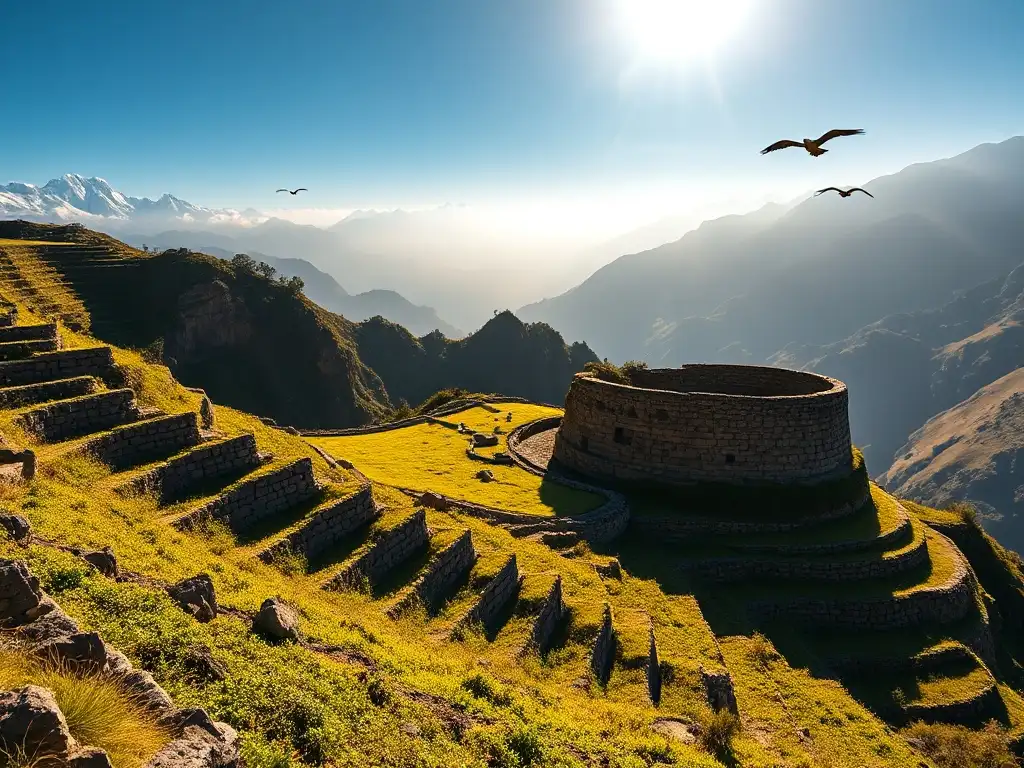
Unravel the mysteries of a lost world. Journey back in time to explore the breathtaking ingenuity and vibrant cultures of the Ancient Andean civilizations. From the towering heights of Machu Picchu to the enigmatic Nazca Lines, prepare to be captivated by the Ancient Andean civilizations travel experiences that await. Discover the secrets hidden within these magnificent sites and unlock the legacy of the Incas, Moche, and more – your adventure begins now!
-
Experiencing the Magic of the Andes Through Its Ancient Sites: A Travel Guide
- Unveiling the Secrets of Ancient Andean Civilizations Travel
- Planning Your Journey Through Time: Essential Steps for Andean Exploration
- Immersing Yourself in Andean History and Culture
- Must-See Archaeological Sites of the Andes
- Essential Gear and Preparation for Ancient Andean Civilizations Travel
- Preserving and Respecting Ancient Andean Heritage
- Making Memories: Capturing Your Andean Adventure
-
Frequently Asked Questions
- What makes traveling to sites of Ancient Andean civilizations unique?
- Are the Ancient Andean sites easily accessible?
- What are some must-see Ancient Andean sites for travelers?
- What's the best time of year to visit Ancient Andean sites for optimal weather?
- How can I best prepare for a trip focused on Ancient Andean civilizations?
- Final Reflection: Echoes of the Andes: A Legacy That Endures
- Unveil the Wonders of the Andes Today!
Experiencing the Magic of the Andes Through Its Ancient Sites: A Travel Guide
Embark on an unforgettable journey through time as we explore the captivating world of Ancient Andean civilizations travel. This comprehensive guide delves into the remarkable archaeological sites scattered throughout the Andes Mountains, offering a unique opportunity to connect with the rich history, intricate artistry, and advanced engineering of cultures like the Inca, Moche, Nazca, and Tiahuanaco. From the breathtaking heights of Machu Picchu to the enigmatic Nazca Lines, we'll uncover the secrets held within these ancient stones and unravel the stories they whisper to us across millennia.
Prepare to be amazed by the ingenuity and resilience of these ancient peoples, and discover how you can plan your own awe-inspiring adventure through the heart of the Andes. Get ready to experience the magic firsthand! ✨
Unveiling the Secrets of Ancient Andean Civilizations Travel
The Andes Mountains hold a treasure trove of archaeological wonders, each site offering a unique glimpse into the lives and achievements of the diverse Andean civilizations. These aren't just ruins; they are living testaments to human ingenuity, spiritual beliefs, and societal structures. Consider the scale of the constructions: the precisely fitted stones of Machu Picchu, the intricate irrigation systems of the Nazca, the monumental architecture of Tiahuanaco – each a marvel of its time.
Understanding the context of these sites—their history, the cultures that built them, and the significance of their discoveries—enhances the experience immeasurably. Exploring these sites allows us to appreciate not only the physical achievements but also the profound spiritual and cultural legacy of these ancient Andean peoples. The sheer scale and complexity of these ancient cities and ceremonial centers leave a lasting impression, highlighting the sophisticated knowledge and organizational skills of these societies.
Planning Your Journey Through Time: Essential Steps for Andean Exploration
Planning a trip to explore the ancient Andean civilizations requires careful consideration to ensure a smooth and enriching experience. From meticulous research to securing necessary permits, preparation is key to unlocking the full potential of your Andean adventure. Thorough planning will allow you to maximize your time, immerse yourself in the cultural context of each site, and appreciate the historical significance of each location. Remember, respecting the cultural heritage of these sites and the local communities is paramount.
Researching Key Ancient Andean Archaeological Sites
Before you set foot on Andean soil, thorough research is essential. Identify the specific sites that align with your interests and travel style. Consider factors such as accessibility, altitude (some sites are at significantly high altitudes requiring acclimatization), and the time needed for a comprehensive visit. Make a detailed itinerary, allocating sufficient time for each location. Consider the varying climates and plan accordingly; some regions are significantly drier than others. Researching beforehand will allow for a more immersive and meaningful experience.
Choosing the Best Time to Visit Andean Civilizations
The best time to visit the Andes depends on your priorities and tolerance for crowds. The dry season (May to September) offers the most pleasant weather for hiking and exploring, but it's also peak tourist season. The shoulder seasons (April and October) provide a good compromise between pleasant weather and fewer crowds.
The rainy season (November to March) can make some sites inaccessible, but it also brings lush greenery and fewer tourists. Careful consideration of the weather conditions at each specific location is crucial for a comfortable and safe trip. Remember to check for any potential seasonal closures or restrictions.
Booking Flights and Accommodations for Your Andean Adventure
Securing flights and accommodations in advance is crucial, especially during peak season. Research different flight options to find the best deals and flight times. Consider booking flights and accommodations well in advance, especially if traveling during peak season. Choose accommodation that aligns with your budget and preferences. Options range from budget-friendly hostels to luxurious hotels. Remember to factor in travel time between sites, as distances can be significant and travel times may vary depending on the mode of transportation chosen. Pre-booking transportation is also recommended, especially for reaching more remote sites.
Immersing Yourself in Andean History and Culture
Exploring the ancient Andean civilizations offers a unique opportunity to connect with a rich tapestry of history, culture, and traditions. These cultures, including the Incas, Moche, Nazca, and Tiahuanaco, left behind an incredible legacy that continues to fascinate and inspire. To truly appreciate the significance of these sites, it's essential to immerse yourself in the context of their creation and the lives of the people who built them.
This means going beyond simply observing the stones and structures; it's about understanding the beliefs, social structures, and daily lives of these remarkable civilizations. Consider the ingenuity of their agricultural techniques, adapted to the challenging Andean terrain, or the complexity of their social organization, which allowed for the construction of impressive cities and monumental structures.
Engaging with the local communities and learning about their connection to the ancient past can significantly enhance your understanding and appreciation of these sites. The echoes of their past resonate even today, influencing the vibrant cultures of the Andes.
Guided Tours: Enhancing Your Ancient Site Experience
Guided tours offer an invaluable way to deepen your understanding of ancient Andean sites. Expert guides can provide insightful commentary on the history, architecture, and significance of each location, bringing the past to life. They can shed light on intricate details that might otherwise be missed, explaining the purpose of specific structures, the techniques used in their construction, and the cultural context in which they were built.
A knowledgeable guide can also help you navigate the sites effectively, ensuring you don't miss any key features or overlook important aspects. Moreover, many guides are deeply connected to the local communities and can share personal anecdotes and perspectives that enrich the experience. Choosing a guide with a strong academic background or extensive experience in the region will ensure a truly enriching and informative tour.
Look for options that focus on specific aspects of the culture, such as Inca astronomy or Moche artistry, to tailor your experience to your interests. Consider the size of the tour group as well; smaller groups often provide a more intimate and personalized experience.
Cultural Immersion Experiences: Beyond the Archaeological Sites
While visiting archaeological sites is crucial for understanding ancient Andean civilizations, extending your experience beyond these locations allows for a richer, more complete immersion. Engaging with local communities, participating in traditional ceremonies, or attending cultural performances can provide a deeper understanding of the enduring legacy of these civilizations. Learning about traditional Andean crafts, such as weaving or pottery, offers a tangible connection to the past.
Participating in a cooking class featuring traditional Andean ingredients and recipes provides a delightful sensory experience and reveals the ingenuity of their culinary traditions. Exploring local markets, filled with vibrant textiles, unique handicrafts, and aromatic spices, offers a glimpse into the daily lives of modern Andean communities and their enduring connection to their ancestral heritage.
Seeking out opportunities to engage directly with the culture will provide a more holistic and memorable experience. This approach fosters a deeper appreciation for the enduring impact of ancient Andean civilizations on the present day.
Must-See Archaeological Sites of the Andes
The Andes Mountains boast a wealth of remarkable archaeological sites, each offering a unique window into the past. From the iconic Machu Picchu to the enigmatic Nazca Lines, these sites offer breathtaking views and profound historical insights. Carefully planning your itinerary is key to maximizing your experience and ensuring you don't miss any of the highlights. Consider factors such as the time of year, accessibility, and altitude when planning your trip.
Remember that some sites require advance booking or special permits, so it is crucial to research and plan accordingly. The diversity of sites across the Andes reflects the unique development of different cultures and their interactions over centuries. Each site offers a distinct perspective on the creativity, ingenuity, and resilience of the ancient Andean people.
Exploring Machu Picchu: The Lost City of the Incas
Machu Picchu, the iconic "Lost City of the Incas," is a must-see for any traveler interested in ancient Andean civilizations. Nestled high in the Andes Mountains, this breathtaking site offers stunning views and a glimpse into the sophisticated urban planning and engineering of the Inca Empire. The intricate stonework, agricultural terraces, and religious structures all testify to the advanced knowledge and skills of the Inca people. Exploring Machu Picchu requires careful planning, including obtaining the necessary permits and booking accommodations in advance.
Consider hiking the Inca Trail for a truly immersive experience, but be prepared for a challenging trek. The site's altitude can also affect some visitors, so taking precautions against altitude sickness is crucial. Allow ample time to explore the various sections of the site, and consider engaging a knowledgeable guide to enhance your understanding of the history and significance of Machu Picchu.
Discovering the Secrets of Sacsayhuaman: The Inca Fortress
Sacsayhuaman, a massive Inca fortress located near Cusco, Peru, is a testament to the impressive engineering and military prowess of the Inca Empire. Its colossal stone walls, some weighing over 100 tons, are a marvel of ancient construction. The precise fitting of the stones, without the use of mortar, continues to baffle engineers and archaeologists. Exploring Sacsayhuaman offers a chance to marvel at the scale and intricacy of the structures and to imagine the lives of the people who built and defended this imposing fortress.
The site's location, overlooking Cusco, also provides breathtaking panoramic views of the city and surrounding mountains. Many guided tours incorporate Sacsayhuaman into a broader itinerary that includes other nearby Inca sites, allowing for a more comprehensive exploration of the region. Remember to wear comfortable shoes, as the terrain can be uneven.
Unveiling the Mysteries of Ollantaytambo: An Inca Town
Ollantaytambo, a remarkably well-preserved Inca town located in the Sacred Valley of the Incas, offers a unique blend of archaeological and historical significance. Unlike many other Inca sites, Ollantaytambo retains much of its original urban layout, providing a vivid picture of Inca life. The town's agricultural terraces, intricate water channels, and impressive stone structures all reflect the sophisticated engineering and urban planning of the Inca civilization.
Ollantaytambo also played a crucial role in the Inca resistance against the Spanish conquistadors, adding another layer of historical intrigue to the site. Exploring Ollantaytambo offers a chance to walk through the streets of an ancient Inca town, imagining the daily lives of its inhabitants. The site also serves as a gateway to Machu Picchu, with many visitors using Ollantaytambo as a starting point for their journey to the famous Lost City.
Journey to the Nazca Lines: Ancient Geoglyphs
The Nazca Lines, located in the Nazca Desert of southern Peru, are a truly unique and enigmatic archaeological site. These vast geoglyphs, etched into the desert floor, depict a variety of animals, plants, and geometric shapes. Their purpose remains a mystery, with theories ranging from astronomical observations to ritualistic practices. Viewing the Nazca Lines from the air offers the best perspective, allowing you to appreciate their scale and complexity.
Many tour operators offer flights over the lines, providing a truly awe-inspiring experience. However, it's also possible to view some of the lines from designated viewpoints on the ground. The stark beauty of the desert landscape, combined with the enigmatic nature of the geoglyphs, makes the Nazca Lines a truly unforgettable experience. Remember to check the weather conditions before your visit, as strong winds can affect visibility.
Exploring Tiahuanaco: The Pre-Inca Empire
Tiahuanaco, located on the shores of Lake Titicaca in Bolivia, is a significant pre-Inca archaeological site that offers a glimpse into a powerful and influential civilization that predates the Inca Empire. Its monumental structures, including the Gateway of the Sun and the Temple of Kalasasaya, showcase the advanced architectural and engineering skills of the Tiahuanaco culture. The intricate carvings and symbolic representations on these structures continue to fascinate archaeologists and scholars.
The site's location, at a high altitude, presents a unique challenge for visitors, so it's important to acclimatize to the altitude before exploring the site. Many tour operators offer guided tours that provide valuable insights into the history and significance of Tiahuanaco.
The site's connection to Lake Titicaca, one of the highest navigable lakes in the world, adds another layer of wonder to this fascinating location. Exploring Tiahuanaco offers a journey back to a remarkable civilization that laid the groundwork for many subsequent Andean cultures.
Essential Gear and Preparation for Ancient Andean Civilizations Travel
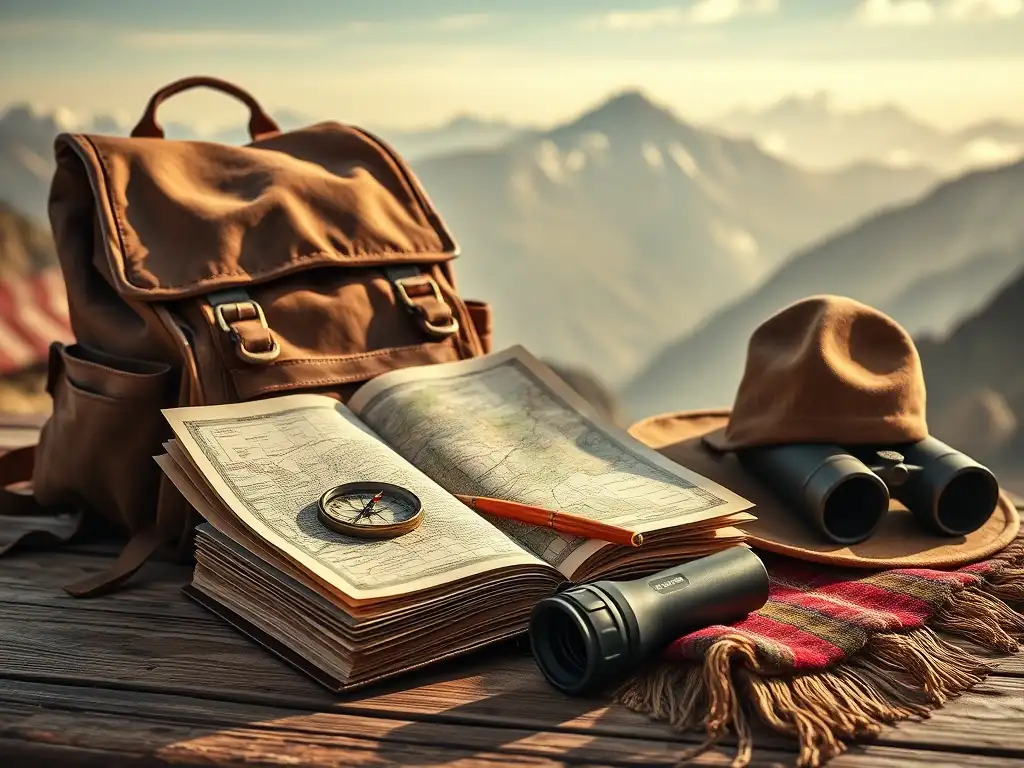
Planning a trip to explore the ancient Andean civilizations requires careful preparation. The high altitude, varied weather conditions, and often remote locations necessitate meticulous packing and awareness of potential health concerns. A well-planned trip ensures a safe, enriching, and respectful experience.
Packing for High Altitude and Varied Weather Conditions
Altitude sickness is a serious concern when traveling in the Andes. Packing layers is crucial, as the weather can change dramatically in a short period. Bring lightweight, quick-drying clothing, including thermal underwear, fleece layers, a waterproof and windproof outer shell, warm hats, gloves, and scarves. Good hiking boots with ankle support are essential, along with comfortable walking shoes for exploring towns and cities. Sunscreen with a high SPF, sunglasses, and a wide-brimmed hat are vital for protection from the intense sun at high altitudes.
Don't forget a reusable water bottle – staying hydrated is paramount at altitude. Consider packing trekking poles for added stability on uneven terrain. A headlamp or flashlight is also recommended for navigating in low-light conditions. Remember to pack medications for altitude sickness, such as acetazolamide (Diamox), only after consulting your doctor.
Travel Insurance and Health Precautions for Andean Travel
Comprehensive travel insurance is a must for any trip to the Andes. This should cover medical emergencies, evacuation costs (which can be substantial in remote areas), and trip cancellations. Consult your doctor well in advance of your trip to discuss necessary vaccinations and recommended medications for altitude sickness and other potential health issues. Pack a well-stocked first-aid kit including altitude sickness medication, pain relievers, anti-diarrheal medication, antiseptic wipes, and any personal medications you require.
Familiarize yourself with the local emergency services numbers and have a plan in case of an emergency. Be aware of the potential risks of food and waterborne illnesses and take necessary precautions, such as drinking bottled water and avoiding uncooked food. Consider purchasing travel insurance that includes coverage for lost or stolen luggage, as well as potential trip interruptions.
Preserving and Respecting Ancient Andean Heritage
Visiting these incredible sites comes with a responsibility to protect and respect the rich cultural heritage of the Andean civilizations. Mindful tourism is crucial for ensuring these sites remain accessible and preserved for future generations.
Responsible Tourism Practices at Archaeological Sites
When visiting archaeological sites, it's crucial to adhere to the rules and guidelines set by the site managers. Refrain from touching or climbing on ancient structures; even seemingly insignificant actions can cause damage over time. Stay on designated paths and walkways to avoid trampling vegetation or disturbing delicate artifacts. Respect the sacred nature of many sites and avoid loud noises or disruptive behavior.
Support local communities by purchasing souvenirs from authorized vendors and engaging with local guides who can provide insightful and respectful interpretations of the sites. Take only photographs and leave only footprints – this simple mantra encapsulates responsible tourism. Remember to properly dispose of any waste generated during your visit.
Contributing to the Conservation of Andean Heritage
Supporting organizations dedicated to the preservation and conservation of Andean heritage is a vital way to contribute to the long-term protection of these invaluable sites. Many organizations conduct research, restoration projects, and community engagement programs that help safeguard these cultural treasures. Consider making a donation to a reputable organization or volunteering your time to support their efforts.
By being an informed and responsible traveler, you can play a significant role in ensuring that the magic of the Andes continues to inspire and enrich future generations. Educate yourself on the challenges faced by these sites, such as looting, climate change, and unsustainable tourism practices. By understanding these threats, you can make more informed decisions about your travel and support efforts to mitigate these risks.
Making Memories: Capturing Your Andean Adventure
Exploring the ancient sites of the Andes is an unforgettable experience, and capturing those memories through photography is crucial to preserving the magic. From the imposing structures of Machu Picchu to the intricate geoglyphs of Nazca, the Andean region offers a breathtaking array of photographic opportunities. However, simply pointing and shooting won't do justice to the grandeur of these ancient civilizations.
Careful planning and consideration of lighting, composition, and respect for the sites themselves are essential for creating truly impactful images. Remember that these are sacred sites for many, and your photography should reflect that reverence. Avoid disruptive behavior and always prioritize the preservation of these invaluable historical locations.
Think about capturing the scale and detail of the structures, the textures of the stones, and the overall atmosphere of the site. Consider also capturing the human element – perhaps a local guide, or even just the interaction of other travelers with the environment. This can add a powerful layer to your photos and make them more evocative.
Photography Tips for Ancient Archaeological Sites: Golden Hour & Composition Techniques
The "golden hour," that magical time shortly after sunrise and before sunset, offers the most flattering light for photography. The soft, warm light casts long shadows and creates a captivating ambiance, ideal for showcasing the intricate details of Andean architecture and the dramatic landscapes surrounding these sites. Experiment with different angles and perspectives. Don't just photograph the sites head-on; try shooting from low angles to emphasize the scale of the structures, or from higher vantage points to capture the overall layout and context.
Mastering composition techniques will significantly enhance your photographs. The rule of thirds, a fundamental principle in photography, involves dividing your frame into nine equal parts using two horizontal and two vertical lines. Placing key elements along these lines or at their intersections creates a more visually appealing and balanced image. Consider using leading lines, such as pathways or walls, to draw the viewer's eye into the scene.
Pay close attention to the background; a cluttered background can distract from your subject. Finally, remember the importance of post-processing. Subtle adjustments to brightness, contrast, and saturation can significantly enhance the impact of your images, bringing out the richness and vibrancy of the Andean colors. However, avoid over-editing; the goal is to enhance, not to alter the reality of the sites.
Sharing Your Experiences and Inspiring Others
After your incredible journey through the ancient Andean civilizations, sharing your experiences can inspire others to embark on their own adventures. The best way to do this is through thoughtful storytelling. Don't just post a series of pictures; weave a narrative around your photos, describing your feelings, highlighting interesting facts you learned, and sharing anecdotes from your travels. Social media platforms are excellent tools for sharing your Andean adventure.
Platforms like Instagram, with its emphasis on visual storytelling, are particularly well-suited for showcasing your photography. Remember to use relevant hashtags such as #AncientAndeanCivilizationsTravel, #AndeanAdventures, #PeruTravel, #MachuPicchu, etc. to increase the visibility of your posts and connect with a wider audience. Consider writing a blog post or creating a travelogue to provide more in-depth accounts of your travels.
This allows you to share more details, insights, and personal reflections, enriching the experience for your readers. You could even create a short video showcasing your trip, combining stunning visuals with captivating narration. By sharing your passion for the ancient Andean civilizations, you'll not only preserve your own memories but also inspire others to explore the rich history and breathtaking beauty of this remarkable region. Remember to be respectful and mindful of the local cultures and customs when sharing your experiences online.
Frequently Asked Questions
What makes traveling to sites of Ancient Andean civilizations unique?
Traveling to sites of Ancient Andean civilizations offers a unique opportunity to experience remarkable historical and cultural heritage. You'll witness breathtaking landscapes alongside awe-inspiring architecture and artifacts, offering a journey through time. It's a chance to connect with a rich and fascinating past.
Are the Ancient Andean sites easily accessible?
Accessibility varies greatly depending on the specific site. Some are easily reached by car or guided tour, while others require more challenging treks or specialized tours. Always research the site beforehand and plan accordingly.
What are some must-see Ancient Andean sites for travelers?
Machu Picchu, Cusco, and the Nazca Lines are incredibly popular choices. However, less-visited sites like Chan Chan (Chimu culture) and Tiahuanaco offer equally fascinating insights into different Andean cultures. Research to find sites that best suit your interests.
What's the best time of year to visit Ancient Andean sites for optimal weather?
The dry season (May to September) generally offers the best weather for exploring Andean sites. However, this is also peak tourist season, so expect larger crowds and potentially higher prices. Consider visiting during the shoulder seasons for a better balance.
How can I best prepare for a trip focused on Ancient Andean civilizations?
Thorough research is key. Learn about the different cultures, their history, and the specific sites you plan to visit. Pack appropriately for varying altitudes and weather conditions, and consider hiring a local guide for a richer and more informative experience.
Final Reflection: Echoes of the Andes: A Legacy That Endures
The ancient echoes of the Andes resonate powerfully today, reminding us of the ingenuity and resilience of past civilizations while simultaneously challenging us to protect their fragile legacy. The breathtaking landscapes and meticulously crafted sites we explored – from Machu Picchu's cloud-piercing heights to the intricate artistry of Nazca lines – are not just historical relics; they are living testaments to a rich cultural heritage that continues to shape the region and inspire awe in all who witness them.
These sites are more than just tourist attractions; they are portals to a past that holds invaluable lessons for our future.
The profound impact of these ancient Andean civilizations continues to shape the cultural and social landscape of South America, influencing everything from artistic expression to spiritual beliefs. Their sophisticated understanding of astronomy, agriculture, and societal organization is a testament to human potential. The past is never dead. It's not even past.
– William Faulkner. This quote rings especially true when considering the enduring influence of these remarkable cultures. Their stories, woven into the very fabric of the Andes, continue to inspire artists, researchers, and travelers alike, fostering a deeper understanding of our shared human story and the importance of preserving our cultural heritage.
Consider the enduring power of these ancient sites. Imagine the stories whispered on the wind across the Nazca plains, the echoes of Inca prayers reverberating through the sacred stones of Machu Picchu. You, too, can carry a piece of this magic with you.
Let the experiences recounted in this article inspire you to explore not only the physical landscapes of the Andes, but also the rich tapestry of their history and culture. Seek out opportunities to learn more, to support responsible tourism, and to become a guardian of these invaluable treasures for generations to come. The legacy of the Andes awaits your discovery.
Unveil the Wonders of the Andes Today!
Thank you for exploring the enchanting world of the Andes with us! We hope you've gained a new appreciation for its ancient sites and rich history. Now, let's translate that inspiration into action.
Here are some ways to delve deeper into the magic of the Andes:
- **Embark on a Cultural Tour:** Experience the awe-inspiring ancient sites firsthand with a guided tour that immerses you in the heart of Andean civilization. Imagine yourself standing amidst the majesty of Machu Picchu or exploring the intricate details of Sacsayhuamán.
- **Share Your Andean Adventure:** Inspire others by sharing this article on social media or inviting friends to join you in exploring the wonders of the Andes. Let your passion ignite their curiosity!
- **Seek out Local Andean Culture:** Discover museums and community events near you that celebrate Andean culture to further enrich your understanding and appreciation. You might be surprised by the treasures you find in your own backyard.
Which ancient Andean site captivates your imagination the most, and how will you uncover its story?