
Unveiling the Secrets of the Sillustani Burial Towers

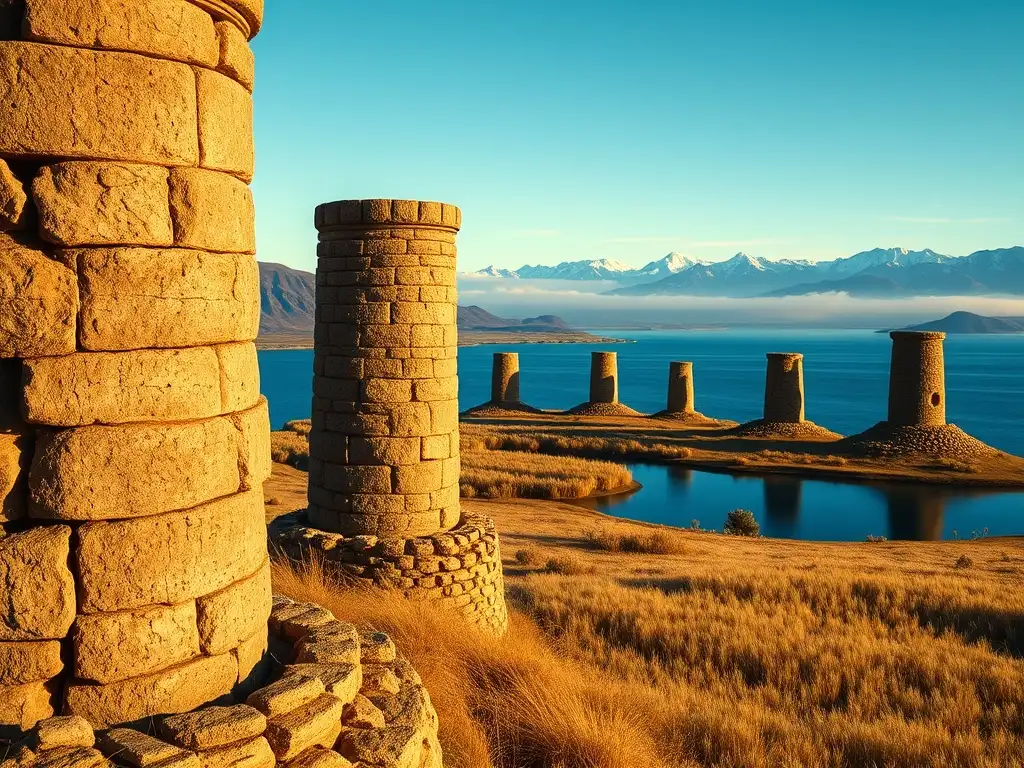
Step into a world lost to time, where towering structures whisper tales of ancient power and intricate rituals. Imagine the breathtaking landscapes of the Andes, echoing with the legacy of the Incas and other remarkable civilizations. This journey into the heart of Andean Civilizations begins with an exploration of the enigmatic Sillustani burial towers, revealing secrets of Inca history and offering a glimpse into a world both awe-inspiring and mysterious. Dare to uncover the truth behind these iconic structures – your adventure begins now.
-
Unveiling the Secrets of the Sillustani Burial Towers: Exploring Inca History and Culture
- The Mystery of the Chullpas: Understanding Sillustani's Unique Burial Towers
- Why Visit Sillustani? Unraveling the Significance of Inca Funeral Practices
- Decoding the Architectural Marvel: Construction Techniques of the Sillustani Chullpas
- The Materials and Methods: How the Inca Built the Sillustani Burial Towers
- Exploring the Sillustani Site: A Guide to the Most Impressive Chullpas
- The Lizard Chullpa: A Detailed Look at a Notable Tower
- Beyond the Stones: Interpreting the Symbolism and Inca Beliefs at Sillustani
- What the Towers Tell Us: Insights into Inca Social Hierarchy and Death Rituals
- Planning Your Visit: Essential Tips for Exploring the Sillustani Necropolis
- Getting There: Transportation Options to Sillustani from Puno
- Local Guides and Tours: Enhancing Your Sillustani Experience
- Recommended Guide Services for Sillustani: Puno Tours & Travel
- What to Bring: Essential Gear for Your Sillustani Exploration
- Hiking Boots: Why Proper Footwear is Essential
- Camera with Zoom Lens: Capturing the Details of the Chullpas
- Beyond the Sillustani Site: Exploring Other Inca Sites Near Puno
- Uros Floating Islands: Combining Your Trip with Other Cultural Experiences
- Taquile Island: A Day Trip to Discover More of Lake Titicaca's Culture
- Preserving Sillustani's Legacy: The Importance of Sustainable Tourism
- Respecting the Site: Guidelines for Responsible Travel at Sillustani
- Supporting Local Communities: How Your Visit Can Contribute to Conservation
- Learning More about Inca History: Recommended Books and Resources
- "Inca: The Complete Story" by Terence N. D'Altroy: A Comprehensive Guide to Inca Civilization
- "Lost City of the Incas" by Hiram Bingham: A Classic Exploration Tale
- Continuing Your Andean Journey: Further Discoveries Beyond Sillustani
- Explore Our Website: Discover More Andean Archaeological Wonders
- Join Our Community: Share Your Experiences and Connect with Other Enthusiasts
- Frequently Asked Questions
- Final Reflection: Echoes of the Past, Whispers of the Future
- Embark on Your Journey Through Andean History!
Unveiling the Secrets of the Sillustani Burial Towers: Exploring Inca History and Culture
The breathtaking landscape surrounding Lake Umayo in Peru holds a captivating secret: the Sillustani burial towers. These enigmatic structures, known as chullpas, stand as silent witnesses to a rich and complex history, offering a unique glimpse into the funeral practices and societal structures of the Inca civilization and its predecessors.
This article delves into the mysteries of Sillustani, exploring the architectural marvels of the chullpas, their significance within Inca culture, and the compelling reasons why a visit to this archaeological site is an absolute must for any enthusiast of Andean history. We will uncover the secrets embedded within these ancient stones, revealing a fascinating narrative of life, death, and the enduring legacy of the Inca Empire's influence on the region.
Understanding the Sillustani burial towers provides crucial insight into the "Sillustani burial towers Inca history" and the broader context of Andean funerary rituals. Prepare to be transported back in time as we embark on this journey of discovery.
The Mystery of the Chullpas: Understanding Sillustani's Unique Burial Towers
The chullpas of Sillustani are not simply burial structures; they are architectural statements, reflecting the beliefs and social hierarchies of the people who built them. These cylindrical or rectangular towers, constructed from meticulously fitted stones, vary significantly in size and design. Some are relatively small, while others are impressively large, suggesting varying social status among the deceased interred within. The precise dating of the chullpas is a subject of ongoing research, with evidence suggesting construction spanning several centuries, encompassing pre-Inca cultures and the later Inca period.
The intricate stonework, often featuring decorative elements, points to a sophisticated understanding of engineering and craftsmanship. Many chullpas show evidence of having been sealed, further adding to the mystery surrounding their purpose and the rituals associated with their construction and use. Archaeological excavations have yielded valuable artifacts, including textiles, pottery, and human remains, which offer clues to the lives and beliefs of those buried within these remarkable structures.
The careful placement of the chullpas around Lake Umayo also suggests a deep connection to the surrounding environment and its spiritual significance. The arrangement of the towers, in relation to the lake and surrounding hills, may have held symbolic meaning within the cosmology of the cultures that built them. Further research is needed to fully understand the complex interplay of social, religious, and environmental factors that shaped the construction and use of these fascinating structures.
Why Visit Sillustani? Unraveling the Significance of Inca Funeral Practices
A visit to Sillustani offers more than just a glimpse into ancient architecture; it provides a profound understanding of Inca funeral practices and beliefs. The chullpas were not merely tombs; they were integral components of a complex funerary ritual that reflected the Inca worldview and their relationship with the afterlife. The elaborate preparations for burial, including the offerings placed within the chullpas, reveal a deep-seated belief in the continuity of life beyond death.
The size and design of the chullpas likely indicated the social status of the deceased, emphasizing the importance of social hierarchy within Inca society. The preservation of these structures allows us to directly engage with the beliefs and practices of a civilization that flourished centuries ago. Witnessing these towers firsthand offers a powerful connection to the past, allowing visitors to reflect on the enduring legacy of Inca culture and its profound impact on the Andean region.
The sheer scale and beauty of the site, coupled with the historical significance, make Sillustani an unforgettable destination for anyone interested in learning more about the "Sillustani burial towers Inca history." Moreover, the stunning natural setting of Lake Umayo enhances the experience, creating a truly immersive and memorable journey through time.
Decoding the Architectural Marvel: Construction Techniques of the Sillustani Chullpas
The construction of the Sillustani chullpas represents a remarkable feat of engineering and craftsmanship. The builders utilized sophisticated techniques to create these durable structures, which have withstood the test of time. The precise fitting of large stones without the use of mortar demonstrates a high level of skill and precision. The selection and preparation of the stones themselves also required considerable expertise, requiring careful planning and execution.
Evidence suggests that different types of stone were used depending on the availability and desired aesthetic effect. The construction process likely involved a complex organization of labor, reflecting the social and economic structures of the societies that built them. The different sizes and architectural styles of the chullpas suggest variations in construction techniques over time, reflecting the evolution of building practices and potentially indicating shifts in social or religious beliefs.
Studying these architectural details provides invaluable insight into the technological capabilities and organizational skills of the builders, enriching our understanding of Inca engineering and its relationship with the environment. The enduring strength of these structures is a testament to the ingenuity and skill of the ancient builders, leaving behind a legacy of architectural excellence that continues to inspire awe and wonder. Understanding the technical aspects further illuminates the "Sillustani burial towers Inca history" and the advanced capabilities of the builders.
The Materials and Methods: How the Inca Built the Sillustani Burial Towers
The construction of the Sillustani burial towers, known as chullpas, showcases the Inca's remarkable engineering skills and their mastery of local resources. These impressive structures weren't haphazardly thrown together; they represent a sophisticated understanding of stonework and construction techniques. The primary material used was the readily available volcanic rock from the surrounding area, specifically a type of andesite known for its durability and resistance to weathering. This choice reflects the Inca's practical approach to building—utilizing readily accessible materials that could withstand the harsh Andean climate for centuries.
The precision in the stone cutting and fitting is truly astounding. The blocks, often meticulously shaped and sized, were fitted together without mortar, relying on the precision of the cuts and the weight of the stones to maintain structural integrity. This dry-stone masonry technique, characteristic of Inca architecture, is a testament to their advanced understanding of engineering principles and their ability to create incredibly strong and stable structures.
Evidence suggests that the stones were likely shaped using stone hammers and other rudimentary tools, a testament to the skill and dedication of the Inca stonemasons. The process must have involved careful planning, precise measurements, and a collaborative effort from numerous skilled workers.
The sheer scale of some of the chullpas hints at a well-organized workforce and a highly structured society capable of undertaking such ambitious projects. Analyzing the construction techniques provides valuable insights into Inca social organization, resource management, and technological prowess.
Exploring the Sillustani Site: A Guide to the Most Impressive Chullpas
The Sillustani site boasts a remarkable collection of chullpas, each with its unique features and history. While many are relatively modest in size, some stand out due to their size, architectural style, or historical significance. Among the most impressive are the larger, taller towers, some reaching considerable heights. These structures often exhibit more intricate stonework and decorative elements, indicating a higher status for the individuals interred within. The arrangement of the chullpas themselves is also noteworthy, often clustered in groups or aligned along specific axes, possibly reflecting social structures or cosmological beliefs.
Visitors can explore numerous chullpas scattered across the site, each offering a glimpse into the lives and beliefs of the people who built and used them. Some are relatively well-preserved, allowing for a detailed examination of their construction techniques and decorative elements. Others are more dilapidated, yet still retain enough structural integrity to convey a sense of their original grandeur.
Walking through the site offers a unique opportunity to appreciate the scale and scope of the necropolis and the cultural significance of these burial towers within the broader context of Inca history and funerary practices. The sheer number of chullpas underscores the importance of Sillustani as a significant ceremonial and burial center. Careful observation reveals subtle variations in architectural style and construction techniques, reflecting different periods of construction or potential regional variations in building practices.
The Lizard Chullpa: A Detailed Look at a Notable Tower
One chullpa at Sillustani, often referred to as the "Lizard Chullpa," stands out due to its unique shape and possible symbolic meaning. Unlike many of the other towers, which are primarily cylindrical or rectangular, this chullpa features a distinctive, somewhat elongated shape, reminiscent of a lizard's body. This unusual form has fueled speculation about its symbolic significance, with some suggesting it may represent a powerful deity or a mythical creature important to the local culture. The interpretation of its shape is still debated, but it underscores the rich symbolism often embedded within Inca architecture.
The construction of the Lizard Chullpa, while adhering to the general principles of Inca dry-stone masonry, displays a higher level of artistry and precision than some of the simpler chullpas. The stones are exceptionally well-fitted, and the overall design is more refined and elaborate. This suggests that the individuals buried within held a position of significant importance within the community.
Furthermore, the location of the Lizard Chullpa within the broader Sillustani complex may also hold symbolic weight, potentially indicating a connection to specific cosmological beliefs or social hierarchies. Further research, including archaeological excavations and comparative analysis of similar structures, is needed to fully understand the significance of this remarkable chullpa and its place within the broader context of Inca funerary architecture and beliefs. Its unique features make it a focal point of the Sillustani site, captivating visitors and sparking ongoing scholarly debate.
Beyond the Stones: Interpreting the Symbolism and Inca Beliefs at Sillustani
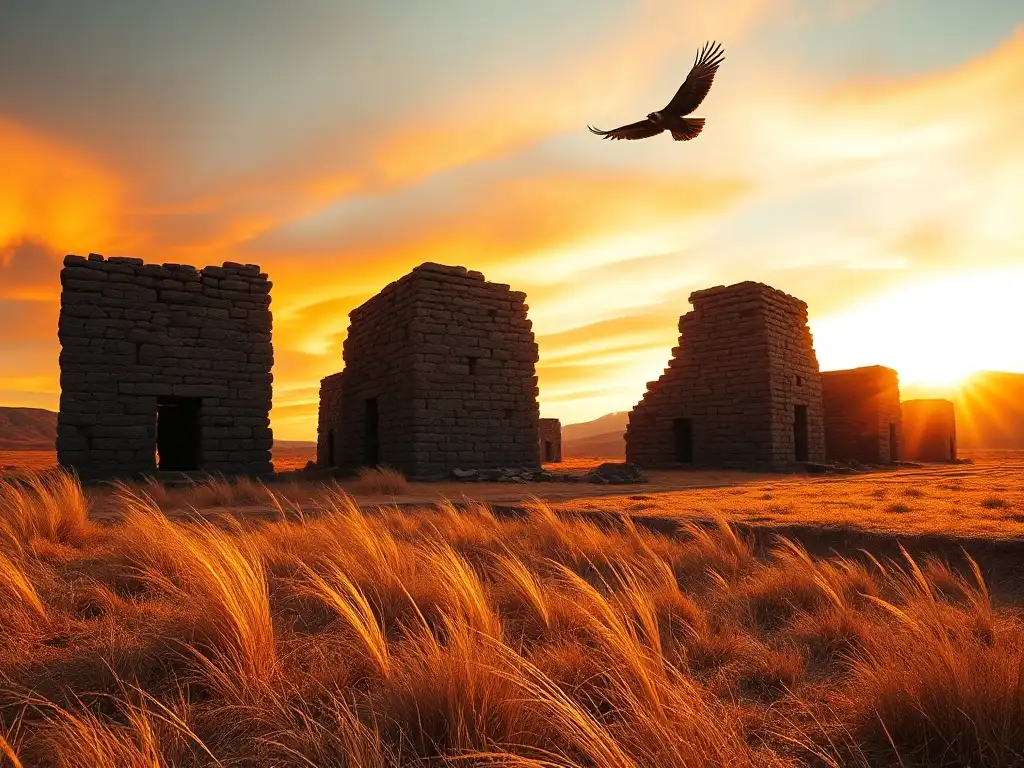
The Sillustani burial towers, while impressive in their architectural grandeur, are also rich repositories of symbolic meaning deeply intertwined with Inca beliefs about death, the afterlife, and the cosmos. The very act of constructing these towering structures, often meticulously crafted from large stones precisely fitted together, speaks volumes about the Inca reverence for their ancestors and the importance they placed on funerary rites. The careful placement of the towers, often overlooking the serene Lake Umayo, suggests a connection between the earthly realm and the spiritual world, mirroring the Inca worldview which saw the landscape as imbued with sacred power.
Further enriching the symbolic landscape are the materials used in construction. While primarily constructed from stone, the presence of specific types of stone, or perhaps even pigments or decorations (if any traces remain, further research is needed), could reveal deeper symbolic meanings related to specific deities, ancestral lineages, or cosmological concepts. Unfortunately, much of the original context surrounding the towers has been lost to time and looting, making definitive interpretations challenging.
However, ongoing archaeological research continues to shed light on these fascinating aspects of Inca culture. The size and complexity of the tower itself could also reflect the social status of the individual interred within, with larger, more elaborately constructed towers potentially signifying higher social standing. Detailed analysis of the remaining structures, along with comparative studies of other Inca burial sites, is crucial to unlocking a more complete understanding of these powerful symbols.
The orientation of the towers, their relationship to the surrounding landscape, and the possible presence of associated artifacts (pending further archaeological findings) all contribute to a complex tapestry of meaning that researchers are still actively unraveling. By carefully studying these elements, we can gain invaluable insights into the Inca worldview, their understanding of death and the afterlife, and the profound spiritual significance they attached to these remarkable structures.
The Sillustani burial towers offer a unique window into the social hierarchy and death rituals of the Inca civilization. The varying sizes and architectural styles of the towers strongly suggest a correlation with social status. Larger, more elaborate towers, often constructed with greater precision and featuring more intricate details (where identifiable), likely housed the remains of elite members of Inca society – perhaps royalty, high priests, or other important figures. Smaller, simpler structures, on the other hand, probably belonged to individuals of lower social standing.
This differentiation in burial practices reflects the Inca's highly stratified social structure, where access to resources and prestigious burial rites were directly linked to one's position within society. The construction of these monumental tombs required significant labor and resources, further emphasizing the importance of the deceased and their status within the community. Archaeological excavations, where permitted and conducted, could reveal further insights into the burial practices themselves, such as the presence of grave goods or the manner in which the bodies were prepared and interred. [Specific information pending on grave goods found at Sillustani].
The location of the towers themselves, within a carefully planned necropolis overlooking Lake Umayo, points to the significance the Inca placed on the funerary rites. The serene setting, combined with the impressive architecture of the towers, suggests a deliberate attempt to create a sacred space for honoring the deceased and facilitating their transition to the afterlife.
Further research into the layout of the necropolis, the spatial arrangement of the towers, and the possible presence of associated structures could reveal further details about the rituals and ceremonies performed at Sillustani. The systematic nature of the site suggests a well-established and formalized process surrounding death and burial practices within Inca society.
Planning Your Visit: Essential Tips for Exploring the Sillustani Necropolis
Planning a visit to the Sillustani burial towers requires careful consideration to ensure a safe, enjoyable, and respectful experience. The site is located at a relatively high altitude, so visitors should be prepared for the thinner air and potential for altitude sickness. It is highly recommended to acclimatize to the altitude gradually before undertaking a visit, especially if you are traveling from a lower elevation. Staying hydrated and avoiding strenuous activity during the initial hours of your arrival is crucial.
The best time to visit Sillustani is during the dry season (April to October), when the weather is generally pleasant and the site is more accessible. However, even during the dry season, it's important to be prepared for changes in weather, including sudden showers or strong winds. Appropriate clothing, including sun protection, a hat, and comfortable walking shoes, is essential. The site is relatively exposed, so sunscreen and a hat are strongly recommended.
Respect for the site and its historical significance is paramount. Remember that Sillustani is a sacred place with significant cultural and historical value. Visitors should adhere to all posted guidelines and refrain from climbing on or damaging the towers. Taking photos is generally permitted, but it's essential to do so respectfully, avoiding disruptive behavior or anything that could damage the structures.
Consider hiring a local guide to enrich your experience and learn more about the history and significance of the site. They can provide valuable insights into the Inca culture and the stories behind these remarkable burial towers. A guided tour also ensures a more respectful and informed visit.
Getting There: Transportation Options to Sillustani from Puno
Reaching the remarkable Sillustani burial towers from Puno offers several transportation options catering to different budgets and preferences. The most common method is hiring a taxi or private car. This provides flexibility, allowing you to set your own pace and linger at the site as long as desired. Negotiating the fare beforehand is crucial, especially during peak tourist seasons. Remember to clarify the price for the round trip to avoid any unexpected costs upon your return to Puno.
Another popular choice involves joining organized tours. Many tour operators in Puno offer day trips to Sillustani, often combining it with visits to other nearby attractions. These tours typically include transportation, a guide, and sometimes even lunch. This option is convenient and often cost-effective, especially for solo travelers or small groups. However, it does mean adhering to a pre-set schedule.
For budget-conscious travelers, collective taxis or combis (minibuses) are available from Puno's main bus terminal. While significantly cheaper, this option might involve longer travel times due to multiple stops along the way. This method requires a bit more independence and navigating skills, as you'll need to find your way to the Sillustani site independently. It’s advisable to confirm the route and schedule with local residents before embarking on this journey. It is also recommended to travel with a companion for safety.
Local Guides and Tours: Enhancing Your Sillustani Experience
Engaging a local guide significantly enhances the Sillustani experience. While exploring the site independently is possible, a knowledgeable guide can unlock a deeper understanding of the history, architecture, and cultural significance of the burial towers. They can provide insights into the Inca civilization's funerary practices, the social structures reflected in the tower's construction, and the mysteries surrounding the site's inhabitants.
Guides can also share fascinating stories and legends associated with Sillustani, breathing life into the ancient stones. Furthermore, a guide can help navigate the site efficiently, pointing out details that might otherwise be missed. The use of a guide is highly recommended, especially for those with an interest in Inca history and archaeology.
Recommended Guide Services for Sillustani: Puno Tours & Travel
Choosing a reputable tour operator or guide service is paramount for a smooth and enriching experience. Several companies in Puno specialize in offering guided tours to Sillustani. When selecting a service, consider factors such as reviews, experience, language proficiency, and the type of tour offered (private vs. group). Look for companies with a strong track record and positive feedback from previous clients. Reading online reviews and testimonials can provide valuable insights into the quality of service offered.
Confirming the guide's expertise in Inca history and archaeology is also important to ensure a comprehensive and accurate understanding of the site. Inquire about the tour duration, transportation arrangements, and any additional costs involved before booking. A well-researched choice will undoubtedly contribute to a memorable and informative visit to the captivating Sillustani burial towers. Remember to book in advance, particularly during peak seasons, to secure your preferred tour and avoid disappointment.
What to Bring: Essential Gear for Your Sillustani Exploration
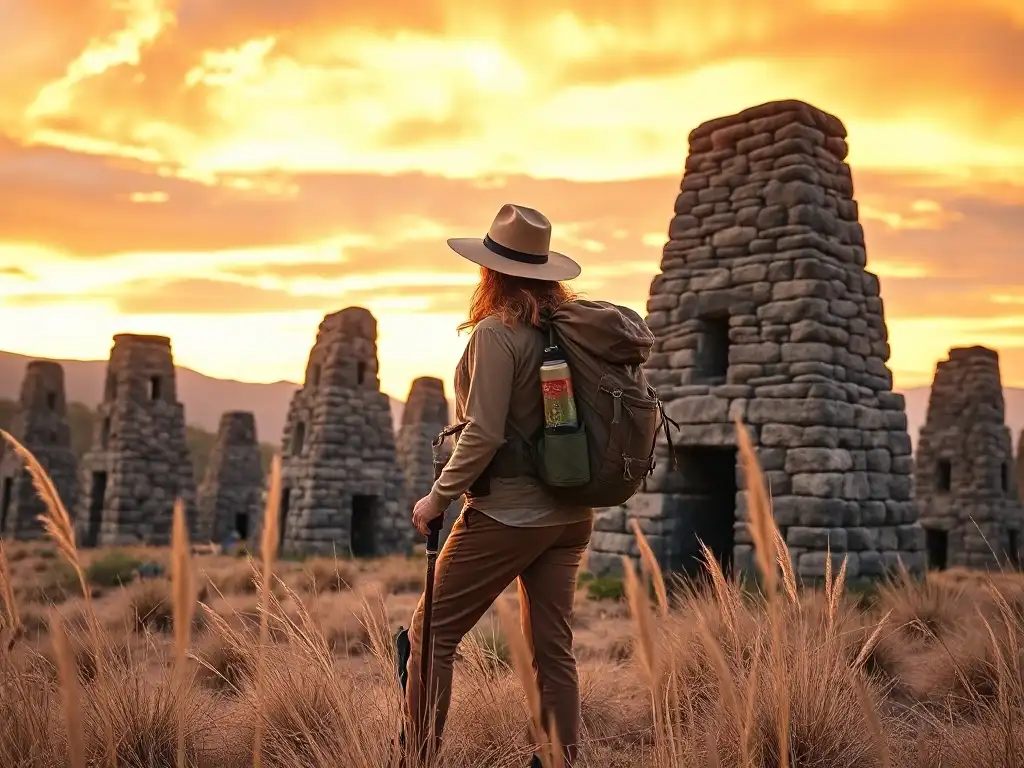
Planning a trip to Sillustani requires careful consideration of the environment and the activities you'll be undertaking. The high-altitude location means that weather can change rapidly, and the site itself involves walking across uneven terrain. Therefore, packing the right gear is crucial for a comfortable and enjoyable experience. Beyond the obvious essentials like water and sunscreen, you should prioritize items that protect you from the elements and aid your exploration.
A hat is indispensable to shield you from the strong Andean sun, and sunglasses will protect your eyes from the glare. Layers are key; pack a light fleece or sweater for cooler mornings and evenings, even during warmer months. A lightweight rain jacket is also advisable, as sudden showers can occur. Finally, insect repellent is a must, especially during the wetter seasons.
Remember to bring snacks to maintain your energy levels throughout the day, as food options may be limited at the site itself. Don't forget a small backpack to carry all your essentials comfortably. Proper preparation ensures a memorable and safe exploration of the remarkable Sillustani burial towers.
Hiking Boots: Why Proper Footwear is Essential
Navigating the Sillustani site requires traversing uneven ground, including grass, dirt paths, and potentially rocky areas. Sturdy hiking boots are not just recommended—they are essential. Regular sneakers or sandals simply won't provide the necessary ankle support and protection needed to prevent injury. The terrain can be unpredictable, with some areas potentially muddy or slippery, especially after rain. Good hiking boots offer superior traction, preventing slips and falls, which are particularly hazardous given the sometimes precarious positions of the chullpas (the burial towers). The added ankle support is crucial for stability, especially when navigating the sometimes uneven and rocky pathways between the towers. Investing in quality hiking boots is an investment in your safety and comfort, allowing you to fully enjoy the exploration of this fascinating archaeological site without the worry of injuries hindering your experience. Remember, the comfort and safety of your feet directly impact the enjoyment of your visit.
Camera with Zoom Lens: Capturing the Details of the Chullpas
The Sillustani chullpas are incredibly detailed structures, showcasing remarkable craftsmanship and intricate designs. To fully appreciate their architectural beauty and capture their unique features, a camera with a good zoom lens is highly recommended. While a standard camera can capture the overall grandeur of the towers, a zoom lens allows you to focus on the finer details – the intricate stonework, the subtle carvings, and the overall artistry of these ancient structures.
You'll be able to zoom in on specific elements, highlighting the unique characteristics of each chullpa and creating detailed photographic records of your visit. A high-quality zoom lens allows for stunning close-up shots, capturing the texture of the stones and the weathering effects of time, providing a more comprehensive visual record of your Sillustani experience.
Consider a lens with a versatile zoom range to accommodate various shooting distances and perspectives, enabling you to capture both wide shots of the landscape and detailed close-ups of the chullpas themselves. This will allow you to fully appreciate and document the remarkable Inca history preserved within these impressive structures.
Beyond the Sillustani Site: Exploring Other Inca Sites Near Puno
The Sillustani burial towers are a captivating glimpse into Inca funerary practices, but the Puno region boasts a wealth of other archaeological wonders waiting to be explored. A short trip from Sillustani can lead you to sites offering further insights into Inca history and the lives of its people. For example, the nearby ruins of Hatuncolla, although less well-preserved than Sillustani, still reveal important aspects of Inca architecture and settlement patterns.
The intricate stonework, though weathered by time, hints at the sophisticated engineering skills of the Inca builders. Further research is needed to fully understand the function of Hatuncolla within the broader Inca empire, but its proximity to Sillustani suggests a possible connection in terms of resource management or ceremonial significance. Archaeologists continue to unearth new information about these lesser-known sites, constantly enriching our understanding of Inca civilization.
Consider dedicating a day to exploring these additional sites to gain a more comprehensive perspective on Inca presence in the Lake Titicaca region. The varied landscapes and architectural styles encountered across these sites offer a truly immersive historical experience, beyond the immediately striking Sillustani burial towers.
Uros Floating Islands: Combining Your Trip with Other Cultural Experiences
A visit to Sillustani offers a unique opportunity to combine a historical journey with an exploration of the vibrant contemporary culture of the Lake Titicaca region. Just a short boat ride away lie the Uros Floating Islands, a testament to the ingenuity and adaptability of the Uros people. These artificial islands, constructed from layers of totora reeds, provide a fascinating contrast to the ancient stone structures of Sillustani.
Witnessing the Uros people's way of life, their traditional crafts, and their resilience in the face of environmental challenges offers a compelling contemporary perspective that complements the historical narrative of Sillustani. Consider extending your trip to include a visit to the Uros islands to experience a different facet of Lake Titicaca's rich cultural tapestry. The experience provides a unique blend of ancient history and modern cultural survival, offering a truly enriching and unforgettable journey.
The Uros people themselves are happy to share their traditions and stories, making for a deeply personal and immersive experience. This combination of ancient ruins and modern culture creates a holistic understanding of the Lake Titicaca region.
Taquile Island: A Day Trip to Discover More of Lake Titicaca's Culture
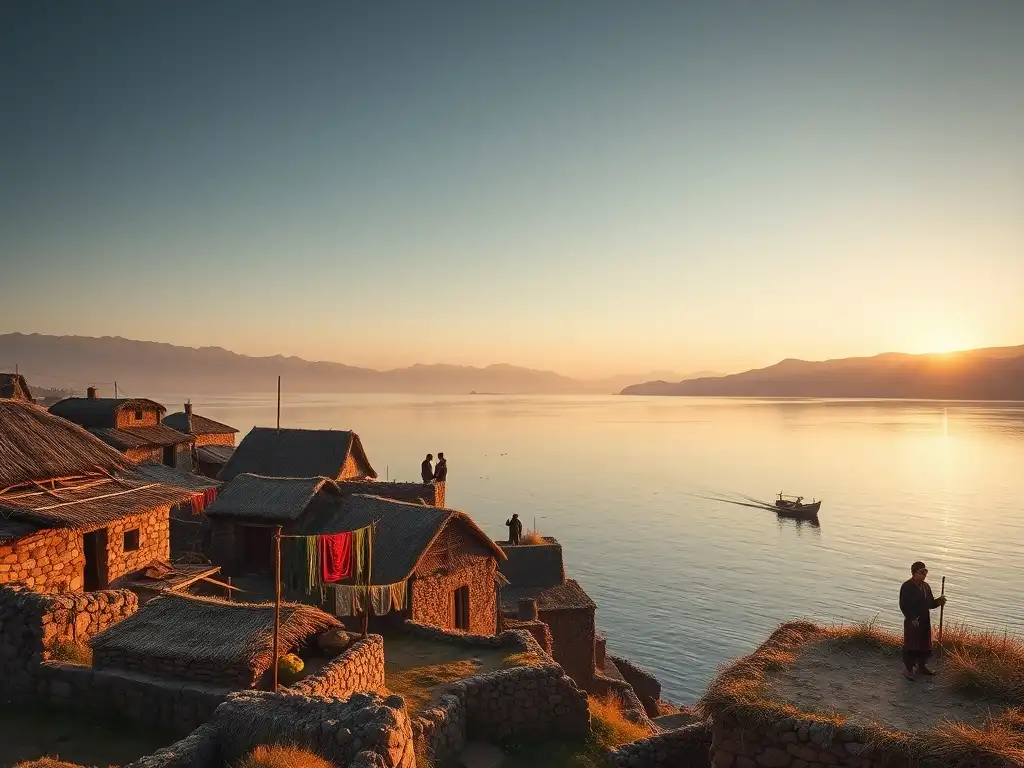
Further enhancing your exploration of the Lake Titicaca basin is a visit to Taquile Island. Known for its unique social structure and vibrant textile traditions, Taquile offers a captivating cultural experience that seamlessly complements a visit to Sillustani. While Sillustani reveals the Inca's legacy in stone, Taquile showcases the enduring traditions of its indigenous communities.
Observe the intricate textiles woven by the island's inhabitants, a testament to their artistry and cultural identity. The island's social organization, based on a system of rotating leadership, provides an insight into a unique form of community governance. The stunning views of the lake and the surrounding mountains enhance the overall experience, creating a memorable and enriching day trip.
The Taquileños are known for their warm hospitality, making for a truly welcoming and unforgettable encounter. A visit to Taquile offers a fascinating contrast to the archaeological focus of Sillustani, providing a balanced perspective on the region's rich history and vibrant cultural landscape. Combining a trip to Sillustani with a visit to Taquile creates a comprehensive experience of the Lake Titicaca region’s cultural and historical significance.
Preserving Sillustani's Legacy: The Importance of Sustainable Tourism
The remarkable Sillustani burial towers stand as a testament to the ingenuity and spiritual beliefs of the pre-Inca and Inca cultures. Their preservation is not merely an act of historical preservation; it's a crucial step in safeguarding a vital part of Peru's cultural heritage and ensuring its accessibility for future generations. Sustainable tourism plays a pivotal role in this endeavor.
By prioritizing responsible practices, we can minimize the negative impacts of tourism while maximizing the benefits for both the site and the local communities. This includes carefully managing visitor numbers to prevent overcrowding and erosion, implementing strict regulations against vandalism and looting, and investing in infrastructure that minimizes environmental impact. Furthermore, sustainable tourism initiatives often include educational programs that raise awareness among visitors about the significance of the site and the importance of its protection.
This fosters a sense of responsibility and encourages visitors to become active participants in preserving Sillustani's legacy. The long-term economic viability of the site is also intrinsically linked to sustainable tourism; a well-managed influx of tourists can provide the necessary funds for ongoing conservation efforts and community development. Failure to adopt sustainable practices could lead to irreversible damage, impacting not only the physical integrity of the towers but also the cultural significance of the entire complex.
Respecting the Site: Guidelines for Responsible Travel at Sillustani
Visiting Sillustani requires a mindful approach, respecting both the historical significance of the site and the natural environment surrounding it. Several guidelines ensure responsible travel and contribute to the long-term preservation of this unique archaeological marvel. Firstly, staying on designated paths is crucial to avoid accidental damage to the fragile structures and surrounding landscape. The delicate nature of the towers necessitates careful footfalls and refraining from climbing or touching them.
Photography is generally permitted, but using drones or other disruptive equipment is often restricted to protect the integrity of the site and the experience of other visitors. Littering is strictly prohibited, and visitors are encouraged to leave the site as they found it, if not better, by carrying out any trash they may have generated. Respect for the spiritual significance of the site is paramount. These towers served as burial places, and treating them with reverence is essential.
Loud noise, disruptive behavior, and disrespectful actions should be avoided. Finally, engaging with local guides can significantly enhance the experience while simultaneously supporting the local community and learning about the site's history and cultural context from knowledgeable experts. Following these guidelines ensures a respectful and enriching visit, contributing to the preservation of Sillustani for years to come.
Supporting Local Communities: How Your Visit Can Contribute to Conservation
Tourism at Sillustani offers a powerful opportunity to support the local communities whose lives are intertwined with the preservation of this ancient site. Your visit can directly contribute to conservation efforts and the overall well-being of the region in several ways. By choosing locally owned accommodations, restaurants, and tour operators, you inject funds directly into the local economy. This supports local businesses, creates jobs, and empowers community members to actively participate in the preservation of their cultural heritage.
Engaging with local guides ensures that a portion of your tourism expenditure goes directly towards supporting those who possess in-depth knowledge of the site and its history. These individuals play a crucial role in educating visitors and fostering a greater appreciation for Sillustani's significance. Furthermore, many tourism initiatives involve community-based conservation projects. These projects might include environmental cleanup efforts, educational programs, or the development of sustainable tourism infrastructure.
By participating in or contributing to such initiatives, visitors become active agents in the ongoing preservation of Sillustani and the surrounding area. Supporting local communities not only bolsters the economic viability of the region but also fosters a sense of shared responsibility for the preservation of this invaluable cultural treasure. Your responsible tourism practices can help ensure that the benefits of tourism are shared equitably, contributing to the sustainable development of the region and the preservation of Sillustani's legacy for generations to come.
Learning More about Inca History: Recommended Books and Resources
Delving deeper into the rich tapestry of Inca history requires dedicated exploration beyond a single article. Fortunately, numerous excellent resources exist to satisfy the curiosity of even the most ardent history buff. To truly understand the context of the Sillustani burial towers and their significance within the broader Inca civilization, supplementing your online research with carefully chosen books is highly recommended.
These resources offer detailed insights into Inca social structures, religious beliefs, agricultural practices, and technological advancements – all crucial elements in understanding the purpose and construction of these fascinating structures. Beyond academic texts, engaging narratives can bring the Inca world to life, offering a more visceral connection to the past. Choosing the right resource depends on your preferred learning style and depth of desired knowledge.
Whether you prefer meticulously researched academic works or captivating storytelling, a wealth of information awaits those seeking to further their understanding of Inca history. Remember to consider the publication date when selecting a book, as newer publications often incorporate the latest archaeological discoveries and scholarly interpretations. Looking at reviews from other readers can also help you gauge the quality and accessibility of a particular book.
"Inca: The Complete Story" by Terence N. D'Altroy: A Comprehensive Guide to Inca Civilization
Terence N. D'Altroy's "Inca: The Complete Story" stands as a cornerstone of Inca studies. This comprehensive work meticulously examines every facet of Inca civilization, from its humble beginnings to its eventual conquest by the Spanish. D'Altroy masterfully weaves together archaeological findings, historical accounts, and anthropological interpretations to present a nuanced and detailed portrait of Inca society.
The book doesn't shy away from complex topics, providing in-depth analyses of Inca social hierarchies, economic systems, and religious practices. The sheer breadth of information covered makes it an invaluable resource for anyone seeking a thorough understanding of Inca history. The book excels in its clarity and organization, making even the most intricate details accessible to a wide range of readers.
Specifically relevant to the Sillustani burial towers, D'Altroy's work likely provides context regarding funerary practices and beliefs within the Inca empire, helping to illuminate the significance of these unique structures. It's a must-read for serious students of Inca civilization and a valuable addition to any library focused on Andean history.
"Lost City of the Incas" by Hiram Bingham: A Classic Exploration Tale
While not solely focused on Inca history, Hiram Bingham's "Lost City of the Incas" offers a captivating narrative of the rediscovery of Machu Picchu. Published in 1948, this classic account recounts Bingham's adventurous expeditions through the Andes, culminating in his momentous discovery of the lost city. While some of Bingham's interpretations have been revised by modern scholarship, the book remains a thrilling read, transporting the reader to the heart of the Inca Empire.
The book's value lies not only in its historical context but also in its evocative descriptions of the landscape and the challenges faced by the explorers. Although not directly related to Sillustani, understanding the broader context of Inca exploration and the subsequent archaeological discoveries provides valuable perspective on the careful and meticulous work required to uncover and interpret sites like Sillustani.
Reading Bingham's account offers a glimpse into the process of archaeological discovery and the excitement surrounding the unveiling of Inca ruins, enriching one's appreciation for the historical significance of sites such as Sillustani burial towers. The book's engaging narrative style makes it accessible to a wider audience, making it a great starting point for those new to the study of Inca history.
Continuing Your Andean Journey: Further Discoveries Beyond Sillustani
Having explored the fascinating Sillustani burial towers and delved into their intricate Inca history, your Andean adventure doesn't have to end there! The region surrounding Lake Umayo boasts a wealth of other captivating archaeological sites and breathtaking landscapes. Consider extending your journey to explore nearby Puno, a vibrant city steeped in history and culture, serving as a gateway to further Inca and pre-Inca wonders.
You might also venture to the impressive ruins of Raqchi, showcasing impressive Inca architecture, including a massive, uniquely designed temple. The journey itself offers stunning views of the Andes, providing a deeper appreciation for the environment that shaped these ancient civilizations. Remember to plan your trip carefully, taking into account the altitude and the weather conditions.
The experience of exploring these sites is truly enriching, offering a holistic understanding of the Andean world. Don’t forget to engage with local guides; their knowledge and insights can significantly enhance your experience. They can often share stories and perspectives unavailable in guidebooks, enriching your understanding of Inca history and the surrounding culture.
Explore Our Website: Discover More Andean Archaeological Wonders
Your exploration of "Sillustani burial towers Inca history" is just the beginning! Our website, "Andean Civilizations," is dedicated to uncovering the mysteries and marvels of the ancient Andean world. We offer a comprehensive collection of articles, meticulously researched and beautifully presented, covering a wide range of topics related to Inca history, pre-Inca cultures like the Nazca and Moche, and the unique art and technology of these remarkable societies.
Dive deeper into the intricacies of Inca social structures, explore the vibrant artistry of the Moche, or uncover the enigmatic Nazca Lines. We provide detailed information on various archaeological sites across the Andes, including interactive maps and stunning visuals to bring these ancient wonders to life. Whether you’re a seasoned archaeologist or a curious traveler, our website offers something for everyone interested in uncovering the rich tapestry of Andean civilization.
Explore our detailed articles, browse our image galleries, and discover a world of fascinating knowledge. We continuously update our content, ensuring you always have access to the latest research and discoveries.
We invite you to become part of our thriving community of Andean civilization enthusiasts! Connect with fellow travelers, history buffs, and researchers who share your passion for uncovering the secrets of the Andes. Share your own experiences exploring sites like the Sillustani burial towers, post your photos, and contribute to the ongoing conversation about Inca history and the broader Andean cultural heritage.
Our online forums offer a platform to exchange ideas, ask questions, and learn from others who share your interests. Engage in lively discussions, share your own discoveries, and help us build a comprehensive resource for all things Andean. By joining our community, you become part of a vibrant network dedicated to preserving and celebrating the rich legacy of these remarkable civilizations.
Share your thoughts, insights, and experiences – your contributions are invaluable to our collective understanding of this fascinating subject. Let's explore the wonders of the Andes together! 🎉
Frequently Asked Questions
What are the Sillustani burial towers?
The Sillustani burial towers are circular chullpas, pre-Inca and Inca funerary structures located near Lake Umayo in Peru. They are significant examples of Andean funerary architecture.
Who built the Sillustani burial towers?
While some towers were built by the pre-Inca Colla people, others were constructed by the Inca during their expansion. The unique architecture reflects a blend of cultural influences.
What is the significance of the Sillustani burial towers in Inca history?
The Sillustani towers represent a continuation of pre-Inca funerary traditions adapted and incorporated by the Inca. They offer valuable insights into Inca imperial expansion and social organization.
What makes the Sillustani burial towers unique?
Their unique circular design, large size, and elaborate construction distinguish them from other Andean burial structures. The location on the shores of Lake Umayo adds to their mystique.
How can I learn more about the Sillustani burial towers?
You can explore museums dedicated to Andean cultures, delve into academic research papers, or visit the Sillustani archaeological site itself for a firsthand experience. Many guided tours are available.
Final Reflection: Echoes of the Past, Whispers of the Future
The legacy of the Sillustani burial towers continues to resonate today, a powerful testament to the ingenuity and spiritual beliefs of the Inca and pre-Inca cultures. These remarkable structures, standing as silent sentinels across the altiplano, offer not just a glimpse into a fascinating past, but a profound understanding of human resilience and the enduring power of cultural heritage. Their preservation is not merely an archaeological endeavor; it is a vital act of honoring a rich history and ensuring its continued relevance for generations to come.
The intricate craftsmanship and strategic placement of the Sillustani towers speak volumes about the societal structures and spiritual beliefs of the people who built them. Their enduring presence challenges us to consider our own relationship with the past and the responsibility we bear in protecting these invaluable sites. The past is never dead. It's not even past.
- William Faulkner. This quote rings especially true when considering the ongoing efforts to understand and preserve the Sillustani towers, ensuring that their stories continue to be told and their significance understood. The ongoing research and preservation efforts are a testament to the enduring fascination these structures hold and the importance of safeguarding our shared heritage.
Consider, for a moment, the echoes of those who built and used these towers. Imagine their lives, their beliefs, their hopes, and their fears. You, the reader, now hold the power to carry their stories forward.
By sharing this knowledge, advocating for responsible tourism, and supporting the ongoing preservation efforts, you become a vital part of ensuring that the secrets of the Sillustani burial towers continue to be unveiled, not just for historical study, but for the inspiration and understanding they offer to all of humanity. Let the whispers of the past guide you towards a future where cultural heritage is cherished and protected.
Embark on Your Journey Through Andean History!
Thank you for exploring the fascinating world of the Sillustani Burial Towers with us! We hope you've gained valuable insights into the rich cultural heritage of the Andean civilizations. To further deepen your understanding, consider these suggestions:
- Explore Andean history firsthand: Visit local museums and exhibitions showcasing artifacts from this remarkable era. You'll find the experience incredibly enriching.
- Share your passion: Organize a gathering with friends and family to discuss your discoveries and inspire others to learn about this captivating history.
- Connect with fellow enthusiasts: Join an online community dedicated to Peruvian history. Sharing your experiences and engaging with others will broaden your perspective and deepen your knowledge.
What aspect of the Sillustani Burial Towers most captivated you, and how will you continue to explore this compelling subject?