
The Allure of the Ancient: Why These Sites Captivate Us

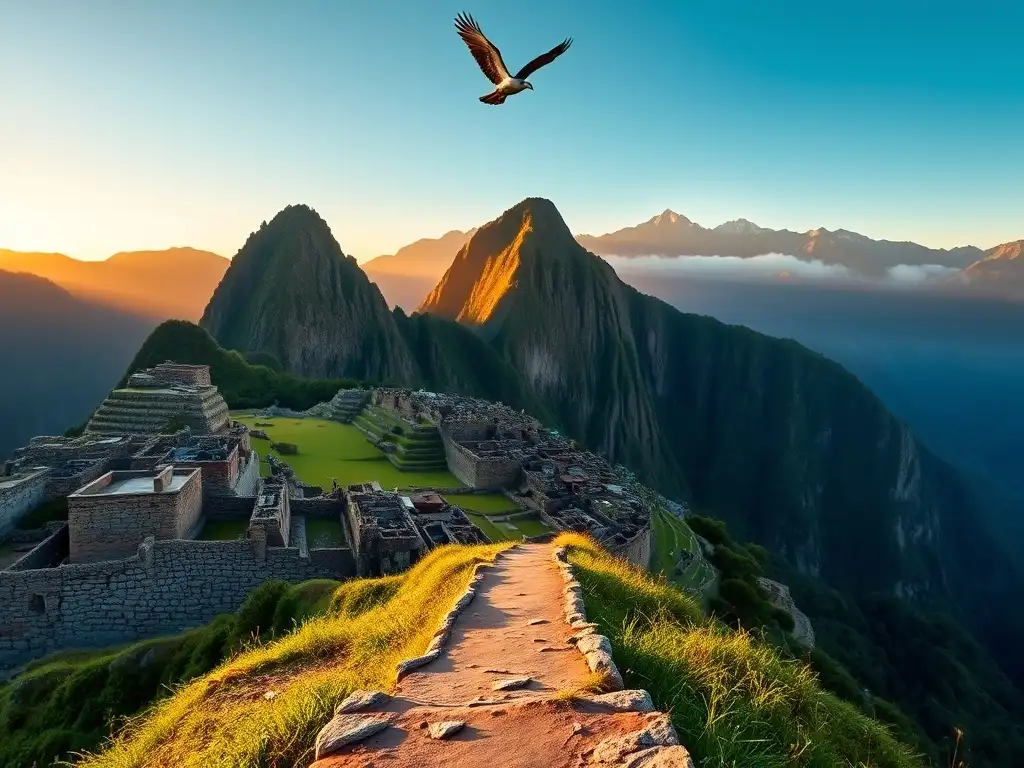
Step into a world lost to time, yet echoing with power and mystery. Ancient Andean civilizations allure beckons you to uncover the secrets of the Incas, Moche, Nazca, and Tiahuanaco – their breathtaking artistry, ingenious engineering, and enduring legacy. Prepare to be captivated by a civilization that defied the harsh Andes, leaving behind a trail of breathtaking wonders that continue to fascinate us today. Discover why these sites still hold such an irresistible allure – begin your journey now!
- The Allure of the Ancient: Why These Sites Captivate Us - Exploring Ancient Andean Civilizations
- Discovering the Magic: Key Elements that Draw Us to Ancient Andean Sites
- Planning Your Journey: How to Experience the Allure Firsthand
- The Lasting Impact: Why the Allure of Ancient Andean Civilizations Endures
-
Frequently Asked Questions
- What makes the Ancient Andean civilizations so alluring?
- What are some of the key achievements of the Andean civilizations?
- Which civilizations are considered part of the Andean world?
- How did the environment influence Andean cultures?
- Where can I learn more about the allure of the Ancient Andean civilizations?
- Final Reflection: Echoes of the Andes: A Legacy That Endures
- Unleash Your Inner Explorer – Discover Ancient Wonders!
The Allure of the Ancient: Why These Sites Captivate Us - Exploring Ancient Andean Civilizations
The breathtaking landscapes of the Andes Mountains hold a captivating secret: the remnants of sophisticated and enigmatic ancient civilizations. From the intricate artistry of the Nazca Lines to the imposing grandeur of Machu Picchu, the allure of these ancient Andean societies continues to draw millions of visitors each year. This article delves into the reasons behind this enduring fascination, exploring the historical, cultural, and even psychological factors that make these archaeological sites so captivating.
We will uncover why exploring these sites isn't just about sightseeing; it's about connecting with a rich past, confronting our present, and confronting the mysteries that still linger in the shadows of the Andes. Understanding the enduring appeal of these ancient Andean civilizations helps us appreciate the remarkable achievements of these cultures and their lasting impact on our world. We’ll examine the specific elements that make these sites so uniquely compelling, exploring themes of mystery, ingenuity, and the enduring human spirit.
This exploration will also touch upon the crucial role these sites play in modern tourism and cultural preservation efforts. Prepare to be captivated by the enduring legacy of the Ancient Andean civilizations and the reasons why their allure continues to grow.
Unveiling the Mystery: Why are Ancient Andean Civilizations So Captivating?
The sheer scale and complexity of ancient Andean achievements are undeniably awe-inspiring. Consider the intricate stonework of Sacsayhuamán, the precision of the Nazca Lines visible only from the air, or the sophisticated irrigation systems developed by cultures like the Moche. These feats of engineering and artistry, accomplished with relatively limited technology, stand as testaments to the ingenuity and organizational capabilities of these societies. The mystery surrounding their advancements fuels our curiosity.
How did they achieve such precision? What were their beliefs and rituals? What led to their decline? These unanswered questions fuel our desire to learn more, to piece together the puzzle of their existence, and to connect with a past that feels both incredibly distant and intimately human.
The enduring power of these sites lies in their ability to spark our imaginations and challenge our understanding of human potential. The sheer scale of some of these sites – like the sprawling city of Chan Chan – is also a significant factor; these were not small, isolated villages, but rather complex, organized societies with sophisticated social structures. The level of organization required to build and maintain such sites underscores the advanced nature of these ancient Andean civilizations.
The Problem: Disconnecting from Our Past and the Modern World
In our increasingly fast-paced and technology-driven world, there's a growing sense of disconnect from our past. The ancient Andean civilizations offer a powerful antidote to this feeling. Visiting these sites allows us to step outside of our daily routines and connect with something larger than ourselves.
The tangible remnants of these cultures—the stones, the pottery, the textiles—provide a palpable link to a different time, a different way of life. This connection can be deeply grounding and enriching, offering a sense of perspective and reminding us of the continuity of human experience across millennia. The sheer age of these sites, witnessing centuries of change and enduring through natural disasters and societal shifts, also serves as a powerful reminder of the ephemeral nature of our own lives and the importance of preserving our cultural heritage.
The contrast between the ancient and the modern provides a unique opportunity for reflection and a deeper understanding of human history and our place within it. Many visitors report feeling a profound sense of peace and connection to the earth after visiting these sites, highlighting the therapeutic potential of engaging with ancient history.
The Allure of the Unknown: Exploring the Mysteries of Andean History
Much about the ancient Andean civilizations remains unknown. The precise reasons for the rise and fall of certain empires, the details of their religious beliefs, and the full extent of their technological advancements are still being unraveled by archaeologists and historians. This inherent mystery is a significant part of their enduring allure.
The ongoing process of discovery keeps these sites relevant and exciting, constantly revealing new insights and challenging existing assumptions. Each new archaeological find, each new interpretation of existing evidence, adds another layer to the rich tapestry of Andean history. The ongoing research and the potential for future discoveries fuel a sense of excitement and anticipation amongst researchers and the general public alike, ensuring that the intrigue surrounding these ancient civilizations will continue to captivate for generations to come.
The unanswered questions serve as a constant invitation to further exploration and investigation. The enduring mystery of these sites highlights the limitations of our current knowledge and underlines the ongoing importance of archaeological research and preservation.
The Solution: Immerse Yourself in the Wonders of Ancient Andean Sites
The enduring allure of ancient Andean civilizations stems from a deep-seated human fascination with the past, a desire to connect with our ancestors and understand the origins of our world. This fascination isn't merely academic; it's visceral. The sheer scale and artistry of sites like Machu Picchu, the Nazca Lines, and the monumental structures of Tiahuanaco evoke a sense of awe and wonder that transcends time. These aren't just piles of stones; they are testaments to human ingenuity, resilience, and a profound connection to the natural world.
Visiting these sites offers a unique opportunity to step back in time and experience the echoes of a vibrant and sophisticated culture. The feeling of walking through ancient streets, imagining the lives of the people who once inhabited these places, is a powerful and deeply moving experience. It's a journey not just through space, but through time itself. The ancient Andean civilizations offer a compelling narrative of human achievement, and by immersing ourselves in their physical legacy, we gain a deeper understanding of ourselves and our place in history.
This isn't just about sightseeing; it's about connecting with a legacy that continues to resonate today. The intricate stonework, the breathtaking landscapes, and the palpable sense of history create an unforgettable experience that stays with you long after you've left. Many visitors report a profound sense of peace and connection to something larger than themselves after exploring these ancient sites, a testament to the enduring power of these remarkable places. The "Ancient Andean civilizations allure" is, therefore, not merely a tourist attraction; it is a profound and enriching experience that fosters a deeper understanding of our shared human heritage.
The sheer scale of the engineering feats achieved by these ancient civilizations is astonishing. Consider, for example, the precision stonework of Machu Picchu, where massive stones fit together with such accuracy that even a knife blade cannot be inserted between them. This level of craftsmanship speaks volumes about the advanced knowledge and skills of the Inca people, and it's a level of artistry and precision rarely seen elsewhere in the world.
The Nazca Lines, another stunning example, present a mystery that continues to fascinate researchers and visitors alike. The immense scale of these geoglyphs, visible only from the air, and their intricate designs raise questions about their purpose and the sophisticated understanding of geometry and surveying possessed by the Nazca culture. These are not simply ancient ruins; they are monuments to human ingenuity and perseverance, inspiring awe and wonder in anyone who witnesses them.
The meticulous planning and execution required to build these sites, often in challenging geographical locations, highlight the organizational abilities and social structures of these ancient societies. This sophisticated understanding of engineering and planning further enhances the "Ancient Andean civilizations allure," demonstrating the complexity and sophistication of these cultures. They were not simply primitive societies; they were advanced civilizations with a profound understanding of their environment and a remarkable capacity for innovation.
Furthermore, the breathtaking landscapes in which many of these sites are located add another layer to their allure. The majestic Andes Mountains, with their towering peaks and stunning vistas, provide a dramatic backdrop to the ruins, enhancing their mystique and beauty. The combination of human ingenuity and the stunning natural beauty of the Andes creates an unforgettable experience, one that appeals to both the intellect and the senses.
The integration of architecture with the natural environment showcases a deep understanding and respect for the landscape, reflecting a worldview that is both practical and spiritual. This harmonious blend of human creation and natural beauty is a key element of the "Ancient Andean civilizations allure," making these sites not only historically significant but also aesthetically captivating.
The interaction of ancient architecture and the breathtaking Andean landscape creates a powerful and unforgettable experience, leaving visitors with a profound appreciation for both human achievement and the beauty of the natural world. The sites themselves become more than just ruins; they become a living testament to a unique and enduring relationship between humankind and nature.
Discovering the Magic: Key Elements that Draw Us to Ancient Andean Sites
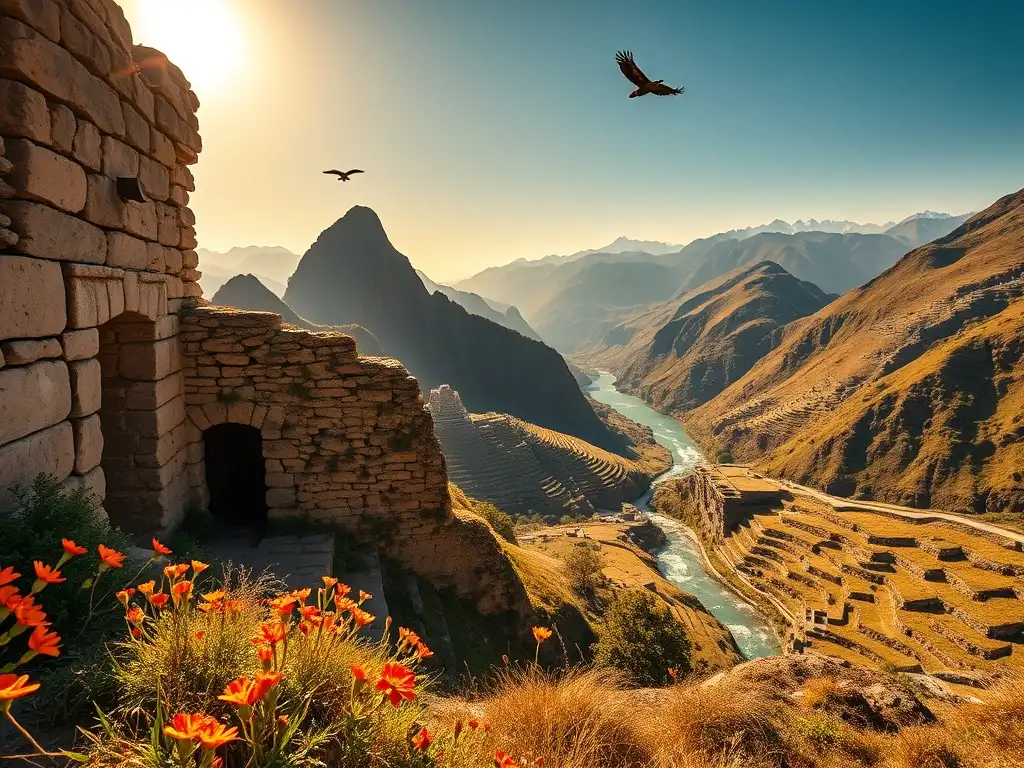
The enduring allure of Ancient Andean civilizations stems from a potent combination of factors, captivating visitors and researchers alike. The sheer scale and sophistication of these ancient societies, their unique artistic expressions, and the palpable connection to a vibrant human past all contribute to the irresistible magic these sites exude. Understanding these elements is key to appreciating the profound impact these civilizations have left on the world. The term "Ancient Andean civilizations allure" perfectly encapsulates this captivating power. Let's delve deeper into the specific aspects that continue to draw us to these remarkable places.
Architectural Marvels: The Engineering Prowess of the Incas and Beyond
The architectural achievements of the Ancient Andean civilizations are nothing short of breathtaking. From the meticulously crafted stonework of Machu Picchu, showcasing the Incas' mastery of dry-stone construction, to the monumental structures of Tiahuanaco, demonstrating an advanced understanding of astronomy and engineering, these sites stand as testaments to human ingenuity. The precision and scale of these constructions remain a source of wonder, defying modern interpretations of available technology.
Consider, for example, the intricate fitting of stones in Inca structures – often so precise that a knife blade cannot be inserted between them. This level of craftsmanship, achieved without mortar, speaks volumes about their advanced understanding of engineering principles and their dedication to precision. Similarly, the massive stone blocks of Tiahuanaco, some weighing many tons, raise questions about their transportation and placement, suggesting sophisticated organizational skills and advanced tools.
The sheer scale of these projects, coupled with their remarkable precision, continues to inspire awe and wonder. The impact of this architectural prowess is undeniable, contributing significantly to the lasting allure of these Ancient Andean civilizations.
Art and Symbolism: Unraveling the Secrets of Andean Culture
Beyond the impressive architecture, the art and symbolism of the Ancient Andean civilizations provide a fascinating window into their beliefs, rituals, and social structures. The intricate textiles, pottery, and metalwork of the Nazca, Moche, and Inca cultures are rich in symbolic meaning, often depicting deities, mythical creatures, and scenes from daily life. These artifacts offer invaluable insights into the worldview and spiritual beliefs of these societies, adding another layer to their enduring fascination.
The Nazca Lines, for instance, remain a source of ongoing debate and speculation, with their vast scale and enigmatic designs continuing to captivate researchers and visitors alike. Similarly, the Moche pottery, known for its realistic depictions of human figures and scenes of ritual sacrifice, offers a glimpse into their complex social hierarchy and religious practices.
The intricate iconography found across various Andean cultures, from the textiles of the Inca to the ceramics of the Wari, reveals a sophisticated understanding of symbolism and a deep connection to the natural world. This rich artistic heritage significantly contributes to the "Ancient Andean civilizations allure," making these sites incredibly captivating.
The Human Story: Connecting with the People of the Past
Perhaps the most powerful aspect of the Ancient Andean civilizations allure is the opportunity to connect with the people who lived there centuries ago. By exploring these sites, we are not simply observing stones and artifacts; we are engaging with the legacy of a vibrant human civilization. We can imagine their daily lives, their struggles, and their triumphs, fostering a deeper understanding of human history and our shared heritage.
Walking through the ruins of a once-thriving city, we can almost hear the echoes of their voices, feel the weight of their history, and appreciate their enduring resilience. The artifacts discovered in these sites – tools, weapons, textiles, and ceramics – provide tangible links to the people of the past, allowing us to reconstruct their lives and understand their world.
This personal connection, this ability to bridge the gap across millennia, is a potent element of the "Ancient Andean civilizations allure," leaving an indelible mark on every visitor. The human story, woven into the very fabric of these ancient sites, continues to captivate and inspire.
Planning Your Journey: How to Experience the Allure Firsthand

This section focuses on practical advice for experiencing the captivating allure of Ancient Andean civilizations firsthand. We'll delve into the specifics of preparing for your journey, choosing suitable tours, and making the most of your time at these remarkable archaeological sites. Understanding these aspects will significantly enhance your appreciation for the rich history and cultural significance preserved within these locations. The allure of these ancient sites is heightened by careful planning and a respectful approach.
Essential Gear: Preparing for Your Archaeological Adventure
Visiting ancient Andean sites requires careful preparation. The high altitude, varying weather conditions, and often rugged terrain demand specific gear. Packing appropriately ensures a comfortable and safe exploration, allowing you to fully immerse yourself in the experience. Neglecting proper preparation can detract from the overall allure of the sites.
Consider these essentials:
- High-altitude clothing: Layers are crucial. Pack thermal underwear, fleece jackets, a waterproof and windproof outer shell, warm socks (wool or synthetic), and a hat. Altitude sickness is a real concern, and dressing warmly helps regulate your body temperature.
- Sturdy footwear: Hiking boots with good ankle support are non-negotiable. The trails can be uneven and steep, and proper footwear prevents injuries, allowing you to fully appreciate the ancient wonders.
- Sunscreen and hat: The sun at high altitudes is intense. High SPF sunscreen and a wide-brimmed hat are essential to protect your skin from harmful UV rays.
- Water bottle or hydration pack: Staying hydrated is vital, especially at high altitudes. Carry plenty of water, or consider a hydration pack for easier access.
- First-aid kit: Pack a basic first-aid kit containing bandages, antiseptic wipes, pain relievers, and any personal medications.
- Camera and extra batteries: Capture the breathtaking views and intricate details of these ancient sites. Remember to bring extra batteries, as cold temperatures can drain them quickly.
- Binoculars: Enhance your viewing experience, especially when observing details from a distance.
Choosing the Right Tour: Guided Experiences for a Deeper Understanding
While independent exploration is possible, a guided tour significantly enhances the experience. Expert guides provide invaluable context, enriching your understanding of the history, culture, and significance of the sites. They can point out subtle details you might miss, making the allure of the ancient civilizations even more captivating.
Choosing the right tour depends on your interests and preferences:
- Archaeological Focus: Some tours emphasize the archaeological aspects, delving into the construction techniques, societal structures, and daily life of the ancient inhabitants.
- Cultural Immersion: Other tours incorporate the cultural context, exploring the legacy of the ancient civilizations in contemporary Andean society.
- Adventure Tours: For the more adventurous, combined hiking and archaeological tours offer a unique perspective on the sites.
- Small Group Tours: These provide a more personalized experience with greater interaction with the guide and fellow travelers.
Consider factors like tour length, transportation, included meals, and the guide's expertise when making your selection. A well-chosen tour can transform a simple visit into a truly enriching and memorable experience.
Maximizing Your Visit: Tips for Responsible and Rewarding Exploration
Respect for the sites and their cultural significance is paramount. Responsible exploration ensures the preservation of these invaluable historical treasures for future generations. The allure of the Ancient Andean civilizations is directly linked to their preservation.
Here are some guidelines for maximizing your visit:
- Stay on marked trails: Avoid damaging delicate archaeological features.
- Do not touch or remove artifacts: These are irreplaceable pieces of history.
- Respect local customs and traditions: Learn about appropriate behavior before your visit.
- Support local communities: Patronize local businesses and guides to contribute to the economic well-being of the region.
- Leave no trace: Pack out everything you pack in, leaving the sites as you found them.
- Be mindful of altitude sickness: Take it easy on your first day, allowing your body to acclimatize.
By following these guidelines, you can ensure a rewarding and responsible exploration of the Ancient Andean civilizations, leaving a positive impact while experiencing their captivating allure. Remember, responsible tourism helps preserve these sites for years to come.
The Lasting Impact: Why the Allure of Ancient Andean Civilizations Endures
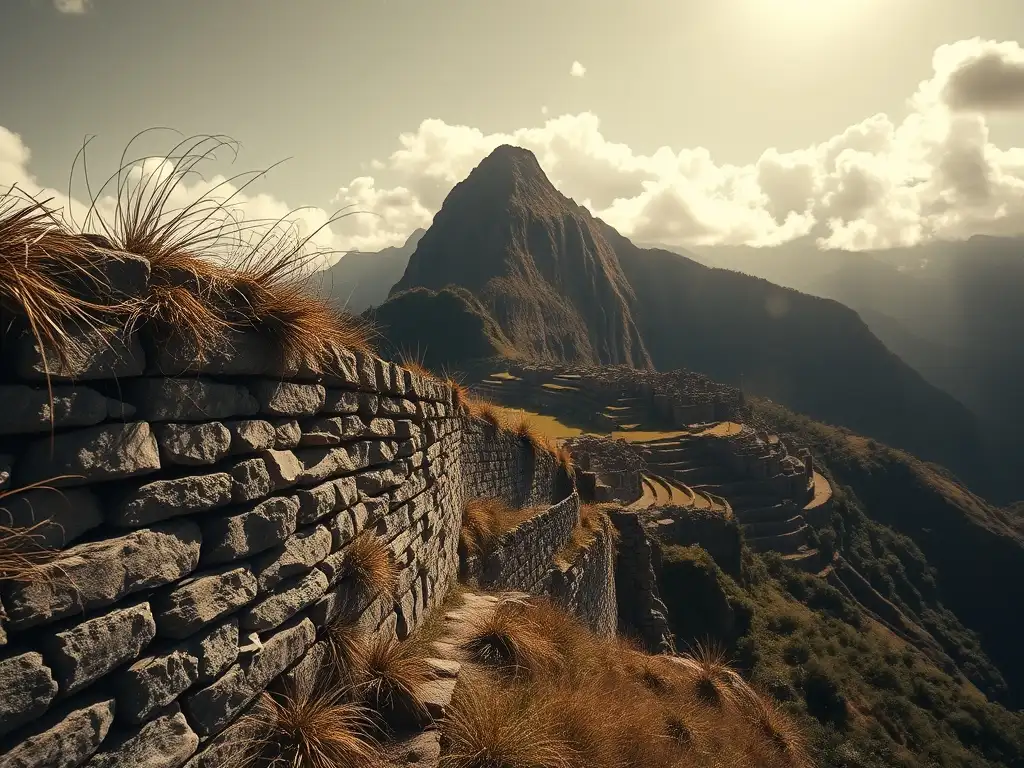
The enduring fascination with Ancient Andean civilizations stems from a potent combination of factors. It's not simply about crumbling stone walls and dusty artifacts; it's about a profound connection to a rich and complex past that continues to resonate with us today. The allure of these sites lies in their ability to transport us to another time, to challenge our understanding of human ingenuity, and to inspire awe at the scale of human achievement.
The sheer artistry and engineering prowess displayed in sites like Machu Picchu, the Nazca Lines, and the monumental structures of Tiahuanaco continue to amaze archaeologists and the public alike. This enduring appeal is fueled by several key elements: the mystery surrounding certain aspects of these cultures, the breathtaking landscapes that serve as their backdrop, and the sheer scale of their accomplishments, defying the limitations of their technological resources.
The mystery surrounding the precise methods used to construct these incredible sites, coupled with the enduring questions about the societal structures and daily lives of these people, keeps researchers and visitors alike captivated. This inherent mystery is a significant factor in the enduring "Ancient Andean civilizations allure."
The Importance of Preservation: Protecting These Sites for Future Generations
Preservation efforts are crucial not just for historical accuracy but also for the continued fascination with these sites. The challenge lies in balancing the desire for access with the need to protect these fragile monuments from the ravages of time and human impact. Sustainable tourism initiatives, responsible archaeological practices, and robust conservation programs are paramount.
For example, the implementation of strict visitor regulations at Machu Picchu, including limited daily entry numbers and designated pathways, demonstrates a commitment to preserving this invaluable site for future generations. This dedication to preservation isn't merely about maintaining physical structures; it's about safeguarding the cultural heritage and the stories embedded within these ancient stones.
Failure to protect these sites would represent a significant loss, not only to the historical record but also to the ongoing "Ancient Andean civilizations allure" that draws millions of visitors each year. The economic benefits of responsible tourism also underscore the importance of these preservation efforts, creating a sustainable model that benefits both local communities and the sites themselves.
The study of Ancient Andean civilizations offers a unique window into our shared human history. These cultures developed sophisticated agricultural techniques, intricate social structures, and remarkable artistic expressions, all within challenging geographical environments. Understanding their innovations in areas such as astronomy, irrigation, and urban planning provides valuable insights into human resilience and adaptability.
By studying their successes and failures, we gain a deeper understanding of human behavior, societal development, and the long-term consequences of our actions. The lessons learned from these ancient societies are remarkably relevant to contemporary challenges, particularly in areas such as sustainable resource management and community development.
Connecting with this past allows us to better understand our present and, potentially, to shape a more sustainable future. This connection to the past is a fundamental part of the ongoing "Ancient Andean civilizations allure," a testament to our innate desire to understand our origins and place within the broader tapestry of human history.
Beyond the Ruins: The Timeless Lessons of Ancient Andean Wisdom
Beyond the impressive architectural feats and intriguing artifacts lies a wealth of knowledge embedded within the cultural practices and philosophical perspectives of these ancient Andean societies. Their intricate understanding of the natural world, reflected in their agricultural techniques and astronomical observations, offers valuable insights into sustainable living and harmonious coexistence with nature. Their complex social structures, while often hierarchical, also demonstrate the importance of community, reciprocity, and collective action.
Examining these aspects reveals a sophisticated worldview that transcends the physical remains of their civilization. The enduring appeal of these civilizations extends beyond the tangible; it resides in the timeless wisdom embedded within their cultural legacy.
This wisdom, preserved through archaeological discoveries and ongoing research, continues to inspire and inform us today, further contributing to the compelling "Ancient Andean civilizations allure." The study of their cosmology, their intricate systems of belief, and their artistic expressions adds another layer of depth to our understanding and appreciation of these remarkable cultures.
Embrace the Allure: Start your Andean Adventure Today!
The enduring allure of the Ancient Andean civilizations isn't just about history books and museum exhibits; it's about a tangible connection to a vibrant past. These sites whisper stories of ingenuity, resilience, and a profound connection to the natural world. Visiting these archaeological marvels offers a unique opportunity for personal enrichment and a deeper understanding of human history. The experience transcends mere sightseeing; it's a journey into the heart of a civilization that shaped the very landscape we see today.
Imagine standing amidst the towering ruins of Machu Picchu, feeling the mist of the Andes caress your skin as you ponder the intricate stonework and the echoes of a lost empire. Or picture yourself tracing the enigmatic lines of the Nazca geoglyphs, marveling at the scale and precision of a feat of engineering that remains partially unexplained. This isn't just about looking at artifacts; it's about feeling the energy of a place, connecting with the spirit of a people, and experiencing the profound impact of a civilization that continues to inspire awe and fascination centuries later. The sheer scale of these sites, the breathtaking landscapes they inhabit, and the mysteries they hold all contribute to an unforgettable experience that will stay with you long after you've left.
Plan your trip today and immerse yourself in the captivating world of Ancient Andean civilizations. Let the allure of the past guide you on an adventure that will awaken your soul and expand your understanding of humanity's rich tapestry. Don't just read about it – experience it. The Andes await.
Frequently Asked Questions
What makes the Ancient Andean civilizations so alluring?
The Ancient Andean civilizations allure stems from a combination of factors: their remarkable engineering feats, such as Machu Picchu; their unique artistic styles evident in pottery and textiles; and the mysteries surrounding their advanced societal structures and sudden declines.
What are some of the key achievements of the Andean civilizations?
The Andean civilizations achieved significant advancements in agriculture, developing sophisticated irrigation systems; masterful metalworking, creating intricate gold and silver objects; and innovative urban planning, evident in the meticulously designed cities like Chan Chan.
Which civilizations are considered part of the Andean world?
The term "Andean civilizations" encompasses a wide range of cultures, including the Incas, Moche, Nazca, Tiahuanaco, and many others, each with its own distinct characteristics and contributions to the region's rich history.
How did the environment influence Andean cultures?
The challenging Andean environment, with its high altitudes and diverse climates, significantly shaped Andean cultures. Their ingenuity is reflected in their adaptive agricultural techniques and their remarkable ability to thrive in diverse ecological zones.
Where can I learn more about the allure of the Ancient Andean civilizations?
You can explore further by visiting museums with Andean artifact collections, reading books and academic articles on the subject, and even planning a trip to Peru or other Andean countries to experience these sites firsthand.
Final Reflection: Echoes of the Andes: A Legacy That Endures
The enduring allure of the Ancient Andean civilizations isn't just a historical curiosity; it's a powerful testament to human ingenuity and resilience, a legacy that continues to shape our understanding of ourselves and the world. These magnificent sites, from Machu Picchu's breathtaking heights to the intricate artistry of Nazca lines, speak to a sophisticated culture that thrived in challenging landscapes, leaving behind a rich tapestry of knowledge and inspiration. Their continued fascination underscores our innate human desire to connect with the past and learn from those who came before us.
The impact of these ancient cultures extends far beyond the archaeological sites themselves. Their innovative agricultural techniques, complex social structures, and profound spiritual beliefs continue to resonate in modern Andean societies and inspire contemporary artists, architects, and thinkers. The past is never dead. It's not even past.
- William Faulkner. This quote perfectly encapsulates the enduring influence of the Andean civilizations, reminding us that their stories, innovations, and struggles remain relevant and deeply interwoven with the present. Their legacy challenges us to consider our own relationship with the land, our communities, and the enduring power of human creativity.
Consider the echoes of these ancient civilizations in your own life. What aspects of their ingenuity, resilience, or spiritual practices resonate with you? Take a moment to reflect on the enduring power of human connection across time and space. Perhaps you'll find yourself drawn to explore further, to visit these sites in person, or to delve deeper into the rich history and culture of the Andes. Let the allure of the ancient inspire you to appreciate the past, engage with the present, and build a future informed by the wisdom of those who came before.
Unleash Your Inner Explorer – Discover Ancient Wonders!
Thank you for exploring the captivating world of ancient civilizations! You've discovered why these historical sites fascinate us, and now you can deepen your knowledge and appreciation.
Here's how you can further connect with the allure of the past:
- Plan your next adventure: Choose an ancient site from the article—perhaps the majestic pyramids of Giza or the enigmatic Machu Picchu—to research further or even visit! Let the wonders inspire you.
- Share your thoughts: Join our community by sharing this article with friends or on social media. Let's spread the appreciation for ancient history!
- Dive deeper: Expand your understanding by reading a book or watching a documentary about a specific civilization, such as the Romans, the Egyptians, or the Maya. Fuel your fascination!
As you continue your journey of discovery, we'd love to hear from you! Which ancient site captivates you most, and why? Share your thoughts in the comments below!