
Interactive Exploration: Using Technology to Discover the Past

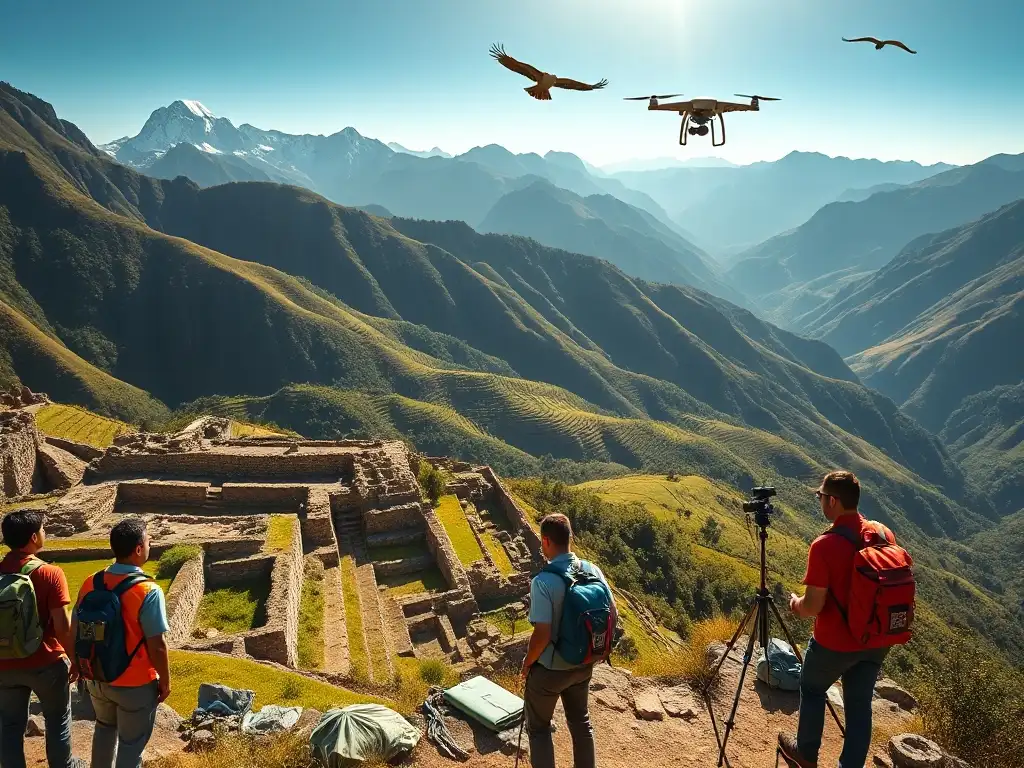
Unravel the mysteries of the Andean civilizations! Prepare to be amazed by the ingenuity and sophistication of their achievements. From the towering heights of Machu Picchu to the intricate Nazca Lines, we delve into the fascinating world of Ancient Andean civilizations technology, revealing secrets long buried beneath the sands of time. Discover how these remarkable cultures shaped their environment and left an enduring legacy. Ready to embark on this captivating journey? Let's explore!
- Interactive Exploration: Using Technology to Discover the Past in Ancient Andean Civilizations
- The Power of Digital Archaeology in Understanding Andean History
-
Exploring Specific Andean Technological Marvels Through Digital Reconstructions
- The Engineering Genius of the Incas: Analyzing Machu Picchu's Construction with Autodesk Revit
- Moche Pottery and Art: Digital Analysis and 3D Printing of Artifacts
- Nazca Lines Decoded: Using Drones and GIS to Map and Interpret the Geoglyphs
- Tiahuanaco's Architectural Prowess: Recreating Puma Punku's Structures with Blender
-
Monetizing the Exploration: Products and Services for Deeper Understanding
- Virtual Tours of Andean Sites: Engaging Experiences with Google Expeditions
- Archaeological Reconstruction Software: Tools for Researchers and Enthusiasts
- Educational Resource: Books and Digital Materials on Andean Technology
- Affiliate Programs: Promoting Travel Packages to Andean Archaeological Sites with Intrepid Travel
- Creating and Selling Digital Resources: E-books, Guides, and Online Courses
- Merchandise and Souvenirs: Selling High-Quality, Ethically Sourced Items
- The Future of Andean Archaeology: Technology and Accessibility
-
Frequently Asked Questions
- What technological advancements did the Ancient Andean civilizations achieve?
- How did Andean technology influence their agricultural practices?
- What materials did Andean civilizations primarily use for their technology?
- Were there any significant differences in technology between different Andean cultures?
- How has modern technology helped us understand Ancient Andean civilizations?
- Final Reflection: Echoes of the Andes in the Digital Age
- Unleash Your Curiosity and Explore History!
Interactive Exploration: Using Technology to Discover the Past in Ancient Andean Civilizations
The Andes Mountains, a spine of towering peaks running down the western coast of South America, are home to a rich tapestry of ancient civilizations. For centuries, these cultures—including the Incas, Moche, Nazca, and Tiahuanaco—developed sophisticated technologies and left behind remarkable archaeological sites.
Understanding these advancements requires more than just careful excavation; it necessitates a collaborative approach utilizing cutting-edge technology to piece together the puzzle of their past. This article explores how modern tools are revolutionizing our understanding of Ancient Andean civilizations technology, offering unprecedented insights into their ingenuity and resourcefulness.
We'll delve into specific examples of technological applications in archaeological research, highlighting the ways in which these advancements are bringing us closer to a deeper appreciation of these fascinating cultures and their remarkable achievements. From virtual reconstructions to advanced imaging techniques, we will uncover how technology is not just assisting in discovery, but actively shaping our comprehension of these ancient Andean societies.
Unveiling the Secrets of Ancient Andean Technology with Modern Tools
The study of Ancient Andean civilizations technology has been significantly enhanced by the integration of modern tools. Archaeologists are no longer limited to traditional methods of excavation and analysis. Instead, a powerful arsenal of technologies is now employed, ranging from ground-penetrating radar (GPR) to 3D modeling and GIS mapping. These advancements allow for a more comprehensive and less intrusive investigation of archaeological sites, minimizing damage and maximizing the preservation of valuable artifacts.
For example, GPR is used to create subsurface images of sites before any excavation begins, helping researchers identify potential areas of interest and plan excavations more strategically. This significantly reduces the time and resources spent on potentially unproductive digs. Furthermore, the use of LiDAR (Light Detection and Ranging) allows for the creation of high-resolution 3D models of landscapes, revealing previously unknown features such as ancient irrigation systems or settlements hidden beneath vegetation. This is particularly useful in regions with dense vegetation, where traditional methods might miss crucial details.
The integration of GIS (Geographic Information Systems) technology allows archaeologists to map and analyze spatial data from multiple sources, including satellite imagery, aerial photography, and ground surveys. This enables them to create comprehensive maps of ancient settlements, agricultural areas, and transportation networks, providing valuable insights into the organization and complexity of these societies. Consider the intricate network of roads and bridges constructed by the Incas, a feat of engineering that only became truly understandable with the aid of GIS mapping.
Digital Reconstruction and Virtual Reality: Bringing the Past to Life
Beyond the initial stages of discovery, technology plays a crucial role in reconstructing and interpreting the findings. 3D scanning and photogrammetry techniques allow researchers to create incredibly detailed digital models of artifacts and structures. These models can then be used to virtually reconstruct ancient buildings, revealing their original appearance and offering researchers a chance to study their construction techniques in unprecedented detail.
Moreover, virtual reality (VR) and augmented reality (AR) are transforming the way we experience these ancient sites. VR allows users to immerse themselves in a digital reconstruction of a past environment, experiencing it as if they were present thousands of years ago. This provides a powerful educational tool and allows a broader audience to connect with these ancient cultures in a more meaningful way.
Imagine exploring the interior of a Moche pyramid, or walking through a Nazca geoglyph, all from the comfort of your own home, thanks to VR technology. This level of engagement fosters a deeper understanding and appreciation for the ingenuity and artistry of these ancient builders. The potential for future applications in this area is immense, with possibilities ranging from interactive museum exhibits to educational games and virtual tours.
Advanced imaging techniques, such as X-ray fluorescence (XRF) and multispectral imaging, are providing invaluable insights into the materials and techniques used by ancient Andean civilizations. XRF allows researchers to analyze the elemental composition of artifacts without causing damage, revealing information about the origin of raw materials and the manufacturing processes employed. Multispectral imaging can reveal details hidden to the naked eye, such as pigments in faded murals or inscriptions on weathered stone.
These techniques are instrumental in understanding the sophistication of ancient Andean metallurgy, pottery production, and textile weaving, providing crucial information about their technological capabilities and trade networks. The applications of these technologies are constantly expanding, promising to unlock even more secrets from these ancient societies in the years to come. The detailed analysis made possible by these tools significantly enhances our understanding of the materials and processes used in creating everything from intricate textiles to sophisticated metalwork.
The Power of Digital Archaeology in Understanding Andean History
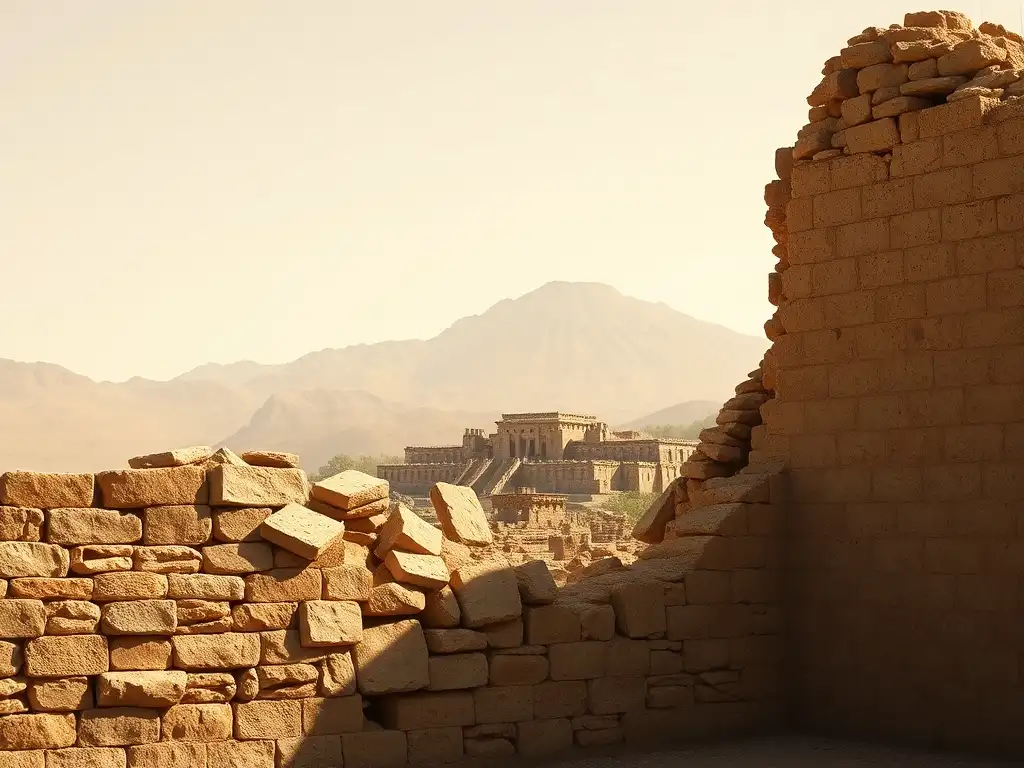
Digital archaeology has revolutionized our understanding of Ancient Andean civilizations technology, offering unprecedented opportunities to explore, analyze, and preserve these remarkable cultures. By leveraging cutting-edge technologies, researchers are able to overcome the limitations of traditional archaeological methods, gaining new insights into the daily lives, societal structures, and technological advancements of these fascinating societies. This section will explore some key applications of digital tools in Andean archaeological research, highlighting their impact on our understanding of these ancient civilizations.
The sophisticated techniques employed, from 3D modeling to interactive mapping, are not only enhancing our knowledge but also making the wonders of the Andean past accessible to a wider audience. This democratization of access to archaeological knowledge is crucial for promoting cultural heritage preservation and understanding.
3D Modeling: Reconstructing Lost Andean Cities and Structures
3D modeling has become an indispensable tool in reconstructing lost Andean cities and structures. Using techniques like photogrammetry and laser scanning, archaeologists can create highly accurate digital models of sites, even those that are severely damaged or inaccessible. For example, detailed 3D models of Machu Picchu, Ollantaytambo, and Chan Chan allow researchers to study the architectural intricacies of these sites in ways that were previously impossible.
The ability to virtually “walk through” these structures provides invaluable insights into their design, construction methods, and overall functionality. Furthermore, these models can be used to simulate past environments, helping researchers understand how these cities adapted to their surroundings. This is particularly useful in reconstructing the complex water management systems that were crucial to the survival of Andean civilizations.
Analysis of 3D models also allows for the precise measurement of structures, the identification of previously unnoticed details, and the creation of virtual tours for educational and public engagement purposes. The level of detail achievable allows for the identification of subtle variations in construction techniques across different periods and regions, offering crucial insights into the evolution of Andean architectural styles and technologies. The creation of these digital archives also ensures the preservation of these sites for future generations, mitigating the risks of damage or destruction.
Immersive Virtual Reality Experiences: Walking Through Ancient Inca Trails
Immersive virtual reality (VR) experiences are transforming the way we engage with Ancient Andean civilizations technology and history. By creating interactive VR environments based on 3D models and archaeological data, researchers can transport users to ancient sites, allowing them to experience these places in a uniquely engaging way. Imagine walking along the Inca Trail, experiencing the steep inclines and stunning vistas as the ancient Incas would have, or exploring the intricate network of tunnels and chambers beneath a Moche pyramid.
VR experiences can also be used to simulate daily life in ancient Andean communities, allowing users to participate in virtual reconstructions of activities like weaving, pottery making, or agricultural practices. This immersive approach enhances learning and understanding, making abstract historical concepts more tangible and relatable. Moreover, VR technology offers opportunities for remote collaboration among researchers, allowing experts from across the globe to study and analyze sites together, regardless of their physical location.
The development of increasingly sophisticated VR technologies promises to further enhance the realism and educational potential of these experiences, unlocking new possibilities for archaeological research and public engagement. The potential for accessibility is particularly exciting, bringing the wonders of the Andes to classrooms and museums worldwide.
Interactive Maps and GIS: Locating and Analyzing Andean Archaeological Sites
Geographic Information Systems (GIS) and interactive maps are vital tools in the ongoing exploration and analysis of Ancient Andean civilizations technology. These tools allow researchers to map the distribution of archaeological sites across the Andes, identifying patterns and relationships that might not be apparent through traditional methods. By overlaying different datasets, such as elevation data, climate models, and resource availability maps, researchers can gain insights into factors that influenced the location and development of Andean settlements.
For instance, GIS analysis can reveal the strategic placement of Inca road networks along mountain passes or the relationship between agricultural terraces and water sources in pre-Inca societies. Moreover, interactive maps can be used to create public-facing resources, allowing anyone to explore the locations of significant archaeological sites and learn more about their historical context.
These tools facilitate a deeper understanding of the spatial organization of Andean societies, their resource management strategies, and their adaptation to the challenging Andean environment. The ongoing development of GIS technology, incorporating high-resolution satellite imagery and advanced analytical capabilities, promises to further enhance our ability to locate, map, and understand the vast archaeological landscape of the Andes, unlocking even more secrets of these remarkable civilizations.
Exploring Specific Andean Technological Marvels Through Digital Reconstructions
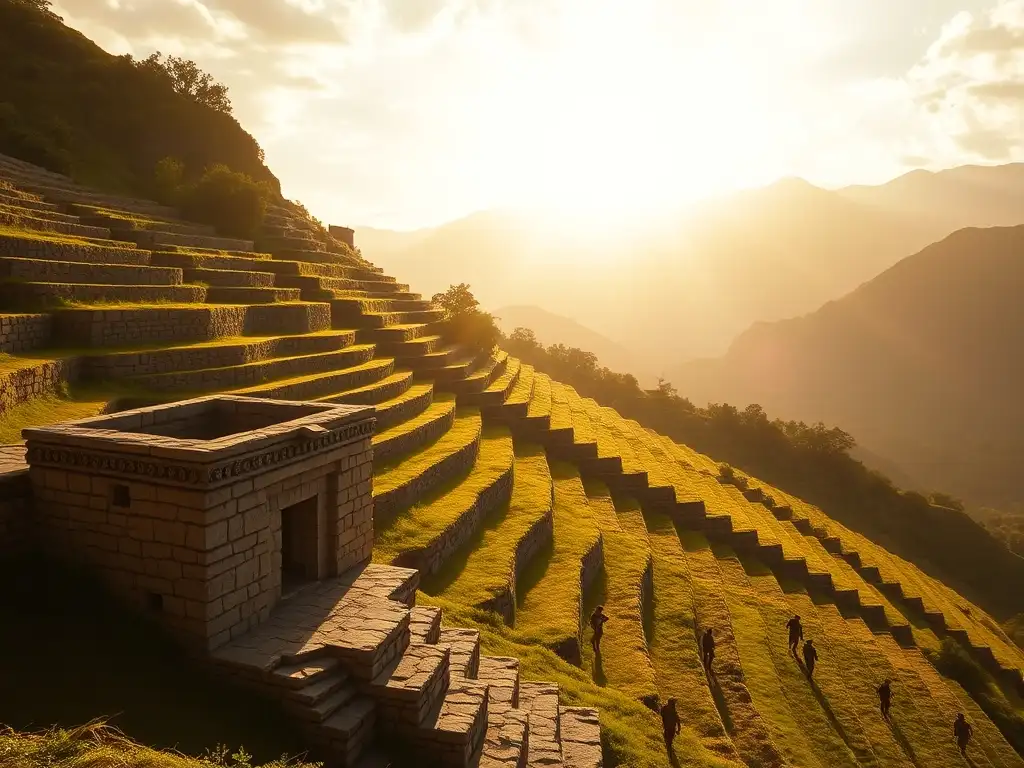
This section delves into how modern technology allows us to better understand the ingenuity of Ancient Andean civilizations. By applying digital reconstruction techniques, we can gain new insights into their architectural prowess, artistic skills, and complex societal structures, enriching our understanding of their technological achievements. The use of software like Autodesk Revit, 3D printing, drones, and Geographic Information Systems (GIS) are revolutionizing the way we study these fascinating cultures, providing unprecedented levels of detail and analysis.
This approach is crucial for preserving and interpreting these fragile historical sites and artifacts for future generations, offering a powerful lens through which to examine the remarkable technological capabilities of Ancient Andean civilizations. The application of these technologies offers a dynamic and interactive way to engage with the past, furthering our appreciation for the sophistication of these ancient societies.
The Engineering Genius of the Incas: Analyzing Machu Picchu's Construction with Autodesk Revit
Machu Picchu, the iconic Incan citadel, stands as a testament to the sophisticated engineering skills of the Inca civilization. Its construction, perched high in the Andes Mountains, presents numerous challenges that highlight the Incas' mastery of stonework, hydraulics, and urban planning. Modern technology, specifically the use of Autodesk Revit, a Building Information Modeling (BIM) software, allows for detailed analysis of Machu Picchu's construction techniques.
By creating 3D models based on archaeological surveys and existing structures, researchers can virtually reconstruct the city, simulating its construction process and analyzing the intricate interplay of its various elements. This digital approach allows for a deeper understanding of the precision and planning involved in constructing such a complex site, revealing details otherwise lost to time and decay. For example, Revit allows for the analysis of the precise angles and interlocking of the stones, showcasing the Incas' advanced understanding of structural engineering and their ability to work with the challenging terrain.
The use of Revit helps us to quantify the immense effort involved, further highlighting the advanced level of organization and planning inherent within Inca society. This virtual reconstruction not only helps preserve the site digitally but also offers new perspectives on the ingenuity of the Inca builders.
Moche Pottery and Art: Digital Analysis and 3D Printing of Artifacts
The Moche culture, known for its exquisite pottery and intricate metalwork, left behind a rich artistic legacy. Their ceramic vessels, often depicting scenes of daily life, warfare, or mythology, provide invaluable insights into their society and beliefs. Digital technology plays a vital role in preserving and analyzing these fragile artifacts.
High-resolution digital photography and photogrammetry allow for the creation of detailed 3D models of the pottery, enabling researchers to study their intricate designs and surface details without physically handling the originals. This minimizes the risk of damage and allows for detailed measurements and analysis that would be impossible with traditional methods. Furthermore, 3D printing technology allows for the creation of accurate replicas, providing valuable tools for educational purposes and museum exhibitions.
These replicas can be used for research and study without risking damage to the original artifacts. The digital analysis of Moche pottery, coupled with 3D printing capabilities, offers a powerful combination for preserving and disseminating knowledge about this remarkable Ancient Andean civilization's artistic achievements. This innovative approach ensures that future generations can appreciate the artistry and technical skill involved in creating these intricate pieces.
Nazca Lines Decoded: Using Drones and GIS to Map and Interpret the Geoglyphs
The enigmatic Nazca Lines, vast geoglyphs etched into the Peruvian desert, continue to fascinate and challenge researchers. Their scale and complexity pose significant challenges to traditional methods of study. The advent of drone technology and Geographic Information Systems (GIS) has revolutionized our ability to map, analyze, and interpret these mysterious figures.
Drones equipped with high-resolution cameras provide detailed aerial imagery, allowing for precise mapping of the lines and their intricate details. This data is then integrated into GIS software, enabling researchers to analyze the spatial relationships between different geoglyphs, identify patterns, and explore potential interpretations. The use of GIS allows for the overlay of various datasets, such as soil analysis and satellite imagery, providing a more comprehensive understanding of the environmental context of the lines.
This multi-faceted approach, combining drone technology and GIS, provides a far more detailed and accurate understanding of the Nazca Lines than previously possible. This technology allows researchers to explore new hypotheses regarding their purpose and creation, offering a more complete picture of the sophisticated knowledge and planning capabilities of the Nazca culture. The application of modern technology to the study of the Nazca Lines continues to unlock new insights into this Ancient Andean civilization's remarkable achievements, further enhancing our understanding of their astronomical knowledge and societal structures.
Tiahuanaco's Architectural Prowess: Recreating Puma Punku's Structures with Blender
Puma Punku, a site within the larger Tiahuanaco complex in Bolivia, stands as a testament to the incredible engineering and architectural skills of the Tiahuanaco culture. Its massive, precisely cut stone blocks, some weighing many tons, have captivated researchers and the public alike for centuries. The precise methods used to quarry, transport, and assemble these stones remain a subject of ongoing debate and fascination, fueling numerous theories about advanced technology or even extraterrestrial intervention. However, modern technology offers new ways to explore these mysteries.
Digital reconstruction using software like Blender allows researchers to create highly detailed three-dimensional models of Puma Punku's structures. By meticulously analyzing surviving structures and archaeological evidence, including detailed photographs and ground-penetrating radar scans, archaeologists and digital artists can create virtual models that allow for a deeper understanding of the site's original layout and construction techniques.
These reconstructions are not simply visual representations; they offer the opportunity to test hypotheses about construction methods, such as the potential use of ramps, levers, or other tools. The virtual environment allows for manipulation and experimentation, enabling researchers to virtually "move" massive stones and assess the feasibility of different construction scenarios.
For example, Blender's physics engine can simulate the movement of large stone blocks under different conditions, revealing potential challenges and solutions employed by the Tiahuanaco builders. This approach can help us understand the logistical complexities involved in moving and placing these enormous stones with such precision. Furthermore, the 3D models can be used to create interactive virtual tours, allowing the public to explore Puma Punku in a way that was previously impossible.
This immersive experience makes the site accessible to a wider audience and fosters a deeper appreciation for the ancient Andean civilizations' technological achievements. These digital reconstructions are not just static images; they are dynamic tools that contribute significantly to our understanding of Ancient Andean civilizations technology and the ingenuity of the Tiahuanaco people. The ongoing development and refinement of these models promise further insights into this enigmatic site and its builders.
The detailed analysis facilitated by these digital tools offers a far more nuanced understanding than traditional archaeological methods alone. The ability to virtually manipulate and analyze the structures provides a level of insight previously unattainable.
Monetizing the Exploration: Products and Services for Deeper Understanding

The study of Ancient Andean civilizations technology offers a rich field for both academic research and commercial ventures. Turning the discoveries and insights gained from archaeological research into accessible and engaging products and services can not only generate revenue but also significantly broaden public understanding and appreciation of these fascinating cultures. This section explores several avenues for achieving this dual goal, focusing on innovative approaches that marry cutting-edge technology with the rich history of the Andes.
Virtual Tours of Andean Sites: Engaging Experiences with Google Expeditions
Virtual reality (VR) and augmented reality (AR) technologies present incredible opportunities to bring the wonders of Ancient Andean civilizations technology to a global audience. Imagine exploring the intricate irrigation systems of the Nazca, walking through the monumental structures of Tiahuanaco, or even witnessing a Moche ceremony, all from the comfort of your home. Google Expeditions, for example, provides a framework for creating immersive 360° virtual tours.
By leveraging this platform and similar technologies, developers can create engaging and educational experiences that allow users to "visit" these sites without the limitations of time, cost, or physical access. These virtual tours could be monetized through subscriptions, individual site purchases, or even through sponsored content from relevant organizations. The potential for detailed annotations, interactive elements, and expert commentary further enhances the educational value and appeal of these virtual experiences.
High-quality, accurate reconstructions, based on rigorous archaeological research, are crucial to ensure the authenticity and educational value of these products. The detailed modeling of ancient tools, irrigation systems, and architectural features would provide users with a deeper understanding of Ancient Andean civilizations technology.
Archaeological Reconstruction Software: Tools for Researchers and Enthusiasts
The complex technologies employed by the Ancient Andean civilizations—from sophisticated agricultural techniques to intricate metalworking—require sophisticated tools for analysis and reconstruction. Developing user-friendly software that allows researchers and enthusiasts alike to explore these technologies virtually offers a significant market opportunity. This software could include features such as:
- 3D modeling tools: Allowing users to recreate and manipulate virtual models of ancient artifacts and structures.
- Interactive simulations: Demonstrating the functionality of ancient technologies, such as Inca rope bridges or Nazca aqueducts.
- Data visualization tools: Presenting archaeological data in an accessible and engaging manner.
This software could be sold as a subscription service, with different tiers offering varying levels of access and functionality. Furthermore, integration with existing archaeological databases and research papers could significantly increase its value and utility. The accuracy and reliability of the software would be paramount, requiring collaboration with leading experts in Ancient Andean civilizations technology to ensure its educational value. The software could also incorporate augmented reality features, allowing users to overlay digital reconstructions onto real-world locations, further enhancing the user experience.
Educational Resource: Books and Digital Materials on Andean Technology
Beyond virtual experiences and software, there remains a strong demand for high-quality educational materials on Ancient Andean civilizations technology. A series of books and digital resources, encompassing various levels of expertise, could effectively cater to a broad audience—from casual enthusiasts to serious researchers. These materials could include:
- Illustrated books: Presenting accessible overviews of key technologies, with high-quality images and diagrams.
- Interactive ebooks: Incorporating multimedia elements, such as videos and 3D models, to enhance the learning experience.
- Online courses: Offering structured learning pathways on specific aspects of Andean technology.
- Documentaries: Exploring specific technological innovations in detail.
Monetization strategies could involve direct sales, subscriptions to online platforms, or partnerships with educational institutions. The key to success lies in producing accurate, engaging content that is both accessible and scholarly. Careful consideration of the target audience for each resource would be crucial, ensuring a diverse range of materials meets the specific needs and interests of different groups. The inclusion of case studies, detailed analyses of artifacts, and expert interviews would elevate these resources beyond simple summaries and provide a richer understanding of the ingenuity and innovation of these ancient Andean civilizations.
Affiliate Programs: Promoting Travel Packages to Andean Archaeological Sites with Intrepid Travel
Intrepid Travel, a well-known adventure travel company, offers a robust affiliate program perfect for websites focused on Ancient Andean civilizations technology and archaeological sites. Their extensive range of tours includes many focused on Peru and other Andean regions, allowing you to promote trips to iconic sites like Machu Picchu, Sacsayhuamán, and Chan Chan. By becoming an Intrepid affiliate, you can earn a commission on each booking generated through your unique referral link. This is a particularly effective monetization strategy because it directly connects your audience's interest in Ancient Andean civilizations technology with tangible experiences.
The program provides marketing materials like banners and descriptions, simplifying promotion and ensuring consistent branding. Furthermore, Intrepid's commitment to sustainable and responsible tourism aligns well with the educational goals of a website like "Andean Civilizations," enhancing your credibility and attracting environmentally conscious travelers. The commission structure is competitive, and the platform offers comprehensive tracking and reporting tools, allowing you to monitor your performance effectively.
By strategically integrating links to relevant Intrepid tours within your articles about specific archaeological sites or technological advancements of the ancient Andean civilizations, you can seamlessly monetize your content while providing value to your readers. This approach capitalizes on the natural curiosity about the practical aspects of exploring these ancient wonders. Consider focusing on specific tours that emphasize the technological aspects of the sites, such as those highlighting Inca engineering or the sophisticated irrigation systems of the Nazca.
Creating and Selling Digital Resources: E-books, Guides, and Online Courses
The wealth of information surrounding Ancient Andean civilizations technology presents a fantastic opportunity to create and sell digital resources. E-books focusing on specific aspects of Andean technology, such as Inca road construction or Moche metallurgy, could be highly valuable to enthusiasts. Detailed guides to visiting specific archaeological sites, incorporating historical and technological information, can also be lucrative. Moreover, online courses exploring the technological advancements of different Andean cultures, potentially incorporating interactive elements and virtual tours, can offer a more immersive and engaging learning experience.
The key to success lies in providing high-quality, well-researched content that fills a gap in the existing market. Consider offering different pricing tiers, such as basic e-books, premium guides with additional resources, and comprehensive online courses with instructor interaction. Marketing these digital resources through social media, email marketing, and your website itself will be crucial for reaching your target audience. The use of platforms like Gumroad, Teachable, or Thinkific simplifies the process of selling and distributing your digital products.
Remember to clearly showcase the value proposition of each resource, emphasizing the unique insights and practical applications of the information provided. For example, an e-book on Inca masonry techniques could be marketed to architects and engineers interested in sustainable building practices, broadening your audience beyond just history enthusiasts. This approach allows for recurring revenue streams and strengthens your brand as a reliable source of information on Ancient Andean civilizations technology.
Merchandise and Souvenirs: Selling High-Quality, Ethically Sourced Items
Selling merchandise related to Ancient Andean civilizations technology offers a unique way to monetize your website while supporting ethical practices. Instead of mass-produced items, focus on high-quality, ethically sourced souvenirs that reflect the rich cultural heritage of the Andes. This could include handcrafted jewelry inspired by ancient designs, replicas of archaeological artifacts (with clear labeling to avoid confusion with genuine pieces), or books featuring detailed illustrations of Andean technology. Collaborating with artisans from the Andean region ensures fair wages and promotes sustainable economic development in these communities.
By showcasing the craftsmanship and cultural significance of each item, you can add value beyond mere commercialization. This approach aligns perfectly with the educational mission of your website, reinforcing the connection between the past and the present. Offering a diverse range of products at different price points broadens your appeal to a wider audience.
Consider incorporating elements of Andean technology into the design of your merchandise, such as patterns inspired by Inca textiles or motifs representing ancient irrigation systems. Clearly highlighting the ethical sourcing and craftsmanship of your products builds trust with your audience and sets you apart from competitors offering mass-produced souvenirs. This not only generates income but also contributes to the preservation of Andean culture and traditions.
The Future of Andean Archaeology: Technology and Accessibility
The study of Ancient Andean civilizations technology is undergoing a dramatic transformation, fueled by advancements in digital technologies. No longer are archaeologists solely reliant on painstaking manual excavation and traditional analysis methods. Instead, a powerful synergy between cutting-edge technology and accessibility initiatives is revolutionizing our understanding of these fascinating cultures. This integration isn't just about faster data processing; it's about democratizing access to knowledge and ensuring the preservation of irreplaceable heritage for future generations. The potential for discovery and understanding is immense, promising a deeper and more nuanced appreciation of the ingenuity and complexity of Ancient Andean societies.
Citizen Science and Data Collection: Engaging the Public in Archaeological Research
Citizen science initiatives are increasingly vital in expanding the scope of Andean archaeological research. Projects leveraging smartphone apps allow volunteers to geotag and photograph artifacts, contributing valuable data on artifact distribution and site integrity. For example, a project focused on Nazca lines could utilize crowdsourced imagery to detect previously unknown geoglyphs or monitor existing ones for erosion.
This collaborative approach not only accelerates data collection but also fosters a sense of ownership and stewardship among local communities. The increased public engagement also helps to combat illicit trafficking of artifacts by raising awareness and fostering a sense of collective responsibility for protecting these invaluable resources. Furthermore, the integration of 3D modeling software allows for the creation of detailed virtual reconstructions of sites and artifacts, providing accessible resources for education and research worldwide.
Preservation and Conservation: Using Technology to Protect Andean Heritage
The fragile nature of many Andean archaeological sites necessitates innovative preservation techniques. Laser scanning and photogrammetry create highly accurate 3D models of sites, allowing for meticulous documentation before, during, and after conservation efforts. This digital record provides a crucial baseline for monitoring deterioration and evaluating the effectiveness of preservation strategies. For instance, the application of advanced materials science, guided by digital modeling, can lead to the development of tailored conservation treatments for specific artifacts or environmental conditions.
Moreover, the use of drones equipped with high-resolution cameras allows for non-invasive monitoring of remote and challenging-to-access sites, identifying potential threats like erosion or looting before significant damage occurs. This proactive approach is crucial for safeguarding these invaluable sites for future generations. The development of environmentally friendly conservation materials is another key area where technology plays a significant role, ensuring the long-term preservation of Andean heritage without harming the environment.
The Role of AI in Analyzing Ancient Andean Civilization Data
Artificial intelligence (AI) is rapidly changing the landscape of Andean archaeological research. Machine learning algorithms can analyze vast datasets – including satellite imagery, LiDAR scans, and textual records – to identify patterns and anomalies that might be missed by human researchers. For example, AI can be used to identify potential archaeological sites based on subtle variations in vegetation or soil composition.
In analyzing ceramic fragments, AI can assist in classifying styles and identifying potential trade routes based on stylistic similarities. Furthermore, AI-powered natural language processing tools can help researchers analyze ancient texts and inscriptions, uncovering hidden meanings and contextual information.
The use of AI in this field is still nascent, but its potential to unlock new insights into Ancient Andean civilizations technology and culture is enormous. The ethical considerations surrounding the use of AI in archaeological research, such as data privacy and bias in algorithms, must be addressed to ensure responsible and equitable application of these powerful tools.
Frequently Asked Questions
What technological advancements did the Ancient Andean civilizations achieve?
The Andean civilizations developed impressive technologies, including advanced irrigation systems, complex road networks, and remarkable metalworking techniques like gold and silver alloying. Their achievements significantly impacted their societies and environments.
How did Andean technology influence their agricultural practices?
Andean technology was crucial for their agriculture. Terracing, irrigation canals, and fertilizers allowed them to cultivate diverse crops, even in challenging mountainous terrain, supporting large populations.
What materials did Andean civilizations primarily use for their technology?
They utilized readily available resources like stone, wood, metals (gold, silver, copper, bronze), and textiles. Their mastery of these materials is evident in their architecture, tools, and artwork.
Were there any significant differences in technology between different Andean cultures?
Yes, each civilization had its own unique technological strengths. For example, the Nazca were known for their complex irrigation systems, while the Inca excelled in road building and stonework. These variations reflect diverse environmental adaptations and cultural practices.
How has modern technology helped us understand Ancient Andean civilizations?
Archaeological techniques, like ground-penetrating radar and 3D modeling, combined with digital analysis of artifacts, significantly enhance our understanding of their technology, social structures, and daily life. This allows for more accurate and detailed reconstructions.
Final Reflection: Echoes of the Andes in the Digital Age
The innovative use of technology to explore ancient Andean civilizations isn't just an academic pursuit; it's a vital bridge connecting our past to our present, ensuring these remarkable cultures aren't lost to time. The intricate details revealed through digital reconstruction, 3D modeling, and virtual reality experiences offer a level of access previously unimaginable, allowing us to engage with these societies in a profoundly meaningful way. This isn't simply about data; it's about fostering empathy and understanding across millennia.
The impact of this technological approach extends far beyond the academic sphere. It's reshaping how we understand and appreciate diverse cultures, challenging Eurocentric narratives and promoting a more inclusive and nuanced understanding of human history. The past is never dead. It's not even past.
– William Faulkner. This quote rings especially true when considering the vibrant resurgence of Andean history facilitated by modern technology. By making these cultures accessible to a global audience, we're not only preserving their legacy but also inspiring future generations to appreciate the ingenuity and resilience of these ancient peoples.
Consider the implications of this for your own life. How can you use technology to connect with your own history, your own heritage? Perhaps you can explore digital archives related to your family's origins, or use online resources to learn more about the cultures that have shaped your world.
Embrace the power of technology to uncover stories, to build bridges across time, and to foster a deeper appreciation for the rich tapestry of human experience. Let the echoes of the Andes inspire you to explore your own past and contribute to a future where all histories are valued and understood.
Unleash Your Curiosity and Explore History!
Thank you for joining us on this journey into the fascinating world of Andean civilizations! We hope you were inspired by the ways technology is revolutionizing our understanding of the past. Now, let's delve even deeper!
Here are some ways you can actively engage with this topic and expand your historical knowledge:
- Explore online archives and databases: Discover interactive maps of ancient Andean sites and immerse yourself in their rich history.
- Share your discoveries: Discuss your findings with friends, family, or online communities, sparking conversations about the transformative role of technology in archaeology.
- Connect with fellow history enthusiasts: Join a local historical society or online forum to exchange ideas, share resources, and learn from others' experiences.
What aspect of Andean civilization intrigues you most, and how do you envision technology contributing to its further exploration?