
Coastal Wonders: Unveiling the Secrets of Chan Chan, the Largest Mud City

Prepare to be amazed. Journey with us into the heart of the Andes, a land teeming with lost empires and untold stories. For centuries, the secrets of the ancient Andean civilizations, including the Incas, Moche, and Nazca, have captivated the world. But none are more enigmatic than Chan Chan, the largest mud city ever built. Discover the astonishing ingenuity and hidden wonders of this pre-Columbian metropolis – uncover the secrets of Chan Chan and unlock a chapter of history rarely explored. Dare to delve deeper?
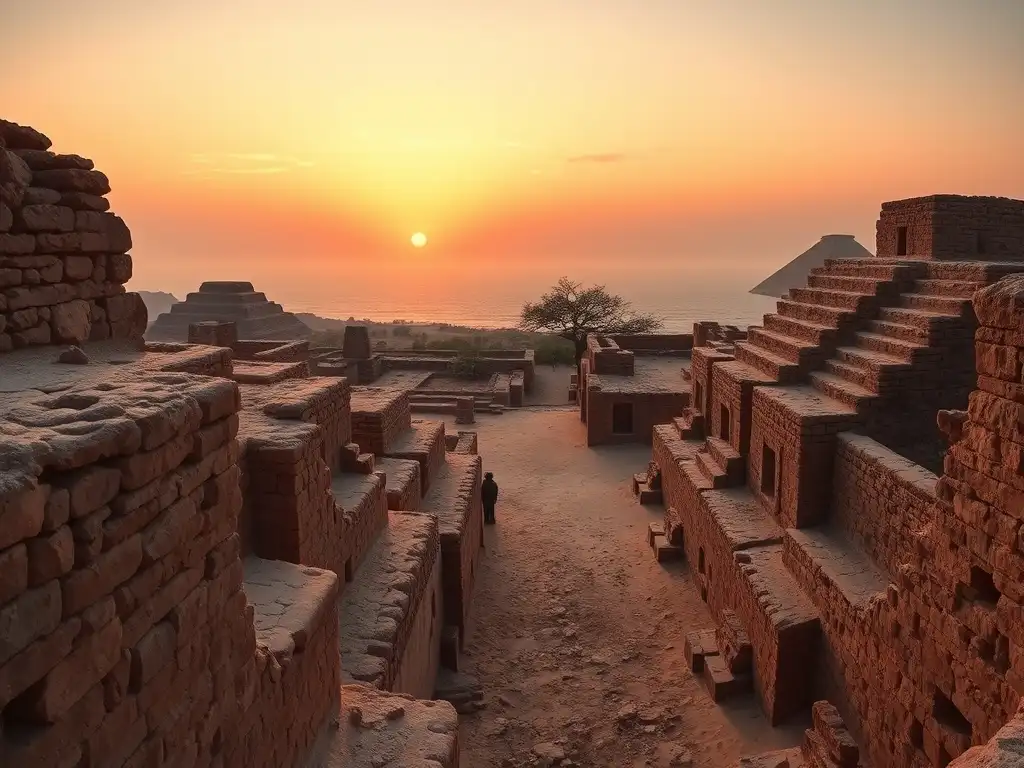
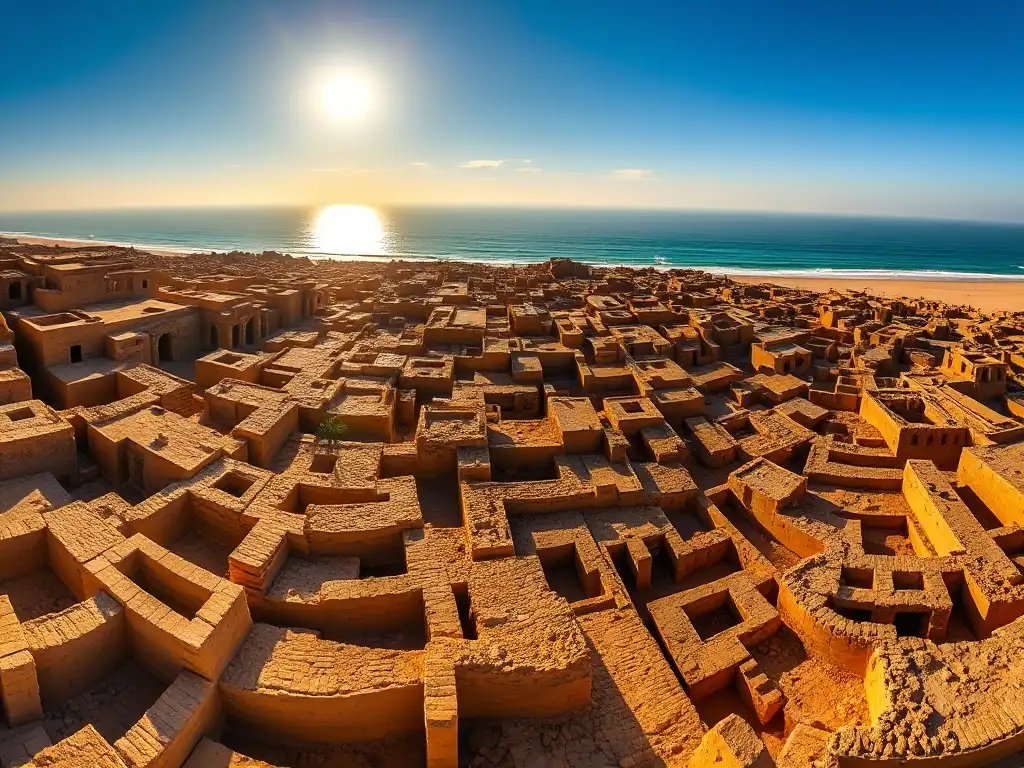
Chan Chan, the sprawling adobe city on Peru's northern coast, stands as a testament to the ingenuity and power of the Chimú civilization. This remarkable archaeological site, once the capital of the Chimú kingdom, boasts the title of the largest pre-Columbian city constructed entirely of mud bricks in the Americas. Its intricate network of palaces, temples, and residential areas offers a fascinating glimpse into the lives, beliefs, and sophisticated urban planning of a civilization that flourished centuries ago.
This article delves into the secrets of Chan Chan, exploring its history, architecture, and the mysteries that continue to captivate archaeologists and visitors alike. We'll uncover the ingenuity behind its construction, the significance of its unique design, and provide practical advice for planning your own unforgettable journey to this remarkable site. Prepare to be amazed by the enduring legacy of Chan Chan, a true wonder of the ancient Andean world.
Introduction: Journey to Chan Chan's Ancient Majesty
Imagine stepping back in time, walking through the sun-baked walls of a city that once thrived as the heart of a powerful kingdom. That's the experience awaiting you at Chan Chan, a city that sprawls across over 20 square kilometers of Peru's arid coastal plain. Built by the Chimú between the 13th and 15th centuries, Chan Chan was not merely a collection of buildings; it was a meticulously planned urban center, a testament to the advanced societal organization and engineering prowess of its inhabitants.
Its massive adobe structures, intricately decorated with geometric patterns and relief carvings, stand as a powerful symbol of the Chimú's sophisticated culture and their mastery of adobe construction techniques. The scale of Chan Chan is awe-inspiring; its vastness is only matched by the secrets it still holds, waiting to be uncovered by curious explorers like yourself.
The city's layout, its intricate water management systems, and the mysteries surrounding its sudden abandonment all contribute to its enduring allure. Let's embark on a journey to discover more about this remarkable site.
Preparing Your Exploration of Chan Chan: A Step-by-Step Guide
Planning a trip to Chan Chan requires careful preparation to ensure a safe and enriching experience. Understanding the site's history and logistical aspects of your visit will greatly enhance your appreciation of this incredible place. From researching the site's history to planning your travel logistics, here’s what you need to know before you go.
Essential Pre-Trip Research: Uncovering Chan Chan's History
Before setting foot in Chan Chan, immersing yourself in its history is crucial. Understanding the Chimú civilization, their sophisticated social structures, and their remarkable architectural achievements will significantly deepen your understanding and appreciation of the site. Learn about the intricate social hierarchy of the Chimú kingdom, the role of the ruler, and the daily lives of its inhabitants.
Explore the development of Chan Chan over time, from its humble beginnings to its eventual abandonment. Research the different sections of the city, such as the palaces, temples, and residential areas, and try to understand their functions and significance within the larger urban context. Many excellent books and documentaries are available to provide a comprehensive understanding of Chan Chan's rich history.
This preparation will transform your visit from a simple sightseeing trip into a truly enriching educational experience. Consider reading about the unique techniques the Chimú used to construct the city using only mud bricks, and the surprisingly effective water management systems they developed to support a large population in a desert climate.
Planning Your Visit: Practical Tips for Exploring the Ancient City
Visiting Chan Chan requires careful planning. The site is vast, and the climate can be harsh. Consider hiring a local guide to navigate the complex layout and learn about the site’s history and significance. Remember to bring plenty of water, sunscreen, and a hat to protect yourself from the sun.
Wear comfortable shoes suitable for walking on uneven ground. Check the weather forecast before you go and adjust your clothing accordingly. Consider the time of year, as the heat can be intense during the summer months. Additionally, be aware of the site's opening hours and any restrictions or guidelines imposed by the authorities.
Respect the site's fragility and avoid touching the ancient structures. Your responsible approach to visiting Chan Chan will help preserve this important historical site for future generations to enjoy. Remember to bring your camera to capture the stunning architecture and the breathtaking views of the vast city. Enjoy the journey!
Experiencing Chan Chan: Delving into its Mysteries
Stepping into Chan Chan is like stepping back in time. The sheer scale of the city, the largest pre-Columbian adobe city in the Americas, is breathtaking. Imagine walking through labyrinthine streets, surrounded by towering walls of sun-baked mud bricks, remnants of a once-thriving civilization.
The air itself seems to whisper stories of the Chimú people, their sophisticated social structure, and their mastery of architecture and engineering. The silence, broken only by the wind whistling through the crumbling walls, adds to the sense of mystery and wonder. Exploring Chan Chan is not just a sightseeing experience; it's a journey into the heart of a lost world, a chance to connect with a rich and complex history.
The feeling of standing amidst these ancient structures, visualizing the bustling activity that once filled these spaces, is truly unforgettable. The scale of the city alone speaks volumes about the power and ingenuity of the Chimú. You can almost feel the echoes of their lives resonating through the centuries.
Exploring the Ciudadelas: Unveiling Chan Chan's Unique Architecture
Chan Chan wasn't just a collection of buildings; it was a city meticulously planned and organized into nine distinct ciudadelas, or royal compounds. Each ciudadela housed the royal family and their retinue, reflecting the Chimú's hierarchical social structure. These compounds are characterized by their unique architectural features: high walls, intricate patterns of adobe bricks, and complex internal layouts.
The walls, often decorated with intricate friezes and reliefs, are a testament to the Chimú's artistic skill and their ability to manipulate adobe to create stunning visual effects. The layout of the ciudadelas, with their interconnected courtyards, residential areas, and ceremonial spaces, reveals a sophisticated understanding of urban planning.
Exploring these ciudadelas offers a fascinating glimpse into the daily lives of the Chimú elite and their unique architectural style, which significantly differed from the Inca stone architecture found in the Andes' higher altitudes. The intricate designs and the sheer size of these structures are truly awe-inspiring.
The Frisos and Reliefs: Decoding the Symbolism of Chan Chan
The friezes and reliefs adorning the walls of Chan Chan's ciudadelas are not mere decorations; they are powerful visual narratives. These intricate designs, created using carefully arranged and shaped adobe bricks, depict various motifs including stylized fish, birds, and geometric patterns. Scholars believe these motifs are symbolic representations of the Chimú's worldview, their religious beliefs, and their relationship with the natural world. For example, the recurring image of the ocean and marine life likely reflects the Chimú's reliance on the sea for sustenance and their deep connection to the coastal environment. The complexity and sophistication of these reliefs demonstrate a high level of artistic skill and a profound understanding of symbolic representation. Further research is needed to fully decipher the meanings embedded within these artistic expressions, adding another layer of mystery and intrigue to the Chan Chan experience. Each newly uncovered detail adds to our understanding of this remarkable civilization.
The Water Management System: Engineering Marvels of Chan Chan
Chan Chan's survival depended on a sophisticated water management system, a testament to the Chimú's ingenuity. Located in a relatively arid coastal region, the city relied on canals and reservoirs to collect, store, and distribute water. These systems, cleverly designed to capture and conserve rainwater and groundwater, ensured the city's continued prosperity. The complexity of these systems, including their intricate network of channels and reservoirs, demonstrates a deep understanding of hydrology and engineering.
The effectiveness of these systems allowed the Chimú to cultivate crops and support a large population in a challenging environment. This remarkable feat of engineering is a critical element in understanding Chan Chan's success and longevity and showcases the advanced technological capabilities of the Chimú civilization. The ingenuity of their water management system is a remarkable testament to their knowledge and adaptability.
Preserving the Legacy: Responsible Tourism at Chan Chan
Responsible tourism is crucial for preserving Chan Chan for future generations. The delicate nature of the adobe structures makes them vulnerable to damage from human activity and environmental factors. Therefore, it is essential for visitors to follow guidelines and regulations designed to protect the site. This includes staying on designated paths, refraining from touching or climbing on the walls, and respecting the site's historical significance.
Moreover, supporting local businesses and communities contributes to the long-term preservation of Chan Chan. By choosing eco-conscious options and engaging with local guides, tourists can play an active role in protecting this invaluable cultural heritage. Sustainable tourism practices are essential for ensuring that Chan Chan remains a site of wonder and learning for years to come.
Supporting Local Communities: Contributing to Chan Chan’s Sustainability
Visiting Chan Chan provides an opportunity to support the local communities whose livelihoods are intertwined with the site's preservation. By patronizing local businesses, purchasing souvenirs from local artisans, and employing local guides, tourists contribute directly to the economic well-being of the region. This economic support helps sustain the local communities' efforts in protecting and preserving Chan Chan.
Moreover, engaging with local communities allows visitors to gain a deeper understanding of the site's historical and cultural significance from a local perspective, enriching the overall experience. This mutually beneficial relationship between tourists and local communities is essential for sustainable tourism and the long-term preservation of Chan Chan. Choosing locally owned businesses and guides directly impacts the community and their ability to support the ongoing conservation efforts.
Post-Visit Reflection: Sharing Your Chan Chan Experience
After your visit to Chan Chan, take some time to reflect on your experience. Consider what aspects of the site most captivated you—the scale of the city, the intricate architecture, the symbolism of the friezes, or the ingenuity of the water management system. Sharing your experience with others, whether through personal anecdotes, photographs, or online reviews, helps raise awareness of Chan Chan's importance and encourages others to visit and appreciate this remarkable archaeological site.
By sharing your insights and experiences, you contribute to a wider understanding and appreciation of this unique cultural heritage, ensuring that the legacy of Chan Chan continues to inspire and educate future generations. The more people who experience this incredible site, the greater the collective effort to ensure its continued preservation.
- Introduction: Journey to Chan Chan's Ancient Majesty
- Preparing Your Exploration of Chan Chan: A Step-by-Step Guide
- Experiencing Chan Chan: Delving into its Mysteries
- Preserving the Legacy: Responsible Tourism at Chan Chan
Frequently Asked Questions
What makes Chan Chan so significant?
Chan Chan is significant because it was the largest pre-Columbian city in the Americas built entirely of adobe, showcasing the impressive engineering and architectural skills of the Chimú civilization.
Why is Chan Chan made of mud?
The Chimú people utilized readily available adobe bricks made from mud and straw due to their abundance in the coastal region. This material was easily sourced and shaped, allowing for rapid construction.
What are some of the secrets Chan Chan still holds?
Despite extensive research, many mysteries remain, including the precise methods of construction, the city's complete layout, and the full extent of its social and political organization. Ongoing excavations continue to reveal new information.
What kind of technology did the Chimú use to build Chan Chan?
The Chimú possessed sophisticated irrigation systems to support agriculture, and advanced architectural techniques for building the massive adobe structures, including intricate planning and organization of labor.
How can I learn more about Chan Chan's secrets?
Visit the Chan Chan archaeological site in Peru, explore museums showcasing Chimú artifacts, and read academic publications and books focusing on Chimú civilization and Chan Chan's history. Many documentaries also explore the city's mysteries.
Final Reflection: Echoes of Chan Chan: A Legacy of Resilience and Mystery
The secrets of Chan Chan, the largest pre-Columbian mud city in the Americas, resonate far beyond its crumbling walls; they speak to the ingenuity and resilience of a civilization, a testament to human adaptation and a stark warning about the fragility of our relationship with the environment. The meticulous planning, sophisticated irrigation systems, and intricate architecture of this lost city continue to challenge and inspire archaeologists and historians alike, offering invaluable insights into a complex society that thrived for centuries.
The enduring power of Chan Chan lies not only in its impressive scale but also in its ability to evoke a sense of wonder and mystery. Its story, one of both remarkable achievement and eventual decline, serves as a poignant reminder of the cyclical nature of civilizations and the importance of understanding our past to inform our future. The past is never dead. It's not even past.
- William Faulkner. This quote perfectly encapsulates the ongoing relevance of Chan Chan, its secrets whispering across the centuries, urging us to learn from its triumphs and its failures.
Consider the ingenuity of a civilization that built a city of this magnitude using only mud and reeds. Reflect on the intricate social structures and sophisticated understanding of water management that allowed Chan Chan to flourish. Now, consider your own life, your own community, and the challenges you face. What lessons can we learn from the resilience of the Chimú people? How can we apply their ingenuity and resourcefulness to address the environmental and social challenges of our time? Let the echoes of Chan Chan inspire you to build a more sustainable and equitable future.
Explore the Marvels of Chan Chan Today!
Thank you for joining us on this journey into the fascinating secrets of Chan Chan! We hope you've been inspired by the rich history and incredible architecture of the world's largest pre-Columbian adobe city. Now, let's help you continue your exploration.
Here's how you can keep the adventure going:
- Plan a visit to this UNESCO World Heritage site and immerse yourself in the vibrant culture of the Chimu civilization. You might even uncover some hidden gems!
- Share your newfound knowledge with friends and family—spark their interest in Andean civilizations by discussing Chan Chan and its importance.
- Connect with fellow enthusiasts by joining an online community or forum dedicated to ancient cultures. Delve deeper into the stories of the past and share your passion.
What aspect of Chan Chan most captivates you, and how will you further explore its history? Share your thoughts below!