
Stone Giants: Exploring the Monolithic Sculptures of San Agustin

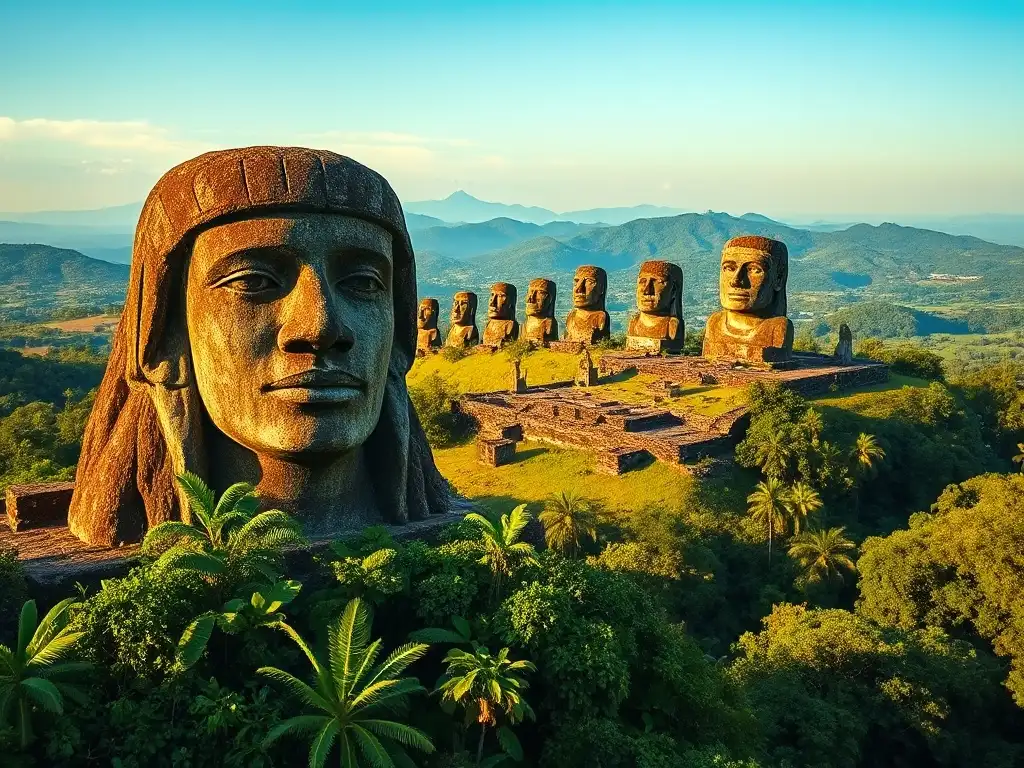
Step into a world lost to time, where colossal stone figures guard secrets whispered on the wind. Dive into the enigmatic world of the Andean civilizations, uncovering their breathtaking artistry and advanced technologies. Our exploration begins with the San Agustin Colombia stone sculptures, a testament to a culture that continues to baffle and inspire. Prepare to be amazed as we unravel the mysteries surrounding these monumental works and the powerful civilization that created them. Are you ready to uncover their story?
The Colombian Andes hold secrets whispered on the wind, secrets etched into stone. This article delves into one of the most captivating archaeological sites in South America: San Agustin, a region brimming with enigmatic monolithic sculptures that challenge our understanding of pre-Columbian art and spirituality. For centuries, these colossal figures have stood sentinel over the lush landscapes, posing questions about their creators, their purpose, and their place within the broader tapestry of Andean civilization.
This exploration will uncover the mysteries surrounding these impressive works, examining their unique artistic styles, the possible interpretations of their iconography, and the ongoing efforts to preserve this invaluable heritage. We will journey through the history of discovery, the ongoing research, and the cultural significance of the San Agustin stone sculptures, solidifying its place as a must-see destination for anyone interested in exploring the rich legacy of Andean cultures and the enduring power of ancient art.
Prepare to be captivated by the sheer scale and enigmatic nature of these "Stone Giants," a testament to the ingenuity and spiritual depth of a civilization that flourished centuries ago. This exploration of San Agustin Colombia stone sculptures promises to reveal a fascinating chapter in Andean history.
Unveiling the Mysteries of San Agustin's Ancient Stone Art
The San Agustin Archaeological Park, located in the Huila Department of southern Colombia, boasts an unparalleled collection of monumental sculptures. These range from relatively small figures to imposing statues reaching several meters in height. The sheer scale of these works is breathtaking, immediately suggesting a level of organizational capacity and societal complexity rarely seen in other contemporary Andean cultures.
Many sculptures depict anthropomorphic figures, often adorned with elaborate headdresses, jewelry, and other symbolic elements. Others represent zoomorphic forms, combining human and animal characteristics in ways that continue to intrigue researchers. The precise meaning behind these representations remains a subject of ongoing debate, with various interpretations proposed based on comparative studies of other pre-Columbian art and ongoing archaeological excavations.
The artistry displayed is remarkable, with intricate details carved into the stone, showcasing the advanced skills of the artisans who created them. The level of detail, particularly in the facial features and clothing, is astonishing, highlighting the dedication and skill involved in their creation.
The Iconography and Possible Interpretations of San Agustin's Sculptures
The iconography of the San Agustin sculptures is incredibly diverse and complex. Common motifs include stylized representations of humans, jaguars, snakes, and other animals, often combined in symbolic compositions. Some scholars suggest these sculptures represent deities, ancestors, or shamanistic figures, reflecting the religious beliefs and cosmological worldview of the culture that produced them. Others propose that the sculptures served as markers of territorial boundaries, or as monuments commemorating important events or individuals.
The recurring presence of certain symbols, such as specific headdresses or ornaments, suggests a complex system of religious or social hierarchy. The lack of written records, however, leaves many questions unanswered, prompting ongoing research and stimulating diverse interpretations. Further research and analysis are crucial to unraveling the true meaning behind these intricate representations.
The Archaeological Significance and Ongoing Research in San Agustin
The San Agustin archaeological park is not only significant for its monumental sculptures but also for its rich funerary context. Numerous tombs and burial sites have been discovered within the park, revealing valuable information about the burial practices and social structures of the San Agustin culture. These discoveries provide crucial insights into the daily lives, rituals, and beliefs of the people who inhabited this region. Ongoing archaeological research continues to uncover new findings, refining our understanding of this complex culture.
New technologies, such as 3D scanning and remote sensing, are being employed to map the site and investigate areas that have previously been inaccessible. This ongoing research is vital for preserving the site and ensuring its continued study for future generations. The sheer volume of artifacts and the ongoing discoveries highlight the vastness and complexity of the San Agustin culture.
Preservation and Tourism at the San Agustin Archaeological Park
The preservation of the San Agustin Archaeological Park is a critical concern. The site's vulnerability to environmental factors and the potential impact of tourism necessitate careful management and conservation efforts. The Colombian government, in collaboration with international organizations, has implemented various initiatives to protect the site and ensure its long-term preservation. These efforts include the development of sustainable tourism strategies that minimize the environmental impact and promote responsible visitor behavior.
The park is a major tourist attraction, offering visitors a unique opportunity to witness a remarkable chapter of Andean history. Promoting responsible tourism practices is crucial to ensure that the site remains protected for future generations to appreciate and study. The delicate balance between preserving this invaluable cultural heritage and allowing access for visitors requires continuous attention and careful planning.
- Unveiling the Mysteries of San Agustin's Ancient Stone Art
- The Iconography and Possible Interpretations of San Agustin's Sculptures
- The Archaeological Significance and Ongoing Research in San Agustin
- Preservation and Tourism at the San Agustin Archaeological Park
Planning Your Trip to San Agustin: A Guide to Exploring Colombia's Monoliths
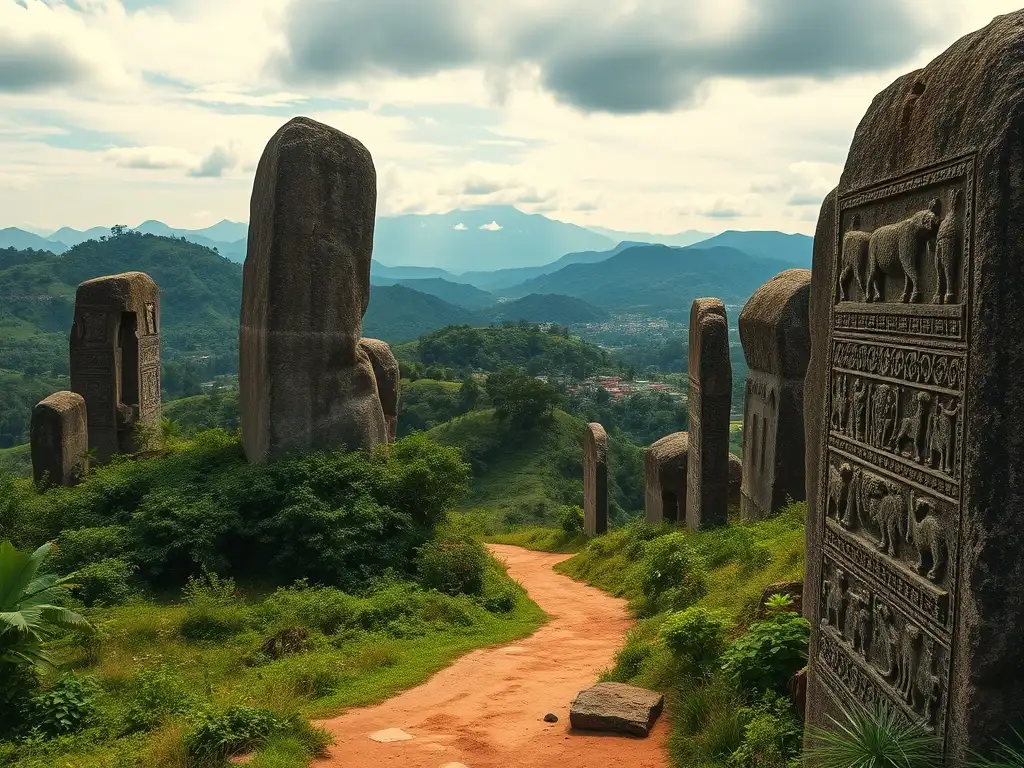
This section provides essential information for planning your journey to witness the awe-inspiring San Agustin stone sculptures, a truly unique archaeological site in Colombia. We'll cover the logistics of getting there and finding suitable accommodation to ensure a smooth and enriching experience exploring these ancient marvels. Remember to factor in sufficient time to fully appreciate the scale and significance of the San Agustin Colombia stone sculptures.
Getting There: Flights and Transportation to San Agustin Archaeological Park
Reaching the San Agustin Archaeological Park requires a multi-stage journey, but the effort is well worth the reward of seeing these incredible San Agustin Colombia stone sculptures firsthand. Most travelers fly into either Bogotá's El Dorado International Airport (BOG) or Cali's Alfonso Bonilla Aragón International Airport (CLO). From either airport, you'll need to continue your journey via bus.
Several bus companies offer routes from major Colombian cities to San Agustin. The journey can take anywhere from 6 to 12 hours, depending on the chosen route and traffic conditions. It's advisable to book your bus tickets in advance, especially during peak tourist seasons. Consider the comfort level of the bus – some offer more luxurious amenities than others. Remember to pack snacks and water for the journey, as food and beverage options may be limited along the route.
Upon arrival in San Agustin, you'll likely find yourself needing local transportation to reach your accommodation and the archaeological park itself. Taxis and collectivos (shared taxis) are readily available. Negotiating the fare beforehand is standard practice.
Accommodation Options: Where to Stay in San Agustin
San Agustin offers a range of accommodation options to suit different budgets and preferences. From basic hostels catering to budget travelers to comfortable hotels and eco-lodges offering stunning views, you're sure to find a place that fits your needs.
Many accommodations are located within walking distance of the town center and the archaeological park, making it easy to explore the San Agustin Colombia stone sculptures at your own pace. Booking in advance is highly recommended, particularly during peak seasons. Consider the following factors when choosing your accommodation:
- Proximity to the park: Staying close to the park minimizes travel time and allows for more time exploring the sculptures.
- Amenities: Decide which amenities are important to you – Wi-Fi, breakfast included, private bathroom, etc.
- Reviews: Check online reviews to gauge the quality and service level of different establishments.
Here's a table summarizing some common accommodation types and their typical features:
| Accommodation Type | Price Range | Typical Features |
|---|---|---|
| Hostel | Budget-friendly | Dorm rooms, shared bathrooms, basic amenities |
| Hotel | Mid-range to Luxury | Private rooms, private bathrooms, various amenities |
| Eco-lodge | Mid-range to Luxury | Sustainable practices, nature-focused, often remote |
Choosing the right accommodation enhances the overall experience of your visit to the San Agustin Colombia stone sculptures. Careful planning ensures a comfortable and memorable stay, allowing you to fully appreciate the archaeological wonders that await.
Experiencing the San Agustin Archaeological Park: A Guided Exploration
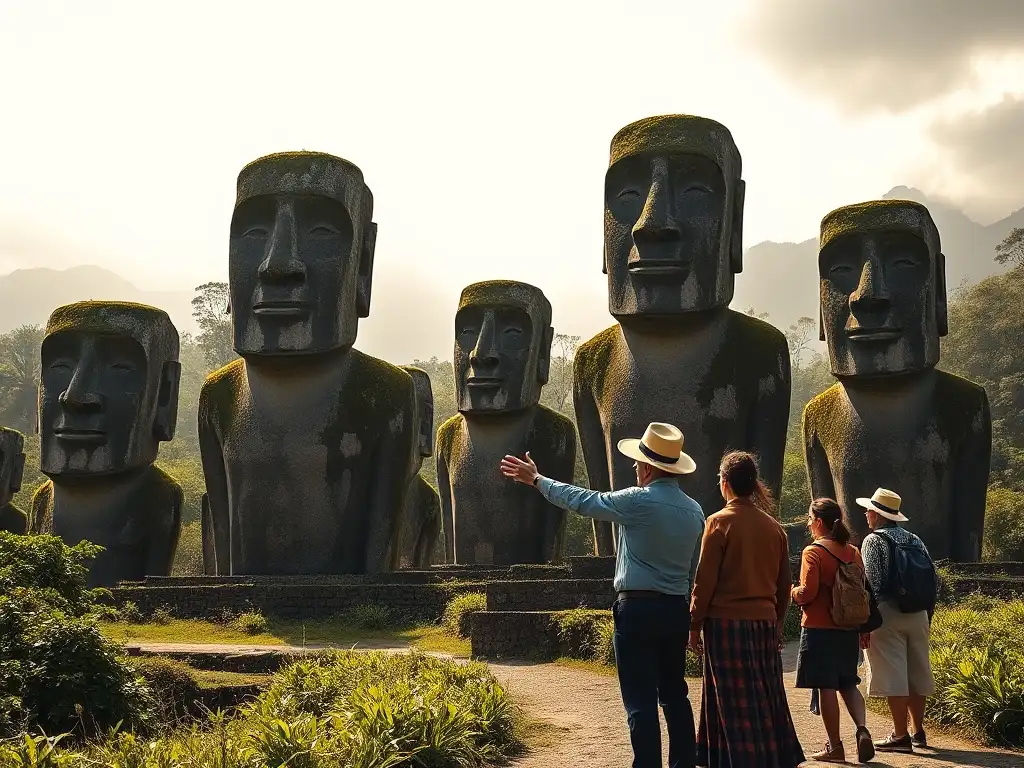
The San Agustin Archaeological Park, a UNESCO World Heritage site, offers a truly immersive experience into the pre-Columbian past. This sprawling park, nestled in the lush Colombian Andes, is home to hundreds of monumental stone sculptures, many still shrouded in mystery. Visiting the park is not just about seeing ancient artifacts; it's about connecting with a lost civilization and understanding their complex beliefs and artistic achievements. The sheer scale of the sculptures, their intricate carvings, and the enigmatic nature of their purpose create an atmosphere that is both awe-inspiring and deeply humbling.
Essential Gear for Your San Agustin Adventure
Planning your trip to fully appreciate the San Agustin Colombia stone sculptures requires careful consideration of the environment. The park's location in the Andes means varying weather conditions, including periods of intense sun and rain. Therefore, packing the right gear is crucial for a comfortable and safe exploration.
Here's a checklist of essentials:
- Comfortable Hiking Boots: The park involves walking across uneven terrain, often muddy after rain. Sturdy, well-broken-in boots are a must.
- Lightweight, Moisture-Wicking Clothing: Layers are key, allowing you to adapt to changing temperatures. Opt for breathable fabrics to stay comfortable in the humid climate.
- Rain Gear: Unexpected showers are common. A waterproof jacket and pants are highly recommended.
- Sunscreen and Hat: The Andean sun can be intense. Protect yourself with high SPF sunscreen and a wide-brimmed hat.
- Insect Repellent: Mosquitoes and other insects can be prevalent, especially during the wet season.
- Water Bottle: Staying hydrated is essential, particularly during longer hikes. Carry plenty of water or have a plan to refill your bottle.
- Binoculars: These can help you get a closer look at the details of the sculptures from a distance.
- Camera: Capture the majesty of the San Agustin Colombia stone sculptures and the surrounding landscape. Consider a tripod for sharper images.
- Guidebook: A detailed guidebook can significantly enhance your understanding of the sculptures and their historical context.
Remember to pack light! While thorough preparation is important, carrying excessive weight can hinder your enjoyment of the park.
Exploring the Monolithic Sculptures: Key Sites Within the Park
The San Agustin Archaeological Park boasts a diverse collection of monolithic sculptures, each possessing unique characteristics and symbolic significance. Many of the sculptures depict anthropomorphic figures, often adorned with intricate headdresses, jewelry, and other embellishments. Some portray zoomorphic representations, blending human and animal features in captivating ways. The sheer variety of styles and iconography hints at the rich cultural tapestry and complex belief systems of the civilization that created them.
Here are some key sites to explore within the park:
| Site Name | Notable Features | Significance |
|---|---|---|
| Alto de las Piedras | Numerous anthropomorphic and zoomorphic sculptures, some of considerable size. | Represents a significant ceremonial center. |
| Mesitas A and B | Smaller sculptures, often depicting warriors and mythical creatures. | Provides insight into the funerary practices of the culture. |
| La Chaquira | Large, imposing sculptures, many showing intricate carvings and symbolic details. | Demonstrates the advanced artistic and technical skills of the sculptors. |
| Obando | A series of smaller sculptures, often found in close proximity to burial sites. | Suggests a connection between sculpture and funerary rituals. |
The sheer number and variety of sculptures found throughout the park, many still partially buried or overgrown by vegetation, highlight the immense scale of the project and the enduring legacy of this fascinating Andean culture. Further research and exploration are continually revealing new aspects of the San Agustin Colombia stone sculptures, promising continued fascination for years to come. The enduring mystery surrounding their creation and purpose only adds to their allure. 🕵️♂️
Understanding the Culture and History Behind the San Agustin Stone Statues
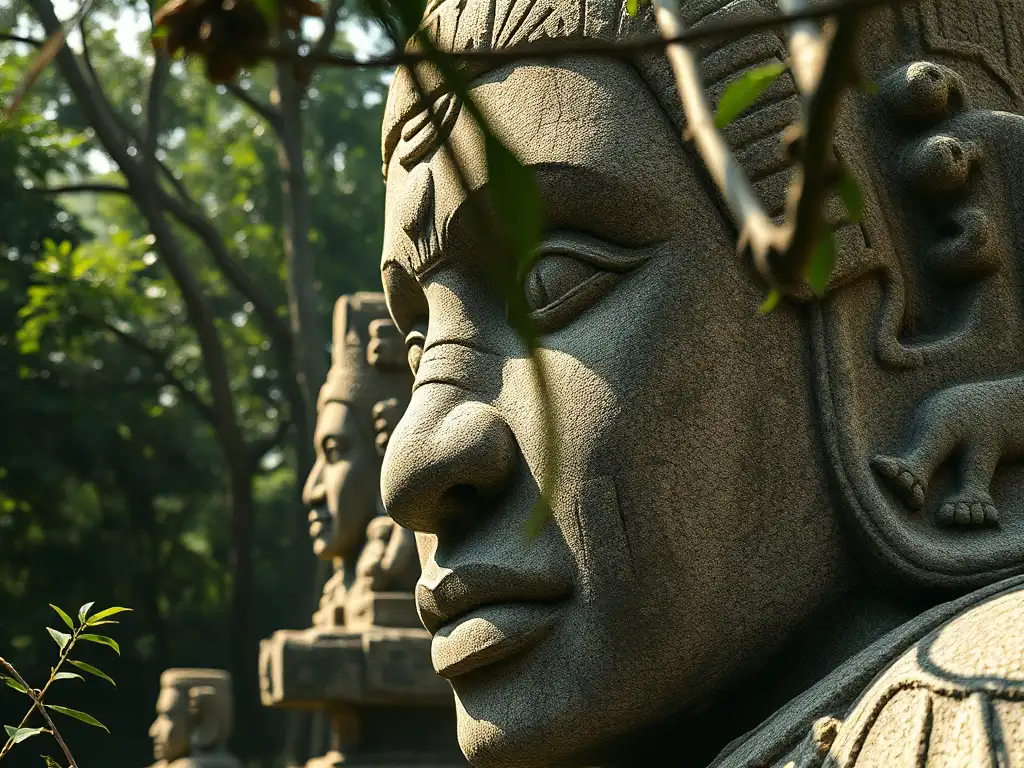
The San Agustin Archaeological Park in Colombia houses one of the most significant collections of monumental stone sculptures in the Americas. These enigmatic figures, carved between the 3rd and 10th centuries CE, represent a fascinating blend of artistic expression and religious beliefs of a pre-Columbian society. While the precise culture responsible for creating these statues remains a subject of ongoing research, scholars generally associate them with a complex society that flourished in the upper Magdalena River valley. The sculptures are not merely decorative; they offer invaluable insights into the cosmology, social structures, and ritual practices of this advanced civilization.
The sheer scale of the statues, some reaching several meters in height, speaks to the monumental effort and societal organization required for their creation and placement. The variety of styles and iconography further emphasizes the complexity and longevity of this artistic tradition. Many sculptures depict anthropomorphic figures, often adorned with elaborate headdresses, jewelry, and symbolic elements that reflect a rich spiritual world. The presence of zoomorphic representations, such as jaguars and serpents, further reinforces the connection to the natural world and the symbolic importance of animals in their belief system.
Understanding the cultural context is crucial to appreciating the profound significance of these "San Agustin Colombia stone sculptures". The meticulous craftsmanship and the sheer number of statues discovered underscore the high level of artistic skill and the deep-seated religious beliefs that fueled this remarkable artistic tradition. Detailed analysis of their stylistic features and the arrangement of the sculptures within the archaeological park continues to reveal new information about the society that created them.
Decoding the Symbolism of the San Agustin Sculptures
The San Agustin stone sculptures are renowned not only for their impressive size but also for their intricate symbolism. Many sculptures feature complex iconography, blending human and animal characteristics in ways that challenge easy interpretation. For example, some figures display features of both humans and jaguars, suggesting a possible connection between shamanistic practices and the power of the jaguar in their culture. Other sculptures depict figures wearing elaborate headdresses and ornaments, potentially representing deities or individuals of high social standing.
The recurring motifs of serpents, often intertwined with human figures, suggest a connection to fertility, life cycles, and the underworld. The meaning of these symbols is still debated among scholars. However, several interpretations have emerged through careful study of the sculptures and their context within the archaeological park. For instance, the prevalence of certain symbols, such as stylized eyes or hands, might indicate a focus on sight, power, or ritual actions.
The positioning of the sculptures themselves—some arranged in groups, others isolated—might also hold symbolic meaning, possibly reflecting different ritual spaces or social hierarchies. The detailed analysis of these "San Agustin Colombia stone sculptures" requires a multidisciplinary approach, drawing on archaeology, anthropology, and art history to unravel the complex layers of meaning embedded within these fascinating artifacts. The quest for understanding continues, and new discoveries promise to further illuminate the rich symbolism of these remarkable sculptures.
| Symbol | Possible Interpretation | Evidence |
|---|---|---|
| Jaguar | Shamanistic power, connection to the underworld | Frequent depiction of jaguar-human hybrids; association with night/darkness |
| Serpent | Fertility, life cycle, underworld | Recurring motif; often intertwined with human figures |
| Elaborate Headdress | High social status, deity representation | Variation in headdress style; association with other symbolic elements |
| Stylized Eyes | Sight, power, ritual significance | Prominent placement; repetition across different sculptures |
Connecting with Local Culture: San Agustin's Living Heritage
The legacy of the San Agustin stone sculptures extends beyond the archaeological park itself. The surrounding region boasts a vibrant cultural landscape, deeply intertwined with the history of these monumental artworks. The indigenous communities who inhabit this area have maintained a connection to the land and its ancient heritage for generations. Their oral traditions and cultural practices offer valuable insights into the possible meanings and interpretations of the sculptures.
While the specific cultural group responsible for creating the sculptures is still under investigation, local communities continue to celebrate and honor the rich history of their ancestral lands. This living heritage is reflected in various aspects of their daily life, from traditional crafts to storytelling. Understanding the contemporary cultural context is crucial to fully appreciating the significance of the San Agustin stone sculptures. It's not just about deciphering ancient symbols; it's also about recognizing the ongoing connection between past and present, the unbroken thread that links the creators of these "San Agustin Colombia stone sculptures" to the people who live in their shadow today.
The preservation of this cultural heritage is essential not only for the indigenous communities but also for the global appreciation of the rich cultural tapestry of the Andean region. Visiting San Agustin provides an opportunity not only to explore an ancient archaeological site but also to connect with a living culture that maintains a profound connection to its history. This unique blend of archaeological discovery and cultural immersion makes San Agustin a truly exceptional destination.
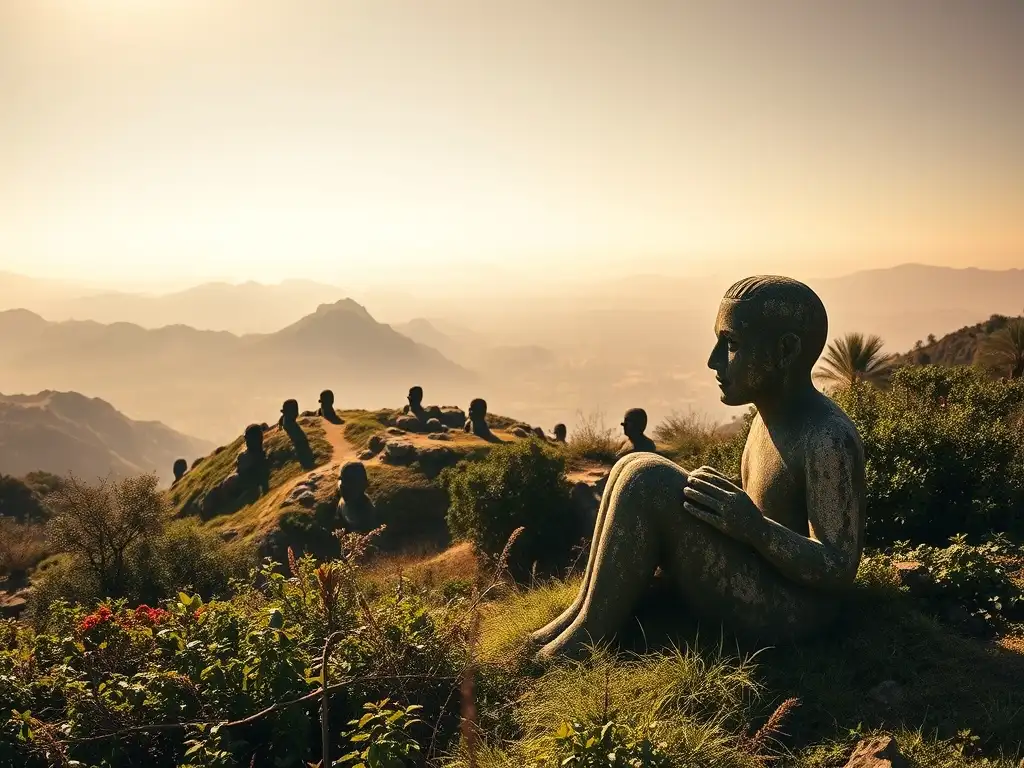
Having explored the enigmatic stone sculptures of San Agustín, Colombia, you might be eager to delve deeper into the rich tapestry of pre-Columbian Andean archaeology. This section highlights other fascinating sites showcasing the ingenuity and artistry of ancient Andean cultures, offering suggestions for extending your journey through time and across the breathtaking landscapes of South America.
These sites, while distinct in their style and purpose, share a common thread: they offer captivating glimpses into the beliefs, practices, and societal structures of the civilizations that thrived in the Andes long before the arrival of Europeans. The sheer scale of these archaeological achievements, coupled with the enduring mysteries surrounding them, continues to captivate researchers and visitors alike, making them essential additions to any itinerary focused on "San Agustin Colombia stone sculptures" and broader Andean heritage.
Exploring Tierradentro: Another Pre-Columbian Burial Ground
Tierradentro, located in the Cauca Department of Colombia, presents a stark contrast to the monumental sculptures of San Agustín, yet shares a similar focus on death and the afterlife. Instead of imposing stone figures, Tierradentro features an extensive network of hypogea – underground burial chambers. These aren't simple graves; they are elaborately decorated subterranean spaces, often featuring intricate painted murals. The scale of the undertaking is staggering, with hundreds of hypogea discovered, many still unexplored.
The murals themselves depict stylized figures, geometric designs, and scenes that remain the subject of ongoing scholarly debate. Their vibrant colors, despite centuries beneath the earth, offer a powerful testament to the artistry and sophistication of the Tierradentro culture. Unlike the imposing grandeur of the San Agustin Colombia stone sculptures, Tierradentro offers a more intimate and mysterious encounter with the past, revealing a different facet of Andean funerary practices and beliefs.
The sheer number of these underground chambers, many intricately painted, points to a highly organized society with complex religious beliefs surrounding death and the afterlife. Archaeologists continue to uncover new hypogea, suggesting that the full extent of this remarkable site is yet to be fully understood. Exploring Tierradentro allows for a unique perspective on the diverse expressions of Andean culture, offering a compelling counterpoint to the monumental stone sculptures of San Agustín.
Other Andean Sites to Consider: Ciudad Perdida and Ingapirca
Beyond Tierradentro, numerous other sites beckon those seeking a deeper understanding of Andean civilizations. Two particularly noteworthy locations are Ciudad Perdida (The Lost City) in Colombia and Ingapirca in Ecuador. These sites, while geographically distant from San Agustin Colombia stone sculptures, offer contrasting yet equally compelling insights into the region's rich heritage.
Ciudad Perdida, a pre-Columbian city of the Tayrona culture, is renowned for its intricate network of stone terraces, pathways, and structures built high in the Sierra Nevada de Santa Marta. Unlike the isolated grandeur of the San Agustín statues, Ciudad Perdida's location and design speak to a sophisticated understanding of urban planning and a deep connection to the natural environment.
The challenging trek required to reach the site adds to its mystique, rewarding visitors with breathtaking views and a sense of discovery. The scale of the city, its complex architecture, and the surrounding landscape vividly illustrate the capabilities and cultural achievements of the Tayrona people.
Ingapirca, in contrast, showcases the architectural prowess of the Inca Empire. Its impressive stone structures, including the remains of a large temple, demonstrate the Inca's mastery of stonework and their ability to adapt their building techniques to diverse environments. While the precision and scale of Inca masonry is well-known, Ingapirca offers a unique opportunity to witness this skill firsthand, providing a fascinating comparison to the distinct styles found in the San Agustin Colombia stone sculptures.
The site's strategic location and the remnants of its religious significance provide valuable insights into Inca cosmology and imperial administration. The relatively well-preserved structures at Ingapirca offer a clearer understanding of Inca building techniques and their adaptation to varied geographical conditions, offering a different perspective from the unique and enigmatic San Agustin sculptures.
Capturing Your Memories: Documenting the Stone Giants of San Agustin
This section focuses on how best to photograph and document your experience amidst the awe-inspiring San Agustin Colombia stone sculptures. Remember, these ancient monoliths deserve to be remembered and shared responsibly. Let's explore the best techniques to capture their grandeur.
Photography Tips for San Agustin's Monoliths
The unique lighting conditions in San Agustin, coupled with the scale and detail of the sculptures, present both challenges and opportunities for photographers. Consider these tips for optimal results:
- Timing is Key: The best time to photograph the monoliths is during the "golden hour," the period shortly after sunrise and before sunset. The soft, diffused light minimizes harsh shadows and enhances the textures of the stone. Avoid midday sun, which creates harsh contrasts and washes out detail.
- Composition is Crucial: These aren't just rocks; they're monumental works of art. Think about your composition carefully. Use leading lines – paths, rivers, or even the contours of the sculptures themselves – to guide the viewer's eye. Experiment with different angles, getting both wide shots to capture the scale and close-ups to reveal intricate carvings. Consider the background; a cluttered background can detract from the sculpture's majesty.
- Equipment Matters: While a smartphone camera can capture decent images, a DSLR or mirrorless camera with a good zoom lens will allow for greater detail and control over depth of field. A tripod is highly recommended, especially for low-light photography and to ensure sharp images. A polarizing filter can help reduce glare and enhance color saturation.
- Respect the Site: Remember you're photographing a sacred and historically significant site. Avoid climbing on or touching the sculptures. Respect any signage or barriers in place. Your goal is to document, not disturb. Always obtain necessary permissions before engaging in any professional photography activities.
- Post-Processing: Don't be afraid to enhance your photographs in post-processing, but avoid overdoing it. Subtle adjustments to contrast, brightness, and saturation can bring out the best in your images. Software like Lightroom or Photoshop can be invaluable tools for this process.
Sharing your San Agustin experience with the world is a fantastic way to inspire others to visit and appreciate these magnificent San Agustin Colombia stone sculptures. Here are some tips for effectively documenting your journey through travel blogging and social media:
- Write Engaging Captions: Don't just post a picture; tell a story. Describe your experience, share interesting facts about the sculptures and their history, and convey the emotions you felt while standing before these ancient giants. Use relevant hashtags such as #SanAgustinColombia, #StoneSculptures, #ColombianArchaeology, #AndeanCivilizations, and #TravelColombia to increase visibility.
- Utilize Different Platforms: Consider using a variety of platforms to share your content. Instagram is great for visually stunning photos, while a blog allows for longer, more detailed narratives. Facebook and Twitter offer quick updates and broader reach. Tailor your content to suit each platform.
- Create a Visual Narrative: Don't just post random photos. Create a cohesive visual narrative that tells the story of your journey. Show the journey, the landscape, the sculptures themselves, and the overall atmosphere of the site.
- Engage with Your Audience: Respond to comments and questions. Engage in conversations about the sculptures and the history of San Agustin. This interaction helps build a community around your content.
- Ethical Considerations: Always respect the cultural significance of the site when sharing images and stories. Avoid sensationalizing or misrepresenting the history of the sculptures. Remember, you're a storyteller, sharing a piece of history with the world. Accurate and respectful representation is paramount.
Remember, responsible documentation and sharing contribute to the preservation and appreciation of these incredible works of art. By following these guidelines, you can capture and share the majesty of San Agustin's stone giants while contributing to their ongoing legacy.
Frequently Asked Questions
What are the San Agustin stone sculptures?
The San Agustin sculptures are massive monolithic figures carved from volcanic stone, found in the San Agustin Archaeological Park in Colombia. They represent a diverse range of religious and mythical figures, reflecting the complex beliefs of the ancient cultures who created them.
Who created the San Agustin sculptures?
The exact creators remain a mystery, but evidence suggests they were crafted by various pre-Columbian societies between 300 BCE and 1200 CE. Scholars believe different groups contributed to the vast collection over centuries, impacting stylistic variations.
What is the significance of the San Agustin sculptures?
The sculptures are incredibly important for understanding pre-Columbian religious beliefs and practices in the Colombian Andes. Their iconography offers clues into their cosmology, mythology, and social structures. They are considered key artifacts in understanding the region's rich history.
Where can I see the San Agustin sculptures?
The San Agustin Archaeological Park in Huila, Colombia, is the primary location to view these sculptures. Many are situated in situ, within their original context, while others are housed in museums within the park.
What makes the San Agustin sculptures unique?
Their size, scale, and artistic style set them apart. Many figures are monumental in scale, with intricate details depicting humans, animals, and mythical beings, unlike many other pre-Columbian art forms. The sheer number of sculptures also makes the site unique.
Final Reflection: Echoes of a Lost Civilization
The enigmatic stone sculptures of San Agustín continue to resonate, not just as archaeological marvels, but as powerful symbols of a civilization grappling with profound questions of life, death, and the cosmos. Their enduring presence challenges us to confront our own understanding of history, spirituality, and the legacies we leave behind. These aren't just stones; they are whispers from a past that demands to be heard.
The influence of San Agustín's artistry extends far beyond its geographical location. The sheer scale and enigmatic nature of these sculptures have captivated scholars and artists for generations, fueling ongoing debates about their creation, purpose, and the society that birthed them. Their enduring mystery continues to inspire new interpretations and research, shaping our understanding of pre-Columbian cultures and their artistic expressions. The past is never dead. It's not even past.
- William Faulkner. This quote perfectly encapsulates the enduring power of San Agustín's stone giants, their silent narratives continuing to shape our present.
Consider the weight of these ancient creations, the skill and dedication required to bring them into being. What stories do they tell you? What questions do they raise about your own place in the world and the legacy you wish to leave? Take a moment to reflect on the power of artistic expression to transcend time and connect us to the human experience across millennia. Let the echoes of San Agustín inspire you to explore your own creative spirit and to appreciate the enduring power of human ingenuity and spiritual expression.
Unveil the Mysteries of San Agustin!
Thank you for exploring the fascinating world of San Agustin's monumental stone sculptures! Your interest reveals a keen appreciation for the rich cultural heritage and artistic expression of this captivating site. Let's delve even deeper.
Here are some ways to continue your journey:
- Plan your visit: A trip to San Agustin is highly recommended. Local guides offer invaluable insights into the history and meaning behind these incredible monolithic sculptures.
- Engage with the local community: Discover the artisans whose work is inspired by these ancient carvings. Support their craft by purchasing their unique handmade items or participating in their workshops.
- Share your discoveries: Spread the word! Post about your experience on social media or discuss San Agustin with your friends and family. Inspire others to learn about and appreciate the wonders of this Andean civilization.
Which sculpture resonates most with you, and why? Share your thoughts below!