
Sacred Stones and Shrines: Uncovering the Ritual Significance of Sacsayhuaman

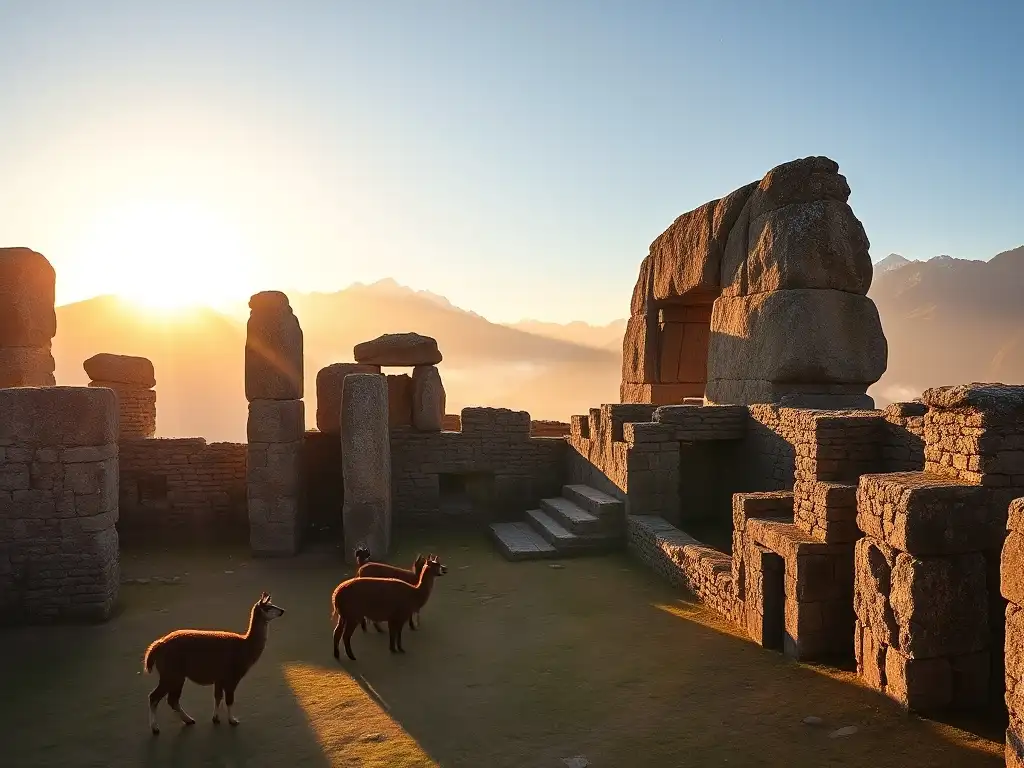
Step into a world lost to time, yet echoing with the whispers of ancient power. Journey with us through the breathtaking landscapes and enigmatic legacies of the Andean civilizations. Discover the intricate artistry, advanced engineering, and profound spiritual beliefs that shaped empires like the Inca, Moche, and Nazca. But first, prepare to be captivated by the Sacsayhuaman Inca ritual significance – a mystery woven into the very stones of this awe-inspiring fortress. Unravel the secrets held within its sacred walls... the answers await.
- Decoding Sacsayhuaman: Beyond Just an Inca Fortress
- The Key Role of Sacred Stones in Inca Rituals at Sacsayhuaman
- Sacsayhuaman's Shrines and Their Ritual Functions
- Understanding the Inca Ritual Significance of Sacsayhuaman
- Experiencing Sacsayhuaman: A Journey into Inca Ritual History
- Preserving Sacsayhuaman: Protecting Its Ritual Legacy
- Conclusion: Sacsayhuaman, A Testament to Inca Ritual Practices
- Frequently Asked Questions
- Final Reflection: Echoes of the Andes: Sacsayhuaman's Enduring Ritual Power
- **Unveil the Mysteries of Sacsayhuaman! **
Decoding Sacsayhuaman: Beyond Just an Inca Fortress
Sacsayhuaman, the imposing cyclopean fortress overlooking Cusco, Peru, is often portrayed as a purely military stronghold. However, a deeper dive into archaeological evidence reveals a far richer and more complex reality: Sacsayhuaman was a crucial center for Inca ritual and religious practices, deeply intertwined with the empire's spiritual life and cosmological beliefs.
This article delves into the compelling evidence that points to Sacsayhuaman's profound ritual significance, moving beyond the common misconception of it solely as a military structure and uncovering the sacred heart of this enigmatic site. We will explore the architectural marvels, the astronomical alignments, and the unearthed artifacts that shed light on the sacred ceremonies and beliefs that once thrived within its colossal walls.
Understanding Sacsayhuaman's ritual significance offers a window into the Inca worldview, providing a more nuanced and complete picture of this fascinating civilization. This exploration of Sacsayhuaman's Inca ritual significance will illuminate the intricate connection between the Inca's material culture and their deeply spiritual beliefs.
The Misconception of Sacsayhuaman as a Military Structure
While Sacsayhuaman's imposing walls and strategic location certainly served defensive purposes, the sheer scale and complexity of the site suggest a function far exceeding mere military strategy. The massive, precisely fitted stones, some weighing over 100 tons, defy simple engineering explanations. The energy and resources invested in its construction point towards a project of immense cultural and religious importance.
The sheer scale of the undertaking, surpassing any practical military need, underscores its significance as a place of immense ritual and symbolic power. Furthermore, the lack of evidence for sustained habitation within the fortress itself, coupled with the discovery of ritual objects and evidence of ceremonies, strongly suggests a primary function beyond defense.
The arrangement of the structures, the orientation towards celestial events, and the presence of ceremonial platforms all contribute to a picture far removed from a purely defensive structure. The focus should shift from solely military functionality to a deeper understanding of its multifaceted role within Inca society.
Exploring the Evidence: Ritual Practices at Sacsayhuaman
Archaeological findings at Sacsayhuaman provide compelling evidence supporting its significance as a ritual center. The discovery of numerous ceremonial objects, including intricately carved stones and pottery fragments depicting religious imagery, points towards the performance of elaborate rituals. Furthermore, the astronomical alignments of certain structures within the complex suggest a deliberate connection to the Inca calendar and celestial events. This is not simply a coincidence; it speaks to a carefully planned design meant to facilitate specific rituals linked to the Inca cosmology and agricultural cycles.
The presence of platforms and plazas within the complex further reinforces this interpretation, providing spaces for large-scale public ceremonies and processions. Moreover, the very materiality of Sacsayhuaman – the colossal stones themselves – can be viewed as a powerful symbol of Inca power and their connection to the earth and its sacred energies. The precise fitting of these stones, the mastery of Inca stonework, adds to the spiritual dimension of the site, transforming it into a monumental representation of Inca beliefs and practices.
The meticulous craftsmanship and monumental scale suggest a project driven by deep spiritual meaning, far beyond the scope of a mere military fortification. The evidence strongly suggests a place where the earthly and the spiritual intertwined, where the Inca connected with their deities and reaffirmed their imperial power through elaborate ritual practices. Further research and analysis are needed to fully uncover the secrets held within Sacsayhuaman's walls, but the available evidence overwhelmingly points towards its significance as a sacred space, a testament to the deeply spiritual nature of Inca civilization.
The Key Role of Sacred Stones in Inca Rituals at Sacsayhuaman
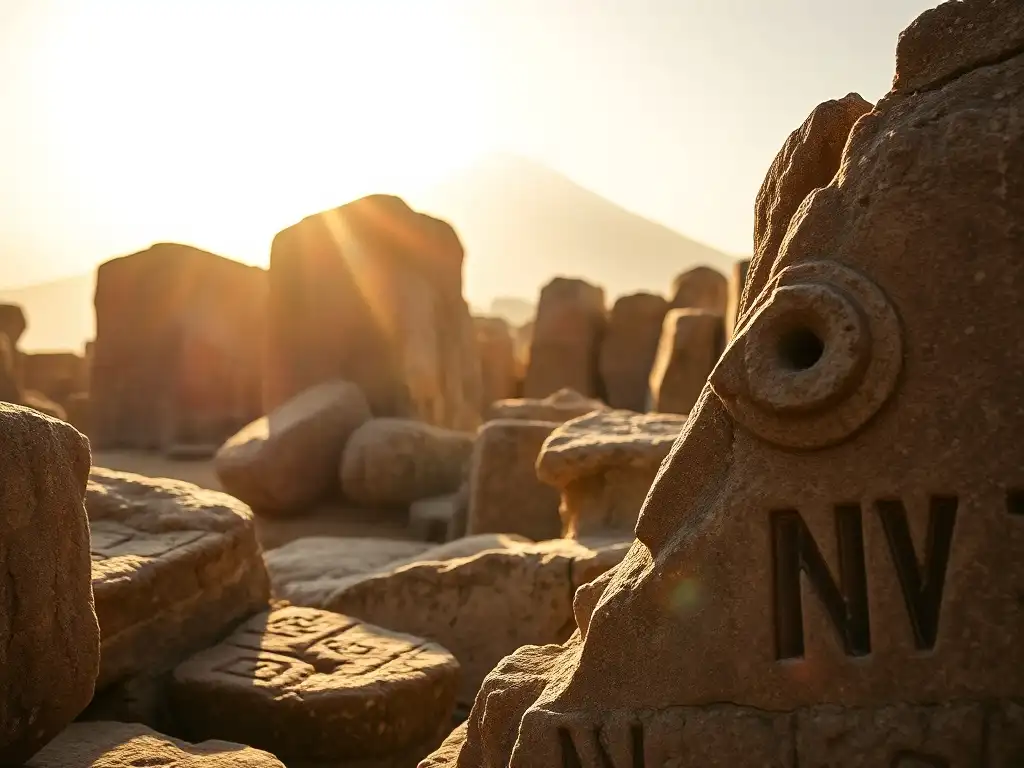
The imposing fortress of Sacsayhuaman, perched high above Cusco, wasn't merely a military stronghold; it was a profoundly sacred site deeply interwoven with Inca cosmology and ritual practices. The very stones themselves, meticulously shaped and fitted together, played a crucial role in Inca religious life, acting as conduits for spiritual energy and embodying the power of the Andes themselves. Understanding the Sacsayhuaman Inca ritual significance requires appreciating the Inca worldview, where the physical and spiritual realms were inextricably linked.
The massive stones, some weighing over 100 tons, weren't just building materials; they were imbued with mana, a spiritual power that connected them to the gods and the ancestors. This belief system permeated every aspect of Inca life, from daily routines to grand ceremonies, and is vividly reflected in the architecture and layout of Sacsayhuaman. The precise arrangement of these stones, their orientation towards celestial bodies, and the intricate carvings found on some, all point to a sophisticated understanding of astronomy and a deep connection to the natural world.
The Inca’s masterful manipulation of stone, their ability to precisely cut and fit these colossal blocks without mortar, further emphasizes the sacred nature of the undertaking. This wasn't simply construction; it was a ritual in itself, a monumental act of devotion reflecting the Inca’s reverence for their gods and their ancestors.
The Significance of Inti Watana Stones in Inca Culture
Inti Watana, meaning "sun-dial" in Quechua, are significant features found in various Inca sites, including Sacsayhuaman. These stones weren't merely astronomical instruments; they served as vital components in Inca religious ceremonies linked to the sun, the most important deity in the Inca pantheon. The precise alignment of Inti Watana stones with the solstices and equinoxes allowed Inca priests to track the sun's movements, using this knowledge to predict agricultural cycles and plan important rituals. These rituals, often involving sacrifices and offerings, were designed to ensure the continued benevolence of Inti, the sun god, and to maintain the cosmic balance essential to Inca society.
The positioning of the Inti Watana stone within the broader context of the Sacsayhuaman complex suggests its central role in the site's overall ritual function. It acted as a focal point, connecting the earthly realm to the celestial sphere and enabling communication with the divine. While the precise rituals performed at the Inti Watana within Sacsayhuaman remain partially shrouded in mystery, archaeological evidence and ethnohistorical accounts suggest their profound importance in the Inca religious calendar.
The meticulous craftsmanship and strategic placement of these stones underscore the Inca's deep understanding of astronomy and their profound reverence for the sun. Further research is needed to fully unravel the intricacies of these rituals and their significance within the broader context of Inca religious beliefs. However, the remaining structures provide compelling evidence of their importance in the Inca worldview.
Identifying Specific Sacred Stones within Sacsayhuaman
Pinpointing specific sacred stones within the vast complex of Sacsayhuaman requires careful analysis of archaeological evidence, including stone carvings, orientations, and contextual relationships within the site. While many stones undoubtedly held ritual significance, identifying specific sacred stones requires more in-depth research. For example, some stones exhibit intricate carvings, potentially representing deities or symbolic motifs, while others might have been strategically placed to align with celestial events.
Furthermore, the size and placement of certain stones within the larger architectural scheme may also indicate their ritual importance. Unfortunately, much of the original context has been lost to time and looting, making definitive identification challenging. However, ongoing research using advanced techniques like 3D modeling and geophysical surveys continues to reveal new insights into the layout and function of Sacsayhuaman, potentially shedding light on the specific roles of individual stones.
A detailed catalog of these stones, accompanied by high-resolution imagery and precise location data, would be invaluable for future research and for a more complete understanding of the Sacsayhuaman Inca ritual significance. The task requires meticulous documentation and careful interpretation of the available evidence, a process that is ongoing and promises to yield significant discoveries in the years to come. The potential for uncovering more information about the specific sacred stones within Sacsayhuaman is immense.
Guided Tour with Andean Travel Company: Deepening Your Understanding
Engaging with a guided tour offered by a reputable Andean travel company can significantly enhance your understanding of Sacsayhuaman's ritual significance. Experienced guides, often possessing specialized knowledge of Inca history and archaeology, can provide invaluable context and insights that are often missed by independent visitors. These tours frequently incorporate detailed explanations of the site's layout, the significance of specific architectural features (including the sacred stones), and the role of Sacsayhuaman within the broader Inca religious landscape.
Furthermore, reputable companies often employ local guides with deep ancestral knowledge and connections to the region, adding another layer of cultural richness to the experience. Such a guided tour can transform a visit to Sacsayhuaman from a simple sightseeing trip into a deeply enriching exploration of Inca culture and spirituality. The added expertise and context provided by a professional guide can unlock a far greater appreciation for the site's profound historical and ritual importance.
Selecting a responsible and knowledgeable tour company is essential to ensure a truly meaningful and educational experience. Consider looking for tours that prioritize sustainable tourism practices and support local communities. This approach allows you to not only learn about the Sacsayhuaman Inca ritual significance but also contribute to the preservation of this incredible site and the surrounding cultural heritage.
Sacsayhuaman's Shrines and Their Ritual Functions
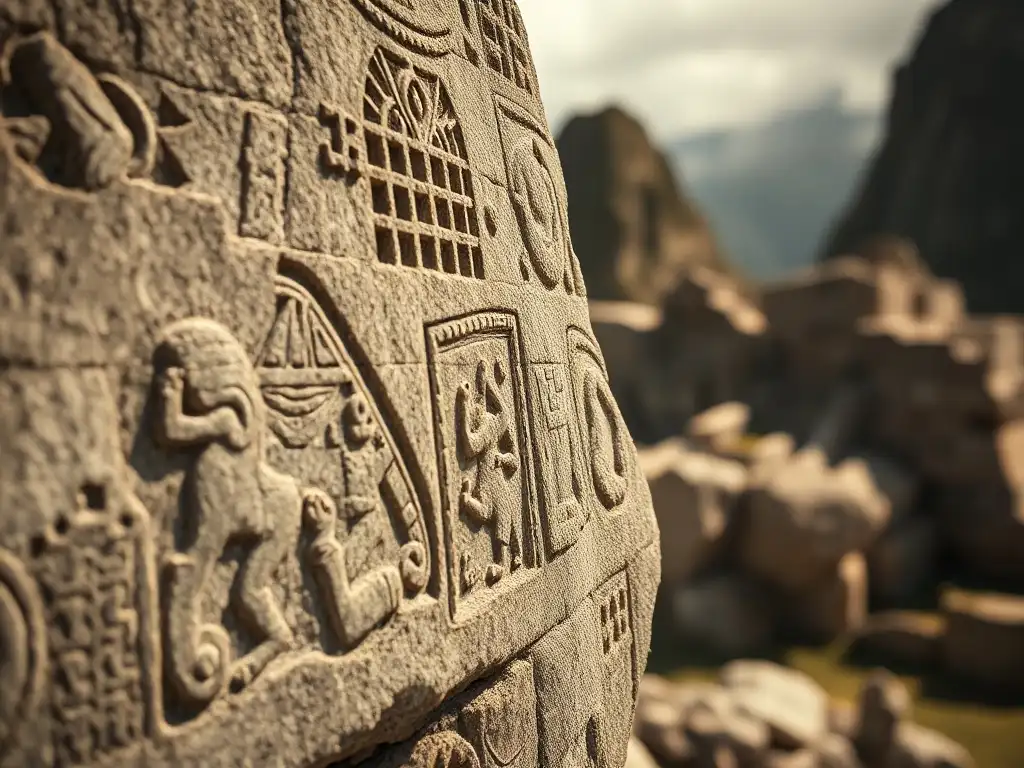
Sacsayhuaman, the imposing fortress overlooking Cusco, was far more than a military stronghold. Its monumental architecture, with its precisely fitted stones, served as a crucial center for Inca religious practices and ceremonies, deeply intertwined with the Inca worldview and their understanding of the cosmos. The sheer scale of the site, combined with its strategic location and astronomical alignments, points towards a significant role in Inca ritual life, a complex tapestry of sun worship, ancestor veneration, and agricultural cycles.
Understanding Sacsayhuaman's ritual significance requires examining its various architectural features, which likely served as dedicated shrines and spaces for specific ceremonies. While precise details of each ritual remain debated, archaeological evidence and ethnohistorical accounts offer valuable insights into the site's sacred purpose. The intricate carvings and the orientation of certain structures suggest a deliberate design intended to harness the power of the sun and the mountains, reflecting the Inca's profound respect for the natural world.
The very act of constructing Sacsayhuaman, a monumental task requiring immense human effort, could be seen as a ritual in itself, a testament to the Inca's devotion and power. This section delves into the specific functions of these shrines and how they contributed to the overall ritual landscape of the Inca empire. The Sacsayhuaman Inca ritual significance is truly multifaceted.
Sun Worship and the Role of Sacsayhuaman's Shrines
The Inca's profound veneration of the sun god, Inti, is well-documented. Sacsayhuaman, with its orientation towards the sun's path, played a pivotal role in sun worship rituals. Specific structures within the complex, possibly including the main plazas and the towering walls themselves, may have served as platforms for observing solstices and equinoxes, significant events in the Inca agricultural calendar.
The precise alignment of some stones with the rising and setting sun suggests a sophisticated understanding of astronomy and its integration into religious practice. Archaeological findings, including evidence of offerings and ceremonial artifacts, further support the hypothesis that Sacsayhuaman served as a primary location for sun worship ceremonies, attracting pilgrims from across the vast Inca empire. These ceremonies likely involved elaborate processions, sacrifices, and prayers aimed at ensuring successful harvests and the continuation of Inca prosperity.
The intensity of sun worship at Sacsayhuaman is evidenced by the scale and grandeur of the site, reflecting the importance of Inti in the Inca cosmology. The Sacsayhuaman Inca ritual significance regarding sun worship is undeniable.
The Ceremonial Calendar and its Manifestation at Sacsayhuaman
The Inca calendar was intricately linked to agriculture and the natural world. Sacsayhuaman, with its astronomical alignments and architectural features, likely served as a crucial site for marking key dates within this calendar. The solstices and equinoxes, marking the changing seasons, were pivotal moments celebrated through elaborate ceremonies.
The precise positioning of certain structures within the complex could have facilitated astronomical observations, allowing Inca priests to accurately determine these dates and predict agricultural cycles. Beyond the solstices and equinoxes, other significant dates, possibly linked to specific agricultural events or ancestral commemorations, may have also been observed at Sacsayhuaman. The complex's various plazas and platforms may have hosted different ceremonies throughout the year, demonstrating the site's multifaceted role in the Inca ceremonial calendar.
This integrated approach to religious practice and agricultural planning highlights the sophisticated understanding of the natural world possessed by the Inca civilization. The profound Sacsayhuaman Inca ritual significance is further underscored by its role in the Inca's carefully structured calendar.
"Inca Mythology and Rituals" by Gary Urton: Further Reading
For a deeper understanding of Inca mythology and its connection to Sacsayhuaman's ritual significance, Gary Urton's "Inca Mythology and Rituals" offers valuable insights. This work provides detailed analysis of Inca religious beliefs, their ceremonial practices, and the role of specific sites like Sacsayhuaman within their cosmological worldview. Urton's research draws upon a wide range of sources, including archaeological evidence, ethnohistorical accounts, and colonial-era chronicles, providing a comprehensive overview of Inca religious life.
The book offers a nuanced perspective on the complexities of Inca rituals, their symbolic meanings, and their social and political implications. Exploring Urton's work complements the understanding of the Sacsayhuaman Inca ritual significance, offering a broader context for interpreting the archaeological evidence found at the site. His meticulous research provides a more complete picture of the Inca's spiritual landscape and their deep connection to the sacred spaces they created.
Understanding the Inca Ritual Significance of Sacsayhuaman
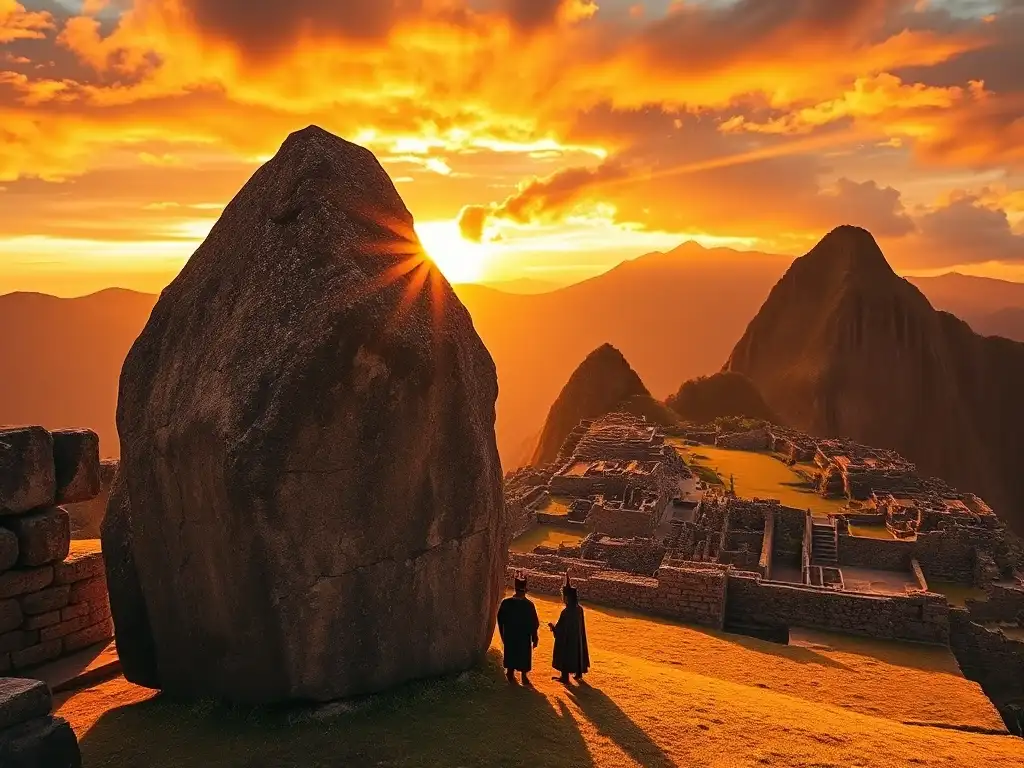
Sacsayhuaman, a breathtaking fortress located near Cusco, Peru, stands as a powerful testament to Inca ingenuity and spiritual beliefs. Its imposing cyclopean architecture, composed of massive, precisely fitted stones, has captivated researchers and visitors for centuries. However, understanding its true significance goes beyond mere architectural marvel; it delves into the intricate web of Inca cosmology, ritual practices, and societal structure.
This section will explore the profound Sacsayhuaman Inca ritual significance, focusing on the interplay between its construction, layout, and the archaeological evidence that sheds light on its sacred purpose. The sheer scale of Sacsayhuaman, coupled with its strategic location overlooking Cusco, suggests a site imbued with deep religious and political meaning, far exceeding its potential defensive function. We will investigate how its design, the materials used, and the artifacts found within its walls reveal a complex ritual landscape central to Inca life.
The Connection between Sacsayhuaman and the Inca Cosmology
The Inca worldview was deeply intertwined with the natural world, viewing mountains, stars, and celestial bodies as powerful deities. Sacsayhuaman's location, perched high above Cusco, suggests a deliberate connection to this cosmology. The fortress's three main terraces are believed to represent the three distinct levels of the Andean world: the Hanan Pacha (upper world), the Kay Pacha (present world), and the Ukhu Pacha (underworld).
This tripartite structure mirrored the Inca understanding of the cosmos, where the interaction and balance between these realms were crucial for maintaining order and prosperity. Furthermore, the orientation of the structures within Sacsayhuaman, aligned with specific celestial events like solstices and equinoxes, reinforces the site's astronomical significance.
Detailed astronomical studies are still ongoing, but preliminary findings indicate a sophisticated understanding of celestial movements, suggesting that Sacsayhuaman served as a kind of astronomical observatory, furthering its ritual importance. The precise alignment of certain stones with sunrise and sunset on specific dates strengthens the hypothesis of deliberate astronomical integration within the site's design.
How Sacsayhuaman's Architecture Reflects its Ritual Purpose
The sheer scale and precision of Sacsayhuaman's architecture are unparalleled. The massive stones, some weighing over 100 tons, were transported and fitted together with remarkable accuracy, a feat of engineering that still baffles modern experts. This meticulous craftsmanship speaks volumes about the importance placed upon the site.
The intricate fitting of the stones, with minimal mortar used, suggests a symbolic representation of the Inca ideal of order and harmony. The irregular shapes of the stones, however, also hint at a deliberate avoidance of uniformity, possibly signifying a connection to the natural, unrefined aspects of the earth. The massive walls, with their zig-zagging structure, are thought to have been designed not only for defense but also to channel energy and create specific acoustic effects.
Evidence suggests the use of specific stones with resonant qualities, potentially used during religious ceremonies to enhance the ritual experience. The unique architectural features of Sacsayhuaman, therefore, served a multifaceted purpose, combining practical functionality with a powerful symbolic meaning.
Interpreting the Archaeological Finds: Clues to Inca Ritual Practices
Archaeological excavations at Sacsayhuaman have unearthed various artifacts that offer further insights into its ritual significance. While extensive excavation is limited due to preservation efforts, discoveries of fragments of pottery, tools, and human remains have contributed valuable information. The types of pottery found suggest offerings and ceremonies were performed at the site. The presence of specific types of tools indicates the preparation of ritual objects and the construction itself may have been a ritual act.
Analysis of the human remains, while limited, can potentially provide clues about sacrificial practices or the burial of important individuals. Further research, including detailed analysis of organic material and advanced dating techniques, is crucial for a more complete understanding. Unfortunately, [specific information pending] regarding the full extent of human remains discovered and their analysis.
However, the existing findings already suggest a complex interplay of ritual practices at Sacsayhuaman, solidifying its role as a significant sacred site within the Inca empire. The ongoing research continues to provide more clues about the rituals performed, the individuals involved, and the significance of this extraordinary site. The meticulous study of even small fragments holds the potential to unlock further secrets of Sacsayhuaman's sacred past.
Experiencing Sacsayhuaman: A Journey into Inca Ritual History
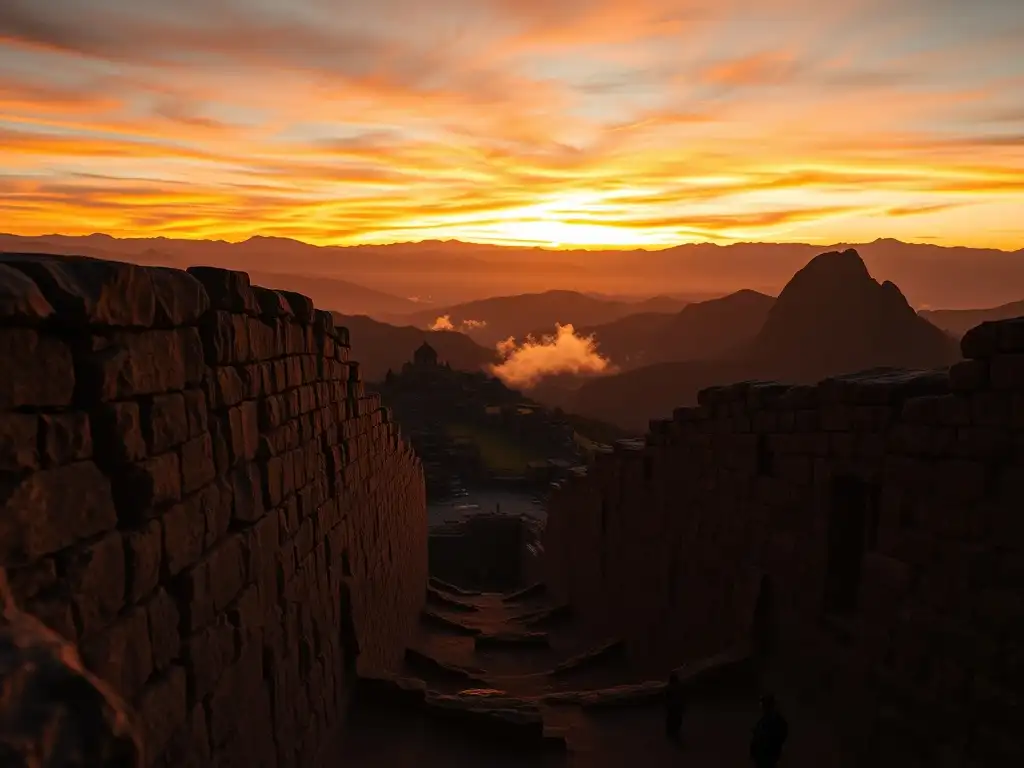
Sacsayhuaman, a breathtaking citadel overlooking Cusco, Peru, stands as a powerful testament to Inca ingenuity and spiritual beliefs. Its massive, precisely fitted stones, defying modern engineering understanding, whisper tales of intricate rituals and profound cosmological significance. Understanding the Sacsayhuaman Inca ritual significance requires delving into the archaeological evidence and the interwoven tapestry of Inca beliefs.
The site wasn't merely a fortress; it was a sacred landscape, a place where the earthly and celestial realms intersected. The very placement of the stones, their astronomical alignments, and the evidence of ceremonial spaces all contribute to a rich understanding of Inca religious practices. This section will explore specific aspects of this fascinating site and enhance your appreciation for its spiritual heritage.
Best Times to Visit Sacsayhuaman to Connect with its Spiritual Heritage
The best time to visit Sacsayhuaman for a truly immersive experience hinges on several factors, primarily weather and crowd levels. The dry season (May to September) offers the most pleasant weather, with sunny days ideal for exploring the extensive site. However, this is also peak tourist season, meaning larger crowds and potentially longer wait times. For a more tranquil experience, consider visiting during the shoulder seasons (April and October). While there might be a slightly higher chance of rain, the crowds are significantly smaller, allowing for a more contemplative exploration of the site's spiritual energy.
To further enhance your spiritual connection, consider the timing of your visit within the day. Sunrise and sunset offer particularly powerful moments. Witnessing the sunrise bathe the massive stones in golden light can evoke a profound sense of awe and connection to the Inca's reverence for the sun. Similarly, a sunset visit allows you to experience the site's mystical ambiance as the day transitions into night, aligning with the Inca's understanding of the celestial cycles and their significance in their rituals.
Here's a summary table to help you plan your visit:
| Season | Weather | Crowds | Ideal for… |
|---|---|---|---|
| May - September | Dry, sunny | Large | Optimal weather, potential crowds |
| April & October | Mild, some rain | Moderate | Balance of weather & crowds |
| November - March | Rainy, cooler | Small | Fewer crowds, but potentially wet |
Remember to check the local weather forecast before your visit, regardless of the season, and dress accordingly. Appropriate footwear is crucial, as the terrain can be uneven and rocky.
Recommended Guided Tours by Cusco Native Tours Focused on Ritual Interpretation
Engaging a knowledgeable guide significantly enhances the Sacsayhuaman Inca ritual significance experience. Many tour companies in Cusco offer guided tours of Sacsayhuaman, but those focusing specifically on the site's ritual aspects provide a much richer understanding. Look for tours led by local experts with a deep understanding of Inca history, cosmology, and religious practices. These guides can illuminate the subtle details often missed by casual visitors, such as the astronomical alignments of the stones, the symbolic meaning of the architectural features, and the evidence of ritual practices unearthed during archaeological excavations.
Tours focused on ritual interpretation often incorporate elements beyond a simple historical overview. They might include discussions of Inca mythology, the significance of specific deities, and the ways in which the site functioned as a nexus between the human and spiritual realms. A truly enriching experience will connect the physical structures with the beliefs and practices of the Inca people, breathing life into the stones and making the site's spiritual heritage palpable.
Consider prioritizing tours that emphasize experiential learning, perhaps incorporating traditional Andean practices or perspectives to deepen your understanding. The quality of the guide can transform a simple visit into a transformative journey.
Using the "Moleskine Classic Notebook" to Document Your Sacred Experience
A "Moleskine Classic Notebook" can become an invaluable tool for documenting your personal journey through Sacsayhuaman's sacred spaces. More than just a travel journal, it can serve as a repository for your reflections, observations, and artistic expressions inspired by the site. Beyond simply noting the historical facts, use your Moleskine to record your personal experience.
- Detailed Sketches: Capture the grandeur of the stones, their precise placement, and the overall feeling of the site. Note the play of light and shadow throughout the day.
- Reflective Writings: Document your emotional responses, insights, and interpretations. What resonates with you most deeply? How does the site make you feel?
- Collected Materials: (If permitted) carefully collect small, natural materials like stones or leaves (check local regulations before doing so!) as mementos and place them within designated pages. Include notes about where you found them and their significance to you.
- Photographic References: Use your notebook to store small, printed photographs as visual reminders and inspiration for later sketches or writing.
- Mind Mapping: Use the blank pages to explore connections between different aspects of your experience, creating a visual representation of your understanding of Sacsayhuaman's ritual significance.
By using your Moleskine in this way, you are not simply recording your visit, but actively participating in a process of engagement and reflection. This personal documentation will serve as a cherished keepsake, allowing you to revisit your experience long after you’ve left the breathtaking site of Sacsayhuaman. The notebook becomes a living testament to your connection with this profoundly spiritual place.
Preserving Sacsayhuaman: Protecting Its Ritual Legacy
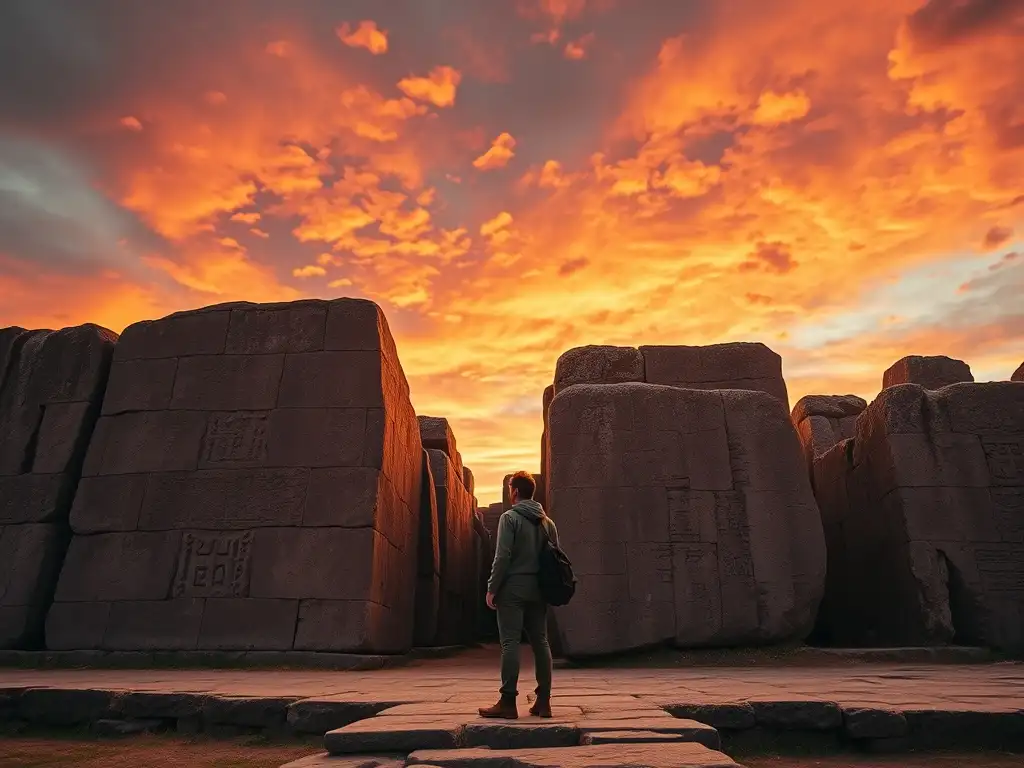
The monumental complex of Sacsayhuaman, a testament to Inca ingenuity and spiritual significance, faces numerous challenges in the 21st century. Understanding and addressing these threats is crucial to ensuring the preservation of this invaluable piece of Andean heritage for future generations. The Sacsayhuaman Inca ritual significance is intrinsically linked to its physical integrity; safeguarding the site means safeguarding its historical and cultural narrative.
The Challenges of Preserving Sacred Sites Like Sacsayhuaman
Preserving Sacsayhuaman presents a multifaceted challenge. The sheer scale of the site, coupled with its exposure to the elements, contributes significantly to its vulnerability. Erosion from wind, rain, and freeze-thaw cycles gradually wears away the stonework. This is exacerbated by the porous nature of the local rock, making it susceptible to water damage. Furthermore, seismic activity in the region poses a constant threat of structural damage.
Beyond natural factors, human impact presents a significant challenge. Tourism, while beneficial economically, can lead to wear and tear on the site if not managed sustainably. Unsustainable tourism practices, including inappropriate touching of the stones and the creation of unofficial pathways, accelerate erosion and damage delicate features. Furthermore, looting and vandalism continue to threaten the integrity of the site, removing artifacts and defacing stone carvings.
The delicate balance between accessibility for visitors and protection from damage requires careful and constant monitoring and management. Careful planning and strategic interventions are needed to mitigate these threats effectively. For example, implementing strict visitor guidelines, employing conservation techniques, and educating tourists about responsible behavior are crucial steps in protecting Sacsayhuaman's legacy.
How You Can Contribute to the Preservation of Inca Heritage
While large-scale conservation efforts are essential, individual actions play a crucial role in protecting sites like Sacsayhuaman. Responsible tourism is paramount. This entails respecting designated pathways, refraining from touching or climbing on the structures, and avoiding littering. Supporting local communities and businesses that promote sustainable tourism practices directly contributes to the long-term preservation of the site. Their economic well-being is often intrinsically linked to the preservation of their cultural heritage.
Educating oneself and others about the Sacsayhuaman Inca ritual significance is another vital contribution. Sharing knowledge about the site's history, cultural importance, and the challenges it faces raises awareness and encourages responsible behavior among visitors. This dissemination of information can be achieved through various channels, from social media to educational programs and guided tours. Even small actions, such as advocating for responsible tourism policies and supporting organizations dedicated to cultural preservation, can create a significant positive impact. Remember, the preservation of Sacsayhuaman is a collective responsibility, and every individual contribution counts towards safeguarding this incredible piece of history.
Supporting Organizations like the Global Heritage Fund Dedicated to Cultural Preservation
Many organizations are actively involved in the preservation of cultural heritage sites worldwide. These organizations often possess the expertise, resources, and networks necessary to implement large-scale conservation projects. Supporting these initiatives, whether through donations, volunteering, or advocacy, is a powerful way to contribute to the long-term preservation of Sacsayhuaman and other significant sites.
These organizations often work closely with local communities, ensuring that preservation efforts are sustainable and benefit the people who are custodians of the heritage. By supporting these organizations, you're not only contributing financially but also amplifying their efforts to protect invaluable cultural treasures for future generations. Researching and selecting reputable organizations dedicated to the preservation of Andean heritage, like the Global Heritage Fund (or similar organizations), is an effective way to channel your support towards tangible results.
Their work often involves detailed assessments of the site's condition, implementation of conservation strategies, and community engagement programs, all geared towards the long-term safeguarding of our shared heritage. The preservation of Sacsayhuaman is not merely a matter of preserving stones; it's about preserving a vital part of human history and cultural identity.
Conclusion: Sacsayhuaman, A Testament to Inca Ritual Practices
Sacsayhuaman's imposing presence and intricate design are undeniable testaments to the profound ritual significance held by the Inca civilization. The sheer scale of the site, the meticulous stonework, and the strategic location all point towards a complex system of beliefs and practices centered around this remarkable structure. Analyzing the architectural features, the evidence of ceremonial activities, and the symbolic meaning embedded within the site provides a glimpse into the cosmology and worldview of the Inca people. Understanding Sacsayhuaman's Inca ritual significance helps us appreciate the ingenuity and spiritual depth of this fascinating culture.
Reflecting on the Profound Ritual Significance of Sacsayhuaman
The evidence suggests that Sacsayhuaman functioned as more than just a fortress. While its defensive capabilities are evident, the monumental architecture and the lack of typical residential structures within its walls strongly indicate a primarily ceremonial purpose. The precision of the stonework, exceeding even modern engineering marvels in some aspects, speaks to the sacred nature of the undertaking. The Inca's dedication to precise craftsmanship, evident in the perfectly fitted stones without mortar, suggests a deep reverence for the project and the deities it honored.
This meticulous attention to detail is not merely functional but imbued with symbolic meaning. The colossal stones themselves, some weighing over 100 tons, might represent the power and permanence of the Inca empire and its connection to the sacred mountain landscape. Furthermore, the strategic placement of the site, overlooking Cusco, points to its importance as a focal point for Inca religious and political power.
The astronomical alignments, although still debated among researchers, further strengthen the argument for Sacsayhuaman's ritual importance, suggesting a connection between earthly and celestial realms. The discovery of ritual objects and human remains within the site also supports this interpretation. This intricate interplay of architecture, astronomy, and symbolic representation underscores the profound ritual significance of Sacsayhuaman within the Inca worldview.
Continuing the Exploration of Inca Rituals and Culture
The exploration of Sacsayhuaman's Inca ritual significance offers a crucial lens through which to understand the broader Inca religious and cultural landscape. Further research into the site, including continued archaeological excavations and analysis of existing artifacts, promises to unveil even more insights into Inca beliefs and practices. Comparing the architectural features and ritual practices at Sacsayhuaman with other Inca sites, such as Machu Picchu and Ollantaytambo, can reveal common threads and regional variations in Inca religious expression.
This comparative approach allows for a richer, more nuanced understanding of the complex tapestry of Inca culture. Furthermore, studying the impact of Spanish colonization on the site and its subsequent interpretations helps us understand how our contemporary understanding of Sacsayhuaman has been shaped by historical events and biases. By critically examining the available evidence and engaging with diverse perspectives, we can continue to enrich our knowledge of Inca ritual practices and appreciate the enduring legacy of this remarkable civilization.
The study of Sacsayhuaman, therefore, is not merely an archaeological pursuit, but a journey into the heart of Inca spirituality and a testament to the enduring power of their cultural heritage. Understanding its significance allows for a deeper appreciation of the Inca's sophisticated understanding of cosmology, their masterful engineering skills, and their profound connection to the Andean landscape. 🧐
Frequently Asked Questions
What is Sacsayhuaman's primary significance?
Sacsayhuaman's primary significance lies in its ritual and ceremonial importance to the Inca. It wasn't just a fortress; it was a sacred site connected to Inca cosmology and religious practices. The massive stonework itself was likely considered sacred.
What rituals were performed at Sacsayhuaman?
While precise details are lost to time, evidence suggests religious ceremonies, festivals, and possibly human sacrifices took place at Sacsayhuaman. Its location and imposing architecture suggest a connection to the Inca worldview and their veneration of nature.
Why is the stonework at Sacsayhuaman so impressive?
The precise fitting of massive stones without mortar remains a mystery, showcasing advanced Inca engineering and spiritual significance. The meticulous construction likely held symbolic meaning, reflecting the Inca's mastery and their relationship with the cosmos.
What is the connection between Sacsayhuaman and Inca cosmology?
Sacsayhuaman's location and orientation likely reflect Inca beliefs about the cosmos and the relationship between the earthly and spiritual realms. The site's design may have been intended to mirror celestial events or sacred mountains, emphasizing its spiritual power.
How did the Inca's use of Sacsayhuaman change over time?
While originally likely a sacred site, Sacsayhuaman's use may have evolved over time. It potentially served as a ceremonial center, a fortress, and a symbolic representation of Inca power throughout different periods of the empire.
Final Reflection: Echoes of the Andes: Sacsayhuaman's Enduring Ritual Power
The intricate stonework of Sacsayhuaman isn't just a testament to Inca engineering prowess; it's a living testament to the enduring power of ritual and its profound impact on shaping culture and belief. The meticulous placement of each stone, the deliberate alignment with celestial events, and the sheer scale of the site all speak to a deeply spiritual society that invested immense energy in connecting with the sacred. This connection, though centuries removed, continues to resonate today, reminding us of the fundamental human need to find meaning and purpose beyond the material world.
The enduring legacy of Sacsayhuaman lies not just in its physical presence, but in the echoes of its rituals that continue to shape our understanding of Inca civilization and the broader human experience. The site's power to inspire awe and wonder speaks to the universal human desire for connection with something greater than ourselves. The past is never dead. It's not even past.
- William Faulkner. This quote perfectly encapsulates the ongoing influence of Sacsayhuaman; its history is not merely a historical fact, but a living force that continues to inform our present and shape our future understanding of ritual and spirituality.
Consider, for a moment, the profound implications of this ancient site. What does the dedication and artistry of Sacsayhuaman reveal about the Inca worldview? How can we, in our own lives, cultivate a deeper sense of connection with the sacred, whether through nature, art, or community? Let the echoes of Sacsayhuaman inspire you to seek your own sacred spaces, to find meaning in the rituals that shape your life, and to appreciate the enduring power of human connection to the spiritual realm. The stones may be silent, but their message resonates across time, inviting us to listen and learn.
**Unveil the Mysteries of Sacsayhuaman! **
Thank you for exploring the fascinating world of Sacsayhuaman with us! Your curiosity is key to understanding the rich tapestry of Andean civilizations and their spiritual beliefs. To further deepen your understanding, consider these suggestions:
- **Expand your research:** Investigate the rituals associated with other ancient Andean sites and compare their significance to that of Sacsayhuaman. Consider researching similar megalithic structures from around the world to see how they might connect.
- **Share your discoveries:** Discuss your newfound knowledge with friends, family, and fellow history enthusiasts. Share your insights on social media and participate in online forums dedicated to Andean history and archaeology.
- **Engage with the community:** Seek out local events, lectures, or workshops focused on Andean cultures. Connecting with like-minded individuals can provide valuable insights and foster a deeper appreciation for this rich heritage.
Which aspect of Sacsayhuaman's ritual significance resonates most with you, and how do you believe it might influence or inform contemporary spiritual or cultural practices?