
Unearthing the Past: MustSee Archaeological Sites of the Andes

Step into a world lost to time, where towering mountain ranges conceal secrets whispered across millennia. Prepare to be amazed as we delve into the captivating realm of Ancient Andean archaeological sites, uncovering the breathtaking ingenuity and enduring legacy of civilizations like the Incas, Moche, and Nazca. This journey through time promises to reveal astonishing artistry, innovative engineering, and mysteries yet to be fully understood. Are you ready to unearth the past? Let's begin exploring!
- Discovering the Majesty of Ancient Andean Archaeological Sites
- Exploring the Best Ancient Andean Sites: A Traveler's Guide
- Planning Your Trip to Ancient Andean Ruins
- Conclusion: Preserving the Legacy of Ancient Andean Civilizations
-
Frequently Asked Questions
- What are some of the most important Ancient Andean archaeological sites?
- How did the different Andean cultures influence each other?
- What kind of technology did the Ancient Andean civilizations utilize?
- Are there any ongoing archaeological projects in the Andes?
- Where can I find more information about Ancient Andean archaeological sites?
- Final Reflection: Echoes of the Andes, Whispers of the Future
- Embark on Your Journey Through the Ancient Andes!
Discovering the Majesty of Ancient Andean Archaeological Sites
The Andes Mountains, a spine of towering peaks running down the western coast of South America, are not just a breathtaking geological marvel; they are also a treasure trove of ancient history. For millennia, vibrant civilizations—the Incas, Moche, Nazca, Tiahuanaco, and many others—flourished in this challenging yet fertile landscape.
Their legacies are etched into the very fabric of the Andes, manifested in awe-inspiring architectural feats, intricate artistry, and sophisticated technologies. This article delves into the remarkable archaeological sites that offer a captivating glimpse into the lives and achievements of these ancient Andean cultures, providing a curated list of must-see locations for anyone interested in exploring the wonders of "Ancient Andean archaeological sites."
We'll examine not only the historical significance of these sites but also the practical aspects of visiting them, ensuring your journey through time is both enriching and enjoyable. Prepare to be amazed by the ingenuity and resilience of these ancient peoples, whose stories are waiting to be unearthed.
Introduction to the Rich History of the Andes
The history of the Andes is a complex tapestry woven from threads of diverse cultures and empires. For centuries, independent communities thrived, developing unique agricultural techniques adapted to the varied altitudes and climates. The development of sophisticated irrigation systems, such as those employed by the Nazca, allowed for intensive agriculture in arid regions, supporting substantial populations.
Later, powerful empires like the Wari and Tiwanaku exerted considerable influence across vast territories, leaving behind monumental architecture and a legacy of cultural exchange. The Inca Empire, the last great Andean civilization before the Spanish conquest, unified a significant portion of the Andes, creating a remarkable administrative and logistical system that facilitated the construction of impressive cities like Machu Picchu and impressive road networks spanning thousands of miles.
Understanding this rich and layered history is crucial to appreciating the significance of the archaeological sites that remain today. Each site tells a unique story, offering insights into different aspects of Andean life, from religious practices and social structures to technological innovations and artistic expressions.
Why Explore the Archaeological Wonders of the Andes?
Exploring the archaeological sites of the Andes is more than just ticking off destinations on a bucket list; it's an immersive journey into a captivating past. These sites provide a tangible connection to the ingenuity and resilience of ancient Andean civilizations. The sheer scale of some structures, like the monumental platforms of Tiahuanaco or the intricate stonework of Ollantaytambo, is awe-inspiring and speaks volumes about the advanced engineering skills of these cultures.
Beyond the impressive architecture, these sites offer glimpses into the daily lives of ancient Andean people. Discoveries of pottery, textiles, and tools provide valuable insights into their artistic skills, religious beliefs, and daily routines. Furthermore, visiting these sites contributes directly to the preservation of this invaluable cultural heritage.
Tourism, when managed responsibly, can generate revenue that supports ongoing archaeological research, conservation efforts, and the development of local communities. The experience itself is enriching, offering a profound appreciation for the enduring legacy of Andean civilizations and a deeper understanding of human history. It's a journey that will leave you captivated, inspired, and humbled by the achievements of those who came before us.
Exploring the Best Ancient Andean Sites: A Traveler's Guide
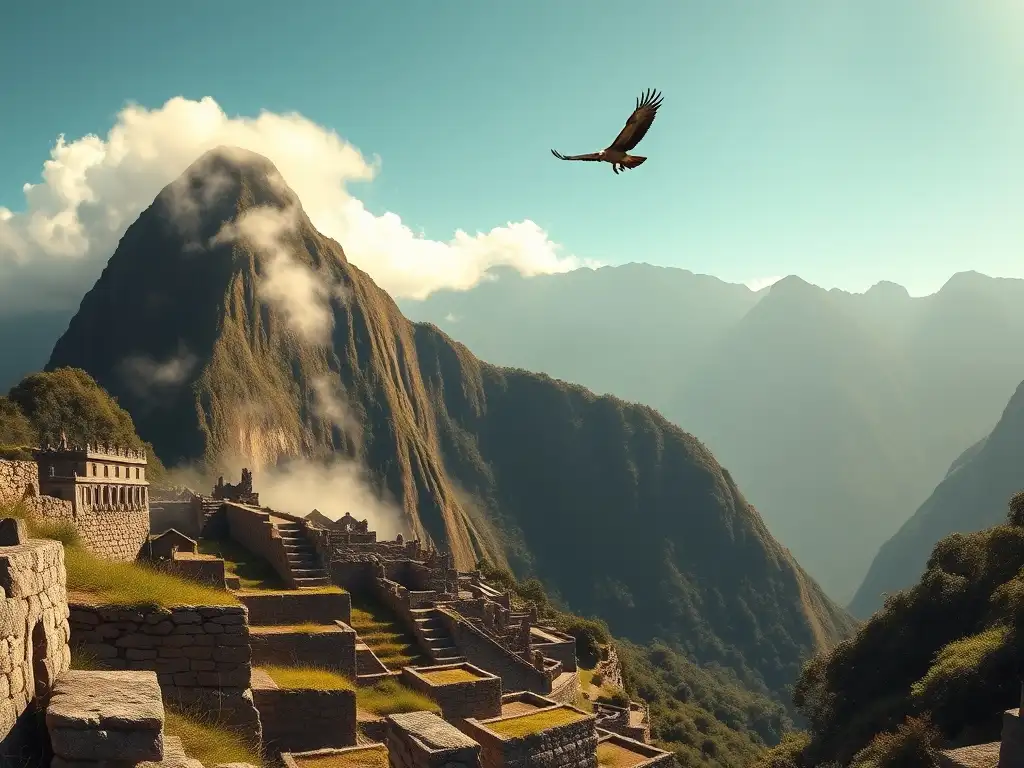
This section focuses on providing detailed information for travelers interested in exploring some of the most significant Ancient Andean archaeological sites. We'll delve into practical aspects like accessibility, recommended tours, and essential gear, ensuring your journey is both enriching and comfortable. Our aim is to help you plan your exploration of these fascinating remnants of ancient civilizations, offering insights beyond the typical tourist brochures. We will cover key sites, focusing on what makes each unique and unforgettable. This information will help you plan your exploration of these fascinating remnants of ancient civilizations.
Machu Picchu: The Lost City of the Incas
Machu Picchu, arguably the most iconic Ancient Andean archaeological site, captivates visitors with its breathtaking mountaintop setting and intricate Inca architecture. Its discovery in 1911 unveiled a remarkably preserved city, offering unparalleled insight into Inca life and ingenuity. Planning a trip requires careful consideration of various factors to ensure a fulfilling experience.
The Inca Trail and Guided Tours to Machu Picchu
Reaching Machu Picchu can be an adventure in itself. The classic Inca Trail trek, a challenging four-day hike, offers a truly immersive experience, culminating in the awe-inspiring sight of the lost city. Numerous tour operators provide guided treks, including all necessary permits and logistical support. These tours cater to different fitness levels, ranging from challenging multi-day treks to shorter, less strenuous options.
Remember that permits for the Inca Trail are limited and must be booked well in advance. Alternatively, you can access Machu Picchu by train from Cusco, followed by a bus ride up to the citadel. This option is significantly less physically demanding.
Accommodation Options Near Machu Picchu
Accommodation options near Machu Picchu range from budget-friendly hostels in Aguas Calientes (the town at the base of the mountain) to luxurious hotels offering stunning views. Aguas Calientes provides a range of choices, catering to various budgets and preferences. Booking in advance, especially during peak season, is highly recommended to secure your preferred accommodation. Consider factors like proximity to the bus station and the train station when making your choice.
Recommended Hiking Gear for the Inca Trail
If you choose the Inca Trail trek, proper preparation is crucial. Essential gear includes sturdy hiking boots broken in well before the trip, moisture-wicking clothing, layers for varying temperatures, a rain jacket, a backpack (approximately 40-50 liters), a water filter or purification tablets, sunscreen, insect repellent, a hat, and a first-aid kit. Don't forget a camera to capture the stunning scenery! Consider renting some equipment if you don't want to invest in items you may only use once.
Chan Chan: The Largest Pre-Columbian City in South America
Located near Trujillo, Peru, Chan Chan stands as a testament to the Chimú civilization's architectural prowess. This immense adobe city, the largest pre-Columbian city in South America, showcases intricate designs and remarkable urban planning. Exploring its ruins offers a fascinating glimpse into the Chimú culture's sophisticated society and advanced engineering skills.
Exploring the Intricate Mud Brick Architecture of Chan Chan
Chan Chan's architecture is characterized by its massive mud-brick structures, intricate relief carvings, and complex layout. The city's palaces, temples, and residential areas are arranged in a carefully planned grid system. Guided tours are highly recommended to understand the significance of the different architectural elements and the overall city layout. Many sections are still under excavation, revealing new insights into Chimú life with each passing year. Remember to bring plenty of water, as the site can be quite extensive and the climate is often hot and dry.
Day Trips and Guided Visits to Chan Chan from Trujillo
Trujillo serves as a convenient base for day trips to Chan Chan. Numerous tour operators offer guided visits, providing transportation and expert insights into the site's history and significance. These tours often include visits to other nearby archaeological sites and museums, enriching the overall experience. Consider booking a tour that includes a visit to the Huaca del Sol and Huaca de la Luna, two significant Moche pyramids near Trujillo, for a more comprehensive understanding of the region's rich history.
Recommended Books and Documentaries on the Chimú Culture
To further enhance your understanding of Chan Chan and the Chimú civilization, consider exploring various resources. Several excellent books delve into the history, architecture, and social structures of the Chimú, while documentaries offer visually engaging insights into their culture and achievements. These resources can enrich your experience by providing context and deepening your appreciation for this remarkable ancient Andean civilization. Searching for "Chimú culture" in your preferred online library or streaming service will reveal a wealth of information.
Ollantaytambo: A Marvel of Inca Engineering
Ollantaytambo, nestled high in the Urubamba Valley of Peru, stands as a testament to the Inca's remarkable architectural and engineering prowess. More than just a picturesque village, Ollantaytambo is a sprawling complex of intricately carved stone structures, agricultural terraces clinging to steep slopes, and a formidable fortress that once guarded a vital pass in the Andes. The sheer scale of the site is breathtaking, leaving visitors awestruck by the ambition and skill of the Inca builders.
The precision with which the massive stones were cut and fitted together, without the use of mortar, remains a source of wonder and continues to inspire modern engineers. Exploring Ollantaytambo offers a tangible connection to the sophisticated civilization that once thrived in this region, showcasing their mastery of stonework, water management, and strategic defense.
The site's imposing presence and meticulous craftsmanship offer a captivating glimpse into the heart of the Inca Empire. The vibrant energy of the location, combined with its rich history, makes it an unforgettable experience for any visitor interested in ancient Andean archaeological sites.
The Impressive Terraces and Fortress of Ollantaytambo
The agricultural terraces of Ollantaytambo are arguably as impressive as the fortress itself. These meticulously constructed terraces, carved into the mountainside, showcase the Inca's advanced understanding of agriculture and water management. The terraces, supported by retaining walls made of precisely fitted stones, allowed the Incas to cultivate crops on steep, otherwise unusable slopes, maximizing their arable land.
The scale of the undertaking is staggering, reflecting the Inca's dedication to ensuring food security and their deep connection to the land. The fortress itself, perched above the terraces, is a masterpiece of military architecture. Its strategic location and imposing walls provided an effective defense against potential invaders.
The intricate network of passages, chambers, and plazas within the fortress demonstrates a sophisticated understanding of urban planning and defense strategies. The sheer size and complexity of both the terraces and the fortress leave a lasting impression on visitors, highlighting the advanced engineering skills of the Inca civilization.
Staying in Ollantaytambo: Hotels and Guesthouses
Ollantaytambo offers a range of accommodation options to suit various budgets and preferences. From luxurious hotels offering stunning views of the Andes to cozy guesthouses run by local families, visitors can find comfortable and convenient places to stay. Many hotels are located within walking distance of the archaeological site, making it easy to explore the ruins at your leisure.
Staying in Ollantaytambo allows you to fully immerse yourself in the local culture and experience the vibrant atmosphere of this historic town. The proximity to the archaeological site also means you can easily revisit certain areas or explore different sections throughout your stay. Many accommodations offer insightful information about the site and surrounding areas, enriching the overall travel experience.
Local Artisan Crafts and Souvenirs in Ollantaytambo
The town of Ollantaytambo is also known for its vibrant artisan community. Visitors can find a wide array of locally made crafts and souvenirs, including textiles, pottery, jewelry, and wood carvings. These handcrafted items often reflect traditional Inca designs and techniques, offering a unique and authentic souvenir to take home.
Purchasing these items directly from local artisans helps support the community and preserves traditional craftsmanship. The market offers a chance to interact with local artisans, learn about their techniques, and appreciate the cultural heritage embedded in their work. The vibrant colors and intricate designs of these handcrafted items make them highly sought-after keepsakes for visitors interested in Ancient Andean archaeological sites.
Tiwanaku: The Enigmatic Capital of an Ancient Empire
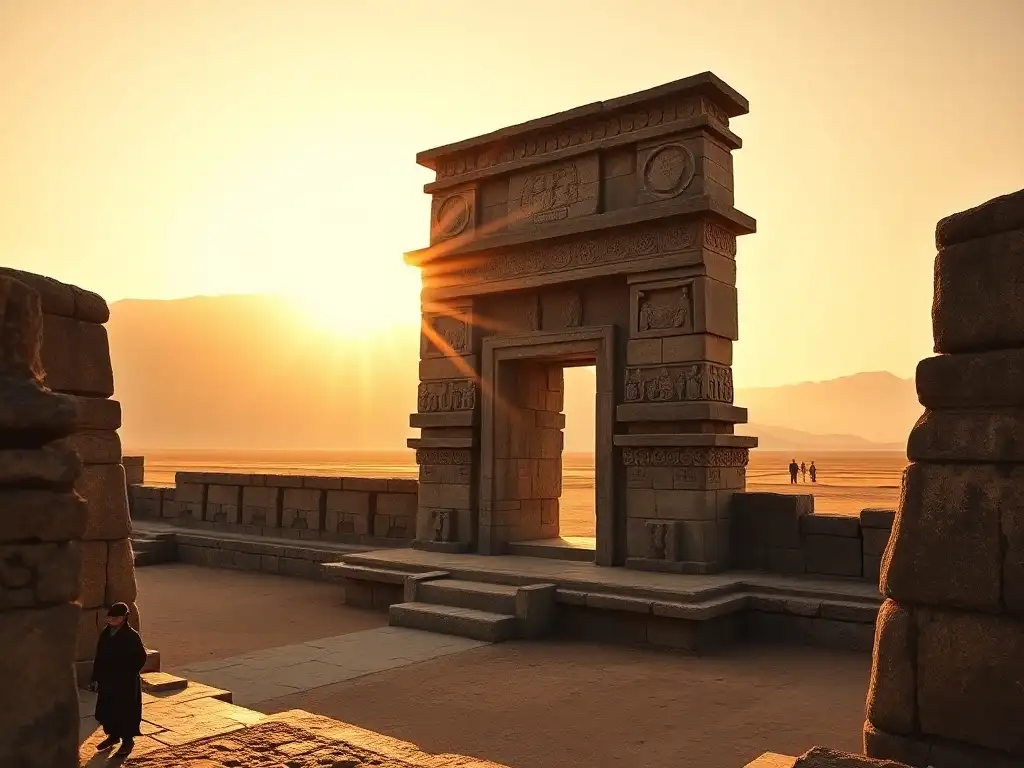
Located on the shores of Lake Titicaca in Bolivia, Tiwanaku is a truly enigmatic archaeological site. This pre-Inca city, which flourished between 300 and 1000 CE, is renowned for its massive stone structures, intricate carvings, and sophisticated urban planning. The precise reasons for Tiwanaku's rise and eventual decline remain a subject of ongoing research and debate, adding to the site's mysterious allure. The city's impressive monuments, including the Sun Gate and the Akapana Pyramid, showcase a level of architectural and engineering skill that was unparalleled in the region at the time. The sheer scale of the stones used in construction, some weighing several tons, is testament to the advanced technology and organizational capabilities of the Tiwanaku people. Exploring Tiwanaku provides a fascinating glimpse into a sophisticated civilization that significantly influenced the development of later Andean cultures. This mysterious site is a highlight for anyone interested in Ancient Andean archaeological sites.
Unveiling the Mysteries of the Sun Gate and Akapana Pyramid
The Sun Gate, a monumental gateway adorned with intricate carvings, is perhaps the most iconic feature of Tiwanaku. Scholars continue to debate the meaning of the carvings, which depict a variety of figures and symbols, including a possible representation of the creator god Viracocha. The Akapana Pyramid, a massive earthen mound, is another significant structure at Tiwanaku.
Archaeological investigations suggest that the pyramid may have served as a ceremonial center or a sophisticated water management system. The precise function of the pyramid remains a topic of ongoing research, however, its impressive size and strategic location indicate its importance within the Tiwanaku civilization. The Sun Gate and Akapana Pyramid stand as testaments to the advanced engineering and artistic skills of the Tiwanaku people, and their exploration offers visitors a compelling insight into the spiritual and social life of this ancient civilization.
Guided Tours and Archaeological Expeditions in Tiwanaku
Visitors to Tiwanaku can choose from a variety of guided tours to enhance their understanding of the site. Guided tours offer valuable insights into the history, architecture, and significance of the ruins, providing context and enriching the visitor's experience. For those seeking a more immersive experience, archaeological expeditions are also available, offering opportunities to participate in ongoing research and learn firsthand about the ongoing efforts to unravel the mysteries of Tiwanaku.
These guided tours and expeditions provide a deeper understanding of the site and its importance within the broader context of Andean civilizations. Many tours incorporate information about the local culture and traditions, providing a more complete experience.
Resources for Further Research on Tiwanaku
For those interested in delving deeper into the history and culture of Tiwanaku, numerous resources are available. Academic journals, books, and online databases contain a wealth of information about the site's history, archaeology, and ongoing research. Museums and cultural centers often host exhibitions and lectures on Tiwanaku, providing opportunities to learn from experts and engage with the latest discoveries.
By continuing to research and learn about Tiwanaku, visitors can gain a deeper appreciation for the achievements and mysteries of this fascinating ancient civilization. These resources are invaluable for anyone seeking to expand their knowledge of the Ancient Andean archaeological sites.
Nazca Lines: Geoglyphs etched into the Desert
The Nazca Lines, located in the Nazca Desert of southern Peru, are a collection of ancient geoglyphs etched into the earth. These enormous figures, visible only from the air, depict animals, plants, and geometric shapes, baffling researchers and captivating visitors for decades. Their scale is breathtaking; some figures stretch over 1,000 feet long! The precision with which these lines were created is astounding, showcasing the advanced engineering and planning capabilities of the Nazca culture.
The arid climate of the desert has remarkably preserved these intricate designs, allowing us to marvel at their complexity even today. The mystery surrounding their creation and purpose continues to fuel intense scholarly debate and attracts countless tourists eager to witness this incredible feat of ancient engineering. Understanding the Nazca Lines requires considering both their visual impact and the historical context of the Nazca civilization.
Taking an Aerial Tour Over the Nazca Lines
Seeing the Nazca Lines from the ground offers little understanding of their true scale and artistry. A short, scenic flight is the only way to fully appreciate the magnitude of these ancient geoglyphs. Several tour operators offer flights from the nearby town of Nazca, providing stunning aerial views of the most iconic figures, including the hummingbird, the monkey, and the spider. These flights typically last around 30 minutes, offering ample time to observe the intricate details of each geoglyph.
While the cost can vary depending on the operator and the type of aircraft, it's a worthwhile investment for an unparalleled perspective on these enigmatic figures. Remember to book your flight in advance, especially during peak tourist season, to secure your spot and avoid disappointment. Many tours also include ground transportation to and from the Nazca airport, adding convenience to your experience.
Understanding the Theories Behind the Nazca Geoglyphs
The purpose of the Nazca Lines remains a topic of intense speculation and debate among archaeologists and researchers. While there's no single, universally accepted explanation, several prominent theories exist. Some scholars believe the lines were part of a complex astronomical calendar, aligning with celestial events. Others suggest they served as pathways for religious processions or rituals, potentially connected to water sources in the arid desert.
Still others propose that the lines represented a form of communication or a way to mark territorial boundaries. The lack of written records from the Nazca culture complicates the search for definitive answers, leaving the mystery of the Nazca Lines as a testament to the ingenuity and enigmatic nature of this ancient civilization. New research and technological advancements continue to shed light on these fascinating geoglyphs, but the full story remains elusive.
Recommended Travel Agencies for Nazca Lines Tours
Choosing a reputable travel agency is crucial for a smooth and enjoyable Nazca Lines experience. Look for agencies with a proven track record, positive reviews, and a commitment to sustainable tourism. [Specific information pending: A list of reputable travel agencies specializing in Nazca Lines tours would be beneficial here.] When selecting a tour, consider factors like flight duration, the type of aircraft, and the inclusion of ground transportation.
It's also important to inquire about the agency's commitment to environmental protection and responsible tourism practices in the Nazca Desert. A well-planned tour will enhance your understanding and appreciation of this remarkable archaeological site. Remember to compare prices and services before making your final decision to ensure you get the best value for your money.
Caral: The Oldest City in the Americas
Caral, located in the Supe Valley of Peru, is widely recognized as the oldest city in the Americas. This remarkable archaeological site dates back to approximately 2600 BC, predating many other well-known Andean civilizations. Caral's extensive urban complex includes numerous monumental structures, such as large pyramids, plazas, and residential areas. The sophisticated architecture and urban planning of Caral reveal a highly organized society with a complex social structure and advanced technological skills.
Excavations at Caral have unearthed evidence of agriculture, textiles, and musical instruments, providing valuable insights into the daily life and cultural practices of its inhabitants. The discovery of Caral has revolutionized our understanding of early Andean civilization, challenging previous assumptions about the development of complex societies in the region. Visiting Caral offers a unique opportunity to connect with one of the earliest and most significant urban centers in the Americas.
Exploring the Pyramids and Urban Complex of Caral
The Caral site boasts a remarkable array of monumental structures, the most prominent being its impressive pyramids. These pyramids, built from adobe bricks, served as important ceremonial and administrative centers. Exploring the site allows visitors to walk among these ancient structures, imagining the bustling activity that once filled these spaces. The layout of the city, with its interconnected plazas and residential areas, reveals a sophisticated understanding of urban planning.
Detailed information panels provide context and information about the various structures and their functions. Visitors can also explore the museum located on-site, which houses artifacts recovered from the excavations, offering a deeper understanding of the Caral civilization's material culture. Take your time to explore the site, allowing yourself to be immersed in the history and significance of this remarkable place.
Day Trips and Guided Tours to Caral from Lima
Caral is conveniently located within a reasonable distance from Lima, making it an accessible day trip option. Several tour operators offer guided tours from Lima, providing transportation, a knowledgeable guide, and ample time to explore the site. These tours often include a visit to the Caral museum, providing a comprehensive understanding of the civilization's history and culture.
Choosing a guided tour offers several advantages, including convenient transportation, expert insights from experienced guides, and a structured itinerary that allows you to make the most of your visit. Consider booking your tour in advance, especially during peak season, to secure your spot and avoid potential delays. Remember to check reviews and compare prices before making your final decision.
Books and Resources on the Caral Civilization
To delve deeper into the fascinating history and culture of the Caral civilization, several excellent books and resources are available. [Specific information pending: A list of recommended books and academic resources on the Caral civilization would be helpful here.] These resources provide detailed information on the archaeological discoveries, the social organization, the economic activities, and the cultural practices of the Caral people.
Academic journals and online databases also offer valuable insights for those interested in further research. Exploring these resources will enrich your understanding of this remarkable ancient civilization and its significant contribution to the history of the Americas. Remember to consult reputable sources to ensure the accuracy and reliability of the information you find.
Planning Your Trip to Ancient Andean Ruins
This section focuses on practical considerations for planning your journey to explore the fascinating Ancient Andean archaeological sites. Successfully navigating these incredible locations requires careful preparation, ensuring a safe and enriching experience. Understanding the nuances of travel in the Andes will significantly enhance your appreciation of the historical significance of these sites.
Best Time to Visit Andean Archaeological Sites
The optimal time to visit Andean archaeological sites largely depends on the specific location and your priorities. The Andes boast diverse microclimates, influencing weather patterns considerably. Generally, the dry season (May to September) offers the best conditions for exploring many sites. This period provides clearer skies, reducing the risk of rain-related disruptions and enhancing visibility for appreciating the vast landscapes and intricate details of the ruins.
However, keep in mind that this is also peak tourist season, meaning higher prices and more crowds at popular locations. The shoulder seasons (April and October) provide a reasonable compromise, offering pleasant weather with fewer crowds and potentially lower costs. Conversely, the wet season (October to April) can present challenges, with unpredictable rainfall potentially limiting access to some sites and trails. The increased humidity can also make exploration more physically demanding.
For example, Machu Picchu, a prime example of Ancient Andean archaeological sites, experiences the most favorable conditions during the dry season. However, trekking the Inca Trail during this period requires advance booking, sometimes months in advance. Conversely, exploring sites in the northern Andes, such as the Chan Chan ruins in Peru, may be less affected by rainfall during the wet season, but be aware of potential mud and reduced visibility.
Essential Travel Gear for Exploring Ancient Ruins
Proper preparation is crucial when venturing into the high altitudes and varied terrains of the Andean archaeological sites. Packing the right gear can significantly improve the comfort and safety of your exploration. Here's a checklist of essential items:
- Appropriate Footwear: Sturdy hiking boots with good ankle support are indispensable. The terrain can be uneven and sometimes challenging, requiring footwear that provides stability and protection.
- Layers of Clothing: The Andes experience significant temperature fluctuations, even within a single day. Packing layers allows you to adapt to changing conditions, ranging from warm sun to cool evenings and even potential rainfall. Include lightweight, breathable fabrics along with warmer options like fleece jackets or sweaters.
- Sun Protection: The high altitude intensifies the sun's rays. Pack a wide-brimmed hat, sunglasses with UV protection, and high SPF sunscreen. Sunburn can quickly become a significant issue at altitude.
- Hydration: Staying properly hydrated is essential, especially at higher elevations. Carry a reusable water bottle and refill it frequently. Electrolyte drinks can also be beneficial.
- First-Aid Kit: A basic first-aid kit including bandages, antiseptic wipes, pain relievers, and any personal medications is crucial. Altitude sickness can be a concern, so be prepared.
- Insect Repellent: Mosquitoes and other insects can be prevalent in some areas, particularly during the wet season. Packing insect repellent will help prevent unpleasant bites.
- Camera and Extra Batteries: Capturing the beauty and historical significance of these sites is a priority for many visitors. Ensure you have sufficient battery power and memory space for your camera.
- Map and Compass/GPS: While guided tours are often recommended, having a map and a compass or GPS device can be helpful for orientation, especially when exploring less frequented areas.
Booking Tours and Transportation for Andean Exploration
Accessing many Ancient Andean archaeological sites requires careful planning regarding transportation and tours. While some sites are easily accessible by public transport, others necessitate pre-arranged tours or private transportation. Booking in advance is highly recommended, especially during peak season.
Many tour operators offer packages catering to various interests and budgets, ranging from day trips to multi-day expeditions. These tours often include transportation, guided visits, and sometimes accommodation. Researching and selecting a reputable tour operator is crucial to ensure a safe and informative experience. Check reviews and compare prices before making a decision. Factors to consider when choosing a tour include group size, the experience level of the guide, and the specific sites included in the itinerary.
For independent travelers, researching public transportation options is essential. Buses are a common and affordable way to travel between cities and towns near archaeological sites. However, travel times can be lengthy, and the quality of roads can vary. Consider the accessibility of the sites you plan to visit and factor in travel time when creating your itinerary. For remote sites, hiring a private driver or utilizing taxis might be necessary. Remember to confirm transportation arrangements well in advance, especially during peak season to avoid disappointment.
Conclusion: Preserving the Legacy of Ancient Andean Civilizations
The exploration of Ancient Andean archaeological sites offers a captivating journey through time, revealing the ingenuity and resilience of past civilizations. From the intricate Nazca Lines etched across the desert plains to the monumental structures of Machu Picchu perched high in the Andes, these sites stand as powerful testaments to human achievement and cultural complexity. Understanding the significance of these locations necessitates a commitment to their preservation, ensuring that future generations can appreciate their historical and cultural value.
The delicate balance between allowing access to these wonders and safeguarding them from degradation requires careful consideration and proactive measures. The impact of tourism, both positive and negative, needs careful management to ensure the long-term survival of these irreplaceable treasures. This requires a multi-faceted approach encompassing both governmental initiatives and responsible tourism practices.
Supporting Sustainable Tourism at Archaeological Sites
Sustainable tourism is paramount in preserving Ancient Andean archaeological sites. This involves implementing strategies that minimize environmental impact while maximizing the benefits for local communities. Several key aspects contribute to this goal:
- Controlled Access: Limiting the number of visitors to sites, particularly those prone to damage from foot traffic or erosion, is crucial. Implementing timed entry systems and guided tours can help manage visitor flow effectively. This approach minimizes the physical impact on fragile structures and artifacts, extending their lifespan for future exploration.
- Community Involvement: Engaging local communities in the management and preservation of archaeological sites fosters a sense of ownership and responsibility. Providing employment opportunities related to tourism, such as guiding, maintenance, and craft production, empowers local populations and creates a vested interest in the sites' continued well-being.
- Educational Initiatives: Educating visitors about the significance of the sites and the importance of responsible behavior is essential. Clear signage, informative brochures, and engaging guided tours can raise awareness and encourage respectful interaction with the ancient heritage. This includes emphasizing the need to avoid touching artifacts or climbing on structures.
- Infrastructure Development: Investing in appropriate infrastructure, such as improved pathways, visitor centers, and waste management systems, reduces the environmental footprint of tourism. Sustainable materials and designs should be prioritized to minimize negative impact on the surrounding environment. For example, the use of locally sourced, eco-friendly building materials would significantly reduce the carbon footprint of any new construction.
The implementation of these strategies requires collaborative efforts between governmental agencies, local communities, and tourism operators. Data collection on visitor numbers, environmental impact, and economic benefits is crucial for refining and adapting these strategies over time. This data-driven approach ensures that sustainable tourism practices are continuously improved and optimized. The long-term preservation of these sites relies on a commitment to responsible and sustainable tourism practices.
Continuing the Journey of Discovery
The study and appreciation of Ancient Andean archaeological sites is an ongoing process. New discoveries are constantly being made, adding to our understanding of these remarkable civilizations. Technological advancements in archaeology, such as ground-penetrating radar and advanced imaging techniques, continue to unveil hidden secrets and provide deeper insights into the lives and practices of ancient Andean peoples.
Furthermore, ongoing research into materials science and preservation techniques helps to protect these fragile sites from the ravages of time and the elements. This continuous cycle of discovery and preservation ensures that the legacy of these civilizations endures, enriching our understanding of human history and cultural diversity. The enduring fascination with these sites reflects humanity's deep-seated curiosity about its past and the enduring power of ancient cultures to inspire and amaze.
The journey of discovery continues, promising to unlock further mysteries and deepen our appreciation for the remarkable achievements of the Ancient Andean civilizations. The ongoing research and preservation efforts are vital to ensure that future generations can continue to explore and learn from these invaluable resources. 🗺️ 🗿
Frequently Asked Questions
What are some of the most important Ancient Andean archaeological sites?
The Andes boast many significant sites! Machu Picchu, Chan Chan, and Sacsayhuamán are incredibly popular and well-preserved examples of Inca, Chimú, and Inca architecture respectively. Many other fascinating sites exist across the region.
How did the different Andean cultures influence each other?
Andean cultures engaged in extensive cultural exchange and interaction. Through trade, warfare, and migration, ideas, technologies, and artistic styles spread across the region, creating a rich tapestry of interconnected societies. This is evident in similarities and differences observed across different sites.
What kind of technology did the Ancient Andean civilizations utilize?
Ancient Andean civilizations were remarkably innovative. They developed sophisticated irrigation systems, advanced metalworking techniques, and impressive architectural skills using locally sourced materials. Their understanding of astronomy also influenced their construction and societal structures.
Are there any ongoing archaeological projects in the Andes?
Yes, numerous archaeological projects are underway across the Andes. These projects involve international teams and local communities, leading to new discoveries and a greater understanding of these ancient societies. New findings are frequently published in academic journals.
Where can I find more information about Ancient Andean archaeological sites?
You can explore museums dedicated to Andean cultures (e.g., the Larco Museum in Lima), academic journals, and reputable websites such as the Andean Civilizations website. Many books and documentaries are also available, offering diverse perspectives on the topic.
Final Reflection: Echoes of the Andes, Whispers of the Future
The breathtaking archaeological sites of the Andes aren't just relics of a bygone era; they are living testaments to human ingenuity and resilience, profoundly shaping our understanding of civilization itself. These ancient cities, meticulously crafted terraces, and intricate artifacts continue to resonate today, offering invaluable insights into sustainable living, complex social structures, and the enduring power of human creativity in the face of adversity. Their preservation is not merely a historical imperative, but a crucial step in understanding our shared human heritage and safeguarding our planet's future.
The enduring legacy of the Andean civilizations continues to inspire awe and wonder, influencing everything from architectural design to our understanding of societal development. Their sophisticated understanding of agriculture, astronomy, and engineering, often achieved with limited technology, remains a source of constant fascination. The past is never dead. It's not even past.
– William Faulkner. This quote perfectly encapsulates the ongoing relevance of these sites; they are not static monuments, but dynamic threads woven into the fabric of our present and future. Their stories, unearthed and meticulously preserved, offer a powerful counterpoint to the often-fragmented narratives of our modern world.
Consider the ingenuity of the Inca road system, the precision of the Nazca Lines, or the breathtaking scale of Machu Picchu. These are not just tourist destinations; they are living museums, offering a profound connection to the past. You, the reader, are now part of this ongoing conversation.
Take a moment to reflect on the lessons learned from these ancient civilizations. How can we apply their wisdom – their understanding of sustainability, community, and innovation – to the challenges we face today? Let the echoes of the Andes inspire you to build a future as remarkable and enduring as the civilizations that came before.
Embark on Your Journey Through the Ancient Andes!
Thank you for exploring the fascinating world of Andean archaeological sites with us! You've discovered incredible insights into the rich history and culture of these ancient civilizations. Now, let's put that knowledge into action!
Here are some ways to further immerse yourself in this captivating journey:
- Plan your adventure: Research and choose an archaeological site to visit, such as Machu Picchu or Sacsayhuamán. Consider a guided tour to enhance your experience and learn from local experts.
- Share the knowledge: Discuss your favorite aspects of Andean history with friends and family. Inspire others to learn more about this remarkable civilization.
- Dive deeper: Expand your knowledge by exploring our in-depth articles and resources on Andean civilizations. You might discover lesser-known sites and fascinating details that pique your interest!
What aspect of Andean history has captivated you the most, and how will you explore it further? Let's start a conversation!