
The Power of Water: Exploring the Canals and Aqueducts of Tipón

Uncover the secrets whispered on the wind across the Andes! Journey with us into a world of breathtaking ingenuity and unparalleled mastery as we delve into the remarkable Tipón aqueducts and their place in Inca history. Imagine a civilization that harnessed the power of water with such precision, leaving behind a legacy etched in stone and channeled through intricate canals. Prepare to be amazed by the unparalleled engineering and the fascinating stories hidden within the ancient Andean landscapes. Discover more about the ingenuity of the Inca and the secrets of Tipón aqueducts – your exploration begins now!
The ancient Andean civilizations, renowned for their mastery of diverse landscapes and intricate societal structures, demonstrated an unparalleled understanding of water management. This expertise is vividly showcased at Tipón, an archaeological site near Cusco, Peru, that offers a captivating glimpse into Inca ingenuity and resourcefulness.
This article delves into the remarkable network of canals and aqueducts at Tipón, exploring their engineering marvels, their significance within Inca society, and their enduring legacy. We will examine how these impressive water systems not only provided essential resources but also played a vital role in shaping the cultural and agricultural landscape of the Inca Empire.
Understanding Tipón's hydraulic infrastructure provides crucial insights into the sophisticated knowledge and organizational capabilities of the Inca, solidifying its place as a significant site for studying Inca history and technology. Prepare to be amazed by the power of water, expertly harnessed by the Inca at this remarkable site, which perfectly illustrates the keyword "Tipón aqueducts Inca history".
Unveiling the Ingenious Inca Engineering at Tipón
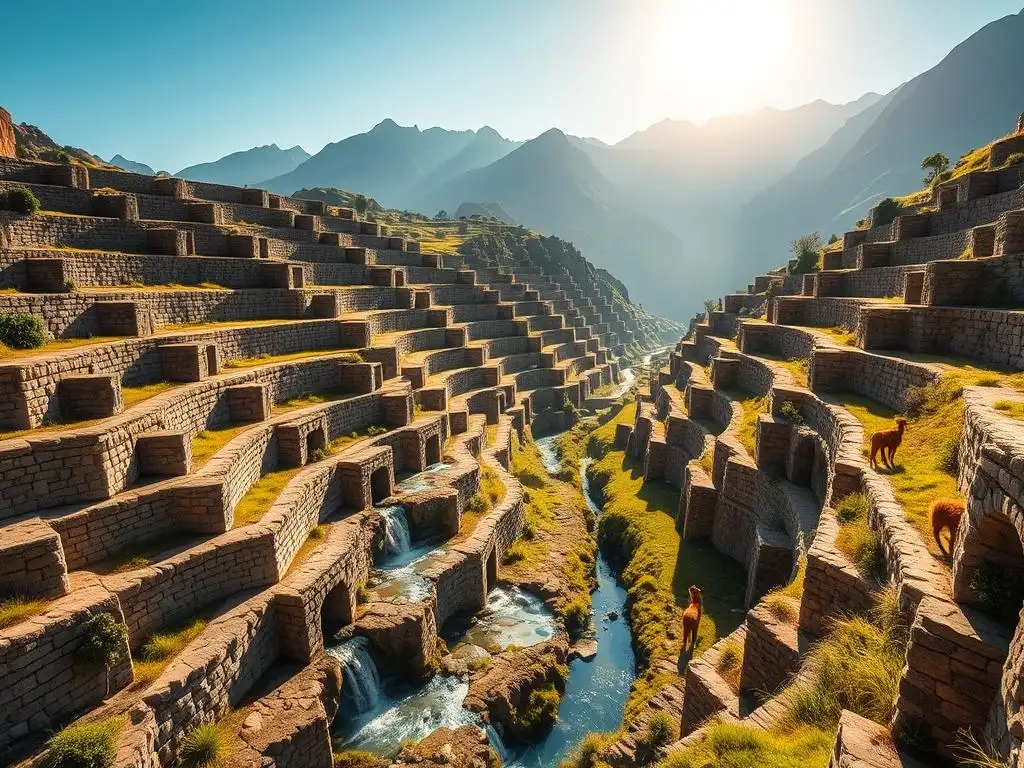
Tipón's water management system is a testament to the Inca's advanced engineering skills. The site boasts a series of intricately designed canals and aqueducts that channeled water from high-altitude springs down the mountainside, irrigating agricultural terraces and supplying water to the urban center. The precision and scale of these structures are truly remarkable.
The canals, carved into the rock face, are remarkably well-preserved, showcasing the Inca's mastery of stonework. They utilized a sophisticated system of channels, siphons, and cascades to control the flow of water, ensuring an even distribution across the agricultural terraces. The system's longevity and efficiency speak volumes about the Inca's deep understanding of hydraulic principles and their ability to adapt to the challenging Andean terrain.
Evidence suggests that the system incorporated sophisticated techniques such as pressure regulation and water filtration, further highlighting the advanced nature of Inca engineering. The sheer scale of the project, requiring significant coordination and labor, is a testament to the Inca's ability to mobilize and organize large-scale public works projects. The precision of the stonework, the efficiency of the water distribution, and the overall scale of the system are all indicative of a highly organized and technologically advanced society.
Understanding the Significance of Tipón's Water Management System
Beyond its impressive engineering, Tipón's water system held profound social and religious significance for the Inca. Water was not merely a resource; it was a sacred element, deeply intertwined with Inca cosmology and beliefs. The control and distribution of water were likely under strict regulation, reflecting the Inca's hierarchical social structure and their emphasis on communal well-being. The agricultural terraces irrigated by the system provided sustenance for the population, highlighting the vital role of water in supporting the Inca Empire's economy and ensuring food security.
The carefully managed water flow likely also played a role in ceremonial practices and religious rituals, with specific channels or fountains potentially dedicated to sacred purposes. [Specific details on religious significance pending further research]. Furthermore, the location of Tipón, near Cusco, suggests that the water system may have been strategically important for supplying the Inca capital.
The efficient management of water resources was essential for maintaining the stability and prosperity of the Inca Empire. The system's longevity and the meticulous attention to detail in its construction underscore the importance placed on water management within Inca society. The integration of this sophisticated system into the broader social and religious fabric of the Inca world makes Tipón a truly exceptional archaeological site.
Planning Your Visit to Tipón: A Journey Through Inca History
Planning a trip to Tipón requires careful consideration, especially if you're aiming to fully appreciate the intricate Inca history woven into its landscape. The site is located approximately 22 kilometers southeast of Cusco, Peru, making it easily accessible but still requiring some preparation. Consider the time of year – the dry season (May to September) offers the best weather for exploring, with clear skies and minimal rainfall. However, this is also peak tourist season, so booking accommodations and tours in advance is highly recommended. The rainy season (October to April) can make some trails muddy and slippery, impacting accessibility.
Remember to factor in travel time to and from Cusco. You can reach Tipón by taxi, bus, or even as part of a guided tour that incorporates other nearby archaeological sites. Researching different tour options allows you to choose one that best suits your interests and budget, potentially offering insights into the Inca's mastery of hydraulic engineering beyond what you might glean from independent exploration.
Checking the official tourism websites for updated information on opening hours and any potential closures is also crucial. A well-planned visit ensures a rewarding and enriching experience, allowing you to fully immerse yourself in the fascinating world of Tipón's Inca aqueducts and agricultural ingenuity. Consider the length of your visit – a half-day trip allows for a good overview, but a full day permits a more thorough exploration and deeper appreciation of the site's intricacies.
Preparing for Your Tipón Adventure: Essential Travel Gear
A successful trip to Tipón requires careful preparation. The site involves considerable walking on uneven terrain, often under the intense Andean sun. Therefore, packing the right gear is paramount for a comfortable and safe experience. This extends beyond simply carrying water and sunscreen; it involves choosing equipment that will withstand the conditions and enhance your exploration.
Failing to prepare adequately could easily detract from the historical significance of the site and negatively impact your enjoyment. Prioritizing comfort and practicality will allow you to focus on the rich history and stunning architecture of Tipón rather than struggling with inadequate equipment. Remember that the altitude in Cusco can also affect your energy levels, so packing light while still carrying essential items is crucial.
High-Quality Hiking Boots for Exploring Ancient Trails
Sturdy hiking boots are non-negotiable for exploring Tipón. The trails can be uneven, rocky, and sometimes steep. Lightweight hiking boots with good ankle support are ideal, ensuring stability and preventing injuries. Invest in high-quality boots that are well-broken-in before your trip to avoid blisters. Consider boots with waterproof features, especially if traveling during the rainy season. Remember that the best boots for this type of terrain will provide excellent traction, crucial for navigating potentially slippery surfaces. A well-fitting boot is essential for comfort and safety during your exploration of the ancient Inca trails.
Durable Backpacks to Carry Your Essentials
A comfortable and durable backpack is essential for carrying water, sunscreen, a hat, and any other necessary items. Choose a backpack with adjustable straps for a secure and comfortable fit. Opt for a backpack with a capacity appropriate for the length of your visit and the amount of gear you need to carry.
Consider features like multiple compartments for organization and potentially a rain cover for protection against unexpected showers. A well-designed backpack will contribute to a more enjoyable experience, allowing you to move freely and comfortably while exploring the site. Remember, you'll be doing a lot of walking, so comfort is key.
A Reliable Water Bottle to Stay Hydrated
Staying hydrated is crucial, especially at altitude. Carry a reusable water bottle with a high capacity to ensure you have enough water throughout your exploration. Consider a water bottle that is insulated to keep your water cool or a hydration pack if you prefer to carry a larger volume of water. Remember that the Andean sun can be intense, leading to rapid dehydration, so consistent hydration is paramount for your well-being and enjoyment of the site. Refilling your water bottle at appropriate points along your journey will ensure you remain refreshed and energized throughout your visit.
Sun Protection: Hats, Sunglasses, and Sunscreen
The Andean sun is intense, even on cloudy days. Protect yourself from harmful UV rays with a wide-brimmed hat, sunglasses, and high SPF sunscreen. Reapply sunscreen regularly, especially after sweating. Consider a hat with a neck flap for added protection. Sunglasses should offer good UV protection to prevent eye strain and potential damage. Sun protection is not merely a comfort measure; it's a necessity for a safe and enjoyable visit to Tipón. Prolonged sun exposure at altitude can lead to sunburn and other complications, so take this precaution seriously.
A Local Guidebook on Inca Architecture
Supplementing your visit with a guidebook focusing on Inca architecture will significantly enhance your understanding and appreciation of Tipón's aqueducts and other structures. A guidebook will provide detailed information on the history, design, and function of the site's various components. Look for a book with high-quality images and clear explanations to help you decipher the intricacies of Inca engineering and architectural achievements. A local guidebook often provides additional context and insights that general travel guides might overlook, allowing for a more meaningful experience. Choosing a reputable guidebook from a known publisher will ensure accuracy and reliable information.
Following the Flow: Exploring Tipón's Waterways
The Main Aqueduct: A Marvel of Inca Engineering
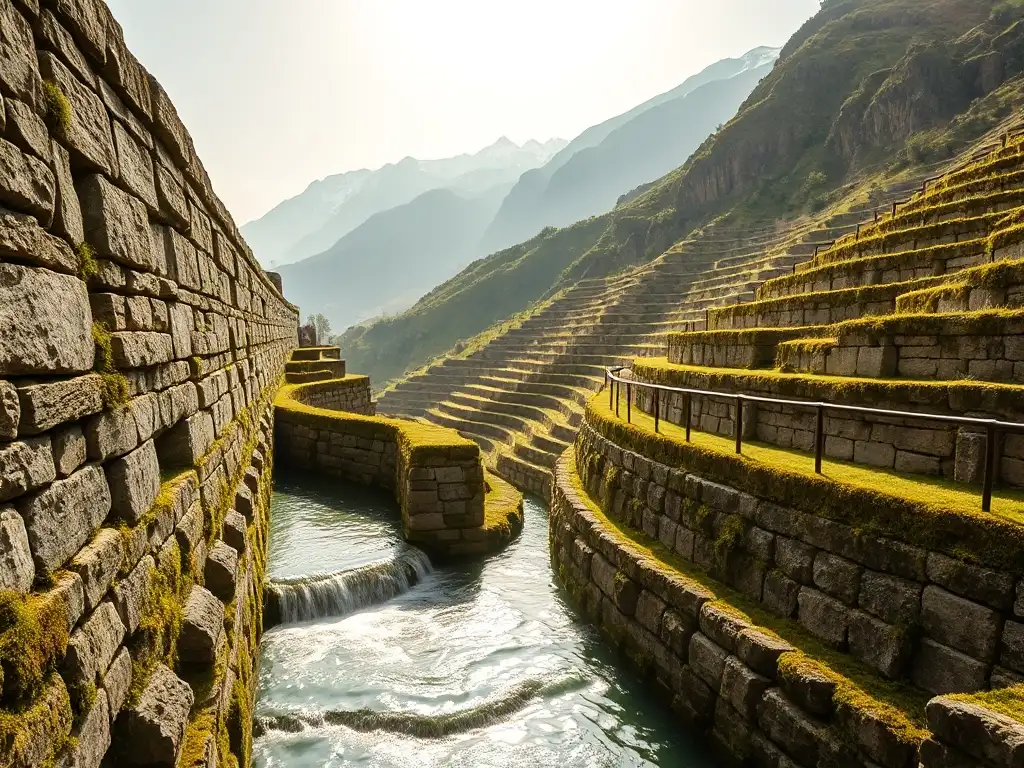
The main aqueduct at Tipón is a breathtaking testament to Inca ingenuity. Its construction involved channeling water from sources high in the Andes mountains, utilizing a sophisticated system of carefully carved stone channels and strategically placed conduits. The precision of the stonework is remarkable, with perfectly fitted blocks creating a smooth, watertight pathway.
The aqueduct's gradient was meticulously designed to ensure a consistent flow of water, even over considerable distances and changes in elevation. This mastery of hydraulic engineering allowed the Incas to transport significant volumes of water to the agricultural terraces below, sustaining a thriving agricultural system. The sheer scale of the project, considering the tools and technology available to the Inca builders, is truly awe-inspiring.
Evidence suggests that the aqueduct was likely maintained and repaired over generations, demonstrating the importance placed upon its continued functionality. The durability of the structure, evident even today, speaks volumes about the skills of the Inca stonemasons and their deep understanding of water management.
The Intricate Canal Network: Guiding Water Through Terraces
Beyond the main aqueduct, Tipón boasts an intricate network of smaller canals that branch out, distributing water efficiently to the various agricultural terraces. These canals, also constructed from precisely fitted stone, are a testament to the Incas' advanced understanding of irrigation. Their design facilitated the controlled distribution of water, ensuring that each terrace received the necessary amount for optimal crop growth. The system's complexity is remarkable, showcasing an impressive level of planning and execution. The canals were not merely functional; their placement and design also reflect a deep understanding of the local topography and the needs of various crops. Some canals were designed to carry water over longer distances, while others served smaller, more localized areas. The intricate network demonstrates a holistic approach to water management, reflecting the Incas' sophisticated agricultural practices. Researchers continue to study the network's layout and intricacies to fully understand the sophistication of Inca irrigation techniques.
Water Fountains and Ritual Baths: Showcasing Inca Beliefs
The presence of water fountains and ritual baths within the Tipón complex highlights the significance of water in Inca religious beliefs. These features weren't merely functional; they served as important ritual spaces, reflecting the sacred nature of water in Inca cosmology. The fountains, often intricately carved from stone, were likely used for ceremonial purposes, possibly linked to offerings or purification rituals. Similarly, the ritual baths suggest a connection between water and spiritual cleansing.
The design and placement of these features within the overall water system underscore the integration of religious practices into everyday life. The careful attention to detail in their construction further emphasizes the importance placed upon these ritual spaces. Archaeological evidence, including the discovery of artifacts near these features, continues to shed light on the religious significance of water in Inca culture. Further research is needed to fully understand the specific rituals associated with these elements.
Examining the Agricultural Terraces: Evidence of Advanced Farming Practices
The agricultural terraces at Tipón are a clear demonstration of the Incas’ advanced agricultural techniques. These terraces, meticulously carved into the hillside, allowed for efficient farming on steep slopes. Their construction involved the precise layering of soil and the creation of level platforms to optimize water retention and crop yields.
The terraces were not only effective in maximizing arable land but also in minimizing soil erosion. This ingenious system allowed the Incas to cultivate a wide variety of crops, supporting a large population. The scale and precision of the terraces are remarkable, showcasing a deep understanding of both engineering and agriculture.
The efficient use of water, facilitated by the canal network, contributed to the high productivity of these terraces. The ingenuity of the Inca agricultural system is evident in the enduring legacy of these terraces, which continue to inspire modern agricultural practices. Studies of the soil composition and the types of crops cultivated in these terraces continue to provide valuable insights into Inca agricultural practices.
Deciphering the Inca History Behind Tipón's Waterworks
The Role of Water in Inca Society and Religion
Water played a central role in Inca society, both practically and symbolically. It was essential for agriculture, sustaining the empire's food production and supporting its large population. Beyond its practical uses, water held profound religious significance, often associated with deities and viewed as a sacred element. Inca mythology and religious practices frequently involved water, reflecting its importance in their worldview.
Control over water resources was crucial for the Inca state's power and stability, as it directly impacted food production and the well-being of the population. The integration of water management into religious practices solidified its importance within the Inca social fabric. Further research into Inca religious texts and archaeological findings is crucial to understand the full extent of water's role in their society.
Comparing Tipón's Engineering with other Inca Sites
While Tipón's waterworks are impressive, they are not unique within the broader context of Inca engineering. Many other Inca sites, such as Machu Picchu and Ollantaytambo, also feature sophisticated water management systems. However, Tipón stands out for the scale and complexity of its aqueducts and canal network. Comparing Tipón to other sites reveals similarities in construction techniques and materials but also highlights regional variations in design and implementation.
These variations might reflect differences in topography, available resources, and local needs. By comparing Tipón with other Inca sites, we gain a broader understanding of Inca engineering practices and their adaptation to diverse environments. Further comparative studies of various Inca sites are needed to fully appreciate the range of Inca engineering capabilities.
The Social and Political Significance of Water Control
Control over water resources was intrinsically linked to the Inca state's power and social organization. The ability to manage water effectively allowed the Incas to control agricultural production, a vital aspect of their economy and social structure. This control also had significant political implications, as it enabled the Inca rulers to exert influence over communities and distribute resources.
The construction and maintenance of waterworks likely involved significant labor mobilization, highlighting the Inca state's capacity for organization and control over its population. The distribution of water resources further shaped social hierarchies and power dynamics within the Inca empire. Archaeological and ethnographic research continues to shed light on the complex interplay between water control, social organization, and political power within the Inca empire.
How Inca Engineers Used Gravity and Topography
Inca engineers skillfully harnessed the power of gravity and topography to create their remarkable water systems. They carefully studied the landscape, identifying natural water sources and utilizing the slope of the land to create efficient systems for transporting water. The aqueducts and canals were strategically designed to follow the natural contours of the terrain, minimizing the need for extensive earthworks and maximizing the flow of water by gravity. This approach to engineering demonstrates a deep understanding of both physics and the local environment.
The use of gravity reduced the need for pumps or other mechanical devices, making the systems both sustainable and efficient. Understanding the Inca's mastery of gravity and topography is crucial to appreciating the sophistication of their water management systems. Further analysis of the engineering principles employed at Tipón and other Inca sites will provide deeper insights into their understanding of hydraulics.
Documenting Your Trip: Photography Tips at Tipón
Capturing the Grandeur of the Aqueducts
The Tipón aqueducts are a breathtaking sight, showcasing the Inca's mastery of hydraulic engineering. To capture their grandeur, consider using a wide-angle lens to encompass the scale of the structures and the surrounding landscape. Shoot during the golden hour—sunrise or sunset—for warm, dramatic lighting that accentuates the stonework and the flow of water. Experiment with different perspectives; try shooting from below to emphasize the height and imposing nature of the aqueducts, or from a distance to capture their integration within the broader landscape.
Remember to use a tripod for sharp images, especially in low-light conditions. Consider using a polarizing filter to reduce glare and enhance the colors of the water and stone. Panoramic shots can also effectively capture the expansive view. The interplay of light and shadow on the aqueducts throughout the day offers diverse photographic opportunities.
Photographing the Intricate Details of the Canals
While the aqueducts are impressive in their scale, the intricate details of the canals are equally captivating. Use a macro lens or zoom in with your telephoto lens to capture the precise craftsmanship of the stonework, the subtle carvings, and the way water flows through the system. Look for interesting textures and patterns in the stone, paying close attention to the way light and shadow play on the surfaces.
Focus on individual sections of the canals to highlight their delicate design and the ingenuity of their construction. A shallow depth of field can help isolate specific details and create a visually appealing bokeh effect. Consider using different angles and viewpoints to showcase the canals' unique features, such as junctions, curves, and water outlets.
Tips for Photographing Terraces and Water Features
The agricultural terraces at Tipón are an integral part of the site's water management system. Photographing these requires a balance between capturing the overall layout and highlighting the individual terraces. Use a drone (where permitted) for an aerial perspective showcasing the terraced landscape and its relationship to the water channels. Alternatively, find elevated viewpoints to capture the cascading effect of the terraces.
When photographing the water features, pay attention to the movement of the water. Use a fast shutter speed to freeze the water's motion, or a slower shutter speed to create a sense of fluidity and motion blur. Experiment with different compositions, including leading lines created by the terraces or the flow of water, to guide the viewer's eye through the image. The interplay of water and stone creates a beautiful visual contrast, which should be emphasized in your photographs.
Recommended Camera Gear for Travel Photography
For optimal results photographing Tipón's aqueducts and canals, consider bringing a versatile camera system. A DSLR or mirrorless camera with interchangeable lenses is ideal. A wide-angle lens (e.g., 16-35mm) is essential for capturing the grandeur of the aqueducts and the surrounding landscape. A telephoto lens (e.g., 70-200mm) will allow you to zoom in on intricate details of the canals and stonework. A macro lens will enable close-up shots of textures and patterns.
A tripod is crucial for sharp images, especially in low-light conditions. Consider bringing a polarizing filter to reduce glare and enhance colors. Extra batteries and memory cards are also essential for a day of shooting. Finally, a cleaning kit for your camera lens is always a good idea.
Experiencing Tipón: Guided Tours and Local Insights
The Benefits of Hiring a Local Tour Guide
Hiring a local guide significantly enhances the Tipón experience. Guides possess in-depth knowledge of the site's history, architecture, and cultural significance, providing context and enriching your understanding beyond what you might glean independently. They can point out subtle details you might miss, explaining the ingenious engineering behind the aqueducts and canals.
They can also offer insights into the daily life of the Inca people and the importance of water in their society. Furthermore, a local guide can help navigate the site efficiently, ensuring you don't miss any key features. Their local expertise can also add a personal touch to your visit.
Exploring the Site with an Expert's Perspective
A knowledgeable guide provides a deeper understanding of the Inca's sophisticated water management systems. They can explain the functionality of the aqueducts, canals, and terraces, illustrating how water was distributed throughout the agricultural landscape. They can discuss the architectural techniques employed in constructing these structures, highlighting the precision and skill involved. Their insights into the social and economic aspects of the Inca civilization provide additional context to the site's significance. They can also connect the site to broader themes within Inca history and culture, providing a more comprehensive understanding.
Engaging with Local Communities and Culture
A guided tour can facilitate interactions with local communities, offering a more immersive cultural experience. Guides often have connections with local artisans or individuals who can share their perspectives on the site's heritage and its continuing importance to the community. This can lead to deeper engagement with local traditions and customs, enriching your overall understanding of Andean culture. It provides an opportunity to appreciate the living legacy of the Inca civilization. This can contribute to a more meaningful and memorable travel experience.
Booking Your Guided Tour Online
Many tour operators offer online booking options for guided tours of Tipón. This allows you to plan your visit in advance, securing a spot with your preferred guide and scheduling the tour at a convenient time. Online booking often provides detailed information about the tour itinerary, duration, and cost, allowing for informed decision-making.
Checking reviews and ratings from previous visitors can help you choose a reputable and reliable tour operator. Online booking also often provides flexibility in terms of cancellation policies, offering peace of mind in case of unexpected changes to your travel plans. Secure online payment options provide a convenient and safe method of transaction.
Extending Your Andean Adventure: Nearby Archaeological Sites
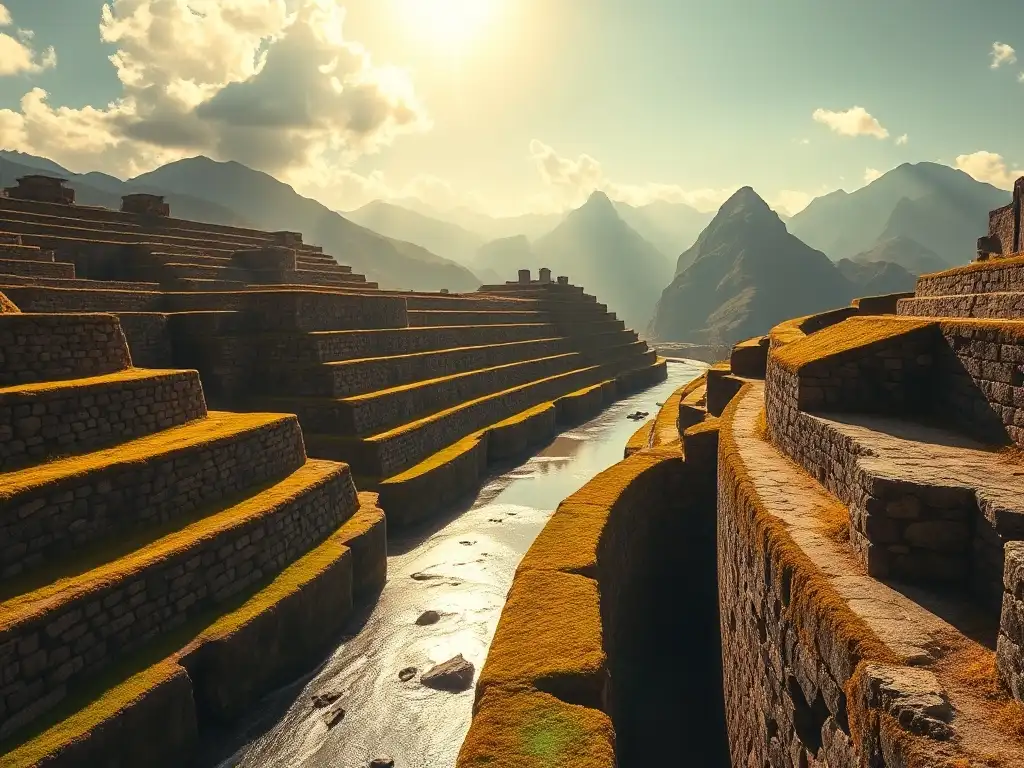
Tipón's intricate water management system isn't the only marvel to discover in the Sacred Valley. Its strategic location provides easy access to a wealth of other fascinating Inca and pre-Inca sites, making it an ideal starting point for a longer exploration of the region's rich history. The area boasts a density of archaeological sites unmatched anywhere else in the Andes, offering a unique opportunity to immerse yourself in the ancient world.
Planning a multi-day trip allows for a more thorough exploration, avoiding the rushed feeling of trying to cram everything into a single day. Consider the proximity of other significant sites when planning your itinerary; the travel time between sites can significantly impact your overall experience.
Exploring the Inca City of Cusco
Just a short drive from Tipón lies Cusco, the former capital of the Inca Empire. This vibrant city is a living testament to its rich history, with Inca architecture seamlessly integrated into the modern urban landscape. Exploring Cusco offers a chance to delve deeper into Inca history and culture, visiting iconic sites like Sacsayhuamán, Q'enqo, Puka Pukara, and Tambomachay, all showcasing the Inca’s mastery of stonework and engineering.
These sites offer a contrasting perspective to Tipón, showcasing the Inca's architectural prowess in a more urban setting. The city itself is a UNESCO World Heritage site, teeming with historical sites, museums, and vibrant markets, offering an experience that extends far beyond the ancient ruins.
Discovering the Sacred Valley's Hidden Gems
Beyond Cusco and Tipón, the Sacred Valley is brimming with lesser-known but equally captivating archaeological sites. These sites offer a more intimate and less crowded experience, providing a deeper understanding of the diverse cultures that thrived in this fertile valley. Many villages and smaller sites reveal fascinating aspects of pre-Inca and Inca life, including agricultural practices, religious beliefs, and daily routines.
Exploring these hidden gems allows for a more personalized and enriching experience, moving beyond the more popular tourist routes to discover the true essence of the region's history. Researching lesser-known sites ahead of time can lead to surprising and rewarding discoveries.
Visiting other Water Management Systems: Ollantaytambo and Moray
Ollantaytambo and Moray, two other significant sites in the Sacred Valley, also showcase impressive Inca water management systems. Ollantaytambo, a remarkable fortress city, demonstrates Inca ingenuity in both architecture and irrigation. Its agricultural terraces, still visible today, are a testament to their sophisticated understanding of water control.
Similarly, Moray's concentric agricultural terraces, resembling a giant amphitheater, are believed to have been used for agricultural experimentation, highlighting the Inca's advanced understanding of climate and agriculture. Comparing these systems with Tipón's provides a broader perspective on the Inca's mastery of water management techniques across varied terrains and climates. This comparative approach enhances the understanding of the sophistication and adaptability of Inca engineering.
Booking a multi-day tour encompassing different Inca sites
To fully appreciate the historical significance and geographical diversity of the region, a multi-day tour encompassing Tipón and other key sites is highly recommended. Such tours often include transportation, guided visits, and accommodation, reducing logistical complexities and allowing for a more relaxed and immersive experience. These tours are tailored to different interests and budgets, from budget-friendly options to luxury experiences.
Choosing a reputable tour operator ensures a high-quality experience with knowledgeable guides who can provide valuable insights into the history and significance of each site. Careful planning and research are crucial for selecting a tour that aligns with your interests and travel style.
Preserving Tipón: The Importance of Responsible Tourism
The preservation of Tipón and other invaluable archaeological sites depends heavily on responsible tourism practices. This involves a conscious effort by visitors to minimize their environmental impact and respect the cultural significance of the site. By adopting responsible tourism practices, we can ensure that future generations can also experience the wonder and historical importance of Tipón. Active participation in responsible tourism benefits both the site's preservation and the local communities that depend on it.
Supporting Local Businesses and Communities
Supporting local businesses and communities directly contributes to the preservation of Tipón. By purchasing local crafts, eating at local restaurants, and employing local guides, visitors inject money directly into the local economy, helping to sustain the communities that safeguard the site. This economic support empowers local people to actively participate in the preservation and protection of their cultural heritage. Choosing locally owned businesses over large international chains makes a tangible difference.
Following Conservation Guidelines at the Site
Following conservation guidelines at the site is crucial for preserving its integrity. This includes staying on marked paths, avoiding touching or climbing on the ancient structures, and refraining from littering. Respecting these guidelines helps to prevent damage to the delicate structures and artifacts, ensuring their preservation for future generations. The implementation of clear signage and visitor education programs can significantly improve compliance with conservation guidelines.
Respecting the Cultural Heritage of Tipón
Respecting the cultural heritage of Tipón means understanding its significance to the local indigenous communities and treating the site with reverence. This involves appreciating the site's spiritual and historical importance, not just as a tourist attraction, but as a living testament to the ingenuity and resilience of the Inca civilization. Education and awareness programs can foster a deeper appreciation for the cultural heritage of Tipón among visitors. Respectful behavior includes avoiding disruptive actions and loud noises that could disturb the atmosphere of the site.
How to Leave No Trace while visiting Tipón
Practicing "Leave No Trace" principles is essential for preserving Tipón's natural beauty and minimizing environmental impact. This involves packing out all trash, avoiding the use of single-use plastics, and minimizing your overall footprint on the environment. By adopting these principles, visitors can help maintain the pristine condition of the site and contribute to its long-term sustainability. Promoting "Leave No Trace" awareness among visitors is crucial for the long-term preservation of this invaluable historical site. Simple actions, like properly disposing of waste, can significantly reduce the environmental impact of tourism.
After Your Visit: Reflecting on the Inca's Water Mastery
Leaving Tipón, the sheer ingenuity of the Inca water management system lingers. The precision of the canals, the intricate network of aqueducts, and the overall efficiency of the system are truly remarkable. Consider how this sophisticated infrastructure allowed the Inca to thrive in a challenging Andean environment. Think about the planning, labor, and knowledge required to create and maintain such a complex system for centuries.
The scale of the undertaking is awe-inspiring, a testament to the Inca's advanced understanding of hydraulic engineering and their ability to organize vast human resources. Reflect on the profound connection between the Inca civilization and its environment, a relationship built on respect and a deep understanding of the importance of water for survival and prosperity. The enduring legacy of Tipón serves as a powerful reminder of the interconnectedness between human ingenuity and the natural world.
Continuing Your Research on Inca Engineering
Your visit to Tipón is just the beginning of your journey into understanding Inca engineering. Delve deeper into the history of Inca hydraulics by exploring academic journals and books. Search for scholarly articles focusing on Inca irrigation techniques, water management strategies, and the societal impact of their water systems. You can find valuable information in university libraries and online databases specializing in Andean archaeology and history.
Look for case studies comparing Tipón's aqueducts to similar structures found in other Inca sites. This further research will provide a more comprehensive understanding of the broader context of Inca water management and its significance within the Inca empire. Consider exploring the role of water in Inca mythology and religion to gain a holistic perspective on the cultural significance of these remarkable engineering feats.
Sharing Your Experience and Photos Online
Share your Tipón experience with the world! Post your photos and reflections on social media platforms, using relevant hashtags like #Tipón, #IncaAqueducts, #Peru, #AndeanCivilizations, and #IncaHistory. Share your insights and appreciation for the Inca's engineering prowess. Encourage others to visit this incredible archaeological site and learn about the remarkable achievements of the Inca civilization.
Engage in discussions with fellow travelers and history enthusiasts online. By sharing your experience, you contribute to a wider appreciation of Inca heritage and promote responsible tourism that respects the preservation of these invaluable historical sites. Remember to tag your location and use high-quality images to truly showcase the beauty and complexity of Tipón's water systems. Adding details about specific features you found fascinating can make your posts more engaging.
The Enduring Legacy of Tipón's Water Systems
The legacy of Tipón's water systems extends far beyond its historical significance. The principles of Inca water management continue to inspire modern-day engineering and sustainable water practices. The ingenuity of the Inca's approach to water conservation and efficient distribution remains relevant in a world increasingly facing challenges related to water scarcity and climate change. Studying the Inca's methods can offer valuable lessons for developing sustainable water solutions in contemporary society.
The emphasis on terrace farming and controlled water distribution in Tipón highlights the importance of integrating agricultural practices with water management strategies. Tipón serves as a powerful example of how ancient civilizations achieved remarkable feats of engineering while simultaneously respecting and harmonizing with their environment. This enduring legacy underscores the importance of preserving these historical sites for future generations.
Recommended Reading Material on Inca Water Engineering
To further deepen your understanding of Inca water engineering, consider exploring these resources (Note: Specific titles and authors are pending confirmation):
| Book Title | Author(s) | Publisher | Publication Year |
|---|---|---|---|
| Inca Hydraulic Engineering: A Case Study | [Author's Name Pending] | [Publisher's Name Pending] | [Year Pending] |
| Water Management in the Andes | [Author's Name Pending] | [Publisher's Name Pending] | [Year Pending] |
| The Inca Empire: A New Perspective | [Author's Name Pending] | [Publisher's Name Pending] | [Year Pending] |
This list is not exhaustive, but it provides a starting point for your continued learning. Look for books and articles that focus specifically on Inca water management and engineering techniques, paying particular attention to those that use Tipón as a case study. You'll find that the more you learn, the more you'll appreciate the complexity and sophistication of the Inca's water systems. Remember to cross-reference your findings to ensure the accuracy and reliability of the information you gather.
- Unveiling the Ingenious Inca Engineering at Tipón
- Understanding the Significance of Tipón's Water Management System
- Planning Your Visit to Tipón: A Journey Through Inca History
- Preparing for Your Tipón Adventure: Essential Travel Gear
- Following the Flow: Exploring Tipón's Waterways
- Deciphering the Inca History Behind Tipón's Waterworks
- Documenting Your Trip: Photography Tips at Tipón
- Experiencing Tipón: Guided Tours and Local Insights
- Extending Your Andean Adventure: Nearby Archaeological Sites
- Preserving Tipón: The Importance of Responsible Tourism
- After Your Visit: Reflecting on the Inca's Water Mastery
Frequently Asked Questions
What are the Tipón aqueducts?
The Tipón aqueducts are a remarkable system of canals and waterways built by the Inca civilization. They demonstrate sophisticated engineering skills and provided water for agriculture and daily life. This intricate system is a testament to Inca ingenuity.
How did the Inca build the Tipón aqueducts?
The Inca utilized stone channels and sophisticated water management techniques to construct the aqueducts. They expertly channeled water from high-altitude springs down to the agricultural terraces below, using gravity and carefully engineered slopes. Their knowledge of hydraulics was exceptional.
What is the significance of the Tipón aqueducts in Inca history?
The Tipón aqueducts are a key example of Inca agricultural prowess and technological advancement. They represent a complex system of water control essential for supporting a large population and thriving agricultural production. They are a crucial part of understanding Inca civilization.
How well-preserved are the Tipón aqueducts today?
Many sections of the Tipón aqueducts are remarkably well-preserved, showcasing the durability of Inca construction. While some sections have been damaged by time and erosion, considerable portions remain intact, offering a fascinating glimpse into the past. Restoration efforts are ongoing.
Why are the Tipón aqueducts important for understanding Inca culture?
The Tipón aqueducts highlight the Inca's deep connection to their environment and their ability to adapt to challenging terrain. They reflect the Inca worldview, where water was a vital resource, both materially and spiritually. They are an important site for understanding Inca social organization and resource management.
Final Reflection: The Enduring Legacy of Tipón's Water Wisdom
The ingenious water management systems of Tipón, a testament to Inca ingenuity, remain a powerful symbol of sustainable living in a world grappling with water scarcity. Their intricate network of canals and aqueducts, meticulously crafted centuries ago, offers a potent reminder of the importance of respecting and conserving our most precious resource. This sophisticated infrastructure wasn't merely a feat of engineering; it was a reflection of a deep-seated understanding of the environment and a commitment to community well-being.
The enduring impact of Tipón's aqueducts extends far beyond their physical presence. They serve as a powerful metaphor for the interconnectedness of human society and the natural world. Their continued existence, albeit in a state of partial restoration, speaks to the enduring power of human ingenuity and the importance of preserving cultural heritage. Water is the driving force of nature.
– Leonardo da Vinci. This quote resonates deeply with the story of Tipón, highlighting how the Incas harnessed the power of water not only for survival but also for the flourishing of their civilization. The lessons learned from their meticulous planning and sustainable practices are more relevant than ever in our modern era.
Consider the intricate balance achieved by the Inca engineers at Tipón. Reflect on how their understanding of water's power shaped their society and their relationship with the environment. You too can embrace a more mindful approach to water conservation, appreciating its value and working towards a more sustainable future. Let the legacy of Tipón inspire you to find innovative ways to manage and protect this precious resource, ensuring its availability for generations to come. The whispers of water flowing through Tipón's ancient channels call to us, urging us to act responsibly and thoughtfully.
**Dive Into the Wonders of Tipón! **
Thank you for exploring the fascinating world of Tipón's canals and aqueducts! You've discovered the unique ways water shaped Andean civilizations. Now, let's build on that knowledge.
Here are some ways to further explore this incredible topic:
- **Explore your local environment:** Visit a nearby river or stream and observe how water shapes the landscape. Document your observations through photography or journaling.
- **Share your enthusiasm:** Discuss Tipón's remarkable engineering on social media or with friends. You could even start a group dedicated to the vital role of water in shaping civilizations.
- **Learn more about ancient water systems:** Explore books or online courses about Andean hydraulic engineering, or visit a local museum with relevant exhibits.
What aspects of water's role in history and daily life are you most excited to learn more about?