
Your Adventure Awaits: Plan Your Archaeological Journey Today

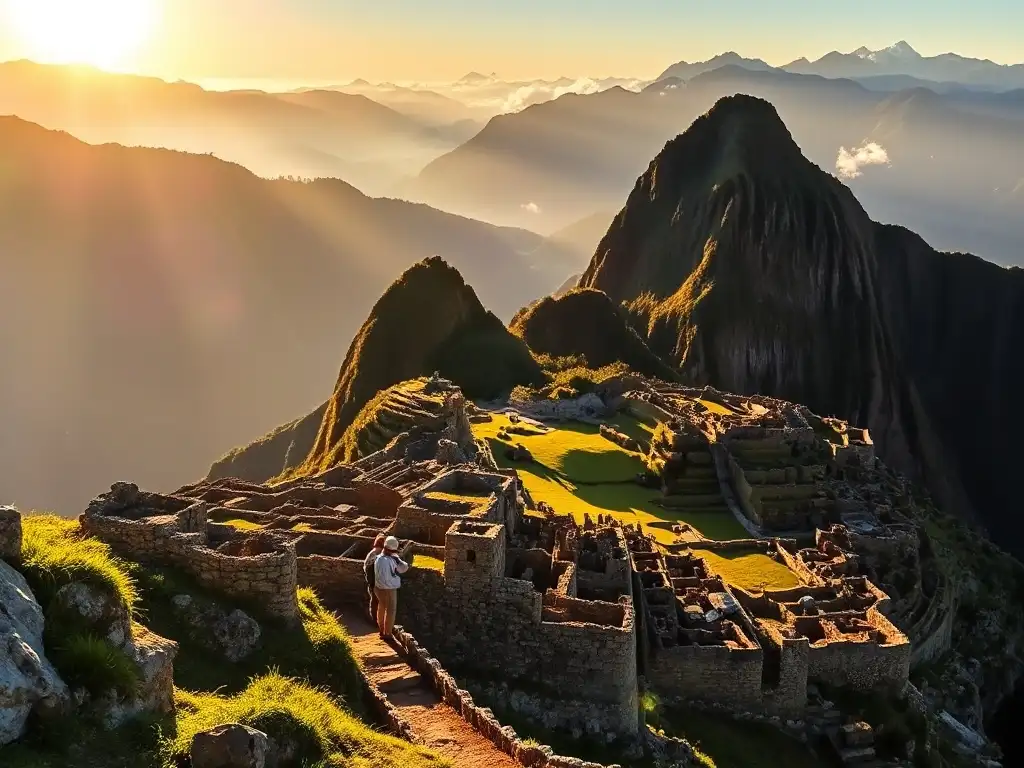
Uncover the mysteries of a lost world. Journey through time as we delve into the breathtaking achievements of the Andean civilizations – the Incas, Moche, Nazca, and Tiahuanaco. Prepare to be amazed by their intricate artistry, advanced engineering, and enduring legacy. This Andean archaeological travel guide is your key to unlocking the secrets of these fascinating cultures; are you ready to embark on this incredible adventure?
- Unveiling the Past: Your Andean Archaeological Travel Guide
- Top Andean Archaeological Sites You Can Visit: Your Best Options
- Planning Your Andean Archaeological Trip: Essential Tips
- Maximizing Your Andean Travel Experience
- Book Your Andean Archaeological Adventure Today!
-
Frequently Asked Questions
- What makes the Andes region so significant for archaeological exploration?
- Which Andean civilizations are most commonly explored by tourists?
- What are some must-see archaeological sites in the Andes?
- Are guided tours necessary for exploring Andean archaeological sites?
- What should I pack for an archaeological tour of the Andes?
- Final Reflection: Unearthing the Past, Shaping the Future
- Embark on Your Archaeological Adventure Now!
Unveiling the Past: Your Andean Archaeological Travel Guide
Embark on a captivating journey through time as we explore the breathtaking archaeological wonders of the Andes Mountains. This comprehensive guide serves as your compass, leading you through the fascinating history, vibrant cultures, and remarkable achievements of ancient Andean civilizations. From the intricate artistry of the Nazca Lines to the sophisticated engineering of Machu Picchu, the Andes hold a treasure trove of archaeological sites waiting to be discovered.
Whether you're a seasoned archaeologist, a history enthusiast, or simply a curious traveler, this guide will equip you with the knowledge and inspiration to plan your unforgettable Andean archaeological adventure. We will delve into the must-see sites, offering practical tips and insights to enhance your experience and ensure you make the most of your exploration of this incredible region.
Get ready to uncover the secrets of the past and experience the magic of the Andes! This guide will act as your definitive Andean archaeological travel guide, helping you plan an enriching and unforgettable trip.
Discovering Ancient Wonders: An Introduction to Andean Archaeological Sites
The Andes Mountains, a spine of towering peaks running along the western coast of South America, are home to some of the most significant archaeological sites in the world. These sites bear witness to the ingenuity and resilience of numerous pre-Columbian cultures, each leaving behind a unique legacy. Let's briefly explore some of the highlights:
- Machu Picchu (Inca): This iconic citadel, perched high in the Andes, remains one of the most impressive feats of Inca engineering and architecture. Its intricate stonework, agricultural terraces, and stunning mountain setting are truly awe-inspiring. The sheer scale and preservation of Machu Picchu offer a powerful glimpse into Inca life and societal organization. Detailed planning is crucial for visiting this popular site.
- Nazca Lines (Nazca): These enigmatic geoglyphs etched into the desert floor remain a source of fascination and debate. Their scale and complexity are breathtaking, and their purpose continues to intrigue archaeologists and visitors alike. Observing these immense figures from the air provides a unique perspective on their scale and artistry.
- Chan Chan (Chimú): This sprawling adobe city, once the capital of the Chimú kingdom, is a testament to the advanced urban planning and architectural skills of this pre-Inca civilization. Its intricate network of palaces, temples, and residential areas offers a glimpse into the complex social structure and daily life of the Chimú people. Exploring Chan Chan provides a fascinating contrast to the Inca sites.
- Sacsayhuamán (Inca): Located near Cusco, this impressive fortress showcases the Inca's mastery of stonework. The massive, precisely fitted stones are a testament to their engineering prowess and their ability to create structures of immense scale and durability. This site provides a different perspective on Inca military architecture and urban planning compared to Machu Picchu.
Why Choose an Archaeological Journey Through the Andes?
An Andean archaeological journey offers a unique and enriching experience that goes far beyond simply visiting historical sites. It's a chance to:
- Connect with ancient cultures: Immerse yourself in the rich history and vibrant cultures of the Andean civilizations, gaining a deeper understanding of their achievements and legacies. The experience transcends simple sightseeing and becomes a journey of cultural discovery.
- Witness breathtaking landscapes: The Andes Mountains offer unparalleled natural beauty, providing a stunning backdrop to your archaeological explorations. The landscapes are as captivating as the historical sites themselves, offering a truly immersive experience.
- Challenge yourself physically and mentally: Many archaeological sites are located in challenging terrain, requiring physical stamina and mental resilience. This adds another layer of reward to the experience. The journey itself becomes part of the adventure.
- Support local communities: By choosing responsible and sustainable tourism options, you can contribute to the economic development of local communities and help preserve these invaluable cultural heritage sites for future generations. This responsible travel aspect further enhances the value of the experience.
The Andes await. Begin planning your unforgettable archaeological adventure today! ✈️
Top Andean Archaeological Sites You Can Visit: Your Best Options
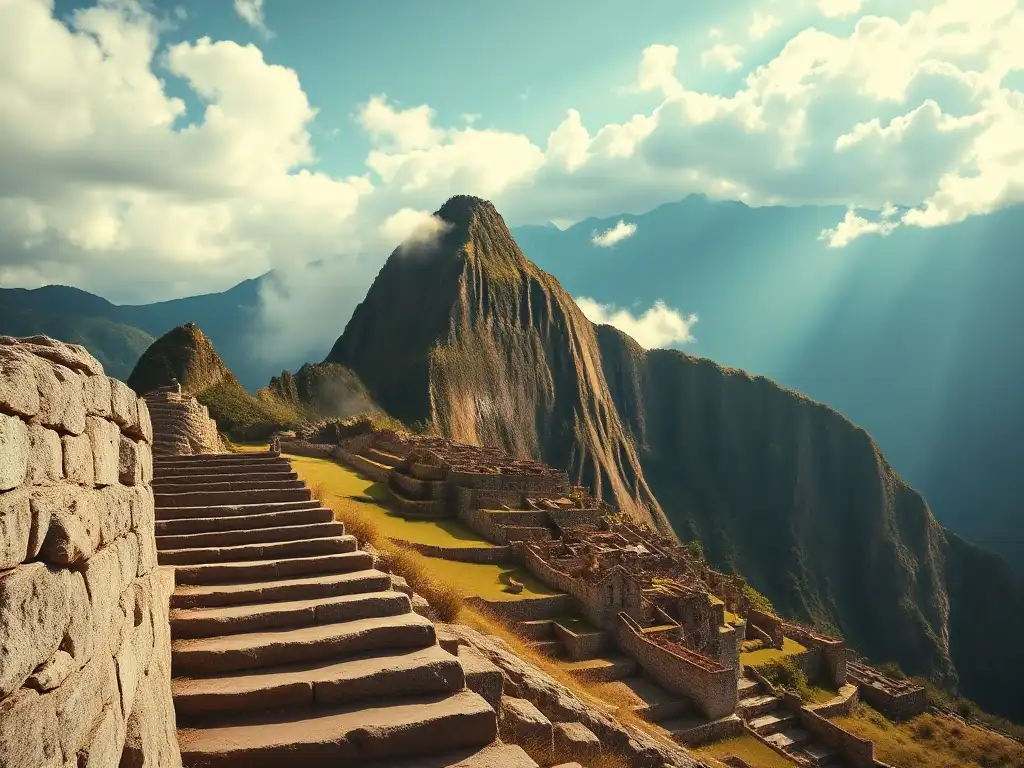
This section of your Andean archaeological travel guide focuses on highlighting some of the most impressive and accessible archaeological sites across the Andes. We'll delve into specific locations, offering insights into what you can expect, recommended travel arrangements, and even suggestions for essential gear to enhance your experience. Remember to always check official tourism websites for the most up-to-date information on opening hours, ticket prices, and any necessary permits before your visit.
Machu Picchu, Peru: The Lost City of the Incas
Machu Picchu, the iconic "Lost City of the Incas," remains one of the most captivating Andean archaeological destinations. Its breathtaking mountaintop setting and remarkably preserved Inca structures continue to fascinate and inspire millions of visitors annually. Planning your trip requires careful consideration of several factors, from access methods to the best time of year to visit.
Explore the Inca Citadel: Guided Tours and Hiking Options
Exploring Machu Picchu offers diverse options. Guided tours provide invaluable historical context, detailing the city's layout, its purpose, and the lives of its inhabitants. These tours range from short, focused walks to comprehensive explorations lasting several hours. For the more adventurous, the Inca Trail trek offers a multi-day journey culminating in a breathtaking arrival at the citadel.
This challenging hike requires prior booking and physical preparation. Alternatively, the less strenuous Salkantay Trek provides an equally rewarding experience. Consider your fitness level and available time when selecting your preferred method of access. Remember to book well in advance, particularly during peak season.
Recommended Travel Packages: G Adventures Machu Picchu Tours
Several reputable travel companies offer comprehensive packages tailored to exploring Machu Picchu. These packages often include flights, accommodation, guided tours, and even train tickets to Aguas Calientes, the town closest to the citadel. Researching different options allows you to find a package that suits your budget and preferences.
For instance, G Adventures offers various Machu Picchu tours catering to different interests and activity levels, from budget-friendly options to luxurious experiences. Thorough research is key to selecting a package that aligns with your expectations and travel style. Factors such as group size, accommodation quality, and included activities should all be considered.
Photography Gear for Capturing the Majesty of Machu Picchu: Sony Alpha 7 IV Camera
Capturing the stunning beauty of Machu Picchu requires adequate photographic equipment. A high-quality camera with versatile lens options is essential. The Sony Alpha 7 IV, for example, offers exceptional image quality and performance, suitable for capturing both wide landscapes and detailed architectural features. Consider a versatile zoom lens to accommodate various shooting situations. A sturdy tripod is also recommended for capturing sharp images, particularly in low-light conditions. Don't forget extra batteries and ample memory card storage. Remember to respect the site's rules and regulations regarding photography.
Chan Chan, Peru: The Largest Pre-Columbian City in South America
Chan Chan, located near Trujillo, stands as a testament to the Chimu civilization's impressive engineering and urban planning skills. This vast adobe city, the largest pre-Columbian city in South America, offers a unique glimpse into a fascinating and sophisticated culture.
Uncover the Secrets of Chan Chan: Exploring Adobe Architecture
Exploring Chan Chan involves navigating a network of interconnected palaces and compounds, each with its unique architectural features. Guided tours provide essential context and highlight key aspects of the city's layout and construction. The intricate adobe brickwork, the extensive irrigation systems, and the symbolic representations found throughout the site reveal much about the Chimu people's social organization, religious beliefs, and technological advancements. Remember to wear appropriate footwear and sun protection, as much of the exploration is done outdoors in direct sunlight.
Best Accommodations Near Chan Chan: Casa Andina Standard Trujillo
Finding comfortable and convenient accommodation near Chan Chan is crucial for optimizing your visit. The Casa Andina Standard Trujillo hotel offers a good balance of comfort, affordability, and proximity to the archaeological site. It provides a convenient base for exploring Chan Chan and other attractions in the Trujillo region. Alternative accommodation options range from budget-friendly hostels to luxurious hotels, catering to a wide range of preferences and budgets. Consider your budget and travel style when choosing your accommodation. Checking online reviews and comparing prices is always advisable.
Essential Travel Gear for Chan Chan: Outdoor Research Sun Runner Cap
Given the arid climate of the Trujillo region, sun protection is paramount. A high-quality sun hat, such as the Outdoor Research Sun Runner Cap, offers excellent protection from the strong Andean sun. Lightweight, breathable clothing, comfortable walking shoes, and sunscreen are equally essential. Remember to bring ample water to stay hydrated throughout your exploration. A small backpack to carry essentials is also recommended. Proper preparation ensures a comfortable and enjoyable visit to this remarkable archaeological site.
Tiwanaku, Bolivia: The Enigmatic Pre-Inca City
Tiwanaku, located on the shores of Lake Titicaca in Bolivia, stands as a testament to the ingenuity and artistry of a pre-Inca civilization. This ancient city, flourishing between 300 and 1000 CE, captivates visitors with its monumental architecture and intricate artistry. Its massive stone structures, precisely cut and fitted together without mortar, continue to puzzle archaeologists and inspire awe. The city's strategic location, near fertile lands and a vast lake, suggests a sophisticated understanding of resource management and agricultural practices.
The influence of Tiwanaku extended far beyond its borders, its culture leaving an indelible mark on subsequent Andean societies. The city's decline remains shrouded in mystery, with theories ranging from environmental changes to internal conflicts. However, the remnants of this powerful civilization continue to resonate, offering a glimpse into a complex and fascinating past.
Exploring Tiwanaku provides a unique opportunity to connect with a rich history and appreciate the remarkable achievements of a civilization that shaped the Andean region. The sheer scale of the structures and the precision of their construction are truly remarkable, leaving one to ponder the techniques and manpower involved in their creation. The enduring mystery surrounding Tiwanaku's rise and fall only adds to its allure, making it a must-visit destination for any Andean archaeological enthusiast.
Delving into Tiwanaku's Mysteries: Exploring the Kalasasaya and Akapana
The Kalasasaya, meaning "standing stones" in Aymara, is a defining feature of Tiwanaku. This massive platform, with its intricately carved monoliths and monumental gateway, served as a central ceremonial space. The Gateway of the Sun, a towering stone structure adorned with intricate carvings, is perhaps the most iconic symbol of Tiwanaku. Its intricate reliefs depict figures that are still being interpreted by scholars, fueling ongoing debates about their significance.
The Akapana, a colossal stepped pyramid, is another impressive structure. Its internal chambers and sophisticated water management system testify to the advanced engineering skills of the Tiwanaku people. Archaeological excavations have unearthed evidence of sophisticated craftsmanship, including finely crafted ceramics and intricate textiles.
These findings reveal a society with a rich artistic tradition and a deep understanding of their environment. Exploring these structures allows one to truly appreciate the scale and complexity of Tiwanaku's urban planning and architectural design. The sheer size of these constructions is impressive, raising questions about the logistical challenges of their construction and the social organization required to accomplish such feats.
Recommended Bolivian Tour Operators: Bolivia Hop specializing in Tiwanaku
Bolivia Hop offers guided tours that include transportation and expert insights into Tiwanaku's history and culture. Their itineraries are designed to provide a comprehensive experience, incorporating visits to key sites and providing detailed explanations. They cater to different interests and travel styles, ensuring a tailored experience for each visitor. Their commitment to sustainable tourism practices further enhances the value of their offerings.
[Specific details on tour offerings, pricing, and contact information pending]. Choosing a reputable tour operator ensures a safe and informative journey, enhancing the overall experience of exploring this fascinating site. Considering factors like group size, transportation options, and the expertise of the guides are crucial when selecting a tour.
Books to Deepen Your Understanding of Tiwanaku: "Tiwanaku: The City at the Center" by Alan Kolata
Alan Kolata's "Tiwanaku: The City at the Center" provides a comprehensive overview of the Tiwanaku civilization. This scholarly work delves into the city's history, architecture, and social organization, offering valuable insights into the lives and beliefs of its inhabitants. The book draws on extensive archaeological evidence and research, providing a detailed account of the civilization's development and decline. Its engaging narrative style makes it accessible to both academic researchers and curious travelers.
[Specific details on where to purchase the book pending]. Supplementing your on-site exploration with thorough reading ensures a more profound understanding and appreciation of the site's significance. Exploring additional books and resources will enhance your understanding of the broader context of Tiwanaku within the Andean region's history.
Nazca Lines, Peru: Soar Above the Ancient Geoglyphs

The Nazca Lines, located in the Nazca Desert of Peru, are a series of massive geoglyphs etched into the desert surface. These enigmatic figures, depicting animals, plants, and geometric shapes, are best appreciated from the air. Created by the Nazca culture between 500 BCE and 500 CE, their purpose remains a subject of ongoing debate among scholars.
Theories range from astronomical alignments to ritualistic practices. The sheer scale and precision of these geoglyphs are remarkable, especially considering the tools and technology available to the Nazca people. The vastness of the desert landscape and the intricate detail of the figures create a truly awe-inspiring spectacle.
Visiting the Nazca Lines offers a unique opportunity to witness a remarkable feat of ancient engineering and artistry. The mystery surrounding their creation and purpose only adds to their allure, making them a must-see destination for any traveler interested in ancient civilizations. The stark beauty of the desert landscape combined with the mystery of the lines creates an unforgettable experience.
Experiencing the Nazca Lines: Airplane Tours and Viewing Platforms
Airplane tours offer the most comprehensive way to experience the Nazca Lines. These tours typically provide a bird's-eye view of the geoglyphs, allowing for a full appreciation of their scale and complexity. Several viewing platforms are also available, offering ground-level perspectives of select geoglyphs. However, the aerial view is undeniably the most impactful way to experience the full extent of this ancient marvel.
Choosing a reputable tour operator is crucial to ensure a safe and informative flight. Factors such as flight duration, the experience of the pilot, and the quality of the viewing equipment should be considered when making a selection. Combining an airplane tour with a visit to a viewing platform provides a well-rounded experience.
Booking Your Nazca Lines Flight: Viator
Viator offers a convenient platform for booking Nazca Lines flights, providing a range of options to suit different budgets and preferences. They partner with reputable local operators, ensuring a smooth and safe experience. [Specific details on booking options, pricing, and contact information pending]. Booking in advance is highly recommended, especially during peak season, to secure your preferred flight time and avoid disappointment. Comparing different options and reading reviews before booking can help ensure that you choose the most suitable flight for your needs.
Binoculars and Guides for the Nazca Lines: Nikon Monarch 5 Binoculars
High-quality binoculars are essential for enhancing the viewing experience during your Nazca Lines flight. The Nikon Monarch 5 binoculars are a popular choice among travelers, offering excellent clarity and magnification. [Specific details on other recommended binoculars pending]. A guidebook or app can provide additional context and information, deepening your understanding and appreciation of the geoglyphs. These tools help you to fully appreciate the detail and complexity of the lines, even from a distance. The combination of a good pair of binoculars and a well-researched guide will contribute significantly to a more enriching and informative experience.
Ollantaytambo, Peru: A Living Inca Town
Ollantaytambo is more than just an archaeological site; it's a living testament to Inca ingenuity and resilience. Nestled in the Sacred Valley of the Incas, this remarkably preserved town offers a unique blend of ancient history and vibrant modern life. The sheer scale of the site is breathtaking – massive stone terraces climb the mountainside, showcasing the Incas' mastery of stonework and their sophisticated understanding of agriculture.
Visitors can wander through the intricate network of streets, imagining the bustling activity of this once-important Inca center. The perfectly fitted stones, some weighing many tons, are a testament to the advanced technology and organizational prowess of the Inca civilization. Beyond the impressive architecture, the town itself pulses with life, offering a genuine glimpse into Peruvian culture and traditions.
The energy here is palpable, a tangible connection to the past that resonates with every step. You can feel the weight of history as you walk along the cobblestone streets, passing by local artisans and families going about their daily lives.
Explore Ollantaytambo: The Fortress and Town
The Ollantaytambo fortress itself is a sprawling complex, encompassing temples, residential areas, and agricultural terraces. Its strategic location, perched high above the Urubamba River, made it a crucial defensive position. Exploring the fortress involves navigating a series of impressive structures, each with its own unique features and history. The main plaza, with its towering stone walls, is a particularly striking sight.
From here, you can ascend to the higher terraces, offering panoramic views of the Sacred Valley. Allow ample time to explore – several hours are needed to fully appreciate the scale and detail of this magnificent site. Remember to wear comfortable shoes, as the terrain can be uneven in places.
A guided tour can greatly enhance your experience, providing valuable insights into the site's history and significance. The sheer scale of the stonework is truly awe-inspiring, demonstrating the advanced engineering skills of the Inca builders. Many of the stones are so precisely fitted that a knife blade cannot be inserted between them, a feat that continues to amaze archaeologists and visitors alike.
Authentic Peruvian Cuisine in Ollantaytambo: Apu Lodge Restaurant
After a day of exploring the ancient ruins, indulging in authentic Peruvian cuisine is a must. The Apu Lodge Restaurant offers a delightful culinary experience, showcasing the freshest local ingredients and traditional Andean recipes. Their menu features a variety of dishes, from hearty stews to flavorful grilled meats, all prepared with a focus on quality and authenticity. The restaurant often incorporates ingredients sourced directly from the Sacred Valley, ensuring a truly unique and unforgettable dining experience.
The ambiance is warm and inviting, providing a perfect setting to relax and savor the flavors of Peru. The Apu Lodge Restaurant is more than just a place to eat; it's a cultural immersion, offering a taste of the region's rich culinary heritage. They often feature seasonal specialties, reflecting the ever-changing bounty of the Andean highlands. Expect exceptional service and a menu that is both satisfying and memorable.
Local Crafts and Souvenirs from Ollantaytambo: Awana Wasi Artisan Shop
To bring a piece of Ollantaytambo home, a visit to the Awana Wasi Artisan Shop is essential. This shop showcases the work of local artisans, offering a wide selection of handcrafted textiles, ceramics, and jewelry. Each item tells a story, reflecting the unique traditions and skills passed down through generations.
You'll find intricately woven textiles, vibrant ceramics inspired by Inca designs, and delicate silver jewelry adorned with traditional motifs. Supporting this shop directly benefits the local community, allowing you to contribute to the preservation of Andean traditions. The shop offers a wonderful opportunity to purchase unique and authentic souvenirs, ensuring you have a lasting memento of your journey to Ollantaytambo.
The artisans often demonstrate their craft, providing a fascinating glimpse into their skills and artistic process. It's a wonderful place to find one-of-a-kind gifts or simply to appreciate the beauty and artistry of the Andean region. Buying from Awana Wasi helps keep these important traditions alive.
Planning Your Andean Archaeological Trip: Essential Tips
This section provides crucial advice for planning your Andean archaeological adventure, ensuring a safe, enriching, and memorable experience. We'll cover key aspects to help you navigate the intricacies of exploring these fascinating ancient sites. Remember, meticulous planning is key to maximizing your time and appreciating the wonders of Andean civilization. This Andean archaeological travel guide will help you on your journey.
Best Time to Travel to the Andes: Climate Considerations
The Andean region boasts diverse microclimates, significantly impacting your travel experience. Understanding these variations is crucial for choosing the optimal time to visit specific sites.
The dry season (May to September) generally offers the best weather for exploring archaeological sites. Clear skies and minimal rainfall provide ideal conditions for hiking and sightseeing. However, this is also peak tourist season, meaning higher prices and more crowded sites. You might encounter cooler temperatures, especially at higher altitudes. Remember to pack layers!
The wet season (October to April) brings significant rainfall, particularly in the Amazonian foothills and lower altitudes. While some sites might be inaccessible during heavy rains, this period offers a different perspective, showcasing the lush landscapes and vibrant greenery that the Andes are renowned for. However, be prepared for potential trail closures and challenging hiking conditions.
| Season | Best for | Considerations |
|---|---|---|
| Dry Season (May-Sept) | Hiking, sightseeing, clear views | Crowds, higher prices, cooler temperatures at altitude |
| Wet Season (Oct-Apr) | Lush landscapes, fewer crowds (potentially) | Rainfall, potential site closures, challenging hikes |
Planning your trip around specific festivals and events can also enhance your experience. For instance, the Inti Raymi festival in Cusco offers a unique cultural immersion. Research local events to coincide your trip with something special!
Travel Insurance for Your Archaeological Adventure: World Nomads
Comprehensive travel insurance is paramount when embarking on an Andean archaeological expedition. The unpredictable nature of mountain weather, remote locations, and potential health concerns necessitate robust coverage. While this section doesn't endorse any specific provider, let's explore the key aspects of a suitable policy.
A good policy should cover:
- Medical emergencies: Including evacuation from remote areas, which can be extremely costly.
- Trip cancellations: Unexpected events can disrupt travel plans, and insurance can mitigate financial losses.
- Lost or stolen belongings: Protecting your valuable equipment and personal items is crucial.
- Emergency repatriation: Ensuring safe and timely return home in case of an emergency.
Consider factors like the duration of your trip, activities planned (hiking, trekking), and your personal health status when selecting a plan. Thoroughly review the policy documents before purchasing to ensure it meets your specific needs. Don't skimp on this crucial aspect of your trip planning; peace of mind is invaluable.
Packing Essentials for an Andean Expedition: Osprey Atmos AG 65 Backpack
Choosing the right backpack is crucial for a comfortable and successful Andean archaeological journey. The Osprey Atmos AG 65 backpack is a popular choice among experienced travelers, offering a balance of capacity, comfort, and durability. Let's delve into why it's a strong contender and what other essentials to consider.
The Osprey Atmos AG 65 boasts features designed for carrying heavy loads comfortably over extended periods:
- Anti-Gravity suspension system: Distributes weight effectively, reducing strain on your back and shoulders.
- Large capacity: Provides ample space for all your gear, including clothing, camping equipment, and archaeological exploration tools (if applicable).
- Durable construction: Withstands the rigors of travel in challenging terrain.
- Multiple compartments: Allows for organized packing and easy access to essential items.
However, the Osprey Atmos AG 65 is just one option. Consider your specific needs and budget when selecting a pack. Other essential items to include in your backpack are:
- Layers of clothing: Adapting to variable temperatures is critical in the Andes.
- Sturdy hiking boots: Essential for navigating uneven terrain.
- High-quality rain gear: Protecting yourself from unexpected showers is vital.
- Sunscreen and sunglasses: The high-altitude sun can be intense.
- First-aid kit: Including any personal medications.
- Water bottles or hydration reservoir: Staying hydrated is crucial at altitude.
- Headlamp or flashlight: For navigating in low-light conditions.
- Camera and extra batteries: To capture the memories of your adventure.
Remember to pack light, but strategically. A well-organized backpack will significantly enhance your overall experience. Consider using packing cubes to compress clothing and maintain order. Enjoy your Andean adventure! ⛰️
Maximizing Your Andean Travel Experience
This section focuses on enhancing your Andean archaeological adventure by providing resources for pre-trip learning and promoting responsible tourism practices. Thorough preparation ensures a richer, more meaningful experience, while responsible tourism helps preserve these invaluable sites for future generations. Let's delve into maximizing your journey.
Learning Resources: Books, Documentaries, and Online Courses
Before embarking on your Andean archaeological journey, immersing yourself in the history and culture of the region significantly enriches the experience. A well-rounded understanding transforms a simple sightseeing trip into a deeply engaging exploration. We'll explore some key resources to aid your preparation.
Recommended Books on Andean Civilizations: "The Incas" by Terence N. D'Altroy
Terence N. D'Altroy's "The Incas" offers a comprehensive overview of Inca civilization, covering its origins, societal structure, religious beliefs, and technological advancements. The book provides detailed insights into Inca agriculture, urban planning (think Machu Picchu! ), and military strategies, all crucial for understanding the scale and sophistication of their empire. D'Altroy's meticulous research and engaging writing style make it an ideal starting point for any Andean archaeological enthusiast.
It's a must-read for anyone planning a trip focused on Inca sites. Other excellent titles focusing on specific Andean cultures include [Specific book titles and authors pending]—a gap we aim to fill in future updates. The depth of information available is truly staggering!
Online Platforms for Andean History Learning: Coursera
For a more flexible and interactive learning experience, online platforms like Coursera offer a wide range of courses on Andean civilizations. These courses often incorporate multimedia elements, such as videos and interactive exercises, making the learning process dynamic and engaging. You can find specialized courses focusing on specific aspects of Andean history, such as Inca architecture, Nazca lines, or Moche pottery. The flexibility of online learning allows you to tailor your studies to your interests and available time, perfectly complementing your pre-trip preparation.
Look for courses taught by leading archaeologists and historians for the most accurate and up-to-date information. Remember to check the course reviews before enrolling to ensure quality. The convenience and accessibility of online courses are invaluable tools for the modern Andean explorer.
Connecting with Local Cultures: Responsible Tourism Practices
Responsible tourism is paramount when exploring Andean archaeological sites. Respecting local cultures and minimizing environmental impact ensures the preservation of these invaluable sites for future generations. This involves more than just following the rules; it's about engaging with the local communities in a meaningful and ethical way.
Engaging with local guides is crucial. They provide invaluable insights into the history and significance of the sites, often sharing stories and perspectives unavailable elsewhere. Moreover, employing local guides directly contributes to the local economy, supporting the communities that are the custodians of these ancient wonders. Remember to support locally owned businesses, from restaurants and hotels to souvenir shops, whenever possible.
This ensures that your tourism dollars directly benefit the communities you are visiting. Avoid purchasing artifacts from unofficial vendors, as this often fuels illegal looting and contributes to the destruction of archaeological sites. By embracing responsible tourism practices, you become an active participant in preserving the rich heritage of the Andes for years to come. This is an essential part of the Andean archaeological travel experience, ensuring a positive and lasting impact.
Sustainable Travel Options: Intrepid Travel
Sustainable tourism is increasingly important when exploring fragile archaeological sites like those found in the Andes. Intrepid Travel, a well-known adventure travel company, offers several tours specifically designed to minimize environmental impact and support local communities. Their Andean itineraries often incorporate elements like carbon offsetting programs, meaning they invest in projects that reduce greenhouse gas emissions to compensate for the carbon footprint of your trip. This commitment goes beyond simple gestures; they actively seek out and partner with locally owned businesses, hotels, and guides, ensuring that your tourism dollars directly benefit the communities you visit.
This not only supports the local economy but also fosters a deeper understanding and appreciation of Andean culture. For example, some tours might include stays in eco-lodges built with sustainable materials and employing local staff, offering a truly immersive and responsible travel experience. Intrepid also emphasizes responsible wildlife viewing practices, ensuring minimal disturbance to the delicate ecosystems found in the region. This commitment to sustainability isn't just a marketing ploy; it's an integral part of their operational philosophy, making them a responsible choice for environmentally conscious travelers seeking an Andean archaeological adventure.
Their commitment to transparency allows travelers to understand the impact of their journey and make informed choices. Choosing Intrepid for your Andean archaeological tour means you're not just exploring ancient wonders; you're actively contributing to their preservation for future generations. Look for tours emphasizing community engagement, responsible waste management, and water conservation practices as indicators of their commitment to sustainable travel. Remember to research and compare options to find the best fit for your travel style and ethical preferences.
Book Your Andean Archaeological Adventure Today!
Planning a trip to explore the fascinating world of Andean archaeology can feel overwhelming. Where do you start? Which sites are must-sees? How do you navigate the logistics? This section will help you embark on your Andean archaeological journey with confidence, providing you with the essential information to plan your perfect adventure. We'll explore the diverse options available to ensure your trip aligns with your interests and budget.
Start your journey into the past: Explore our partner tours and travel packages.
Choosing the right tour operator is crucial for a seamless and enriching experience. Our carefully selected partners offer a variety of packages catering to different preferences and budgets. Some focus on immersive cultural experiences, combining archaeological site visits with interactions with local communities. Others prioritize in-depth academic exploration, led by expert archaeologists and historians. Still others offer more adventurous itineraries, incorporating trekking and other outdoor activities alongside archaeological exploration.
Consider these factors when selecting a tour:
- Duration: Trips range from short weekend getaways to extensive multi-week expeditions. Choose a duration that fits your available time and desired level of exploration.
- Focus: Some tours specialize in specific Andean cultures (Inca, Moche, Nazca, etc. ), while others provide a broader overview. Determine your area of interest to narrow down your options.
- Activities: Beyond site visits, many tours include workshops, lectures, or interactions with local artisans. Choose a package that aligns with your interests and preferred pace.
- Budget: Tour prices vary widely depending on the duration, level of luxury, and included activities. Set a realistic budget before you start your search.
For example, a high-end tour might include private transportation, luxury accommodations, and exclusive access to certain sites. A budget-friendly option might utilize public transport and simpler lodging, but still offer a rich and rewarding experience. Remember to thoroughly research different operators and compare their offerings before making a decision.
Essential Considerations for Your Andean Archaeological Trip: Logistics and Practicalities
Planning your trip requires careful attention to detail. Beyond choosing a tour, you'll need to consider practical matters such as:
- Visas and Passports: Ensure your passport is valid for at least six months beyond your travel dates and check visa requirements based on your nationality.
- Health and Safety: Consult your doctor about necessary vaccinations and appropriate health precautions for travel in the Andes. Altitude sickness is a potential concern, so be prepared with appropriate medication and acclimatization strategies. Travel insurance is highly recommended.
- Packing: Pack layers of clothing suitable for varied weather conditions, comfortable walking shoes, sunscreen, a hat, and insect repellent. Consider bringing a small daypack for carrying essentials during site visits.
- Language: While Spanish is widely spoken, learning a few basic Quechua phrases can enhance your interactions with local communities.
- Currency: The Peruvian Sol (PEN) is the most common currency in many Andean regions. Ensure you have enough cash on hand, as credit card acceptance may be limited in some areas.
Maximizing Your Andean Archaeological Experience: Tips for a Memorable Journey
To truly appreciate the richness of Andean archaeology, consider these tips:
- Read up beforehand: Familiarize yourself with the history and culture of the Andean civilizations you'll be visiting. This will enhance your understanding and appreciation of the sites.
- Engage with local guides: Local guides possess invaluable knowledge and insights, adding depth to your experience. Ask questions and engage in conversations to learn more.
- Respect the sites: Remember that these are ancient and sacred places. Adhere to all rules and regulations, and treat the sites and artifacts with respect. Avoid touching or climbing on artifacts.
- Support local communities: Consider purchasing handicrafts and souvenirs from local artisans to support the community and contribute to the preservation of their cultural heritage.
- Capture memories responsibly: Take photos and videos to capture your memories, but be mindful of not disturbing the sites or disrupting the experience of other visitors.
This detailed guide provides a solid foundation for planning your Andean archaeological adventure. Remember to tailor your itinerary based on your specific interests and preferences. Your journey into the past awaits! 🗺️
Frequently Asked Questions
What makes the Andes region so significant for archaeological exploration?
The Andes boast a remarkable diversity of ancient civilizations, each leaving behind unique architectural marvels, intricate artifacts, and fascinating societal structures. Exploring this region offers a journey through millennia of human history.
Which Andean civilizations are most commonly explored by tourists?
Popular choices include the Inca, known for Machu Picchu; the Moche, famous for their elaborate pottery; the Nazca, celebrated for their geoglyphs; and the Tiahuanaco, renowned for its monumental architecture.
What are some must-see archaeological sites in the Andes?
Machu Picchu, Sacsayhuamán, Chan Chan, the Nazca Lines, and Tiwanaku are all incredibly important and visually stunning sites offering unparalleled insights into Andean history.
Are guided tours necessary for exploring Andean archaeological sites?
While you can explore some sites independently, guided tours are highly recommended. Expert guides provide crucial context, enhancing your understanding and appreciation of the sites and their significance.
What should I pack for an archaeological tour of the Andes?
Pack comfortable walking shoes, layers of clothing for varying temperatures, sun protection (hat, sunscreen), rain gear, and insect repellent. Don't forget a camera to capture your amazing discoveries!
Final Reflection: Unearthing the Past, Shaping the Future
The allure of the Andes, a tapestry woven from ancient civilizations and breathtaking landscapes, continues to captivate us today. More than just a tourist destination, exploring the archaeological wonders of this region offers a profound connection to humanity's shared past and a powerful reminder of our responsibility to preserve it for future generations. The intricate details of Inca cities, the enigmatic geoglyphs of Nazca, and the whispers of pre-Inca cultures all contribute to a narrative that transcends time and geography.
The impact of Andean archaeology extends far beyond the academic realm; it shapes our understanding of societal structures, technological advancements, and spiritual beliefs. It challenges our assumptions about the past and inspires us to consider the enduring legacy of these remarkable cultures. The past is never dead. It's not even past.
– William Faulkner. This quote perfectly encapsulates the enduring relevance of Andean archaeology, reminding us that the stories unearthed in these ancient sites continue to resonate with us today, shaping our present and informing our future.
Now, consider your own journey. What resonates with you from the rich history explored in this guide? Perhaps it's the ingenuity of Inca engineering, the artistry of pre-Columbian pottery, or the sheer scale of the monumental sites. Whatever it may be, let this guide inspire you to plan your own adventure. Embrace the opportunity to connect with the past, to learn from the wisdom of ancient cultures, and to contribute to the ongoing preservation of these invaluable treasures. Your journey awaits.
Embark on Your Archaeological Adventure Now!
Thank you for joining us on this fascinating exploration of Andean civilizations! We hope you've gained valuable insights that will inspire your own archaeological journey. Let's discuss how to turn your enthusiasm into action.
- Plan your adventure: Research potential archaeological sites. Machu Picchu and the Nazca Lines offer breathtaking experiences, but many other incredible destinations await discovery. Consider your interests and budget when making your selection.
- Connect with fellow enthusiasts: Join a local historical society or an online community dedicated to Andean archaeology. Sharing your passion with others can be incredibly rewarding and provide valuable support and resources.
- Engage actively with the history: Visit a museum or exhibit featuring Andean artifacts. Discuss your experience with friends, family, or online, sharing your thoughts and discoveries.
What aspect of Andean archaeology captivates you most, and how will you further explore it?