
The Road Less Traveled: Hiking the Inca Trail to Machu Picchu

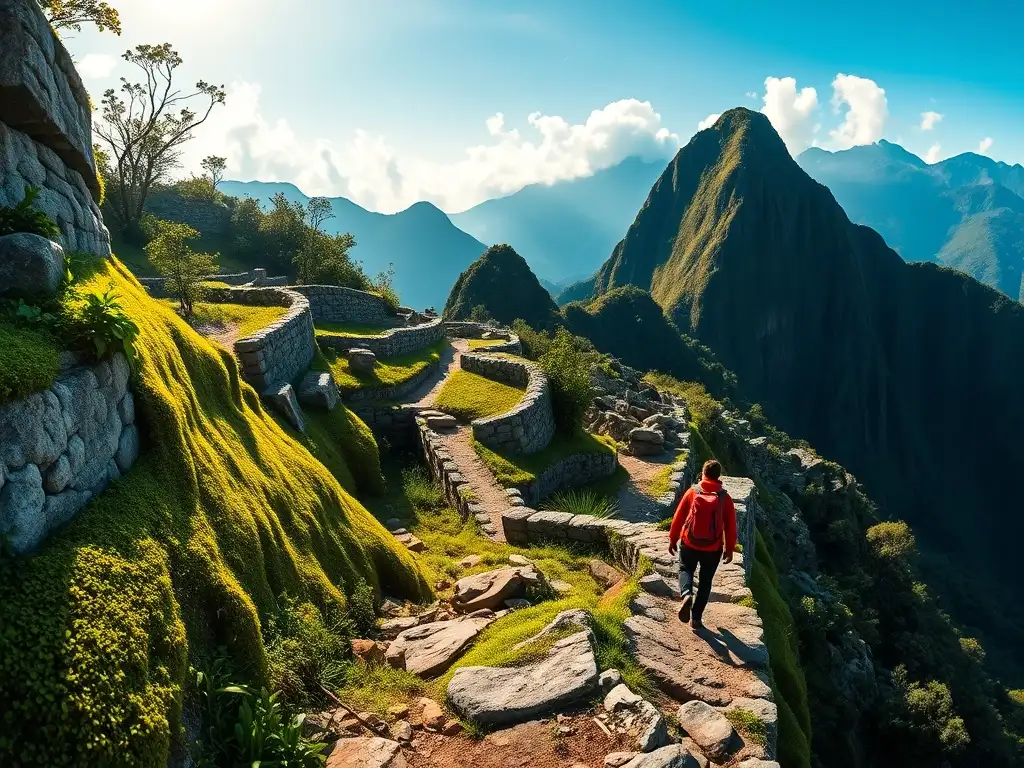
Step into a world lost to time, where towering mountains whisper secrets of empires past. Andean Civilizations unveils the breathtaking legacy of the Incas, Moche, Nazca, and Tiahuanaco, revealing their intricate artistry, advanced engineering, and profound connection to the Andes. But the journey doesn't end there… Dare to discover the mysteries surrounding the Inca Trail hiking Machu Picchu, a path less traveled that holds the key to unlocking ancient wonders. Prepare to be amazed.
Embarking on a trek along the Inca Trail to Machu Picchu is more than just a hike; it's a journey through time, a pilgrimage to one of the world's most iconic archaeological sites. This ancient pathway, meticulously crafted by the Inca civilization centuries ago, winds its way through breathtaking Andean landscapes, offering unparalleled views and a profound connection to Peru's rich history. This article delves into the practicalities and profound experiences of hiking the Inca Trail, providing essential information for anyone dreaming of conquering this challenging yet rewarding trail and experiencing the majesty of Machu Picchu firsthand.
We'll cover everything from securing permits to planning your itinerary, ensuring your Inca Trail hiking Machu Picchu experience is both unforgettable and safe. Prepare to be captivated by the stunning scenery, the fascinating history, and the unique challenges this iconic trek presents. Let's begin our exploration of this incredible journey.
Embarking on an Ancient Journey: Inca Trail Trek Overview
The Inca Trail, a network of ancient pathways stretching across the Andes Mountains, offers a unique perspective on Inca ingenuity and resilience. The most famous section, leading to the Lost City of the Incas – Machu Picchu – is a four-day, three-night trek covering approximately 26 miles (43 kilometers). The trail's elevation gains and challenging terrain demand a reasonable level of physical fitness. However, the rewards far outweigh the effort.
Imagine trekking through cloud forests teeming with vibrant orchids, traversing high mountain passes with panoramic views, and camping under a blanket of stars in the heart of the Andes. The experience is transformative, offering a profound appreciation for the Inca civilization and the raw beauty of the Peruvian landscape. The trek is not just about reaching Machu Picchu; it's about the journey itself, the immersion in nature, and the connection to a rich and ancient culture.
Expect to encounter varied landscapes, from lush valleys to rugged mountain passes, and to encounter a diverse array of flora and fauna unique to this high-altitude ecosystem. The daily hiking distances vary, with some days being more strenuous than others. Careful planning and preparation are crucial for a successful and enjoyable trek.
Planning Your Inca Trail Adventure: Essential Steps
Planning your Inca Trail adventure requires meticulous attention to detail. Several key steps ensure a smooth and memorable experience. First, determine your travel dates, considering the weather conditions, which are generally best during the dry season (May to September). Next, assess your physical fitness level. The trek is demanding, requiring a good level of endurance and stamina.
Prior training, including regular hiking and cardio exercises, is highly recommended. Then, pack appropriately, bringing essential gear such as sturdy hiking boots, layers of clothing suitable for varying temperatures, rain gear, sunscreen, a hat, and a first-aid kit. Don't forget a reusable water bottle! It's also crucial to pack light, as you'll be carrying your backpack for several days.
Finally, remember to research and choose a reputable tour operator, as they handle permits, logistics, and guides. Careful planning ensures a safe and enjoyable journey, allowing you to fully appreciate the beauty and history of the Inca Trail. Remember to check the specific requirements and recommendations provided by your chosen tour operator. A well-planned itinerary can significantly enhance the overall experience.
Securing Your Inca Trail Permits: Booking with a Reputable Tour Operator
Securing your Inca Trail permits is crucial, as the number of daily permits is limited to protect the fragile ecosystem. These permits are not available for individual purchase; you must book through a licensed tour operator. Choosing a reputable operator is paramount to ensure a safe and well-organized trek. A good tour operator will handle all permit applications, provide experienced guides, arrange porters to carry your gear, and offer high-quality camping equipment.
They'll also provide valuable insights into the history and culture of the Inca Trail, enriching your experience. Look for operators with excellent reviews, a proven track record, and a commitment to sustainable tourism practices. Booking well in advance is essential, as permits often sell out months, even a year, in advance.
Don't hesitate to compare different operators and read reviews before making your decision. The right operator can make all the difference in ensuring a truly memorable and safe Inca Trail hiking Machu Picchu experience. Remember, securing your permit is the first crucial step in your journey to Machu Picchu!
Choosing the Right Inca Trail Trek: 4-Day vs. Other Options
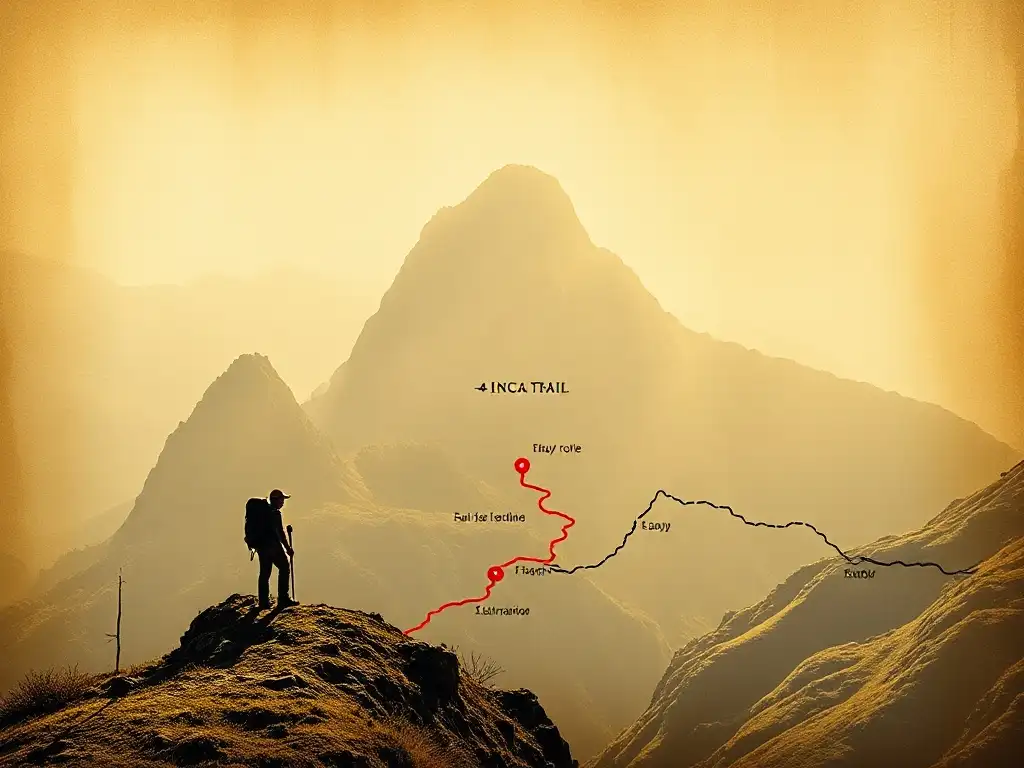
The classic Inca Trail trek to Machu Picchu is a 4-day, 3-night adventure. This itinerary is the most popular, offering a balanced experience of hiking and cultural immersion. However, it's crucial to understand that this isn't the only option for experiencing the Inca Trail and Machu Picchu. Several factors influence the choice of trek length: physical fitness, available time, and budget.
The 4-day Inca Trail is strenuous, demanding a good level of fitness. Hikers should be prepared for daily climbs, sometimes at high altitudes, and uneven terrain. While stunning scenery and captivating Inca ruins punctuate the journey, the demanding nature of the trek isn't suitable for everyone. Those with limited hiking experience or pre-existing health conditions might find it overly challenging. Consider your physical capabilities honestly before committing to this option; underestimating the difficulty can lead to a frustrating and potentially dangerous experience.
Alternatively, longer Inca Trail treks (e.g., 5-7 days) offer a more relaxed pace, allowing for more acclimatization at higher altitudes and more time to appreciate the surrounding landscapes. These longer treks also often include visits to less-crowded Inca sites, offering a more secluded and immersive experience. However, they naturally come with a higher price tag and require more vacation time.
Shorter treks, focusing on specific sections of the Inca Trail or alternative trails leading to Machu Picchu, also exist. These are better suited for those with less time or a lower level of fitness. While they may not cover the entire Inca Trail, they still provide a taste of the Andean landscape and lead to the breathtaking views of Machu Picchu.
These alternatives can be a great choice for those wanting a shorter, less intense experience while still visiting the iconic site. Remember to research thoroughly and choose a trek that aligns with your physical capabilities and time constraints for a safe and enjoyable Inca Trail hiking Machu Picchu experience.
Essential Gear for Inca Trail Hiking: Packing List Essentials
Proper preparation is paramount for a successful Inca Trail hike. Packing the right gear can mean the difference between a memorable adventure and a miserable ordeal. This isn't a casual stroll; the Inca Trail presents unique challenges, demanding specific equipment to ensure comfort, safety, and enjoyment. This packing list focuses on essentials; remember to adjust based on personal needs and the specific time of year.
Clothing: Layering is key! The weather in the Andes can change dramatically, even within a single day. Pack lightweight, moisture-wicking base layers, fleece or down mid-layers for warmth, and a waterproof and windproof outer shell. Hiking trousers or shorts are suitable, along with sturdy hiking boots already broken in. Don't forget a warm hat, gloves, and a buff or neck gaiter for sun and cold protection. A light-weight rain poncho is also recommended.
Footwear: Sturdy, well-broken-in hiking boots are absolutely essential. Your boots should provide ankle support and be waterproof or water-resistant. Consider bringing blister treatment and extra socks for comfort.
Backpack: A comfortable, well-fitting backpack with a capacity of 40-50 liters is ideal for carrying your gear. Ensure it's properly adjusted before your trek begins.
Sleeping Bag: Temperatures at night can drop significantly, so a lightweight, warm sleeping bag rated for at least 0°C (32°F) is recommended.
Other Essentials: Sunscreen (high SPF), sunglasses, a wide-brimmed hat, insect repellent, a headlamp or flashlight, a first-aid kit (including blister treatment), toilet paper, a water bottle or hydration reservoir (at least 3 liters capacity), trekking poles (highly recommended), a reusable water filter or purification tablets, and a camera to capture the breathtaking scenery. Also, pack a reusable water bottle and biodegradable soap.
Remember to pack light! Porters will carry your main backpack, but you'll be carrying a daypack with essentials. Carefully consider each item before packing to avoid unnecessary weight. A well-planned packing list is crucial for a comfortable and enjoyable Inca Trail hiking Machu Picchu experience. Don't forget to check the weather forecast before you go and adjust your packing list accordingly.
- Embarking on an Ancient Journey: Inca Trail Trek Overview
- Planning Your Inca Trail Adventure: Essential Steps
- Securing Your Inca Trail Permits: Booking with a Reputable Tour Operator
- Choosing the Right Inca Trail Trek: 4-Day vs. Other Options
- Essential Gear for Inca Trail Hiking: Packing List Essentials
The Inca Trail Experience: A Day-by-Day Breakdown
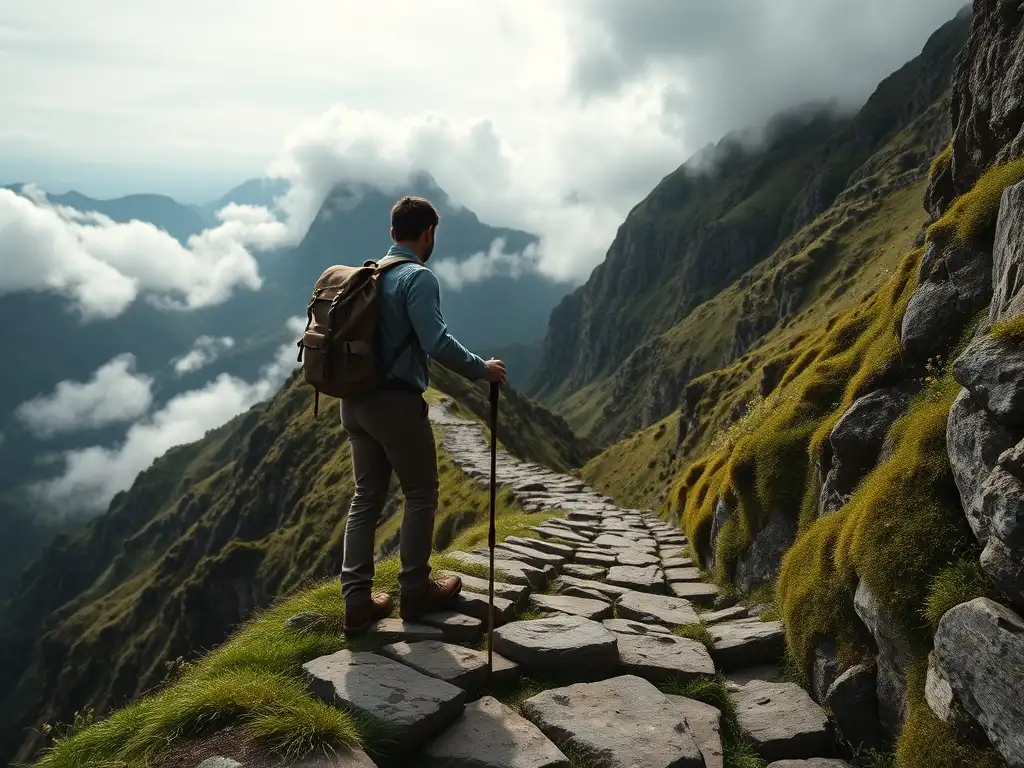
This section provides a detailed itinerary of a classic four-day Inca Trail trek to Machu Picchu, highlighting the key features and challenges of each day. Understanding the daily breakdown is crucial for proper preparation and maximizing your Inca Trail hiking Machu Picchu experience. This isn't just a hike; it's a journey through history and breathtaking landscapes.
Day 1: Cusco to KM82 – Starting the Inca Trail Trek
The first day sets the tone for the entire adventure. After a final briefing and a hearty breakfast in Cusco, you'll be transported by bus to the official starting point of the Inca Trail, kilometer 82 (Km 82). This isn't just a bus ride; it's a scenic journey through the Sacred Valley, offering glimpses of Andean life and stunning vistas. The altitude here is already significant, around 2,300 meters (7,546 feet), so acclimatization is key.
The trek itself begins relatively gently, following the Urubamba River. This initial section allows you to adjust to the pace and altitude before the more challenging days to come. You'll pass through charming villages, encounter local farmers tending their fields, and start to appreciate the sheer scale of the Andean landscape.
The day culminates at a campsite near Km 82, providing a chance to rest and prepare for the upcoming challenges. Expect a relatively moderate hike of approximately 12 kilometers (7.5 miles) with a gradual elevation gain. Remember to stay hydrated and pace yourself; this is just the beginning of your Inca Trail hiking Machu Picchu journey!
Day 2: The Ascent to Dead Woman's Pass – Conquering the Highest Point
Day two is undoubtedly the most physically demanding. This is the day you conquer Dead Woman's Pass (Warmiwañusqa), the highest point on the Inca Trail at approximately 4,200 meters (13,780 feet). The ascent is steep and strenuous, requiring significant stamina and endurance. The breathtaking views, however, are well worth the effort. Along the way, you'll pass through diverse ecosystems, from lush cloud forests to high-altitude páramo.
The Inca Trail's stonework becomes increasingly impressive as you climb, a testament to the engineering prowess of the Inca civilization. This section of the trek is a true test of your physical and mental strength. Proper preparation, including adequate training and acclimatization, is absolutely essential. The descent after the pass is also challenging, but the sense of accomplishment is immense.
The campsite for the night is located at Pacaymayo, offering a well-deserved rest after conquering the highest point on your Inca Trail hiking Machu Picchu adventure. Expect a challenging hike of approximately 16 kilometers (10 miles) with a significant elevation gain and loss. Remember to take frequent breaks and listen to your body.
Day 3: Exploring Inca Ruins – From Pacaymayo to Wiñay Wayna
Day three balances physical exertion with historical exploration. After a relatively easier morning, the trail leads you to several captivating Inca ruins, including Runkurakay, Sayacmarca, and Phuyupatamarca. These sites offer fascinating insights into Inca architecture, agriculture, and societal organization. Each ruin has its unique features and stories to tell, providing a rich tapestry of Andean history. The Inca ingenuity in building these structures at such high altitudes is particularly impressive.
The afternoon brings a further ascent before descending to the Wiñay Wayna campsite. Wiñay Wayna itself is a remarkable Inca site featuring impressive agricultural terraces, residential areas, and ceremonial structures. Spending a night near such an important archaeological site adds a special dimension to your Inca Trail hiking Machu Picchu experience.
This day's hike is approximately 16 kilometers (10 miles) with a combination of ascents and descents. The exploration of the Inca ruins is a rewarding break from the physical demands, allowing you to appreciate the historical significance of your journey. Take your time, absorb the atmosphere, and let the history come alive.
Day 4: Machu Picchu – The Grand Finale of the Inca Trail
The final day dawns, filled with anticipation. After weeks of planning and days of strenuous hiking, you're finally at the culmination of your Inca Trail journey: Machu Picchu. The air is crisp, the sun paints the surrounding mountains in hues of gold and crimson, and the feeling is truly magical. This isn't just a hike; it's a pilgrimage to one of the world's most iconic and mysterious sites. The energy is palpable, a collective breath held in awe as the first glimpses of the lost city appear.
The early morning entrance allows you to experience Machu Picchu before the larger tour groups arrive, providing a more intimate and serene experience. You'll spend several hours exploring the citadel, marveling at the intricate stonework, the agricultural terraces clinging precariously to the mountainside, and the sheer ingenuity of the Inca civilization. Your guide will bring the history of the site to life, explaining the purpose of the different structures, from the sacred plazas to the residential quarters.
You'll learn about the Inca's sophisticated understanding of astronomy, agriculture, and social organization – all woven into the very fabric of Machu Picchu. This isn't just a collection of ruins; it's a testament to a remarkable civilization. The sheer scale of the site, its breathtaking location, and the palpable sense of history make for an unforgettable experience.
Remember to bring your camera – and plenty of memory cards! You'll want to capture every detail, from the intricate carvings on the stones to the panoramic views of the surrounding Andes. This is a moment you'll want to cherish for a lifetime. Take your time, explore at your own pace, and soak in the atmosphere. Consider taking a guided tour within Machu Picchu itself to gain a deeper understanding of the site's intricate history and layout. Many guides offer specialized tours focusing on particular aspects of the site, such as its astronomical significance or its agricultural practices.
After exploring Machu Picchu, you'll descend to Aguas Calientes, the town at the base of the mountain. Here you can relax, enjoy a well-deserved meal, and perhaps even take a dip in the hot springs. The celebratory feeling is infectious, and you'll likely find yourself sharing stories and memories with fellow trekkers.
This is a time for reflection, a chance to process the incredible journey you've just completed, and to appreciate the beauty and wonder of the Inca Trail and Machu Picchu. The descent from Machu Picchu is relatively easy, and the train journey back to Cusco is a chance to relax and reminisce. The memories made on this Inca Trail hike to Machu Picchu will stay with you long after you've returned home.
It's an experience that transcends the physical journey; it's a journey into the heart of Inca history and culture. The grand finale of the Inca Trail is indeed unforgettable.
Maximizing Your Inca Trail Experience: Tips and Recommendations
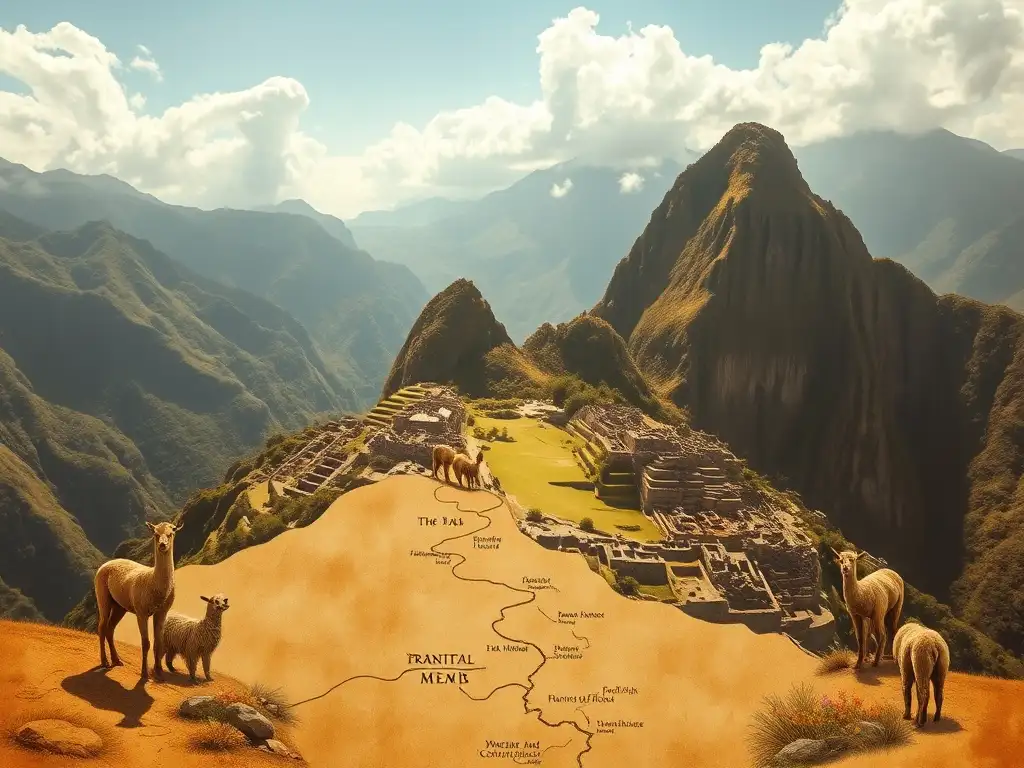
This section focuses on maximizing your Inca Trail hiking Machu Picchu experience, offering practical advice beyond the basics of booking your trek. We'll delve into crucial preparation aspects to ensure a safe, enjoyable, and respectful journey through this iconic site. Remember, proper planning is key to a successful and memorable Inca Trail adventure.
Training for the Inca Trail Hike: Preparing Your Body
The Inca Trail is a challenging trek, demanding physical fitness. Don't underestimate the altitude (reaching over 13,000 feet/4,000 meters) and the daily distances covered. Proper training is not just about being able to walk; it's about building endurance, strength, and acclimatizing your body to the altitude.
Several months before your trek, begin a consistent training regimen. This should include:
- Cardiovascular exercise: Aim for at least 3-4 sessions per week, incorporating activities like running, hiking with a weighted backpack, swimming, or cycling. Gradually increase the duration and intensity of your workouts.
- Strength training: Focus on strengthening your legs, core, and back. Exercises like squats, lunges, planks, and deadlifts are highly beneficial. Incorporate these 2-3 times a week.
- Altitude simulation: If possible, incorporate altitude training into your preparation. This could involve using an altitude simulation mask during workouts or spending time at higher elevations to gradually acclimatize your body. Even hiking uphill with a weighted pack can help simulate the conditions.
- Hiking with a weighted pack: This is crucial. Start with shorter hikes carrying a pack similar in weight to what you'll carry on the Inca Trail (around 10-15 kg/22-33 lbs). Gradually increase the distance and weight as your fitness improves. This will help you get used to the strain on your body.
Remember to listen to your body. Don't push yourself too hard, especially in the initial stages of your training. A gradual increase in intensity and duration is key to avoiding injuries. Proper hydration and nutrition are also essential components of your training. Consult a physician before starting any strenuous exercise program.
Respecting the Inca Trail and the Environment: Responsible Tourism
Hiking the Inca Trail to Machu Picchu is a privilege, not a right. The trail's delicate ecosystem and the historical significance of the Inca ruins demand responsible tourism practices. Every hiker has a role to play in preserving this invaluable site for future generations.
This involves:
- Leave No Trace: Pack out everything you pack in. This includes all trash, food scraps, and toilet paper. Proper waste disposal is crucial.
- Stay on the trail: Avoid straying from designated paths to protect the fragile vegetation and avoid damaging archaeological sites.
- Respect the local culture: Be mindful of the local communities along the trail. Respect their customs and traditions, and treat them with courtesy and politeness.
- Respect wildlife: Observe wildlife from a distance and avoid disturbing their natural habitats. Do not feed animals.
- Hire a reputable tour operator: Choosing a responsible tour operator is vital. Ensure they adhere to sustainable tourism practices and contribute to the preservation of the Inca Trail. Look for certifications and testimonials that demonstrate their commitment to environmental responsibility. Inca Trail hiking Machu Picchu should be a sustainable activity.
By adhering to these guidelines, you contribute to the long-term preservation of the Inca Trail and ensure that future generations can experience its beauty and historical significance.
Post-Trek Recovery: Rest and Relaxation in Cusco
After completing the challenging Inca Trail hike, your body will need time to recover. Cusco, the gateway to Machu Picchu, offers a variety of options for rest and relaxation. Allow your body sufficient time to adjust to lower altitudes and recover from the physical exertion.
Here are some suggestions for post-trek recovery:
- Rest: Prioritize rest and avoid strenuous activity in the days immediately following your trek. Get plenty of sleep and allow your muscles to recover.
- Hydration and nutrition: Continue to drink plenty of water and maintain a healthy diet. Replenish electrolytes lost during the trek.
- Altitude sickness prevention: Descend gradually to lower altitudes to minimize the risk of altitude sickness. Spend a few days in Cusco before flying out.
- Massage therapy: Consider a massage to help relieve muscle soreness and tension.
- Explore Cusco at a relaxed pace: Once you've rested, explore the city of Cusco at a leisurely pace. Visit its historical sites, markets, and enjoy the local cuisine.
Remember, your post-trek recovery is just as important as your pre-trek preparation. By taking the time to rest and recover properly, you'll ensure a complete and enjoyable Inca Trail hiking Machu Picchu experience.
Frequently Asked Questions
What is the Inca Trail?
The Inca Trail is a famous trekking route leading to Machu Picchu, the iconic lost city of the Incas. It's a challenging but rewarding hike through stunning Andean landscapes, offering glimpses into Inca history and engineering. You need permits to hike it.
How difficult is the Inca Trail hike?
The Inca Trail is considered a moderate to strenuous hike, requiring a good level of fitness. The altitude, terrain, and daily distances can be challenging. Proper preparation and acclimatization are crucial.
How long does the Inca Trail trek take?
The classic Inca Trail trek to Machu Picchu takes four days and three nights. Shorter and longer treks are also available, depending on your fitness level and desired experience. Permits are required and must be booked well in advance.
What should I pack for the Inca Trail?
Essential packing items include appropriate hiking boots, layers of clothing for varying weather conditions, rain gear, sunscreen, a hat, insect repellent, and a water bottle or hydration pack. A good backpack and trekking poles are also recommended.
Can I book the Inca Trail last minute?
No, permits for the Inca Trail sell out months in advance. Booking your trek through a reputable tour operator well in advance is essential to secure your spot and ensure a smooth and enjoyable experience.
Final Reflection: Echoes of the Andes: Finding Yourself on the Inca Trail
The Inca Trail to Machu Picchu is more than just a hike; it's a journey of self-discovery echoing through the ages. The breathtaking landscapes, the challenging climbs, and the profound sense of history interwoven into every stone are not merely tourist attractions, but potent catalysts for personal growth and a deeper understanding of our place in the world. This journey transcends the physical; it's a pilgrimage to the heart of oneself.
The enduring power of the Inca Trail lies in its ability to connect us to something larger than ourselves – a legacy of ingenuity, resilience, and a profound connection to nature. The echoes of the Inca civilization resonate not only in the magnificent ruins of Machu Picchu but also in the quiet moments of reflection along the trail, forcing us to confront our own limitations and celebrate our triumphs. The mountains are calling, and I must go.
This sentiment, though often attributed to John Muir, perfectly encapsulates the irresistible pull of the Andes and the transformative power of this ancient path. It's a call to adventure, yes, but also a call to introspection.
Now, as you close this article, I invite you to consider your own "road less traveled." What challenges are you facing that might lead to unexpected growth and self-discovery? What hidden wonders await you, both literally and metaphorically? Embrace the unknown, step outside your comfort zone, and allow the spirit of the Inca Trail to inspire you to embark on your own unique journey of exploration and self-realization. The path to Machu Picchu is just the beginning; the journey within is lifelong.
Embark on Your Own Adventure: Take the First Step Today!
Thank you for joining us on this journey through the breathtaking Inca Trail to Machu Picchu! We hope you feel inspired by the rich history, stunning landscapes, and the spirit of adventure. Now, it's time to turn those aspirations into reality!
Here are a few ways you can delve deeper into this extraordinary experience:
- Plan Your Trip: Begin planning your own Inca Trail adventure. Research reputable tour operators, essential gear, and the ideal travel times. Consider factors like weather and crowds when choosing your dates.
- Connect with Fellow Travelers: Join online communities or attend local meetups to connect with fellow hiking enthusiasts. Sharing tips, stories, and even planning a group trek can enhance the experience.
- Share Your Inspiration: Do you have your own experiences or dreams of hiking the Inca Trail? Share them in the comments below and inspire others with your passion!
What part of the Inca Trail are you most excited to explore, and what will you do to make your adventure truly unforgettable?