
Illapa: The Andean God of Thunder, Lightning, and Rain

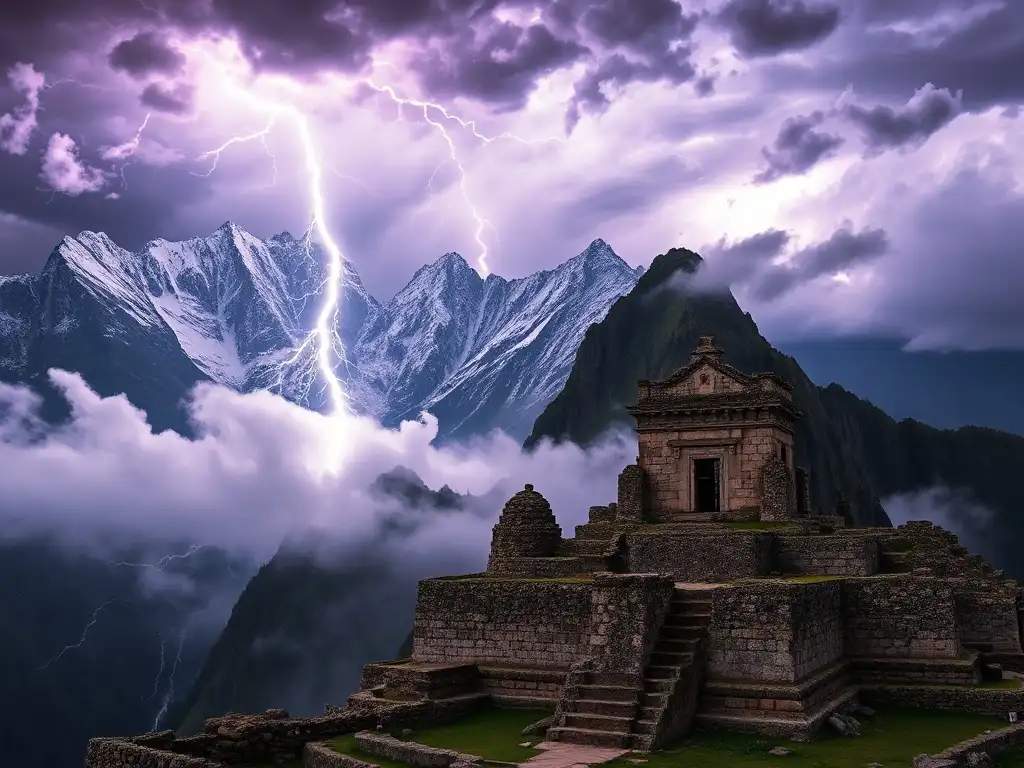
Uncover the mysteries of the Andes! Journey with us into a world of breathtaking landscapes and even more breathtaking cultures. For centuries, the Andean civilizations have captivated the world with their ingenuity and profound connection to the natural world. But what forces shaped their beliefs? Prepare to be amazed as we delve into the powerful mythology surrounding Illapa, the Andean god of thunder, lightning, and rain—a pivotal figure in understanding Andean religion and cosmovision. Discover his significance and the profound impact he had on these incredible societies. Dare to explore further...
- Illapa: The Powerful Andean God of Thunder, Lightning, and Rain
- The Origins of Illapa: Tracing the Roots of the Thunder God
- Illapa's Attributes and Symbolism: Understanding the God's Power
- The Significance of Illapa in Andean Agricultural Practices
- Stories and Myths Surrounding the Andean Deity Illapa
- Illapa's Legacy: The Enduring Influence of the Thunder God
- Conclusion: The Importance of Illapa in Andean Cosmovision
- Frequently Asked Questions
- Final Reflection: The Enduring Power of Illapa
- Unveil the Power of Illapa in Your Life!
Illapa: The Powerful Andean God of Thunder, Lightning, and Rain
The Andes Mountains, a spine of towering peaks stretching along the western coast of South America, are not only a geographical marvel but also the cradle of vibrant and complex civilizations. For millennia, Andean cultures developed intricate belief systems, rich cosmologies, and powerful deities that shaped their daily lives and understanding of the world.
Among these powerful figures stands Illapa, the Andean god of thunder, lightning, and rain—a deity of immense importance whose influence permeated every aspect of Andean society, from agriculture and fertility to warfare and social order. This exploration delves into the fascinating mythology surrounding Illapa, unraveling his multifaceted nature and significance within the Andean pantheon, focusing on his role as a crucial element in the understanding of "Andean god Illapa mythology."
We will explore his iconography, rituals, and the enduring legacy he holds in the cultural memory of the Andean region. Prepare to be captivated by the power and mystery of this thunderous god.
Introduction to Illapa in Andean Mythology
Illapa, often depicted as a powerful and fearsome figure, wasn't simply a bringer of storms. He represented the vital forces of nature crucial for the survival of Andean communities. His control over rain, essential for agriculture in the arid and high-altitude Andean environment, made him a deity of paramount importance. The success or failure of harvests directly depended on Illapa's benevolence, making him a subject of both reverence and apprehension.
Early accounts from Spanish chroniclers, though often filtered through a European lens, provide glimpses into the complex rituals and beliefs surrounding Illapa. These accounts, combined with archaeological evidence such as iconography on pottery and textiles, allow us to piece together a more complete picture of this powerful Andean deity. The image of Illapa varied across different Andean cultures, but common threads consistently weave together a narrative of a powerful god whose moods dictated the fate of the Andean peoples.
Illapa's Iconography and Representations
Depictions of Illapa often feature him wielding thunderbolts, sometimes depicted as stone axes or clubs, symbolizing his destructive power. He is frequently associated with symbols of water, such as streams, lakes, and clouds. In some representations, he is depicted as a powerful warrior, reflecting his association with warfare and the protection of communities. Other depictions show him in a more benevolent guise, emphasizing his role as a life-giving force.
The variations in his iconography reflect the nuanced understanding of Illapa across different Andean cultures, highlighting the diverse interpretations of his power and influence. For example, some cultures emphasized his destructive capabilities, while others focused on his life-giving aspects. This diversity underscores the rich tapestry of Andean mythology and the adaptability of religious beliefs across different regions and time periods.
Rituals and Offerings to Illapa
The Andean people performed various rituals to appease and honor Illapa. These rituals, often involving elaborate ceremonies and offerings, aimed to secure his favor and ensure bountiful harvests and protection from destructive storms. Offerings included agricultural products, such as maize and coca leaves, as well as precious metals and other valuable items. Specific rituals varied across different Andean cultures and regions, reflecting the localized adaptations of religious practices.
The timing of these rituals was often tied to agricultural cycles, underscoring the vital role Illapa played in the sustenance of Andean communities. Evidence of these rituals has been found through archaeological excavations, revealing the extent to which Illapa was integrated into the daily lives of the Andean people. The meticulous nature of these rituals suggests a deep-seated belief in Illapa's power and the importance of maintaining a harmonious relationship with him.
Illapa's Legacy in Modern Andean Culture
While the Inca Empire and other powerful Andean civilizations have long since passed, the legacy of Illapa continues to resonate in modern Andean culture. Elements of his mythology and iconography persist in various forms, reflecting the enduring influence of Andean traditions. While overt worship of Illapa may have diminished, his symbolic representation in art, literature, and folklore keeps his memory alive. The enduring presence of Illapa in modern Andean culture highlights the lasting impact of ancient Andean religion and cosmology.
The continued relevance of Illapa demonstrates the resilience and adaptability of Andean traditions in the face of centuries of change. His story serves as a powerful reminder of the enduring connection between the Andean people and the forces of nature that have shaped their history and identity. Understanding the legacy of Illapa offers a glimpse into the rich cultural heritage of the Andes and its enduring power.
The Origins of Illapa: Tracing the Roots of the Thunder God
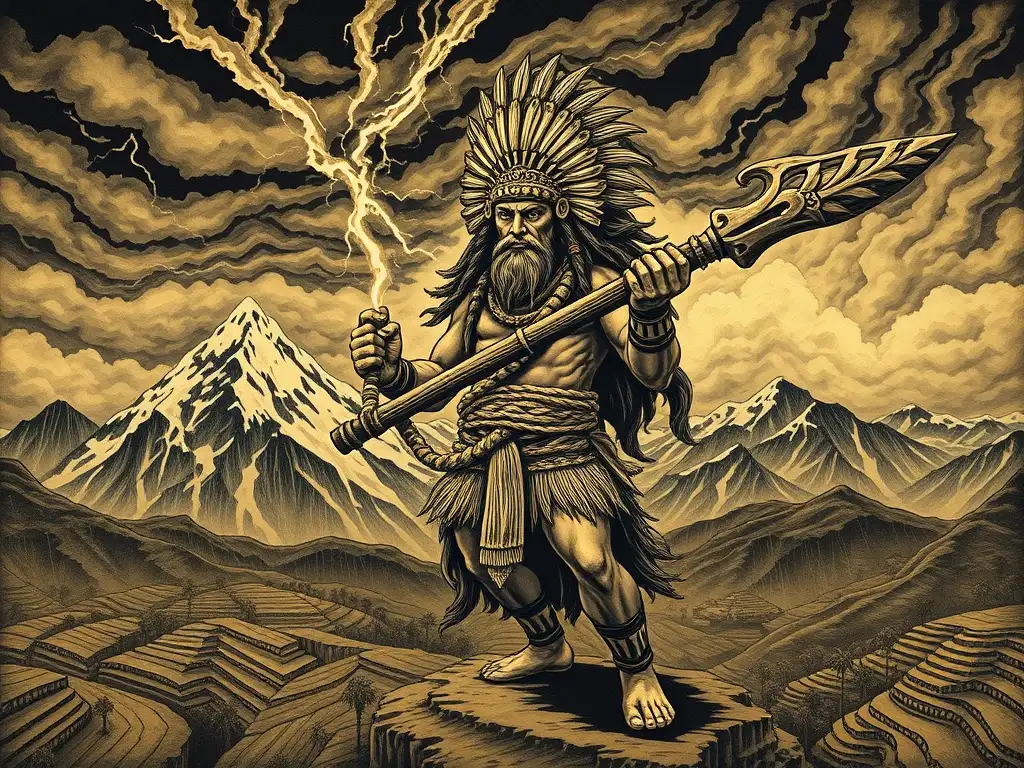
The Andean god Illapa, a powerful deity associated with thunder, lightning, and rain, holds a central place in the Andean pantheon. Understanding his origins requires delving into the complex tapestry of pre-Columbian Andean religions, a process which reveals a deity whose attributes and worship evolved over centuries. While the Inca Empire undoubtedly left its mark on Illapa's image, his roots stretch far back into the pre-Inca periods, incorporating elements from diverse Andean cultures.
The precise origins of Illapa remain a subject of ongoing scholarly debate, with interpretations varying based on archaeological findings and the fragmented nature of surviving textual evidence. However, we can piece together a compelling narrative of his development through careful analysis of available sources.
The influence of earlier religious beliefs and practices is undeniable, shaping the god's character and the rituals dedicated to him. This evolution highlights the dynamic and adaptive nature of Andean religious systems, which integrated new beliefs and practices into existing frameworks.
Illapa's Place in the Andean Pantheon
Illapa wasn't simply a weather god; he occupied a position of significant power and influence within the complex Andean cosmology. He wasn't a singular, isolated deity but rather interacted with and often influenced other supernatural beings. For instance, his relationship with the sun god, Inti, was crucial. While Inti provided warmth and light, Illapa's power brought the life-giving rains essential for agriculture.
This interconnectedness reflects the Andean understanding of a holistic cosmos where every element played a vital role in maintaining balance. Furthermore, Illapa's role extended beyond controlling the weather. He was often associated with fertility, both of the land and of people, and was thus deeply intertwined with the agricultural cycles that were central to Andean life. His power was both feared and revered, capable of both destruction and creation.
The imagery surrounding Illapa often depicted him wielding lightning bolts, a symbol of his formidable power and his ability to both punish and reward. Depictions of Illapa in Andean art frequently show him as a majestic figure, sometimes surrounded by clouds and accompanied by symbols of his power, such as lightning bolts or rain. This iconography emphasizes his status as a major deity and his importance in the Andean worldview.
Pre-Incan Influences on Illapa's Worship
Evidence suggests that the worship of a thunder god, bearing similarities to Illapa, existed long before the Inca Empire. Archaeological discoveries from various pre-Inca cultures, including the Moche, Nazca, and Tiwanaku, reveal iconographic representations and ritualistic practices suggestive of veneration of a sky deity associated with storms. These earlier traditions likely contributed to the development of the Inca's Illapa, forming the foundation upon which Inca beliefs and practices were built.
For example, certain Moche ceramics depict figures wielding lightning bolts, strikingly similar to later depictions of Illapa. While the names might have differed, the core attributes – control over thunder, lightning, and rain – appear consistent across various Andean cultures, suggesting a continuity of religious beliefs and practices spanning centuries. The transition from these earlier forms of worship to the fully developed Inca conception of Illapa underscores the process of cultural syncretism, where existing beliefs were adapted and integrated into the dominant religious framework of the Inca Empire.
Further research into pre-Inca religious practices is crucial for a more complete understanding of Illapa's origins and the long-standing Andean tradition of venerating the forces of nature. The study of Andean mythology, particularly focusing on the evolution of Illapa, continues to reveal fascinating insights into the rich religious landscape of the Andes.
Illapa's Attributes and Symbolism: Understanding the God's Power
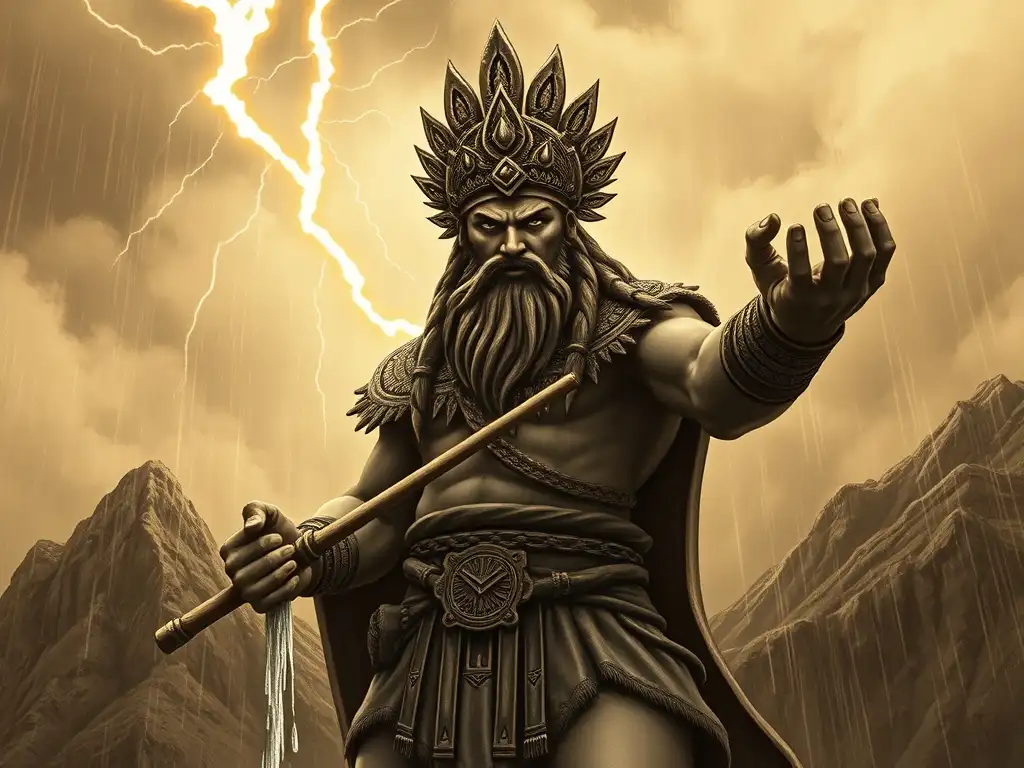
The Andean god Illapa, a central figure in the religious beliefs of various Andean cultures, commanded immense power and respect. His dominion extended over the vital elements of weather—thunder, lightning, and rain—directly impacting agricultural cycles and the very survival of Andean communities. Understanding Illapa's attributes and symbolism is key to comprehending the complexities of Andean mythology and the deep connection between these societies and their environment.
The reverence for Illapa wasn't simply about fearing his destructive capabilities; it was about acknowledging the life-giving force he represented, a force crucial for sustaining life in the challenging Andean landscape. This section delves into the multifaceted nature of Illapa, exploring his symbolic representations and the rituals performed to appease and honor him. The understanding of Andean god Illapa mythology hinges on grasping this intricate relationship between divinity and the natural world.
Illapa as the Controller of Weather Phenomena
Illapa's most prominent attribute was his control over atmospheric phenomena. He wasn't merely associated with thunder, lightning, and rain; he was the embodiment of these forces. His power manifested in the dramatic displays of nature: the deafening roar of thunder, the brilliant flash of lightning, and the life-sustaining downpour of rain.
The intensity of these events reflected Illapa's mood and power. A gentle rain signified his benevolence, nurturing the crops and providing water for the communities. Conversely, violent storms with torrential rain and destructive lightning were interpreted as expressions of his anger, often associated with transgressions against his will or a disruption of the cosmic order.
Chronicles from Spanish conquistadors, while biased, offer glimpses into the fear and awe Illapa inspired, describing storms as divine punishments or acts of power by the Andean god. Detailed accounts of these events, unfortunately, are scarce and often intertwined with the interpretations of the conquerors, making it crucial to critically analyze these historical sources.
The influence of Illapa on Andean agriculture was paramount. The success or failure of harvests directly depended on his favor. Farmers meticulously observed weather patterns, interpreting them as signs of Illapa's disposition and adjusting their agricultural practices accordingly.
A prolonged drought, for instance, could be seen as a sign of Illapa's displeasure, prompting intensified rituals and offerings to regain his favor and ensure the much-needed rainfall. This intimate connection between the god and the agricultural cycle highlights the significance of Illapa in the everyday lives of Andean people. The very survival of their communities was inextricably linked to his benevolence.
The Symbolic Representation of Thunder, Lightning, and Rain
The symbolic representation of Illapa is rich and multifaceted, often interwoven with the imagery of his powers. Thunder, for example, was frequently depicted as his voice, a powerful and awe-inspiring proclamation of his presence and authority. Lightning, with its sudden and brilliant flashes, symbolized his swift and decisive actions, both destructive and life-giving. The rain, the most crucial element, represented his nurturing aspect, providing the essential lifeblood for the Andean landscape and its inhabitants.
Illapa was often depicted anthropomorphically, sometimes wielding a club or mace, symbolizing his power to strike down those who angered him. Other representations included stylized figures embodying the elements he controlled, showcasing bolts of lightning and torrential rain. These artistic depictions are found on various artifacts, such as ceramics, textiles, and metalwork, offering valuable insights into the Andean understanding of Illapa and his role in their cosmology.
The specific iconography varied across different Andean cultures, reflecting regional variations in belief systems and artistic traditions. However, the core symbolism consistently revolved around the themes of power, fertility, and the unpredictable yet vital forces of nature.
Furthermore, the colors associated with Illapa frequently included deep blues and greens, mirroring the colors of the sky and the mountains, his natural domains. These colors, often appearing in textiles and other artifacts, reinforced the visual link between the god and the Andean landscape, highlighting the inseparable bond between the divine and the natural world within Andean god Illapa mythology.
Rituals and Offerings Dedicated to Illapa
Rituals dedicated to Illapa were crucial for maintaining a harmonious relationship with the god and ensuring a successful agricultural cycle. These rituals varied in complexity and scale, ranging from simple household offerings to large-scale community ceremonies. Common offerings included coca leaves, chicha (a fermented corn beverage), and llama sacrifices. The choice of offerings reflected the importance of these items in Andean society and their symbolic value in appeasing Illapa. Coca leaves, for example, held a significant spiritual and social role, representing communication and offerings to the divine.
Examples of Illapa Rituals
Specific examples of Illapa rituals are scarce due to the destruction of many historical records. However, accounts from Spanish chroniclers suggest that ceremonies often involved processions, prayers, and the performance of music and dance. The timing of these rituals was frequently linked to the agricultural calendar, coinciding with planting and harvesting seasons to ensure bountiful yields.
In times of drought or other natural calamities, more elaborate rituals and larger sacrifices were often undertaken in an attempt to appease Illapa and restore his favor. These events often involved the participation of the entire community, underscoring the collective dependence on the god's benevolence.
The intensity and scale of the rituals often reflected the severity of the situation. A small offering of coca leaves might suffice during times of plenty, while a more significant sacrifice, such as a llama, could be offered during times of drought or other natural disasters. These practices highlight the deep-seated belief in Illapa's power and the vital role he played in shaping the lives of the Andean people.
The study of Andean god Illapa mythology reveals the intricate relationship between religion, agriculture, and the natural world in the Andes. The rituals and offerings dedicated to Illapa were not simply religious acts; they were essential components of Andean society, reflecting its deep-rooted connection to the environment and its reliance on the forces of nature for survival. Further research into specific regional variations in Illapa worship is needed to fully understand the nuances of this complex religious system.
The Significance of Illapa in Andean Agricultural Practices
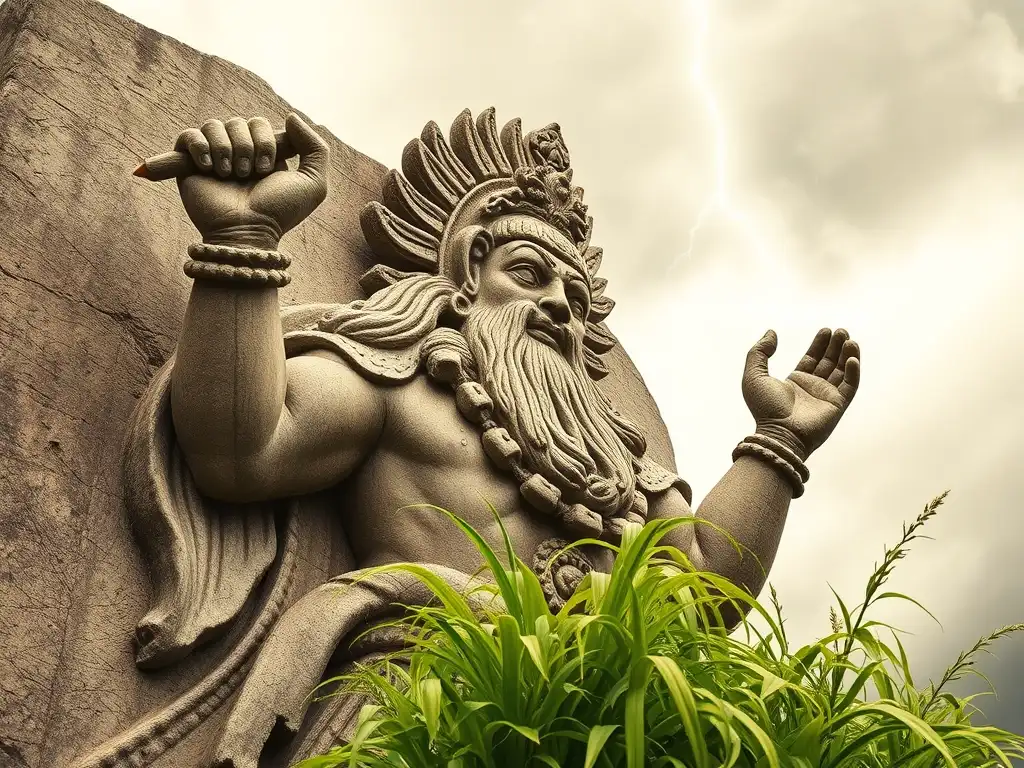
Illapa, the Andean god of thunder, lightning, and rain, held a position of paramount importance in the agricultural practices of various Andean civilizations. His capricious nature, capable of both destruction and creation, instilled a deep reverence and a complex relationship with the people who depended on his power for survival. Understanding Illapa's role is crucial to comprehending the intricate connection between Andean religion and their agricultural success. The Andean worldview didn't separate the spiritual and the material; Illapa wasn't merely a deity; he was an active participant in the daily lives of the people, particularly in their agricultural cycles.
Illapa's Role in Ensuring Fertile Lands
The success of Andean agriculture hinged on the timely arrival and sufficient quantity of rainfall. Illapa's power over the rains made him directly responsible for the fertility of the land. Farmers performed elaborate rituals and ceremonies to appease and honor Illapa, seeking to guarantee bountiful harvests.
These rituals varied across different Andean cultures but often involved offerings of coca leaves, chicha (a fermented corn beverage), and llama sacrifices. The timing of these rituals was often tied to the agricultural calendar, marking key moments like planting and harvesting seasons. Evidence from archaeological sites reveals the presence of sophisticated irrigation systems, suggesting a deep understanding of water management, complemented by religious practices aimed at securing Illapa's favor.
The construction of these systems, a testament to human ingenuity, underscores the crucial role Illapa played in the Andean worldview, shaping not only their religious beliefs but also their practical approaches to agriculture. Failure to appease Illapa could, according to Andean beliefs, result in drought, crop failure, and widespread famine, highlighting the critical link between the god and the survival of the communities.
Illapa and the Cycle of Life and Death in Andean Beliefs
Illapa's influence extended beyond simply providing rain; he embodied the cyclical nature of life and death prevalent in Andean cosmology. The power of his lightning bolts, capable of both fertilizing the earth and causing destruction, mirrored the duality inherent in the Andean understanding of the world. The life-giving rain, essential for agriculture, was inseparable from the destructive potential of storms and floods. This duality is reflected in the iconography associated with Illapa – often depicted with both benevolent and terrifying aspects.
For example, some representations show him wielding lightning bolts as weapons, while others portray him as a benevolent figure providing life-sustaining rain. This duality wasn't contradictory; instead, it represented the natural balance of forces crucial to the Andean understanding of the universe. The cyclical nature of life and death, mirrored in the seasons and the agricultural cycle, was inextricably linked to Illapa's power, reinforcing his central role in the Andean religious and cosmological framework.
The Andean understanding of Illapa was not simply a belief in a deity; it was a complex system of beliefs about the natural world and their place within it, shaping their worldview and their relationship with the environment. The cyclical nature of life, death, and rebirth, reflected in the agricultural cycle and Illapa's power, is a testament to the sophistication of Andean religious thought. Further research into specific regional variations in Illapa's worship could provide even more nuanced insights into this fascinating aspect of Andean mythology.
Stories and Myths Surrounding the Andean Deity Illapa
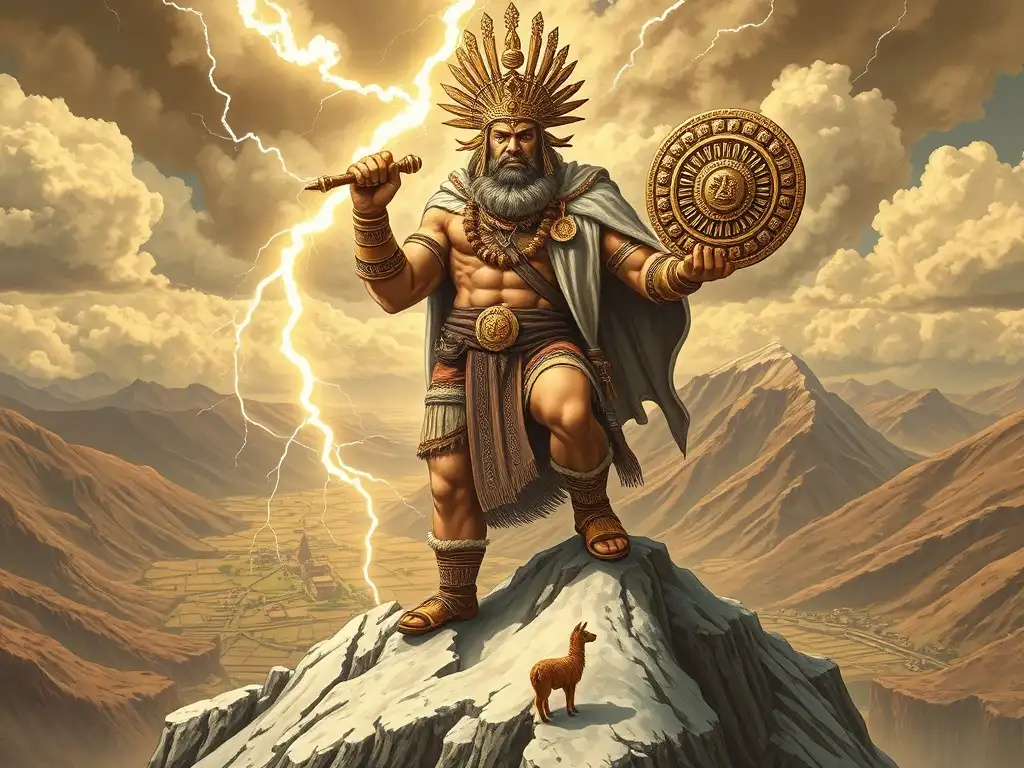
The Andean god Illapa, a powerful deity controlling thunder, lightning, and rain, features prominently in numerous myths and stories across various Andean cultures. His role as a life-giver and, conversely, a force of destruction, makes him a compelling figure in Andean mythology. Understanding these narratives provides insight into the Andean worldview and the importance of weather patterns in their agricultural society.
The narratives surrounding Illapa often intertwine with other deities and spiritual elements, reflecting the complex religious cosmology of the Andes. His stories are not simply tales of power, but also allegories of the cyclical nature of life, death, and renewal, mirroring the annual agricultural cycle crucial to Andean survival. The pervasiveness of Illapa myths underscores his central position within the Andean pantheon.
Different groups may have had unique interpretations of Illapa's actions and characteristics, highlighting the diversity of Andean beliefs despite a shared core mythology. This section will delve into specific examples of these myths, showcasing the richness and complexity of Illapa's role within Andean religious thought.
The Myth of Illapa and the Drought
One common narrative depicts Illapa's crucial role in maintaining the balance of nature. In this myth, a prolonged drought grips the land, causing widespread suffering and famine. The people, desperate for rain, offer sacrifices and prayers to Illapa, pleading for his intervention. Some versions of the story portray Illapa as initially angered or displeased, perhaps due to a perceived lack of respect or failure to uphold proper ritualistic practices.
The drought continues, emphasizing the severity of the situation and the people's dependence on the god’s benevolence. However, eventually, moved by their sincere pleas and the sight of their suffering, Illapa relents. He unleashes a torrential downpour, ending the drought and restoring fertility to the land. This myth highlights the interconnectedness of human actions and divine intervention, underscoring the importance of maintaining a harmonious relationship with the supernatural realm.
The narrative also emphasizes the power of collective prayer and the potential for divine mercy even in the face of hardship. The story served as a potent reminder of the community's reliance on Illapa and the need for respectful conduct. Specific details of the offerings and rituals performed vary across different Andean communities, reflecting local traditions and beliefs. [Specific details of offerings and rituals pending further research].
The Myth of Illapa's Battle with the Mountain Spirit
Another intriguing myth describes Illapa's conflict with a powerful mountain spirit, perhaps a representation of the challenging natural environment. In this narrative, the mountain spirit, jealous of Illapa’s control over the weather, attempts to obstruct the flow of rain and obstruct Illapa's power. This could be depicted as a physical battle, with lightning bolts clashing against the mountain's protective forces, or as a more subtle contest of wills, with the mountain spirit manipulating the winds and clouds to prevent rain from falling. The outcome of the battle often varies depending on the specific version of the myth.
In some accounts, Illapa triumphs, showcasing his superior power and reaffirming his control over the weather. In others, the conflict ends in a stalemate, symbolizing the enduring tension between the forces of nature and the divine. This myth reflects the Andean understanding of the complex and often unpredictable nature of the environment and the constant struggle for survival within it.
The mountain itself, often revered as sacred, represents a powerful force in Andean cosmology, making the conflict a symbolic representation of the dynamic interplay between the divine and the natural world. The details of the battle—the weapons used, the location of the conflict, and the ultimate outcome—are likely to differ across various Andean traditions, reflecting the regional variations in storytelling and beliefs. [Specific details of variations in the myth pending].
Variations in Illapa's Depiction Across Different Andean Cultures
Illapa's representation varied across different Andean cultures. While the core aspects of his dominion over thunder, lightning, and rain remained consistent, his iconography and associated myths differed depending on regional traditions and cultural beliefs. For example, some Andean groups might depict Illapa wielding a club or a thunderbolt, while others might portray him with other attributes, such as a staff or a feathered headdress. The specific animals associated with him also varied.
Some might link him to the condor, a powerful bird of prey, while others might associate him with the puma, a symbol of strength and power. These variations underscore the diverse ways in which Andean communities interpreted and adapted the central figure of Illapa to their specific cultural contexts. The differences highlight the rich tapestry of Andean religious beliefs, revealing a complex system of interconnected yet distinct local traditions. Further research into specific Andean cultures, such as the Inca, Moche, Nazca, and Tiahuanaco, is needed to fully document these variations and understand their significance within the broader context of Andean mythology.
This detailed exploration of regional differences in Illapa's depiction will provide a more nuanced understanding of the Andean god and his place within the diverse religious landscape of the Andes. Analyzing these variations helps us appreciate the richness and complexity of Andean religious beliefs and the adaptability of their mythological figures. The study of these variations offers crucial insights into the Andean people's creativity and their ability to adapt their beliefs to their specific environments and social structures.
Illapa's Legacy: The Enduring Influence of the Thunder God
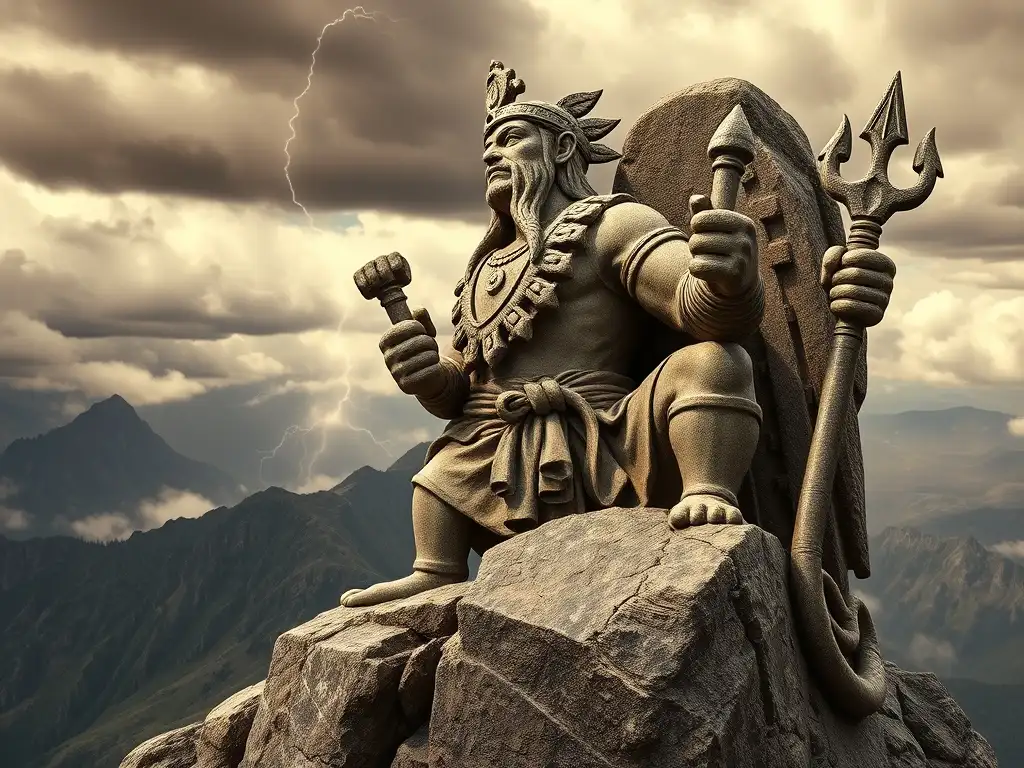
Illapa, the Andean god of thunder, lightning, and rain, wasn't simply a deity relegated to the dusty pages of ancient history. His influence resonates even today within Andean communities, demonstrating the enduring power of mythology and its ability to shape cultural identity across centuries. This enduring legacy is not merely a matter of historical interest; it's a vibrant, living tradition that continues to inform spiritual practices, agricultural rituals, and artistic expressions.
Studying Illapa's continued presence provides crucial insight into the complex interplay between past and present in Andean cultures, highlighting the resilience of indigenous belief systems in the face of colonization and globalization. Understanding this legacy requires a nuanced exploration of how Illapa's symbolism persists and adapts within contemporary Andean societies.
Illapa in Contemporary Andean Communities
While the formal worship of Illapa might have diminished with the arrival of Christianity, aspects of his worship remain subtly integrated into the daily lives of many Andean communities. For instance, farmers in the Peruvian Andes still perform rituals associated with rain and fertility, invoking principles connected to Illapa's power. These practices might not explicitly name Illapa, but they retain symbolic gestures and prayers that clearly echo his ancient dominion over the elements.
The continued importance of rain in Andean agriculture ensures that the underlying beliefs associated with Illapa’s control over rainfall remain crucial. Furthermore, the vibrant colors and imagery often associated with Illapa—bold blues, whites, and yellows mirroring flashes of lightning and the power of the storm—persist in contemporary textiles, pottery, and other artistic expressions. These visual representations serve as potent reminders of Illapa’s enduring presence in the cultural consciousness.
Anthropological studies have documented the persistence of these practices, revealing a complex and subtle relationship between indigenous beliefs and the imposed religious framework. The specific rituals vary between communities, showcasing the rich diversity within Andean cultures while maintaining a common thread of reverence for the life-giving power associated with Illapa.
The Persistence of Illapa's Symbolism
Illapa's symbolism transcends mere religious practice; it's deeply woven into the fabric of Andean identity. His association with power, fertility, and the life-giving rain manifests in various ways. For example, the double-headed axe, a common symbol associated with Illapa, continues to appear in contemporary Andean art.
This symbol, representing both the destructive and creative forces of nature embodied by the god, is not just a decorative element; it carries significant weight and meaning, acting as a visual shorthand for the complex relationship between humans and the natural world. Moreover, the vibrant colors used to depict Illapa—often seen in traditional clothing and ceremonies—continue to hold symbolic importance, reflecting the energy and power he represents. Even the names given to storms and weather events often reflect the lingering influence of Illapa, suggesting that his presence remains palpable in the everyday experiences of Andean communities.
The persistence of these symbols demonstrates the enduring power of Illapa’s mythology to shape and define Andean cultural expression. It underscores the deeply rooted connection between the Andean people and their ancestral deities, a connection that continues to shape their worldview and their relationship with the natural world.
Comparing Illapa to Other Thunder Gods Worldwide
Comparing Illapa to other thunder deities across diverse cultures reveals fascinating parallels and divergences in mythological narratives. While many cultures feature powerful sky gods controlling storms and rain, the specific attributes and roles of these deities often differ. For example, while both Illapa and Zeus, the Greek god of thunder, command immense power over the elements, their narratives and associated myths diverge significantly. Zeus, often portrayed as a capricious and sometimes tyrannical figure, differs considerably from Illapa, who is generally seen as a force both destructive and life-giving, essential to the sustenance of the Andean people.
Similarly, comparisons with Thor, the Norse god of thunder, reveal different cultural contexts. Thor's strength and martial prowess are emphasized more prominently than Illapa’s connection to agriculture and fertility. These comparisons highlight the cultural specificity of mythological narratives, illustrating how similar divine roles are adapted and expressed differently across various belief systems.
Further research into other thunder gods, such as the Yoruba deity Shango or the Slavic Perun, could offer additional insights into the diverse ways cultures conceptualize and relate to the powerful forces of nature. The study of these cross-cultural parallels and differences enriches our understanding of the Andean god Illapa and his place within the broader tapestry of world mythology. The comparison allows us to appreciate the unique Andean perspective on the relationship between humanity and the forces of nature, highlighting the specific cultural contexts that shape our understanding of the divine.
Conclusion: The Importance of Illapa in Andean Cosmovision
Illapa's prominence in Andean mythology underscores the profound connection between the ancient Andean peoples and their environment. The cyclical nature of agriculture, heavily reliant on predictable rainfall and a benevolent climate, shaped their worldview, making Illapa, the god of thunder, lightning, and rain, a central figure in their religious and social life. His influence extended beyond mere meteorological control; he represented power, fertility, and the very lifeblood of their civilization.
Understanding Illapa's role provides invaluable insight into the Andean cosmovision – a complex interplay of nature, spirituality, and societal structure. The reverence afforded Illapa wasn't simply a matter of superstition; it was a practical acknowledgment of the forces that dictated their survival and prosperity.
The detailed rituals, offerings, and artistic representations dedicated to Illapa speak volumes about his importance and the deep-seated beliefs of the Andean people. The study of Andean god Illapa mythology reveals a sophisticated understanding of the natural world and a sophisticated religious system.
The Enduring Power of Andean Gods like Illapa
Even after the Spanish conquest and the subsequent suppression of indigenous religions, the influence of Illapa, and other Andean deities, persists in various forms. While overt worship may have diminished, elements of Illapa's symbolism and mythology have survived, often subtly integrated into Andean cultures and traditions. The continued reverence for thunder and lightning, the symbolic use of rain in agricultural rituals, and even certain aspects of Andean folklore still resonate with the legacy of Illapa.
This enduring legacy highlights the deep-rooted connection between the Andean people and their ancestral beliefs. The persistence of these traditions underscores the resilience of Andean culture and the enduring power of their ancient gods, demonstrating that the influence of Andean god Illapa mythology continues to shape the region's cultural landscape. Further research into contemporary Andean practices could reveal even more subtle yet significant ways in which Illapa's influence continues to manifest.
Studying the evolution of these beliefs offers a fascinating lens through which to examine the cultural continuity and adaptation of Andean societies across centuries. The legacy of Andean god Illapa mythology remains a vibrant and compelling subject for further scholarly exploration.
Illapa's Legacy in Modern Andean Culture
The impact of Illapa isn't confined to historical accounts; aspects of his mythology are still subtly present in modern Andean culture. For instance, the reverence for storms and rain, often seen in festivals and agricultural practices, echoes the ancient veneration of Illapa. While direct worship might be less prevalent, the symbolic representation of thunder and lightning in art, textiles, and even oral traditions, reveals the enduring presence of Illapa in the collective consciousness.
This subtle yet pervasive influence speaks to the deep-seated connection between the Andean people and their ancestral beliefs. It is a testament to the lasting power of mythology and its ability to shape cultural identity across generations. Further study of contemporary Andean culture might reveal even more nuanced ways in which Illapa's legacy continues to be woven into the fabric of daily life.
The persistence of these cultural echoes offers a compelling case study in the enduring power of ancient Andean beliefs. Understanding these modern manifestations allows us to appreciate the full scope of Andean god Illapa mythology and its continued relevance.
Comparing Illapa to Other Andean Deities
While Illapa holds a prominent position, it's crucial to understand his place within the broader pantheon of Andean deities. Unlike some pantheons with clearly defined hierarchies, the Andean religious system was more fluid, with the importance of specific deities often varying regionally and contextually. While Illapa controlled the vital elements of rain and fertility, other deities like Inti (the sun god) and Mama Killa (the moon goddess) also held significant sway over the agricultural cycle and the well-being of the community.
The interaction and interplay between these deities, rather than a strict hierarchy, is a key characteristic of Andean cosmology. Understanding Illapa's relationship with these other powerful figures provides a more complete picture of the Andean worldview.
Further research into the specific interactions and regional variations in the worship of these deities would enhance our understanding of the complexities of Andean religion. The comparative analysis of Andean deities illuminates the rich tapestry of Andean god Illapa mythology and its broader context within the Andean religious system.
The Role of Ritual and Sacrifice in Honoring Illapa
The worship of Illapa involved elaborate rituals and, in some cases, sacrifices aimed at appeasing the powerful deity and ensuring bountiful harvests. These ceremonies often involved offerings of food, drink, and precious objects, reflecting the importance placed on securing Illapa's favor. The specific rituals varied across different Andean cultures and regions, reflecting diverse interpretations and local traditions. Detailed accounts of these rituals, though often fragmented, offer valuable insights into the religious practices and social structures of Andean societies.
[Specific details on types of offerings and ritual practices pending further research]. Understanding these rituals is crucial to grasping the depth and complexity of Andean god Illapa mythology and the vital role he played in the lives of the Andean people. Further investigation into archaeological findings and surviving ethnographic accounts could shed more light on the specific practices and their significance.
Frequently Asked Questions
What is Illapa's significance in Andean mythology?
Illapa is a powerful Andean deity, representing thunder, lightning, and rain. He's crucial to Andean agriculture and considered a life-giving force.
How was Illapa depicted in Andean art and iconography?
Illapa is often depicted holding lightning bolts or standing amidst storm clouds. Representations vary across different Andean cultures, but he's always associated with powerful weather phenomena.
What role did Illapa play in Inca society?
In Inca society, Illapa held a supreme position among the gods. His influence on agriculture made him vital to their survival, and ceremonies were held to appease him and ensure bountiful harvests.
Were there any rituals or ceremonies dedicated to Illapa?
Yes, numerous rituals and sacrifices were dedicated to Illapa, particularly during times of drought or to ensure successful harvests. These were crucial for maintaining balance and receiving his blessings.
How does Illapa's mythology compare to other Andean deities?
While other deities existed, Illapa's power over essential resources like water set him apart. His influence on life and death through weather control made him one of the most significant Andean gods.
Final Reflection: The Enduring Power of Illapa
The worship of Illapa, the Andean god of thunder, lightning, and rain, remains profoundly relevant today, a testament to the enduring power of nature's forces and the human need to understand and connect with them. His story isn't just a relic of the past; it's a vibrant thread woven into the cultural tapestry of the Andes, reflecting the ongoing struggle for balance between humanity and the natural world. The changing climate and increasing frequency of extreme weather events only amplify the resonance of Illapa's legacy.
Illapa's influence extends far beyond ancient rituals; his presence continues to shape Andean identity and worldview. The reverence for the power of nature, the cyclical understanding of life and death, and the deep connection to the land – these are all echoes of Illapa's enduring legacy. The mountains are not just rocks; they are living beings, the dwelling places of the gods.
This sentiment, though perhaps not explicitly about Illapa, encapsulates the spiritual depth and interconnectedness that his mythology embodies. Understanding Illapa helps us understand the profound respect for the environment that permeates Andean culture, a respect we desperately need to cultivate globally.
Consider, for a moment, the power of myth and its ability to shape our understanding of the world. Illapa's story is not just a story; it's a call to action. It's a reminder of our dependence on the natural world and the importance of living in harmony with it.
Let Illapa's thunderous presence inspire you to reflect on your own relationship with nature, to appreciate its power, and to act responsibly in the face of the environmental challenges we face today. Let his story be a catalyst for change, a beacon guiding us towards a more sustainable and respectful future.
Unveil the Power of Illapa in Your Life!
Thank you for exploring the rich mythology of Illapa, the Andean God of Thunder, Lightning, and Rain. We hope you've gained a deeper understanding of this powerful deity and its influence on our perceptions of nature and spirituality. Ready to further connect with this vibrant cultural heritage?
Here's how you can get involved:
- Dive Deeper: Learn more about local traditions and festivals honoring Illapa, and consider how they relate to contemporary environmental concerns. Researching these connections can be incredibly rewarding.
- Share Your Discoveries: Discuss this fascinating deity and the importance of preserving Andean cultural knowledge with your friends and family. Sharing this article is a great way to start a conversation.
- Join a Community: Connect with others interested in Andean civilizations through online forums or social media groups. Sharing your thoughts on Illapa and engaging in discussions will enrich your understanding.
How has learning about Illapa's legacy influenced your perspective on your own relationship with the natural world? We'd love to hear your thoughts!