
Whispers of Ancient Hands: The Stories Behind Authentic Andean Art

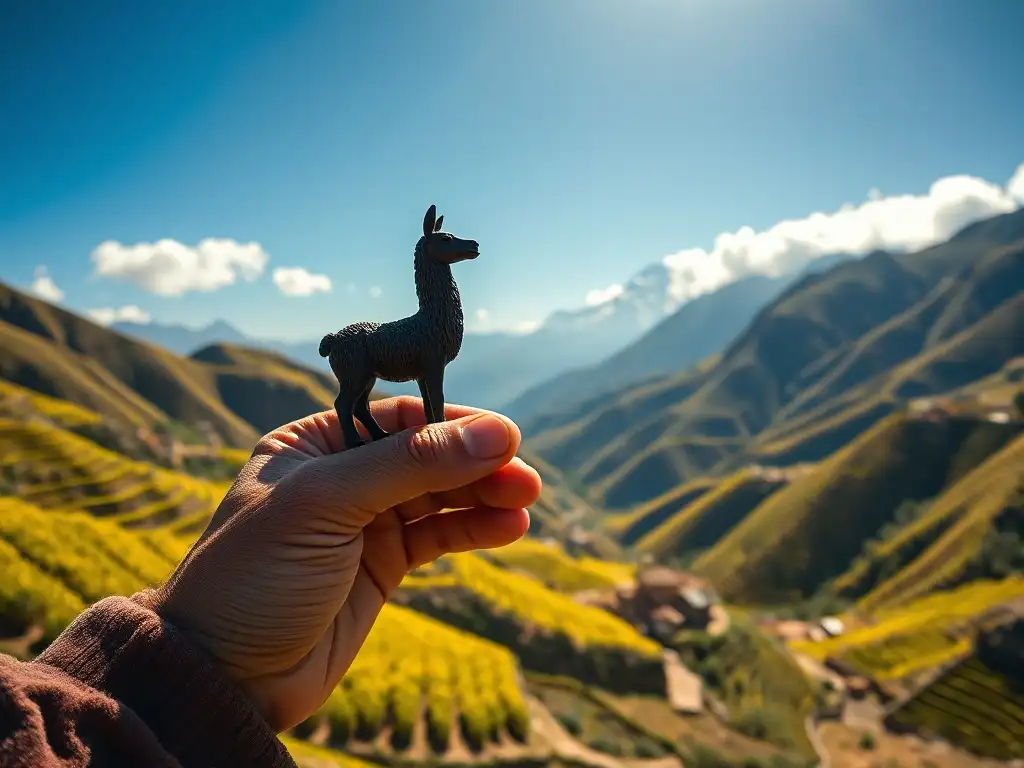
Dive into a world lost to time, yet echoing with vibrant life. Whispers of Ancient Hands unveils the secrets held within authentic Andean art examples, transporting you to the heart of the Inca, Moche, Nazca, and Tiahuanaco cultures. From intricate textiles to awe-inspiring goldwork, prepare to be captivated by the artistry and ingenuity of these remarkable civilizations. Uncover the stories etched into every piece – are you ready to explore?
The allure of Andean art is undeniable. From the intricate textiles of the Nazca to the majestic goldwork of the Moche, these artifacts whisper tales of sophisticated civilizations that thrived in the challenging Andes Mountains for millennia. This article delves into the world of authentic Andean art, exploring the historical context, artistic techniques, and key features that distinguish genuine pieces from imitations.
We'll journey through the captivating history of these cultures, providing you with the knowledge and insight needed to appreciate and, if you're a collector, identify truly authentic examples of Andean artistry. Understanding the nuances of authentic Andean art allows us to connect with the ingenuity and spiritual depth of these remarkable ancient societies, ensuring their legacy continues to inspire and resonate with us today.
This guide is designed to empower both seasoned collectors and enthusiastic newcomers to navigate the world of Andean art with confidence, appreciating the rich tapestry of stories woven into each artifact. We will focus on providing examples of authentic Andean art, helping you identify key characteristics and avoid reproductions.
Unveiling the Legacy: Understanding Authentic Andean Art
Authentic Andean art represents a tangible link to a vibrant past, reflecting the unique beliefs, practices, and artistic skills of various Andean cultures. The term "Andean" encompasses a vast geographical area and a diverse range of civilizations, each with its own distinct artistic style. For example, the intricate pottery of the Moche civilization, known for its detailed depictions of daily life and mythology, differs significantly from the geometric textiles of the Nazca, famous for their geoglyphs.
Similarly, the monumental stonework of Tiahuanaco stands in contrast to the refined gold and silver craftsmanship of the Inca Empire. Understanding these stylistic variations is crucial for authenticating Andean artifacts. Many pieces were imbued with deep spiritual significance, serving as ritual objects, adornments, or offerings to deities.
This inherent spiritual context adds another layer of complexity and value to these artifacts. The materials used—ranging from precious metals and colorful stones to intricately woven textiles and finely crafted ceramics—also contribute to the artistry and cultural significance of these pieces. Recognizing the specific materials and techniques used by each civilization is a key aspect of assessing authenticity.
The Allure of Pre-Columbian Art: A Journey Through Time
The appeal of pre-Columbian Andean art lies not only in its aesthetic beauty but also in its historical and cultural significance. These artifacts provide invaluable insights into the social structures, religious beliefs, and technological advancements of these ancient societies. For example, the detailed depictions on Moche pottery offer a window into their daily lives, warfare, and religious ceremonies.
Similarly, the Nazca lines, though not strictly "art" in the traditional sense, represent a remarkable feat of engineering and a testament to the advanced astronomical knowledge of the Nazca people. The intricate textiles of various Andean cultures often feature symbolic motifs and patterns that reflect their cosmology and worldview. The Inca's mastery of gold and silverwork, evident in their intricate jewelry and ceremonial objects, reflects their sophisticated metalworking techniques and their understanding of the symbolic power of these precious metals.
Studying the evolution of Andean art across different periods and cultures allows us to appreciate the continuity and change within these societies and to better understand the context of individual artifacts. This historical journey is essential for developing a discerning eye when evaluating the authenticity of Andean art.
Identifying Genuine Andean Artifacts: A Collector's Guide
Identifying authentic Andean artifacts requires a keen eye and a thorough understanding of the various styles, materials, and techniques employed by different Andean cultures. Several key characteristics can help distinguish genuine pieces from modern reproductions. These include:
| Feature | Genuine Andean Artifact | Reproduction |
|---|---|---|
| Patina | Often displays a natural, aged patina | May appear too clean or have an unnatural patina |
| Materials | Uses traditional materials (e.g., specific clays, metals) | May use modern materials or imitations |
| Techniques | Shows evidence of traditional techniques (e.g., hand-weaving, hand-painting) | May exhibit machine-made or mass-produced qualities |
| Style | Conforms to known stylistic conventions of a particular culture | May combine elements from different cultures or periods |
| Provenance | Ideally, has a documented history and chain of ownership | Often lacks clear provenance |
Careful examination of an artifact's surface, its construction, and its stylistic elements is crucial. The presence of repairs or alterations can also indicate authenticity or raise questions. Consulting with experts in Andean art and archaeology is highly recommended, especially for high-value pieces. Remember, the acquisition of authentic Andean art should always be approached responsibly and ethically, ensuring that the pieces are obtained legally and that their cultural heritage is respected. The pursuit of authentic Andean art is a journey of discovery, enriching our understanding of these remarkable ancient civilizations and preserving their legacy for future generations. 🕵️♂️
- Unveiling the Legacy: Understanding Authentic Andean Art
- The Allure of Pre-Columbian Art: A Journey Through Time
- Identifying Genuine Andean Artifacts: A Collector's Guide
Exploring Diverse Styles and Techniques in Andean Art
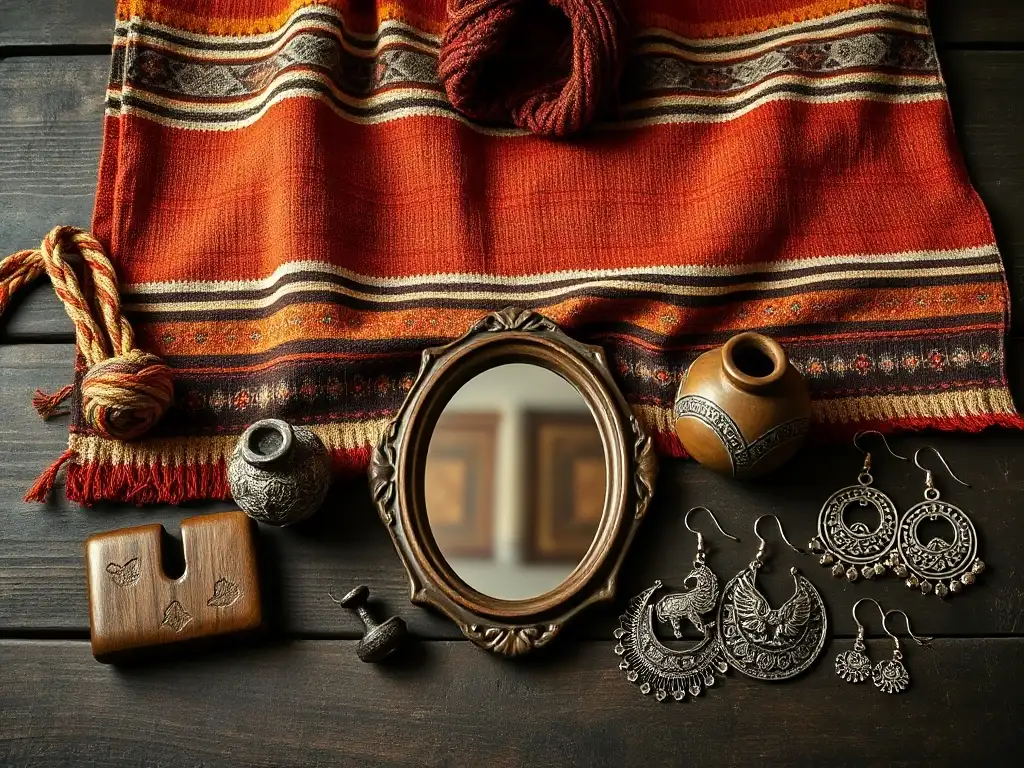
This section delves into the remarkable artistry of the ancient Andean civilizations, focusing on three distinct cultures renowned for their unique styles and techniques: the Moche, Nazca, and Inca. We'll examine specific examples of authentic Andean art, highlighting the craftsmanship and cultural significance embedded within these exquisite pieces. Understanding these differences is crucial for discerning authentic Andean art examples from modern reproductions.
Moche Ceramics: Narrative Vessels of Ancient Peru
The Moche civilization (c. 100-800 CE) of northern Peru left behind a legacy of breathtaking ceramics. Their artistry wasn't merely decorative; it served as a powerful means of storytelling, recording myths, rituals, and daily life. Moche potters were masters of their craft, employing sophisticated techniques to create incredibly detailed and lifelike representations. Authentic Moche ceramics are characterized by:
- Narrative scenes: Vessels often depict complex scenes of warfare, hunting, religious ceremonies, and erotic encounters, providing invaluable insights into Moche society. A prime example is the depiction of a decapitation ritual often found on stirrup-spout vessels.
- Polychromy: Moche potters skillfully used multiple colors, often vibrant reds, yellows, blacks, and whites, applied with precision to create stunning visual effects. The colors were derived from natural pigments, adding to the authenticity and vibrancy of the pieces.
- Stirrup-spout vessels: These uniquely shaped vessels, with a spout resembling a stirrup, are iconic of Moche artistry. The intricate detailing on these vessels often includes elaborate figures and scenes.
- Mold-made and hand-modeled techniques: A combination of techniques was employed, with molds used for some elements and hand-modeling for finer details, creating a unique textural quality.
The meticulous detail and narrative power of Moche ceramics make them highly sought-after examples of authentic Andean art. Distinguishing genuine pieces from modern forgeries requires a keen eye for the subtle nuances of the clay, paint application, and overall style. For example, the use of specific pigments and the wear from age are important indicators of authenticity.
Nazca Textiles: Intricate Designs Woven in the Desert
The Nazca culture (c. 100 BCE – 800 CE) of southern Peru, known for their enigmatic geoglyphs, were equally adept at textile production. Their textiles are celebrated for their intricate designs, vibrant colors, and exceptional weaving techniques. Authentic Nazca textiles stand out due to:
- Exceptional weaving techniques: Nazca weavers mastered a variety of techniques, including tapestry weaving, embroidery, and gauze weaving, showcasing remarkable skill and precision. The use of multiple warps and wefts allowed for complex patterns and textures.
- Geometric and figurative designs: Designs range from geometric patterns—often featuring stylized animals and plants—to more elaborate figurative representations, including deities and mythical creatures.
- Use of natural dyes: The vibrant colors in Nazca textiles were derived from natural sources, such as plants and minerals, resulting in a unique palette of earthy tones and bright hues. The permanence and subtlety of these dyes are key identifiers of authenticity.
- Fragmentary nature: Many surviving examples are fragments, reflecting the fragility of the materials and the passage of time. The preservation of these fragments, however, speaks to the quality of the original craftsmanship.
Recognizing authentic Nazca textiles requires careful examination of the weaving techniques, the types of fibers used (often cotton and camelid fibers), and the dyes. The level of detail and the complexity of the designs are further indicators of authenticity. Many modern reproductions lack the subtlety and intricacy of genuine Nazca textiles.
Inca Metalwork: The Gleam of Power and Precision
The Inca Empire (c. 1438-1533 CE) dominated a vast territory, and their mastery of metallurgy is reflected in their exquisite gold, silver, and copper artifacts. Inca metalworkers achieved remarkable levels of precision and artistry, creating objects that were both aesthetically pleasing and symbolically significant. Authentic Inca metalwork is characterized by:
- Repoussé and chasing techniques: These techniques involved hammering metal sheets from the back (repoussé) and then smoothing and refining the surface (chasing) to create intricate three-dimensional forms.
- Alloying and gilding: Inca artisans skillfully combined different metals to achieve specific colors and properties. Gilding—applying a thin layer of gold—was used to enhance the appearance of objects.
- High level of craftsmanship: Inca metalwork demonstrates a remarkable level of skill and precision, with incredibly fine details and seamless joins.
- Specific motifs: Certain motifs, such as the condor, puma, and snake, frequently appear in Inca metalwork, reflecting their cultural and religious beliefs.
Identifying authentic Inca metalwork requires expertise in metallurgical techniques and a deep understanding of Inca iconography. The quality of craftsmanship, the use of specific alloys, and the presence of characteristic motifs are all crucial elements in determining authenticity. Counterfeit pieces often lack the sophistication and precision of genuine Inca metalwork. The presence of hallmarks or provenance records can also strengthen the claim of authenticity.
Tiahuanaco Stone Carvings: Monumental Expressions of Belief
The Tiahuanaco culture, flourishing in the Bolivian Altiplano between approximately 500 and 1000 CE, left behind a legacy of monumental stone carvings that are breathtaking in their scale and artistry. These weren't mere decorations; they were powerful expressions of religious belief, reflecting a sophisticated cosmology and worldview.
The precision and skill involved in shaping these massive blocks of andesite, transporting them across challenging terrain, and meticulously carving intricate details are truly awe-inspiring. Experts debate the exact meanings behind many of the carvings, but the recurring motifs – such as the iconic "Gateway of the Sun" with its central figure and surrounding deities – suggest a complex pantheon of gods and a deep connection to the natural world.
The sheer size of many Tiahuanaco carvings is a testament to the culture's organizational prowess and technological capabilities. Imagine the coordinated effort required to quarry, shape, and erect structures like the Kalasasaya temple, with its massive standing stones and intricately carved panels. This speaks to a highly structured society with specialized labor and advanced engineering skills.
Moreover, the stylistic consistency across different carvings suggests a centralized artistic tradition, perhaps overseen by a priestly class or a ruling elite. The meticulous detail in the carvings, from the rendering of human and animal figures to the geometric patterns and symbolic representations, points to a highly skilled artisan class deeply invested in their craft.
The materials themselves are significant. The use of andesite, a hard volcanic rock, required exceptional tools and techniques. Scholars continue to investigate the methods employed by Tiahuanaco artisans, analyzing the tools, techniques, and the very composition of the stone to understand their mastery.
The durability of andesite ensured that these carvings would survive for centuries, offering us a glimpse into the beliefs and practices of a civilization long gone. The persistence of these monumental sculptures serves as a powerful reminder of the Tiahuanaco's enduring influence on subsequent Andean cultures. The motifs and styles found in Tiahuanaco carvings reappear in later Andean art, highlighting the lasting impact of this remarkable civilization on the artistic landscape of the region.
Studying these carvings allows us to trace the evolution of artistic expression and the transmission of cultural ideas across generations. The enduring mystery surrounding some of the carvings only adds to their allure and encourages further research into the rich cultural heritage of Tiahuanaco. The continued study of these magnificent works of art helps us to better understand not only the technical skills of the Tiahuanaco people but also their spiritual beliefs and social structures.
Investing in Authentic Andean Art: A Guide to Responsible Collecting
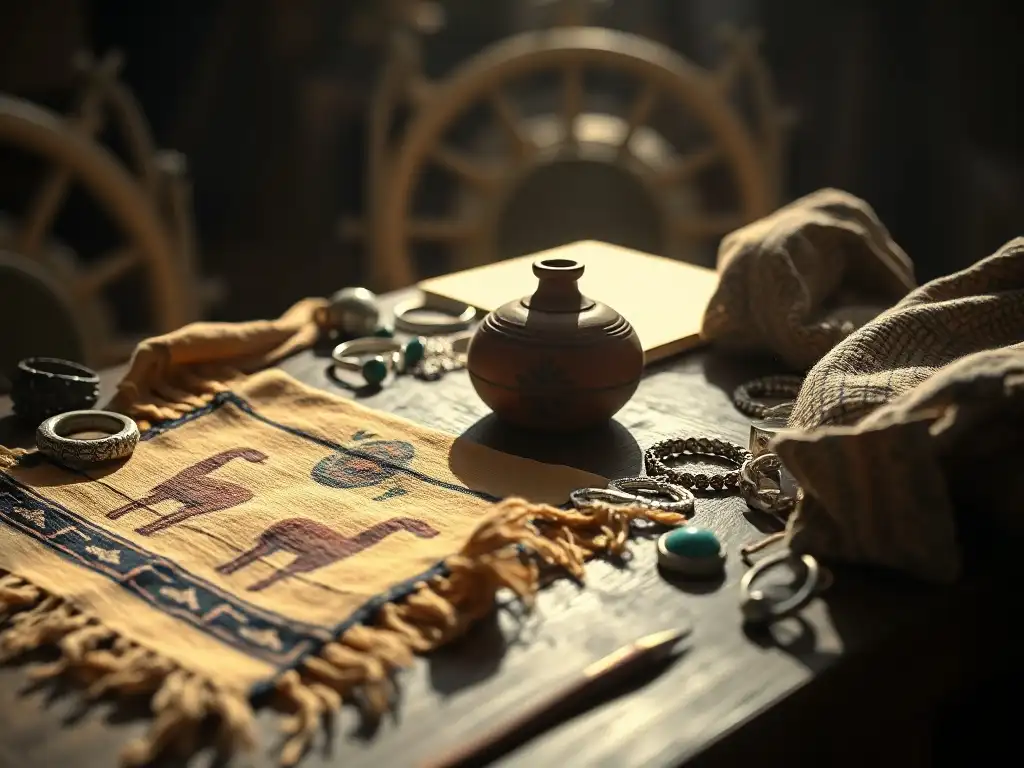
Investing in authentic Andean art offers a unique opportunity to connect with a rich and vibrant cultural heritage. However, the market for ancient artifacts can be complex, requiring careful consideration and responsible practices. This section focuses on navigating this market ethically and acquiring pieces with verifiable provenance. Understanding the nuances of authentication and ethical sourcing is crucial for building a valuable and meaningful collection of authentic Andean art examples.
Where to Find Authentic Andean Art: Reputable Sources
Locating authentic Andean art requires diligence and a discerning eye. Avoid purchasing from unreliable sources or online marketplaces with questionable seller histories. Instead, prioritize reputable sources such as:
- Museums and Academic Institutions: Many museums and universities hold exhibitions and sometimes offer curated sales of artifacts from their collections. These pieces usually come with comprehensive documentation and provenance.
- Reputable Auction Houses: Established auction houses specializing in antiquities often have rigorous authentication processes. Check their reputations and look for detailed catalog descriptions including provenance information.
- Licensed Dealers and Galleries: Dealers who are members of recognized professional organizations and who provide detailed provenance reports demonstrate a commitment to ethical practices. Look for dealers who are transparent about the origin and history of their pieces.
- Archaeological Sites and Museums' Gift Shops (with caution): While some sites and museums sell reproductions or items made using traditional techniques, it's crucial to carefully discern between genuine artifacts and modern crafts. Always ask for certificates of authenticity if purchasing from these sources.
Remember that the price of a piece is not always indicative of authenticity. A high price does not guarantee authenticity, and a low price may suggest a lack of proper documentation or potential ethical concerns.
Understanding Provenance and Certification: Ensuring Authenticity
Provenance refers to the documented history of an artifact, tracing its ownership from its discovery or creation to the present. A strong provenance is critical for establishing authenticity. Look for detailed documentation including:
- Chain of custody: A documented record showing the unbroken lineage of ownership from the original source to the current seller.
- Expert analysis: Reports from qualified archaeologists, art historians, or other experts confirming the artifact's age, materials, and cultural origin.
- Scientific testing: Results from scientific methods like radiocarbon dating or material analysis which can verify the age and authenticity of the piece.
- Certificates of authenticity: Documents issued by reputable institutions or experts confirming the artifact's genuineness.
Unfortunately, many forgeries exist in the market. Be wary of pieces lacking comprehensive documentation or those with vague or inconsistent provenance claims. If in doubt, seek a second opinion from an independent expert before making a purchase. Authentic Andean art examples should always come with substantial documentation.
The Ethical Considerations of Collecting Ancient Art
The ethical implications of collecting ancient art, especially from Andean cultures, cannot be overlooked. Consider these points:
- Respect for Cultural Heritage: Ancient artifacts are often deeply significant to the cultures they originated from. Collecting should never be at the expense of cultural heritage or the rights of indigenous communities.
- Looting and Illegal Trafficking: The market for ancient artifacts is unfortunately often intertwined with looting and illegal trafficking. Supporting this market contributes to the destruction of cultural sites and the loss of invaluable historical information. Always ensure that the piece you're purchasing has been acquired legally and ethically.
- Repatriation: Many countries have laws regarding the repatriation (return) of artifacts to their countries of origin. Be aware of these regulations and ensure your acquisition complies with all applicable laws.
- Transparency and Disclosure: Be transparent about the origin and provenance of your collection. This promotes ethical collecting practices and helps prevent the spread of illegally trafficked artifacts.
Responsible collecting involves a commitment to ethical sourcing, careful documentation, and respect for cultural heritage. By prioritizing these considerations, you can build a valuable and meaningful collection of authentic Andean art examples while contributing to the preservation of these irreplaceable treasures.
Appreciating the Cultural Significance of Andean Art
The Role of Art in Andean Society: Beyond Decoration
Andean art wasn't merely decorative; it was deeply intertwined with the fabric of daily life and spiritual beliefs. For civilizations like the Inca, Moche, and Nazca, art served crucial roles in expressing social status, religious narratives, and historical events. Pottery, textiles, and metalwork weren't just beautiful objects; they were powerful tools for communication and ritual.
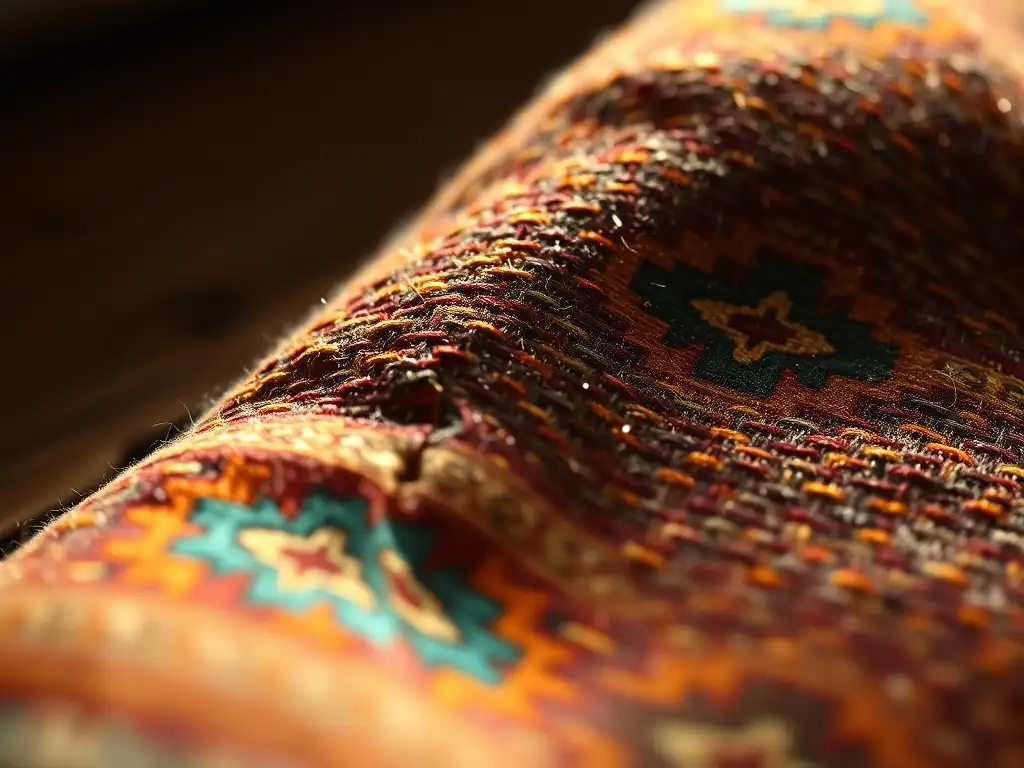
Consider the intricate textiles of the Nazca culture. These weren't simply woven fabrics; they were complex narratives woven into the very threads. Geometric patterns, zoomorphic designs, and depictions of mythical beings all held profound symbolic meaning, often reflecting cosmological beliefs or social hierarchies. The vibrant colors and meticulous craftsmanship underscore the significant cultural value placed on these textiles, highlighting their importance beyond mere aesthetic appeal.
Similarly, Moche pottery frequently depicted scenes of daily life, warfare, and religious ceremonies, offering invaluable insights into their society and worldview. These weren't just vessels for holding liquids; they were visual records of their history and culture. The level of detail, often including realistic depictions of human figures and animals, showcases the Moche's artistic mastery and their deep connection to their artistic expression.
The creation and use of Andean art were often deeply tied to religious practices and rituals. Many artifacts were created for specific ceremonies, used in offerings to deities, or served as symbols of power and authority within the social structure. This intimate connection between art and spirituality underscores the profound cultural significance embedded within these seemingly simple objects. Understanding this context is crucial for appreciating the true value of authentic Andean art. Further research into specific ceremonial practices and their associated artifacts would greatly enhance our understanding of this intricate relationship.
Preserving Andean Heritage: Supporting Ethical Practices
Acquiring authentic Andean art requires a conscientious approach, prioritizing ethical sourcing and supporting sustainable practices. The illicit trafficking of ancient artifacts poses a significant threat to Andean cultural heritage. Purchasing items from reputable sources that can verify provenance and ensure ethical acquisition is paramount. This means looking for dealers and collectors who adhere to strict guidelines regarding the legal acquisition and responsible sale of these invaluable pieces.
Authentic Andean art examples often come with detailed documentation tracing their history and ownership. This documentation should ideally include provenance records, expert appraisals, and certifications confirming their authenticity and legal acquisition. Collectors should be wary of pieces lacking this documentation, as this often indicates a potentially problematic provenance.
Supporting museums and organizations dedicated to preserving Andean heritage also contributes to the long-term protection of these treasures. Their efforts in research, preservation, and education are crucial for ensuring that future generations can appreciate and learn from these remarkable cultural artifacts. Moreover, supporting local artisans who continue to create contemporary Andean art helps preserve traditional techniques and cultural knowledge, ensuring the continuation of these artistic traditions.
| Aspect | Ethical Acquisition | Unethical Acquisition |
|---|---|---|
| Provenance | Clear and verifiable history of ownership | Lack of documentation or unclear ownership history |
| Source | Reputable dealers, museums, or ethical collectors | Unlicensed sellers, black markets, or dubious sources |
| Impact | Supports cultural preservation and sustainable practices | Contributes to looting and cultural damage |
The Stories Behind the Symbols: Deciphering Andean Iconography
Andean art is rich in symbolism, with intricate designs and motifs conveying complex narratives and beliefs. Understanding this iconography is crucial for appreciating the true depth and meaning of these artifacts. Many symbols recur across different Andean cultures, suggesting shared beliefs and practices. However, the specific interpretations can vary depending on the cultural context and the specific artifact.
For example, the recurring motif of the condor in Inca art often represents power, strength, and connection to the spirit world. In Nazca pottery, however, the depiction of a condor might signify a different meaning altogether, potentially relating to specific myths or rituals. Similarly, geometric patterns, while seemingly simple, often carry complex symbolic meanings, possibly representing astronomical events, agricultural cycles, or social structures. The use of specific colors also holds significance, with certain hues associated with specific deities, events, or social statuses.
Detailed scholarly research is essential for deciphering these intricate symbols. Ethnographic studies, archaeological findings, and comparative analyses of different Andean cultures provide valuable insights into the meanings embedded within these artworks. By carefully examining the context in which these artifacts were created and used, we can begin to unravel the stories they tell, revealing the rich tapestry of Andean beliefs, values, and history.
This ongoing process of decipherment is crucial for a deeper appreciation of the cultural significance of these remarkable pieces and the cultures that created them. Further research into specific symbols and their cultural variations across different Andean groups would considerably enhance our understanding of Andean art.
Showcasing Specific Authentic Andean Art Examples
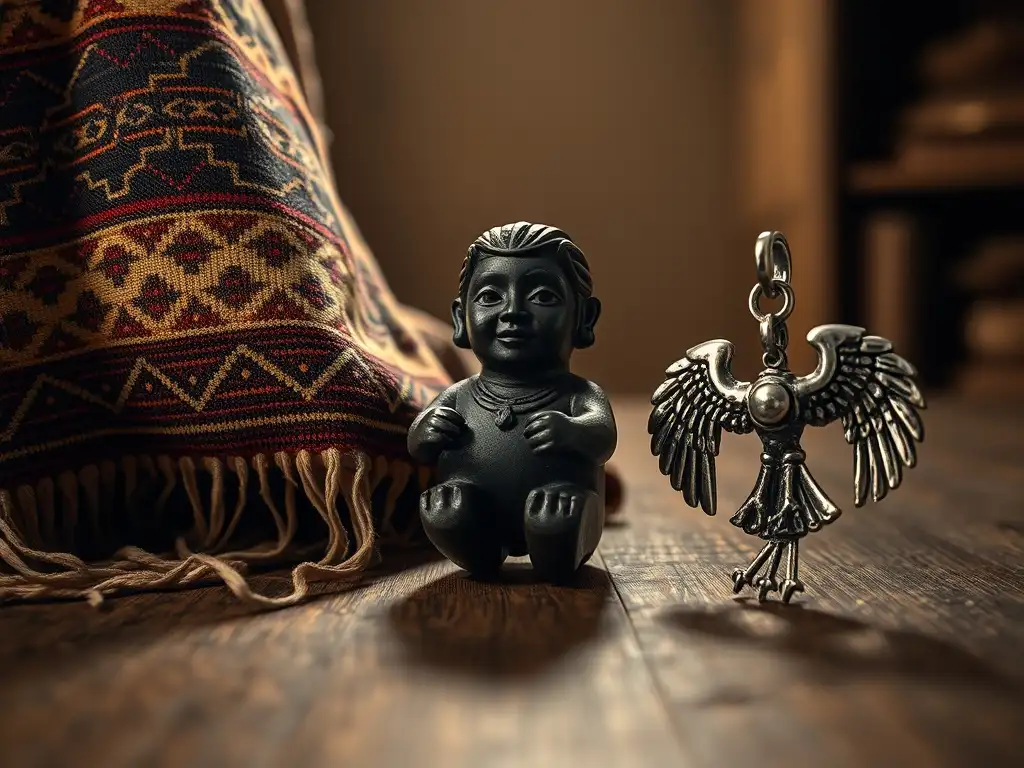
This section delves into the fascinating world of authentic Andean art, providing concrete examples that illustrate the diverse artistic expressions and technical mastery of the ancient Andean civilizations. Understanding the characteristics of authentic pieces is crucial for collectors and enthusiasts alike, allowing for a deeper appreciation of the cultural heritage they represent. We will explore several key examples, highlighting the unique styles and techniques employed by different Andean cultures, focusing on the criteria that distinguish genuine artifacts from modern imitations.
The study of these pieces offers a window into the beliefs, values, and daily lives of those who created them, offering a more profound connection to the past. This exploration will help you better identify authentic Andean art examples when encountering them.
The Power of Moche Portrait Vases
Moche pottery, particularly their portrait vessels, stands as a testament to their advanced ceramic techniques and their keen observation of human likeness. These are not simply functional objects; they are powerful expressions of Moche artistry and social hierarchy. Authentic Moche portrait vases are characterized by their incredibly lifelike depictions of individuals, often showcasing intricate details of facial features, hairstyles, and even clothing. The use of slip and pigment allowed the Moche artisans to achieve a remarkable range of skin tones and textures, adding to the realism of their portrayals.
The creation process involved meticulous hand-modeling and the use of molds for specific features. The firing process, often involving reduction techniques, contributed to the characteristic colors and textures of the finished product. Authentic examples often exhibit subtle variations in the application of paint and imperfections that are inherent to the handcrafted nature of the pieces, setting them apart from mass-produced copies. For example, a genuine Moche portrait vase might display slight asymmetry in the facial features or minor inconsistencies in the paint application, highlighting the human touch involved in its creation.
These imperfections, rather than detracting from the value, actually serve as indicators of authenticity. Analyzing the clay type, the style of modeling, and the presence of specific pigments are further crucial steps in determining authenticity. The study of these details illuminates the artistry and the cultural context of these remarkable pieces, helping to distinguish them from modern forgeries.
Intricacies of Nazca Embroidered Textiles
Nazca textiles represent another pinnacle of Andean artistry, known for their vibrant colors, intricate designs, and exceptional craftsmanship. Authentic Nazca textiles are characterized by their use of finely spun cotton and camelid fibers, often employing a variety of techniques including tapestry weaving, embroidery, and resist dyeing. The preservation of these textiles is remarkable, considering their age, and offers a rare glimpse into the daily lives and spiritual beliefs of the Nazca people.
The intricate designs frequently depict stylized figures, geometric patterns, and mythical creatures, reflecting the Nazca cosmology and worldview. Examples often include representations of birds, felines, and other animals characteristic of the Nazca desert ecosystem, demonstrating a deep understanding of their natural environment. Authentic pieces often display a high level of precision in their execution, with flawlessly executed stitches and meticulously applied dyes.
The colors, often vibrant even after centuries, are a result of the use of natural pigments derived from plants and minerals. The use of specific dyes and weaving techniques are key identifiers of authenticity, as are the characteristic styles and motifs found in genuine Nazca textiles.
Unlike modern reproductions, authentic pieces frequently exhibit signs of wear and tear consistent with their age, adding to their historical significance and value. The detailed analysis of the textile's structure, the type of fibers used, and the dyeing techniques are crucial steps in verifying authenticity, offering a more complete understanding of these remarkable artistic achievements.
Inca Silver Figurines
Inca silverwork represents the height of metalworking technology in the Andes. Authentic Inca silver figurines are often characterized by their refined craftsmanship, intricate details, and the use of specific iconographic motifs. These figurines, often depicting human figures, animals, or deities, were frequently used in religious ceremonies or as offerings. The Inca's mastery of metallurgy is evident in the precise casting, hammering, and repoussé techniques used to create these intricate pieces.
Authentic Inca silver figurines often display a high level of detail, with carefully rendered facial features, clothing, and accessories. The use of specific alloys and the presence of particular hallmarks can further help distinguish authentic pieces from modern reproductions. Furthermore, the iconography and style of the figurines often reflect the Inca religious beliefs and social hierarchy.
The analysis of the silver's purity, the casting techniques employed, and the stylistic features of the figurines are crucial for determining authenticity. The presence of certain motifs, such as the chakana (Inca cross), or specific stylistic elements characteristic of Inca art, can be strong indicators of authenticity.
Unlike modern imitations, genuine Inca silver figurines often exhibit a patina resulting from age and exposure to the elements, adding to their unique character and historical significance. Careful observation and expert analysis are essential for discerning authentic examples from modern copies, ensuring the preservation and appreciation of this remarkable aspect of Inca heritage.
Tiahuanaco Sculpted Gateways
The monumental gateways of Tiahuanaco stand as powerful testaments to the sophisticated artistry and engineering prowess of this ancient Andean civilization. These aren't mere entrances; they are breathtaking works of art, intricately carved with symbolic figures and designs that continue to fascinate and inspire scholars and art enthusiasts alike. The most famous example, the Gateway of the Sun, is a colossal monolith of red andesite, meticulously carved with a central figure often interpreted as a deity, surrounded by smaller figures that may represent celestial bodies or mythical beings. The precision of the carving, the scale of the work, and the enduring mystery surrounding its purpose make it a prime example of authentic Andean art.
The sheer weight and size of the gateway, moved and erected without modern technology, underscore the advanced organizational capabilities of Tiahuanaco society. Careful examination reveals the artistry isn't limited to the main figures; intricate details, almost microscopic in places, adorn the entire structure. These details, often depicting stylized animals and plants, speak to a rich cosmology and a deep understanding of the natural world. The Gateway of the Sun, along with other sculpted gateways discovered at Tiahuanaco, offer invaluable insights into the religious beliefs, social structures, and artistic capabilities of this remarkable civilization, showcasing the true meaning of authentic Andean art.
Further research into the materials used – the sourcing of the andesite, the tools employed in carving, and the preservation techniques used – continues to reveal more about the advanced technological skills of the Tiahuanaco people. Their artistic legacy, embodied in these magnificent gateways, continues to resonate with viewers today, a powerful example of authentic Andean art examples. The intricate detail and immense scale of these pieces serve as a powerful reminder of the skill and dedication of the ancient artisans. Understanding the context in which these gateways were created – within the larger religious and social landscape of Tiahuanaco – is crucial to appreciating their true significance as authentic Andean art examples.
Conclusion: The Enduring Legacy of Andean Art
The vibrant tapestry of Andean art, woven from threads of ingenuity, spirituality, and resilience, continues to resonate through time. From the intricate pottery of the Moche depicting their complex mythology to the enigmatic Nazca Lines etched into the desert floor, these artifacts are more than just aesthetic objects; they are powerful testaments to the ingenuity and cultural depth of these ancient civilizations.
Understanding the context—the societal structures, religious beliefs, and daily lives—behind each piece allows us to truly appreciate the artistry and the stories they silently whisper. Authentic Andean art offers a window into a fascinating past, a glimpse into the lives and beliefs of a people who shaped the landscapes and cultures of the Andes.
Collectors and enthusiasts alike play a crucial role in preserving and celebrating this legacy, ensuring that the whispers of ancient hands continue to be heard for generations to come. The careful study of authentic Andean art examples is essential for understanding the nuances and complexities of these lost cultures.
Continuing the Dialogue: Appreciating the Art and its History
Appreciating authentic Andean art goes beyond simply admiring its beauty. It necessitates a deeper engagement with the historical and cultural context surrounding its creation. For example, the intricate goldwork of the Incas, often depicting animals and deities, wasn't merely decorative; it held significant religious and symbolic meaning, reflecting their worldview and social hierarchy. Similarly, the textiles, with their vivid colors and intricate designs, often told stories, passed down traditions, and marked important life events. Understanding these nuances allows for a richer and more profound appreciation of the art itself.
To truly engage with authentic Andean art examples, consider these points:
- Provenance: Knowing the origin and history of a piece is paramount. Authenticity is often determined by verifiable provenance, tracing its journey from discovery to current ownership. This helps to establish its legitimacy and prevents the spread of forgeries.
- Materials and Techniques: Pay close attention to the materials used and the techniques employed. Authentic Andean art often showcases unique craftsmanship, reflecting the available resources and specialized skills of the artisans. Analyzing these aspects can help in discerning genuine pieces from imitations.
- Style and Iconography: Familiarize yourself with the distinct stylistic features and iconographic elements associated with different Andean cultures. This knowledge will aid in identifying the origins and cultural significance of a piece. For instance, the characteristic use of feline imagery in Moche pottery is a key identifier.
- Ethical Considerations: The acquisition of authentic Andean art should always be conducted ethically and responsibly. Supporting reputable dealers and institutions ensures that the artifacts are obtained legally and sustainably, preserving cultural heritage for future generations. This includes being aware of the potential for looting and the importance of supporting ethical sourcing.
By engaging with authentic Andean art examples through informed appreciation and ethical acquisition, we contribute to the preservation of a rich cultural legacy and ensure that the whispers of ancient hands continue to inspire and enlighten us. The meticulous study of these pieces allows us to piece together a more complete understanding of the Andean civilizations and their enduring impact on the world. The beauty and complexity of these artifacts invite continuous investigation and learning, enriching our understanding of humanity's artistic and cultural expressions.
Frequently Asked Questions
What makes Andean art "authentic"?
Authentic Andean art possesses a tangible connection to its cultural heritage. This includes using traditional techniques, materials, and designs passed down through generations, often reflecting specific Andean styles and symbolism. Provenance and verifiable history are also crucial.
Where can I find examples of authentic Andean art?
You can find authentic Andean art in reputable museums (like the Larco Museum in Lima), galleries specializing in pre-Columbian art, and directly from indigenous artisans in the Andes region. Always verify the seller's credentials.
How can I tell if a piece of Andean art is a genuine artifact?
Look for consistent stylistic elements characteristic of a specific Andean culture. Consult experts or reputable resources. Be wary of pieces with inconsistencies in style or materials, or those lacking proper provenance documentation.
What are some common motifs found in authentic Andean art?
Authentic Andean art frequently features geometric designs, zoomorphic imagery (animals), and anthropomorphic figures (humans). Representations of mythological beings, deities, and everyday life are also common, varying across different Andean cultures.
What are the best ways to appreciate and learn more about authentic Andean art examples?
Visit museums and galleries, read books and scholarly articles, and consider attending workshops or lectures on Andean art. Engage with indigenous communities and artists to gain a deeper understanding of the cultural context and significance of these priceless artifacts.
Final Reflection: The Enduring Legacy of Andean Hands
The vibrant artistry of the Andes continues to resonate today, a powerful testament to the enduring human spirit and a vital connection to our shared past. These ancient crafts, far from being mere relics of a bygone era, offer profound insights into cultural resilience, innovative techniques, and the enduring power of human creativity. Understanding the stories behind these pieces allows us to appreciate not just their aesthetic beauty, but also their profound historical and cultural significance.
The impact of Andean art extends far beyond museum walls; it shapes our understanding of pre-Columbian societies, challenges Eurocentric narratives, and inspires contemporary artists worldwide. Its enduring influence is a testament to the ingenuity and artistry of its creators. Art washes away from the soul the dust of everyday life.
– Pablo Picasso. This quote, while not specifically about Andean art, perfectly encapsulates the cleansing and enriching experience of engaging with these powerful works, allowing us to connect with something larger than ourselves.
Now, consider the pieces you've encountered throughout this exploration of authentic Andean art examples. What resonated most deeply with you? What stories did these ancient whispers evoke? I urge you to seek out more examples, to delve deeper into the rich tapestry of Andean culture, and to appreciate the enduring legacy of these skilled artisans. Let their creativity inspire you to find beauty and meaning in your own life, and to recognize the power of art to transcend time and connect us across cultures.
Unleash Your Inner Artist and Connect with Andean Culture!
Thank you for exploring the vibrant world of Andean art with us! We hope you've been inspired by the stories behind each piece. Now, let's put that inspiration into action!
Here are some ways you can engage further with Andean art and culture:
- **Discover Local Artisans:** Visit a local art fair or gallery to find authentic Andean crafts. Supporting local artists helps preserve their traditions and brings a piece of history into your home.
- **Share Your Discoveries:** Share your newfound appreciation for Andean art with friends and family on social media. Let us know what resonated with you!
- **Create Your Own Andean-Inspired Art:** Gather your art supplies and let the spirit of the Andes guide your creativity. Experiment with techniques inspired by the traditional art forms you've learned about.
Which Andean artwork or story most captivated you, and how will you incorporate its beauty and meaning into your life?