
The Power of Disease: How Smallpox Became Pizarro's Unseen Weapon

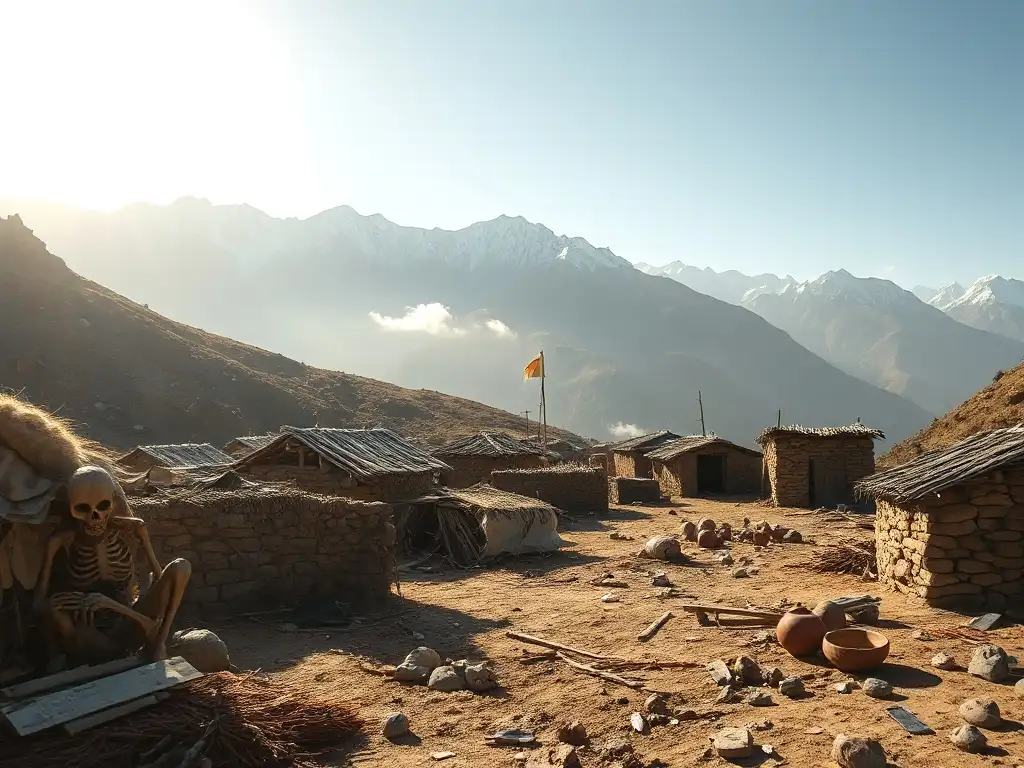
Step into a world lost to time, yet echoing with the power of empires. Imagine a civilization stretching across the Andes, its intricate artistry and ingenuity unmatched...until a silent enemy arrived. Discover how the devastating impact of smallpox on the Inca civilization dramatically shifted the balance of power during the Spanish Conquest. Uncover the chilling truth behind "The Power of Disease: How Smallpox Became Pizarro's Unseen Weapon" and explore the hidden story of the Andean world's downfall. Prepare to be amazed—and perhaps, disturbed—by what you uncover.
The Spanish conquest of the Inca Empire, a pivotal moment in South American history, was not solely a testament to military prowess and strategic maneuvering. While the courage and ambition of figures like Francisco Pizarro are undeniable, a far more insidious and devastating force played a crucial, often overlooked, role: disease.
This article delves into the devastating impact of smallpox on the Inca civilization, exploring how this unseen weapon tipped the scales dramatically in favor of the Spanish conquistadors, fundamentally altering the course of Andean history and contributing significantly to the fall of the Inca Empire. We will examine the arrival of smallpox in the Americas, its rapid spread, and its catastrophic consequences, highlighting how this biological warfare inadvertently became a powerful tool in Pizarro's conquest.
The devastating effects of smallpox on the Inca, alongside other factors, significantly weakened their ability to resist the Spanish advance, making this disease a critical factor in understanding the dynamics of the conquest. Understanding this biological aspect is crucial to a complete understanding of the "Smallpox impact on Inca civilization".
Introduction: The Unforeseen Ally of the Spanish Conquest
The Spanish conquest of the Inca Empire, often depicted as a clash of armies and wills, was profoundly shaped by an unseen enemy: smallpox. This highly contagious disease, introduced unwittingly by the Spanish, decimated the indigenous population, weakening their resistance and paving the way for Pizarro's relatively swift victory.
While the Spanish conquistadors possessed superior weaponry and military tactics, the impact of smallpox was far more devastating, effectively crippling the Inca's ability to mount an effective defense. The disease's impact went far beyond mere casualties; it shattered the social fabric of Inca society, disrupting leadership, undermining agricultural production, and creating widespread chaos that the Spanish readily exploited.
This catastrophic event underscores the complex interplay between biological factors and historical events, demonstrating how disease can act as a potent force for social and political upheaval. The scale of the devastation caused by smallpox is almost impossible to fully comprehend today, but its legacy continues to resonate in the demographic landscape of South America.
The Arrival of Smallpox in the Americas: A Silent Invasion
The introduction of smallpox to the Americas marked a turning point in the history of the continent. Prior to European contact, the indigenous populations lacked immunity to Old World diseases. This vulnerability made them exceptionally susceptible to epidemics that ravaged entire communities.
The arrival of these diseases, including smallpox, measles, and influenza, constituted a biological warfare that was far more effective than any conventional weaponry the Spanish could have employed. The devastating consequences of these epidemics drastically altered the demographic landscape of the Americas, contributing significantly to the decline of indigenous populations and the success of the Spanish conquest. The lack of prior exposure to these pathogens left the Inca Empire profoundly vulnerable, a vulnerability that Pizarro and his men ruthlessly exploited.
The Transatlantic Journey of the Disease
Smallpox, likely carried unknowingly by Spanish conquistadors or crew members, made its way across the Atlantic Ocean. The disease spread rapidly among the indigenous population because of factors like close-quarters living conditions, lack of hygiene, and the absence of any acquired immunity. The exact route and timing of the first outbreaks remain subject to scholarly debate, but evidence points to its relatively early introduction into the region, potentially preceding or coinciding with the initial contacts between the Spanish and Inca.
The long sea voyage provided ample time for the virus to incubate and spread among the crew, ensuring its arrival in the Americas with devastating potential. The lack of effective quarantine measures at the time only exacerbated the problem, accelerating the spread of the disease.
Early outbreaks and their devastating effects on indigenous populations
The initial outbreaks of smallpox were catastrophic. The disease spread like wildfire through densely populated Inca communities, leaving behind a trail of death and devastation. The Inca, lacking any understanding of the disease's cause or treatment, were powerless to stop its relentless advance.
The high mortality rate, coupled with the disruption of social structures and agricultural practices, severely weakened the Inca Empire. The loss of life amongst the leadership, including skilled artisans, farmers, and warriors, further crippled their ability to resist the Spanish. These early outbreaks set the stage for the later Spanish conquests, significantly diminishing the Inca's capacity for organized resistance and contributing to the eventual collapse of their empire.
The sheer scale of mortality from smallpox is difficult to quantify precisely, but historical accounts and demographic studies suggest an alarmingly high percentage of the population succumbed to the disease. The impact reverberates through history, profoundly shaping the social and political landscape of the Andes.
- Introduction: The Unforeseen Ally of the Spanish Conquest
- The Arrival of Smallpox in the Americas: A Silent Invasion
- What role did disease play in the Spanish conquest of the Inca Empire?
- How did smallpox spread so effectively within the Inca Empire?
- Were there any attempts by the Inca to combat smallpox?
- What was the long-term impact of smallpox on Inca society and culture?
- Beyond smallpox, were other diseases also factors in the Spanish conquest?
The Devastating Impact of Smallpox on Inca Civilization
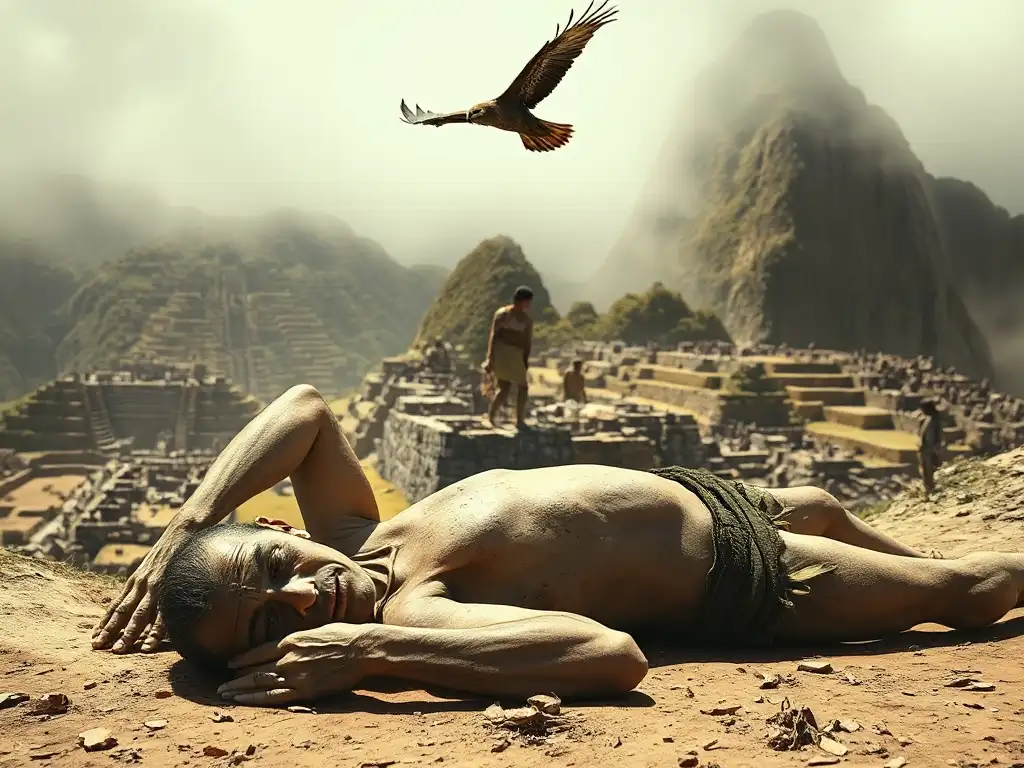
The arrival of Europeans in the Americas marked a turning point in the history of the Andean region, a turning point significantly shaped by the devastating impact of introduced diseases. While the Spanish conquistadors wielded swords and cannons, their most potent weapon proved to be an unseen one: smallpox. This section will explore the profound and irreversible consequences of this disease on the Inca Empire, examining its spread, effects, and lasting legacy. Understanding the smallpox impact on Inca civilization is crucial to grasping the full scope of the conquest.
The Inca Empire Before the Epidemic: A Thriving Society
Before the arrival of smallpox, the Inca Empire was a marvel of pre-Columbian engineering and societal organization. Its sophisticated infrastructure, intricate social structure, and vast agricultural output stood as a testament to its power and resilience. The impact of the disease was all the more devastating because it struck a society at the peak of its capabilities.
Inca social structure and administration
The Inca Empire boasted a highly centralized political system. The Sapa Inca, the emperor, held absolute power, ruling through a complex bureaucracy of officials. This hierarchical structure, while efficient, proved vulnerable to the disruption caused by smallpox. The death of key officials, including administrators and religious leaders, created a power vacuum and hampered the empire's ability to respond effectively to the crisis. The intricate system of mit'a, the labor service system, also crumbled under the weight of widespread illness and death.
The extent and power of the Inca Empire
At its height, the Inca Empire stretched along the Andes Mountains, encompassing a vast territory and diverse populations. From the northern reaches of modern-day Ecuador to central Chile, the Inca controlled a significant portion of South America. This extensive reach, however, also meant that the disease could spread rapidly, reaching remote communities with devastating speed. The empire's sophisticated road system, designed for efficient communication and trade, ironically facilitated the spread of the deadly virus. The concentration of populations in urban centers further exacerbated the impact of the epidemic.
Smallpox: A Biological Catastrophe
Smallpox, a highly contagious disease caused by the Variola virus, arrived in the Americas with the Europeans. Native populations had no immunity to this disease, making them exceptionally vulnerable. The consequences were catastrophic, leading to a demographic collapse that dramatically altered the course of Andean history. The impact of this disease on Inca civilization was far-reaching and long-lasting.
How smallpox spread throughout the Inca territory
The exact mechanisms of smallpox's initial spread within the Inca Empire remain a subject of ongoing research. However, it is likely that infected individuals, possibly among the early Spanish conquistadors or their allies, unknowingly introduced the virus. The dense populations and close living conditions within Inca cities facilitated the rapid transmission of the disease. The Inca road system, while efficient for communication and trade, unfortunately also aided in the rapid dissemination of the virus across vast distances. The disease likely spread through direct contact with infected individuals or through contact with contaminated objects.
The symptoms and progression of the disease
Smallpox presented itself with a characteristic set of symptoms. Victims initially experienced fever, headache, and body aches. This was followed by the eruption of a distinctive rash, progressing from small, fluid-filled blisters to pustules that eventually scabbed over. The severity of the illness varied, but many victims succumbed to the disease, often due to secondary infections or complications. The impact of smallpox on Inca civilization was greatly intensified by the lack of medical understanding and treatment options available at the time.
The mortality rate and its consequences
The mortality rate of smallpox among the Inca population was devastatingly high. Estimates vary, but it's believed that a significant portion of the population perished, weakening the empire and leaving it vulnerable to conquest. The loss of life was not limited to the common people; it also decimated the ranks of the Inca elite, including religious leaders and military commanders, undermining the empire's ability to govern and defend itself.
The collapse of the Inca social structure, coupled with the high mortality rate, paved the way for the eventual Spanish conquest. The smallpox impact on Inca civilization is therefore a critical factor in understanding the fall of the empire.
Pizarro and the Exploitation of Inca Weakness
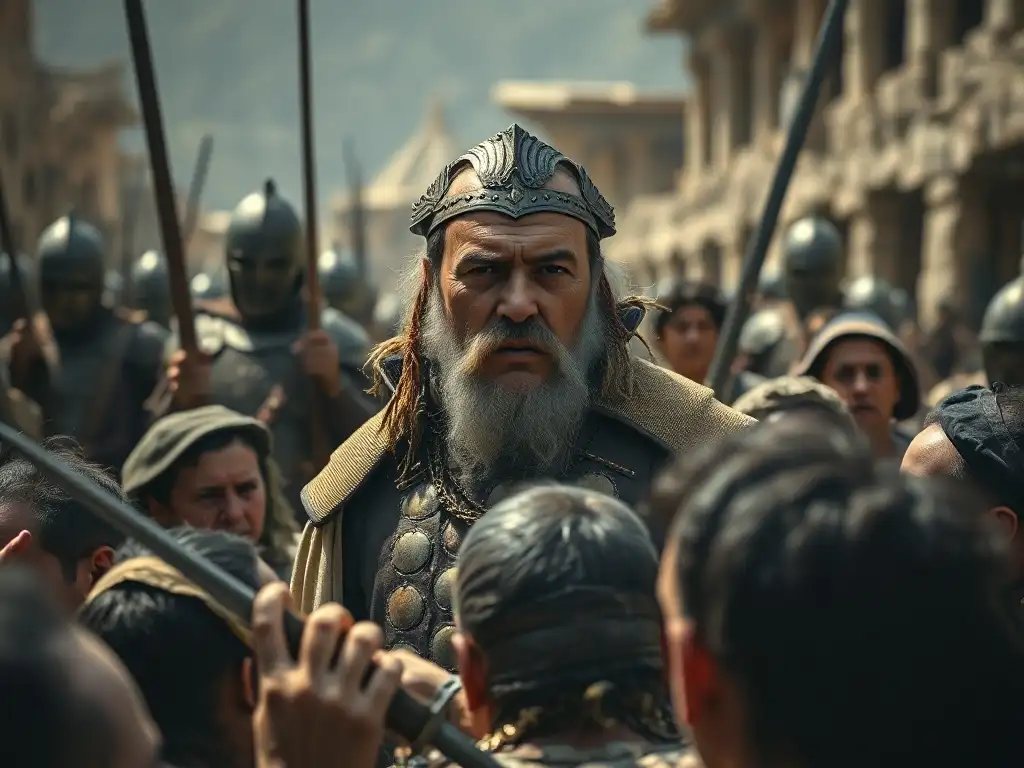
The Spanish conquest of the Inca Empire wasn't solely a military victory; it was a strategic exploitation of existing vulnerabilities, significantly exacerbated by the devastating impact of smallpox. Understanding the pre-existing weaknesses within the Inca Empire is crucial to comprehending Pizarro's seemingly improbable triumph. The smallpox epidemic, acting as a catalyst, shattered the Inca's social and political structures, leaving them profoundly susceptible to conquest. This section will delve into the specific ways in which disease weakened the Inca, paving the path for Pizarro's success. The keyword "Smallpox impact on Inca civilization" is central to this analysis.
The Incapacitation of the Inca Leadership: Huayna Capac and Beyond
The Inca Empire, at its zenith under Huayna Capac, was a powerful and sophisticated civilization. However, the unexpected arrival of smallpox dramatically altered the course of its history. The disease's impact on the Inca leadership proved catastrophic, creating a power vacuum that Pizarro deftly manipulated.
The death of Huayna Capac and the succession crisis
Huayna Capac's death in 1527, likely due to smallpox, triggered a devastating succession crisis. The sudden loss of their emperor, a figurehead of immense power and authority, threw the Inca Empire into turmoil. The ensuing power struggle between Huáscar and Atahualpa, his sons, fractured the empire, diverting resources and attention away from potential Spanish threats.
This internal conflict significantly weakened the Inca's ability to mount a unified defense against the Spanish. The lack of a clear and strong leader at this crucial juncture proved to be a pivotal factor in the Inca's ultimate defeat. The smallpox epidemic, therefore, didn't just kill people; it destroyed the very fabric of Inca political stability.
The impact of disease on Inca political stability
The smallpox epidemic didn't merely claim the life of Huayna Capac; it decimated the Inca's ruling elite and administrative class. The complex system of governance, reliant on a hierarchical structure and efficient communication, collapsed under the weight of widespread mortality. This created a leadership void, further destabilizing the empire and hindering its ability to respond effectively to external threats.
The loss of experienced leaders and administrators left the Inca vulnerable to manipulation and exploitation by Pizarro and his forces. The societal impact extended beyond the ruling class, leading to widespread unrest and a breakdown of social order, further diminishing the Inca's capacity to resist the Spanish invasion.
The scale of the death toll significantly undermined the Inca's military strength, leaving them ill-equipped to confront the Spanish conquistadors effectively. This cascade effect – from the death of the emperor to the collapse of the administrative structure – highlights the profound impact of smallpox on Inca civilization.
Pizarro's Arrival: A Conqueror in a weakened land
Pizarro's arrival in 1532 coincided with the height of the Inca's vulnerability. The empire, weakened by internal conflict and the devastating effects of smallpox, presented a ripe target for conquest.
How Pizarro benefited from the chaos caused by smallpox
The smallpox epidemic presented Pizarro with an unparalleled opportunity. He arrived not to face a unified, powerful empire, but a fractured and weakened one, riven by civil war and lacking strong leadership. This drastically reduced the Inca's ability to resist his forces. Pizarro shrewdly exploited the existing divisions, playing factions against each other and capitalizing on the chaos to gain a strategic advantage. Without the decimation caused by smallpox, Pizarro's conquest would have likely faced significantly more resistance. The disease, therefore, served as an unforeseen and devastating weapon in the hands of the conquistadors.
The advantage of fighting a weakened and divided empire
The weakened state of the Inca Empire, directly resulting from the smallpox epidemic, allowed Pizarro to achieve military victories far beyond what would have been possible against a healthy and unified empire. The lack of centralized command, diminished military strength, and widespread social unrest created an environment ripe for exploitation by the Spanish. Pizarro's relatively small force was able to achieve disproportionate success against a vastly larger, but severely weakened, opponent.
The battles that ensued were not merely clashes of arms, but a clash between a healthy, organized force and a demoralized, disease-ravaged population struggling with internal conflict. This imbalance of power, largely shaped by the smallpox epidemic, was the decisive factor in Pizarro's conquest of the Inca Empire. The "Smallpox impact on Inca civilization" is thus inextricably linked to the success of the Spanish conquest.
The Role of Disease in the Spanish Conquest
The Spanish conquest of the Inca Empire wasn't solely a military endeavor; disease played a devastating and arguably decisive role. The introduction of Old World pathogens, against which the Inca population had no immunity, decimated the native population, weakening their ability to resist the Spanish invaders. This wasn't a calculated strategy in the initial stages, but the impact was undeniably significant, creating a power vacuum that Pizarro and his men ruthlessly exploited.
The scale of death was catastrophic, impacting not only the fighting forces but also the essential infrastructure of the empire, including agriculture and governance. This demographic collapse, caused by the spread of diseases like smallpox, measles, and influenza, profoundly altered the balance of power, making the conquest far easier than it might have otherwise been.
The impact of these diseases on the Inca civilization is a crucial element in understanding the dynamics of the conquest and its long-term consequences. The sheer number of deaths, estimated in the millions, created societal upheaval and dramatically reduced the Inca's capacity to mount an effective defense against the comparatively small Spanish force.
How smallpox facilitated the conquest of the Inca Empire
Smallpox, in particular, stands out as a particularly impactful disease in the conquest. Its highly contagious nature and devastating mortality rate ravaged the Inca population. The disease spread rapidly, often preceding the Spanish armies, weakening the Inca's resistance before any major battles even took place.
The Inca, unfamiliar with the disease and lacking the medical knowledge to combat it, suffered immense losses. Epidemics swept through the empire, decimating not only the common people but also the Inca nobility, including Atahualpa himself, who, though possibly not directly killed by smallpox, certainly faced a weakened populace and a fractured empire as a result of the disease. The disruption to the Inca's social and political structures, caused by widespread death and illness, further crippled their ability to organize a coordinated defense against the Spanish.
The smallpox outbreaks effectively created a state of chaos and vulnerability, making the Inca Empire ripe for conquest. This wasn't just a matter of reducing the number of warriors; it shattered the complex social order that had sustained the empire for centuries.
The use of disease as an unintentional weapon
While the Spanish did not intentionally unleash smallpox as a biological weapon in the same way as later conflicts, the devastating consequences of introducing these diseases were a powerful, albeit unintentional, advantage. The Spanish, unknowingly carrying these pathogens, acted as vectors, inadvertently spreading death and disease throughout the Inca Empire. This unintentional use of biological warfare significantly altered the course of the conquest.
The catastrophic mortality rates weakened the Inca's military capabilities and destabilized their society, paving the way for the relatively small Spanish army to achieve a far more decisive victory than would have been possible under different circumstances. The impact of smallpox, and other diseases, on the Inca civilization is a stark reminder of the unforeseen consequences of contact between populations with differing levels of immunity to infectious diseases.
The scale of the devastation underscores the importance of considering the role of disease in historical events, particularly during periods of exploration and conquest. The smallpox impact on Inca civilization was profound and long-lasting, reshaping the demographic and political landscape of South America.
The Long-Term Consequences of Smallpox
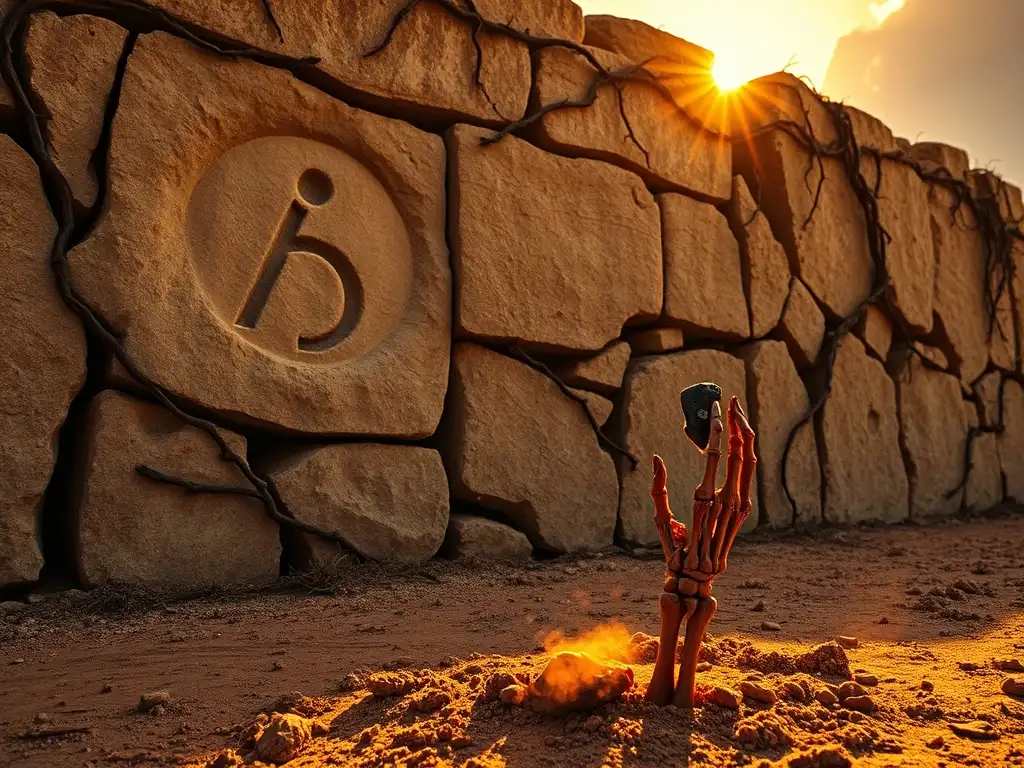
The arrival of smallpox in the Americas had catastrophic and long-lasting consequences, profoundly impacting the Inca civilization and the broader Andean region. The disease's devastating effects went far beyond immediate mortality; it triggered a chain reaction of demographic collapse, cultural disruption, and societal transformation that continues to resonate today. Understanding these long-term consequences is crucial to grasping the full extent of the smallpox impact on Inca civilization and its lasting legacy.
Demographic Collapse and Cultural Disruption
The introduction of smallpox to a population with no prior immunity resulted in a catastrophic loss of life. The disease spread rapidly, decimating entire communities and dramatically altering the demographic landscape of the Andes.
The reduction in the indigenous population
The precise number of deaths caused by smallpox during the Spanish conquest remains debated, with estimates varying widely. However, the consensus among historians points to a significant population decline, drastically reducing the Inca Empire's manpower and weakening its ability to resist the Spanish conquistadors. This reduction wasn't merely a matter of numbers; it represented the loss of skilled artisans, farmers, religious leaders, and political figures – the very fabric of Inca society.
The impact was felt across all social strata, crippling the already strained resources of the empire. The smallpox epidemic, coupled with other diseases introduced by the Europeans, created a demographic vacuum that profoundly altered the power dynamics of the region.
The loss of cultural knowledge and traditions
The death toll extended beyond the physical. The loss of countless individuals meant the loss of invaluable knowledge passed down through generations. Specialized skills in agriculture, architecture, medicine, and other crafts were irrevocably lost, impacting the ability of Andean societies to maintain their complex social structures and traditions. The oral history of the Inca, crucial for preserving their cultural identity and historical memory, was also severely damaged, leading to a significant break in the continuity of Andean cultural transmission. This loss is incalculable and represents a permanent scar on the cultural heritage of the region.
The transformation of Andean societies
The smallpox epidemic fundamentally reshaped Andean societies. The disruption caused by the loss of life and the destruction of social structures created a power vacuum, paving the way for new social hierarchies and political arrangements. The Spanish conquest undoubtedly capitalized on this vulnerability, but the underlying societal upheaval was initiated by the disease itself.
The epidemic's impact on the Inca social fabric was profound, leading to the disintegration of traditional systems and the emergence of new, often less equitable, power structures. The resulting social changes were long-lasting and continue to influence Andean societies even today. The process of recovery and rebuilding was slow and arduous, leaving an indelible mark on the region's social and cultural landscape.
Smallpox Impact on Inca Civilization: A Historical Perspective
Examining the smallpox epidemic within the broader context of the Spanish conquest reveals its pivotal role in the downfall of the Inca Empire. The disease acted as a powerful, unseen weapon, weakening the empire's defenses and facilitating the Spanish conquest.
The legacy of the disease in the Andes
The legacy of the smallpox epidemic continues to shape the Andes. The demographic shift caused by the disease had a profound and lasting impact on the region's population density, social structures, and cultural practices. Even today, the echoes of this devastating event are felt in the region's cultural memory and its ongoing struggle for identity and self-determination. The lingering effects of the disease are a stark reminder of the devastating consequences of unchecked disease outbreaks and the importance of public health initiatives.
Understanding the role of disease in shaping history
The smallpox epidemic serves as a potent example of how disease can be a major factor in shaping historical events. It highlights the interconnectedness of human history and the natural world, demonstrating how seemingly insignificant biological agents can have profound and lasting geopolitical consequences. Understanding the role of disease in history helps us to appreciate the complexities of historical processes and challenges simplistic narratives of conquest and colonization. The smallpox impact on Inca civilization offers a compelling case study in the multifaceted interaction between disease, culture, and power.
The lessons learned from the smallpox epidemic
The smallpox epidemic provides invaluable lessons for the future. It underscores the importance of disease prevention and preparedness, particularly in the context of globalization and increasing human mobility. The story of the smallpox impact on Inca civilization serves as a sobering reminder of the devastating consequences of infectious diseases and the need for ongoing vigilance in protecting vulnerable populations.
The lessons learned from this historical tragedy should inform modern public health strategies and guide efforts to prevent future epidemics. The eradication of smallpox itself stands as a testament to the power of global cooperation and scientific advancement in combating infectious diseases, offering hope for the future while acknowledging the devastating impact of past pandemics.
Conclusion: Reflecting on the Unseen Weapon
The decimation of the Inca population by smallpox stands as a stark reminder of the devastating consequences of disease in the context of conquest. While Francisco Pizarro's military strategies and political machinations undoubtedly played a crucial role in the fall of the Inca Empire, the unseen weapon of smallpox proved to be a far more potent and enduring force. The disease's impact extended far beyond the immediate mortality rate; it shattered the social fabric of Inca society, crippling its ability to resist further Spanish encroachment.
The loss of life, particularly among the leadership and skilled artisans, created a vacuum of power and expertise that the Spanish readily exploited. The disruption of agricultural practices and the collapse of established trade routes further weakened the empire's resilience.
The smallpox epidemic wasn't merely a tragic event; it was a pivotal turning point in the history of the Andes. It fundamentally altered the demographic landscape, paving the way for the establishment of Spanish colonial rule and leaving an indelible mark on the cultural heritage of the region. The long-term consequences of this biological warfare continue to resonate even today, shaping the genetic makeup of the Andean population and influencing the socio-political dynamics of the region.
Understanding the role of smallpox in the conquest isn't about assigning blame, but rather about appreciating the complex interplay of factors that contributed to the dramatic shift in power during this critical period. It underscores the importance of considering the broader context of disease in historical analysis, moving beyond narratives that focus solely on military might and political maneuvering.
The story of smallpox and the Inca Empire serves as a cautionary tale, highlighting the devastating power of infectious diseases and their profound and lasting impact on civilizations. The legacy of this "unseen weapon" continues to shape our understanding of the Spanish conquest and the enduring resilience of the Andean peoples.
Frequently Asked Questions
What role did disease play in the Spanish conquest of the Inca Empire?
Disease, particularly smallpox, played a devastating role. It significantly weakened the Inca population, reducing their numbers and disrupting their social structures, making them far more vulnerable to the Spanish conquistadors.
How did smallpox spread so effectively within the Inca Empire?
Smallpox spread rapidly due to the Inca's lack of immunity to the disease and their densely populated urban centers. The close proximity of people facilitated the rapid transmission of the virus.
Were there any attempts by the Inca to combat smallpox?
The Inca lacked the medical knowledge to effectively treat smallpox. Their attempts were primarily religious or ritualistic, and unfortunately, proved ineffective against the deadly disease.
What was the long-term impact of smallpox on Inca society and culture?
Smallpox had a catastrophic long-term impact, decimating the population and causing significant social and political upheaval. This significantly weakened the empire, contributing to its ultimate downfall.
Beyond smallpox, were other diseases also factors in the Spanish conquest?
Yes, other diseases like measles, influenza, and typhus also contributed to the high mortality rate among the Inca population, further weakening their resistance to the Spanish conquest.
Final Reflection: The Lingering Shadow of Smallpox
The decimation of the Inca Empire by smallpox wasn't merely a historical footnote; it remains a stark warning about the devastating consequences of biological warfare and the unequal distribution of power. The seemingly insignificant virus, carried unknowingly by conquistadors, reshaped the course of history, leaving an indelible mark on the Americas and highlighting the vulnerability of societies facing unfamiliar pathogens. This imbalance of power, amplified by disease, continues to resonate in global health disparities today.
The impact of smallpox on the Inca civilization extends far beyond the immediate loss of life. It irrevocably altered the social fabric, the political landscape, and the very cultural identity of a thriving empire. The ensuing chaos and vulnerability paved the way for Spanish conquest, a stark reminder of how easily a seemingly minor biological agent can topple even the most powerful societies. The conquest of the Inca Empire was not just a military victory, but also a biological one.
This quote underscores the often-overlooked role of disease in shaping history, forcing us to confront the complex interplay between biological factors and human agency.
Consider the implications of this history. How can we, armed with the knowledge of past pandemics, better prepare for future health crises? How do we ensure equitable access to healthcare and disease prevention globally, preventing similar tragedies from repeating themselves? You, the reader, hold the power to learn from the past and advocate for a future where such devastating imbalances of power, fueled by disease, are a relic of history, not a looming threat. Let the story of smallpox and the Inca serve as a potent reminder of our shared vulnerability and the urgent need for global health equity.
Unveil the Impact of History—Take Action!
Thank you for exploring how smallpox significantly influenced the course of Pizarro's conquest. Your engagement demonstrates a keen understanding of disease's profound impact on societies and cultures. Now, let's translate that understanding into action!
Here's how you can continue your journey of discovery:
- Dive Deeper: Expand your knowledge by reading more about the complex interplay between historical diseases and cultures. Explore other relevant articles on our site.
- Share Your Insights: Discuss the historical impact of disease with friends, family, or online communities. Initiate conversations about how these past events continue to shape our world today.
- Explore Further: Visit a local museum or library to experience history firsthand. Examining artifacts and historical documents can bring these stories to life in a powerful and engaging way.
What surprising parallels can you identify between the historical impact of disease and contemporary global health challenges?